CULINARY TRENDS — As the crisp winds of autumn usher in the peak of harvest season, home cooks and culinary enthusiasts alike find themselves gravitating toward the ultimate comfort foods. Among the pantheon of beloved side dishes—ranging from buttery mashed potatoes to herbaceous stuffing—none has experienced quite the same quiet revolution as the humble corn casserole.
Long celebrated for its rich, sweet-and-savory flavor profile and spoonable, custard-like texture, corn casserole has cemented its status as a staple for both cozy weeknight dinners and grand holiday spreads. However, a major shift is underway in American kitchens. While generations have relied on convenience-driven shortcuts, contemporary home cooks are increasingly turning their backs on processed mixes in favor of scratch-made, vibrant variations that elevate this traditional comfort food into an artisanal masterpiece.
Main Facts: Deconstructing the Modern Corn Casserole
At its core, a traditional corn casserole bridges the gap between cornbread and corn pudding. It offers the structural integrity of baked bread combined with the luxurious, creamy center of a savory soufflé or custard. Traditionally, the dish gained nationwide fame through boxed convenience products—most notably, the ubiquitous "Jiffy" corn muffin mix paired with canned creamed corn.
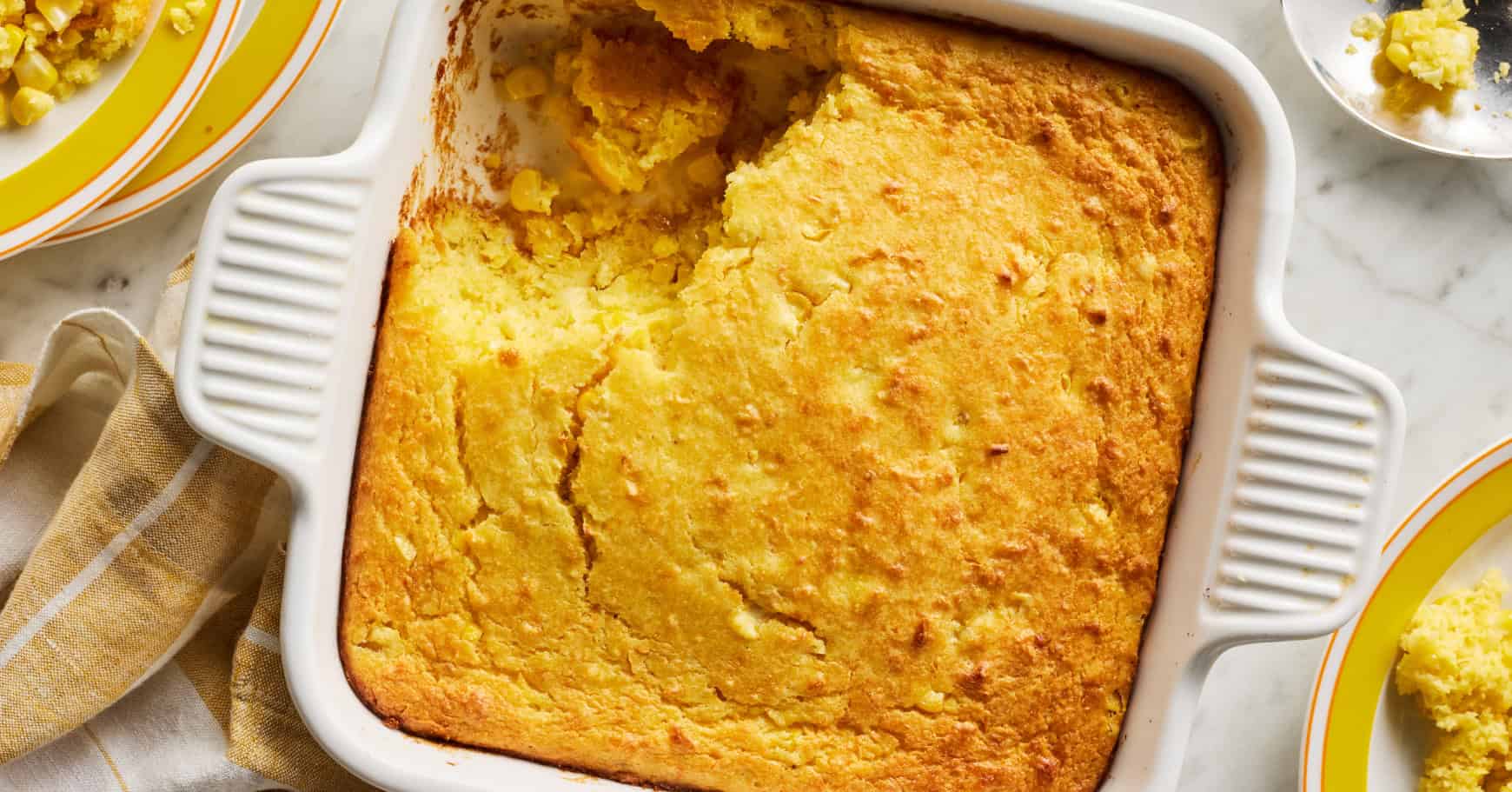
The modern iteration, however, reimagines this classic formula. Culinary experts are championing a from-scratch approach that utilizes fresh, seasonal ingredients without sacrificing the ease of preparation that made the original version a household favorite.
- The Flavor Profile: A delicate balance of natural sweetness from fresh corn kernels balanced by savory elements like butter, eggs, and sour cream.
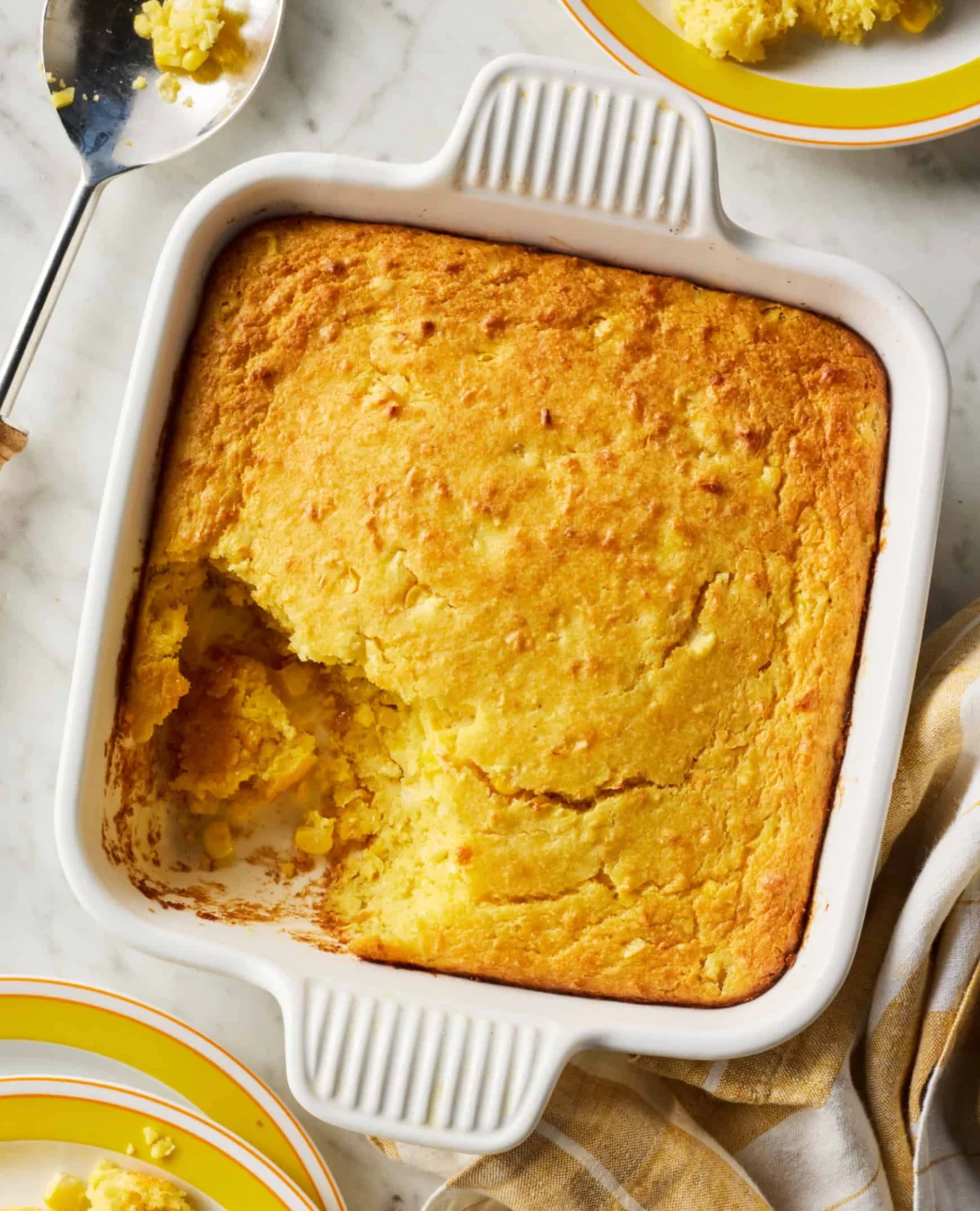
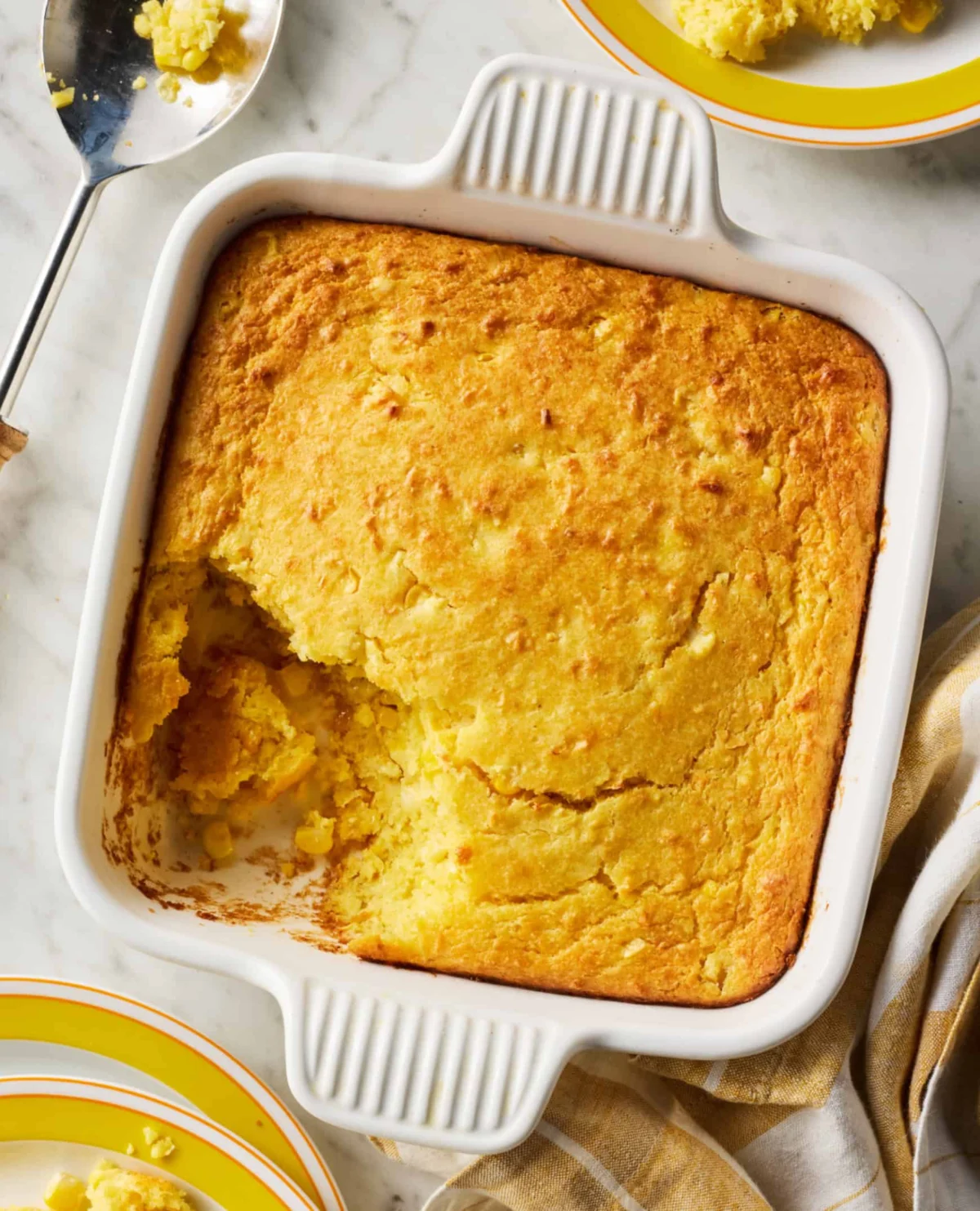
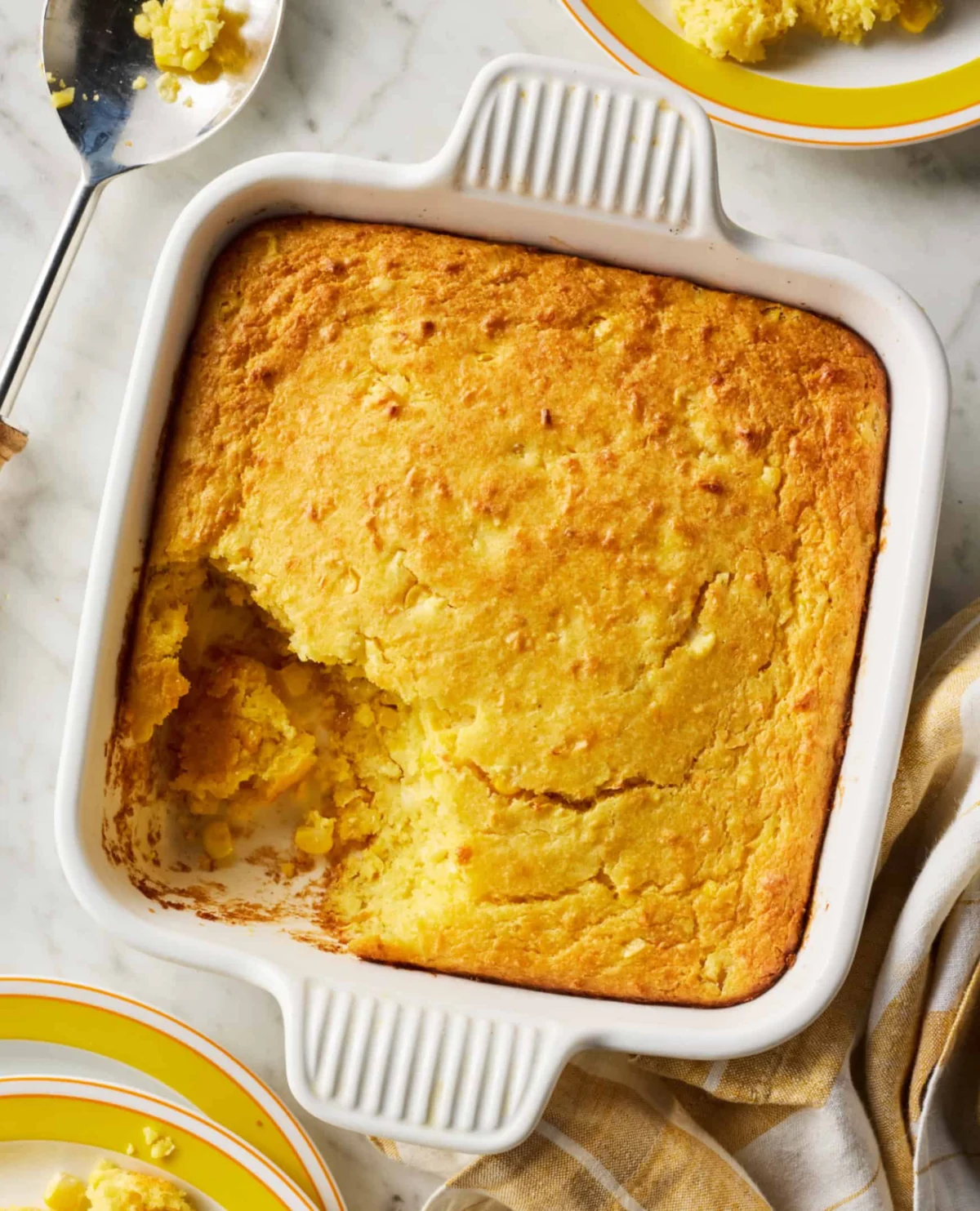
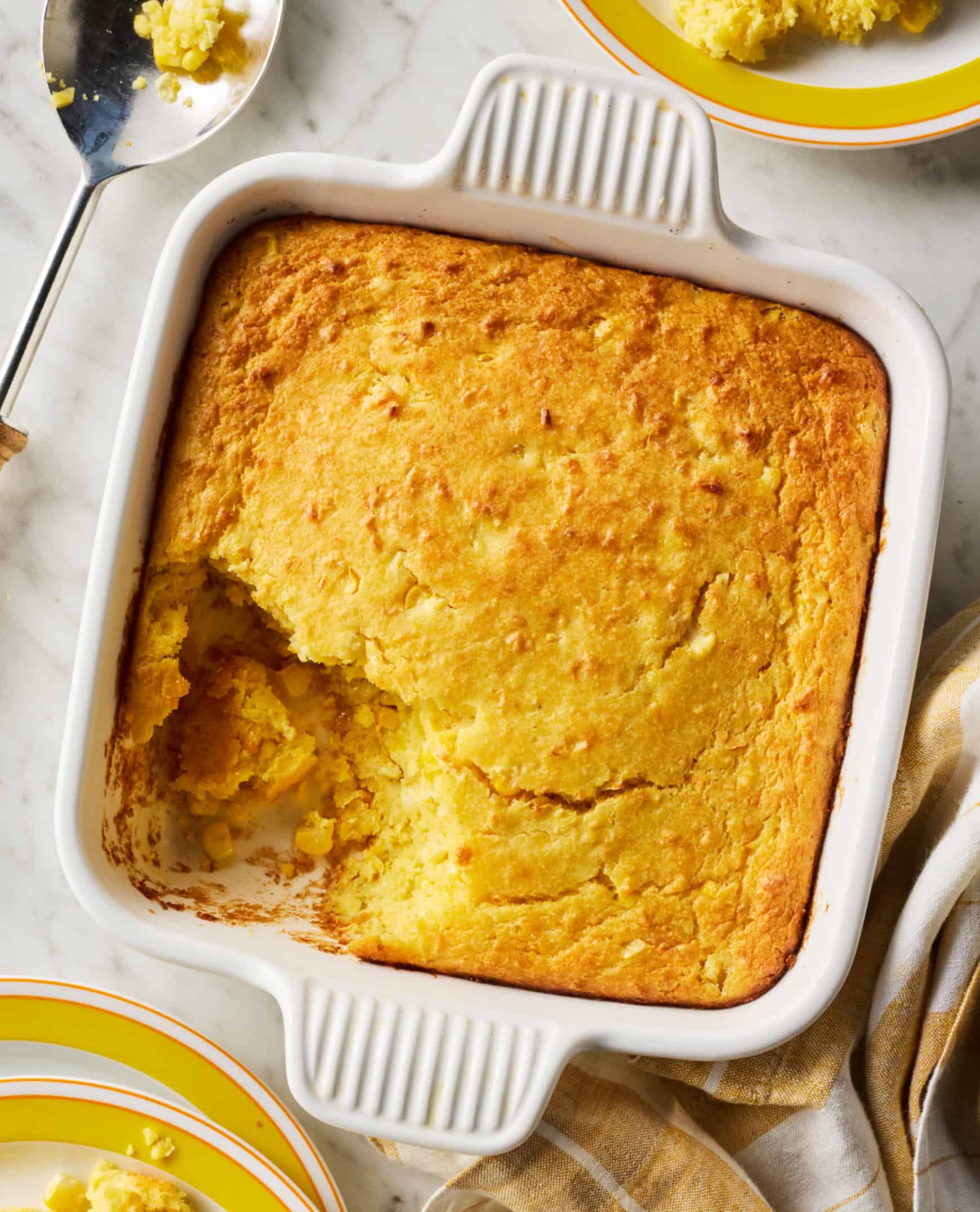
- The Texture: Golden-brown, slightly crisp edges giving way to a rich, soft, spoonable center punctuated by whole kernels for a satisfying crunch.
- The Flexibility: While fresh corn is preferred during the early fall harvest, the recipe remains remarkably adaptable, accommodating frozen or canned alternatives seamlessly with minor adjustments.
- Nutritional Breakdown: A standard serving (approximately one slice from a 9×9-inch dish) yields roughly 292 calories, 17 grams of fat, 33 grams of carbohydrates, and 6 grams of protein, making it a hearty, satisfying addition to any meal.
Chronology: From Pantry Staple to Artisanal Side Dish
To understand the current fascination with corn casserole, one must look back at its origins and how the recipe has migrated through American domestic history.
Mid-20th Century: The Rise of Convenience Baking
In the post-World War II era, the American grocery landscape exploded with convenience items designed to cut down kitchen prep time. Boxed mixes, canned vegetables, and processed dairy products became the backbone of weeknight cooking. The marriage of boxed corn muffin mix, canned cream-style corn, whole kernel corn, eggs, and sour cream (or butter) was born out of this era. It was cheap, foolproof, and delivered immediate gratification, quickly earning a permanent spot at Thanksgiving tables across the American Midwest and South.
The Late 2000s to 2010s: The Food Blog Boom
As food blogging and online recipe-sharing platforms gained mainstream momentum, home cooks began experimenting with classic comfort foods. Variations involving shredded cheddar cheese, green chiles, jalapeños, and bacon started appearing online. Despite these creative add-ins, the foundation of the dish remained heavily tied to the processed canned goods and boxed mixes of the past.
The Present Day: The "From-Scratch" Revolution
In recent years, a broader cultural focus on whole foods, farm-to-table dining, and culinary transparency has begun influencing home baking. Cooks are increasingly skeptical of heavily processed additives and sodium-laden canned goods. Food creators and recipe developers have responded by breaking down the chemistry of the classic casserole. By replacing canned creamed corn with a simple food-processor puree of fresh corn, and substituting boxed mixes with a hand-measured blend of flour, cornmeal, sugar, baking powder, and salt, today’s home cooks are reclaiming the dish—achieving a superior, fresher flavor profile while maintaining the beloved nostalgia of the original.
Supporting Data and Culinary Mechanics
Achieving the ideal corn casserole requires an understanding of ingredient ratios and baking science. Unlike traditional cornbread, which relies on a higher ratio of dry flour and cornmeal to achieve a crumbly, sliceable texture, corn casserole depends on moisture-heavy binding agents to create its signature creamy interior.
The Science of the Creamy Center
The secret to the dish’s decadent texture lies in the inclusion of a puréed corn component. By blending a portion of the corn kernels until smooth, cooks replicate the viscous, starchy consistency of traditional canned cream-style corn. This natural starch, when combined with eggs, melted butter, and sour cream, creates a custard-like matrix that traps moisture during the baking process.
Preparation Timeline and Yields
- Prep Time: 15 minutes
- Cook Time: 45 to 50 minutes
- Total Time: 1 hour
- Standard Yield: Serves 9 generous portions (baked in a standard 9×9-inch casserole dish)
Comprehensive Ingredient Matrix
| Component Type | Traditional Shortcut Method | Modern Scratch-Made Method |
|---|---|---|
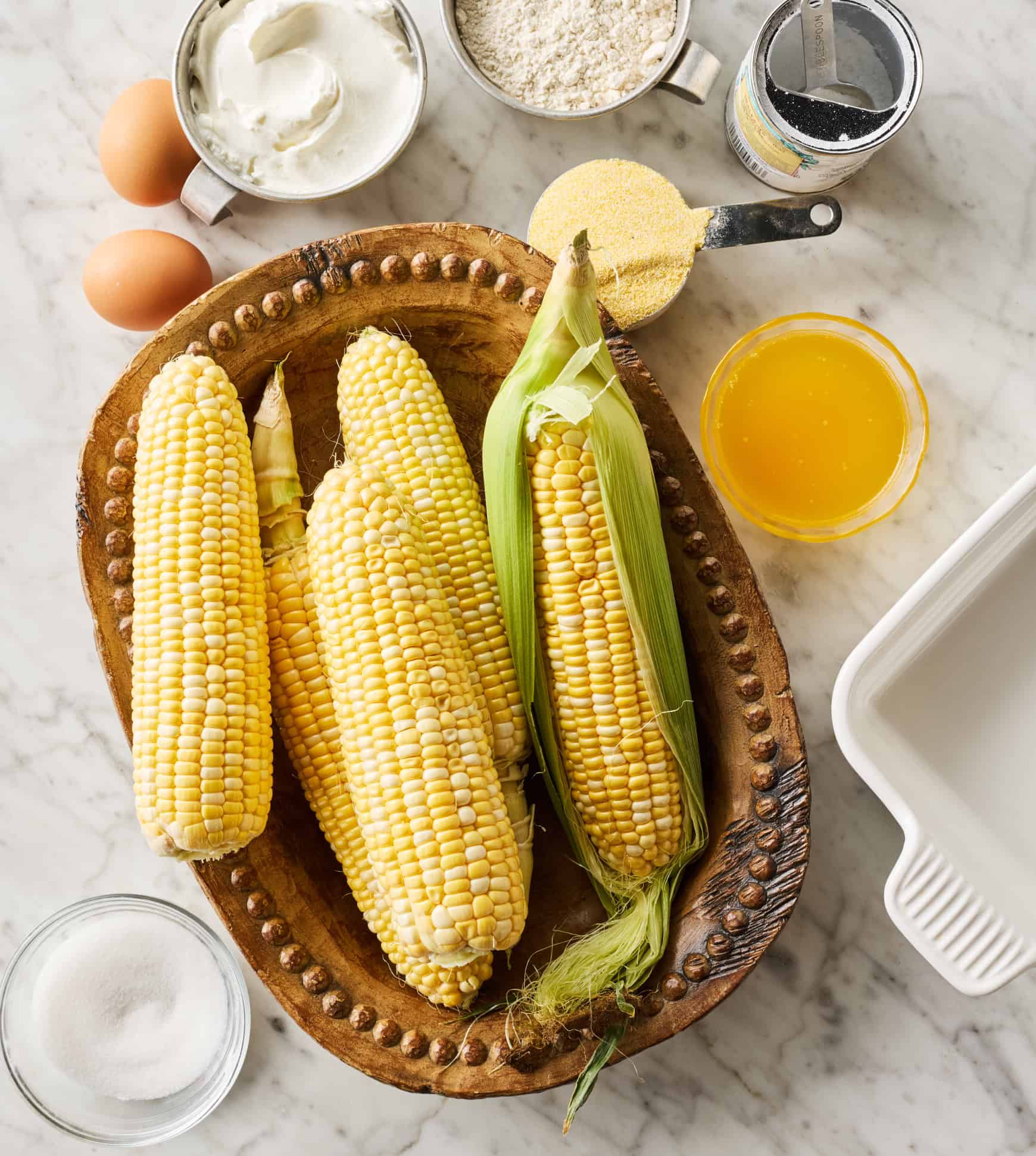
| Base Mix | Boxed Corn Muffin Mix (e.g., Jiffy) | All-purpose flour, yellow cornmeal, sugar, baking powder, salt |
| Moisture / Binder | Canned creamed corn, eggs, sour cream | Fresh corn purée, eggs, melted butter, sour cream |
| Texture Add-in | Canned whole-kernel corn (drained) | Fresh whole corn kernels (or high-quality frozen/canned) |
| Fat Source | Melted butter or vegetable oil | Unsalted butter (utilized for both batter and greasing the pan) |
Step-by-Step Execution: Crafting the Ultimate Corn Casserole
For those looking to recreate this modernized comfort classic in their own kitchens, the process is remarkably straightforward, requiring no advanced culinary degree—only a few quality ingredients and basic kitchen tools.
Phase 1: Dry Ingredient Integration
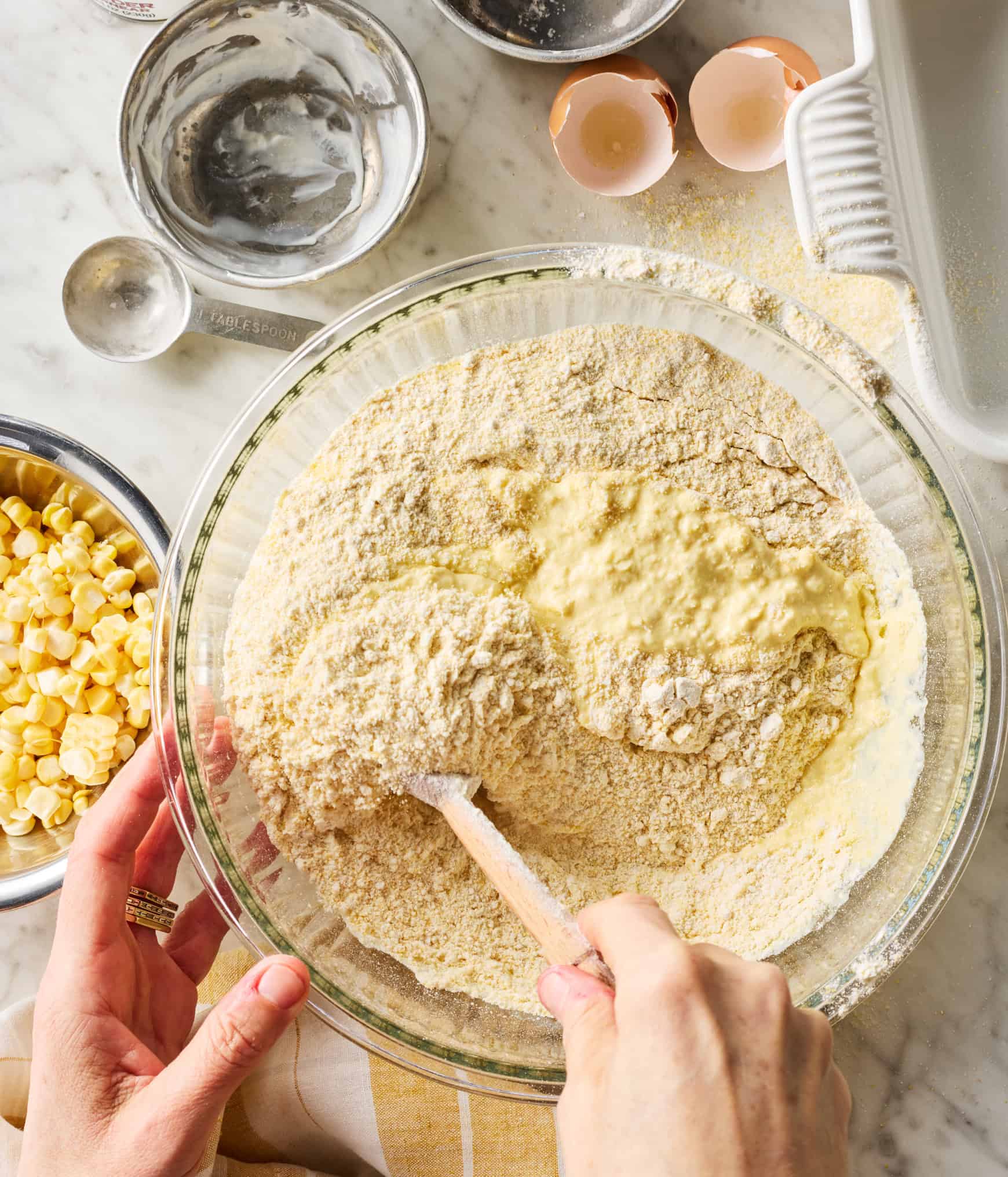
Begin by whisking together the dry components in a medium-sized mixing bowl. Combine all-purpose flour, yellow cornmeal, granulated sugar, baking powder, and a pinch of salt. Ensuring these ingredients are evenly distributed prevents pockets of leavening agent or seasoning in the final bake.
Phase 2: Processing the Corn
To capture the authentic creaminess of the dish without relying on canned goods, transfer 3 cups of fresh corn kernels into a food processor. Pulse and process until the corn is completely smooth. This natural purée provides the essential moisture. Leave the remaining 1.5 cups of corn kernels entirely whole to provide a delightful textural contrast and pop of fresh flavor in every bite.
Phase 3: Unifying the Wet Ingredients
In a separate, larger bowl, whisk the eggs and slightly cooled melted butter together until fully incorporated. Whisk in the freshly made corn purée and the sour cream until the mixture is uniform and smooth.
Phase 4: Combining Wet and Dry
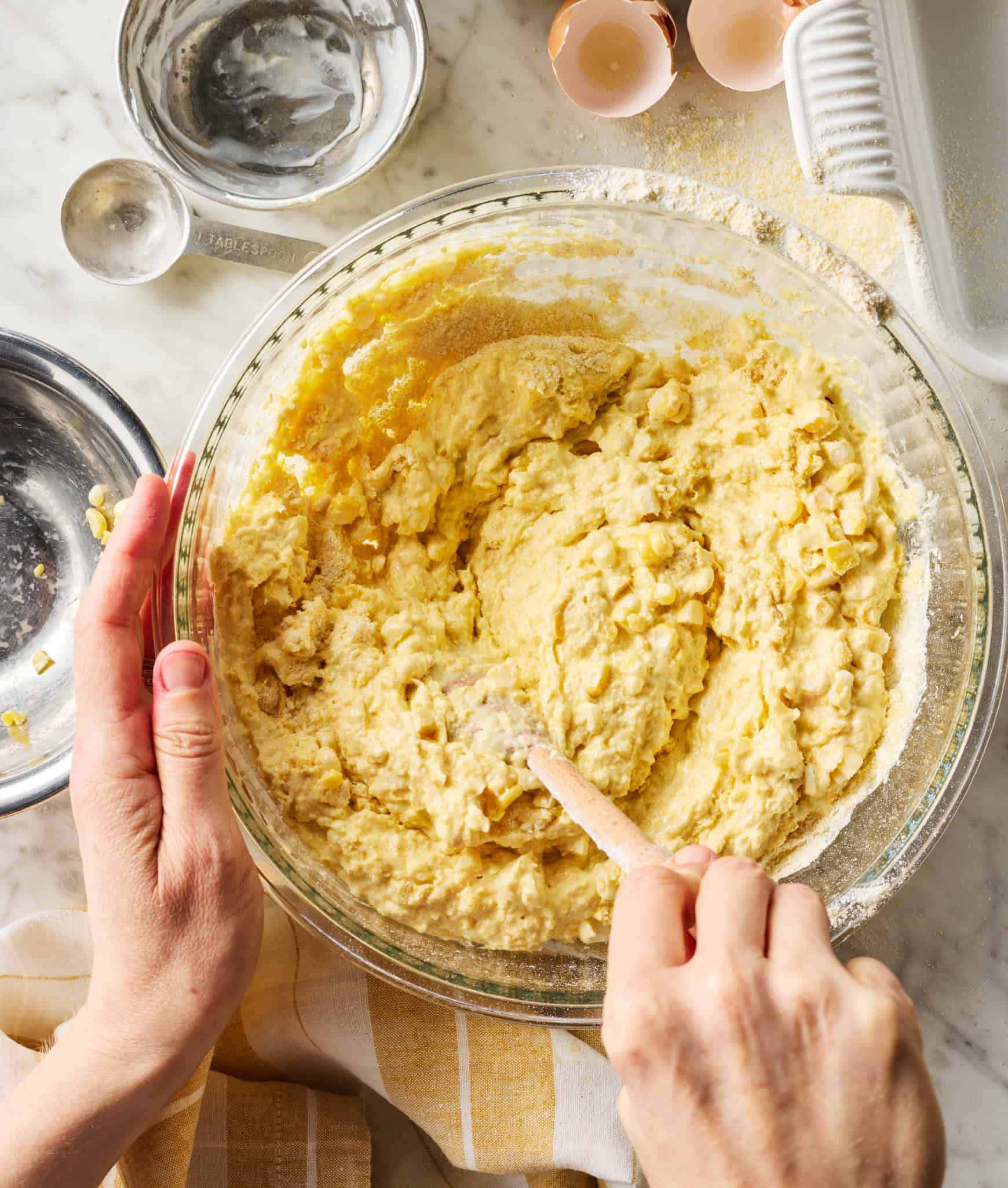
Gently fold the dry ingredients into the wet mixture, stirring only until a thick batter forms. Culinary experts emphasize a golden rule here: do not overmix. Much like preparing pancake batter, a few residual lumps are entirely normal and desirable; overworking the batter can lead to a dense, tough final product. Finally, gently fold in the reserved whole corn kernels.
Phase 5: Baking to Perfection
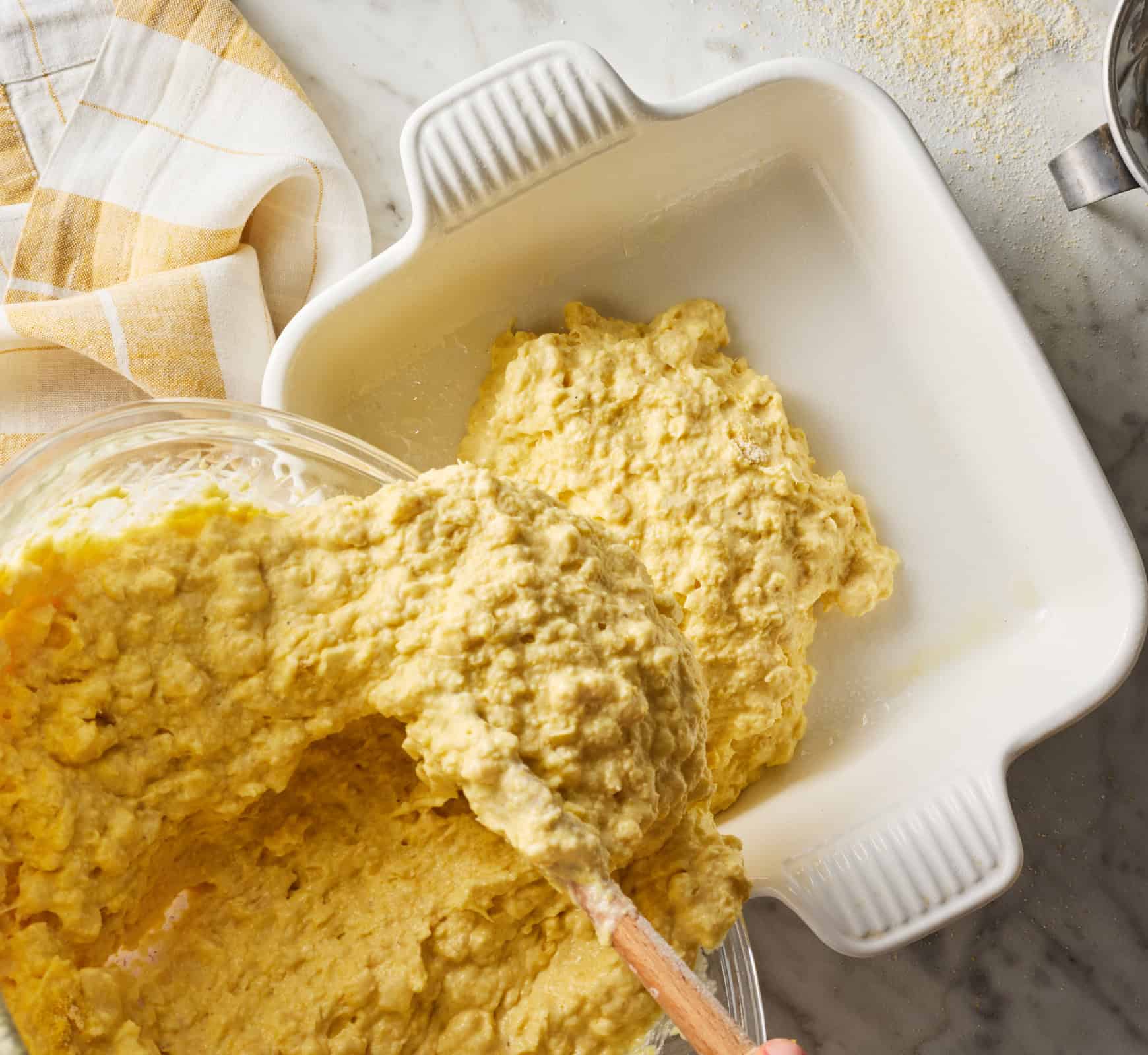
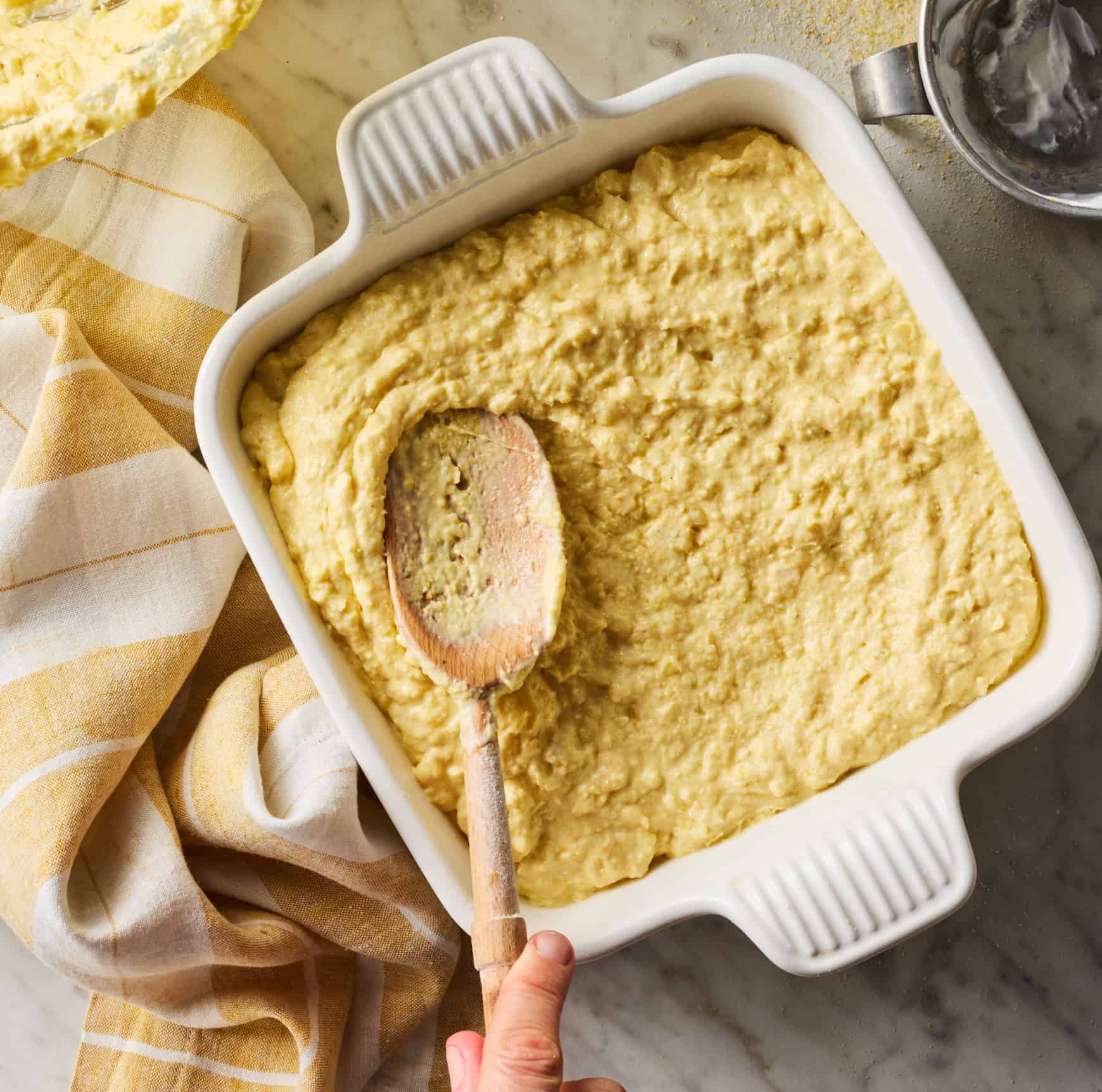
Transfer the batter into a well-greased 9×9-inch casserole dish. (Pro tip: use a small amount of your melted butter to coat the interior of the dish before mixing it into the batter for effortless release). Bake in a preheated oven at 350°F (175°C) for 45 to 50 minutes. You will know it is ready when the outer edges turn a deep, golden brown and pull slightly away from the sides, while the center remains just slightly soft and trembling.
Allow the casserole to rest for 10 minutes prior to slicing and serving; this brief cooling window allows the starches and proteins to set properly.
Make-Ahead Strategies, Storage, and Freezing
One of the primary reasons corn casserole remains a holiday favorite is its exceptional versatility regarding meal preparation timelines.
Making Ahead for Holidays
For busy hosts managing multi-course holiday dinners like Thanksgiving, this dish can be fully baked up to two days in advance. Once baked, allow the casserole to cool completely to room temperature, cover it tightly with foil or plastic wrap, and store it in the refrigerator. To serve, simply reheat the covered dish in a 300°F oven for 10 to 20 minutes, or until warmed thoroughly through.
Short-Term Refrigeration
Leftovers can be stored safely in an airtight container within the refrigerator for up to 4 days without losing their structural integrity or flavor profile.
Long-Term Freezing
For meal preppers looking further ahead, corn casserole freezes remarkably well. Wrap the cooled casserole tightly in multiple layers of heavy-duty aluminum foil or transfer individual portions to airtight freezer-safe containers. It can be stored frozen for up to 3 months. When ready to enjoy, transfer the dish to the refrigerator to thaw overnight before reheating gently in the oven or microwave.
Implications: The Shift Toward Intentional Home Cooking
The rising popularity of scratch-made corn casserole points to a broader, highly encouraging trend in modern domestic gastronomy: a collective desire to slow down and reconnect with the origins of our food.
While convenience foods will always hold a nostalgic place in culinary history, the willingness of home cooks to take an extra fifteen minutes to purée fresh corn, measure out dry cornmeal, and balance flavor profiles speaks to an evolving standard of taste. It demonstrates that comfort food does not have to be synonymous with processed shortcuts. By embracing fresh, wholesome ingredients, today’s home cooks are preserving a cherished culinary tradition while simultaneously elevating it for a new generation of food lovers.
Whether gracing the table at an autumnal Sunday dinner or taking its rightful place beside the roasted turkey this November, the modernized corn casserole proves that timeless recipes only get better with a little extra care.