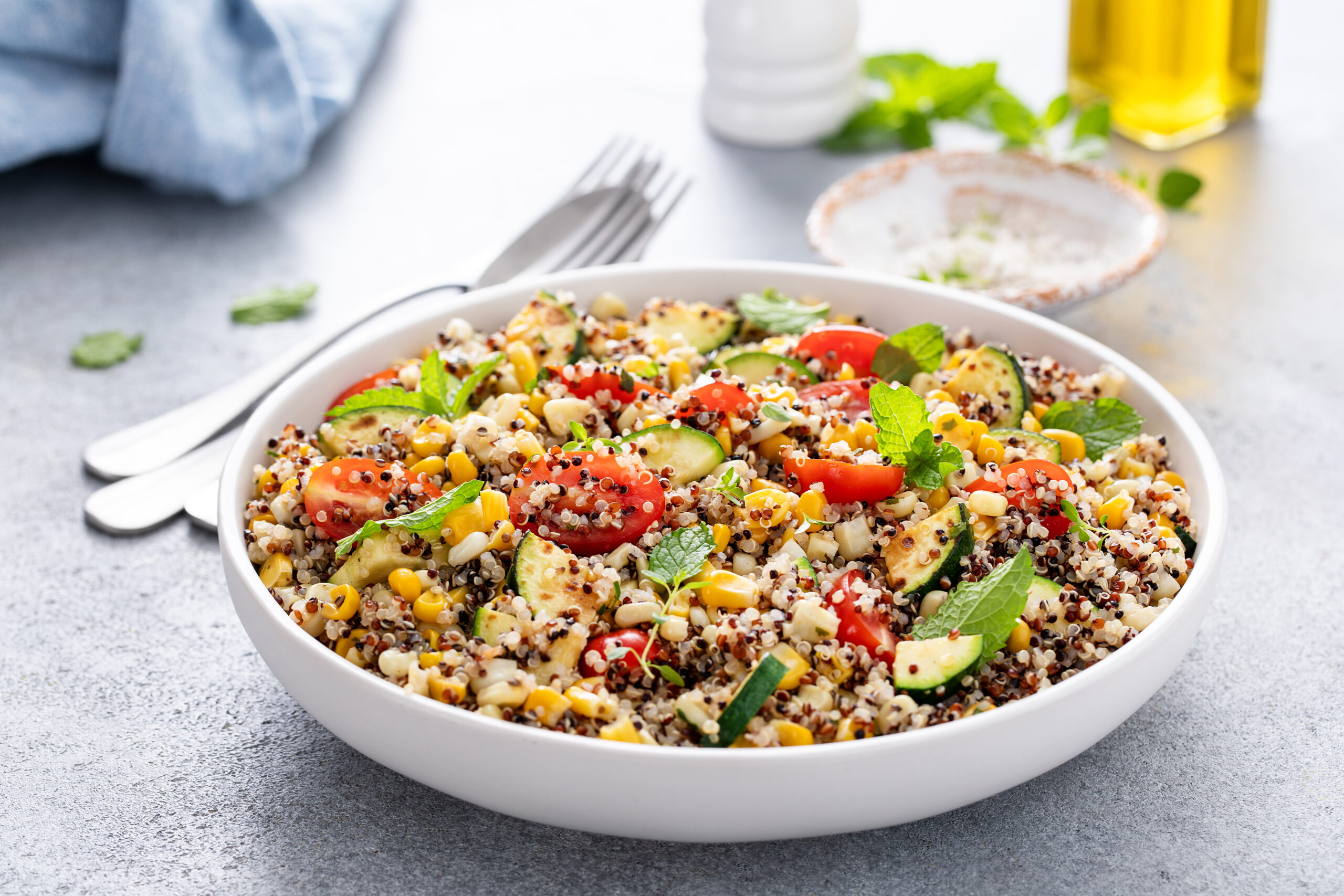
In the height of the summer season, when home gardens are bursting with color and local farmers’ markets are lined with the season’s peak bounty, the culinary challenge often shifts from finding ingredients to finding the perfect way to showcase them. Enter the garden-fresh quinoa salad—a dish that bridges the gap between sophisticated nutrition and rustic, seasonal simplicity. By marrying the nutty, protein-rich profile of quinoa with the vibrant crunch of sweet corn, tender zucchini, and sun-ripened cherry tomatoes, home cooks can create a versatile centerpiece that defines the essence of summer dining.
The Foundation: Understanding the Quinoa Advantage
To appreciate the dish, one must first understand the primary component: quinoa. Often mistaken for a grain, quinoa is actually a seed, originating from the Andean region of South America. Its rise in popularity over the last decade is well-deserved; it serves as one of the few plant-based sources of complete protein, meaning it contains all nine essential amino acids required by the human body.
Beyond its nutritional density, quinoa is a culinary chameleon. When cooked correctly, it achieves a light, fluffy consistency with a subtle, earthy undertone that provides a neutral canvas for bold flavors. For the purposes of a summer salad, its ability to retain its structure—unlike delicate leafy greens that wilt under the pressure of dressings—makes it the superior choice for meal prep, picnics, and outdoor gatherings where the salad might sit in the heat for an extended period.
A Chronology of Preparation: From Pantry to Plate
Crafting the perfect quinoa salad is a process that rewards patience and technique. While the total preparation time is approximately 50 minutes, the timeline is divided into specific, manageable stages that ensure the final result is as fresh as it is flavorful.
Phase 1: The Pre-Cook Ritual (15 Minutes)
Preparation begins with the essential step of rinsing. Raw quinoa is naturally coated in saponin, a phytochemical that serves as a natural deterrent for birds and insects but imparts a bitter, soapy taste to the palate. Even with pre-rinsed store-bought varieties, a quick 30-second rinse in a fine-mesh strainer under cold water is the hallmark of a professional cook, ensuring the final dish tastes clean and nutty rather than metallic.
Phase 2: The Simmer (20 Minutes)
The cooking phase requires a strict ratio: two parts liquid to one part quinoa. Using a vegetable broth instead of water is a pro-tip for infusing the base with savory depth. The key to the "fluff factor" is the "boil and cover" method. Once the liquid reaches a boil, the heat must be reduced to a gentle simmer and the lid must remain firmly in place. Disturbance—in the form of excessive lid-lifting or stirring—releases steam and can lead to a gummy texture.
Phase 3: The Cooling and Assembly (15 Minutes)
The most critical error a home cook can make is adding fresh ingredients to hot quinoa. Heat causes tomatoes to lose their structural integrity and causes basil to wilt, turning a vibrant salad into a mushy, unappealing mixture. Spreading the cooked quinoa on a flat baking sheet allows for rapid evaporation and cooling, setting the stage for the final assembly.
Supporting Data: Why This Dish Succeeds
The synergy between the ingredients in this recipe is rooted in the culinary principle of "balanced contrast."
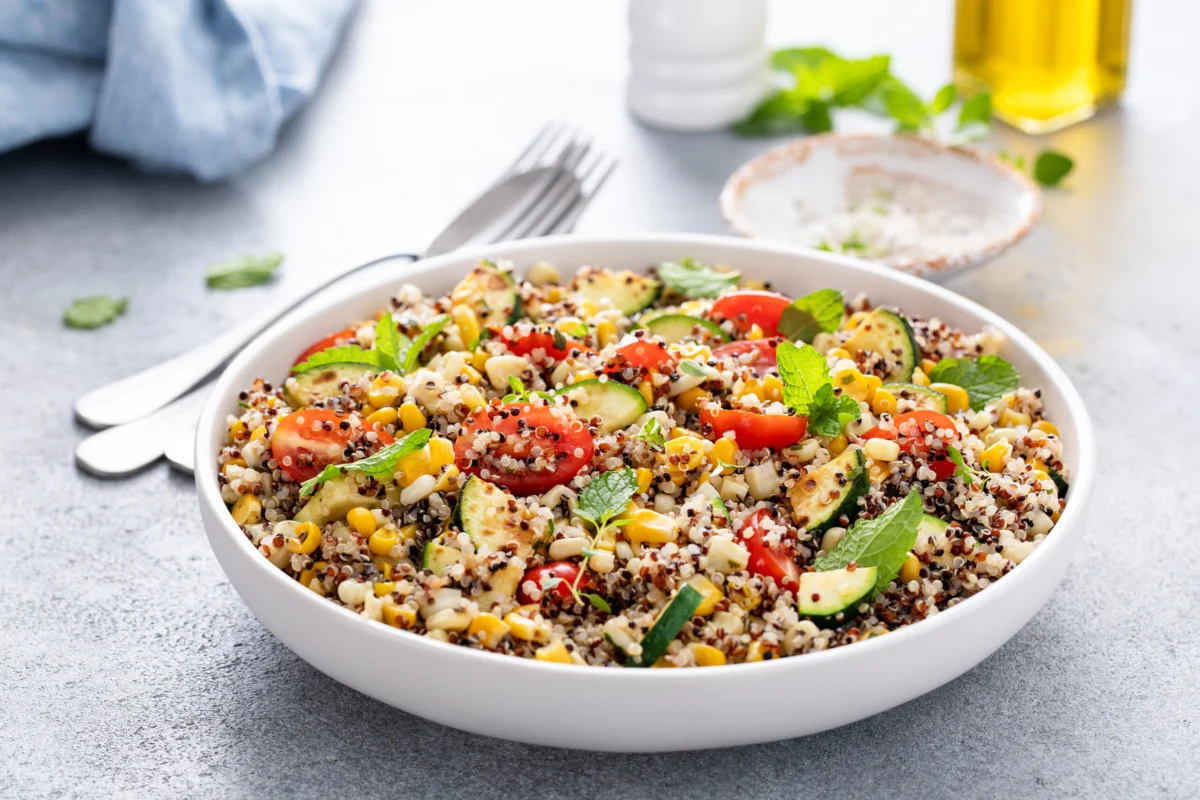
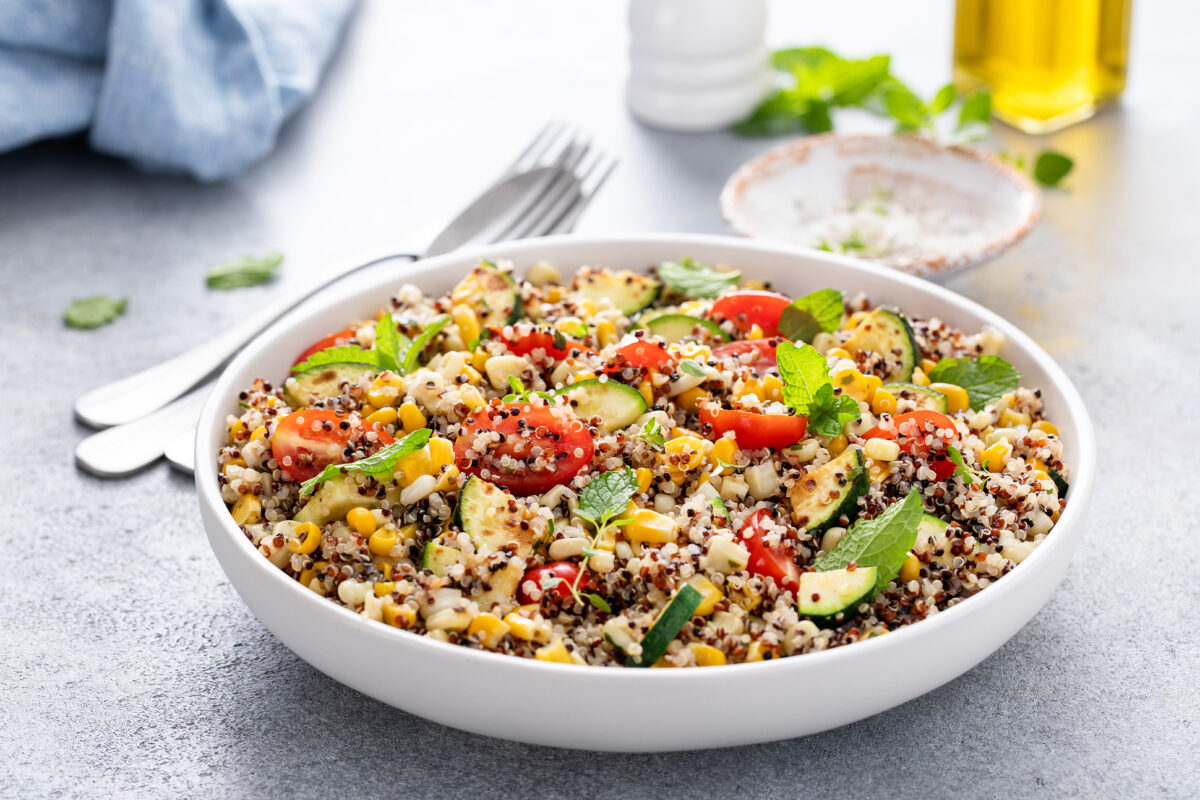
- Texture: The quinoa provides a granular base, while the zucchini offers a soft, tender bite. The cherry tomatoes provide an explosive burst of acidity, and the corn adds a pop of sweetness and structural snap.
- Acidity: The lemon-based dressing acts as the bridge. Citric acid cuts through the earthiness of the quinoa, brightens the sweetness of the corn, and keeps the basil leaves from darkening.
- Versatility: Nutritional data supports the inclusion of quinoa in a balanced diet, offering not just protein but significant amounts of dietary fiber, magnesium, and iron. When paired with zucchini—a low-calorie vegetable rich in Vitamin A and C—the dish becomes a powerhouse of nutrient density.
Nutritional Implications and Dietary Inclusivity
In a modern culinary landscape increasingly defined by dietary restrictions, the garden quinoa salad stands out as an exceptionally inclusive option. Because it is naturally gluten-free, it is safe for those with celiac disease or gluten sensitivities. Furthermore, its vegetarian base can be easily adapted to satisfy vegan requirements by omitting honey in favor of maple syrup or agave.
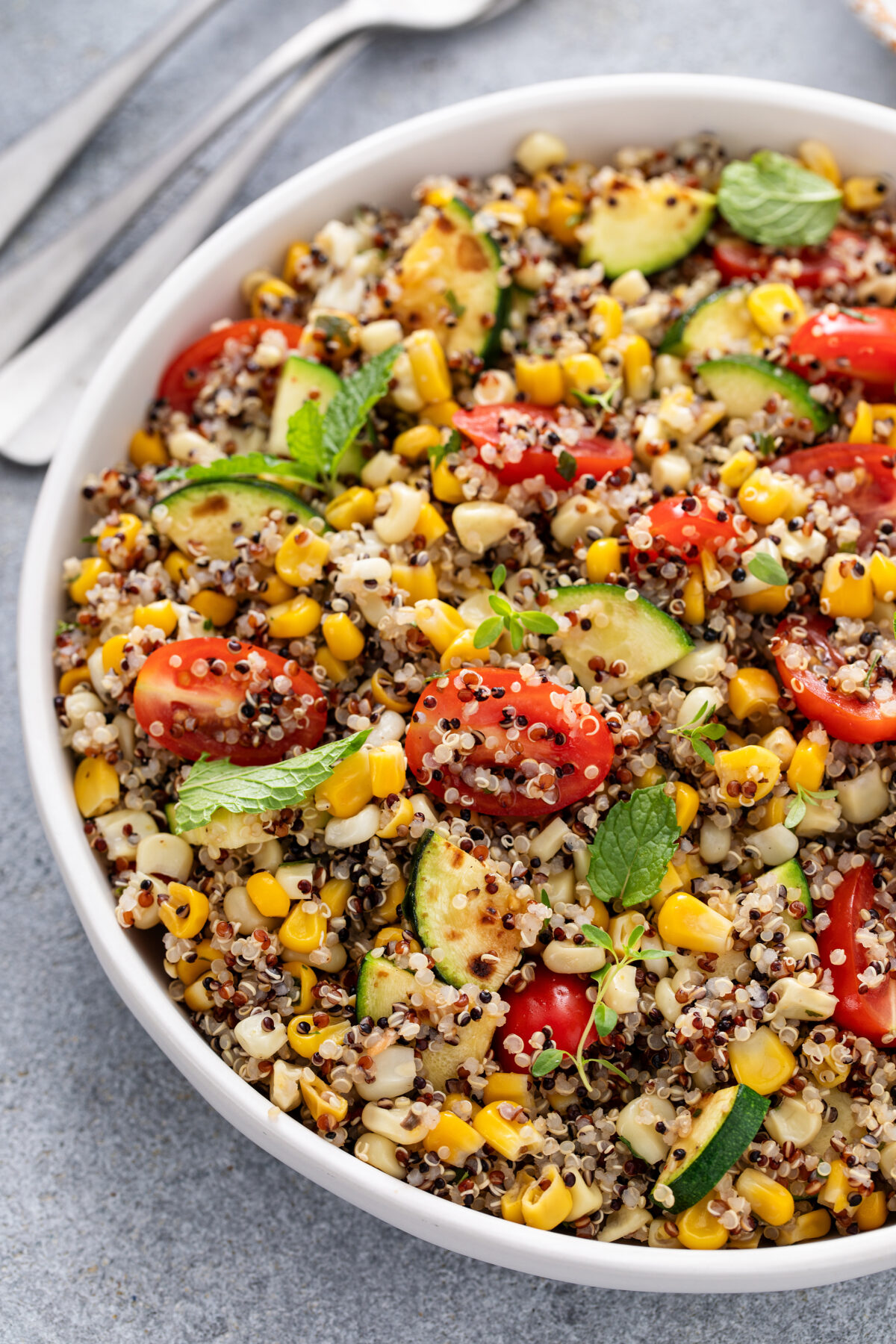
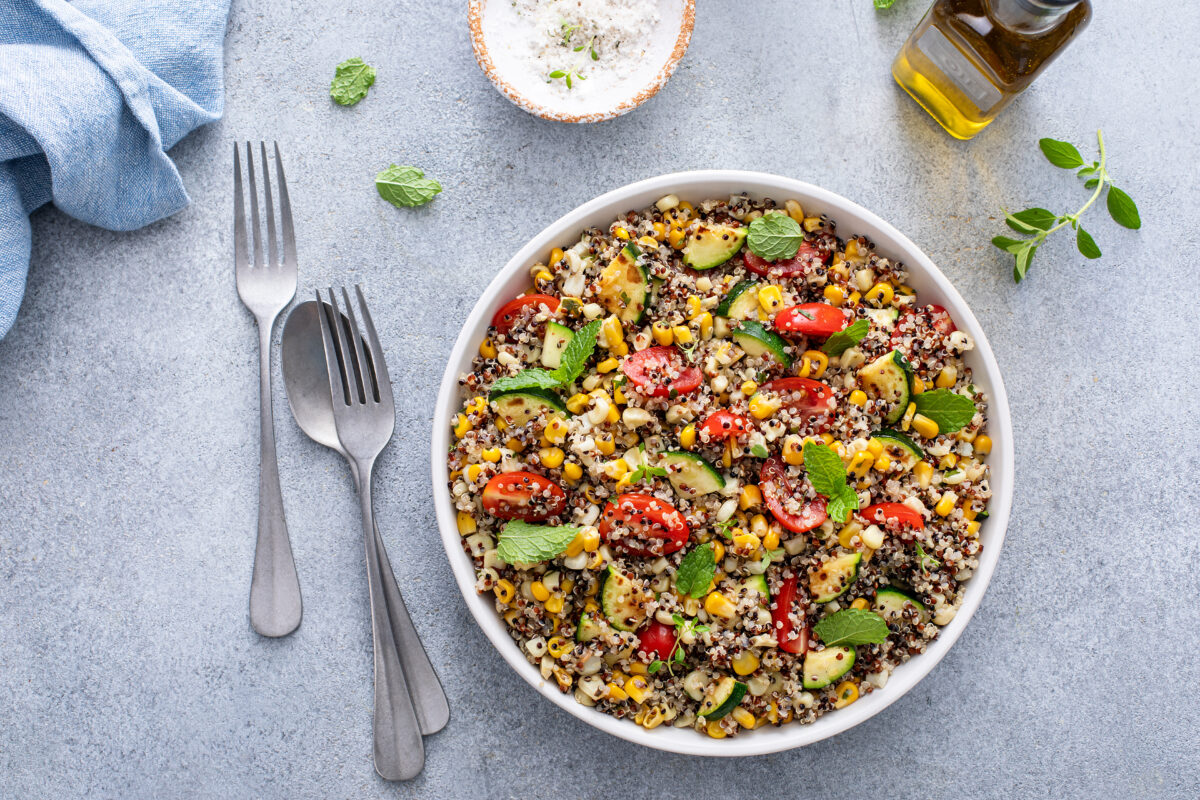
For families, the salad serves an educational purpose. The mild flavor profile of white quinoa is non-threatening to younger palates, making it an ideal vehicle for introducing kids to vegetables they might otherwise reject in a steamed or sautéed form. The aesthetic appeal—a mosaic of yellow corn, green zucchini, and red tomatoes—also plays a significant role in "sensory-forward" eating, where the visual vibrancy of the food increases the likelihood of consumption.
Expert Strategies for Customization
The true strength of this recipe lies in its "open-architecture" design. While the provided instructions create a stellar baseline, the dish is intended to evolve with the season.
Seasonal Adaptations
- The Early Summer Pivot: As spring turns to summer, consider adding radishes or snap peas for an extra crunch.
- The Late Harvest Transformation: As the season cools, roasted bell peppers or even charred eggplant can add a smoky complexity that pairs beautifully with the nutty profile of the quinoa.
Protein Integration
While the salad is filling on its own, it functions as a modular meal. Incorporating chickpeas or black beans elevates the protein content for a vegan main course. For meat-eaters, incorporating shredded rotisserie chicken or grilled shrimp effectively transforms a side dish into a complete, balanced entrée. The key, however, is the timing: add proteins—especially softer ones like avocado or mozzarella pearls—at the very last second to ensure they remain at the peak of freshness.
Troubleshooting Common Culinary Pitfalls
Even simple recipes carry risks. To maintain a professional standard in your home kitchen, keep these common issues in mind:
- Watery Consistency: This is almost always caused by overcooked zucchini or improperly drained tomatoes. Salt your tomatoes in a colander for ten minutes before adding them to the bowl to pull out excess liquid.
- Lack of Flavor: Quinoa is porous. If it tastes bland, it is likely because the cooking water was not seasoned or the dressing was applied too late. Dressing should be added in increments, allowing the seeds to absorb the citrus and oils for at least 15 minutes before the first serving.
- Wilted Herbs: Never chop basil ahead of time. Its cell walls are delicate and oxidize rapidly. Use a sharp knife or hand-tear the leaves immediately before folding them into the salad to preserve their bright, fragrant oil.
Conclusion: The Sustainable Summer Standard
The garden-fresh quinoa salad is more than just a recipe; it is a manifestation of seasonal awareness. By utilizing ingredients that are currently in their prime, the home cook reduces the need for heavy, processed additions and relies instead on the natural interplay of acidity, sweetness, and texture.
Whether you are looking to impress at a neighborhood potluck or simply trying to streamline your weekly meal prep, this dish offers a reliable, healthy, and undeniably delicious solution. It reminds us that at the end of the day, the best meals are those that require little more than fresh ingredients, a bit of technique, and an appreciation for the simple beauty of summer’s harvest. As the seasons shift, keep this recipe in your culinary arsenal—not just as a salad, but as a reminder of how simple, wholesome food can elevate the everyday dining experience.