MEXICO CITY / FOOD & CULTURE DESK — In the ever-expanding universe of weeknight cooking, few dishes offer the effortless versatility and high-impact flavor of Chicken Tinga. Traditionally celebrated for its smoky, fiery bite, this iconic shredded chicken dish has long served as a staple of Mexican home cooking. Now, home cooks and culinary enthusiasts are getting a masterclass in modernization with an updated, flavor-packed recipe that introduces a game-changing brine-and-bake technique alongside a vibrant, tart secret ingredient.
Whether spooned generously over crispy tostadas, folded into warm corn tortillas with a layer of melted cheese, or tucked away in the refrigerator for impromptu meals, this upgraded spicy Chicken Tinga is setting a new standard for home-cooked Mexican fare.
Main Facts: The Anatomy of an Upgraded Classic
At its core, Chicken Tinga is a simple preparation: shredded chicken bathed in a rich, tomato-based salsa spiked with chipotles in adobo. However, traditional variations often lean heavily—and sometimes monotonously—on standard plum tomatoes, resulting in a flat, one-dimensional profile.
This newly updated recipe introduces critical structural changes designed to elevate the dish from ordinary to extraordinary:
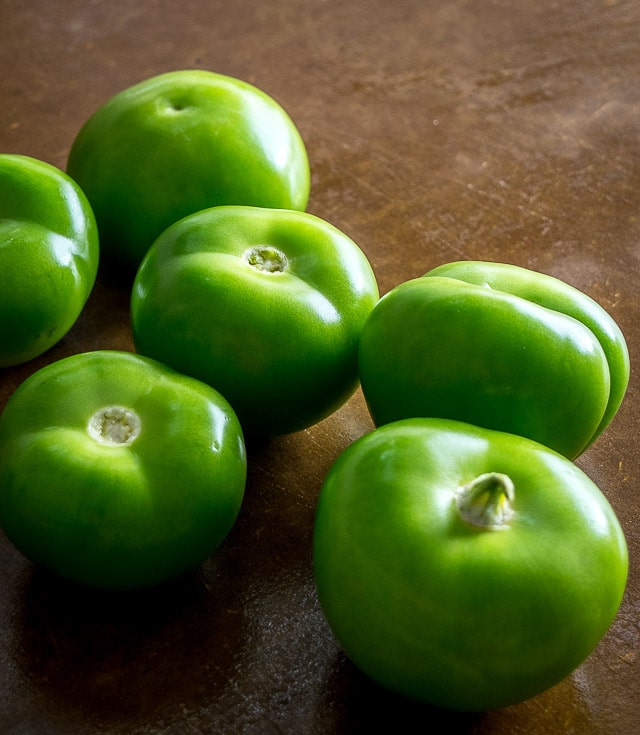
- The Tomatillo Secret: By incorporating 5 to 6 fresh tomatillos alongside 2 plum tomatoes, the sauce gains a bright, tart acidity that cuts through the heat and brings the entire flavor profile to life.
- The Brine-and-Bake Method: Moving away from traditional poaching or store-bought rotisserie chicken, this technique utilizes a 30-to-60-minute saltwater brine before a high-heat oven bake (400°F). This locks in moisture and seasons the chicken interior thoroughly.
- Uncompromising Heat: Utilizing up to 5 deseeded chipotles in adobo—supplemented by an extra 2 tablespoons of adobo sauce—delivers a bold, unapologetic kick tailored for heat-seeking palates, with adjustable sizing for milder preferences.
Chronology: Step-by-Step Culinary Execution
For home cooks looking to replicate this savory masterpiece, the process requires careful timing and sequential preparation, moving systematically from vegetable roasting to final assembly.
Phase 1: Roasting the Base
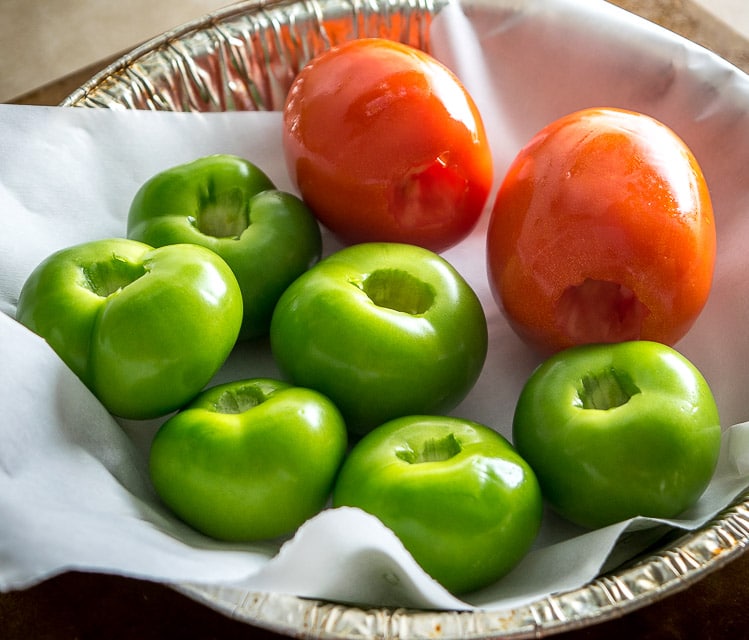
The culinary journey begins in the oven. Two plum tomatoes and five to six fresh tomatillos—with their stems neatly removed—are placed on a baking sheet and roasted at 400°F. While traditional methods often employ skillet-charring, oven roasting offers a hands-off approach that concentrates the natural sugars and juices of the nightshades. Crucially, any leftover juices in the roasting pan are reserved to be tossed directly into the blender later.
Phase 2: The Brine-and-Bake Chicken
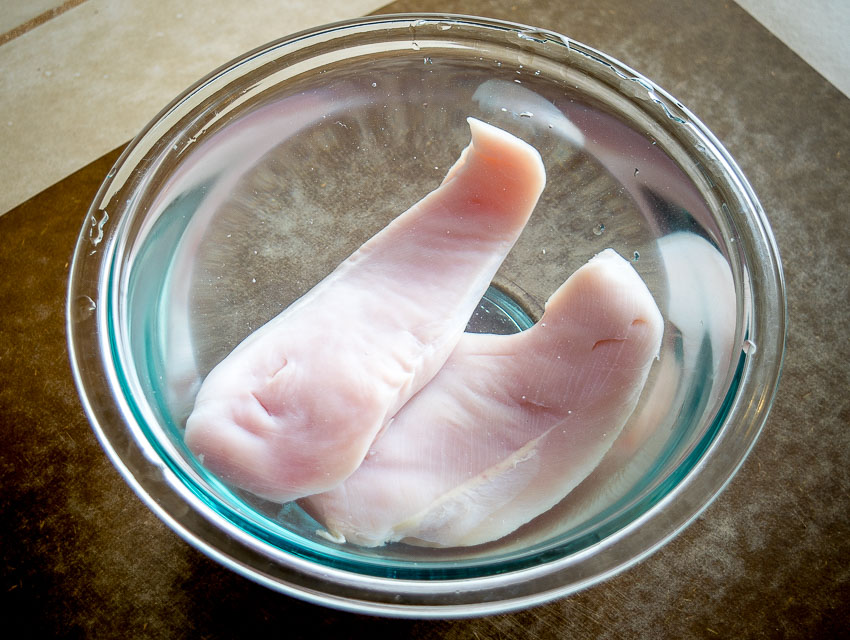
While the tomatoes and tomatillos soften in the heat, the protein undergoes a transformative treatment. A quart of water is combined with a quarter-cup of Kosher or sea salt until completely dissolved. Chicken breasts are submerged in the brine, covered, and left to rest in the refrigerator.
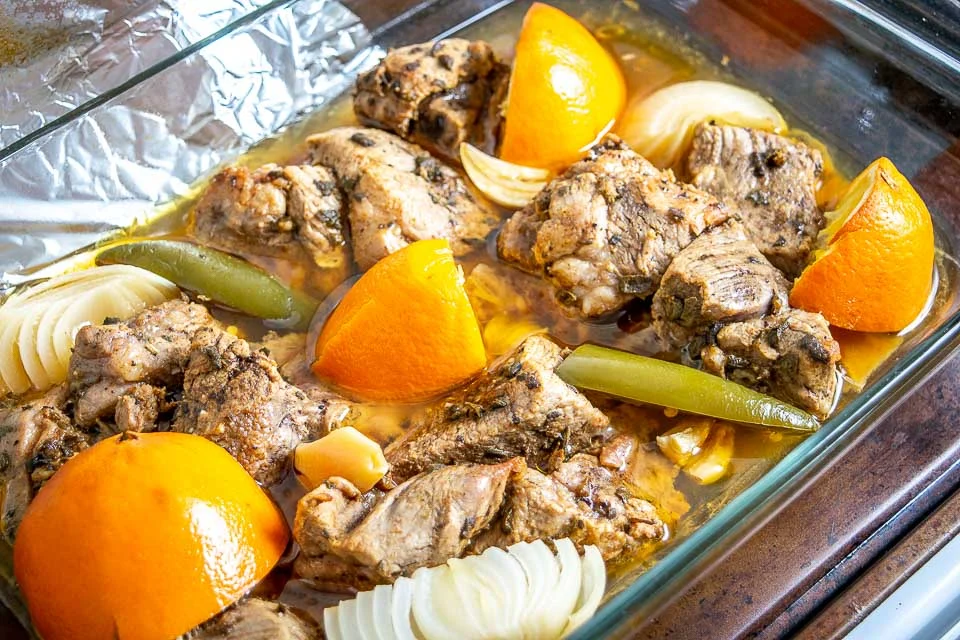
While a full 60-minute soak yields optimal results, even a 30-minute swim dramatically alters the meat’s texture and moisture retention. Once brined, the chicken breasts are patted dry and baked at 400°F for roughly 20 minutes, or until reaching an internal temperature of 160°F and losing all pink coloration.
Phase 3: Aromatics and the Blender Phase
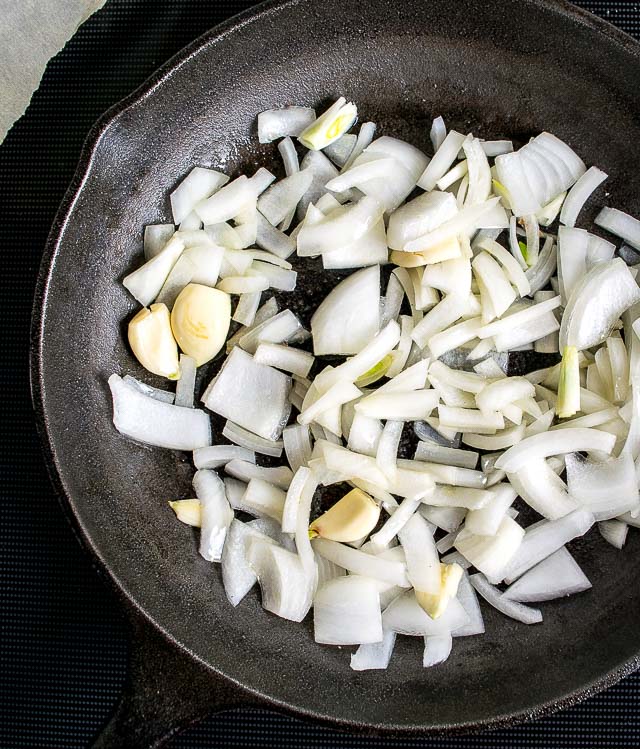
Simultaneously, half an onion and four whole garlic cloves are sautéed in oil over medium heat for 5 to 8 minutes until the onions begin to show golden-brown edges.
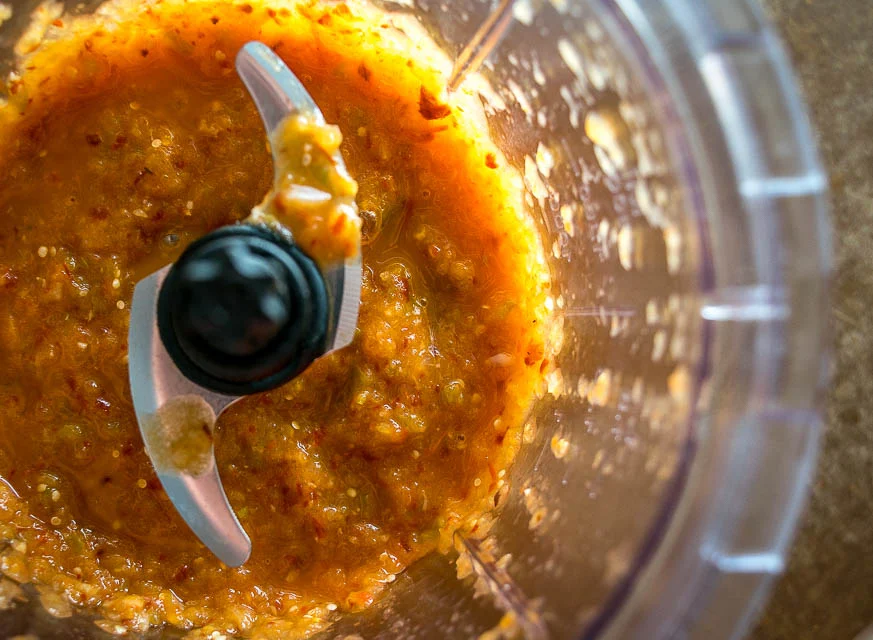
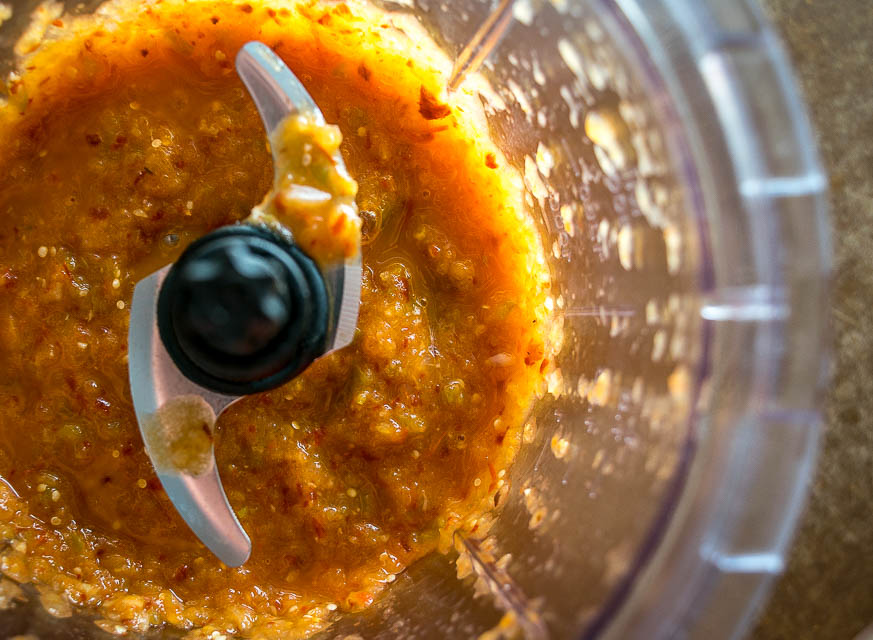
These aromatics are transferred to a blender alongside the roasted tomatoes, tomatillos, pan juices, and five chipotles in adobo (with the hardened seeds scraped out). Rather than achieving a silky puree, pulse blending is recommended to maintain a satisfyingly chunky texture. A quick taste test at this stage reveals an immediate, vibrant "zip" born of just a handful of fresh ingredients.
Phase 4: Simmering and Shredding
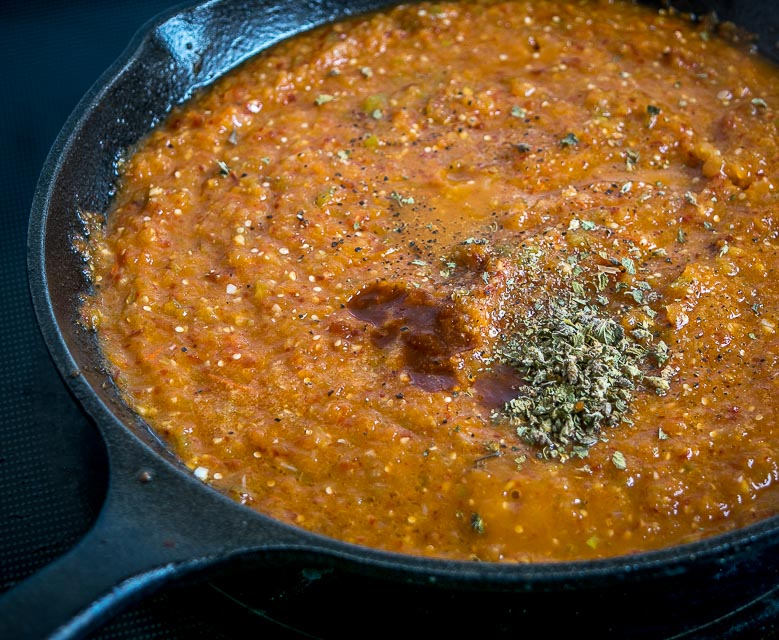
A glug of oil is heated in a saucepan over medium heat to receive the blended sauce. To build aromatic complexity, the cook adds:
- 2 tablespoons of adobo sauce
- 1 teaspoon of Mexican oregano
- 1/2 teaspoon of salt
- Freshly cracked black pepper
- A dash of cumin (optional)
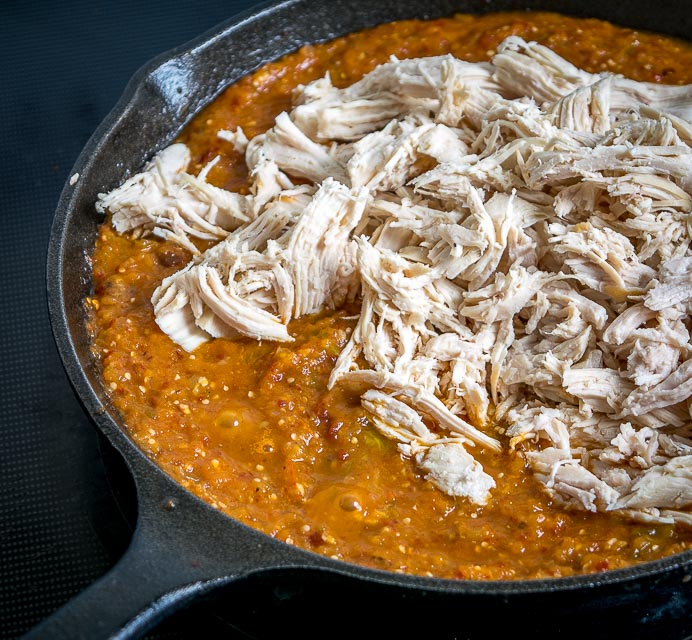
After letting the sauce simmer briefly, the baked chicken—now shredded—is folded into the bubbling mixture. The pot is allowed to simmer until all components reach a uniform, piping-hot temperature, at which point final adjustments for salt and heat are made.
Supporting Data: Selecting Ingredients for Maximum Impact
Success in Mexican cooking frequently relies on ingredient quality and precise selection rather than complicated techniques. Culinary experts emphasize several key sourcing principles for this recipe:
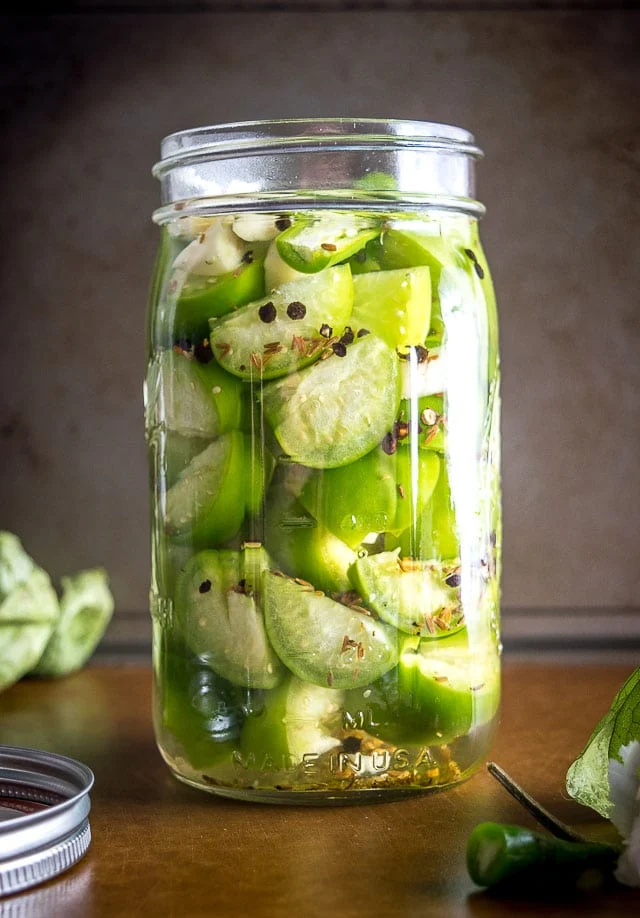
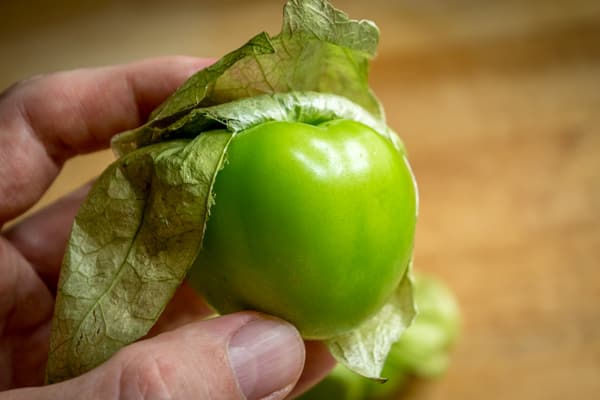
- Navigating Tomatillos: When purchasing fresh tomatillos at the market, shoppers should peel back the papery husks to inspect the skin. Taut, bright green skin indicates freshness, whereas wrinkled or discolored surfaces suggest the fruit is past its prime.
- Salt Selection: Kosher or sea salt is heavily favored for the brining process because it lacks the chemical additives found in standard iodized table salt, ensuring a pure saline penetration.
- Managing Spice: For those intimidated by heat, the recipe scales downward seamlessly. Starting with just one or two chipotles allows cooks to customize the Scoville profile, keeping in mind that increasing heat mid-recipe is far easier than subduing an overly fiery sauce.
Official Responses & Culinary Philosophy: The Philosophy of Versatility
Culinary authorities and food bloggers championing this method emphasize that Chicken Tinga is fundamentally designed to reduce weekday meal anxiety. By keeping a batch of sealed Tinga in the refrigerator, home cooks unlock a week’s worth of rapid, zero-thought assembly meals.
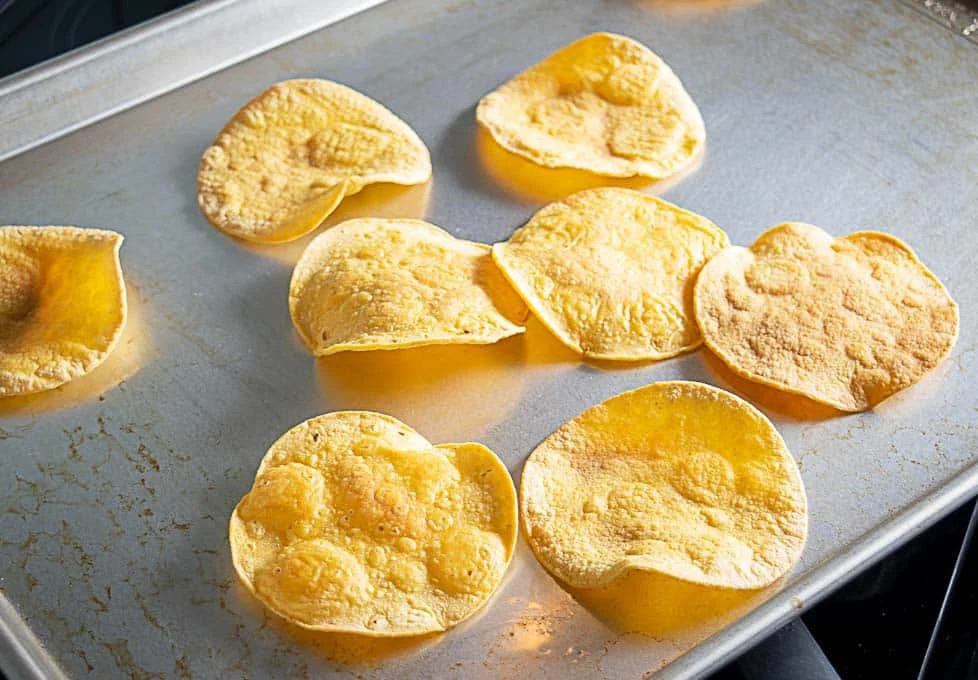
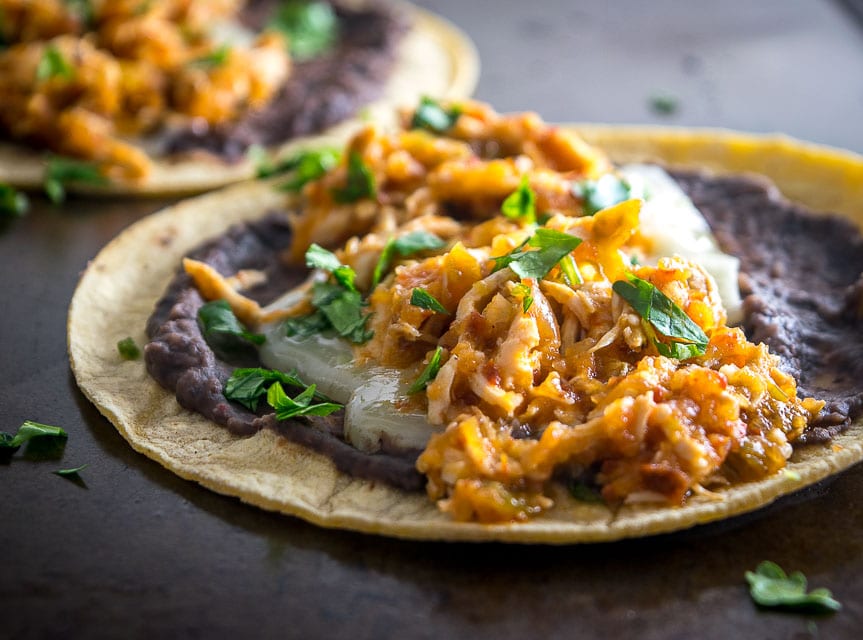
A favorite pairing recommended by recipe developers involves a companion container of black bean puree. By spreading a thin layer of black bean puree and cheese onto a corn tortilla in a dry skillet or comal, cooks can craft a crispy base. Once the cheese melts and savory brown spots form on the underside of the tortilla, a generous scoop of piping-hot Chicken Tinga transforms the simple flatbread into an unforgettable tostada or goopy taco.
“These are warm, comforting meals that require very little fuss,” notes culinary commentary surrounding the dish. “While they stand exceptionally well on their own, a final burst of acidity—via a squeeze of fresh lime juice or a topping of quick-pickled onions—makes the flavors truly pop.”
Beyond tostadas, the culinary footprint of this Tinga recipe extends across a wide array of traditional formats:
- Tinga Enchiladas: Rolled in tortillas and baked under a blanket of cheese and salsa.
- Traditional Tinga Tacos: Simple, folded street-style tacos loaded with cilantro.
- Hearty Burritos and Tortas: Stuffed generously with avocado, cilantro-lime mayo, and beans.
Implications: Streamlining Home Cooking Without Sacrificing Authenticity
As modern lifestyles demand faster, more efficient meal solutions, home cooking often risks sliding into dull, overly processed convenience foods. Recipes like this upgraded, brine-and-bake Chicken Tinga offer a vital bridge between traditional, labor-intensive Mexican gastronomy and the realities of contemporary busy schedules.
By shifting preparation to smart, batch-friendly methods—such as bulk brining, oven roasting, and multi-day refrigeration—home cooks can achieve deep, authentic regional flavors in a fraction of the time. The result is a sustainable culinary routine that champions bold spices, wholesome ingredients, and the enduring comfort of a well-stocked refrigerator.