WASHINGTON — In the modern culinary landscape, the demand for accessible, high-quality, allergen-friendly convenience foods continues to drive innovation in home kitchens across North America. For millions of households managing celiac disease, non-celiac gluten sensitivity, or general wheat intolerances, the pursuit of a reliable, grab-and-go breakfast has historically involved a series of compromises. Store-bought gluten-free options are frequently expensive, overly sweet, sticky, or texturally disappointing, while traditional homemade alternatives often crumble the moment they leave the kitchen counter.
Addressing this persistent culinary gap, recipe developer and author Nicole Hunn of Gluten Free on a Shoestring has released a comprehensive blueprint for a thick, chewy, brown sugar and cinnamon oatmeal breakfast bar. Designed specifically to mimic the comforting flavor profile of classic baked oatmeal while maintaining structural integrity during transit, the recipe offers a masterclass in functional gluten-free baking. This deep dive examines the engineering behind the recipe, its step-by-step methodology, strategic ingredient substitutions, and the broader implications of accessible specialty baking for busy families.
Main Facts: Anatomy of a Better Breakfast Bar
The newly detailed breakfast bar recipe centers on a straightforward premise: delivering an authentic oatmeal experience without relying on crunchy mix-ins like nuts, which can alienate younger palates or pose allergy risks in school environments.

Key structural and flavor elements include:
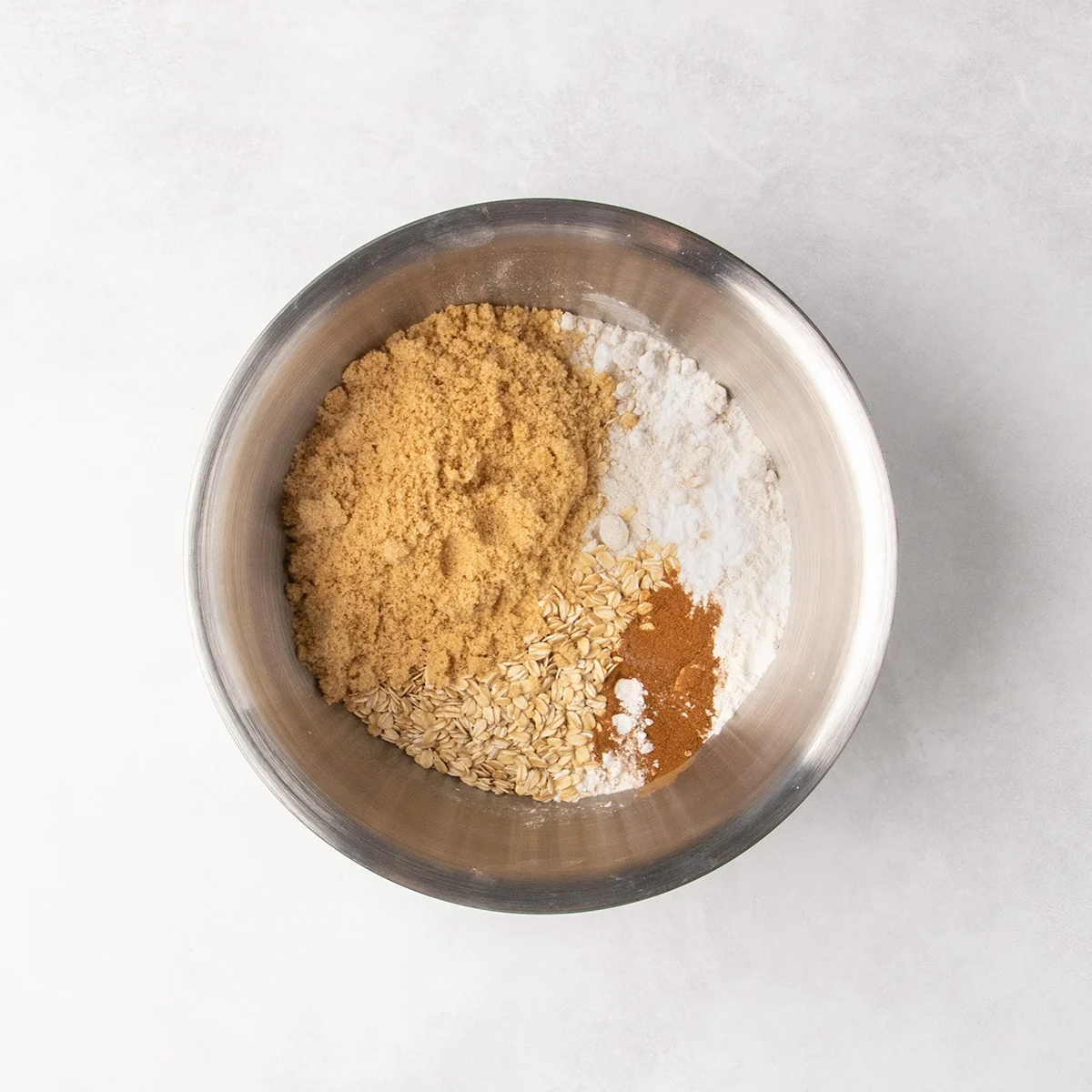
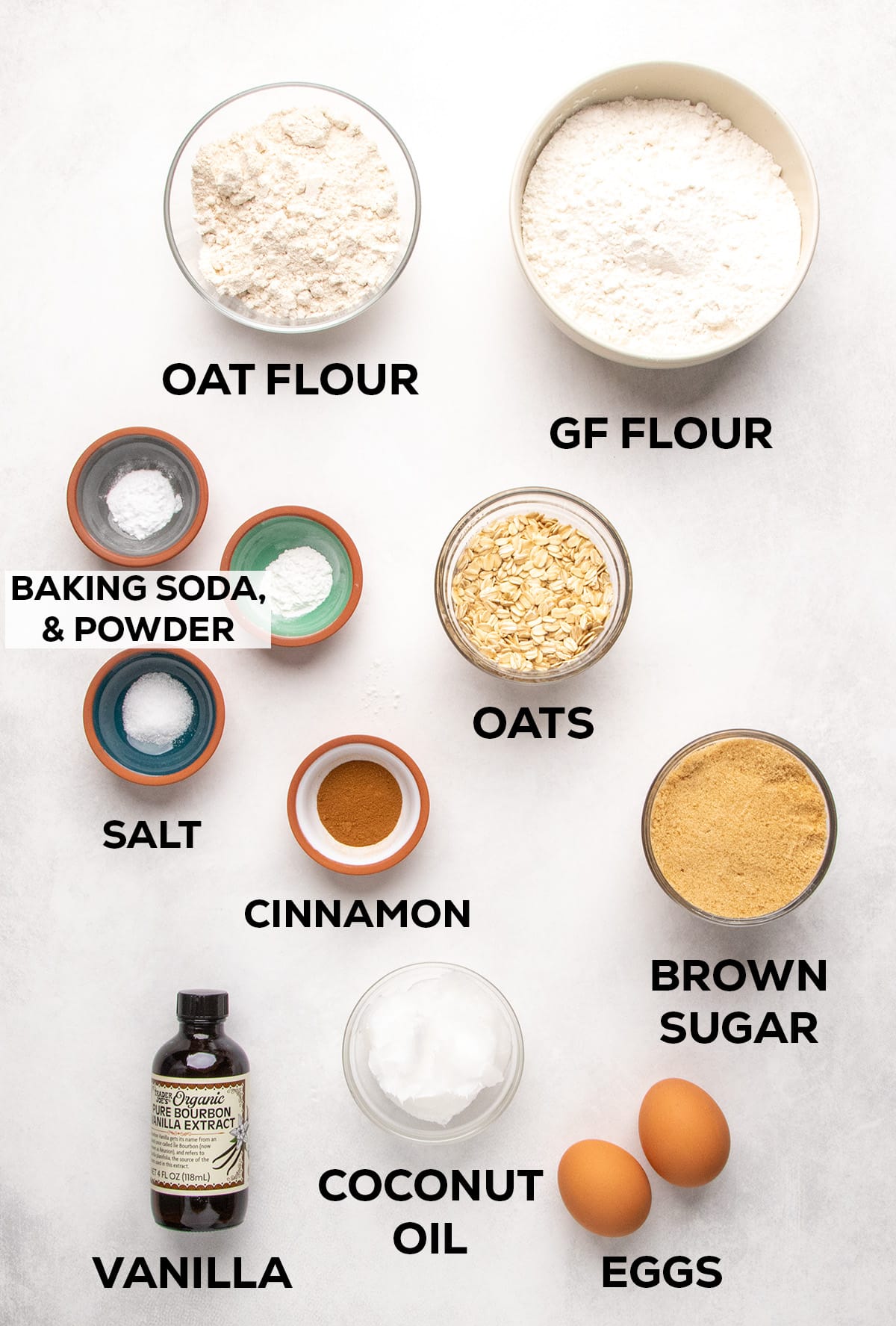
- The Dual-Oat System: The recipe utilizes a combination of oat flour and rolled oats. Oat flour provides a smooth, cohesive crumb, while whole rolled oats retain the classic mouthfeel associated with traditional breakfast bowls.
- Binding Agents: A targeted mix of light brown sugar, cinnamon, and honey works in tandem with eggs and refined coconut oil to create a light caramel flavor profile and a cohesive dough that avoids the excessive stickiness found in standard commercial granola bars.
- Low-Temperature Baking: Unlike traditional cookies or pastries that benefit from deep browning, these bars are baked at a moderate 325°F. This preserves a pale, soft, and uniformly chewy texture throughout.
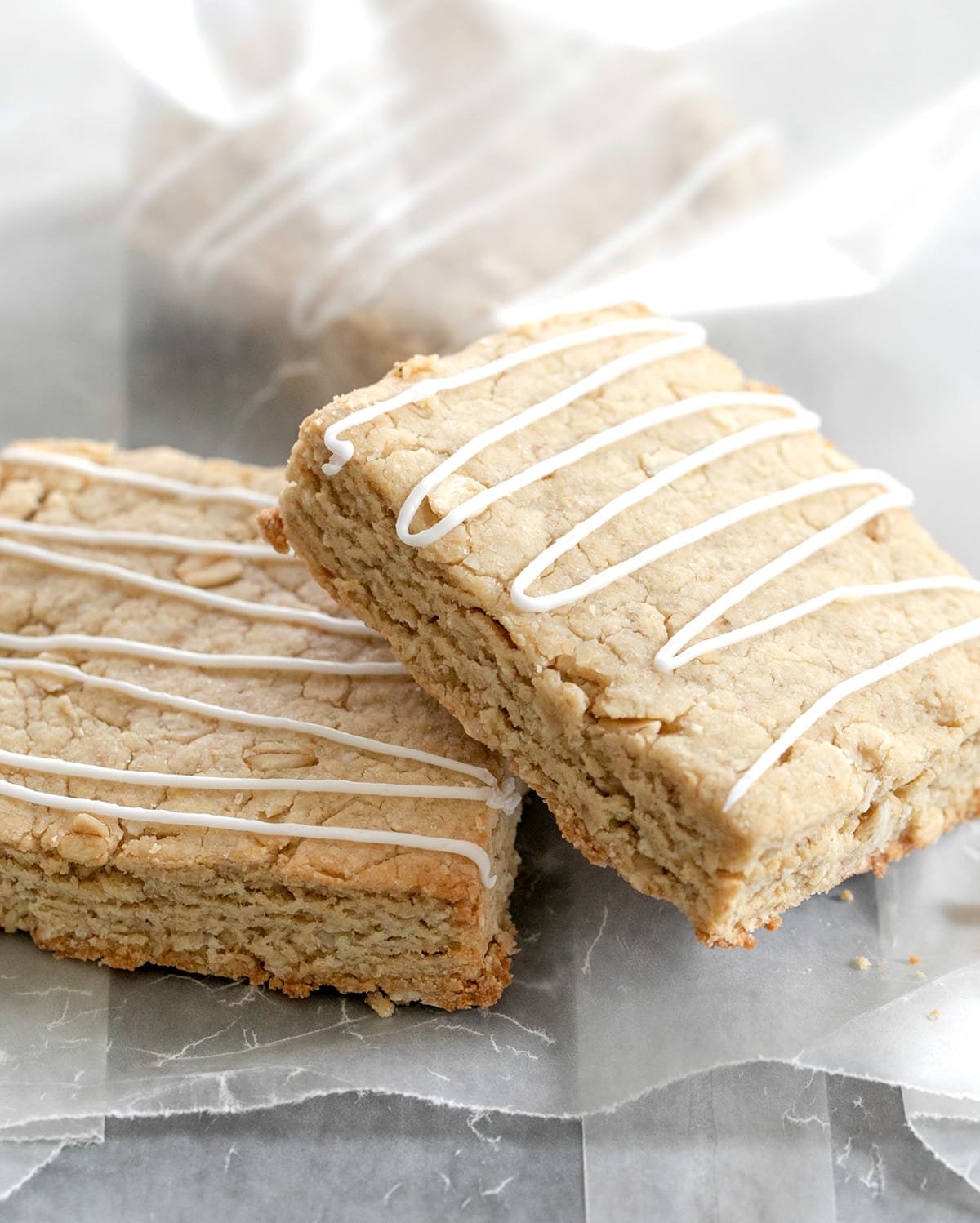
- Portability and Preservation: The bars are structurally engineered to remain intact during transport and boast exceptional freezing capabilities, making them an efficient option for meal-prepping households.
Chronology: From Concept to Kitchen Counter
The development of the gluten-free breakfast bar did not happen overnight; it represents the culmination of years of iterative testing within the gluten-free baking community regarding dough hydration, structural geometry, and starch ratios.
Phase 1: Identifying the Flaws of Conventional Bars
Historically, homemade breakfast bars fell into two distinct categories: baked sheet-pan cakes that crumbled upon slicing, or compressed granola bars heavily reliant on corn syrup or melted marshmallows to hold their shape. Hunn’s development process focused on bypassing these extremes by returning to a technique more commonly associated with biscuit and scone making: shaping the dough before baking rather than slicing it afterward.
Phase 2: Perfecting the Dough Hydration
During initial trials, formulators noted that oat-heavy doughs frequently absorb moisture unpredictably. To solve this, the recipe establishes a dry-first mixing sequence, followed by precise, localized hydration. Bakers are instructed to incorporate wet ingredients (eggs, melted coconut oil, and vanilla extract) and assess the dough’s cohesion. If dry pockets persist, micro-doses of lukewarm water are applied strictly to those areas, preventing excess moisture from causing the bars to spread incorrectly in the oven.
Phase 3: Architectural Shaping and Edge Sharpening
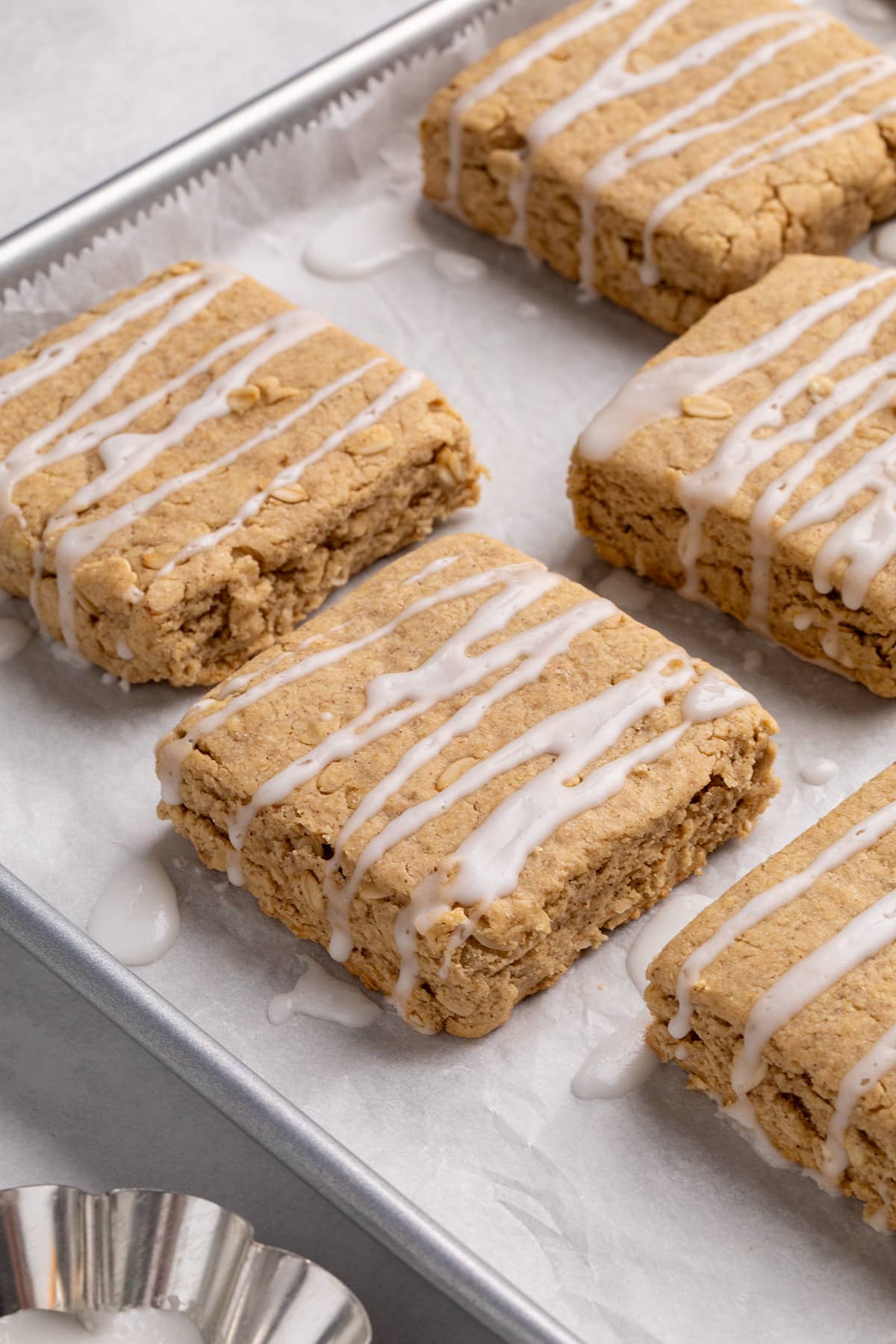
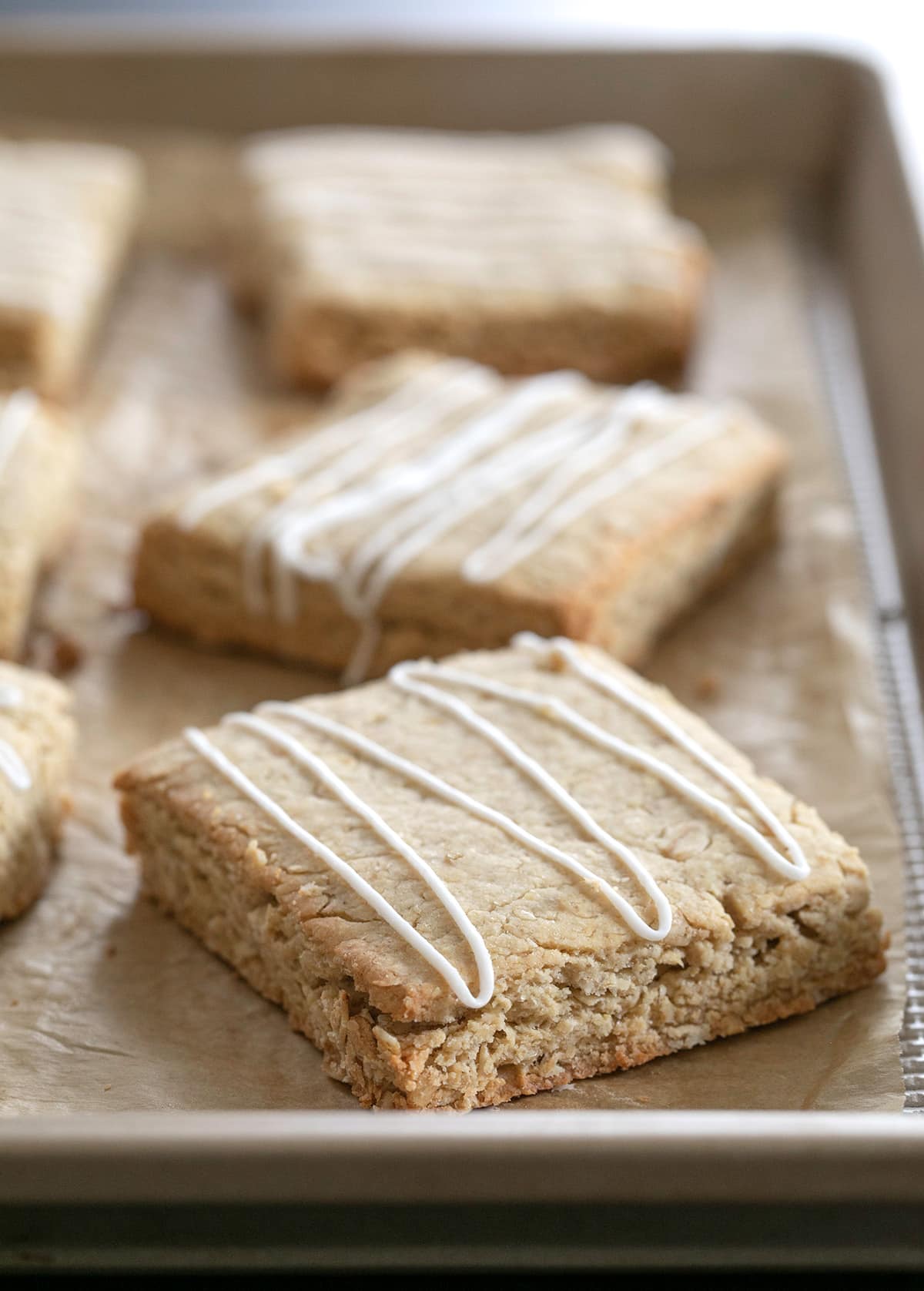
A critical chronological milestone in the preparation workflow involves the use of a metal bench scraper. Once the dough is rolled into a rough square on parchment paper, the baker squares off the four sides to establish vertical, 3/4-inch-tall walls. This geometric intervention forces the bars to rise upward during baking rather than spreading outward, guaranteeing a thick, uniform bite.
Supporting Data and Nutritional Profile
Understanding the nutritional breakdown of specialty baked goods is essential for consumers tracking daily macronutrients. Based on a yield of nine equal-sized squares (excluding the optional confectioners’ sugar glaze), the approximate nutritional data per individual bar is as follows:
- Serving Size: 1 bar
- Calories: 369 kcal
- Carbohydrates: 71 g
- Protein: 5 g
- Fat: 13 g
- Saturated Fat: 9 g
- Polyunsaturated Fat: 1 g
- Monounsaturated Fat: 2 g
- Trans Fat: 0.1 g
- Cholesterol: 40 mg
- Sodium: 265 mg
- Potassium: 118 mg
- Dietary Fiber: 3 g
- Sugars: 18 g
- Micronutrients: Vitamin A (95 IU), Calcium (50 mg), Iron (1 mg)
Note: Nutritional information is automatically calculated and serves as an approximation depending on the specific brands of flour and oats utilized.
Official Responses and Expert Culinary Tips
Professional bakers and culinary educators have long emphasized that gluten-free baking operates under chemical rules distinct from standard wheat flour preparation. To ensure consistent results across varying home kitchens, Hunn and contributing specialists have outlined specific operational guidelines.
The Role of Xanthan Gum and Flour Blends
The structural integrity of the bars relies heavily on the choice of all-purpose gluten-free flour. The recipe explicitly recommends blends containing xanthan gum—such as Better Batter’s original all-purpose blend or Nicole’s Best multipurpose blend. If using commercial alternatives like Bob’s Red Mill 1-to-1 baking flour, bakers must supplement the blend with an additional quarter-teaspoon of xanthan gum to compensate for insufficient natural binding agents.
Expert Guidelines for Optimal Execution
- The Coconut Oil Variable: Bakers must utilize refined coconut oil that remains solid at cool room temperature rather than liquid coconut oil. Refined coconut oil resolidifies as the bars cool, providing structural support without leaving a greasy residue.
- Temperature Control for Cutting: If the dough proves sticky or difficult to manage during the final division phase, chilling the rolled square in the refrigerator for several minutes allows for cleaner cuts and sharper edges.
- Glaze Application Timing: The optional confectioners’ sugar glaze should only be applied after the bars have cooled completely. Applying glaze to warm baked goods causes the sugar to melt and absorb into the crumb, altering both appearance and texture.
Implications: Accessibility, Dietary Restrictions, and Modern Meal Prep
The release of refined, allergen-conscious recipes like these breakfast bars reflects a broader shift in consumer behavior and dietary inclusivity. As the prevalence of gluten-related medical conditions and voluntary allergen avoidances rises, the culinary world has moved past the era of "good, for gluten-free"—a sentiment echoed by Hunn’s philosophy that specialty baked goods must stand on their own culinary merits.
Economic and Dietary Flexibility
Beyond basic gluten avoidance, the recipe accommodates a wide spectrum of dietary restrictions through targeted substitutions:
- Dairy-Free Adaptations: Because the recipe naturally utilizes coconut oil rather than butter, the base is inherently dairy-free. Substituting plant-based milk or water in the optional glaze, alongside block-style vegan butter alternatives, ensures total compliance with dairy-free diets.
- Egg-Free Modifications: Home cooks managing egg allergies can successfully substitute two "chia eggs" (ground chia seeds combined with water) or commercial egg replacers such as Bob’s Red Mill or Just Egg.
- Oat-Free Alternatives: For individuals who react to avenin (the protein found in oats), substitutions such as ground quinoa flakes in place of oat flour and rolled buckwheat in place of rolled oats offer a viable path forward without sacrificing the structural integrity of the bar.
Impact on Family Routines
For parents juggling school schedules and dietary restrictions, recipes that freeze effectively for up to three months alleviate the daily stress of meal preparation. By enabling bulk baking sessions on weekends, families can bypass expensive, highly processed commercial snack bars in favor of nutrient-dense, transparently sourced alternatives.
Ultimately, the widespread adoption of precision-engineered home baking recipes signals a maturing market where dietary restrictions no longer necessitate a compromise on taste, texture, or convenience.