In the ever-evolving landscape of modern home cooking, the difference between a mundane meal and a restaurant-quality experience often comes down to the final flourish. Whether it is a perfectly seared ribeye, a vibrant grain bowl, or a simple street taco, the right condiment can elevate ingredients from ordinary to extraordinary. Enter the Creamy Jalapeño Sauce—a versatile, zippy, and remarkably simple concoction that has become a staple for culinary enthusiasts seeking to add a sophisticated kick to their daily repertoire.
This sauce is defined by its ability to balance the sharp, vegetal heat of fresh jalapeños with a luxurious, velvety texture. It is a testament to the idea that complex flavors do not require complex methods; with just a few fresh ingredients and a high-speed blender, one can create a condiment that arguably "goes with everything."
The Genesis of a Kitchen Essential
The rise of the creamy jalapeño sauce in home kitchens mirrors a broader trend toward "globalized" home cooking. As diners become more adventurous, the demand for versatile sauces—those that bridge the gap between traditional Mexican cremas and modern herb-forward dressings—has skyrocketed.
Why This Flavor Profile Works
At its core, this recipe relies on the principle of contrasting elements. Jalapeños provide the "zippy" baseline, while the fats from sour cream, Greek yogurt, or mayonnaise act as a palate-softening buffer. This interaction creates a "controlled burn"—an experience where the heat is present but never overwhelming, allowing the brightness of the lime and the herbaceous notes of the cilantro to shine through.
From a nutritional standpoint, the choice of base is significant. By substituting traditional sour cream or mayonnaise with plain Greek yogurt, home chefs can transform this sauce into a protein-rich, probiotic-friendly accompaniment, aligning with modern dietary preferences for cleaner eating without sacrificing depth of flavor.
Chronology: From Prep to Plate
The beauty of this sauce lies in its accessibility. Unlike traditional emulsions or reductions that require careful temperature control and timing, this recipe follows a streamlined, "dump-and-blend" philosophy.
Step 1: Strategic Preparation
The process begins with the careful handling of the jalapeños. It is a common misconception that all heat resides in the flesh of the pepper; in reality, the capsaicin is concentrated in the pith and the seeds. By removing these elements, the cook gains full control over the final spice level, ensuring that the sauce remains accessible to all family members.
Step 2: The Blend
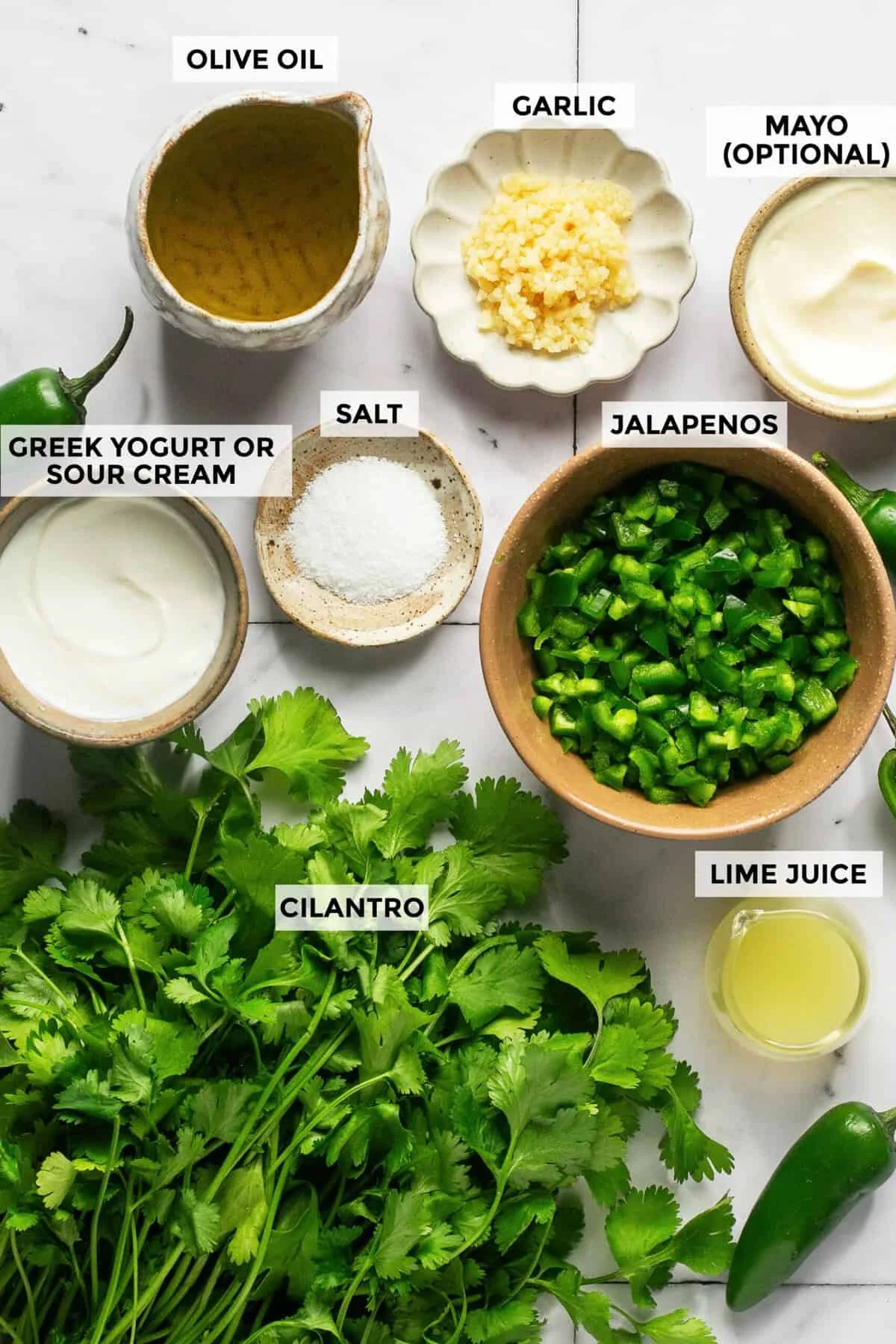
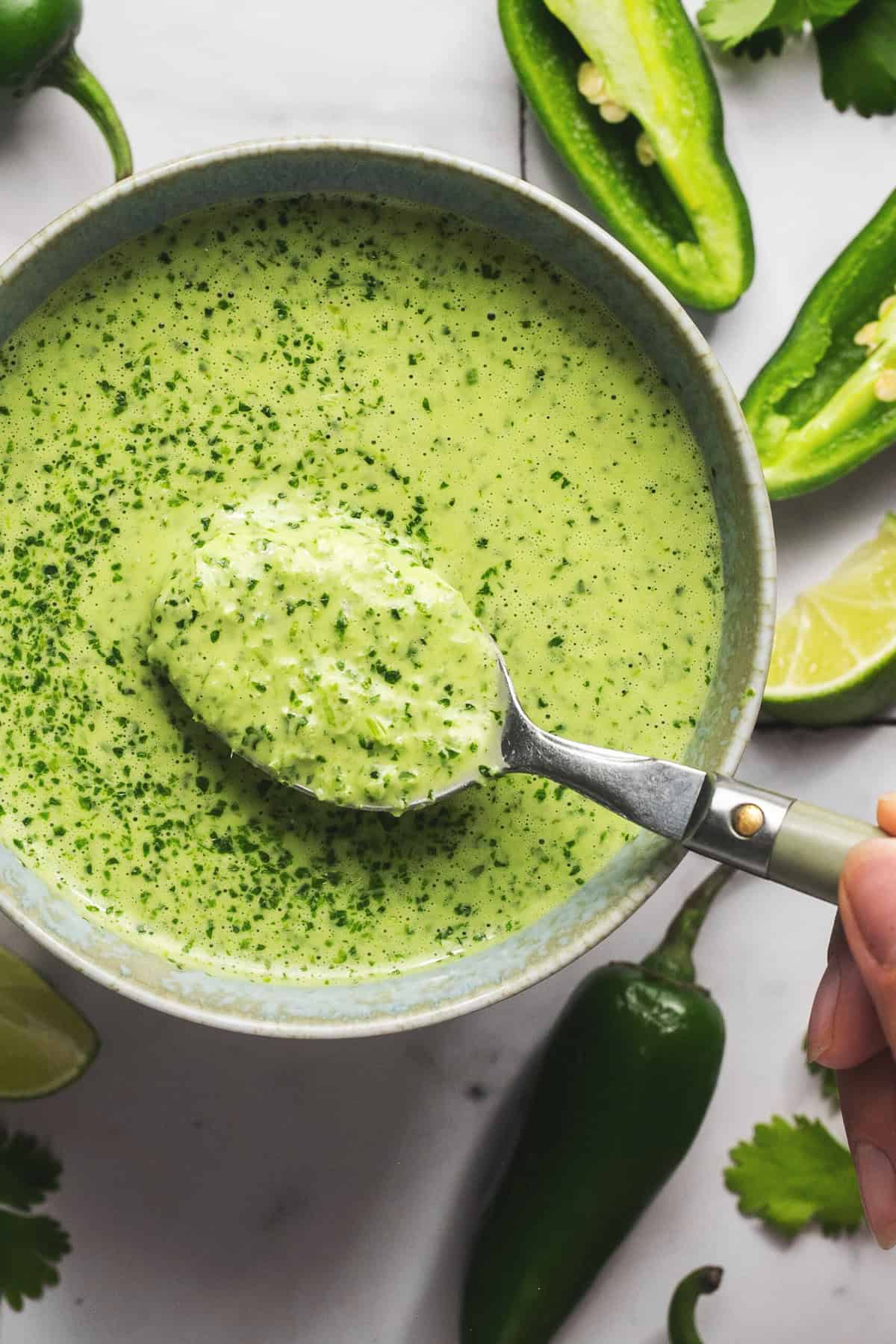
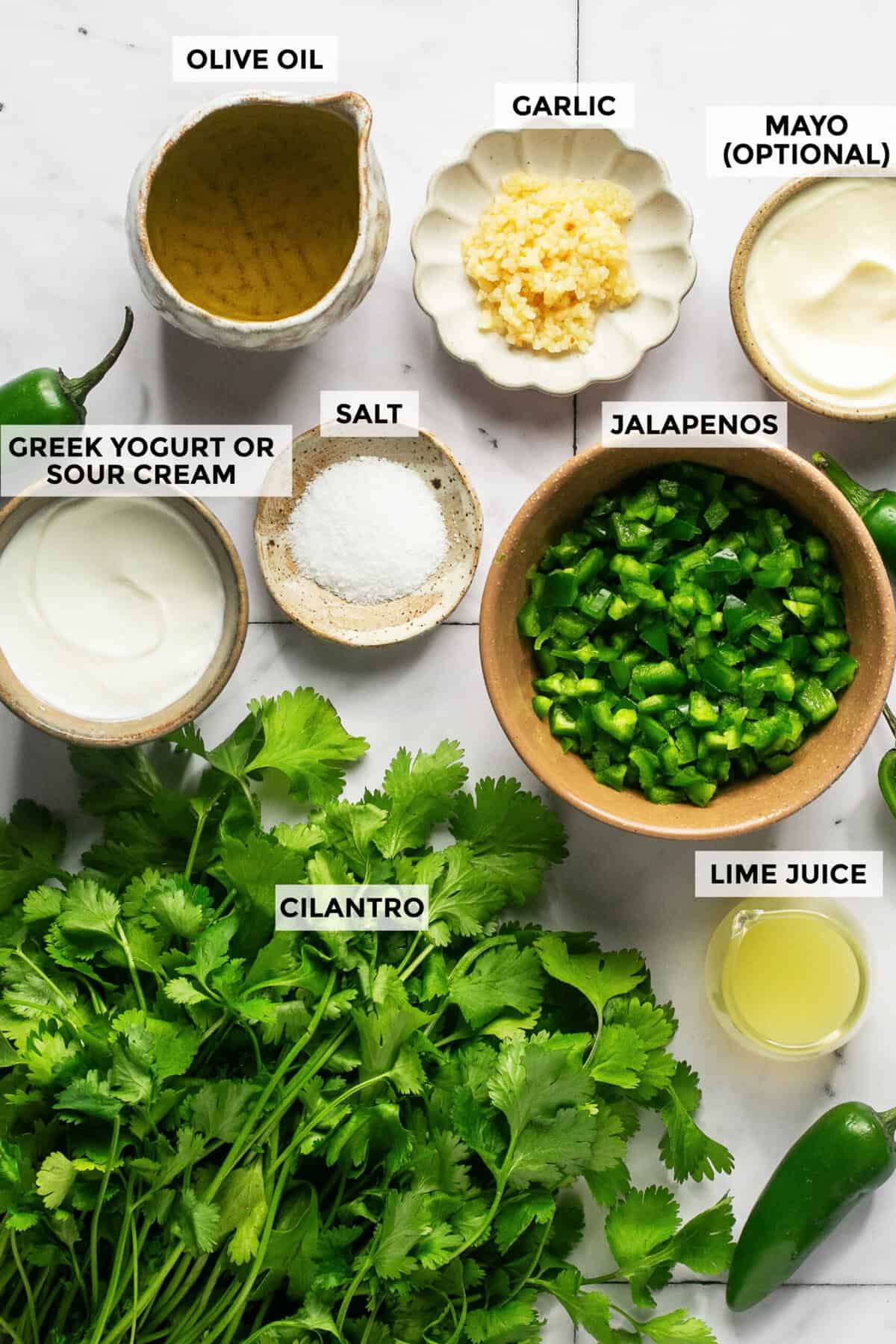
Once the peppers are deseeded and roughly chopped, they are combined with fresh cilantro, garlic, lime juice, and your chosen creamy base. Using a high-speed blender is recommended to ensure the cilantro is fully emulsified, resulting in a vibrant, uniform green hue that makes the sauce visually striking.
Step 3: The Rest Period
While the sauce can be consumed immediately, culinary experts suggest a brief refrigeration period. Allowing the sauce to rest for 30 minutes to an hour permits the garlic and lime to penetrate the fats, deepening the flavor profile and ensuring a more cohesive, "marinated" consistency.
Supporting Data: The Science of Heat and Nutrition
Beyond its flavor, the jalapeño offers surprising health benefits that justify its frequent inclusion in a balanced diet.
Nutritional Breakdown
- Capsaicin Power: The active component in jalapeños, capsaicin, is widely studied for its ability to boost metabolism and improve blood flow.
- Micronutrient Density: Jalapeños are a potent source of Vitamins A, C, B, and K. Vitamin C, in particular, supports immune function, while Vitamin A is essential for eye health and cellular integrity.
- Antioxidant Activity: The carotene found in these peppers acts as a powerful antioxidant, assisting the body in neutralizing free radicals at the cellular level.
The Versatility Factor
The data on usage patterns suggests that this sauce acts as a "universal condiment." Because it sits at a pH balance that complements both acidic (citrus-based) and fatty (meat-based) dishes, it performs equally well as a dressing for crisp salads, a topping for grilled salmon, or a dip for crudités.
Expert Techniques: Tips and Tricks for Success
To achieve professional results, one must move beyond the basic ingredients and adopt a few "pro-level" habits.
1. The Safety Protocol
Handling jalapeños without protection is a common rookie mistake. The oils from the peppers can remain on the skin long after prep, posing a risk of irritation if one touches their eyes or face. Always use gloves. It is a simple, non-negotiable step that ensures the cooking process remains an enjoyable experience rather than a painful one.
2. The Cilantro Hack
Many home cooks avoid cilantro due to the tedious nature of picking individual leaves. The secret, practiced by chefs worldwide, is to treat the stems as part of the flavor profile. By gripping the bunch by the stem ends and twisting, the leafy top section can be removed in one clean motion. The tender stems are packed with flavor and, when blended, add to the sauce’s texture and color.
3. Adjusting the "Tang"
The balance of acid is critical. While the recipe calls for lime juice, the zest of the lime can be added for a more concentrated aromatic impact. If the sauce feels too "heavy" or one-dimensional, a half-teaspoon of lime zest is the corrective measure needed to lift the flavor profile.

Implications: A Shift in Culinary Habits
The emergence of such sauces signals a shift in how we approach the "family meal." We are moving away from heavily processed, store-bought dressings laden with preservatives and hidden sugars. By mastering a five-minute sauce, the home cook regains control over the pantry.
The "Goes With Everything" Philosophy
The implications for a busy household are profound. When a sauce can successfully dress a taco, elevate a piece of grilled chicken, and serve as a dip for roasted root vegetables, the mental load of meal planning is reduced. It provides a reliable "flavor anchor" that can rescue a bland meal in seconds.
Furthermore, this recipe serves as a gateway to other global sauces. Once a cook becomes comfortable with the ratio of herbs to acid to fat, they are better equipped to experiment with Chimichurri, Tzatziki, or fire-roasted salsas.
Conclusion: Elevating the Everyday
In conclusion, the Creamy Jalapeño Sauce is more than just a recipe; it is a fundamental tool for the modern kitchen. It rewards the cook with high-impact flavor for low-effort input, providing a bridge between the vibrant, spicy world of international cuisine and the convenience required by modern lifestyles.
Whether you are a seasoned chef or a culinary novice, the act of blending fresh ingredients into a silky, zesty sauce is a rewarding ritual. By following these techniques—wearing gloves, using the "twist" method for herbs, and balancing your fats—you can ensure that this green gold becomes a permanent fixture in your refrigerator.

Chef’s Final Note: Don’t be afraid to experiment with the ratios. If you crave more heat, leave a few seeds in. If you want a Mediterranean twist, swap the cilantro for fresh basil. The best part about this sauce is that it is yours to customize. Tag your creations online, share your variations, and most importantly, enjoy the process of turning simple ingredients into a meal to remember.