URBANA, Ill. — As local agricultural markets overflow with fresh produce this season, culinary enthusiasts and home cooks are being urged to turn their attention toward a vibrant, albeit frequently misunderstood, staple of Mexican cuisine: the tomatillo. Often mischaracterized as a small, green tomato, the tomatillo (Physalis philadelphica) is capturing the attention of mainstream gastronomy, inspiring a wave of culinary experimentation from coast to coast.
With local grocers reporting a seasonal surge in supply, top culinary educators and recipe developers are demystifying the ingredient. Far from being a mere novelty, the tomatillo serves as the indispensable backbone of traditional Mexican green sauces, stews, and salsas, offering a dynamic flavor profile that bridges the gap between bright acidity and savory depth.
Main Facts: Understanding the Green Beauty
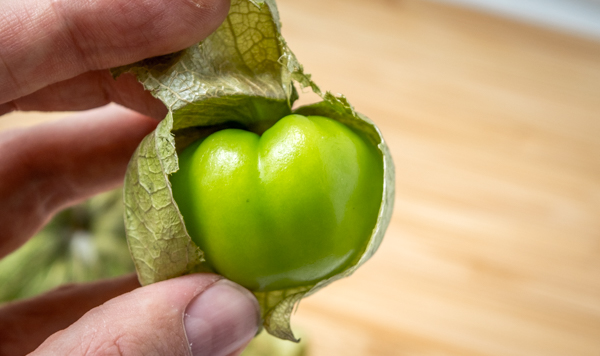
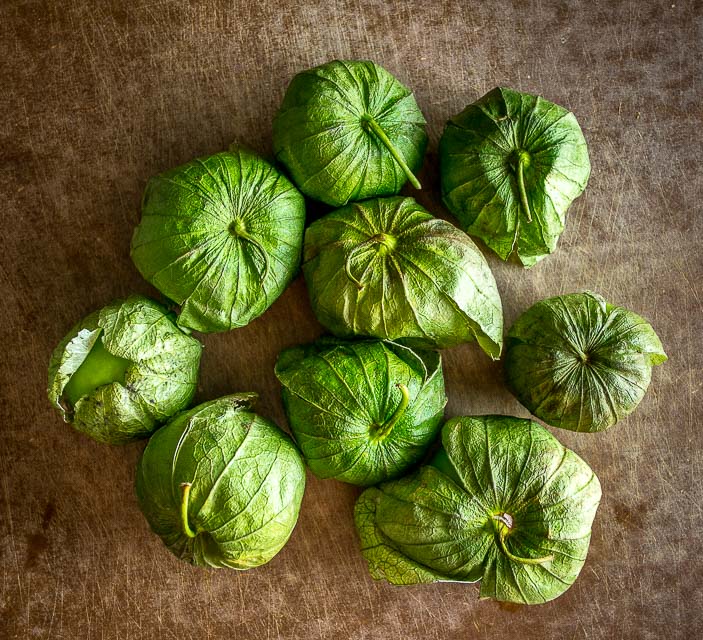
At first glance, the tomatillo is easily distinguished by its papery, protective husk. Once peeled, the fruit reveals a sticky, pale-green surface that yields a distinctly tart, citrusy flavor profile. Unlike its red tomato cousin, the tomatillo belongs to the nightshade family and requires thermal processing to unlock its full flavor potential.
- Botanical Classification: A member of the genus Physalis, closely related to the ground cherry rather than the standard garden tomato.
- Storage Longevity: When kept in their husks within a standard refrigerator crisper drawer, fresh tomatillos maintain structural integrity and flavor for several weeks.
- Flavor Chemistry: Raw tomatillos offer a sharp, aggressive acidity. Sustained heat application—such as roasting, boiling, or charring—caramelizes the natural sugars, taming the tartness and producing a deeply savory, complex base.
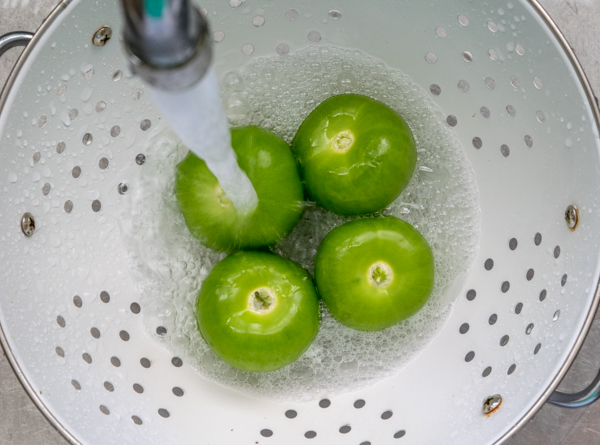
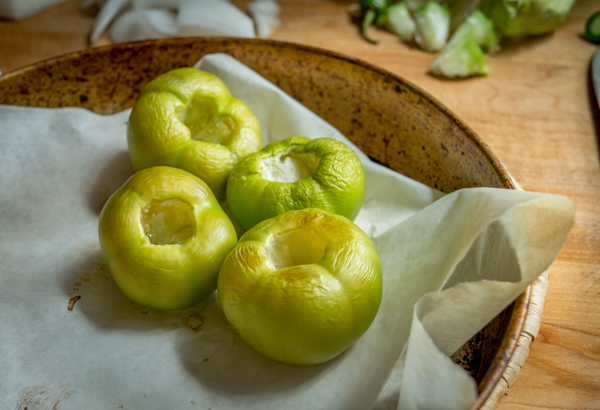
- Preparation Essentials: Preparation requires peeling away the husk, thoroughly rinsing the sticky residue off the fruit, removing the hard stem core, and applying direct heat until the skin achieves an army-green, slightly wrinkled appearance.
Chronology of a Culinary Transformation: From Market to Plate
The integration of the tomatillo into everyday domestic cooking follows a precise, time-tested trajectory practiced by generations of home cooks and refined by culinary instructors.
- Procurement and Inspection: Shoppers select firm, bright green tomatillos encased tightly within dry husks. Overly soft or yellowing fruit is avoided.
- Post-Harvest Processing: Husks are stripped away, and the sticky epicarp is washed clean under cold running water.
- Thermal Transformation: The trimmed tomatillos are subjected to dry or moist heat. A standard method involves roasting on a baking sheet at 400°F (200°C) for approximately 20 minutes until the fruit softens and discolors.
- Blending and Emulsification: The roasted fruit is combined with aromatics such as garlic, onions, and chili peppers (typically serranos or jalapeños) and pureed to create foundational culinary structures like Salsa Verde.
- Final Integration: The finished sauces are deployed across an array of applications, ranging from long-simmering braises to rapid breakfast assemblies.
Supporting Data: 18 Essential Tomatillo Recipes for the Home Cook
To assist consumers in maximizing the seasonal abundance, culinary authorities have compiled an authoritative index of 18 distinct, authentic recipes utilizing fresh tomatillos. These dishes demonstrate the ingredient’s remarkable versatility across breakfast, lunch, dinner, and preservation.
Salsas and Condiments
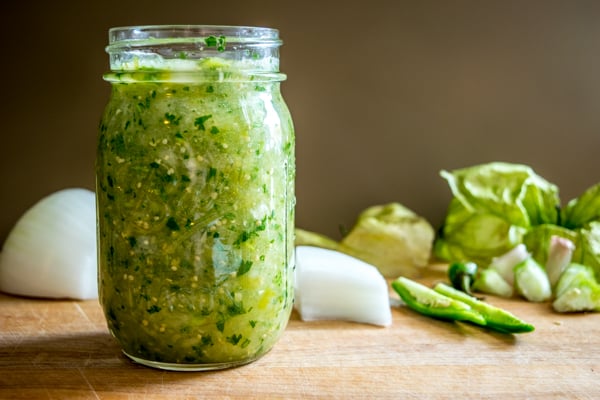
- Homemade Salsa Verde: The quintessential starting point for novices. Upgrading from commercial alternatives, this blend highlights fresh aromatics and can alternate between serrano and jalapeño peppers depending on desired heat levels.
- Avocado Salsa Verde: A silky emulsion created by incorporating a ripe avocado into a standard green salsa blend, yielding a rich, creamy condiment ideal for burritos and dipping.
- Tomatillo Chipotle Salsa: A minimalist yet deeply flavorful combination utilizing roasted tomatillos, garlic, and smoky chipotles in adobo.
- Roasted Tomato and Tomatillo Salsa: A hybrid formulation combining red tomatoes and green tomatillos to produce a balanced, highly unique flavor profile best served chilled.
Comfort Classics and Mains
- Enchiladas Suizas: A luxurious variation of traditional enchiladas featuring a green tomatillo sauce enriched with cream and elevated with roasted poblano peppers.
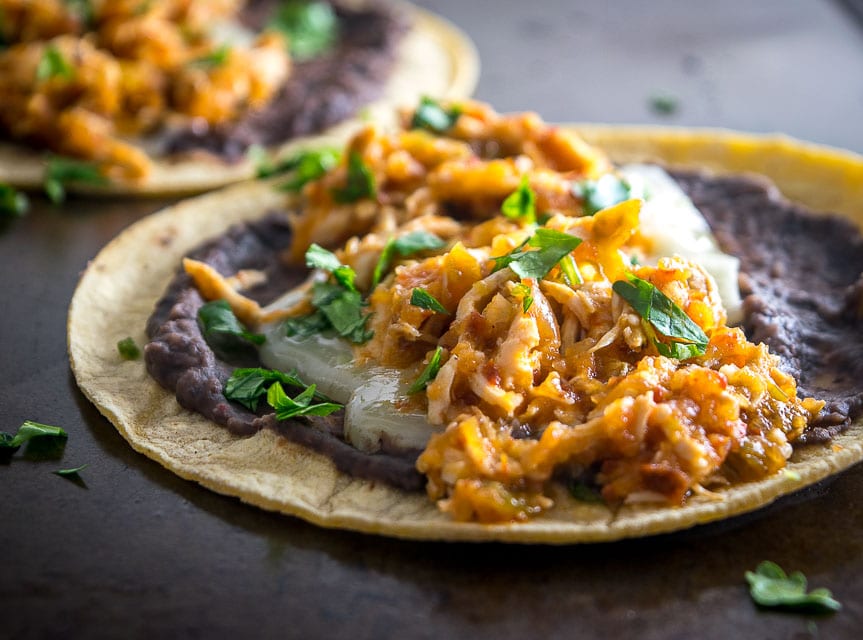
- Spicy Chicken Tinga: A fiery twist on the classic shredded chicken dish that incorporates both tomatoes and tomatillos alongside chipotles to brighten the overall flavor.
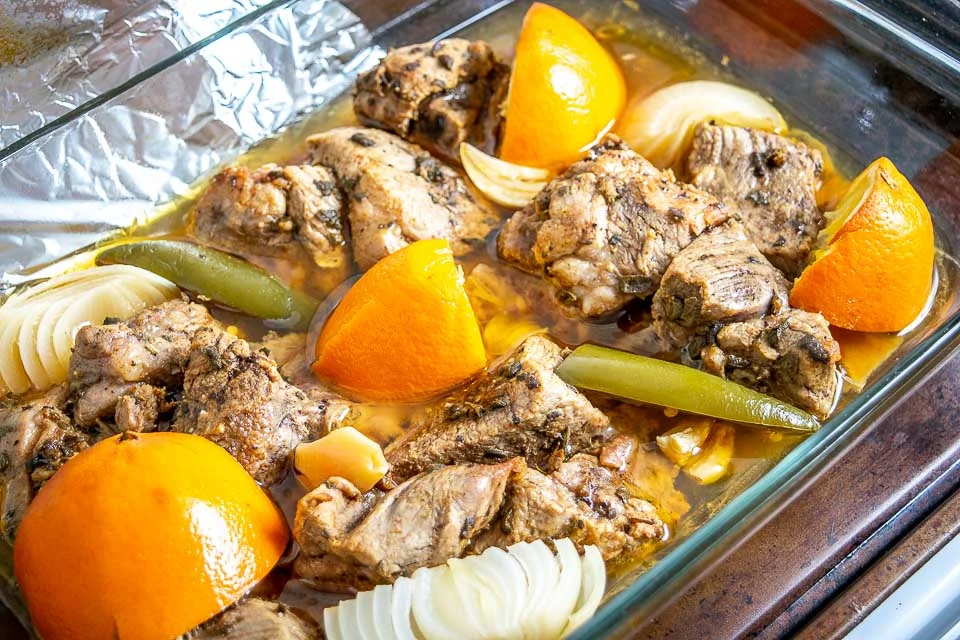
- Chile Verde: A comforting braise typically utilizing pork shoulder simmered extensively in a savory green herb and pepper sauce.
- Pozole Verde: A traditional, hearty hominy-based soup enriched with a robust green sauce built on tomatillos and roasted poblanos.
- Chicken Chile Verde: A streamlined iteration designed for batch cooking, offering a versatile protein base for tostadas and bowls.
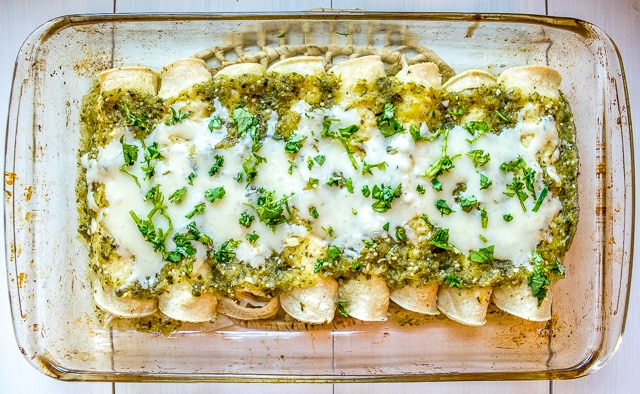
- Enchiladas Verdes: A simplified enchilada preparation where standard salsa verde is thinned with stock and seasoned with Mexican oregano.
- Easy Carnitas Recipe: Slow-roasted or oven-cooked pork shoulder served alongside a sharp, acidic salsa verde to cut through the rich meat.
Breakfast and Quick Eats
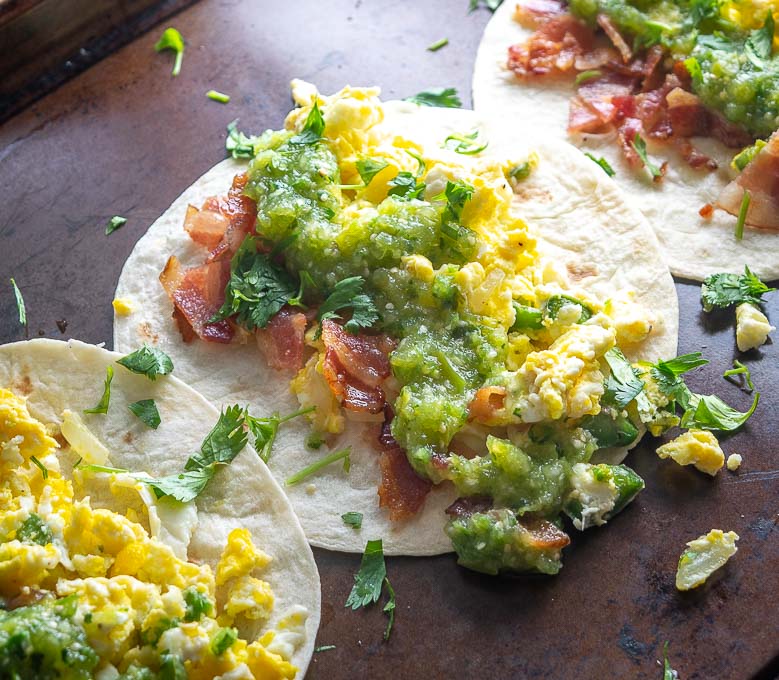
- Breakfast Tacos: A rapid morning assembly pairing scrambled eggs, bacon, and fresh salsa verde.
- Migas: Crisp corn tortilla strips tossed with eggs and finished with a generous crown of homemade green salsa.
- Huevos Divorciados: A visual and flavor contrast dish featuring fried eggs resting on a base, split down the middle with one side coated in tomato-jalapeño salsa and the other in salsa verde.
- Chicken Burritos with Avocado Salsa Verde: A grab-and-go meal utilizing creamy green sauce as the primary flavor vehicle.
- Chile Verde Rice and Beans: A pantry-friendly, high-efficiency meal combining leftover green sauce with staple grains and legumes.
- Quesadillas Dipped in Avocado Salsa Verde: Warm, cheese-filled tortillas paired with a rich, vibrant dipping sauce.
Preservation
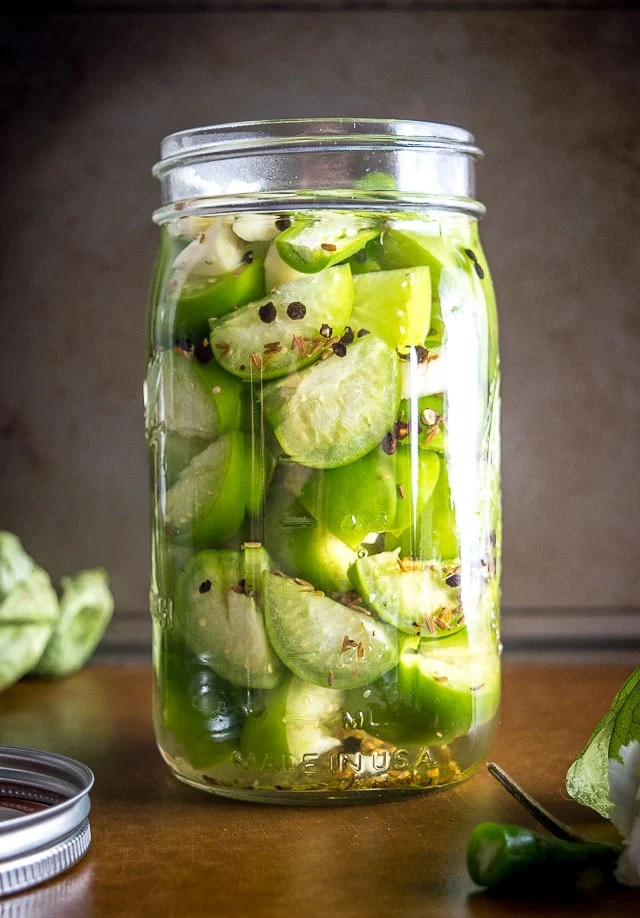
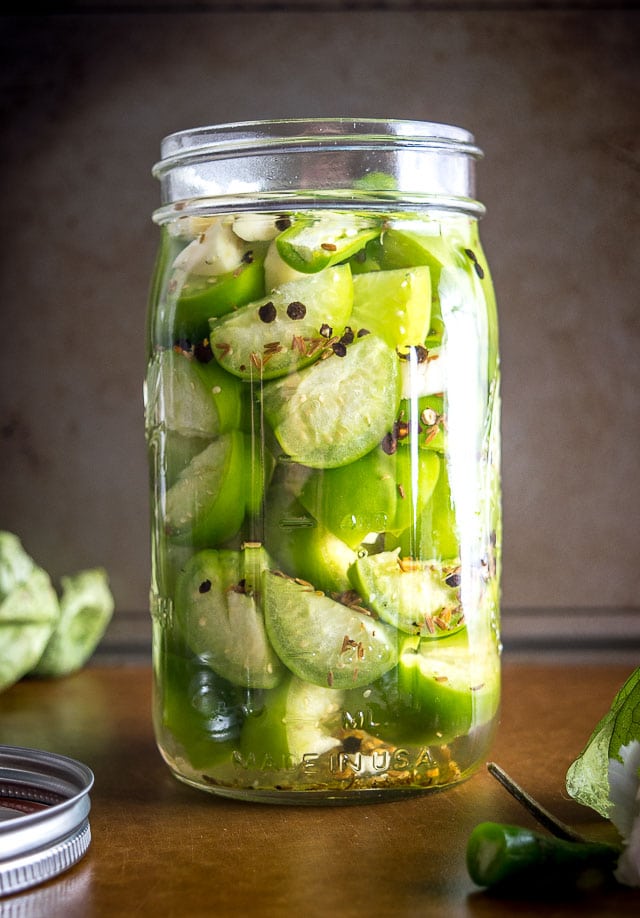
- Pickled Tomatillos: A long-term storage method that provides a sharp, acidic crunch suited for topping tacos, sandwiches, or even pairing with artisanal pizzas.
Official Responses from Culinary Experts
Food historians and recipe creators emphasize that incorporating tomatillos into a regular grocery rotation unlocks significant culinary potential with minimal effort.
"The modern kitchen often suffers from flavor fatigue, relying heavily on red tomatoes for acidity and moisture," notes a prominent culinary researcher specializing in Mexican gastronomy. "The tomatillo introduces an entirely different register of brightness and complexity. Once a home cook masters the simple roasting technique, an entire world of regional cooking opens up—from slow-simmered chiles to quick breakfast sauces."
Furthermore, agricultural extension offices note that the extended shelf life of unpeeled tomatillos makes them one of the most forgiving and accessible fresh produce items available during the harvest window.
Implications for Modern Consumers and Domestic Cooking Trends
The growing visibility of the tomatillo in local markets signals a broader shift toward globally inspired, scratch-made cooking in domestic households. As consumers increasingly seek out authentic, bold flavors that can be executed efficiently at home, versatile ingredients like the tomatillo offer a high reward-to-effort ratio.
By moving beyond standard commercial jarred sauces, home cooks are discovering that a modest investment of time—specifically the vital roasting step—yields professional-grade results. Whether preserved via pickling, blended into creamy avocado emulsions, or simmered into hearty weekend stews, the tomatillo is firmly securing its status as an essential year-round pantry builder for the contemporary kitchen.