Main Facts: Bringing Lone Star Tradition to the West Coast
When the Dallas Cowboys travel to Oxnard, California, for their annual summer training camp, the players and coaching staff expect intense practices, grueling conditioning, and a meticulous schedule designed to forge a championship roster. However, stepping away from the Texas plains doesn’t mean leaving behind the rich culinary traditions of the Lone Star State. In a massive collaborative effort, the renowned barbecue brand Meat Church packed up its pits, seasonings, and signature sauces, heading west to feed "America’s Team" an authentic, old-school Texas-style smoked barbecue chicken lunch.
The culinary operation was no ordinary backyard cookout. It was a high-stakes deployment of traditional pit-master techniques tailored for professional athletes requiring peak nutritional support without sacrificing authentic flavor. The centerpiece of the menu was premium chicken quarters sourced from Greener Pastures, subjected to a multi-stage flavor-infusion process. The birds were treated with Meat Church’s proprietary Bird Baptism Brine to guarantee unmatched moisture retention and deep internal seasoning, followed by an exterior coating of The Gospel All Purpose BBQ Rub.
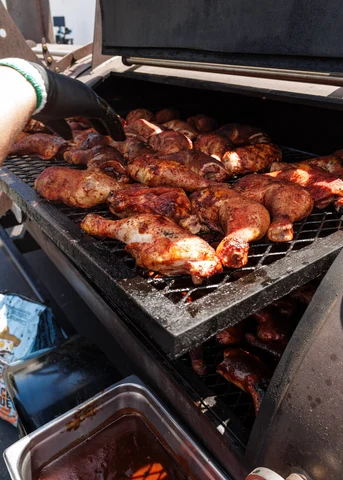
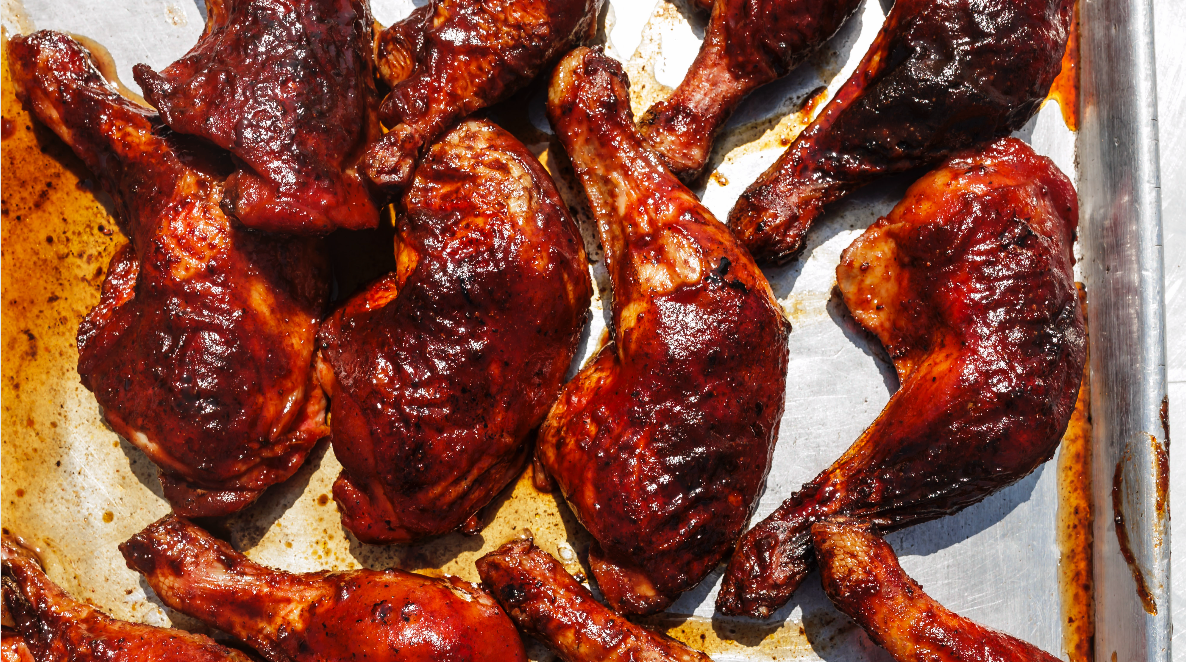
Cooked over seasoned post oak wood splits inside a massive offset smoker—specifically a heavy-duty Mill-scale 767-gallon offset affectionately named "Geraldine"—the chicken achieved a quintessential Texas mahogany bark and smoky profile. The finishing touch involved a sticky, sweet glaze of Meat Church Holy Cola BBQ Sauce, which caramelized over the indirect heat. The resulting meal delivered everything a Texan misses while on the road: deep smoke, savory spice, sticky sweetness, and fall-off-the-bone juiciness tailored for some of the biggest athletes in professional sports.
Chronology of the Cook: From Brine to Bite
Executing championship-level barbecue for an NFL roster requires precision timing, temperature management, and strict adherence to a multi-step culinary timeline. The process of preparing the Dallas Cowboys’ training camp feast followed a strict, time-tested protocol:
Phase 1: The Brining Process (4 to 5 Hours Prior)
To ensure the chicken quarters remained exceptionally juicy throughout the long smoking process, the preparation began hours before the fire was even lit. The Greener Pastures chicken quarters were submerged in Meat Church Bird Baptism Brine, mixed according to exact package specifications. This critical step allowed the salt and savory aromatics to break down proteins slightly, locking in moisture and infusing the meat with foundational flavor from skin to bone.
Phase 2: Fire Management and Pit Prep
While the chicken finished brining, the pitmasters turned their attention to the firebox. The offset smoker was brought up to a steady, low-and-slow operating temperature of 250°F. Eschewing modern pellet cookers or electric assists, the team utilized authentic post oak wood splits, the gold standard for traditional Central Texas barbecue. Post oak provides a clean, mild smoke that complements poultry without overpowering its natural flavor profile.

Phase 3: Seasoning the Quarters
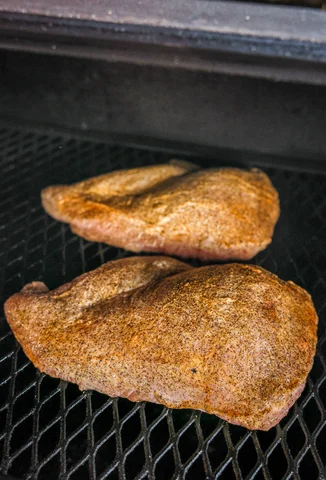
Once removed from the brine and patted dry to encourage proper smoke adherence, the chicken quarters were seasoned generously across all sides with The Gospel All Purpose BBQ Rub. This versatile rub provided an aromatic baseline of herbs and spices. Crucially, the chicken was left to sit at room temperature for 15 minutes after seasoning—a technique known as "sweating"—allowing the dry rub to dissolve into the surface moisture and bond firmly with the skin.
Phase 4: The Low-and-Slow Smoke
The seasoned quarters were placed directly onto the preheated smoker grates, allowing the circulating post oak convection currents to work their magic. The bird was cooked steadily until the internal temperature reached 170°F specifically at the thigh-and-leg joint, where poultry requires a higher finish to render connective tissue properly. This phase spanned just over two hours of uninterrupted smoke time.
Phase 5: The Glaze and Caramelization
In the final stages of the cooking process, the pitmasters applied a generous layer of Meat Church Holy Cola BBQ Sauce using a basting brush. The sugary profile of the cola-infused sauce reacted to the ambient pit heat, quickly tacking up and caramelizing into a rich, glossy finish over the course of 5 to 10 minutes.

Phase 6: Resting, Slicing, and Serving
The cooked chicken was safely removed from the smoker and transferred to resting pans, where it rested undisturbed for a minimum of 15 minutes to allow internal juices to redistribute evenly throughout the meat fibers. Finally, the quarters were separated cleanly at the joint into distinct thighs and legs, ready to be served to the hungry roster of the Dallas Cowboys.
Supporting Data & Equipment Specifications
Achieving consistency when cooking at scale for professional athletes requires industrial-grade equipment, specialized ingredients, and strict adherence to internal metrics. The Oxnard training camp deployment relied on specific culinary data points:
- Cooking Temperature: Maintained consistently at 250°F (121°C).
- Target Internal Temperature: 170°F (76.6°C) at the thickest part of the joint.
- Total Cook Time: Approximately 2 hours and 15 minutes prior to resting.
- Resting Period: 15 minutes minimum.
- Smoker Equipment: Mill-scale 767-gallon offset smoker ("Geraldine"), fueled exclusively by seasoned post oak wood.
- Core Ingredients & Products:
- Greener Pastures chicken quarters
- Meat Church Bird Baptism Brine
- Meat Church The Gospel All Purpose BBQ Rub
- Meat Church Holy Cola BBQ Sauce
The choice of post oak is rooted in the physics of regional barbecue traditions. Unlike heavy fruitwoods like apple or cherry, or aggressive hardwoods like mesquite, post oak burns clean and hot, leaving a pale blue smoke that deposits complex guaiacol and syringol compounds onto the meat. This creates the classic bark coloration without imparting a bitter or medicinal aftertaste.

Official Responses and Cultural Significance
The intersection of professional sports nutrition and regional comfort food has always been a fascinating cultural study. Modern NFL training camps are historically defined by strict dietary restrictions, high-protein meal plans, and sports science oversight designed to minimize inflammation and maximize recovery. However, introducing traditional, uncompromised Texas barbecue into the mix serves a vital psychological and cultural purpose for a team representing the Lone Star State.
While team nutritionists monitor caloric intake and macronutrient splits meticulously, coaching staffs frequently emphasize the importance of team-building, morale, and cultural familiarity—especially during grueling multi-week road trips far away from home. Oxnard, California, offers ideal weather for football training, but it is thousands of miles away from the smokehouses of Dallas, Lockhart, and Austin.
Bringing Meat Church directly to the facility bridged that geographical divide. Representatives from the culinary team noted that feeding America’s Team required upholding a standard of excellence that matches the expectations of the franchise. The positive reception from players and staff underscored how deeply culinary identity is tied to team pride. For a franchise whose brand is globally synonymous with Texas culture, sinking their teeth into authentic post oak-smoked chicken provided a tangible taste of home right in the middle of California.

Implications for Regional BBQ and Sports Hospitality
The successful pop-up deployment of Meat Church at the Dallas Cowboys training camp highlights a broader trend in both the barbecue industry and professional sports hospitality: the elevation of authentic regional artisan brands into mainstream corporate and athletic spheres.
1. The Rise of Artisan Brand Partnerships in Sports
Historically, team catering was dominated by massive commercial food service contractors and generic institutional dining suppliers. In recent years, professional sports organizations have increasingly recognized the marketing and cultural value of partnering with authentic, cult-following artisan brands. For Meat Church, taking the show on the road to Oxnard serves as both a high-profile marketing triumph and a validation of their competition-proven, backyard-accessible methodologies.
2. Evolution of Athlete Nutrition
The perception of barbecue within elite athletic circles has shifted dramatically. Once viewed exclusively as an occasional "cheat meal" due to high sodium and sugar profiles, modern nutrition science acknowledges the psychological and recovery benefits of nutrient-dense whole proteins prepared properly. Pasture-raised poultry brined to retain natural moisture and cooked over clean hardwood provides clean lean protein, rich B vitamins, and essential amino acids necessary for muscle repair after heavy two-a-day practices.

3. Expanding the Boundaries of Regional Barbecue
Texas barbecue has long enjoyed a fiercely protected geographic identity centered around Central Texas brisket and beef ribs. However, initiatives that showcase Texas-style execution applied to poultry—such as brined Greener Pastures chicken quarters treated with dry rubs and finished with regional glazes—demonstrate the versatility of offset smoking techniques. As brands like Meat Church continue to document and broadcast these culinary road trips via digital platforms like YouTube, the appreciation for authentic pit-master methodology continues to scale globally, proving that you can take the pitmasters out of Texas, but you can never take the Texas out of the barbecue.