NEW YORK — In the ever-expanding universe of specialty diet products, major food manufacturers have made significant strides in replicating mainstream comfort foods. From gluten-free Oreos to specialized pretzels and crackers, consumers navigating celiac disease or gluten sensitivities no longer have to settle for dry, crumbly substitutes. Yet, a conspicuous gap remains on supermarket shelves: the iconic, deeply spiced, caramelized speculoos cookie known globally as Biscoff.
While Lotus Bakeries has yet to introduce an officially certified gluten-free variant of its famous airline-friendly snack, a passionate community of home bakers and culinary innovators has taken matters into their own hands. Led by recipe developers specializing in allergen-friendly baking, a new blueprint for creating authentic, thin, crisp, and spiced gluten-free Biscoff cookies has emerged, offering a remarkably close homage to the original Belgian treat.
Main Facts: Deconstructing the Speculoos Profile
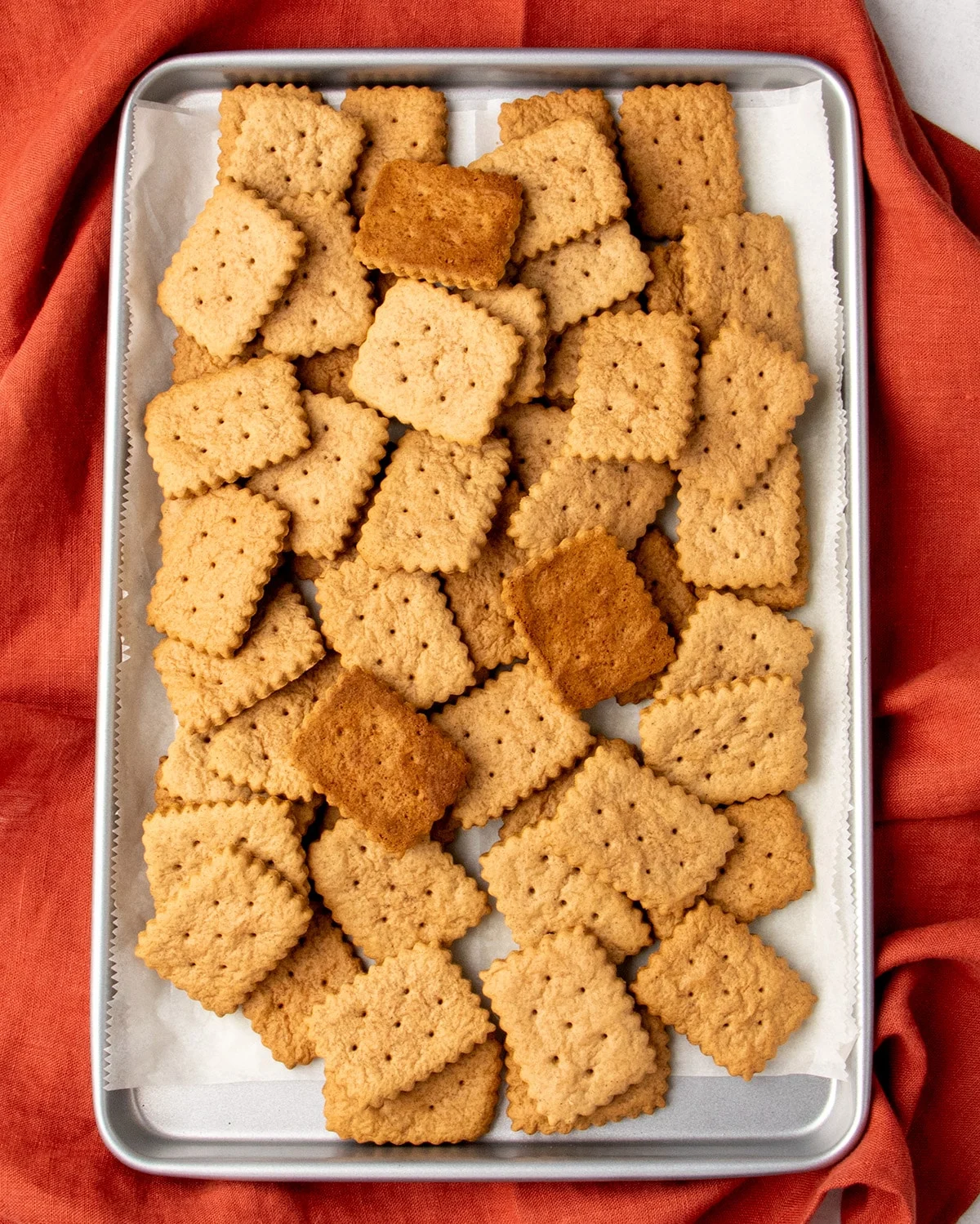
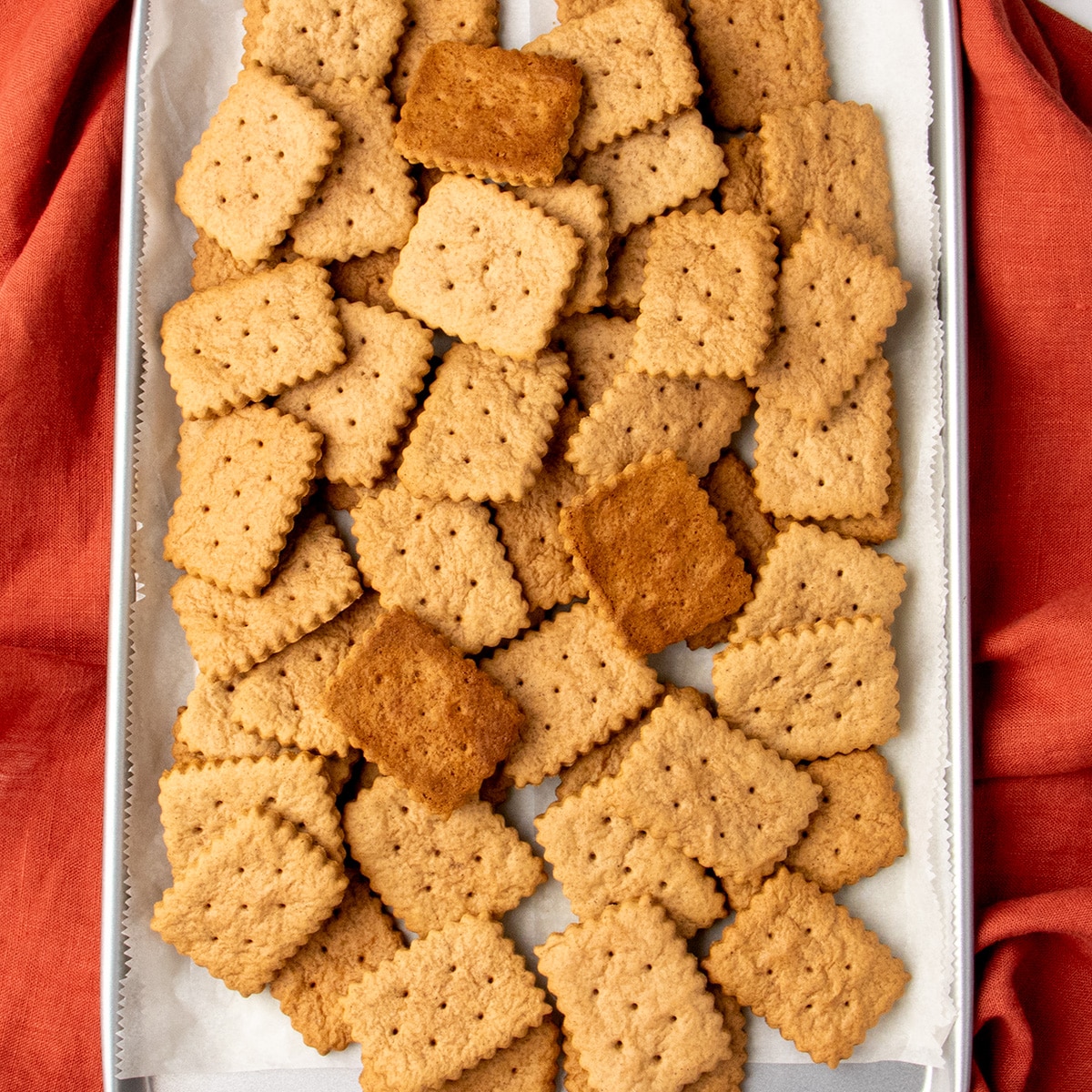
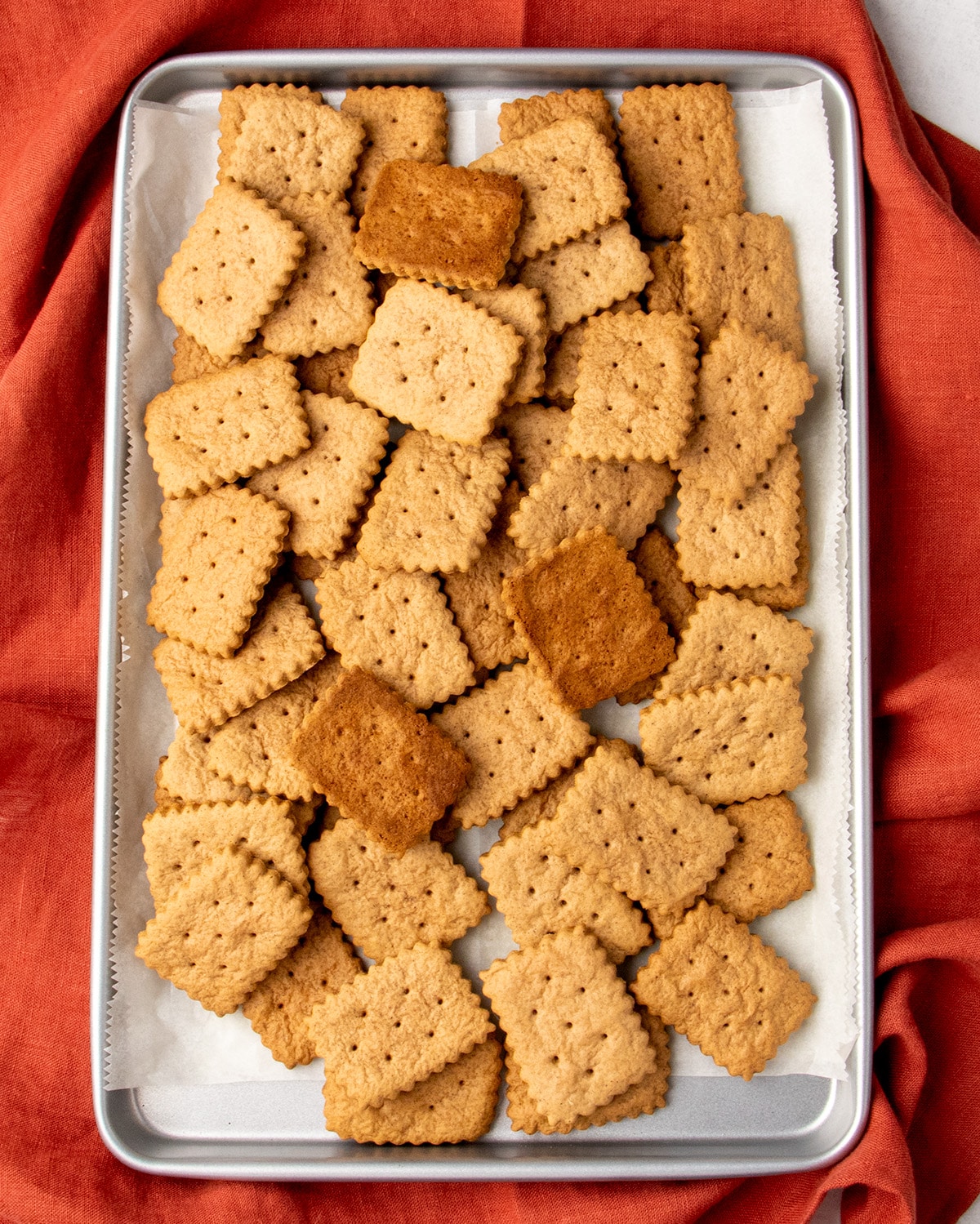
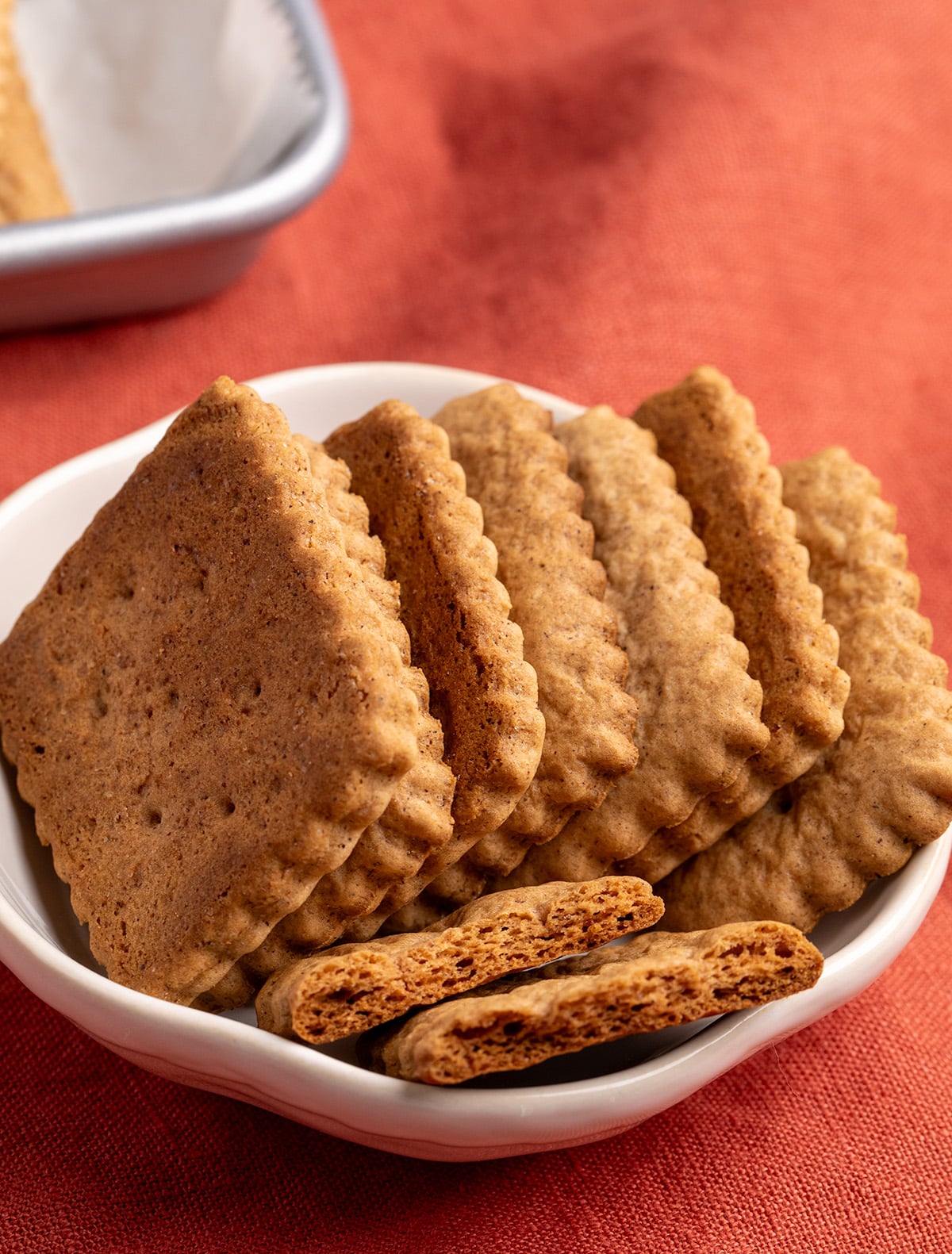
The appeal of the traditional Biscoff cookie lies in its distinct sensory profile: an ultra-thin snap, a light golden-brown hue, and a complex flavor built on a foundation of caramelized sugars and warm, aromatic spices. Replicating this without traditional wheat flour—which provides the structural elasticity and chew of conventional cookies—presents a formidable technical challenge.
According to culinary developers spearheading the movement, the formulation relies on a precise matrix of ingredients:
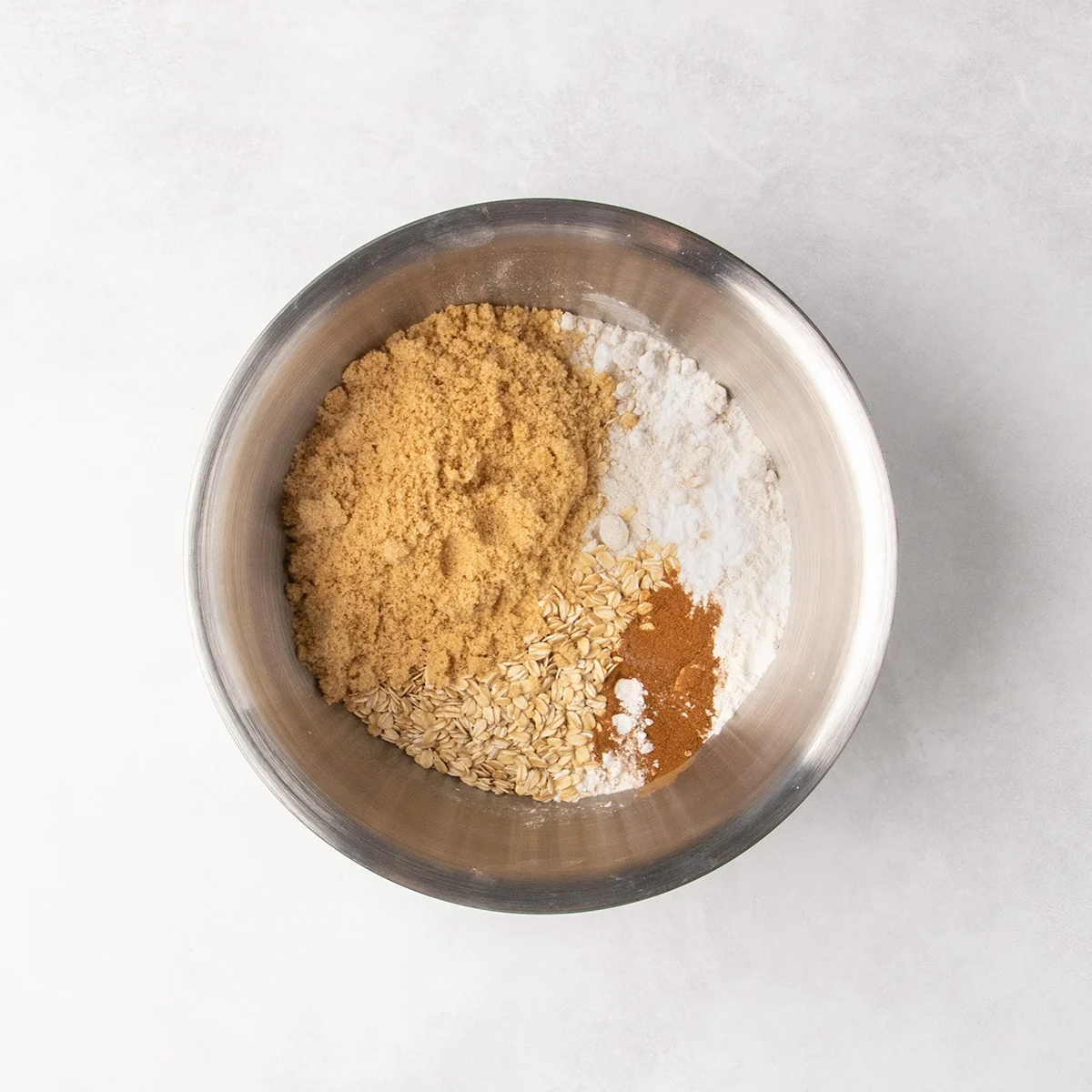
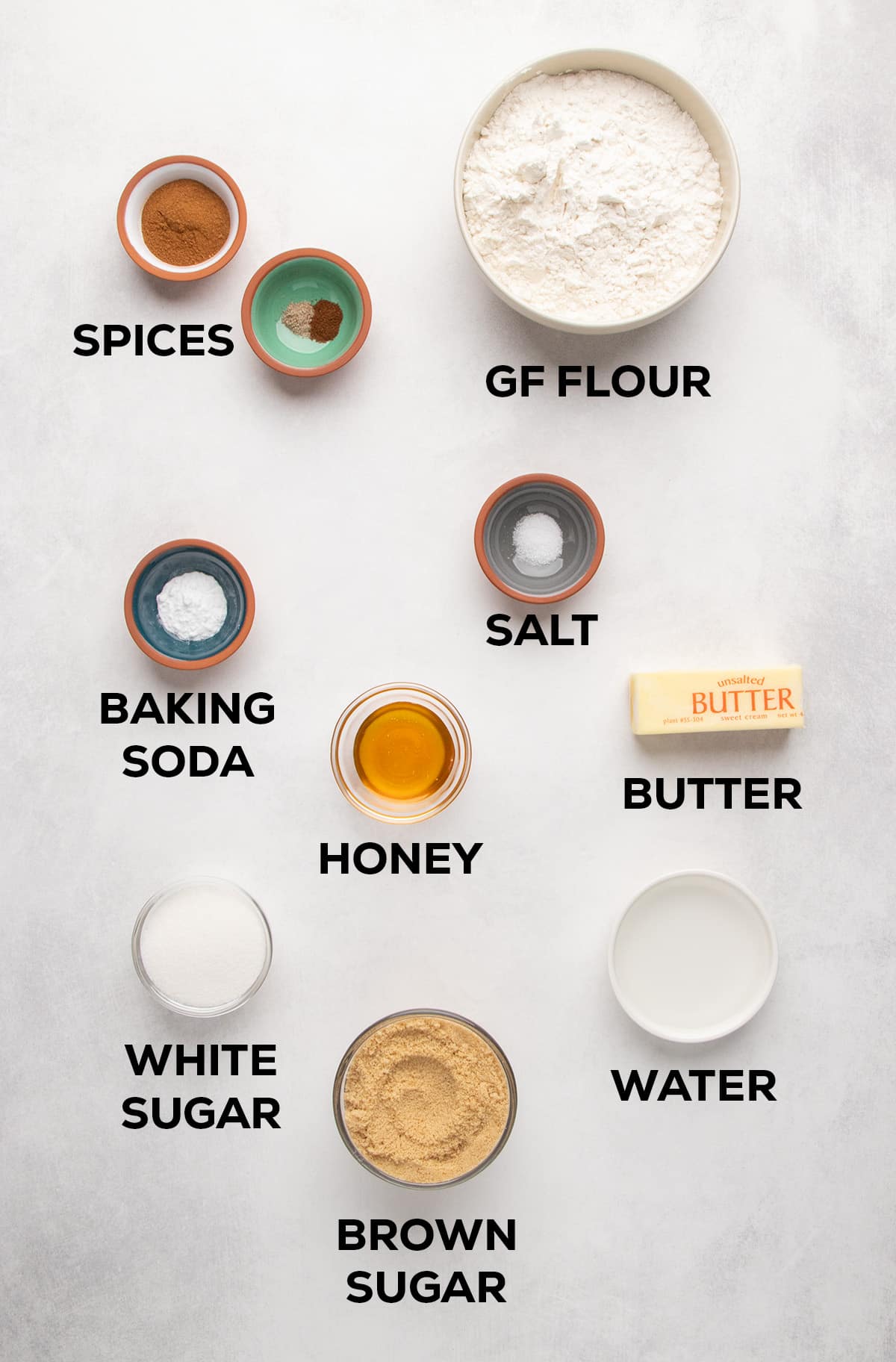
- The Sugar Blend: A combination of white and brown sugars paired with a touch of honey creates the deep, caramel-like notes characteristic of traditional speculoos without tipping the flavor profile into cloying sweetness.
- The Spice Matrix: Cinnamon, nutmeg, allspice, cardamom, and cloves deliver the signature aromatic warmth that distinguishes Biscoff from a standard graham cracker.
- The Structural Binder: Because gluten is absent, specialized flour blends—specifically those incorporating xanthan gum—are mandatory to hold the thin, delicate dough together during rolling and baking.
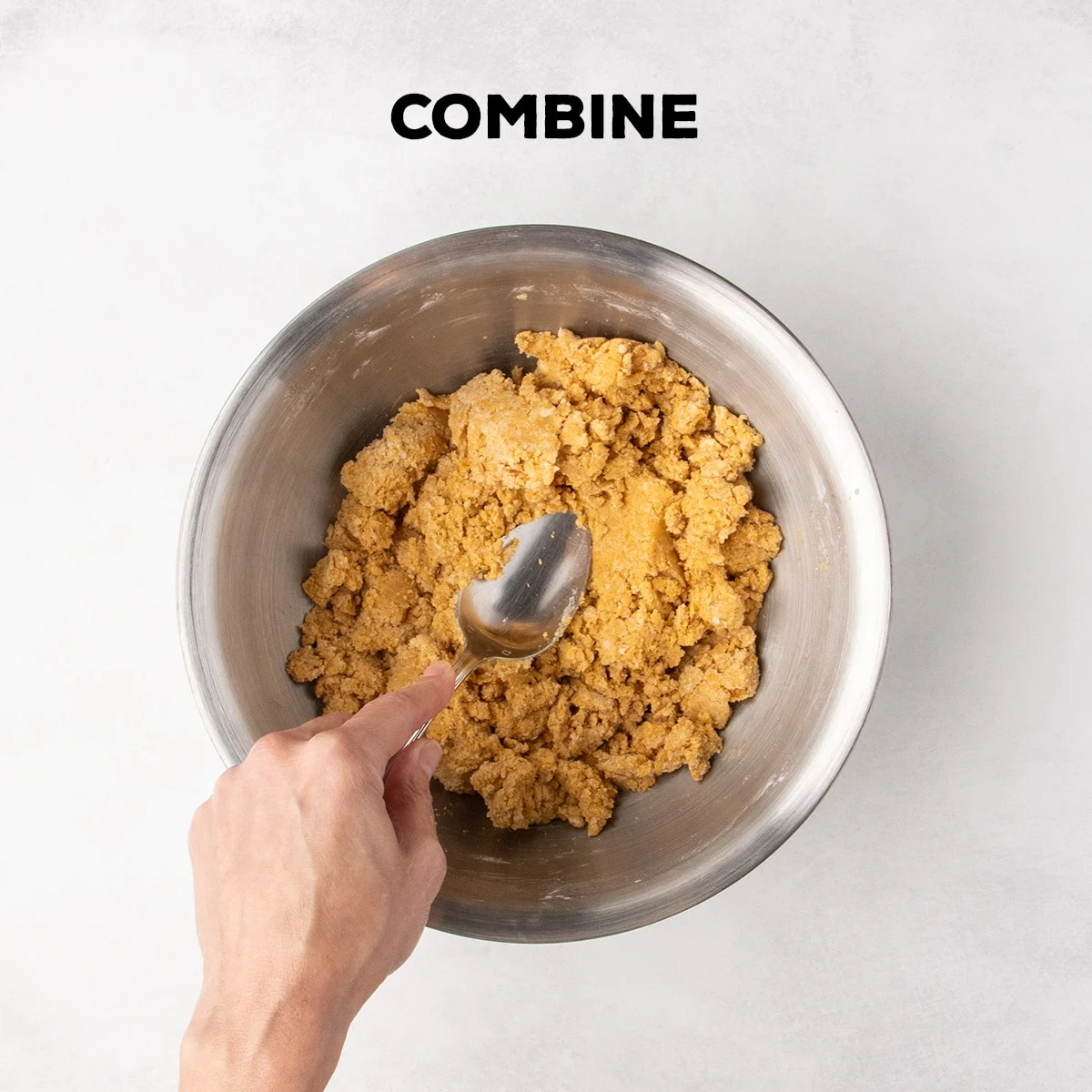
Crucially, the method bypasses complex kitchen machinery. The dough is designed to come together by hand in a single bowl, requiring no eggs, food processors, or prolonged refrigeration periods before shaping.
Chronology: The Evolution of Gluten-Free Snack Replication
The journey toward a homemade gluten-free Biscoff cookie is part of a broader, decade-long evolution in allergen-free baking technology.
Phase One: The Era of Compromise (Early 2010s)
In the early days of mainstream gluten-free adoption, consumers relied heavily on commercially imported specialty goods that were often dense, sandy, and expensive. Baking at home frequently resulted in baked goods that crumbled upon touch, earning the apologetic descriptor of being "good, for gluten-free."
Phase Two: The Rise of Custom Flour Blends (Late 2010s)
The introduction of pre-mixed, measure-for-measure gluten-free flours revolutionized home kitchens. Bakers began experimenting with structural gums like xanthan gum and psyllium husk to mimic the gluten network. Concurrently, creators began reverse-engineering beloved commercial snacks, such as graham crackers and animal crackers, laying the groundwork for more complex flavor profiles.
Phase Three: The Direct Replication of Niche Commercial Treats (Present Day)
With fundamental baking techniques refined, developers are now tackling specific, highly guarded commercial flavors. The recent engineering of the gluten-free Biscoff cookie represents a watershed moment in this timeline: capturing not just a texture, but a complex, proprietary flavor profile that relies on delicate chemical reactions during baking.
Supporting Data and Technical Specifications
For home bakers attempting the recipe, precision is vital. The technical specifications of the dough and baking process reveal why traditional methods fail and why specific adjustments are necessary.
The Science of the Roll
The dough requires rolling to an exact thickness of 1/8-inch. This thin profile is non-negotiable; it ensures that the cookies bake uniformly, turning firm and golden in the oven before crisping completely on the cooling rack.
Nutritional and Yield Overview
- Yield: Approximately 72 small rectangular cookies (standard speculoos sizing, roughly 2.5 inches by 1.5 inches).
- Per-Cookie Profile:
- Calories: 37 kcal
- Carbohydrates: 7 g
- Fat: 1 g
- Protein: 0.2 g
- Sodium: 24 mg
- Sugar: 3 g
Equipment and Flour Compatibility
Standard all-purpose gluten-free blends vary wildly in their protein and binder contents. Culinary tests indicate that blends featuring a pre-blended gum (or supplemented with an additional 1/4 to 1 full teaspoon of xanthan gum) perform best. Without this binding agent, rolling the dough into paper-thin rectangles results in tearing and structural failure.
Official Perspectives and Expert Guidance
Industry experts emphasize that transitioning from commercial wheat-based production to allergen-free home baking requires a shift in expectations regarding ingredients and storage.
Managing Moisture and Allergens
One of the primary hurdles in replicating crisp cookies in a gluten-free environment is moisture retention. Because gluten-free starches tend to absorb ambient humidity rapidly, storage is a critical factor.
"These cookies will keep stored in a sealed glass container at room temperature for about two weeks," notes recipe developer Nicole Hunn in her kitchen guidelines. "Be sure to store them in glass, since plastic is porous and the cookies will absorb moisture from the room and lose their crisp texture."
For those seeking to avoid dairy alongside gluten, expert substitutions exist, though they require careful adjustment. Block-style vegan butter or solid coconut oil can replace dairy butter, though bakers may need to introduce minor adjustments to water content to compensate for the missing moisture inherent in dairy fats. Similarly, maple syrup can substitute for honey, provided liquid ratios are scaled back to maintain dough workability.
Beyond the Cookie: The Emergence of Gluten-Free Biscoff Spread
The innovation does not stop at the baking sheet. A logical extension of the homemade cookie trend is the recreation of Biscoff spread—a smooth, caramel-flavored confection traditionally enjoyed on toast or utilized in baking.
Culinary tests have proven that the homemade cookies can be successfully transformed into a velvety spread using a straightforward kitchen process:
- Crumbing: Grinding approximately 5 ounces (roughly 18 homemade cookies) into a fine powder.
- Emulsifying: Blending the crumbs with brown sugar, a pinch of baking soda, salt, tapioca starch, and melted non-hydrogenated vegetable shortening.
- Resting: Allowing the mixture to sit at room temperature to achieve the signature spreadable consistency.
While commercial manufacturers retain the monopoly on mass-produced speculoos spreads, this technique bypasses supply chain gaps entirely, offering an accessible alternative for households managing dietary restrictions.
Implications for the Gluten-Free Market
The grassroots development and enthusiastic reception of these specialized recipes point to a larger shift in consumer culture.
- Consumer Empowerment: As specialized food technology outpaces commercial product rollouts, passionate home cooks are increasingly bridging the gap between craving and consumption.
- Pressure on Major Brands: The viral success of DIY recipes for iconic snacks signals to mass-market manufacturers like Lotus Bakeries that a lucrative, highly engaged demographic is actively waiting for certified gluten-free commercial options.
- Elevated Culinary Standards: The success of these intricate, spice-forward recipes proves that allergen-free baking has moved far past dry, utilitarian substitutes, cementing itself as a sophisticated culinary discipline capable of replicating the world’s most beloved treats.