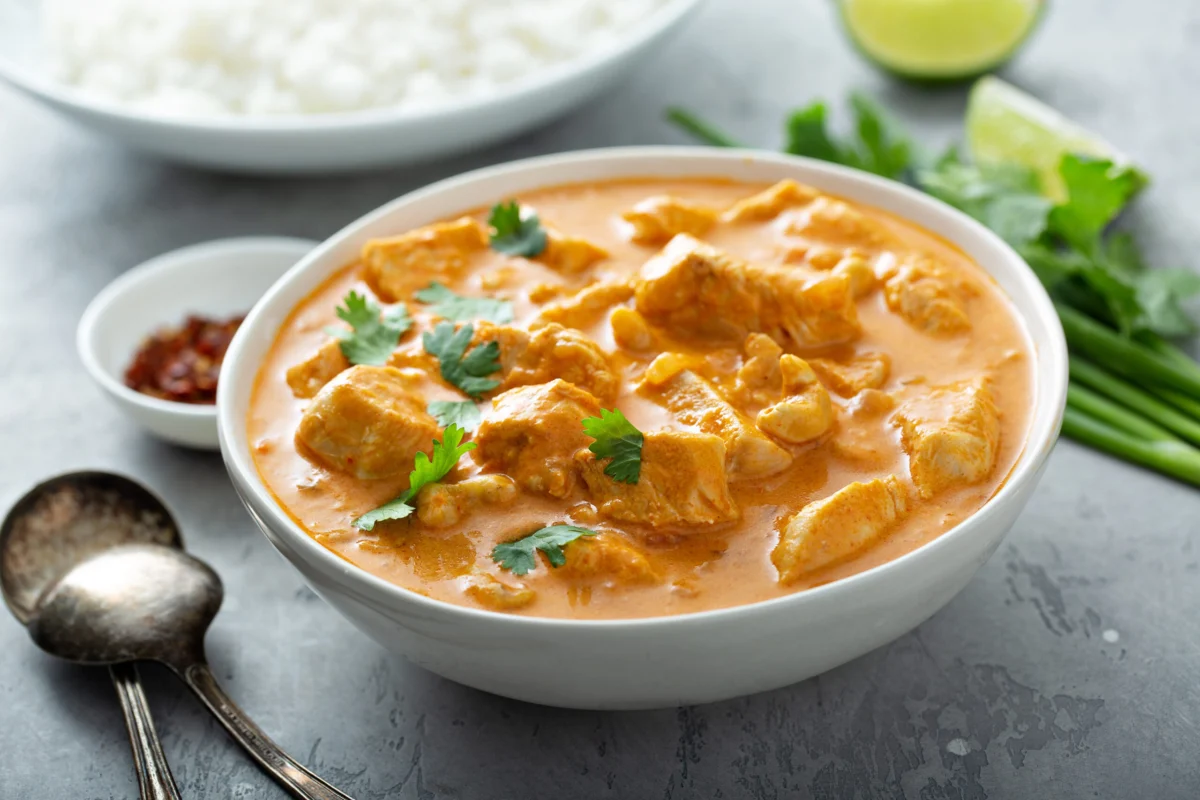
In the modern culinary landscape, the quest for the "perfect" weeknight meal is often a balancing act between nutritional integrity, flavor complexity, and the harsh realities of a busy schedule. As families seek to move beyond the monotony of standard chicken-and-vegetable rotations, a new contender has emerged from the kitchen archives to claim the title of the ultimate comfort food: the Chicken and Cashew Curry.
This dish, characterized by its velvety coconut-based sauce, tender protein, and the distinctive, earthy crunch of roasted cashews, is more than just a recipe; it is a masterclass in approachable fusion cooking. By distilling the essence of traditional curry profiles into a streamlined, one-pan method, this dish is effectively bridging the gap between sophisticated, spice-forward global cuisine and the practical demands of the family dining table.
The Evolution of the One-Pan Curry: Main Facts and Fundamentals
At its core, the Chicken and Cashew Curry is a study in texture and aromatic harmony. The foundation of the dish relies on the marriage of aromatic spices—typically curry powder, turmeric, and cumin—with the rich, fatty medium of full-fat coconut milk.
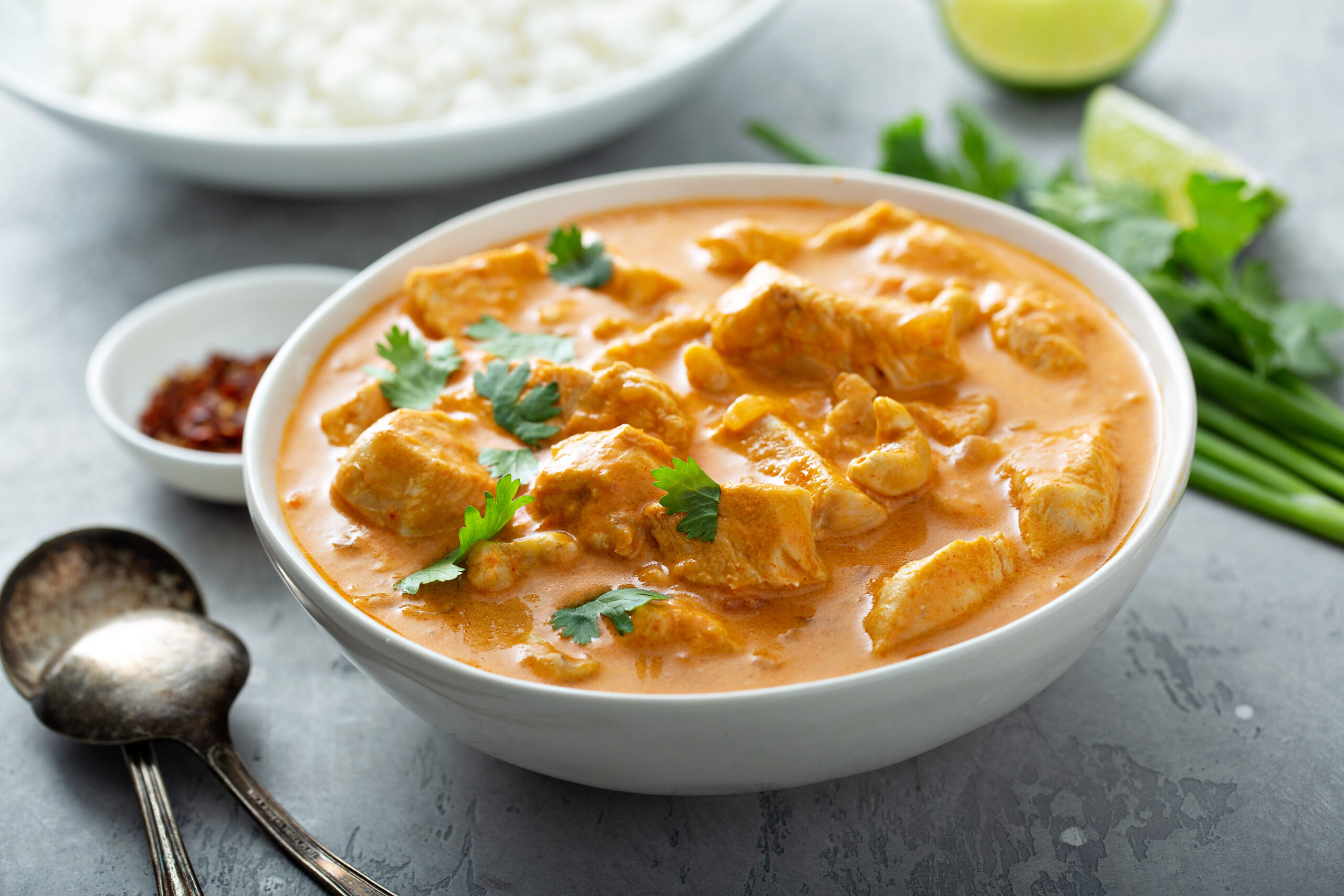
Unlike traditional curries that may require hours of slow-simmering or an exhaustive list of hard-to-find ingredients, this version prioritizes accessibility. The "one-pan" philosophy ensures that the culinary process is as efficient as it is effective. By sautéing the chicken until golden, blooming the spices to release essential oils, and then deglazing with coconut milk, the cook achieves a depth of flavor that usually requires significantly more effort. The addition of cashews provides a necessary structural contrast to the creamy sauce, offering a satisfying bite that elevates the dish from a simple stew to a gourmet-feeling experience.
A Chronology of Preparation: The Culinary Workflow
Understanding the timing of this dish is essential for the home cook looking to master the art of the weeknight meal. The preparation follows a logical, efficient sequence designed to maximize flavor while minimizing downtime:
- The Spice Bloom (Minutes 0–5): The process begins with the "blooming" of dry spices in the pan. This crucial step ensures that the fat-soluble flavor compounds in the turmeric and curry powder are fully activated.
- The Protein Sear (Minutes 5–12): Chicken, cut into uniform, bite-sized pieces, is introduced to the pan. The goal is to achieve a Maillard reaction—a light, golden browning that locks in moisture and adds a savory, toasted note to the finished sauce.
- The Simmer Phase (Minutes 12–30): Once the coconut milk is introduced, the heat is reduced. This is where the sauce achieves its characteristic velvet-like consistency. The chicken finishes cooking in the liquid, ensuring it remains succulent rather than rubbery.
- The Finishing Touches (Minutes 30–40): The final stage is the most critical for brightness. The addition of fresh lime juice acts as a chemical "lift," cutting through the richness of the coconut milk. Finally, the cashews are folded in just moments before serving to ensure they retain their structural integrity and characteristic snap.
Supporting Data: Why This Dish Succeeds Where Others Fail
The enduring popularity of the Chicken and Cashew Curry is supported by its adaptability and its high "acceptance rate" among diverse palates. Nutritional and culinary analysts point to several factors that make this specific combination a winner:
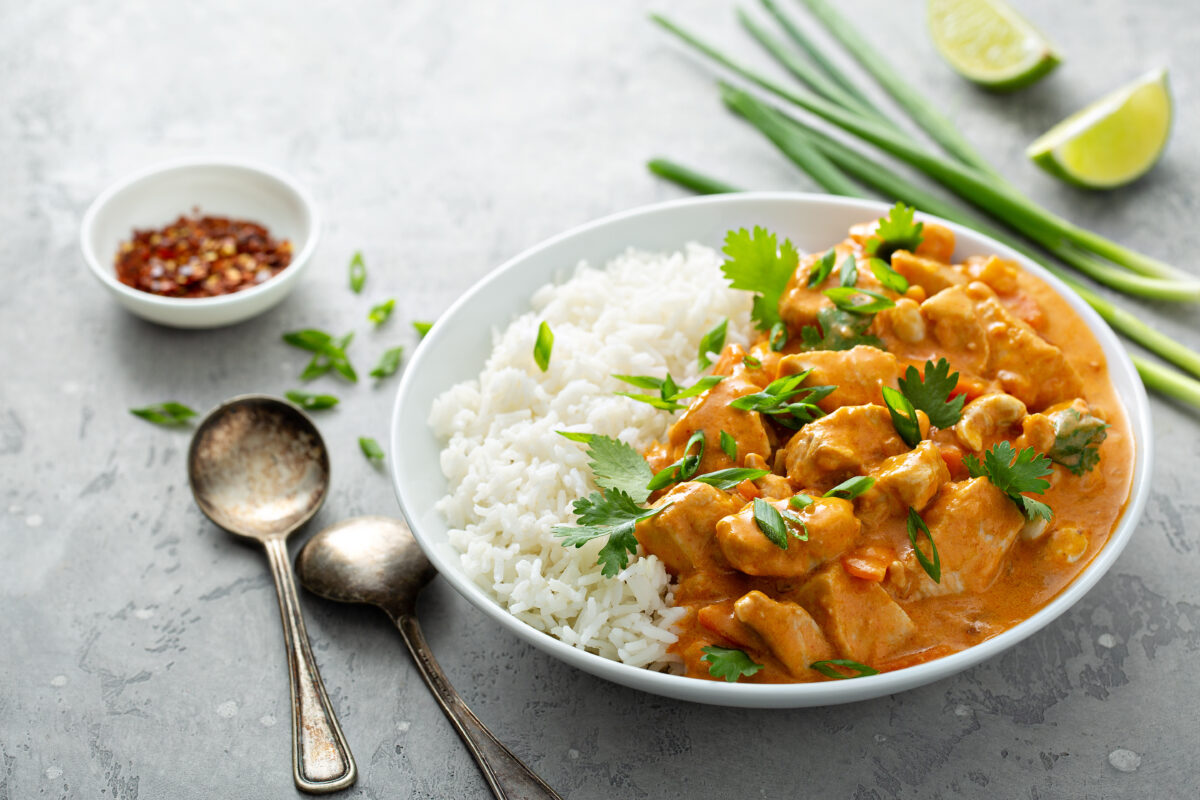
- The Coconut Milk Factor: Full-fat coconut milk provides a satiating richness that creates a feeling of luxury without the need for heavy creams or dairy, which can be difficult for some children to digest.
- The "Spice Threshold": By utilizing a base of mild curry powder and avoiding the volatile capsaicin found in high-heat chili flakes, the dish remains approachable for younger diners. This allows parents to introduce complex, globally-inspired flavor profiles without the risk of overwhelming the palate.
- Texture-Driven Consumption: The inclusion of cashews addresses the "sensory boredom" that often plagues soft, saucy dishes. The brain perceives the contrast between the smooth sauce and the hard nut as more engaging, leading to higher levels of satisfaction.
Expert Perspectives: The Role of Customization in Modern Cooking
Culinary experts emphasize that the success of this dish lies in its "open-source" nature. It acts as a versatile canvas for seasonal produce. For instance, the inclusion of brassicas like broccoli or cauliflower provides fiber and structural depth, while the addition of stone fruits like mango introduces a tropical acidity that pairs beautifully with the coconut base.
From a nutritionist’s perspective, the dish provides a balanced macro-nutrient profile. The chicken offers lean protein, the coconut milk provides essential medium-chain triglycerides (MCTs), and the cashews offer heart-healthy monounsaturated fats and minerals. This composition ensures that the meal is not just a "quick fix," but a source of sustained energy.
Implications for the Modern Household
The shift toward dishes like the Chicken and Cashew Curry signals a larger movement in domestic life: the rejection of "kiddie meals" in favor of inclusive family dining. By opting for a meal that is slightly more sophisticated than a standard stir-fry, families are fostering a culture of culinary exploration.
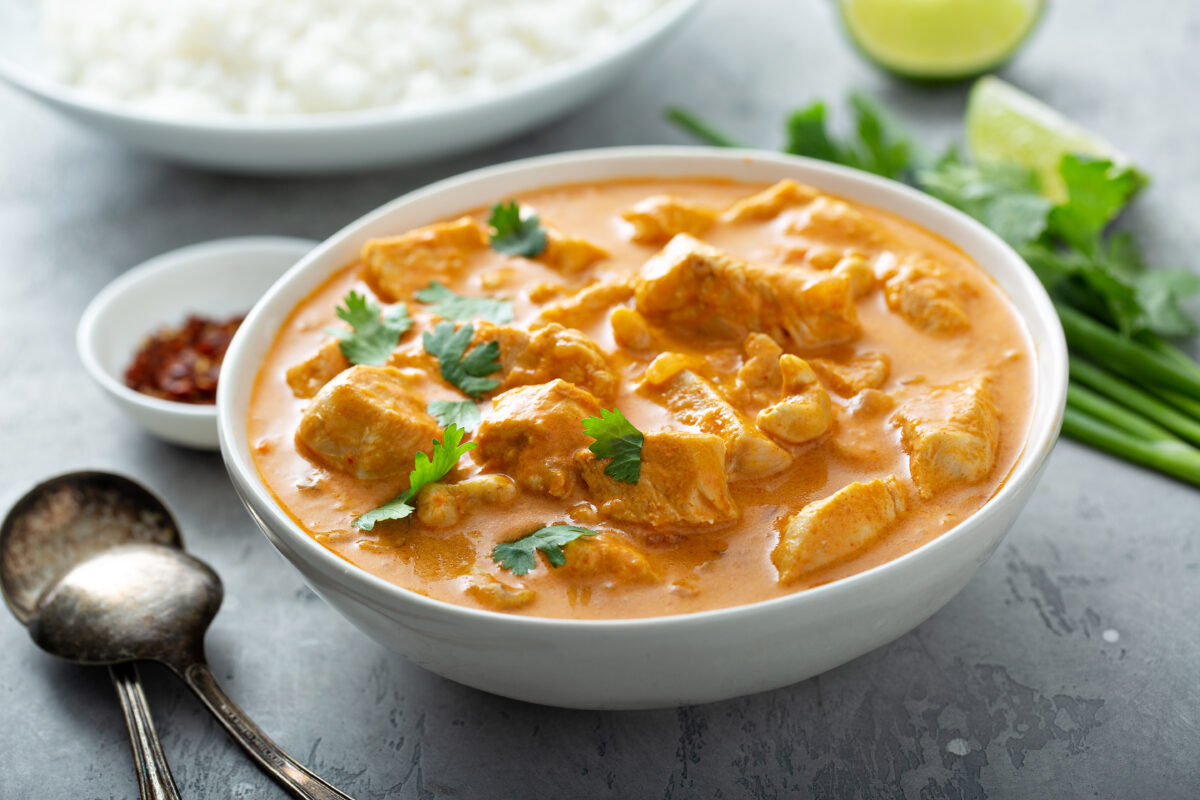
Furthermore, the "make-ahead" potential of this curry has significant implications for time management. Because the flavors of curry continue to marry and develop while refrigerated, this dish is arguably better on the second day. For the working parent, this translates to a reduction in cognitive load—a pre-prepared, high-quality meal is ready to be reheated with a simple splash of broth or coconut milk to restore its original, silky consistency.
Troubleshooting the Process
Even the best recipes require a bit of finesse. For those finding their sauce too thin, the culinary recommendation is to maintain a steady, low simmer without a lid. This allows for controlled evaporation. Conversely, for those who find the profile too mild, the beauty of the dish lies in its modularity. A separate "spicy garnish" station—featuring fresh jalapeños, chili oil, or toasted red pepper flakes—allows the adults to increase the heat index without compromising the baseline dish for the children.
Conclusion: A Staple for the Future
As we look at the trends in home cooking, the Chicken and Cashew Curry stands out as a triumph of efficiency. It respects the limited time of the modern cook while refusing to sacrifice the depth of experience that makes dining a joy. Whether served over a bed of fragrant jasmine rice, garnished with a vibrant shower of fresh cilantro, or enhanced with a seasonal vegetable medley, this dish is a testament to the fact that "easy" does not have to mean "basic."
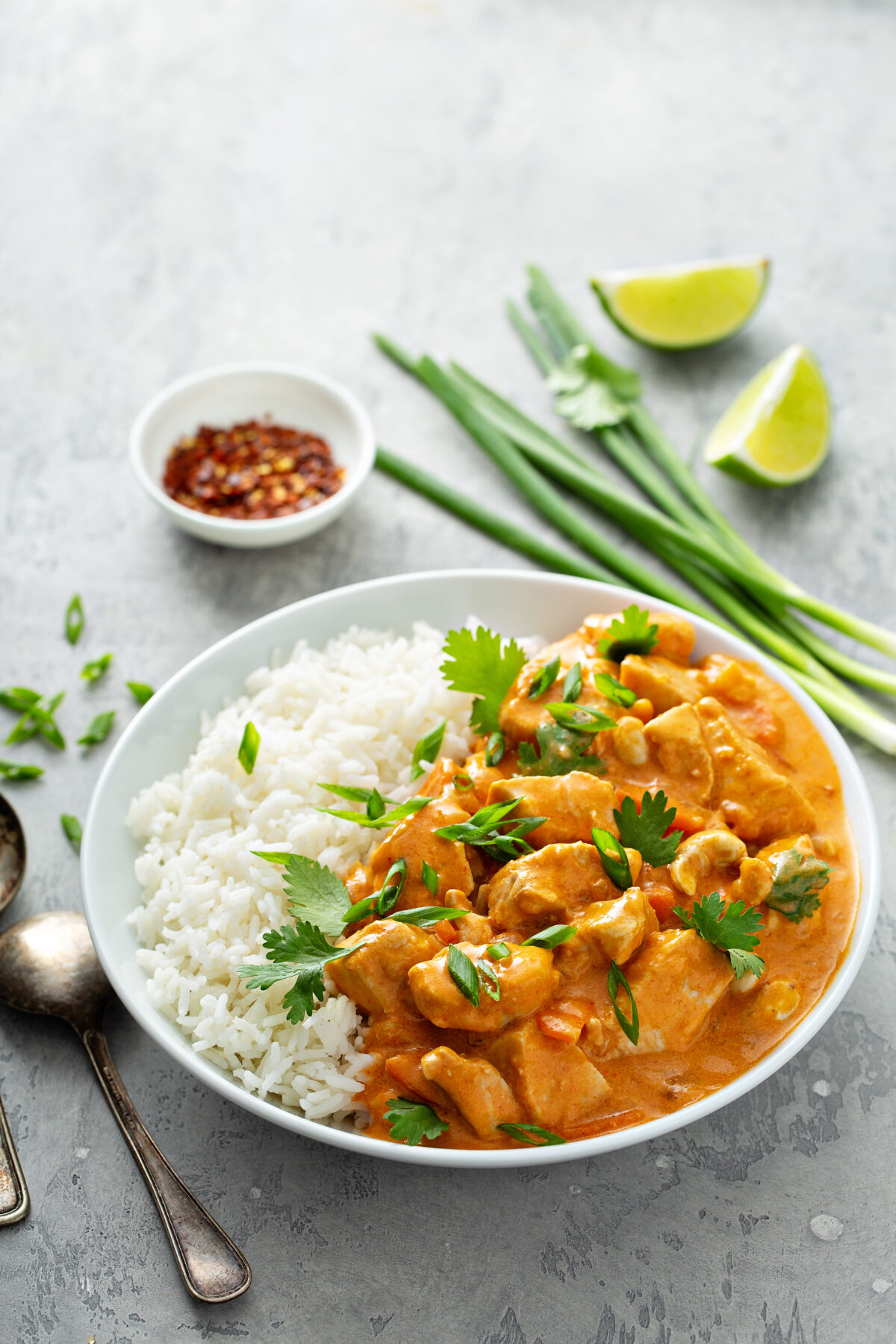
It is a recipe that grows with the family, capable of being simplified for toddlers or elevated for a dinner party with the addition of fresh aromatics and complex spice blends. In an era where the dinner table is often the only place where families truly reconnect, this dish provides the perfect, cozy backdrop for meaningful conversation, proving once and for all that a great meal is the ultimate common ground.