In the world of home cooking, few dishes possess the timeless appeal and universal comfort of roasted root vegetables. Whether serving as a robust side dish for a holiday roast or standing alone as a nutritious weeknight staple, the combination of potatoes and carrots is a culinary cornerstone. However, achieving that elusive balance—golden, crispy exteriors paired with pillowy, tender centers—is a technique that often eludes the novice cook.
This guide explores the science, methodology, and artistry behind perfecting oven-roasted potatoes and carrots, a dish that proves simplicity is often the most sophisticated ingredient in any kitchen.
The Fundamentals: Why This Combination Works
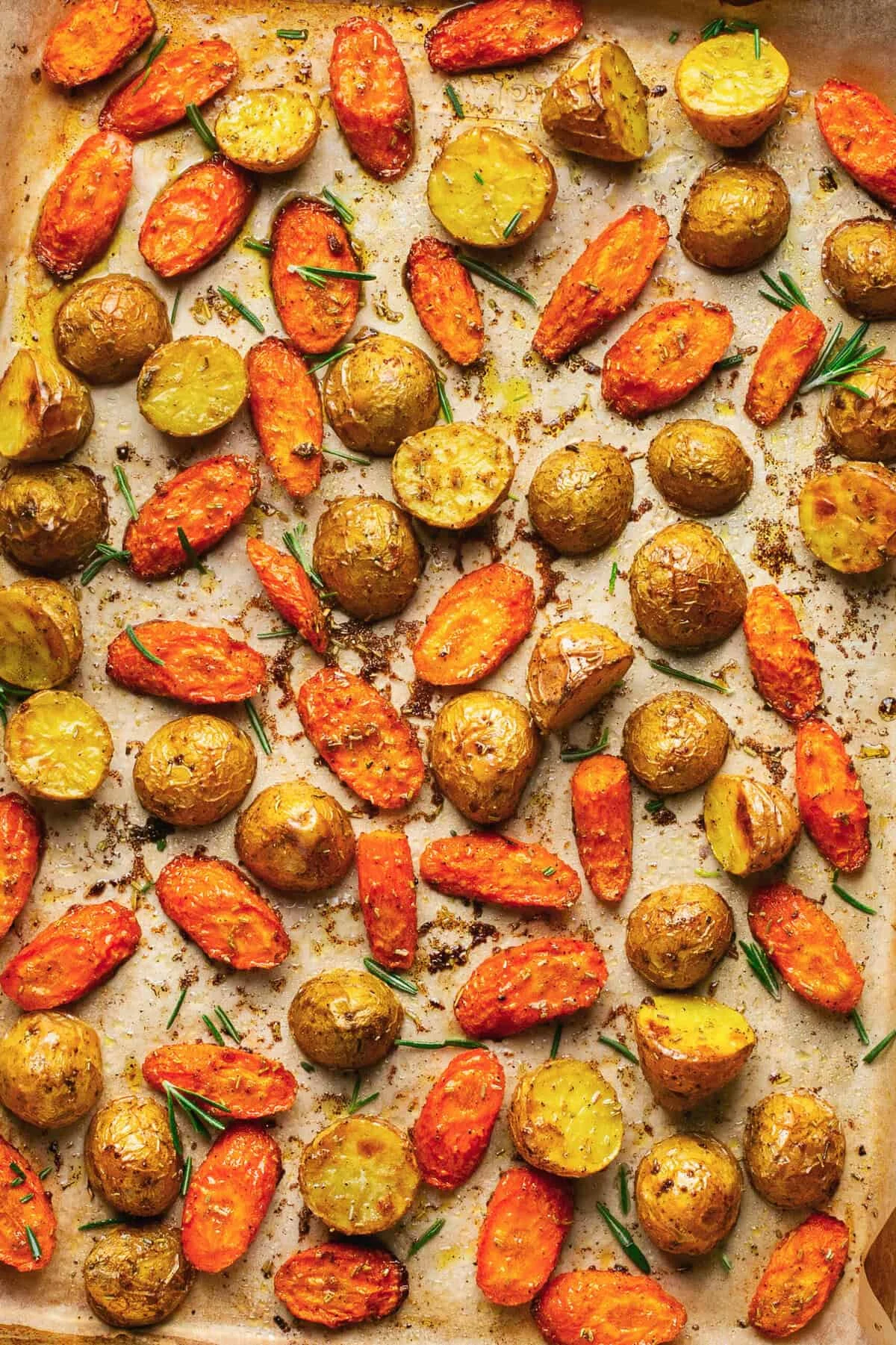
The pairing of potatoes and carrots is not merely a matter of convenience; it is a symbiotic relationship of textures and flavors. Potatoes, specifically baby gold varieties, provide a starch-heavy, creamy profile that absorbs seasonings beautifully. Carrots, when subjected to the high-heat environment of an oven, undergo a transformation known as the Maillard reaction, which caramelizes their natural sugars, lending them a delicate sweetness that contrasts with the savory, earthy notes of the potato.
The Science of the "Crisp"
The primary objective in roasting vegetables is moisture management. If the oven temperature is too low, the vegetables steam in their own juices, resulting in a mushy, unappealing texture. If the temperature is too high, the exteriors burn before the interiors have a chance to soften.
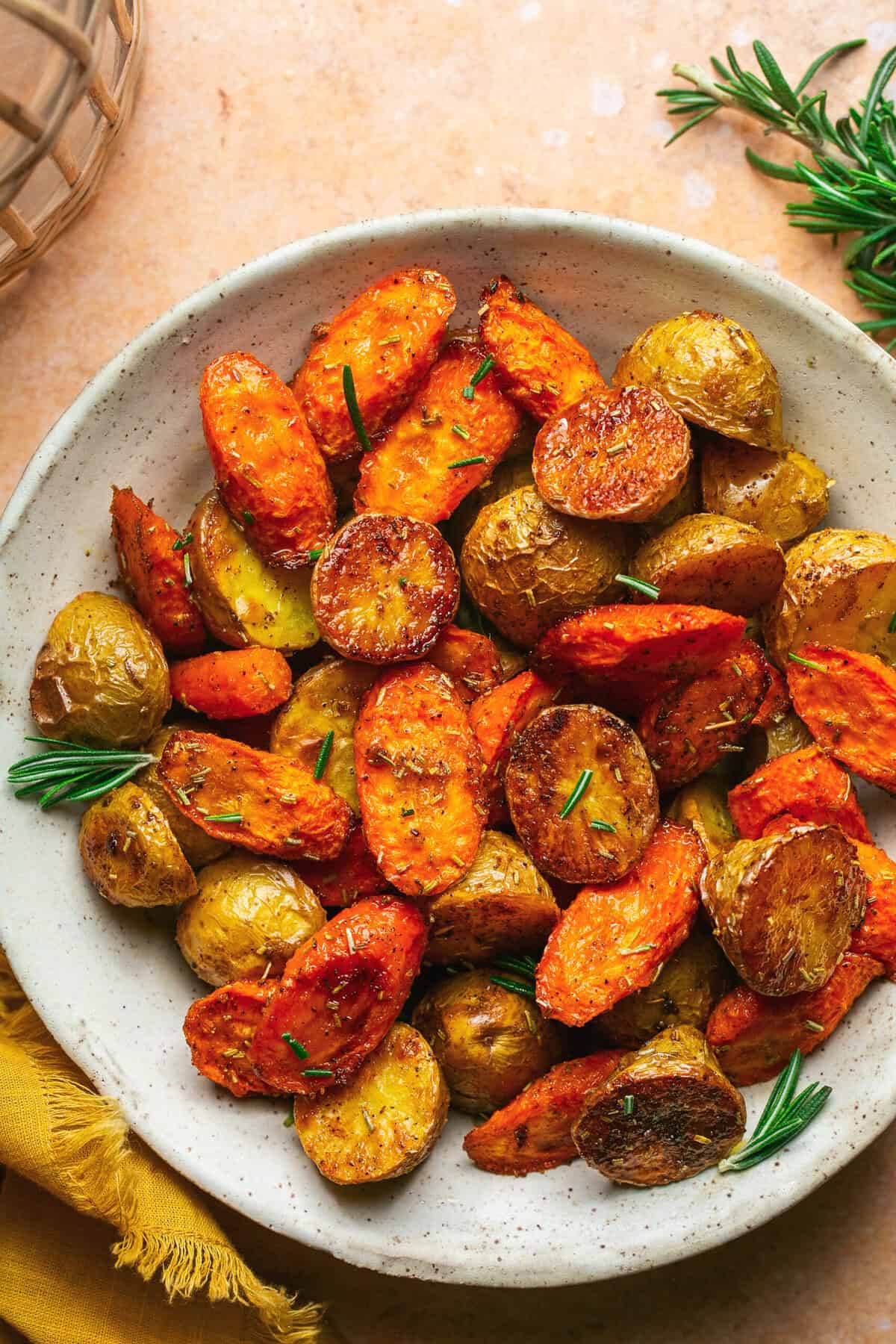
According to culinary experts, the sweet spot for this specific pairing is 400°F (200°C). At this temperature, the exterior starches dehydrate and crisp up while the internal pectin breaks down, creating that coveted contrast. Furthermore, the practice of cutting carrots on the diagonal is not just for aesthetic appeal; it increases the surface area of the vegetable, allowing for faster, more even browning compared to traditional cross-cut slices.
A Chronology of Preparation
Achieving professional results requires a disciplined approach to preparation. The following timeline ensures that every element of the dish reaches its peak potential simultaneously.
Phase 1: The Prep (Minutes 0–10)
Success begins with uniform preparation.
- Selection: Choose baby gold potatoes for their thin skins, which do not require peeling, and their buttery interior.
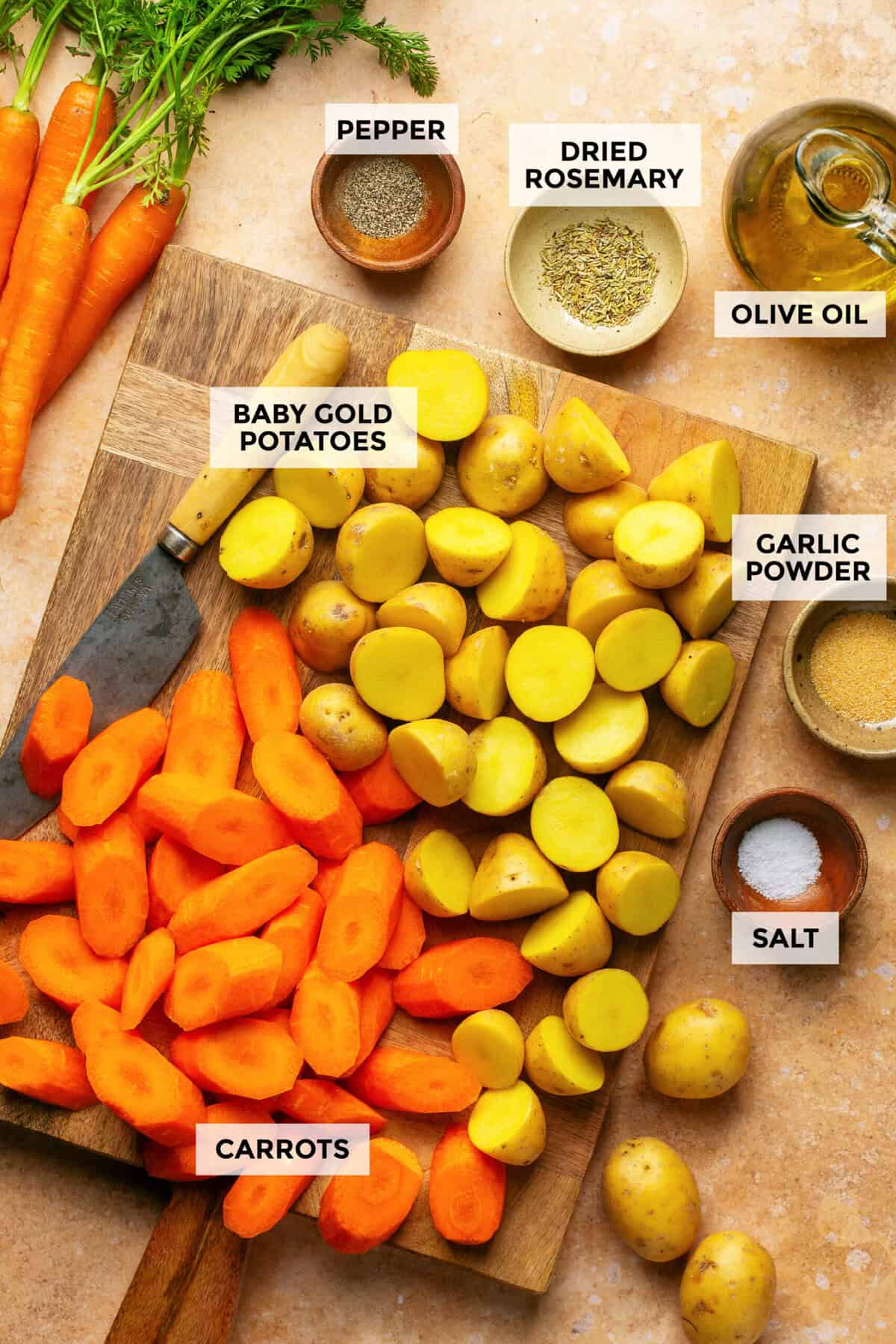
- Cutting: Slice the baby potatoes in half. For the carrots, peel them and cut them into 1-inch pieces on a sharp diagonal. The diagonal cut ensures the carrots—which typically cook faster than potatoes—reach a state of tenderness consistent with the denser potato flesh.
- Seasoning: Toss the vegetables in a bowl with high-quality olive oil. This coating is essential; it acts as a heat conductor and a vehicle for the seasonings. Use a balanced blend of garlic powder, dried rosemary, salt, and black pepper.
Phase 2: The Roast (Minutes 10–50)
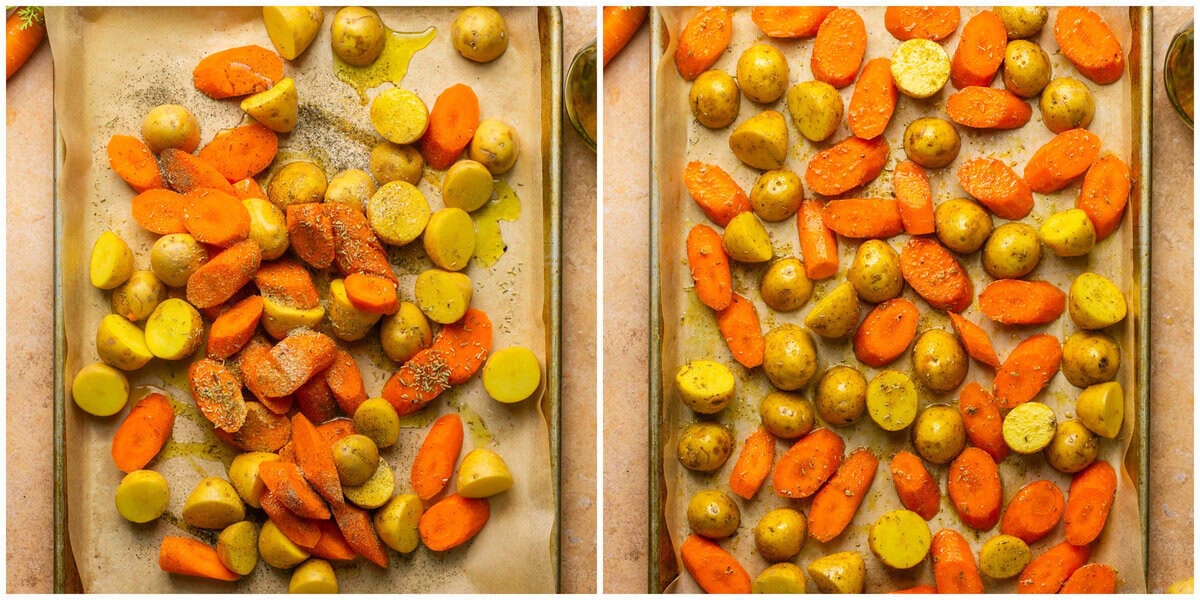
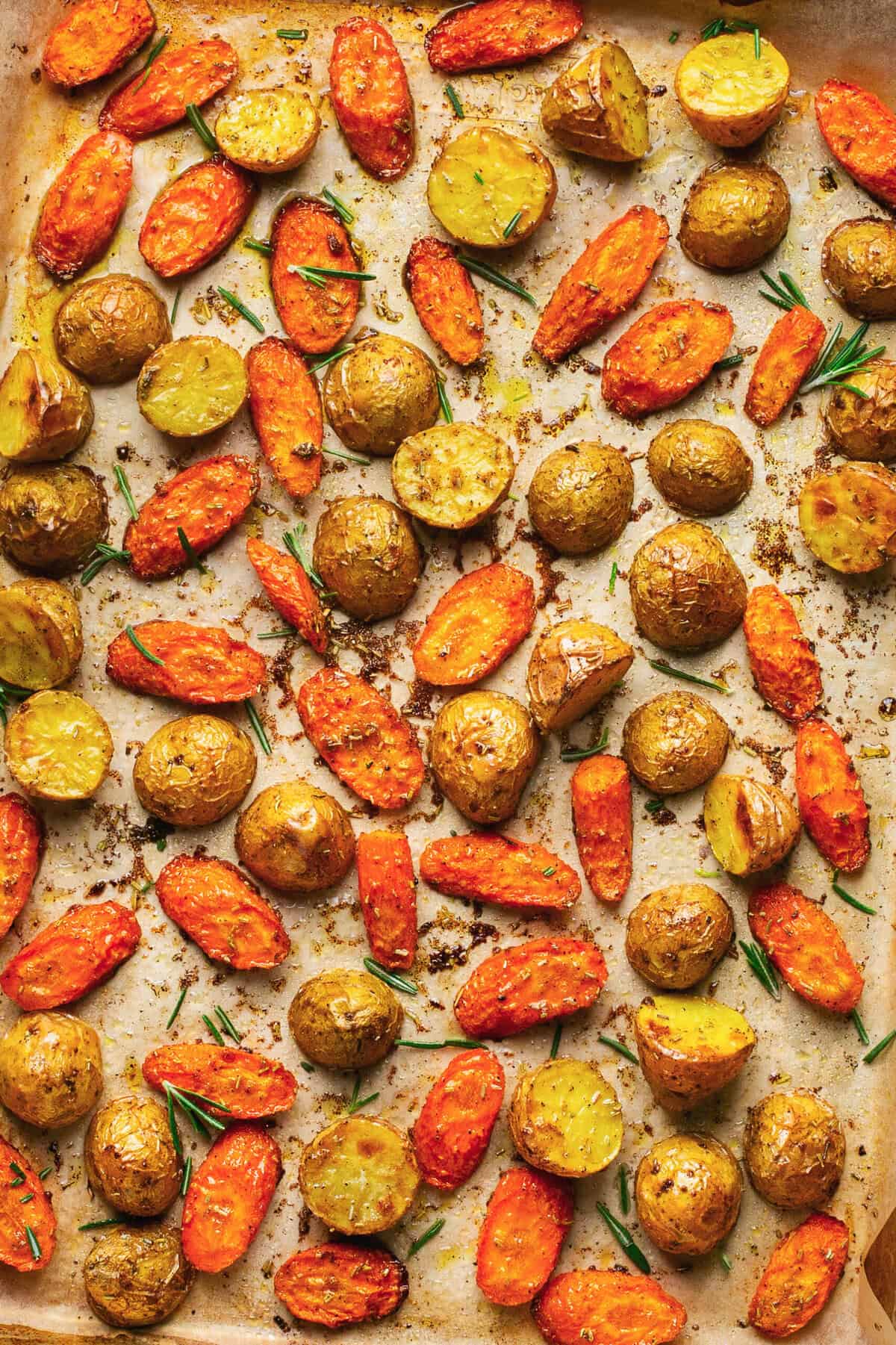
Place the vegetables on a baking sheet lined with high-quality parchment paper. Crucial Note: Avoid aluminum foil, which can cause sticking and prevent proper air circulation around the bottom of the vegetables. Spread the mixture in a single layer; overcrowding the pan will result in steaming rather than roasting. Roast for approximately 40 minutes, checking at the 30-minute mark to ensure the desired level of caramelization is achieved.
Supporting Data and Nutritional Profile
While flavor is the primary driver of this dish, its nutritional profile is equally compelling. A standard serving (approx. 248 kcal) offers a significant contribution to a balanced diet, particularly in terms of micronutrients.
- Vitamin A: Rich in beta-carotene from the carrots, a single serving provides substantial support for vision and immune health.
- Potassium: Potatoes are an excellent source of potassium, which is vital for heart health and nerve function.
- Fiber: With 7g of fiber per serving, this dish supports digestive health and provides lasting satiety.
The low sodium content (approximately 99mg) makes this a heart-healthy choice, provided the home cook maintains a measured hand with the salt shaker.
Expert Insights: Troubleshooting Common Pitfalls
Even experienced chefs encounter challenges when roasting vegetables. Understanding the "why" behind common failures is the first step toward mastery.
Why do my carrots turn out soggy?
Soggy carrots are almost always the result of improper technique. Either the oven temperature was insufficient to drive off surface moisture, or the vegetables were crowded on the baking sheet. A crowded pan creates a humid environment, essentially steaming the vegetables. To avoid this, use a larger pan or divide the ingredients across two sheets if necessary.
Must I boil the potatoes first?
There is a prevailing myth that par-boiling potatoes is necessary to ensure they cook through. However, when using baby potatoes cut to a uniform 1-inch size, pre-boiling is entirely unnecessary. Skipping this step saves time and preserves the potato’s natural structural integrity, preventing them from falling apart before they have a chance to crisp.
Can I roast them separately?
While roasting together is recommended for flavor melding and convenience, you can certainly roast them on separate pans. This is particularly useful if you have a large gathering and wish to adjust seasoning profiles for each vegetable—perhaps adding a honey glaze to the carrots while keeping the potatoes strictly savory with herbs.
Culinary Implications and Variations
The beauty of this recipe lies in its adaptability. Once the foundation is mastered, the potential for variation is limitless.
Infusing Global Flavors
- Mediterranean: Swap the rosemary for dried oregano and toss with a squeeze of fresh lemon juice and feta cheese immediately after removing from the oven.
- Spicy/Savory: Introduce a teaspoon of smoked paprika or red chili flakes to the seasoning blend to add a layer of warmth.
- Earthy Sweetness: Add balsamic glaze during the final five minutes of roasting to deepen the caramelization of the carrots.
Enhancing the Texture
For those seeking an extra level of crunch, a light dusting of nutritional yeast or finely grated Parmesan cheese in the final minutes of cooking can create a savory, golden crust that elevates the dish from a simple side to a standout component of any meal.
Final Reflections
In an era of complex recipes and high-tech culinary gadgets, the roasted potato and carrot remains a testament to the power of heat, oil, and simple seasonings. It is a dish that rewards patience and technique over complexity. By focusing on the fundamentals—uniform cutting, appropriate temperature, and proper spacing—any home cook can replicate the professional-grade results seen in the finest kitchens.
As you integrate this dish into your repertoire, remember that the "perfect" roast is a matter of personal preference. Whether you prefer your carrots slightly charred or your potatoes soft and buttery, the key is to observe, adjust, and enjoy the process of transforming simple, raw ingredients into a nourishing, delicious meal. Tagging your culinary creations and sharing your own variations with the community is the final step in the journey of a home chef, fostering a shared appreciation for the simple joys of cooking.
When you next preheat your oven, consider this not just a chore, but an opportunity to engage with the age-old art of roasting—a practice that, while simple, provides the very essence of comfort and satisfaction.