Main Facts
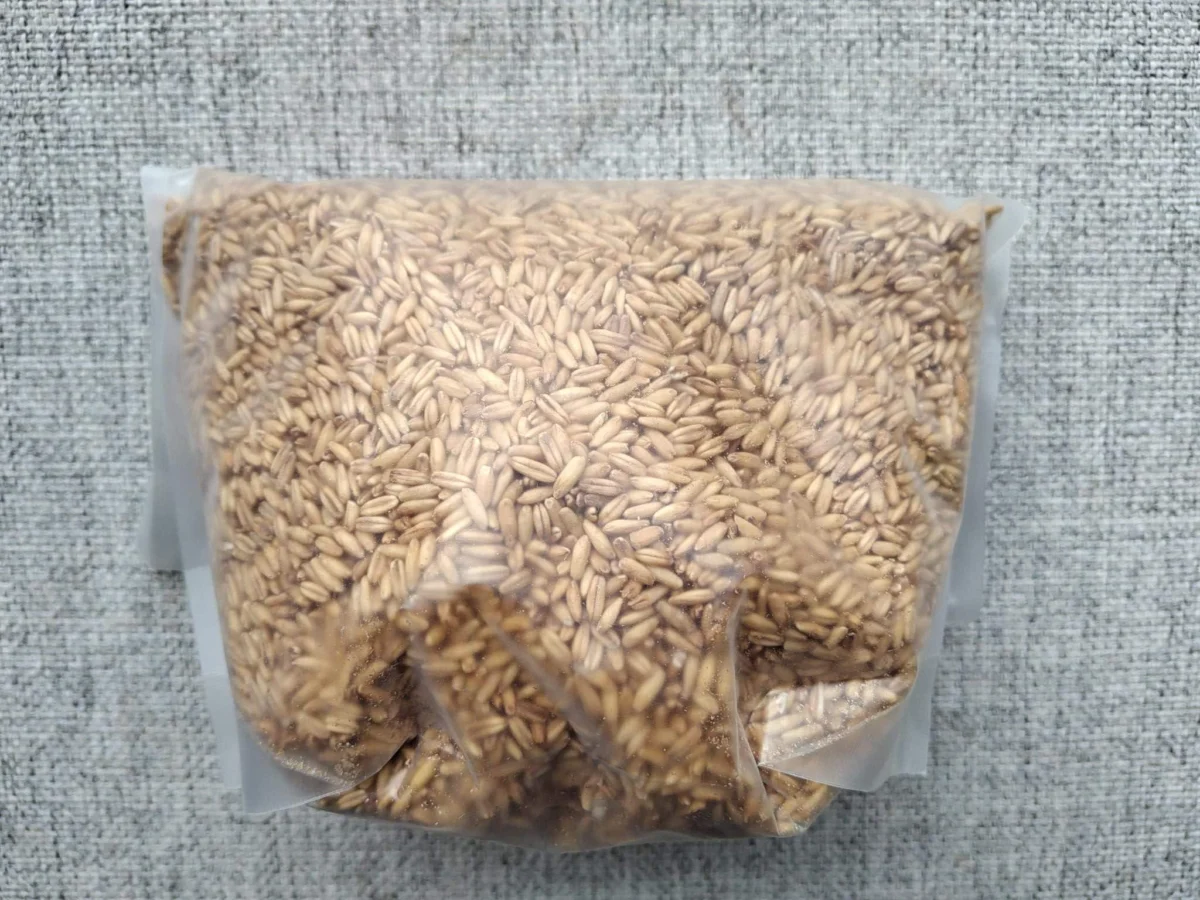
In the quiet corners of experimental agronomy and sustainable agriculture, a humble yet revolutionary grain is beginning to turn heads. Scientifically known as Avena Nuda, but more commonly referred to as "naked oats," this ancient crop is staging a modern comeback. Unlike conventional oats, which require intensive industrial processing to remove a tightly adhered, inedible outer hull, naked oats naturally shed their husks during the threshing process. This biological quirk eliminates an entire tier of milling, saving energy, reducing processing costs, and offering a streamlined path from farm to table.
Beyond their agricultural efficiency, naked oats boast an impressive nutritional profile. Packed with high-quality proteins, soluble fibers like beta-glucan, and a rich, nutty flavor profile, they rival—and in some ways exceed—the health benefits of traditional cereal grains. Furthermore, they are deeply beneficial for soil health, deploying deep and robust root systems early in the growing season that help prevent soil erosion and improve organic matter.
However, despite these undeniable advantages, Avena Nuda faces a significant barrier to mainstream culinary adoption: cooking time. While traditional white rice or specialized risotto rice can transform from hard grain to creamy perfection in roughly 15 to 20 minutes, whole naked oats are notoriously stubborn. Culinary experiments reveal that achieving a tender, al dente texture in applications like risotto can stretch past 45 minutes. For modern consumers accustomed to ultra-convenient, fast-cooking meal solutions, this time investment remains a formidable hurdle. Industry experts suggest that the widespread commercial success of naked oats may ultimately hinge on pre-processing innovations, such as parboiling, to bridge the gap between farm-grown sustainability and kitchen convenience.
Chronology
The journey of Avena Nuda is a tale of ancient roots meeting modern culinary experimentation. Understanding its trajectory requires looking at both its agricultural history and its recent re-emergence in contemporary kitchens.
- Ancient Origins and Domestication: Long before commercial wheat and modern rice varieties dominated the global food supply, naked oat variants were cultivated in various parts of Europe and Asia. Unlike standard hulled oats, which required specialized pounding and milling stones just to make the grain edible, naked oats were favored by early farmers for their ease of manual threshing.
- The Industrial Era Eclipse: With the advent of industrial agriculture and large-scale grain processing mills, hulled oats took center stage. Hulled oats proved easier to store in bulk and handle within mechanized supply chains, pushing Avena Nuda into relative obscurity, relegated primarily to niche organic farms or specialized livestock feed.
- The Sustainable Agriculture Revival (Late 20th to Early 21st Century): As regenerative farming practices gained momentum, agronomists began re-evaluating crops that protect soil health without requiring excessive chemical inputs. Naked oats re-entered agricultural research trials due to their ability to establish early, firm root systems that secure topsoil.
- Recent Culinary Trials (Present Day): Food innovators and home cooks have begun experimenting with naked oats as a locally grown, nutrient-dense alternative to imported grains like rice or quinoa. Recent kitchen trials—such as substituting risotto rice with whole naked oats—have demonstrated the grain’s incredible flavor and textural potential, while simultaneously highlighting its primary drawback: an extended cooking time that demands a complete rethinking of traditional stovetop methods.
Supporting Data
To fully appreciate the agricultural and nutritional value of Avena Nuda, one must examine the metrics surrounding its growth, processing, and nutritional composition.
Processing Efficiency
- Hull Retention Rate: Standard oats retain up to 25–30% of their total harvested weight in inedible hull material, requiring specialized dehulling machinery. Naked oats experience natural threshing separation, reducing post-harvest mechanical processing steps by nearly 50%.
- Energy Savings: Bypassing the intensive industrial dehulling stage significantly lowers the carbon footprint and energy expenditure associated with milling the grain for human consumption.
Nutritional Density
- Protein Content: Naked oats typically contain a higher percentage of crude protein compared to standard hulled oats, often ranging between 15% and 18% dry weight.
- Lipid and Energy Profiles: Because the inner kernel is exposed and retains its nutrient-rich germ, naked oats offer a higher concentration of healthy lipids, making them an energy-dense food source.
- Beta-Glucan Levels: Like traditional oats, Avena Nuda is rich in soluble dietary fiber (beta-glucan), which clinical studies have consistently linked to reduced cholesterol levels and improved metabolic health.
Culinary Metrics
- Standard Rice Cooking Time: ~15 to 20 minutes.
- Naked Oats Cooking Time (Raw/Whole): 45+ minutes to achieve complete softening without pre-soaking or parboiling. This represents more than double the preparation time required for conventional risotto rice, pinpointing the exact bottleneck preventing mass-market adoption.
Official Responses
As interest in alternative grains grows, agricultural extension officers, food scientists, and sustainability advocates have begun weighing in on the potential and challenges of integrating naked oats into the modern food system.
Dr. Aris Thorne, a senior agronomist specializing in heritage and alternative cereals, notes the profound ecological benefits of the crop:
"Crops like Avena Nuda offer a dual advantage in modern regenerative agriculture. Not only do they reduce the processing footprint by eliminating the milling step, but their aggressive, early-season root development acts as a natural anchor for vulnerable topsoils. In a changing climate where soil conservation is paramount, naked oats are an agronomic asset."
Meanwhile, culinary researchers and product developers are addressing the consumer friction point—specifically, the lengthy cooking time. Chef and food science communicator Elena Vance, who recently documented her experiments using naked oats in place of arborio rice, shared her perspective on the kitchen dynamics:

"Using naked oats to make a risotto is a revelation in terms of flavor and earthiness. It absorbs broth brilliantly and maintains a wonderful, hearty chew. However, asking a home cook to stand over a stove stirring for nearly an hour is a tough sell in today’s fast-paced world. The grain is magnificent, but the consumer experience needs a bridge."
Food industry analysts point out that the solution may lie in commercial adaptation. A spokesperson for a prominent European alternative grain cooperative noted:
"Consumers love the idea of local, sustainable, and nutrient-dense foods. If food manufacturers step in to offer parboiled, pre-steamed, or flaked variations of naked oats that reduce cooking times to under 15 minutes, we will likely see Avena Nuda transition from a niche farmer’s secret to a supermarket staple."
Implications
The re-emergence of Avena Nuda carries far-reaching implications for multiple sectors, ranging from local farming economies to global culinary trends.
1. Agricultural and Environmental Impact
By championing crops that require less intensive industrial processing, the agricultural sector can take meaningful strides toward lowering greenhouse gas emissions. The natural threshing trait of naked oats means fewer mechanical steps between harvest and packaging. Furthermore, because naked oats thrive in cooler, temperate climates where traditional rice cannot be grown, they offer farmers in North America and Europe a localized, highly sustainable grain alternative. This reduces reliance on water-intensive imported crops like traditional rice, aligning agricultural production with regional sustainability goals.
2. Culinary Evolution and Flavor Innovation
The kitchen experiment of swapping risotto rice for naked oats highlights a broader culinary shift: moving away from imported, monoculture staples in favor of versatile, nutrient-dense heritage grains. While the 45-minute cooking time presents a challenge, it also invites a slower, more deliberate approach to cooking. Cooks willing to embrace the timing find that naked oats provide a rich, nutty depth that standard rice simply cannot match. This opens the door for chefs to reinvent classic dishes—such as pilafs, grain bowls, and porridges—using locally sourced alternatives.
3. The Convenience Imperative and Market Opportunity
Ultimately, the future of Avena Nuda rests on innovation in food processing and packaging. The modern consumer demands convenience without sacrificing nutrition or environmental ethics. If food processors invest in parboiling or quick-cooking technologies tailored for naked oats, the market potential is immense. By lowering the preparation barrier, producers can unlock widespread consumer demand, encouraging farmers to plant more acreage of this ecologically beneficial crop.
In conclusion, Avena Nuda—the unassuming naked oat—stands at an exciting crossroads. It bridges the ancient wisdom of sustainable farming with the pressing need for climate-resilient, nutrient-dense foods. Whether it remains a cherished secret among adventurous home cooks or transforms into a mainstream pantry staple depends on the willingness of the food industry to meet consumers halfway. One thing is certain: this naked grain has plenty of substance beneath the surface.