By Penelope Bass
July 24, 2026
In the world of craft spirits, the humble tomato has long been relegated to the savory depths of a Bloody Mary or the garnish plate of a seasoned bartender. It is a polarizing ingredient—beloved for its umami intensity, yet often dismissed as too acidic or cumbersome for the delicate balance of spirits. However, for William Schragis, founder of the beverage design consortium Project Optimist, the tomato is not merely a fruit; it is a complex, aromatic puzzle waiting to be unlocked.
After years of experimentation and a rigorous research and development phase, Schragis has introduced Covalle Tomato-Water Gin, a spirit that aims to capture the ephemeral, high-summer essence of the garden. By transforming the tomato from a garnish into the very backbone of a London Dry base, Schragis is challenging the boundaries of modern mixology and inviting drinkers to reconsider what a "botanical" spirit can truly achieve.
Main Facts: The Anatomy of a Savory Spirit
Covalle Tomato-Water Gin represents a significant departure from the traditional juniper-forward profiles that dominate the gin market. The production process is as technical as it is artistic. To achieve the flavor profile Schragis envisioned, the team utilizes a proprietary method that focuses on the "water" of the fruit—the clarified, concentrated essence that retains the scent and brightness of the vine without the heavy, viscous texture of tomato pulp.

The process begins by pulverizing fresh tomato leaves and stems—the parts of the plant often discarded—alongside crisp cucumber and orchard-fresh apple. This pulp is then carefully pasteurized and clarified to produce a crystal-clear liquid that acts as the primary botanical infusion. This essence is then blended with a premium London Dry gin. The resulting spirit is a study in balance: the sharp, green notes of the stems provide a herbaceous backbone, while the cucumber and apple offer a crisp, fruity sweetness that rounds out the palate. It is a spirit designed to be savored, not hidden, making it a versatile tool for bartenders looking to craft drinks that are inherently savory yet refreshing.
Chronology: From Potluck Experiments to National Distribution
The journey of Covalle did not begin in a high-tech distillery, but rather in the intimate setting of a personal kitchen. William Schragis, a long-time devotee of all things tomato, found himself obsessed with the idea of translating the raw, vegetal aroma of a tomato plant into liquid form.
The Tomato-Fest Origins
The genesis of the brand can be traced back to "Tomato-Fest," an annual birthday potluck hosted by Schragis where he first began experimenting with tomato water infusions in cocktails. What started as a passion project among friends quickly evolved into a rigorous professional pursuit. Schragis spent over a year in R&D, working to stabilize the volatile compounds in tomato water so that the freshness would translate from the garden to the glass without oxidizing or losing its vibrant character.
The Regional Breakthrough
In the spring of 2025, Covalle launched in a limited, small-batch capacity across New York and New Jersey. The reception was immediate and overwhelming. Bars in the tri-state area, always on the lookout for unique ingredients to elevate their menus, snapped up the initial inventory. The gin sold out across the region within weeks, signaling that the market was hungry for something more than just another citrus-heavy or floral gin.

The National Rollout
Recognizing the potential for a wider audience, Schragis secured a strategic partnership with Back Bar Project, a renowned importer and distributor known for elevating niche spirits. With this logistical support, Covalle has now officially moved beyond its regional roots, rolling out to major markets across the United States in the summer of 2026. This expansion marks a new chapter for the brand, as it positions itself to become a staple in the back bars of cocktail-focused establishments nationwide.
Supporting Data: Why Savory Spirits Are Trending
The rise of Covalle coincides with a broader shift in consumer preferences. Data from industry analysts suggests that the "savory cocktail" movement is no longer a niche phenomenon. Consumers are increasingly moving away from high-sugar, syrupy concoctions in favor of drinks that offer complexity, bitterness, and umami.
According to recent industry reports, the "Botanical and Craft Gin" category has seen a steady annual growth rate of approximately 7% over the last three years. Within this segment, "savory-forward" gins—those featuring ingredients like black pepper, seaweed, olive, and now, tomato—have outperformed the category average. This trend is driven by a demographic of drinkers who are more adventurous, health-conscious, and interested in the "farm-to-glass" provenance of their spirits.
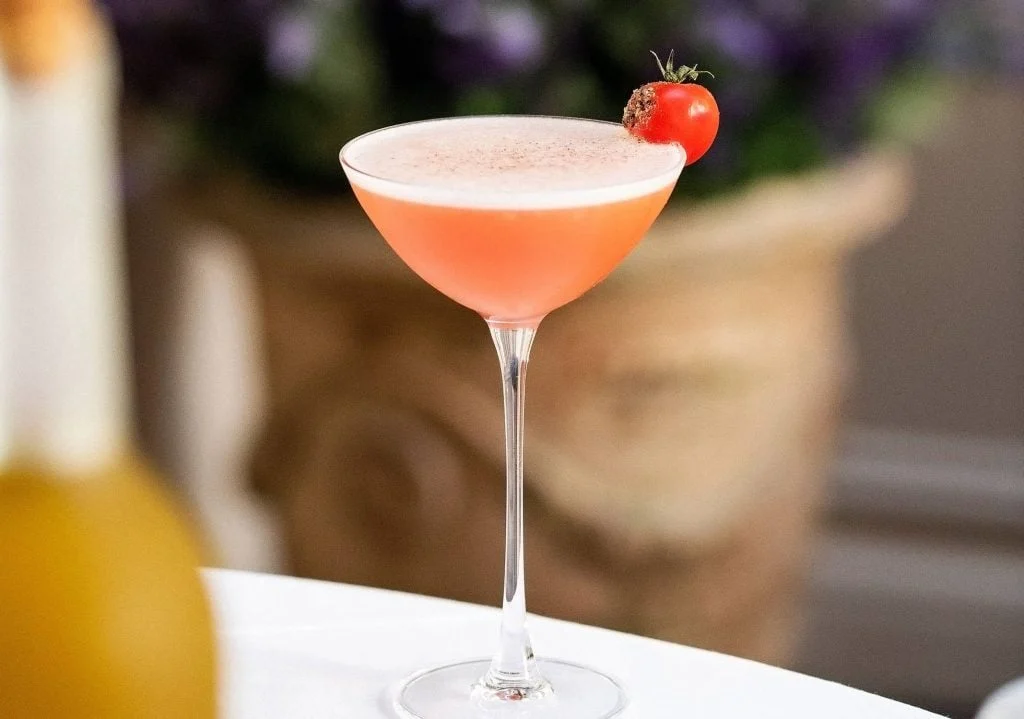
The versatility of Covalle is its greatest strength in this landscape. By providing a base that inherently contains vegetal notes, it lowers the barrier to entry for bartenders trying to make a high-quality Martini or a balanced Gin & Tonic. A "Salinitini," for example, utilizes the existing saline and vegetal properties of the gin to reduce the need for excessive additives, resulting in a cleaner, more intentional drink.
Official Perspectives: The Philosophy of Project Optimist
When asked about the challenge of convincing skeptics that a tomato-flavored gin is more than a novelty, William Schragis remains steadfast in his vision. "Tomatoes are incredibly divisive," Schragis noted in a recent interview. "But the people who love them are among the most passionate and motivated consumers in the food and beverage space. We weren’t trying to make a Bloody Mary spirit. We were trying to capture the freshness that makes in-season tomatoes so special—the smell of the vines on a hot day, the brightness of the skin, the crispness of the fruit. That is the essence of summer."
The partnership with Back Bar Project has further validated this philosophy. By treating Covalle with the same level of care as a premium aged tequila or an artisanal mezcal, the distributor has helped frame the spirit as a sophisticated ingredient rather than a gimmicky flavor-infused liquor. It is a serious spirit for serious bartenders.
Implications: The Future of the "Garden-to-Glass" Movement
The success of Covalle signals a maturing of the craft cocktail industry. As the novelty of craft gin begins to plateau, the market is favoring brands that offer a distinct narrative and a unique terroir. Covalle is not just selling a bottle of gin; it is selling an experience—a connection to the agriculture of the summer season.
The Environmental Angle
One of the most promising implications of the Covalle model is its commitment to utilizing the entire plant. By focusing on the leaves and stems—bi-products that are often discarded in commercial tomato production—Schragis is tapping into a sustainable ethos that resonates with the modern, eco-conscious consumer. This "zero-waste" approach to spirit production is likely to be mimicked by other distillers looking to reduce their carbon footprint while exploring new flavor profiles.
Impact on Cocktail Menus
The presence of a high-quality, tomato-water-infused spirit on the back bar changes the math for bartenders. Traditionally, adding fresh tomato flavor to a drink required muddling or juicing, processes that are inconsistent and time-consuming. Covalle provides a shelf-stable, consistent product that allows for the creation of complex, savory cocktails at high volume. This will likely lead to an influx of "garden-inspired" menus in bars, where the boundaries between the kitchen and the bar continue to blur.
A New Standard for Botanical Infusions
Ultimately, Covalle sets a high bar for future entrants in the botanical gin space. It proves that with enough R&D, even the most volatile and "difficult" flavors can be tamed and elevated into a premium product. As we look toward the remainder of the 2026 season, the influence of this tomato-water gin will be felt in the rise of the savory Martini, the popularity of the Belafonte Spritz, and the continued innovation of bartenders who are no longer content with traditional juniper-and-citrus profiles.
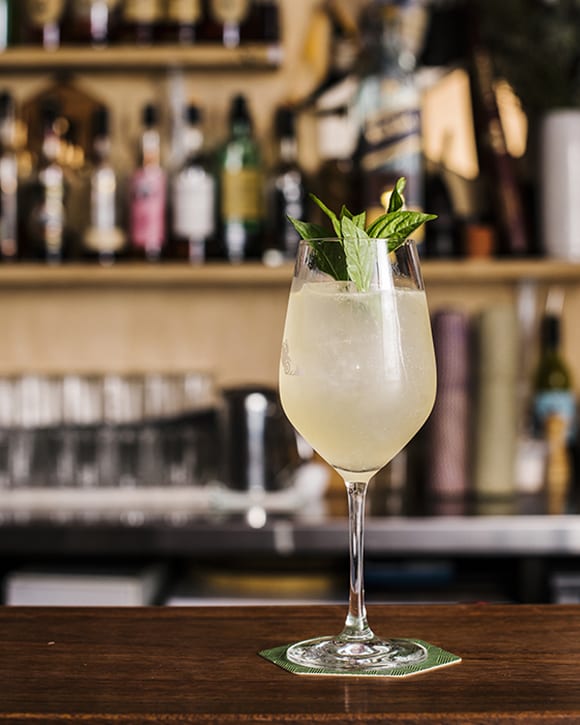
For those looking to experience the zenith of this trend, a bottle of Covalle is an essential addition to the home bar. Whether mixed into a classic G&T or served simply with a splash of tonic and a fresh basil leaf, it serves as a testament to the fact that when it comes to the garden, the best flavor often lies just beneath the surface of the fruit.
Covalle Tomato-Water Gin is available now for $39.99 (700ml). For more information, visit covallegin.com.