In the culinary world, few flavor profiles evoke the spirit of summer quite like the marriage of sun-ripened strawberries and zesty, vibrant lemon. As the seasons shift, home bakers and dessert enthusiasts alike are turning their attention toward the Strawberry Lemonade Bar—a sophisticated yet accessible treat that balances the bracing acidity of citrus with the delicate, honeyed sweetness of fresh berries.
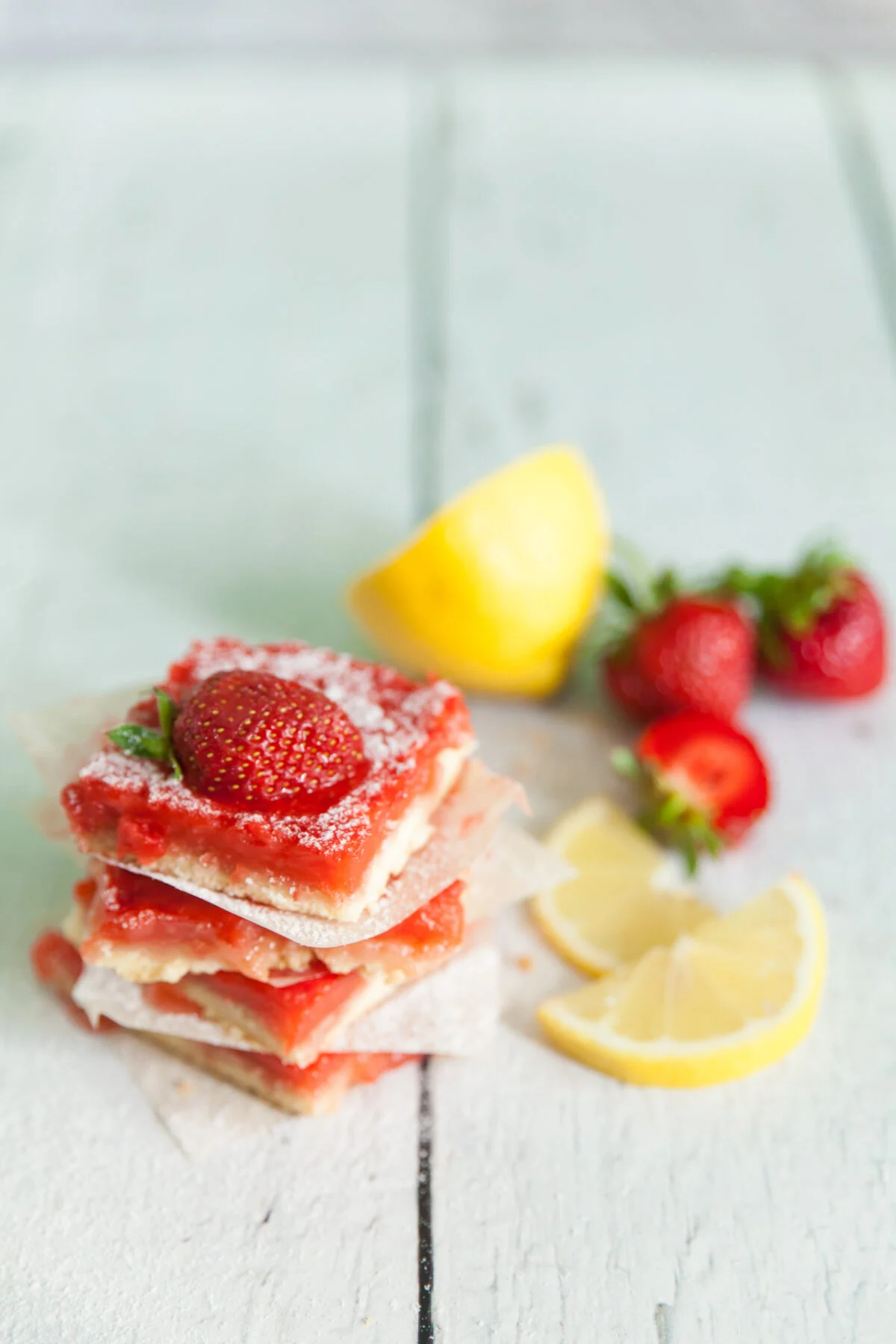
Far from a simple sugar-laden confection, these bars represent a deliberate architectural achievement in baking. With a buttery, crisp shortbread foundation and a velvety, tart fruit filling, they have become the hallmark of seasonal gatherings. This article explores the anatomy of this dessert, the science behind its construction, and why it has cemented its status as a modern pantry staple.
Main Facts: The Anatomy of a Perfect Bar
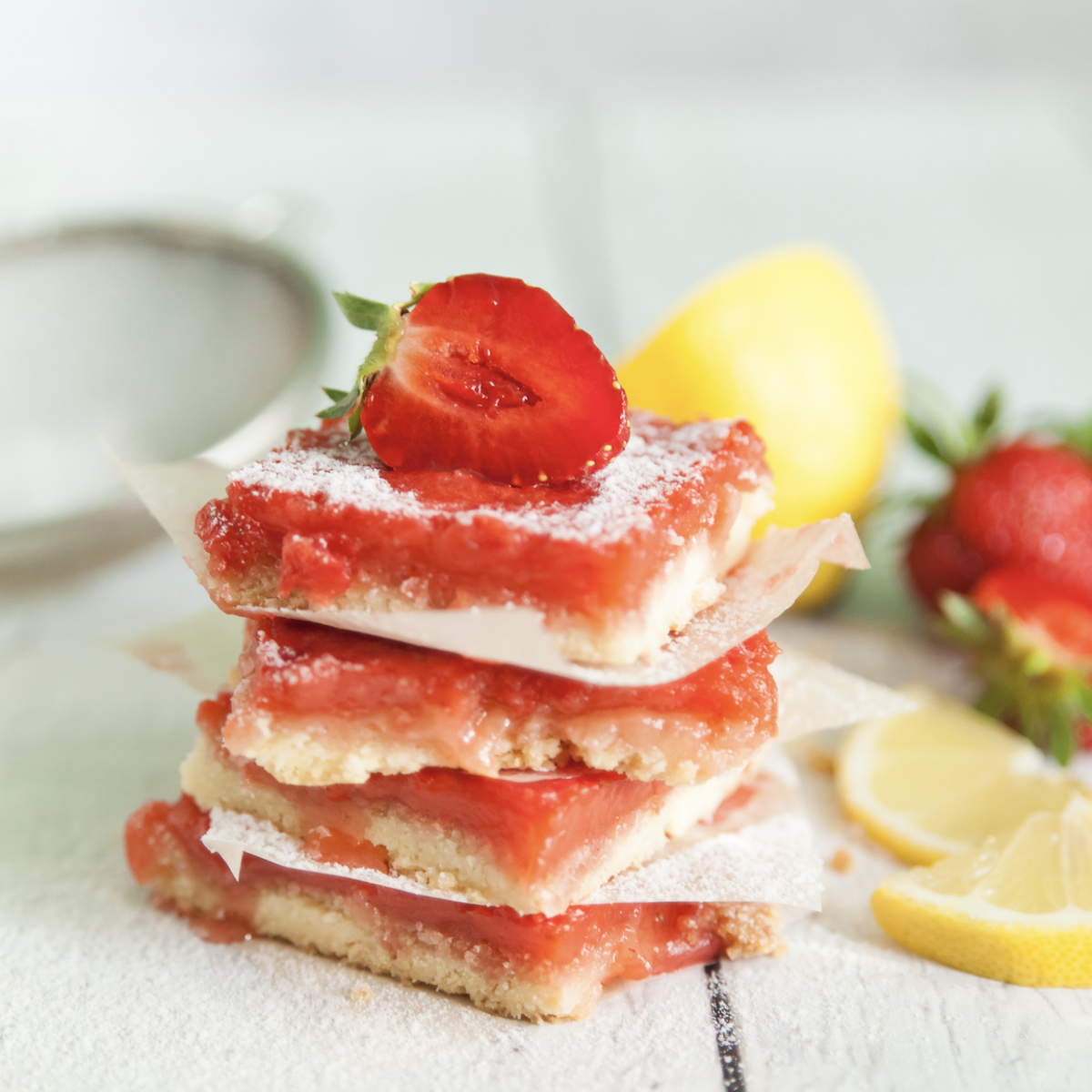
At its core, the Strawberry Lemonade Bar is a study in texture and contrast. The composition relies on two primary components: the crust and the curd.
The Shortbread Foundation
The base is a traditional shortbread, typically composed of high-quality butter, granulated sugar, and all-purpose flour. The secret to the "soft-but-sturdy" bite lies in the ratio of fat to flour. By pre-baking the crust—a process known as "blind baking"—bakers ensure that the integrity of the base remains crisp even when introduced to the moisture of the fruit-lemon layer.
The Fruit-Citrus Filling
The filling is where the culinary magic happens. Fresh strawberries, often pureed to maintain a smooth consistency, are combined with high-grade lemon juice and zest. The acidity of the lemon acts as a natural emulsifier, while the pectin found in the berries provides a structural gelatinous set. Unlike heavy chocolate desserts, these bars rely on the brightness of citrus to cut through the richness of the buttery crust, resulting in a clean finish on the palate.
Chronology: From Prep to Presentation
Achieving the perfect consistency requires a disciplined approach to timing. The process is not merely about mixing ingredients; it is about managing moisture and temperature.
Phase 1: The Foundation (0–30 Minutes)
The process begins with the preparation of the shortbread. A standard recipe requires a 20-minute prep time, where the dough is pressed into a pan and sent to the oven. Blind baking is non-negotiable; if the crust is not properly set before the filling is poured, the moisture from the strawberries will migrate into the butter, resulting in a soggy, unappealing texture.
Phase 2: The Emulsion (30–60 Minutes)
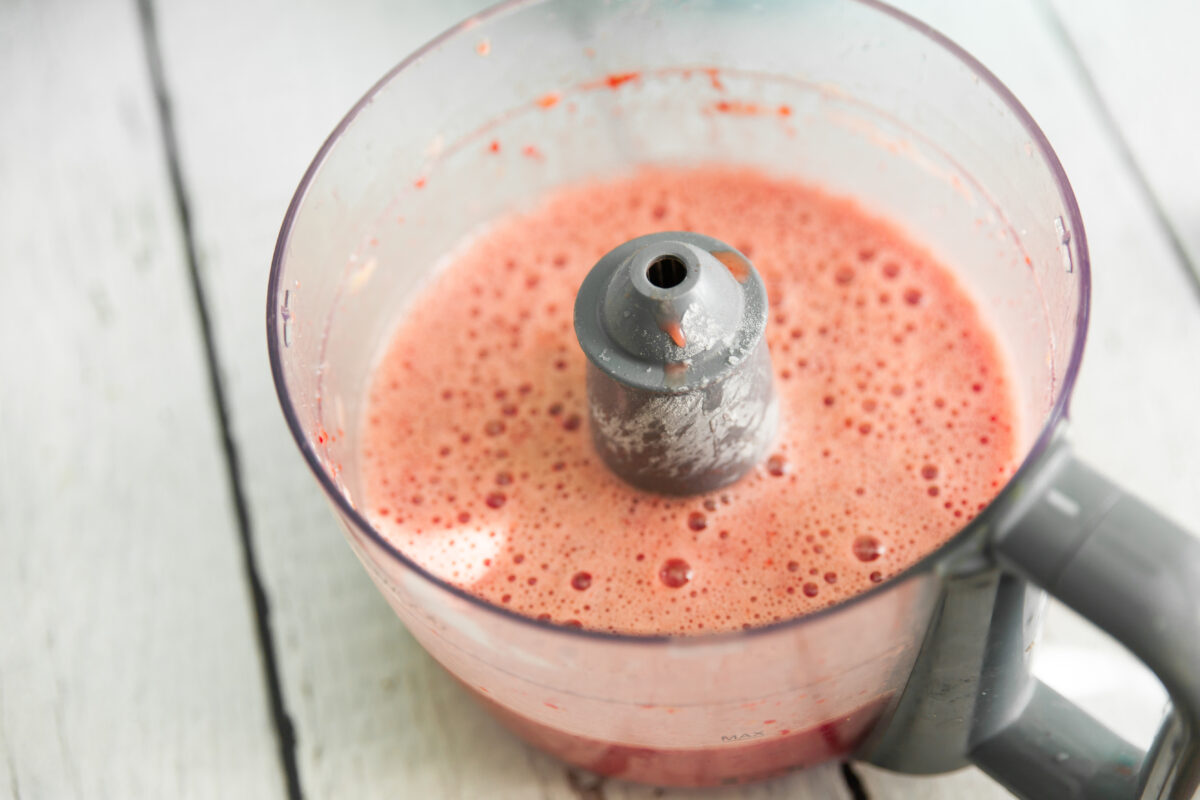
While the crust cools, the filling is prepared. This involves whisking eggs, sugar, and lemon juice into a custard base, then folding in the fresh strawberry puree. This stage requires attention to detail—avoiding over-whisking is essential to prevent excess air bubbles, which can lead to a porous, uneven surface once baked.
Phase 3: The Slow Set (1–3 Hours)
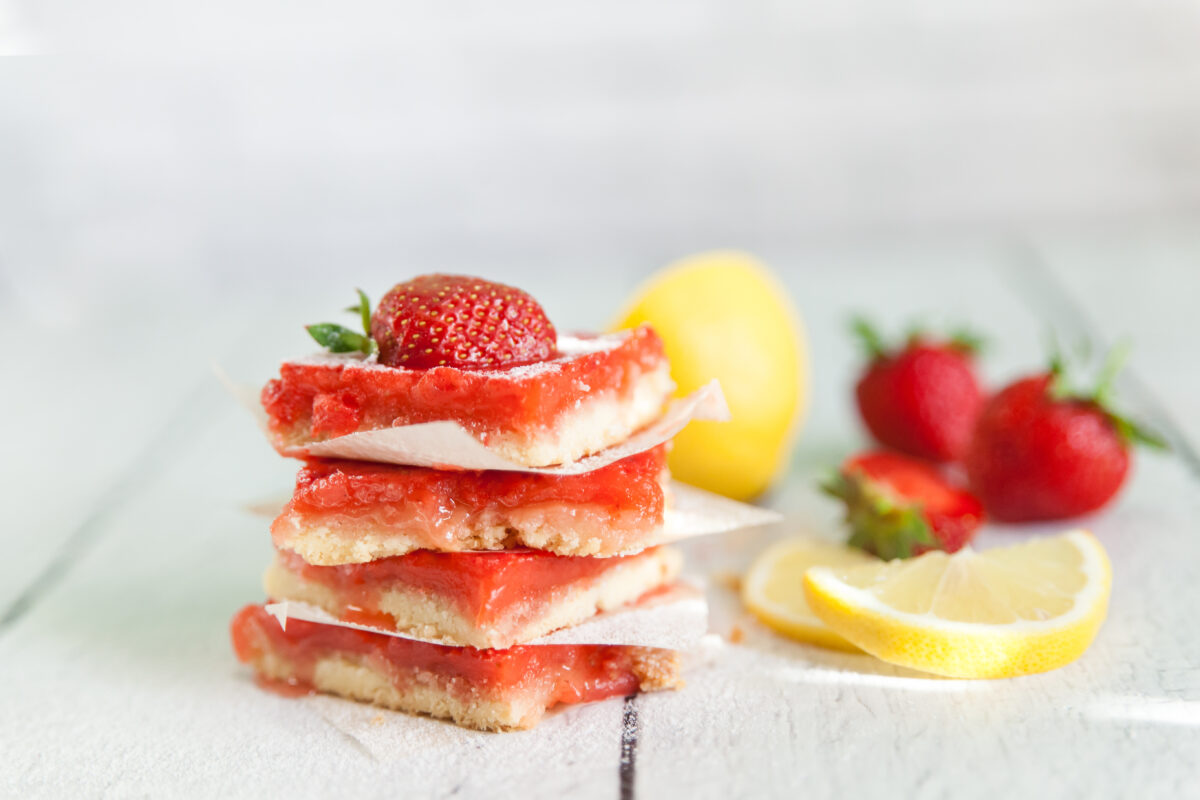
Once the bars emerge from the oven, they must undergo a critical cooling period. The center should remain slightly "wobbly" upon removal; residual heat will complete the cooking process. Rushing to slice the bars before they have fully chilled in the refrigerator for at least two hours is the most common mistake made by amateur bakers. Proper chilling ensures the "clean cut"—a hallmark of professional pastry work.
Supporting Data: Why Texture and Technique Matter
Culinary scientists emphasize that the perception of sweetness is heavily influenced by acidity. In the case of these bars, the lemon juice serves a dual purpose: it acts as a flavor enhancer and a pH stabilizer.
- The Acid Factor: The citric acid in lemons inhibits the crystallization of sugar, resulting in a smoother, more "melt-in-the-mouth" texture.
- Thermal Dynamics: Using cold, fresh strawberries versus cooked jam changes the sugar profile. Fresh fruit retains a more complex, nuanced flavor, whereas cooked jam can often result in a one-dimensional, syrupy sweetness.
- Yield Efficiency: A standard 9×13 inch pan yields approximately 16 generous squares. Caloric distribution is optimized when the bars are cut into uniform 2×2 inch pieces, making them ideal for portion-controlled event catering.
Professional Perspectives and Culinary Philosophy
Pastry chefs often advocate for the "less is more" philosophy when it comes to these bars. "The beauty of a Strawberry Lemonade Bar is its honesty," notes one culinary consultant. "You are working with two of the most popular flavors in the world. If you over-complicate the crust with nuts or spices, you lose the clarity of the lemon and the perfume of the strawberry."
Professional feedback consistently highlights the necessity of Freshness. Bottled lemon juice often contains preservatives like sodium sulfite, which can impart a metallic aftertaste that clashes with the delicate esters in the strawberries. Experts recommend using a microplane to harvest the zest separately from the juice to ensure the essential oils are captured without the bitter pith.
Implications: The Social and Economic Impact
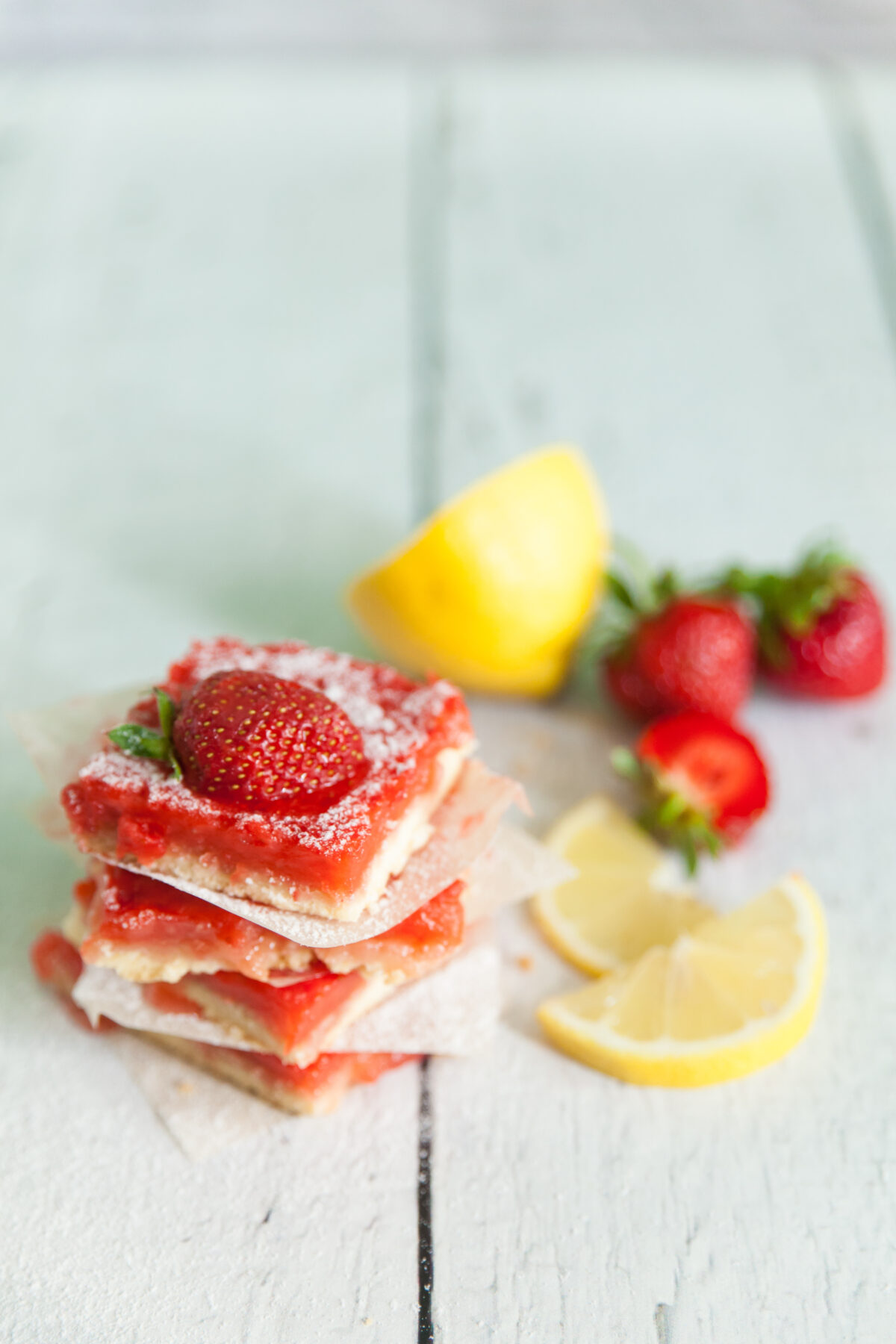
The rise of the Strawberry Lemonade Bar as a go-to dessert choice has significant implications for modern home baking and event hosting.
The "All-Occasion" Versatility
In an era where dietary preferences vary wildly, the classic Strawberry Lemonade Bar remains a staple because it is inherently vegetarian and easily adaptable. As noted in the variation guidelines, the recipe can pivot to accommodate dietary trends—such as using a gluten-free crust or swapping fruits like raspberries or limes—without requiring a total overhaul of the recipe’s chemical structure.
The Make-Ahead Advantage
For the modern host, the "make-ahead" quality of this dessert is its greatest asset. Because the bars improve in texture after sitting in the refrigerator for 24 hours, they eliminate the stress of day-of preparation. They are resilient, storing well in airtight containers for up to four days or freezing for two months, which makes them an economical choice for bulk event planning.
A Sustainable Choice
Utilizing seasonal fruit—specifically strawberries during their peak—aligns with the growing consumer interest in farm-to-table practices. By purchasing fresh berries at their zenith, bakers support local agricultural cycles and achieve a superior product compared to using out-of-season, hothouse-grown produce.
Mastering the Variations
For those looking to move beyond the traditional recipe, the culinary framework allows for significant experimentation:
- The Graham Cracker Adaptation: For a more rustic, "pie-like" experience, a graham cracker crust offers a caramelized, nutty depth that contrasts beautifully with the sharp citrus filling.
- The Cream Cheese Twist: Incorporating two tablespoons of softened cream cheese into the filling creates a "cheesecake-bar" hybrid. This adds a structural richness that allows the bars to hold up better at outdoor events where temperature control might be a challenge.
- The Miniature Format: Baking in a mini-muffin pan transforms the dessert from a formal, knife-and-fork affair into a finger-food delight. This is particularly effective for large-scale corporate events or weddings where mobility is key.
Conclusion: The Enduring Appeal
The Strawberry Lemonade Bar is more than just a sweet treat; it is a masterclass in balance. By mastering the delicate equilibrium between the acidic brightness of lemon and the aromatic sweetness of fresh strawberries, bakers create a dessert that is perpetually relevant.
Whether prepared for a casual family picnic or a formal brunch, these bars serve as a reminder that the best desserts do not require exotic ingredients or complex molecular techniques. Instead, they rely on the fundamental principles of baking: high-quality fresh components, precise temperature control, and the patience to let the product set to perfection. As we look toward the future of home baking, the Strawberry Lemonade Bar remains a beacon of simple, sophisticated, and undeniably cheerful culinary craft.
For the home baker, the journey from the first zest of a lemon to the final dusting of powdered sugar is a rewarding process that yields a result as vibrant and memorable as a summer afternoon. By following the professional guidelines of proper chilling, ingredient sourcing, and technical execution, anyone can bring the taste of sunshine to their table, regardless of the season.