In the vast landscape of culinary classics, few appetizers command as much respect and nostalgic affection as the deviled egg. Whether gracing the buffet table at a formal holiday gathering or serving as the quintessential snack at a casual backyard potluck, these bite-sized delights remain a perennial favorite. A masterclass in simplicity, the traditional deviled egg relies on a harmony of pantry staples—creamy mayonnaise, sharp mustard, and perfectly cooked yolks—to create an experience that is greater than the sum of its parts.
Main Facts: The Anatomy of a Classic
At its core, a deviled egg is a study in texture and balance. The preparation begins with hard-boiled eggs, typically large, that have been cooked until the whites are firm and the yolks are set yet still tender. The yolks are then carefully removed and whipped into a velvety consistency with a binder (mayonnaise) and a flavor enhancer (mustard), often elevated with a touch of vinegar or hot sauce to provide a necessary acidic "bite."

The term "deviled," according to historical culinary records, refers to the practice of using spicy or bold seasonings to transform a mild ingredient into something more robust. In this context, the mustard and optional spices serve as the "devilish" element, providing the contrast needed to cut through the richness of the yolk and the creaminess of the mayo.
A Culinary Chronology: From Method to Masterpiece
The journey to the perfect deviled egg begins long before the first slice is made. Mastering the hard-boiled egg is the foundation upon which this entire dish rests.

1. The Boiling Technique
Achieving the perfect hard-boiled egg requires precision. Placing eggs in boiling water—or starting from cold water and bringing them to a boil—is a matter of personal preference, but the goal remains the same: a yolk that is bright yellow, not chalky or grey-rimmed from overcooking. Once boiled, the eggs must be plunged into an ice-water bath. This thermal shock not only halts the cooking process immediately but also makes the shell significantly easier to peel, ensuring that the whites remain pristine and unmarred for their final presentation.
2. The Filling Process
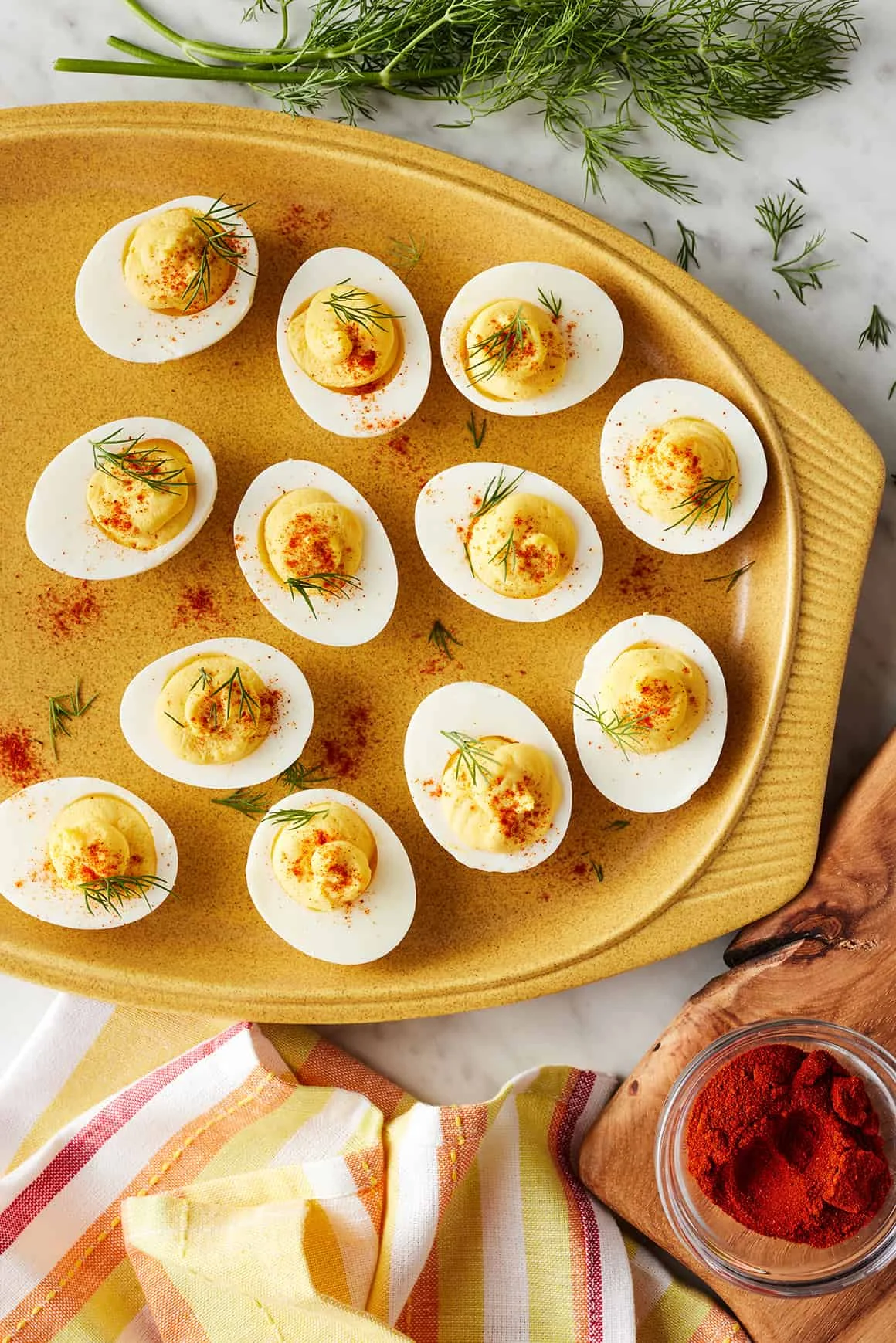
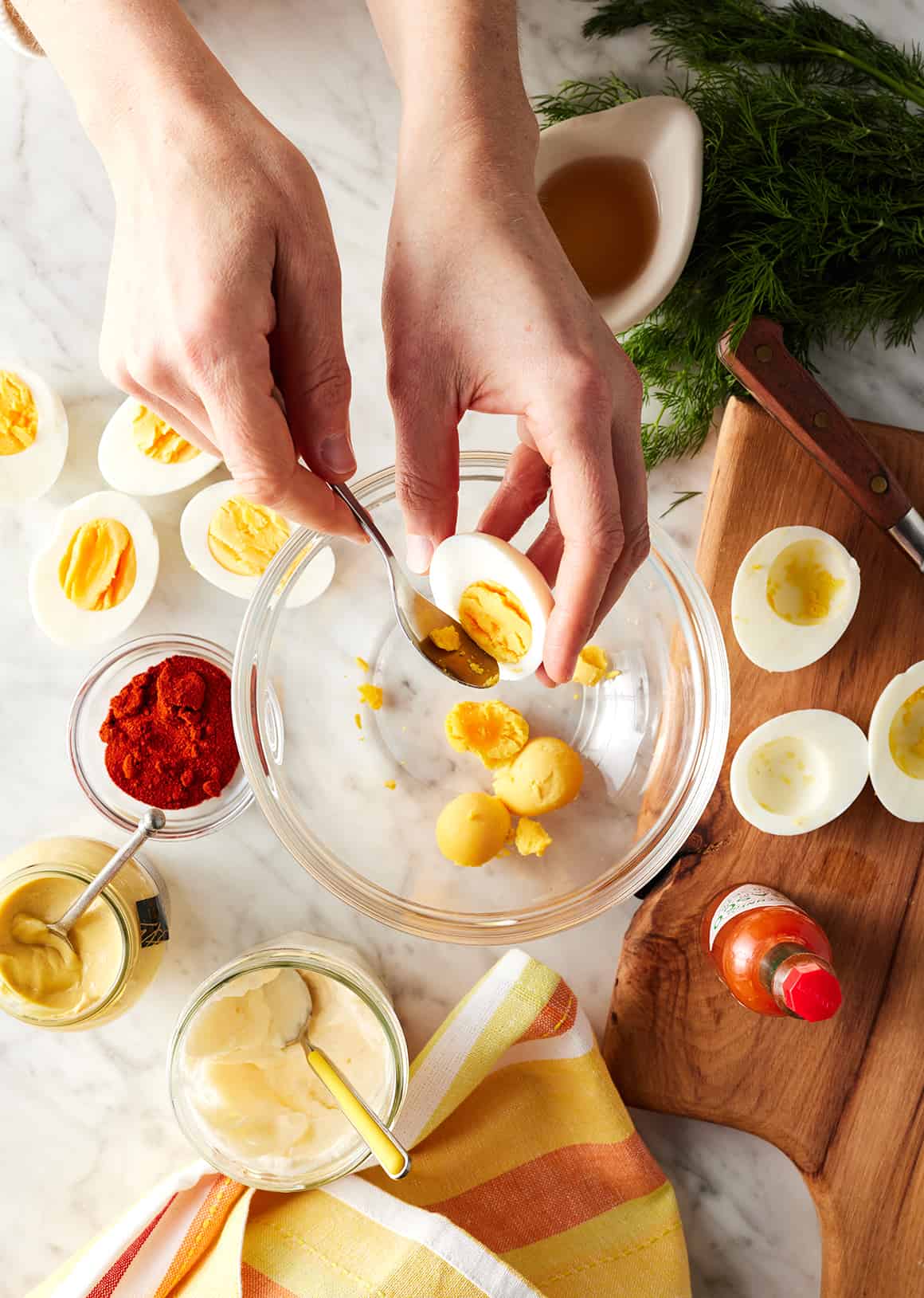
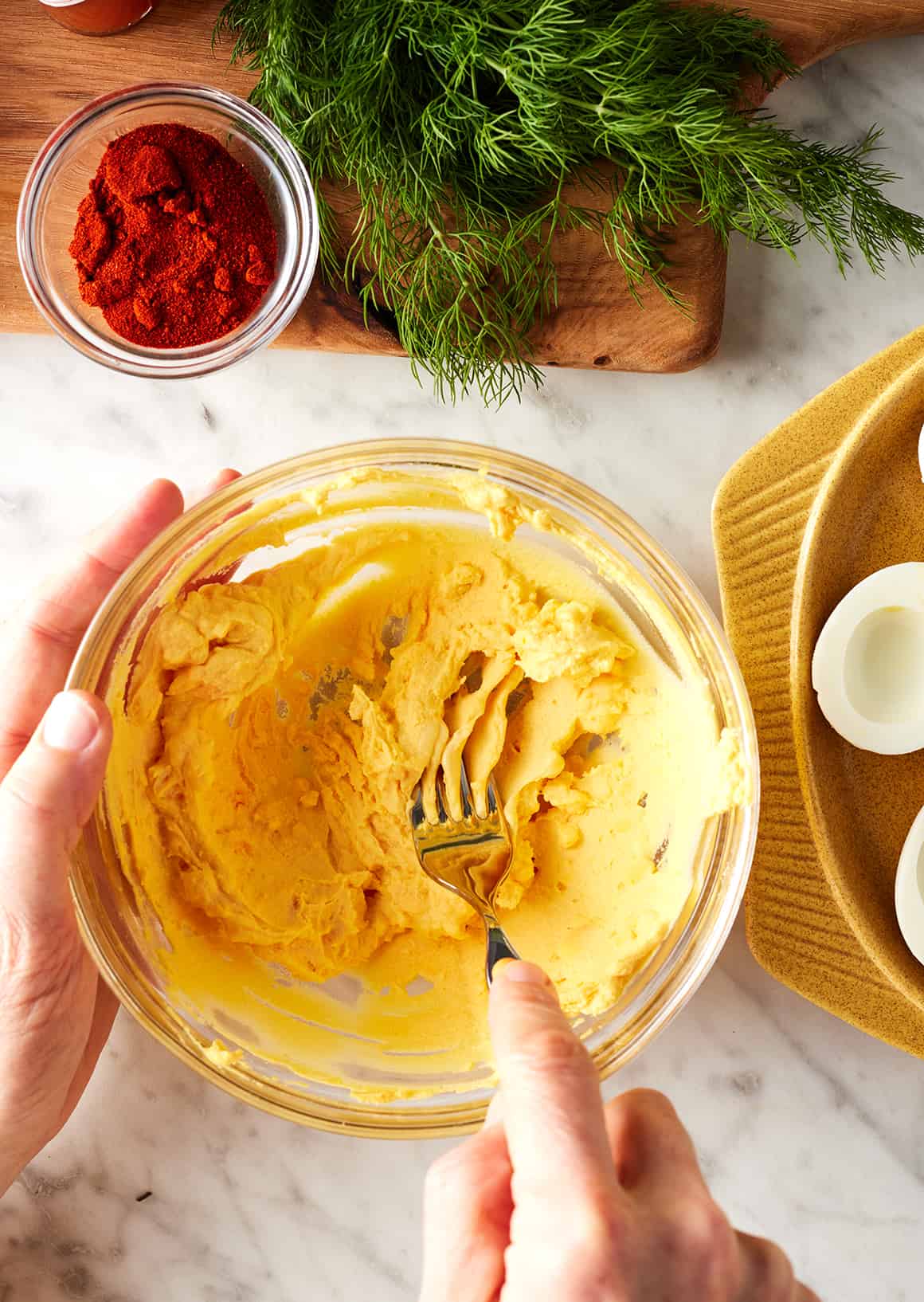
Once peeled, the eggs are sliced lengthwise. The yolks are carefully scooped out, leaving the delicate white "cups" intact. The yolks are then mashed, preferably with a fork or a fine-mesh sieve for an ultra-smooth consistency, and folded together with the remaining ingredients. The filling is then spooned or piped back into the whites. Professional chefs often use a pastry bag with a star tip to provide a decorative, elegant flourish that elevates the dish from a home-style snack to an hors d’oeuvre worthy of any table.

3. The Final Flourish
A traditional deviled egg is rarely served "naked." The finishing touch—a sprinkle of smoked or sweet paprika—provides a visual pop of color and a subtle earthiness. Modern interpretations often incorporate fresh herbs like chives, dill, or even microgreens to add a touch of brightness and freshness to the rich, savory profile.
Supporting Data and Nutritional Context
While often considered an indulgence, the deviled egg is remarkably efficient in its nutritional profile. A single serving—typically consisting of one whole egg—contains approximately 111 calories. The composition is largely driven by high-quality fats and protein, with about 9 grams of fat and 6 grams of protein per serving.
From a micronutrient perspective, eggs provide essential amino acids, Vitamin A, and iron. While they are cholesterol-rich, they remain a dense source of nutrients for those seeking high-satiety appetizers. Because the carbohydrate count is negligible (less than 1 gram per serving), they are an ideal choice for guests following low-carb or ketogenic dietary patterns.
Expert Perspectives: The Evolution of the "Devil"
Culinary historians often point out that the preparation of stuffed eggs dates back to ancient Rome, where they were seasoned with spicy sauces and served as a first course. However, the American evolution of the dish, particularly in the 20th century, saw it move from a formal dinner appetizer to the "potluck king."
Professional chefs emphasize that the key to a "crowd-pleasing" version of this dish lies in the quality of the mustard. While yellow mustard offers a classic, nostalgic tang, Dijon mustard provides a more sophisticated, nuanced flavor profile that appeals to more refined palates. Similarly, the addition of a dash of white vinegar or pickle brine can introduce a necessary brightness that prevents the filling from feeling too heavy.
Implications for Modern Entertaining
The resurgence of deviled eggs in modern menus is largely attributed to their versatility and the ease with which they can be prepared ahead of time. In the world of high-pressure event hosting, the ability to "prep and hold" is invaluable.

The Logistics of Advance Preparation
For those hosting large gatherings, time management is critical. The whites can be boiled and peeled up to two days in advance and stored in the refrigerator, covered with a damp paper towel to prevent them from drying out. The yolk mixture can also be prepared ahead and stored in a sealed piping bag. The actual assembly should ideally take place no more than a few hours before the event to ensure the textures are at their peak.
Flavor Variations and Dietary Adaptations
While the classic recipe is timeless, the base is an ideal canvas for creativity:

- The Savory Upgrade: Crispy bacon bits, chives, or even a sliver of smoked salmon can turn a standard appetizer into a luxury offering.
- The Spicy Twist: Replacing standard hot sauce with sriracha, jalapeño slices, or a dusting of cayenne pepper can lean into the "deviled" definition with more intensity.
- The Global Influence: Some versions incorporate curry powder, miso, or even kimchi, showcasing the egg’s unique ability to act as a neutral carrier for diverse flavor profiles.
Conclusion: A Legacy of Simplicity
Whether you adhere strictly to a family recipe passed down through generations or you are experimenting with modern, bold flavors, the deviled egg remains a cornerstone of communal eating. It is a dish that requires no expensive equipment and relies on nothing more than technique and patience.
By focusing on the quality of the boil, the silkiness of the yolk emulsion, and the freshness of the garnish, anyone can elevate this humble appetizer. As we look toward the future of home entertaining, the deviled egg stands as a testament to the enduring power of simple, well-executed food. It is, quite simply, the best kind of party food: approachable, delicious, and deeply satisfying.