In the world of professional baking, few creations command as much respect—or induce as much intimidation—as the chiffon cake. Often described as a culinary bridge between the ethereal lightness of angel food cake and the robust, flavorful crumb of a traditional butter-based sponge, the chiffon cake is a testament to the precision of chemistry in the kitchen. Recently, home baking authorities have revisited this timeless classic, shedding light on the techniques required to achieve its signature stature and delicate, cloud-like texture.
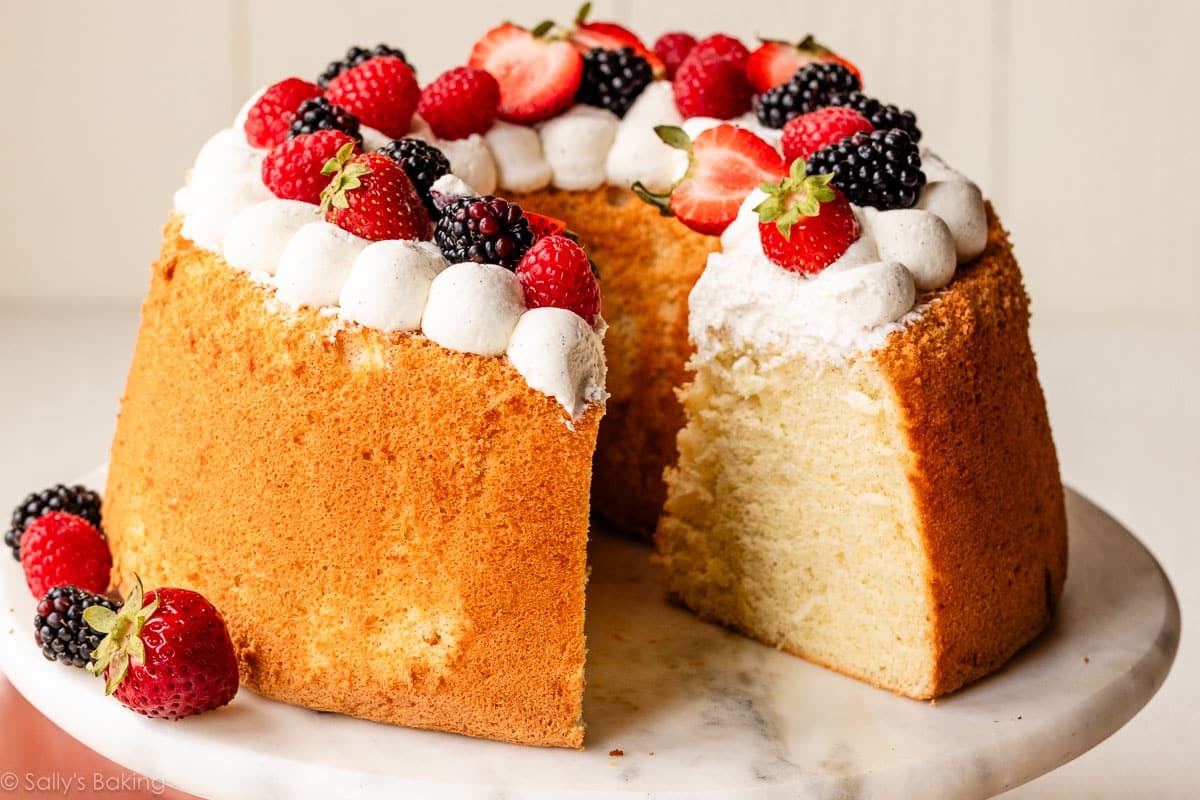
Main Facts: The Anatomy of a Chiffon
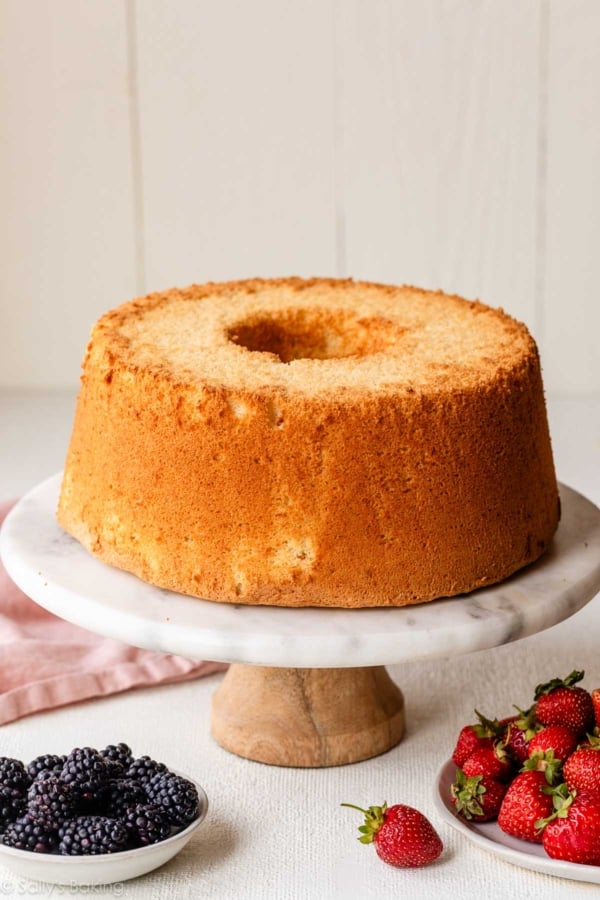
At its core, the chiffon cake is a marvel of physics. Unlike traditional cakes that rely on the mechanical aeration of creamed butter and sugar, the chiffon derives its lift primarily from the structural integrity of whipped egg whites. However, what distinguishes it from an angel food cake is the deliberate inclusion of egg yolks, oil, and leavening agents like baking powder.
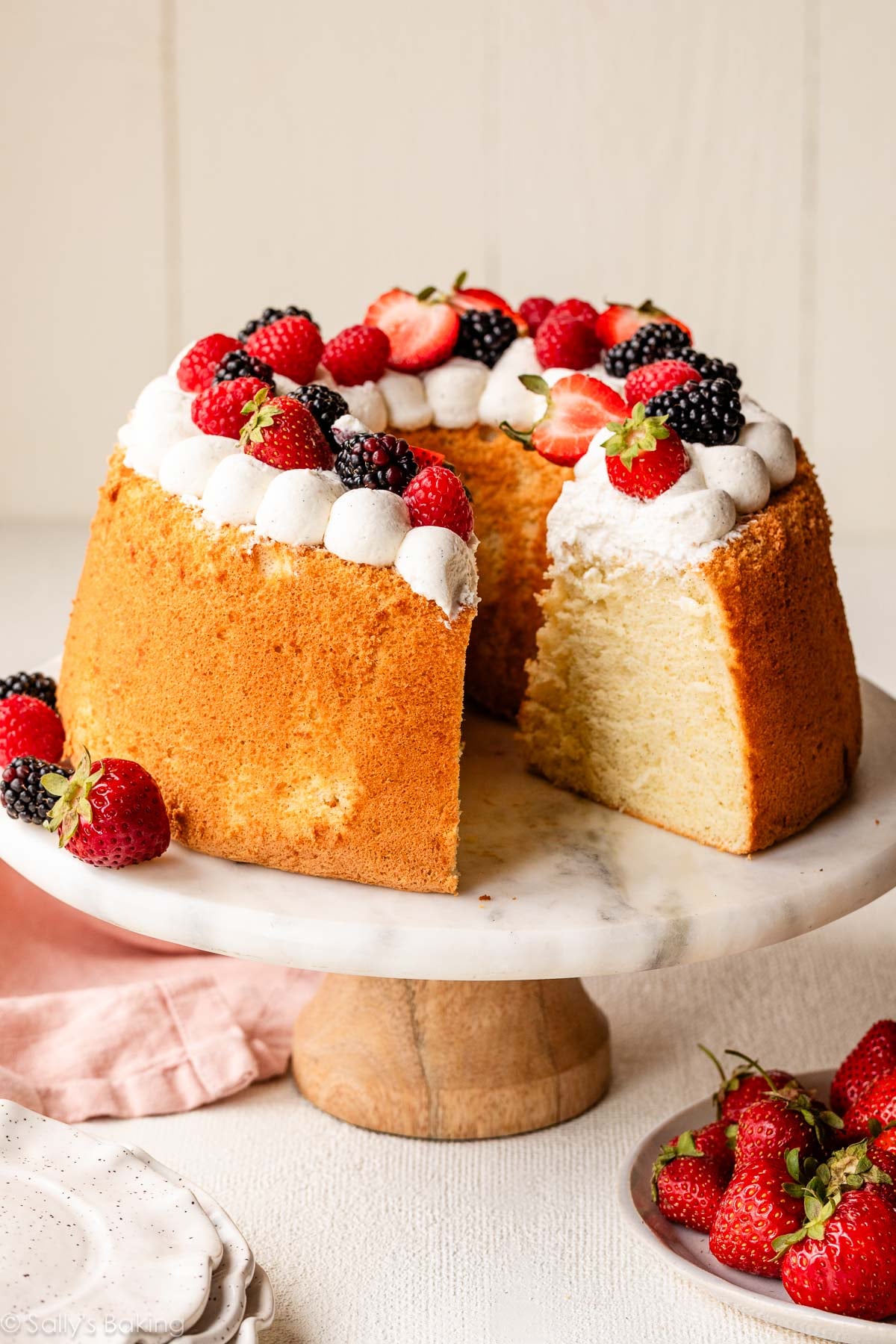
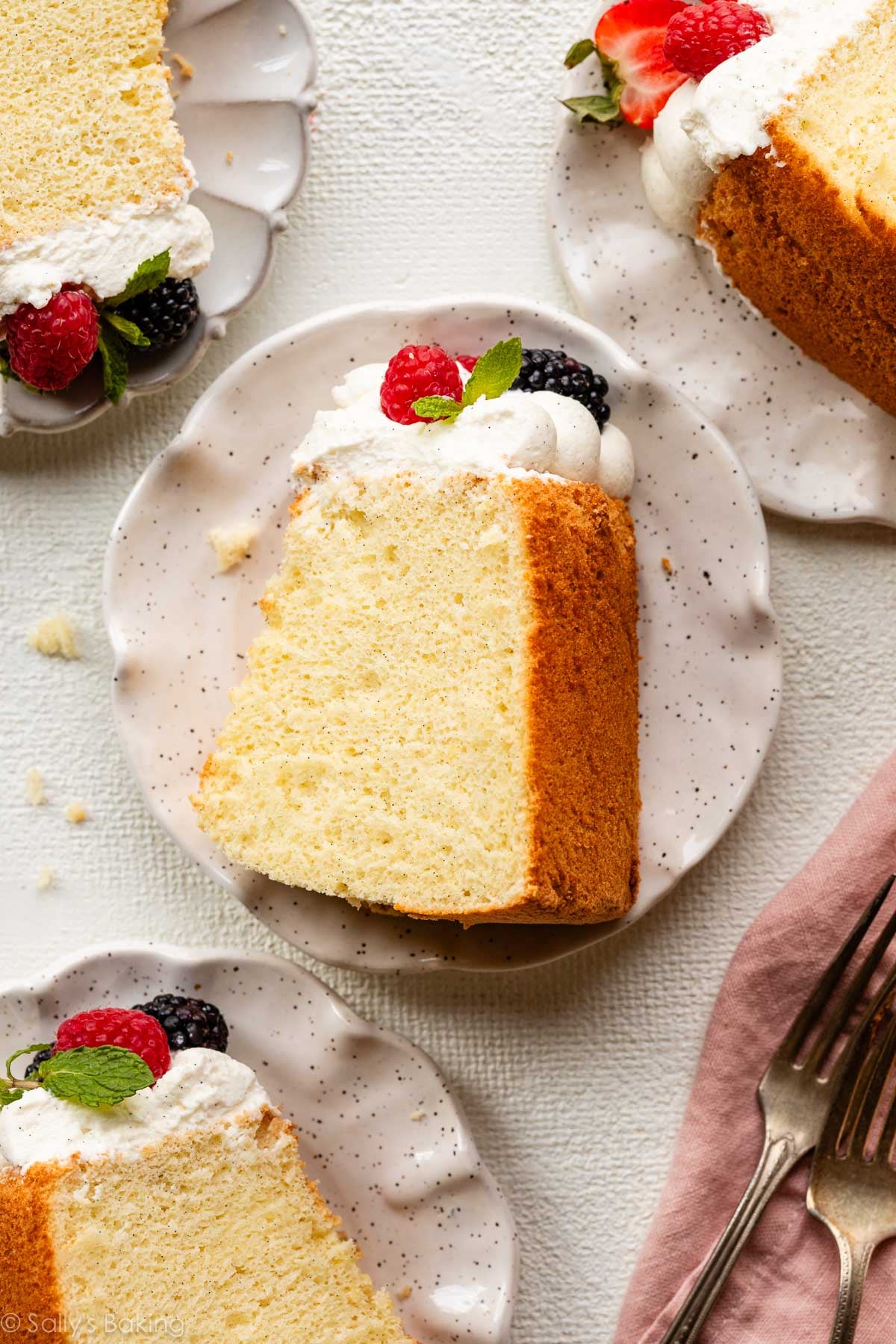
The presence of oil is the defining characteristic of this style. Because oil remains liquid at room temperature, it coats the flour proteins more effectively than solid butter, resulting in a crumb that is not only tender but remarkably moist for days. Furthermore, the inclusion of egg yolks and milk provides a richness that keeps the flavor profile sophisticated and buttery, despite the lack of solid dairy fats. This hybrid nature makes the chiffon an incredibly versatile canvas, capable of standing alone with a simple dusting of confectioners’ sugar or serving as a sturdy, elegant foundation for complex, multi-layered celebratory cakes.
A Chronological Guide to Perfection
Achieving the perfect chiffon requires strict adherence to a specific sequence of operations. The process is less about speed and more about the careful management of air bubbles.
1. Preparation and Mise en Place
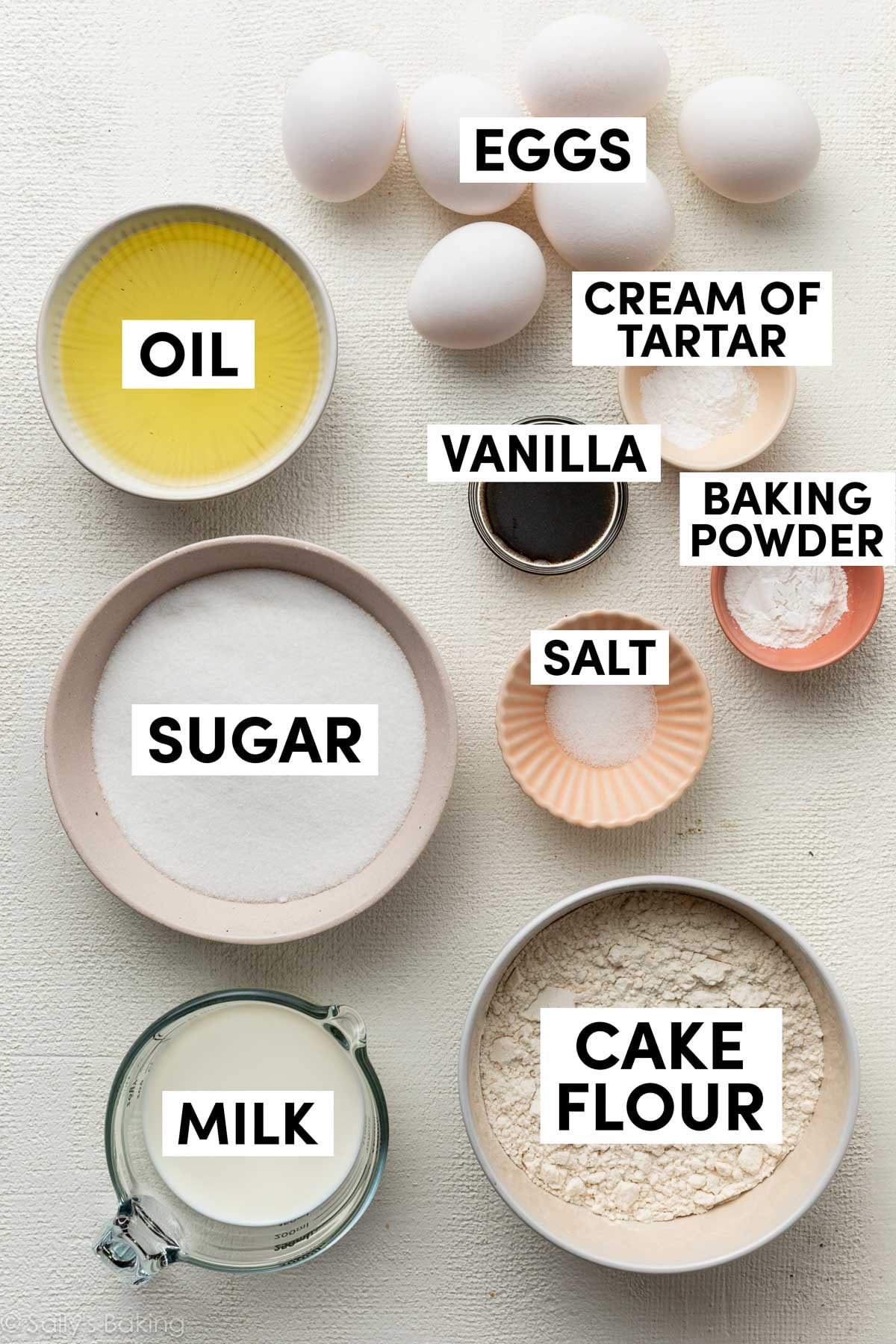
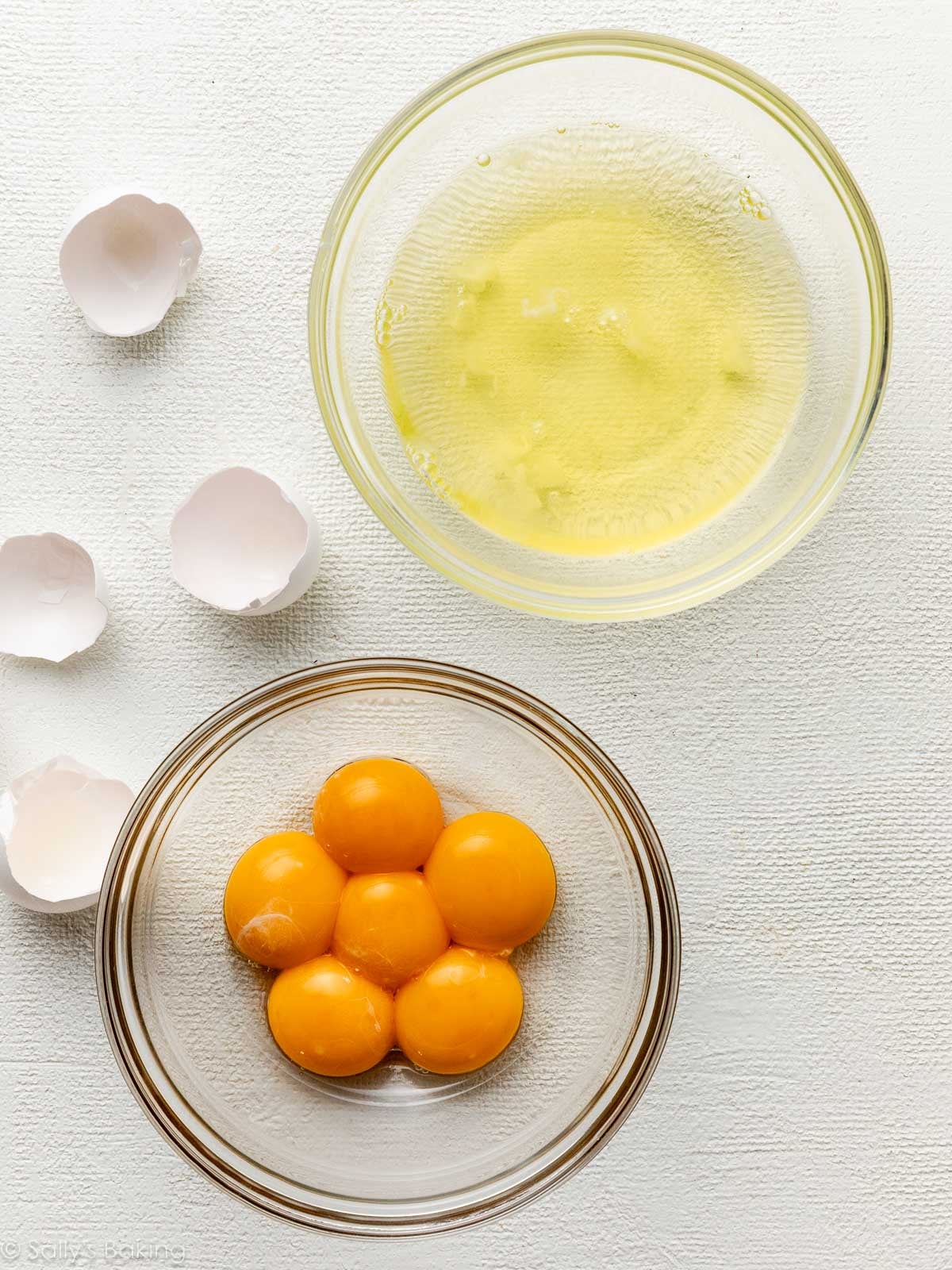
The journey begins with the careful separation of eggs. Any trace of fat—even a drop of yolk—in the whites will prevent them from achieving the necessary volume. Once separated, the dry ingredients, including cake flour and half the sugar, must be sifted to ensure an airy, lump-free batter.
2. The Meringue: Establishing Structure
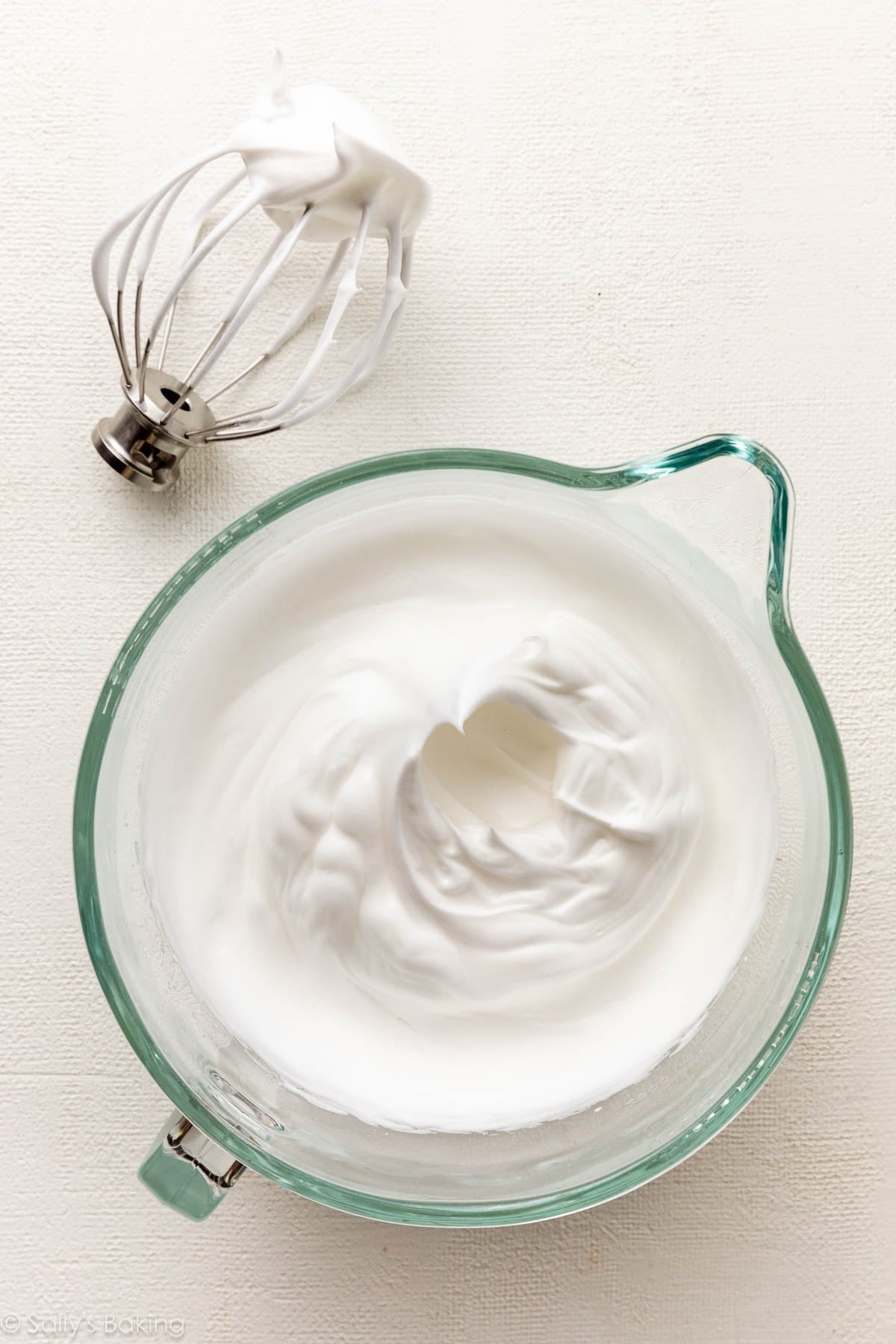
The meringue is the engine of the chiffon cake. Egg whites are whipped with cream of tartar to stabilize the proteins. As the whites reach a foamy stage, the remaining sugar is slowly incorporated. The goal is to reach "stiff, glossy peaks"—a state where the whites hold their shape perfectly when the whisk is lifted, yet remain flexible enough to be folded into the heavier batter without breaking.
3. The Emulsion and Folding
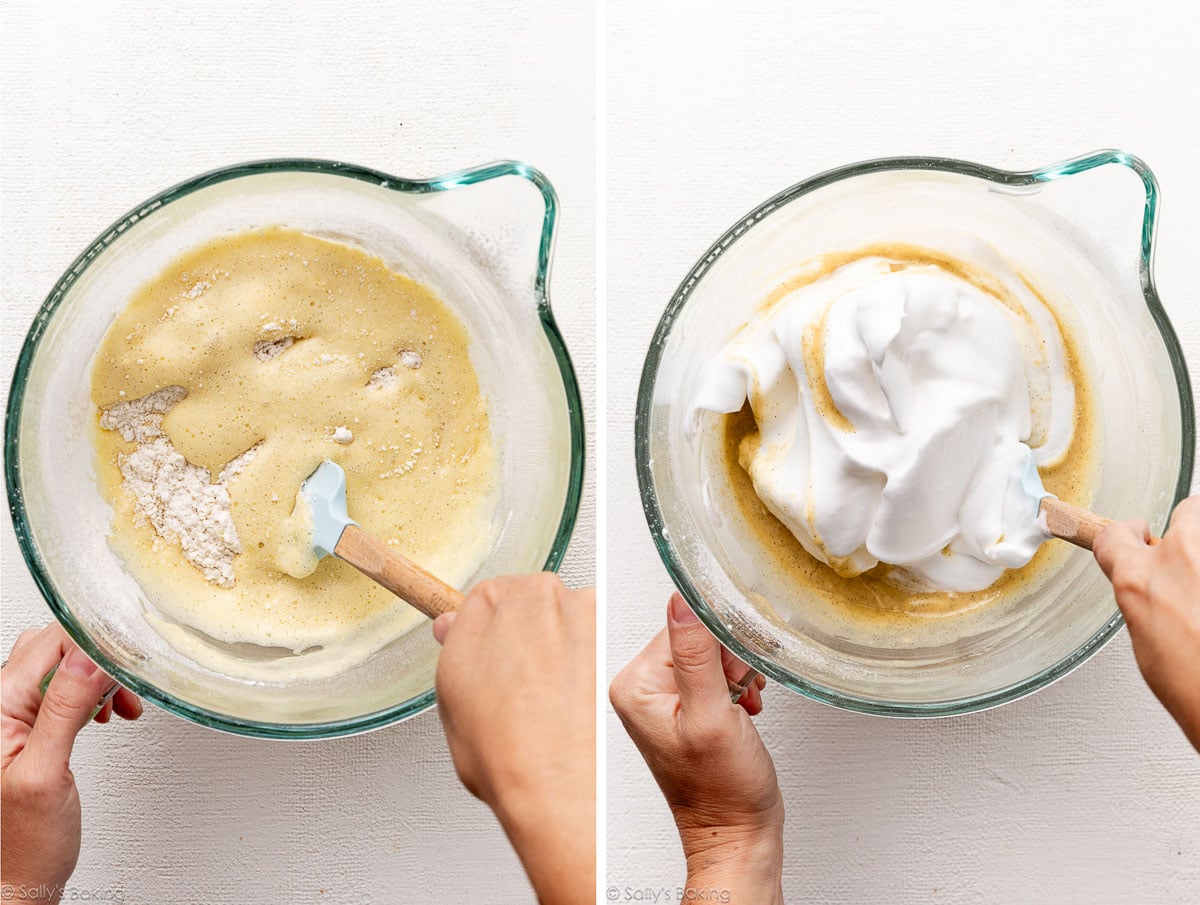
While the meringue rests, the wet ingredients (yolks, oil, milk, and vanilla) are whisked until smooth, followed by the incorporation of the dry ingredients. The most critical moment occurs during the "folding" stage. The meringue must be introduced to the base in two stages. The first half lightens the mixture, while the second half is gently folded in using a wide, sweeping motion. Over-mixing at this stage is the primary culprit behind a dense or "rubbery" cake.
4. The Physics of the Tube Pan
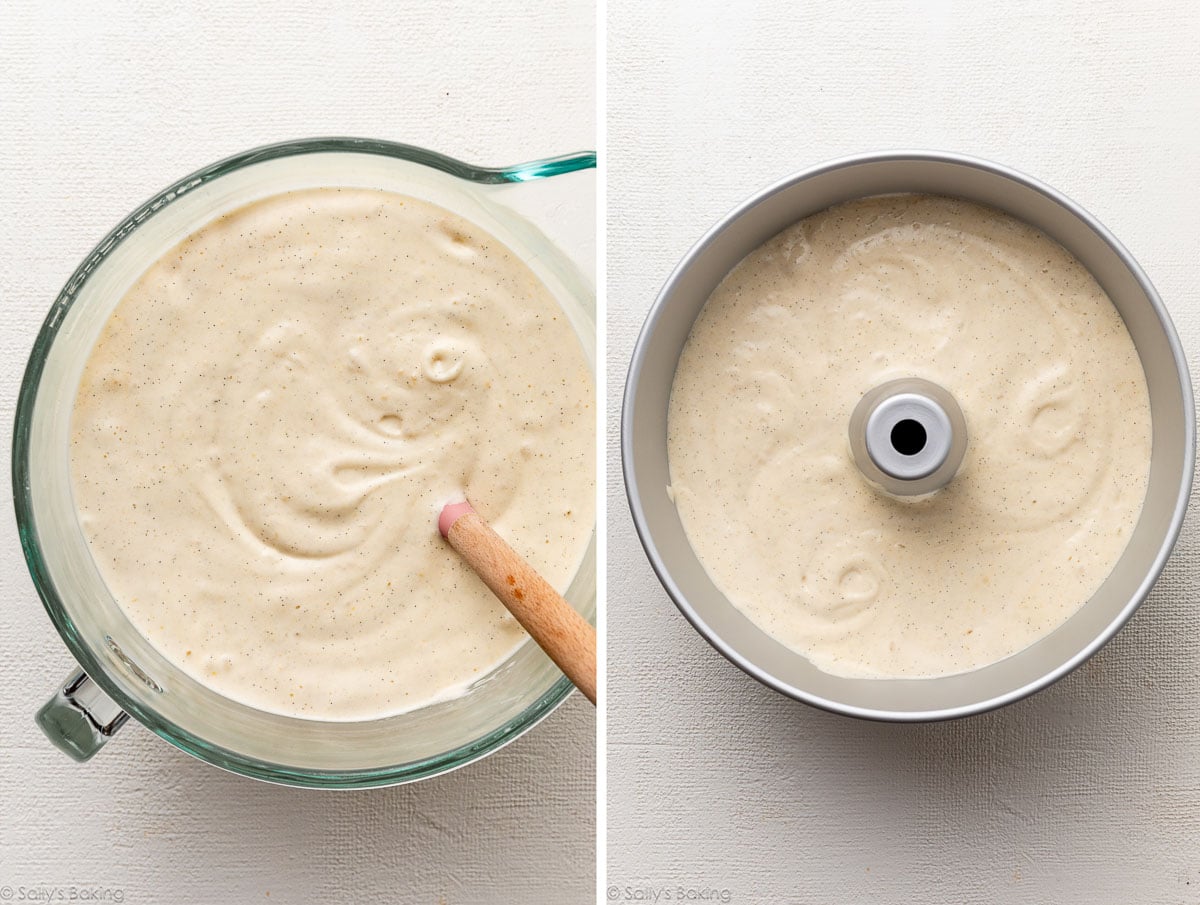
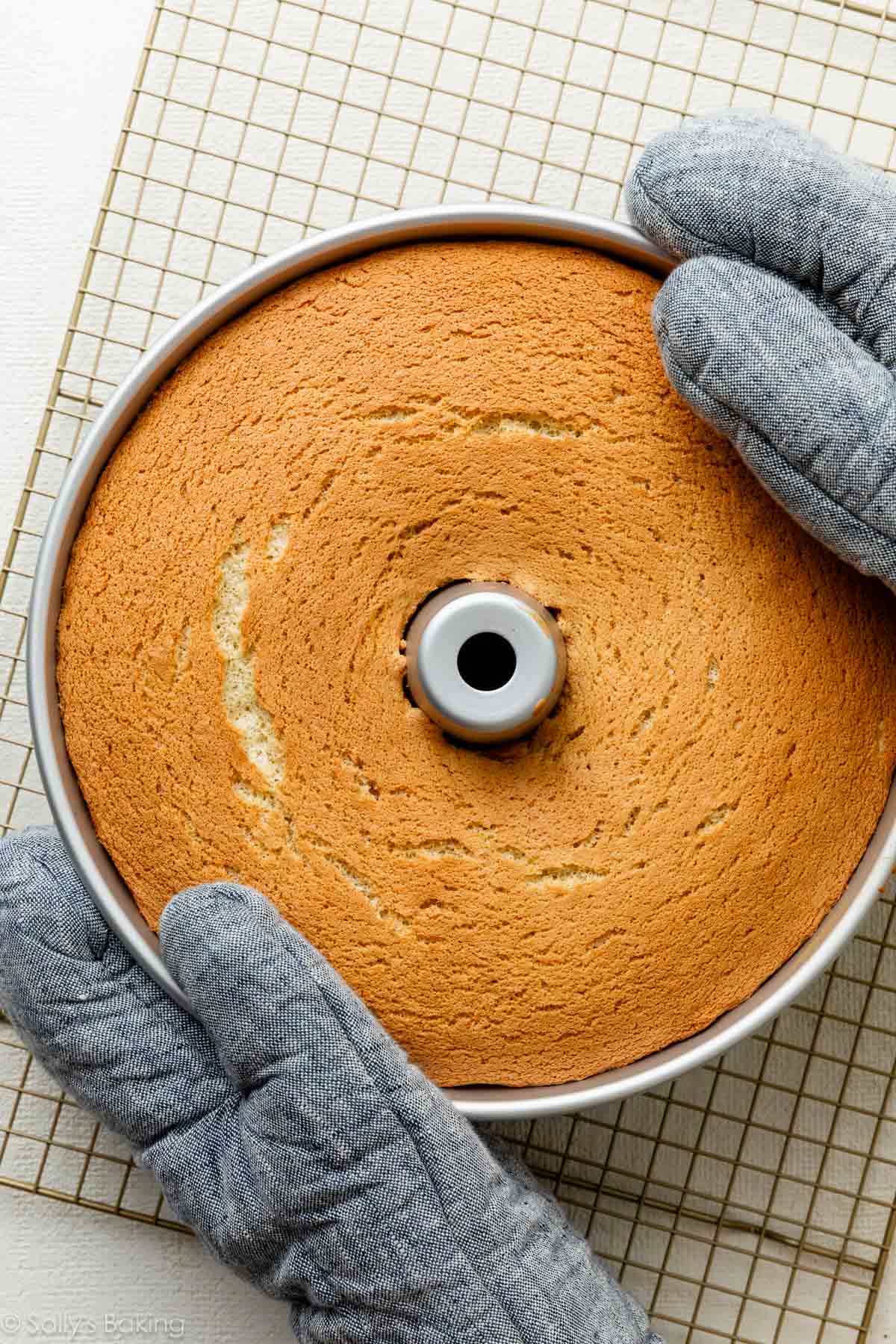
Once the batter is ready, it is poured into an ungreased tube pan. This is perhaps the most counterintuitive step for many bakers. A tube pan’s center pillar serves a dual purpose: it allows heat to penetrate the center of the dense batter, and it provides a "ladder" for the cake to climb. Because the pan is not greased, the batter clings to the sides and the central column, forcing it to rise vertically rather than sliding back down.
5. The Inversion
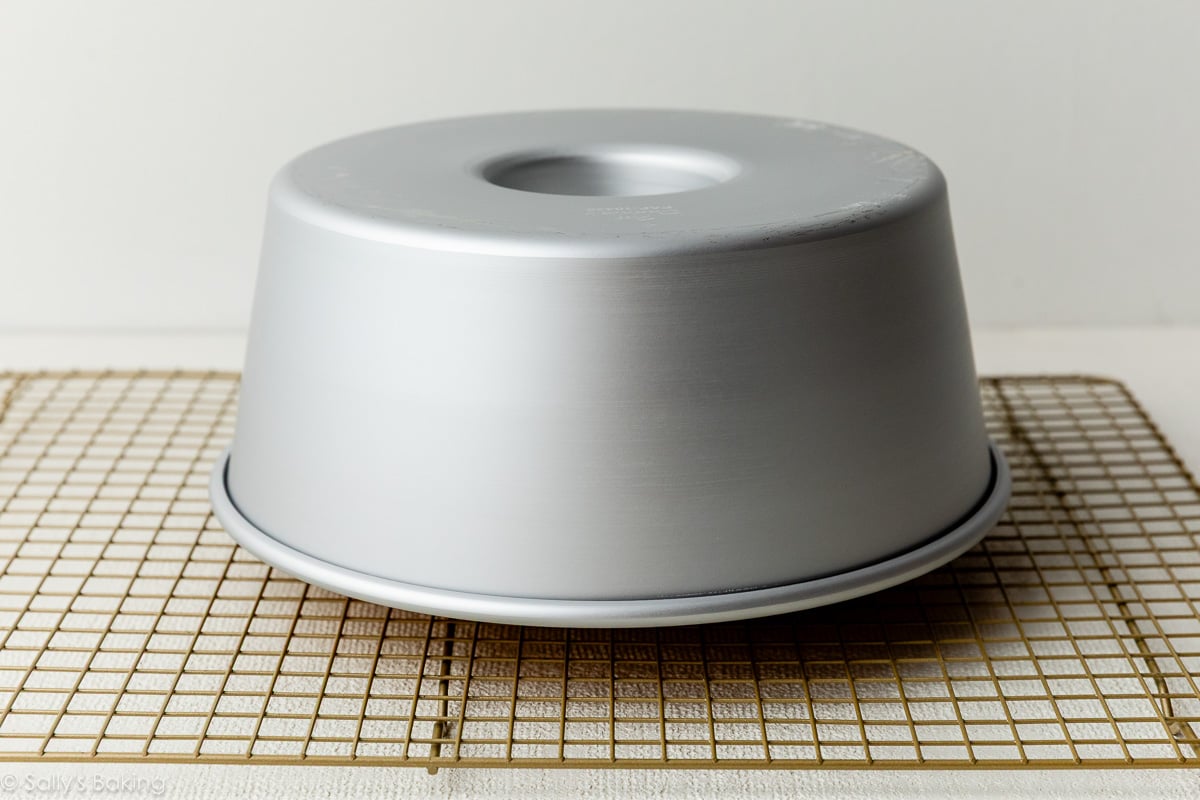
The final, crucial step happens post-bake. The pan must be inverted immediately upon exiting the oven. Because the structure of the chiffon is so delicate and airy, cooling it upright would cause the weight of the cake to crush its own fragile crumb. By cooling it upside down, gravity works in favor of the structure, locking the air pockets in place as the cake sets.
Supporting Data: Why Technique Trumps Ingredients
The success of a chiffon cake is measured by its height and the "spring-back" of its crumb. Data from professional pastry laboratories suggests that the specific gravity of the batter is the most critical variable. If the batter is too heavy, the eggs cannot support the structure; if it is too light, the cake will collapse under its own weight during cooling.
Temperature also plays a pivotal role. Ingredients should ideally be at room temperature to ensure that the emulsion between the oil, yolks, and milk remains stable. Cold ingredients can cause the oil to seize, leading to a greasy, dense cake. Furthermore, the use of cake flour—which has a lower protein content than all-purpose flour—is essential. The lower protein content limits gluten development, ensuring that the cake remains "tender" rather than "chewy."
Official Perspectives: Troubleshooting the Common Collapse
Professional bakers often field questions regarding why their chiffon might have failed. The "collapse" is the most feared outcome, but it is almost always traceable to a specific, avoidable error.
- Under-beating the Whites: If the peaks are not truly stiff, the cake lacks the "scaffolding" required to rise.
- Over-folding: Even with a perfect meringue, aggressive folding will pop the air bubbles, resulting in a cake that is heavy and dense.
- Greasing the Pan: As noted, grease destroys the vertical traction the batter needs to climb.
- Improper Cooling: Failing to invert the pan ensures the cake will shrink and become rubbery as the steam is trapped within the crumb.
Implications: The Chiffon as a Modern Celebration Piece
The implications for the modern baker are clear: the chiffon cake is a high-reward project that requires patience rather than complex equipment. Its resurgence in popularity is tied to a broader culinary shift toward "less is more." In an era of overly sweet, heavy, buttercream-laden cakes, the chiffon offers a refreshing, sophisticated alternative.
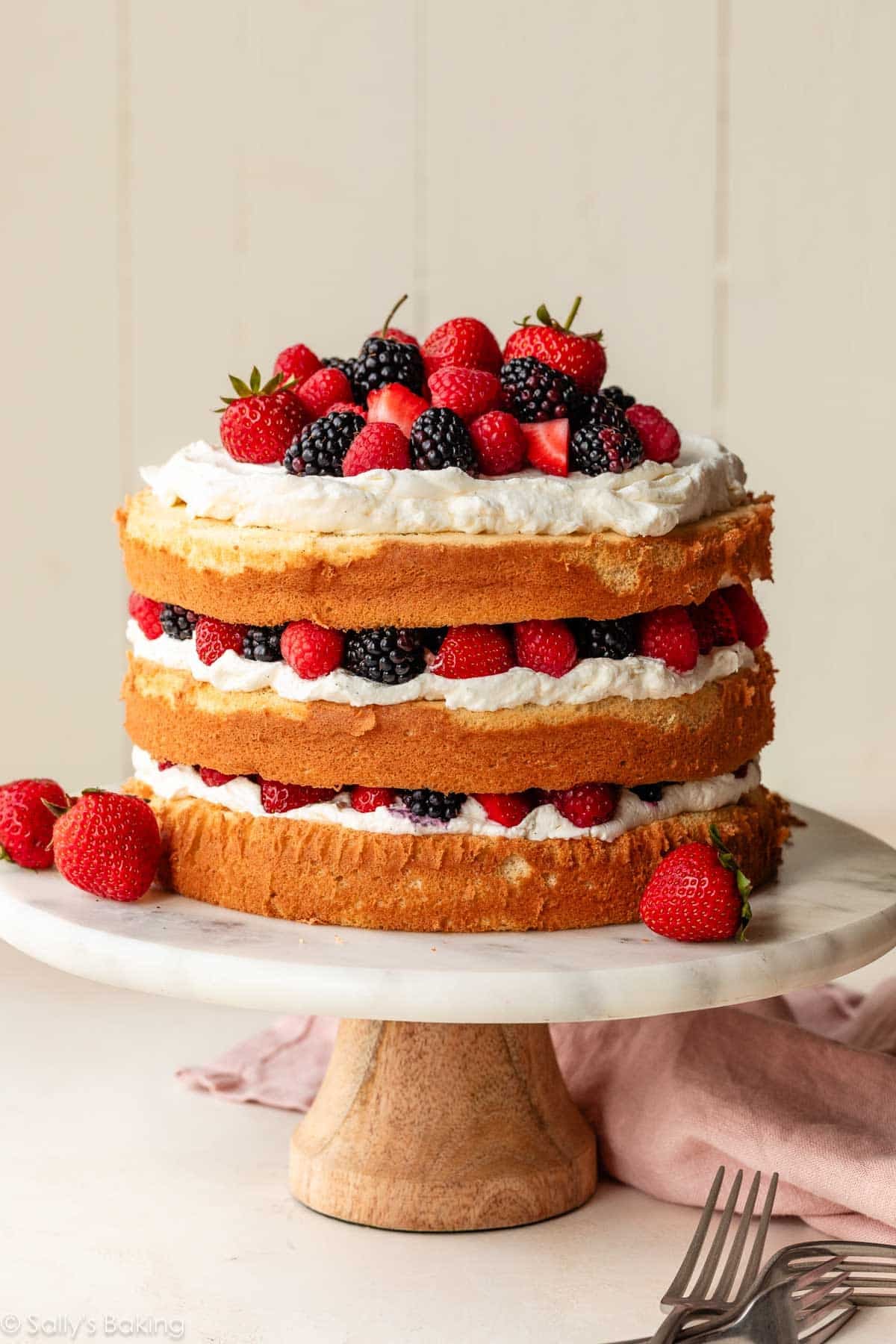
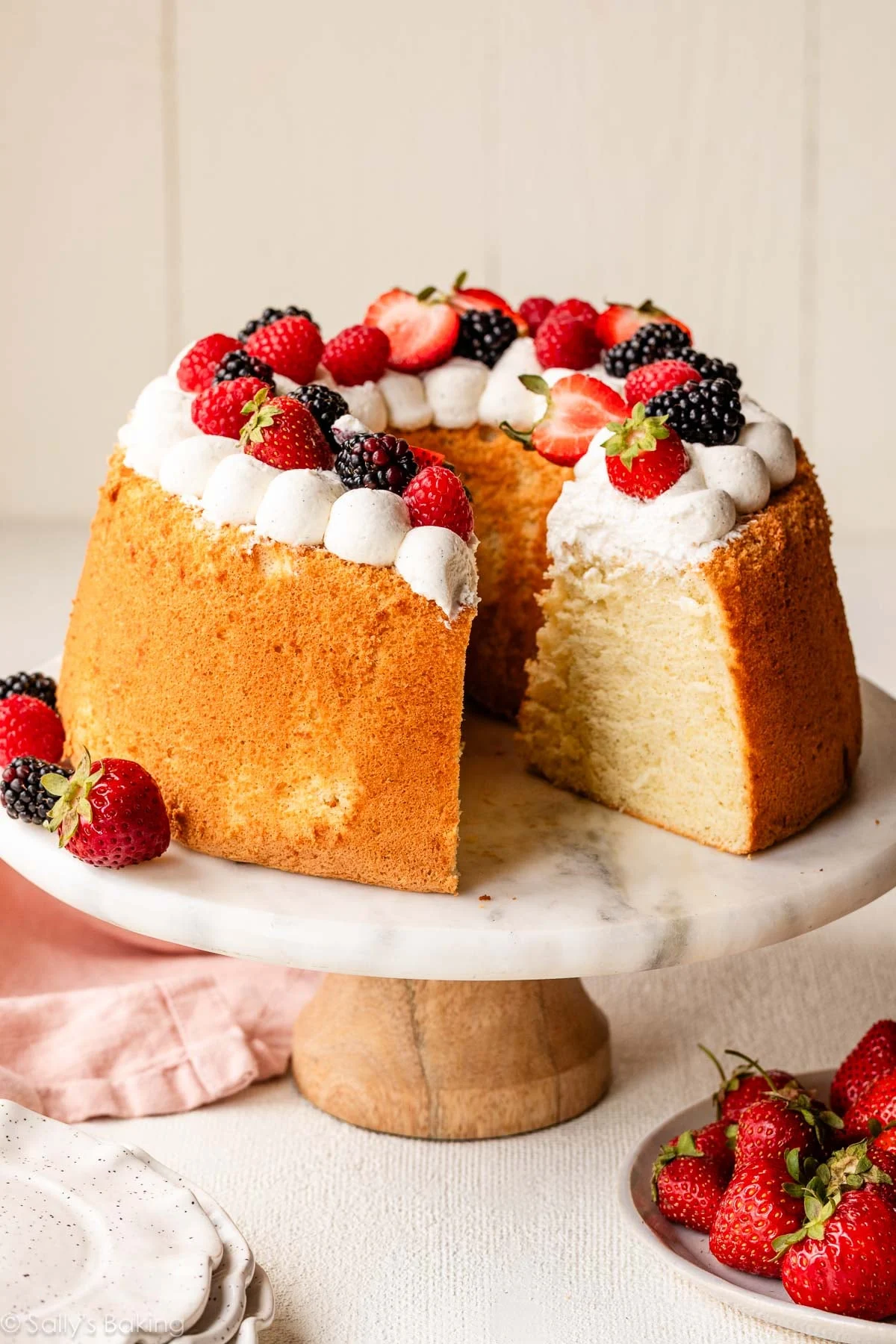
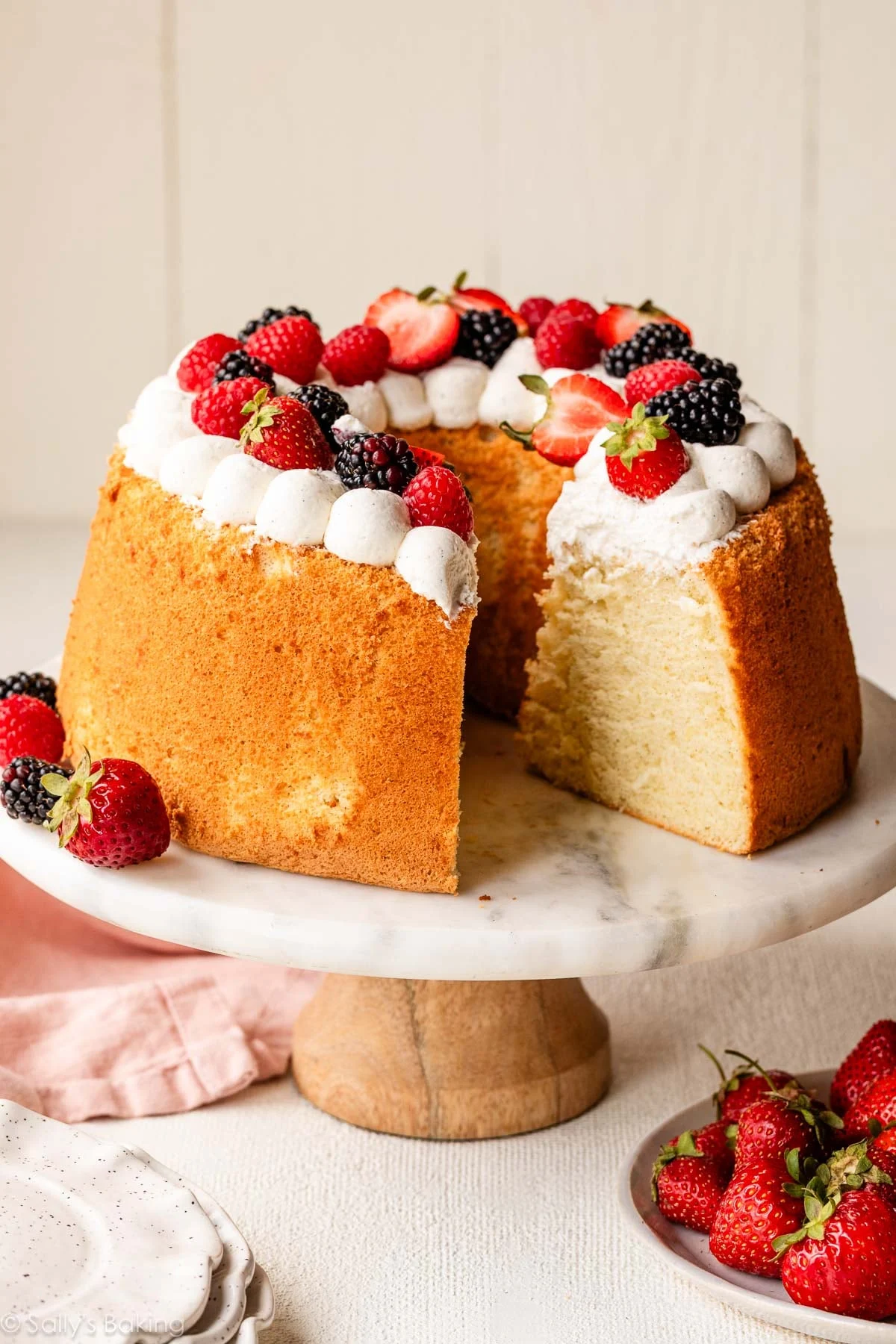
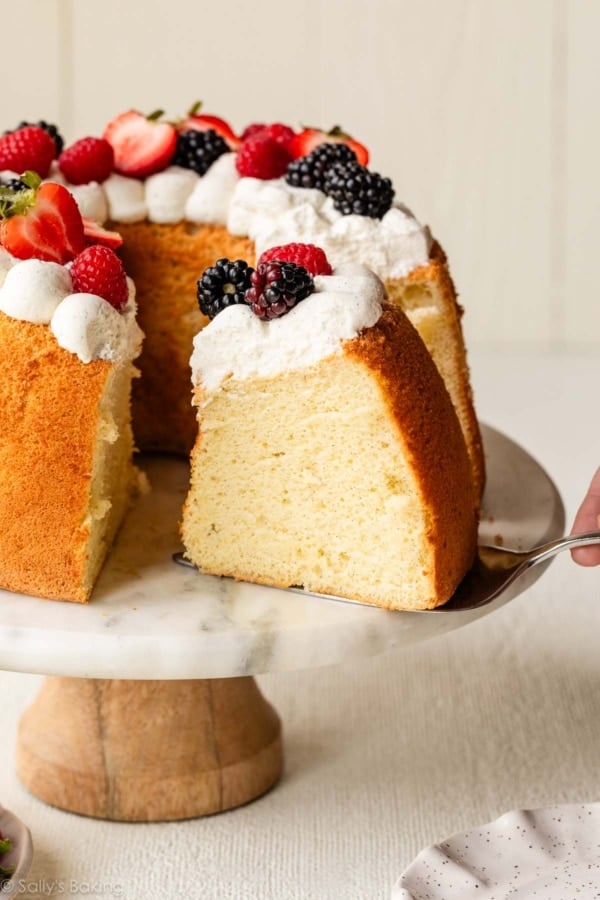
Because it remains soft for days, it is an ideal candidate for advance preparation, making it a favorite for event planners and home entertainers alike. Whether it is served as a naked cake layered with fresh whipped cream and macerated strawberries or as a towering, simple vanilla sponge, the chiffon remains a masterclass in texture.
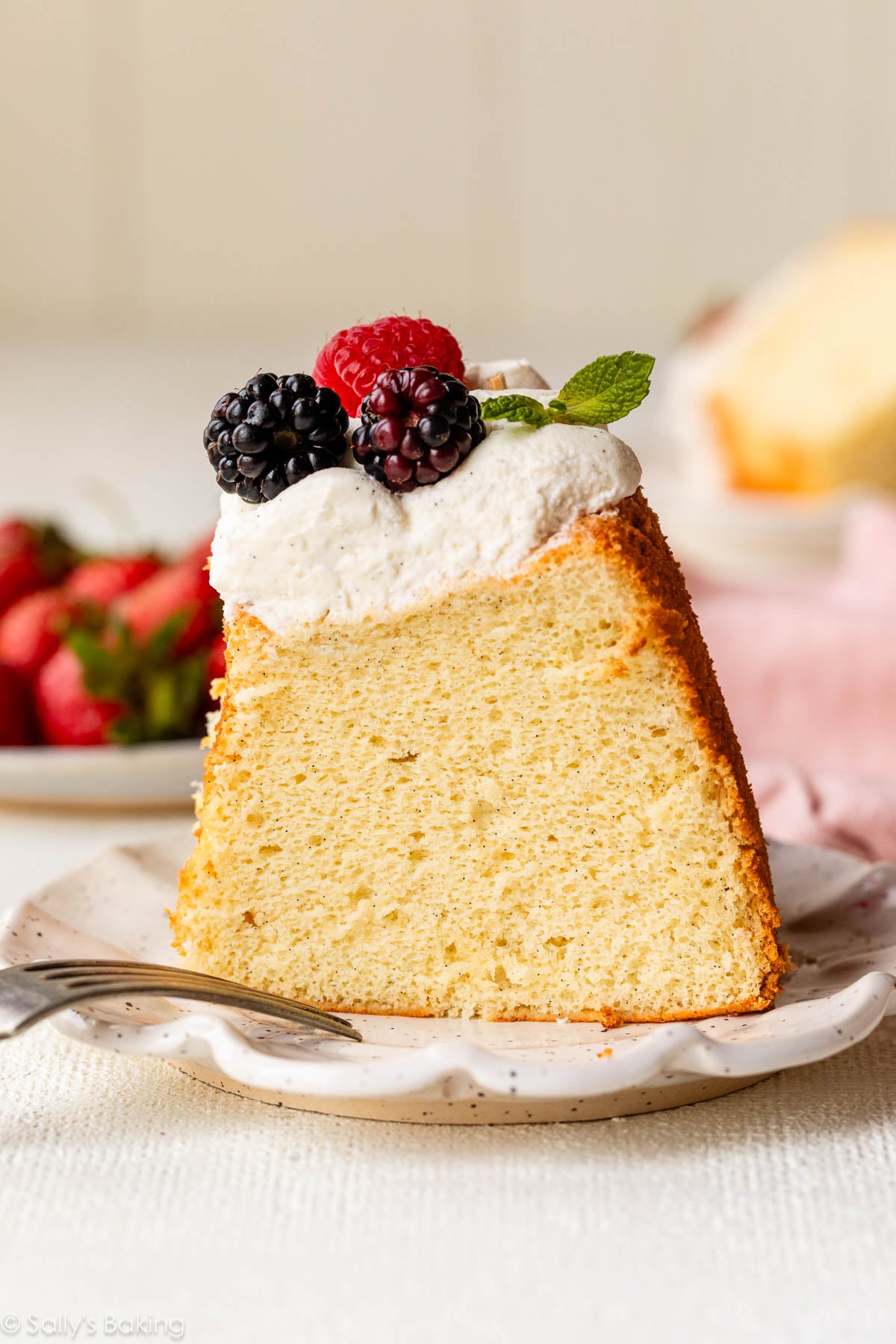
Mastering the chiffon is a rite of passage for any serious baker. It teaches the importance of the "fold," the science of the "invert," and the necessity of "patience." When executed correctly, the result is more than just a dessert; it is an edible expression of culinary precision—a cake that is literally light as air, yet rich in both flavor and history. By focusing on the structural integrity of the egg white and the delicate balance of fats, the home baker can elevate a standard vanilla cake into a work of art that consistently earns the ultimate compliment: "You actually made this from scratch?"