In the world of home cooking, few dishes offer the profound satisfaction of a perfectly executed side dish. While complex recipes often dominate culinary conversations, the true hallmark of a skilled cook lies in their ability to elevate humble, pantry-staple ingredients. Oven-roasted potatoes and carrots represent the pinnacle of this culinary philosophy—a dish that is simultaneously rustic, refined, and deeply comforting.
As modern kitchens move toward more efficient, health-conscious, and time-sensitive meal preparation, the sheet-pan method has emerged as the definitive technique for achieving restaurant-quality results at home. This guide explores the mechanics, science, and artistry behind creating the ultimate roasted root vegetable medley.
Main Facts: The Anatomy of a Perfect Roast
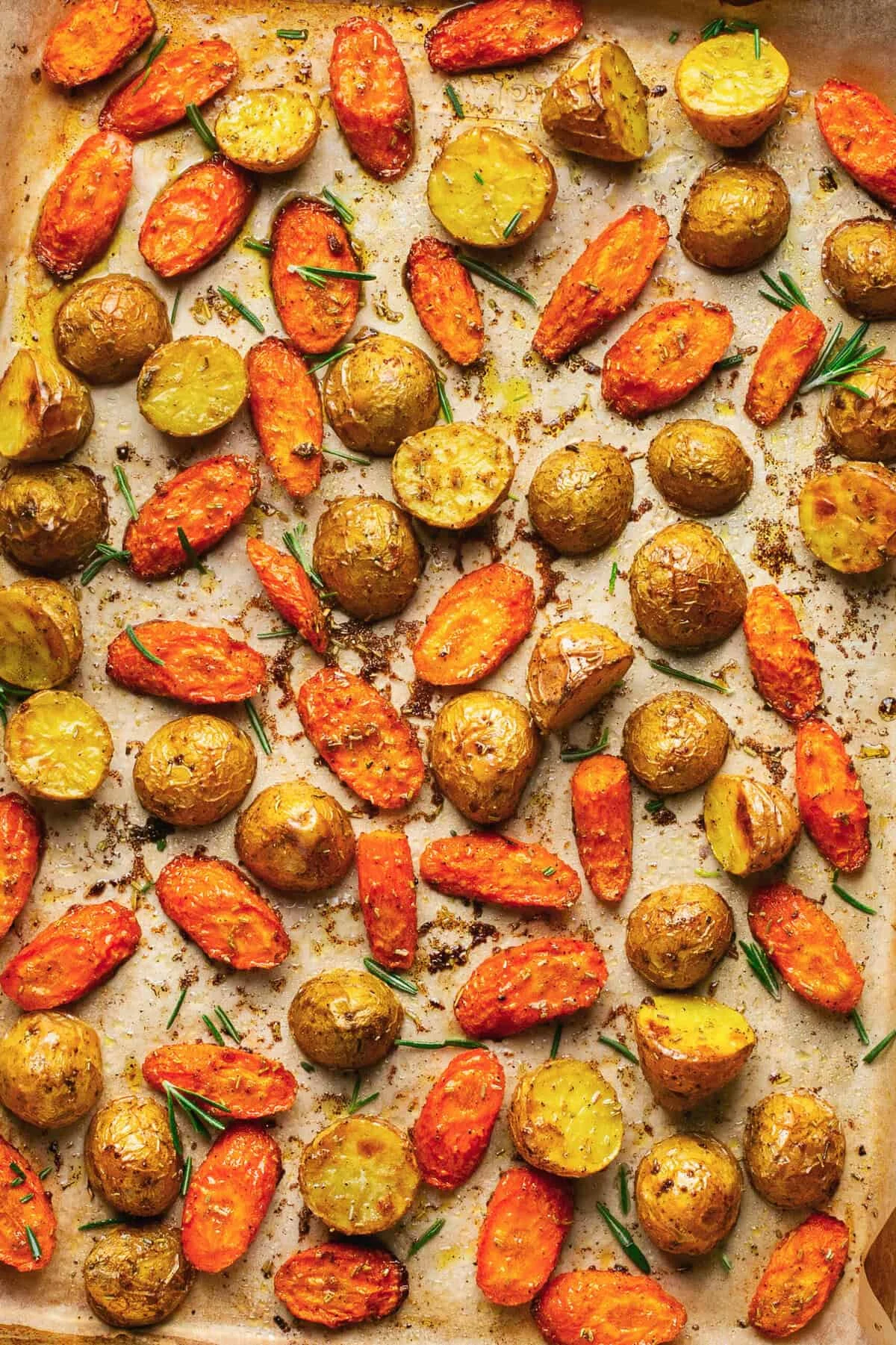
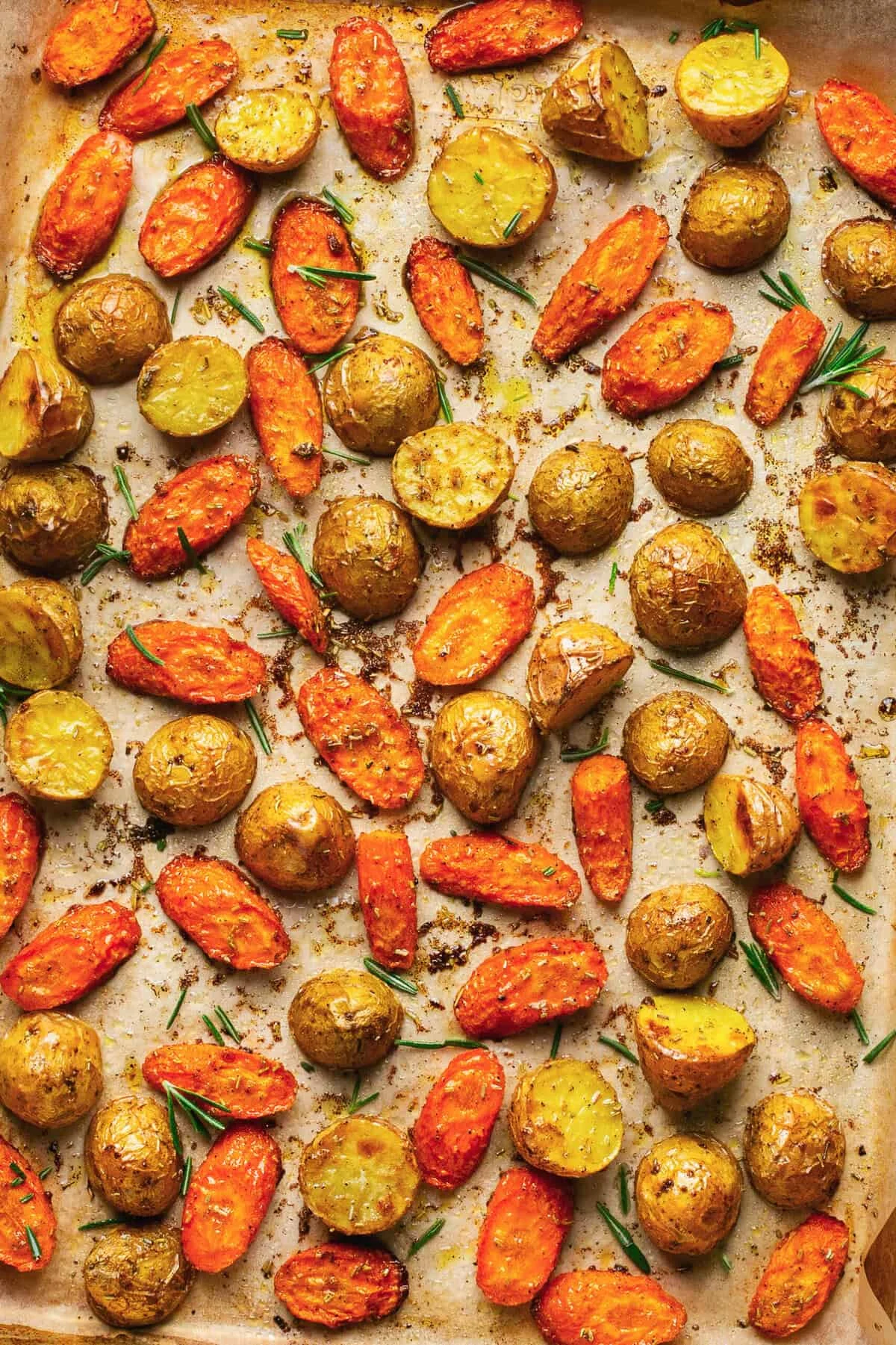
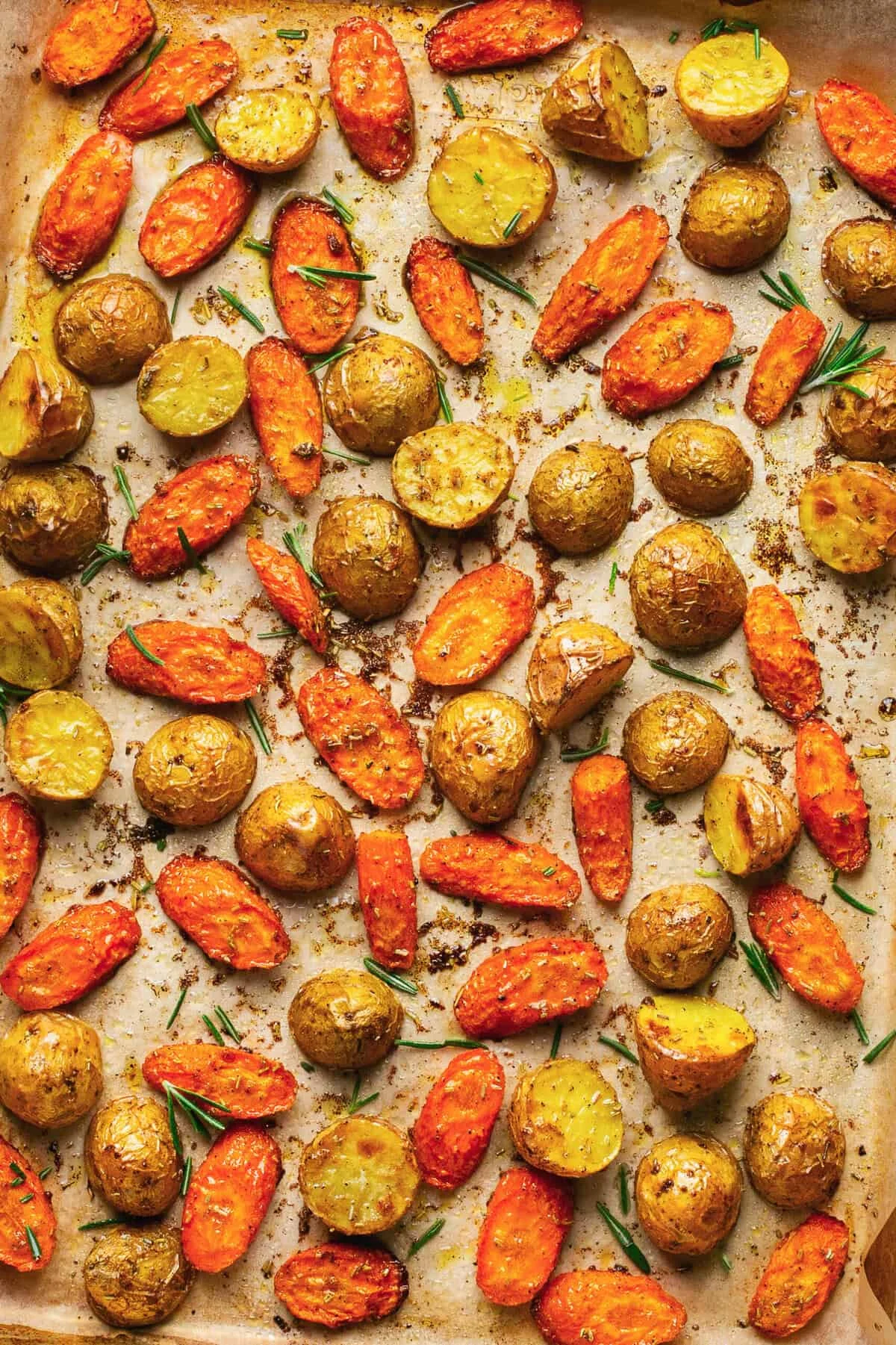
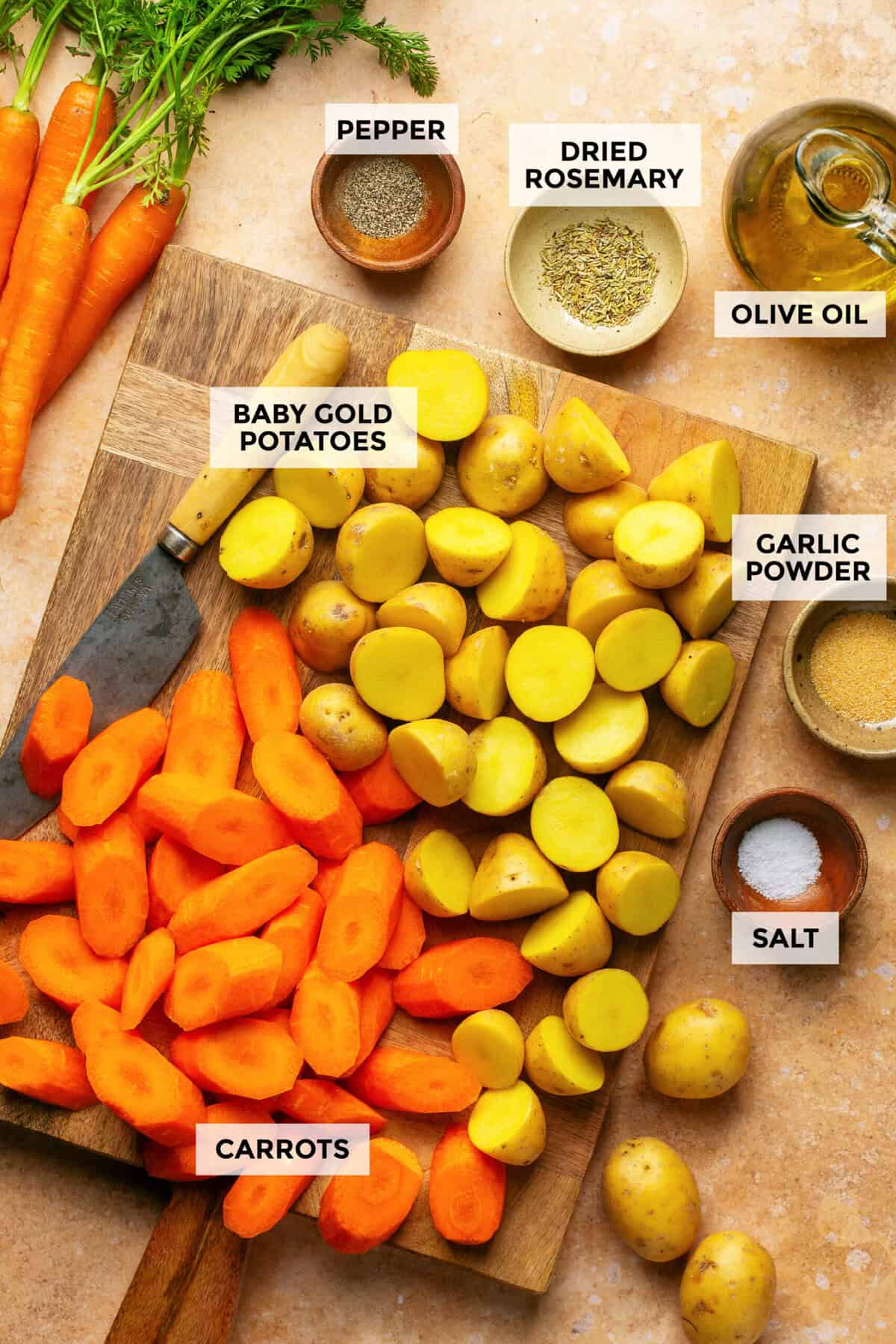
At its core, this recipe is a masterclass in simplicity. Utilizing just seven essential ingredients—potatoes, carrots, olive oil, and a quartet of seasonings (garlic powder, dried rosemary, salt, and pepper)—the dish relies on the Maillard reaction to transform raw produce into a caramelized, savory delight.
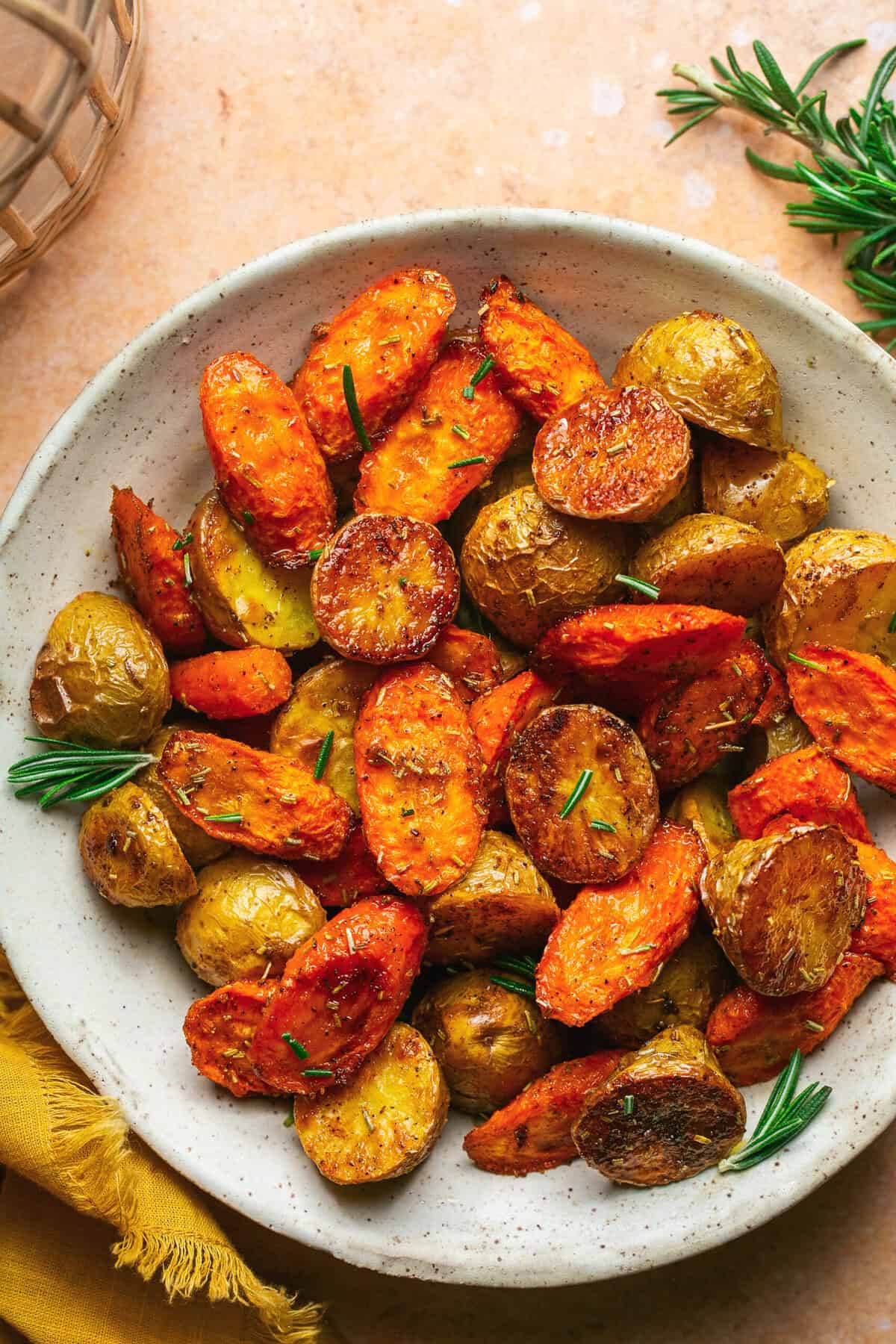
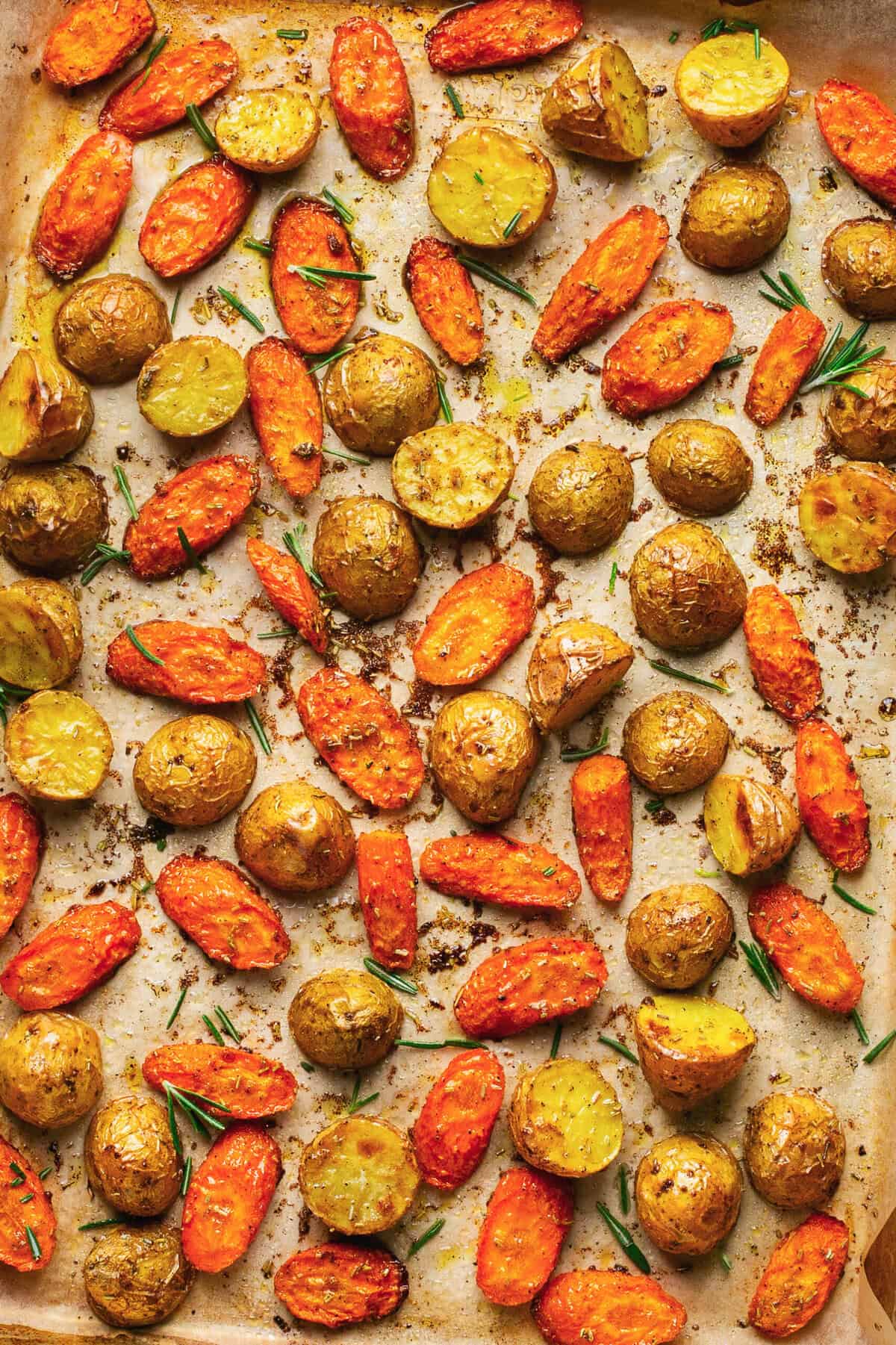
The fundamental appeal of this preparation lies in its dual-texture profile. A successful roast must yield crispy, golden-brown edges that provide a satisfying crunch, while the interior of the vegetables remains tender and creamy. The use of baby gold potatoes is a strategic choice; their thin skin and naturally buttery texture make them ideal for high-heat roasting. When paired with whole carrots—which offer a natural sweetness—the dish achieves a balanced flavor profile that pairs effortlessly with roasted meats, fish, or plant-based proteins.
Chronology: The Evolution of the Sheet-Pan Technique
The popularity of sheet-pan cooking has seen a meteoric rise over the last decade, mirroring a shift in household priorities. In previous eras, roasting root vegetables often involved multi-step processes: par-boiling, extensive oil tossing, and constant monitoring. Today’s refined approach streamlines the process into a ten-minute preparation window.
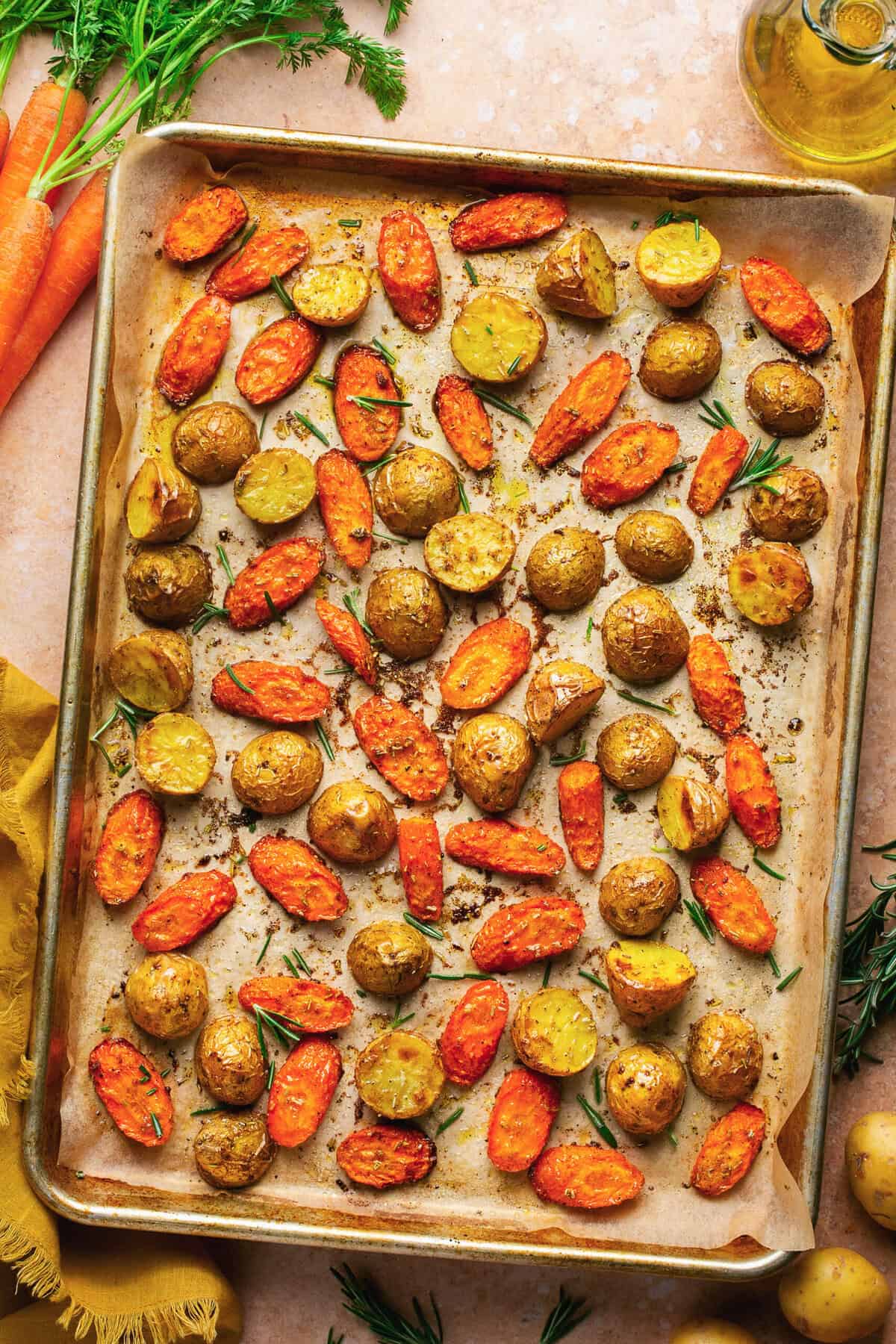
- Preparation (Minutes 0–10): The process begins by preparing the vegetables. Baby gold potatoes are halved to ensure they reach the optimal internal temperature within the roasting window. The carrots, however, require a specific geometric approach. By slicing them on a diagonal, the cook increases the surface area exposed to the heat, which is vital for even cooking and optimal caramelization.
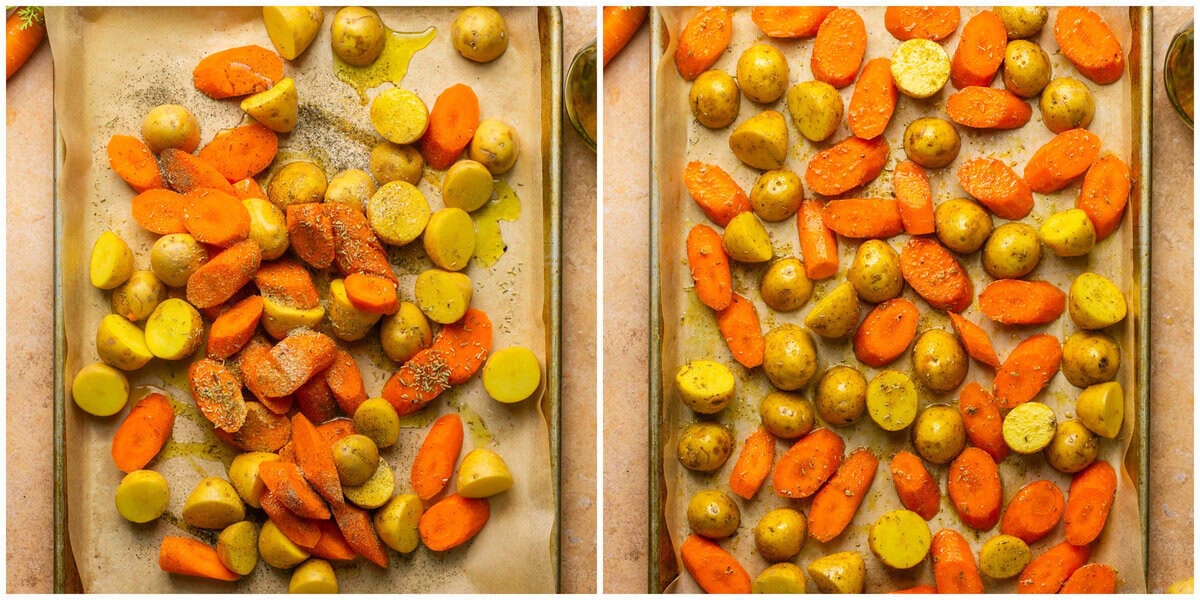
- Seasoning and Coating (Minutes 10–12): A light coating of extra virgin olive oil serves as the primary conduit for heat transfer. This is followed by a generous dusting of garlic powder and dried rosemary, which bloom in the oven’s ambient heat.
- The Roasting Phase (Minutes 12–52): The vegetables are arranged in a single layer on a parchment-lined baking sheet. The oven, preheated to 400°F (200°C), provides the dry heat necessary for roasting.
- The Finishing Touch (Minute 52): A brief rest period allows the natural sugars to set, resulting in the desired texture profile.
Supporting Data: The Science of Heat and Texture
Why does this specific configuration work? The answer lies in thermodynamics and chemistry.
- Temperature Optimization: Extensive testing confirms that 400°F is the "goldilocks zone" for root vegetables. Temperatures lower than this often result in steaming, leading to soggy, unappealing textures. Temperatures significantly higher risk burning the exterior sugars before the center of the potato has reached a tender state.
- Surface Area Manipulation: The instruction to slice carrots on the diagonal is not merely aesthetic. Carrots have a higher density than gold potatoes. By creating elongated, angular slices, the cook creates more "fringe" edges that crisp up rapidly, compensating for the carrot’s slower internal cooking time relative to the potato.
- The Role of Parchment: The inclusion of parchment paper is non-negotiable for the home chef. Unlike aluminum foil, which can cause vegetables to stick and "sweat," high-quality parchment paper creates a non-stick environment that encourages browning rather than steaming.
Official Perspectives: Addressing Common Culinary Hurdles
Many home cooks struggle with consistency. Through professional culinary feedback and FAQs, several key "pain points" have been identified and resolved:
Why do my carrots remain soggy?
The most frequent culprit is overcrowding. If the baking sheet is overloaded, the moisture released by the vegetables creates a humid environment, effectively steaming the produce rather than roasting it. Ensuring each piece has breathing room is critical.
Is it necessary to boil the potatoes first?
Technically, no. In this specific recipe, the size of the potato halves is calibrated to the roasting time of the carrots. Boiling the potatoes introduces unnecessary water content, which works against the goal of achieving a crisp, golden exterior.
Can I use different varieties of potatoes?
While baby gold potatoes are the standard due to their thin, tender skins, baby red potatoes or fingerling potatoes are excellent alternatives. These varieties maintain their structure well under high heat, ensuring that they won’t crumble or become mushy during the 40-minute roasting process.
Implications for Modern Dining
The resurgence of the "roasted vegetable side" has significant implications for how we view the modern diet. In an era dominated by processed conveniences, the return to whole, nutrient-dense ingredients is a powerful trend.
Nutritionally, this dish is a powerhouse. With approximately 248 calories per serving and a high fiber content (7g), it offers satiety without the heavy caloric load of traditional starch-heavy sides. The significant presence of Vitamin A—derived from the carrots—and the potassium profile of the potatoes make this a heart-healthy addition to any weekly meal plan.
Moreover, the versatility of the dish is its greatest strength. While the base recipe relies on rosemary and garlic, the "canvas" is open to interpretation. Culinary professionals often suggest variations such as:
- The Balsamic Glaze: Adding a tablespoon of balsamic vinegar to the oil mixture during the last five minutes of roasting for a deeper, tangy finish.
- Herb Infusions: Replacing dried rosemary with fresh thyme or parsley post-roasting for a brighter, more aromatic profile.
- The Sweet and Savory Twist: Adding a pinch of smoked paprika or a drizzle of maple syrup to play off the natural sweetness of the roasted carrots.
Conclusion: A Culinary Staple
The beauty of roasting potatoes and carrots lies in its democratic nature. It requires no specialized equipment, no complex techniques, and minimal cleanup. It is a dish that humbles the professional chef and empowers the novice.
As we look toward the future of home cooking, the emphasis remains on efficiency and quality. By mastering the fundamental variables—temperature, surface area, and proper coating—the home cook can transform simple root vegetables into a dish that stands at the center of the table. Whether served alongside a Sunday roast or as part of a quick, healthy weeknight dinner, the perfectly roasted potato and carrot remains an essential skill in the modern culinary repertoire.
For those looking to refine their technique, remember the golden rule: give your vegetables space, trust the heat of your oven, and never underestimate the power of a diagonal slice. Happy cooking.