In the modern culinary landscape, the boundary between restaurant-grade gastronomy and home cooking has increasingly blurred. Driven by a growing consumer demand for clean-label ingredients, customizable heat profiles, and health-conscious alternatives to ultra-processed commercial dressings, artisanal homemade sauces have experienced a significant renaissance.
Among these innovations, the "Creamy Jalapeño Sauce"—formulated by professional chef, photographer, and culinary developer Tiffany of the acclaimed food platform Creme de la Crumb—serves as a prime case study of how simple, raw ingredients can be scientifically balanced to create a highly versatile, nutrient-dense condiment.
Main Facts: The Architecture of a Modern Condiment
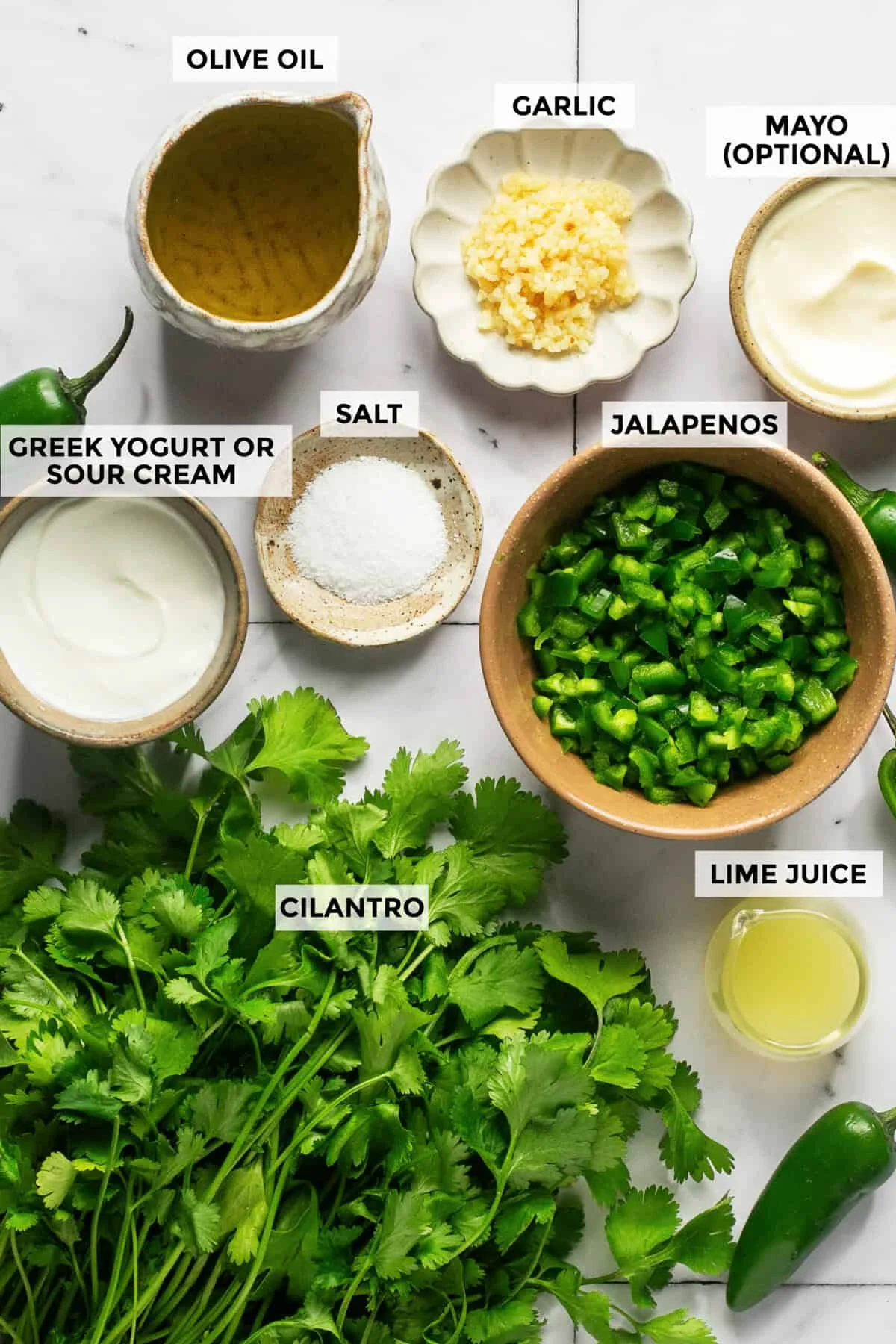
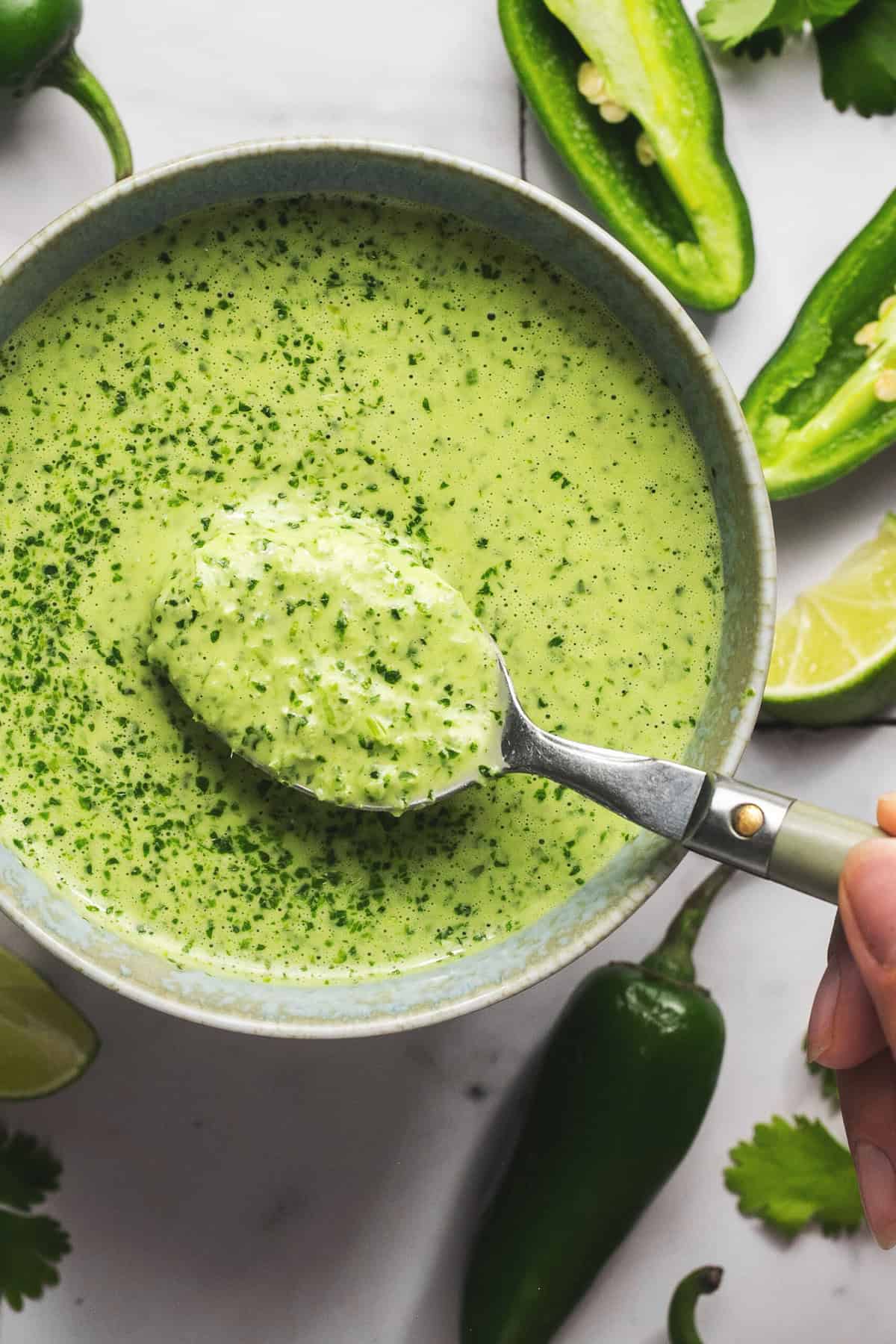
The rise of homemade emulsions represents a broader cultural shift toward culinary autonomy. Composed of raw jalapeño peppers, fresh cilantro, garlic, lime juice, olive oil, and a customizable dairy-fat base (such as sour cream, mayonnaise, or plain Greek yogurt), this specific sauce highlights several fundamental principles of modern flavor chemistry:
- The Balance of Heat and Lipids: Capsaicin, the active chemical compound responsible for the fiery sensation of chili peppers, is hydrophobic (fat-soluble). By blending jalapeños with lipid-rich bases like sour cream, Greek yogurt, or mayonnaise, the capsaicin molecules are bound by fat globule membranes, tempering the sensory burn and rendering the heat approachable to a broader demographic.
- Acidic Brightness as a Flavor Enhancer: The inclusion of fresh lime juice serves a dual purpose. Biochemically, the citric acid lowers the pH of the sauce, acting as a natural preservative while simultaneously cutting through the heavy, coating sensation of the dairy fats. This brightens the overall flavor profile, activating salivary glands and enhancing the perception of secondary aromatics like garlic and cilantro.
- Nutritional Density: Unlike commercial shelf-stable dressings—which often rely on high-fructose corn syrup, synthetic emulsifiers (such as xanthan gum), and excessive sodium—this formulation leverages whole-food ingredients. This preserves volatile micronutrients, including Vitamin C and active carotenoids, while allowing home cooks to control their dietary intake.
Chronology: The Phase-by-Phase Preparation and Safety Protocol
To successfully execute this emulsion, home cooks must follow a systematic preparation sequence designed to optimize safety, efficiency, and texture.
[Phase 1: Safety & Prep] ──> [Phase 2: Extraction] ──> [Phase 3: Herb Processing] ──> [Phase 4: Emulsification] ──> [Phase 5: Maturation]Phase 1: Safety and Personal Protective Equipment (PPE)
The preparation begins with defensive culinary practices. Because jalapeños contain high concentrations of capsaicinoids, particularly within the internal placenta and seeds, direct dermal contact can lead to prolonged chemical irritation (commonly referred to as "jalapeño eye" or dermal capsaicin burns).
Professional protocols dictate the use of clean, food-grade nitrile or latex gloves before handling or slicing the peppers. This step prevents the transfer of volatile oils to sensitive mucosal membranes.
Phase 2: Mechanical Extraction of Capsaicin-Heavy Elements
Once protected, the cook trims the stem ends of four to six jalapeños and bisects them lengthwise.
Using a metal teaspoon, the cook scrapes the interior cavity of each half, systematically removing the pale-green ribs (the placenta) and the attached seeds. While popular belief suggests that the seeds contain the entirety of a pepper’s heat, food science confirms that the highest concentration of capsaicin actually resides within the placental membrane. Discarding these elements ensures a mild, highly controllable heat profile.
Phase 3: Rapid Herb Processing (The "Cilantro Hack")
To streamline production, Tiffany of Creme de la Crumb recommends an efficient technique for handling fresh cilantro. Rather than plucking individual leaves—a process that is both time-consuming and prone to bruising the delicate herb—the cook grips the leafy upper canopy in one hand and the thick stem base in the other, twisting them in opposite directions to shear the stems away.
The leafy tops, which naturally contain softer, flavor-dense micro-stems, are retained for the blender, while the woody lower stems are discarded or reserved for vegetable stocks.
Phase 4: Blending and Emulsification
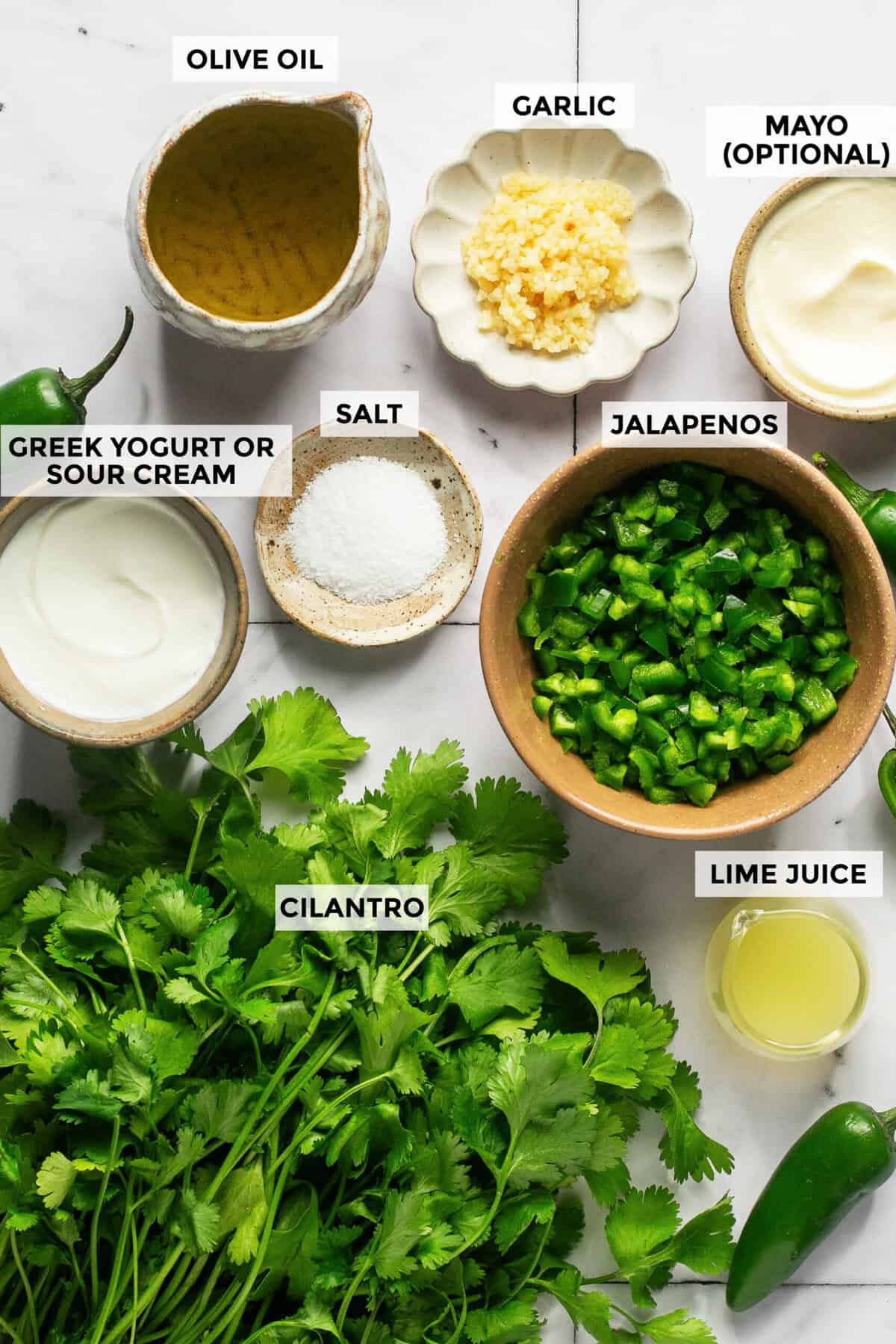
The prepped jalapeños, cilantro, minced garlic, freshly squeezed lime juice, extra virgin olive oil, and chosen dairy bases (sour cream, Greek yogurt, or mayonnaise) are transferred to a high-speed food processor or blender.
The mixture is processed on high until the solids are completely pulverized, yielding a uniform, light-green emulsion.
Phase 5: Maturation and Storage
While the sauce is immediately palatable, resting it in a sealed container under refrigeration (at or below 40°F / 4°C) for at least one hour allows the lipid-soluble compounds in the garlic and jalapeños to thoroughly infuse the dairy base, resulting in a more cohesive flavor profile.
Supporting Data: Nutritional Analysis and Food Science
The nutritional efficacy and chemical properties of this condiment can be quantified through precise dietary metrics and physiological data.
Macronutrient and Micronutrient Profile
A standard serving of this Creamy Jalapeño Sauce (calculated based on an eight-serving yield using standard sour cream and mayonnaise) delivers the following nutritional values:
| Nutrient Metric | Value per Serving | Daily Value Percentage (DV%) |
|---|---|---|
| Calories | 178 kcal | 9% |
| Total Fat | 19 g | 24% |
| Saturated Fat | 3 g | 15% |
| Polyunsaturated Fat | 5 g | N/A |
| Monounsaturated Fat | 11 g | N/A |
| Cholesterol | 4 mg | 1% |
| Sodium | 340 mg | 15% |
| Total Carbohydrates | 1 g | <1% |
| Dietary Fiber | 0.2 g | <1% |
| Sugars | 1 g | N/A |
| Protein | 1 g | 2% |
| Vitamin A | 81 IU | 2% |
| Vitamin C | 9 mg | 10% |
| Calcium | 17 mg | 1% |
Note: Nutrition values are approximations calculated using standard databases.
The Biochemistry of Jalapeño Consumption
From a metabolic and immunological standpoint, the primary active ingredient—the jalapeño—offers documented physiological benefits:
- Metabolic Stimulation (Thermogenesis): Capsaicin interacts with the transient receptor potential vanilloid 1 (TRPV1) receptors in the mouth and digestive tract. This interaction triggers a mild thermogenic response, temporarily increasing the body’s metabolic rate and energy expenditure.
- Antioxidant Defense: Jalapeños are rich in carotenoids (precursors to Vitamin A) and ascorbic acid (Vitamin C). These compounds act as potent antioxidants, neutralizing free radicals at the cellular level and supporting overall immune function.
- Cardiovascular and Digestive Support: Emerging research suggests that dietary capsaicinoids can help improve blood lipid profiles, increase vasodilation, and stimulate beneficial gastric mucosal secretions that aid in digestion.
Official Responses: Culinary Insights and Creator Perspectives
In explaining the development and adaptability of this recipe, culinary creator Tiffany emphasizes the practical versatility that modern home cooks require.

Creator Insights on Ingredient Adaptability
According to Tiffany, the recipe’s success lies in its customizable structure:
"This dip is much healthier than a lot of others that are laden with processed foods and unhealthy fats. Plus, it becomes even healthier if you choose to use Greek yogurt rather than sour cream and/or mayonnaise."
For individuals seeking to optimize their macronutrient ratios (specifically reducing fat calories while increasing protein content), the seamless substitution of fat-free or low-fat plain Greek yogurt for sour cream and mayonnaise represents a major culinary advantage. This substitution preserves the necessary lactic acid tang while significantly lowering the calorie-to-protein ratio.
Addressing Dietary Restrictions and Culinary Preferences
Culinary experts also highlight several key substitutions to accommodate diverse dietary needs:
- The Cilantro Soap Gene (OR6A2): For individuals possessing the OR6A2 olfactory receptor gene—which causes cilantro to taste soapy—experts recommend substituting flat-leaf Italian parsley. This swap maintains the sauce’s signature vibrant green color and fresh, herbaceous quality without triggering the unpleasant taste response.
- Vegan Adaptations: The recipe can be converted into a fully plant-based condiment by replacing dairy-based sour cream and mayonnaise with silken tofu, cashew cream, or commercial plant-based yogurt alternatives.
- Enhanced Citrus Profiles: For an intensified citrus aroma, culinary professionals recommend incorporating one teaspoon of fresh lime zest alongside the juice. The zest contains essential oils (primarily limonene) that provide a concentrated, bright fragrance that juice alone cannot replicate.
Implications: The Macro Shift Toward DIY Condiments
The popularity of customizable dressings like this Creamy Jalapeño Sauce has broader implications for public health, consumer economics, and the culinary industry.
Combatting the Ultra-Processed Food Epidemic
The modern diet is heavily saturated with ultra-processed foods (UPFs), with commercial salad dressings and sauces standing as some of the most common culprits. These retail products frequently contain cheap seed oils high in omega-6 fatty acids, chemical stabilizers to extend shelf-life, and hidden sugars to enhance hyper-palatability.

By transitioning to homemade condiments, consumers take direct control over their ingredient quality. Eliminating industrial food additives supports gut health and reduces the chronic inflammation associated with highly processed diets.
Economic and Gastronomic Empowerment
From an economic perspective, crafting high-quality sauces at home yields a superior product at a fraction of the cost of premium, organic retail brands.
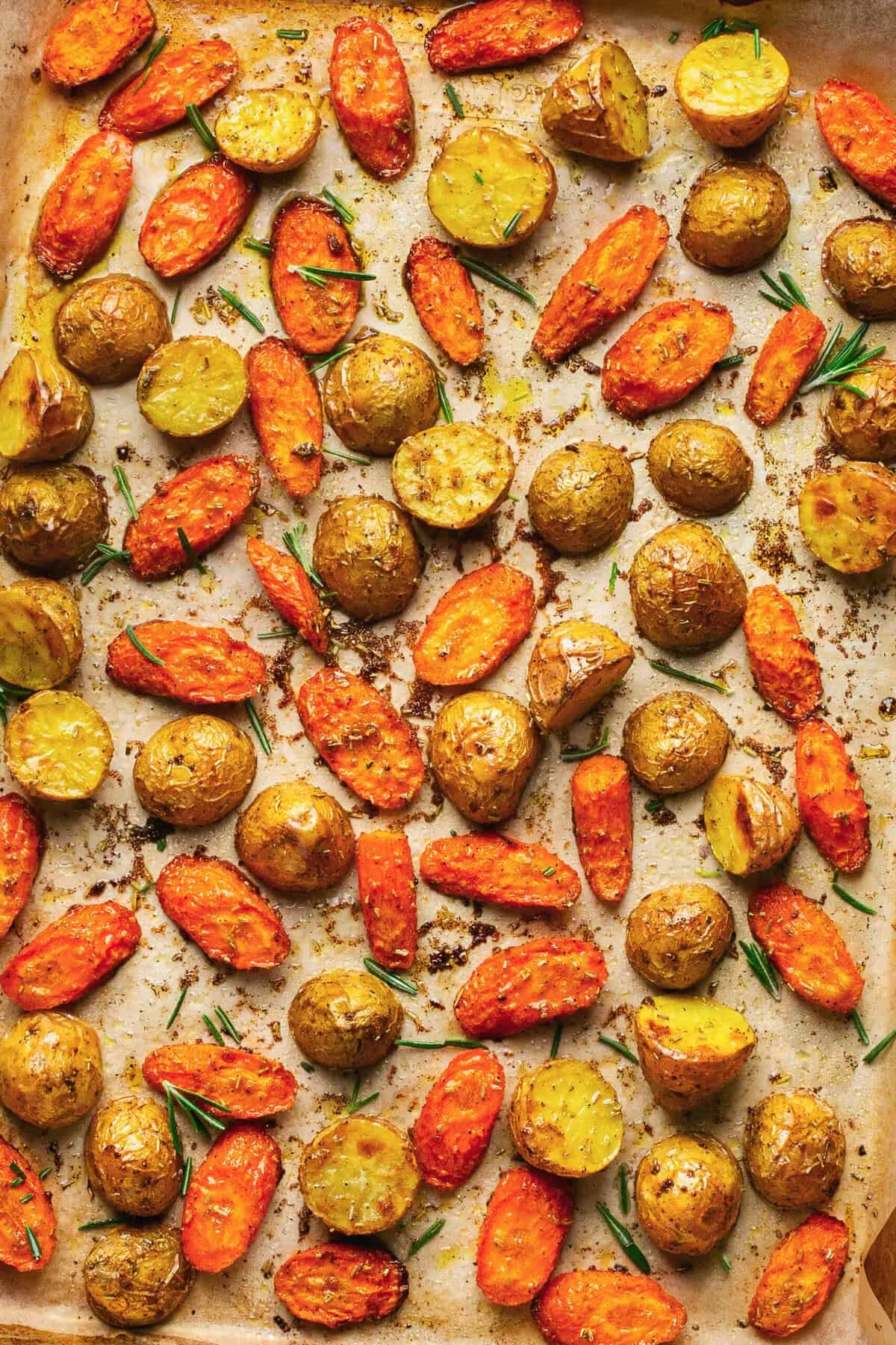
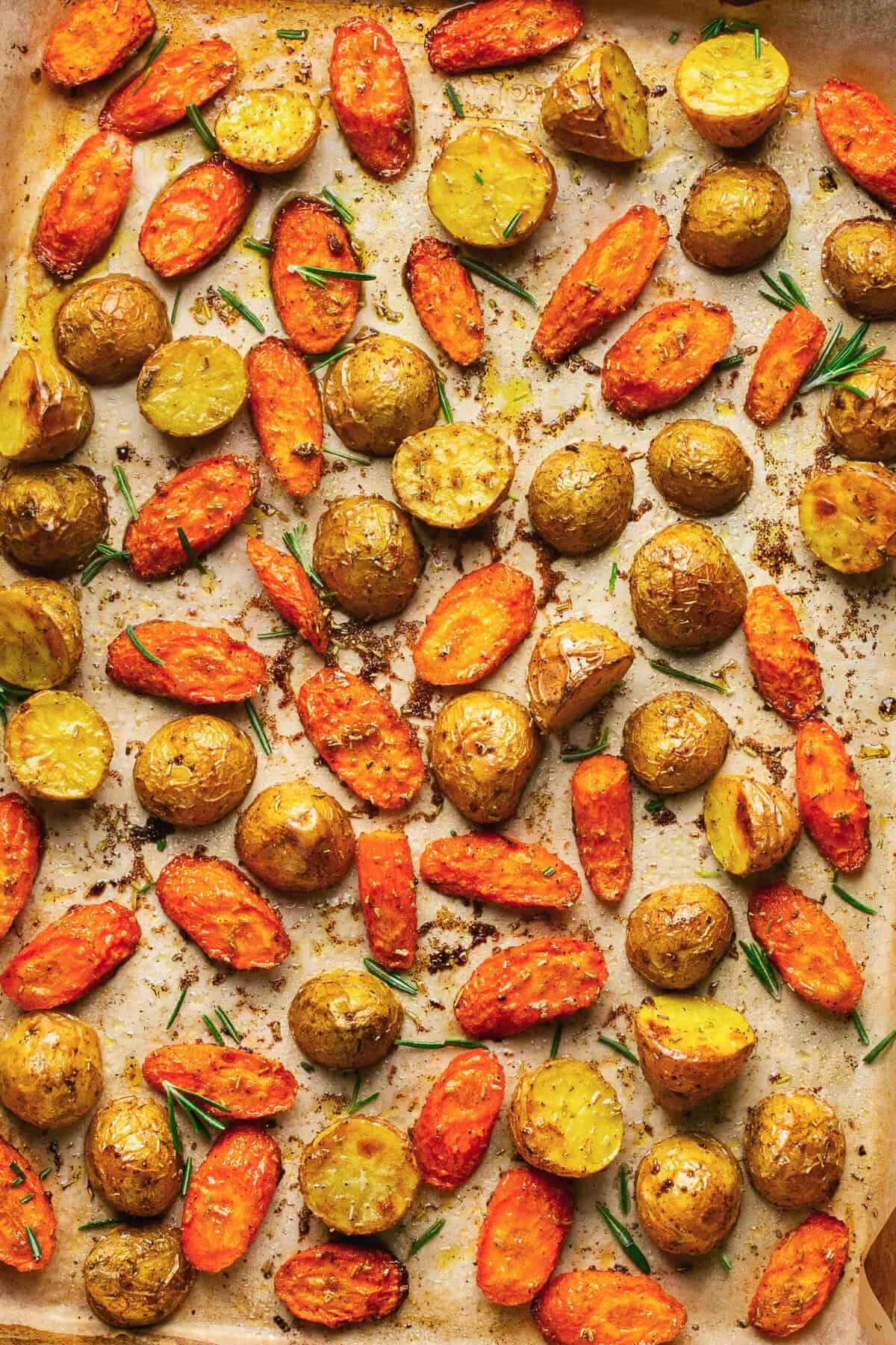
Furthermore, mastering the art of the quick emulsion empowers home cooks to elevate simple, affordable ingredients—such as basic roasted vegetables, leftover shredded chicken, or simple grain bowls—into restaurant-quality meals. This culinary self-reliance fosters healthier eating habits, reduces household food waste, and makes home cooking a more sustainable and enjoyable daily practice.