Main Facts: Redefining Efficiency in Mediterranean Gastronomy
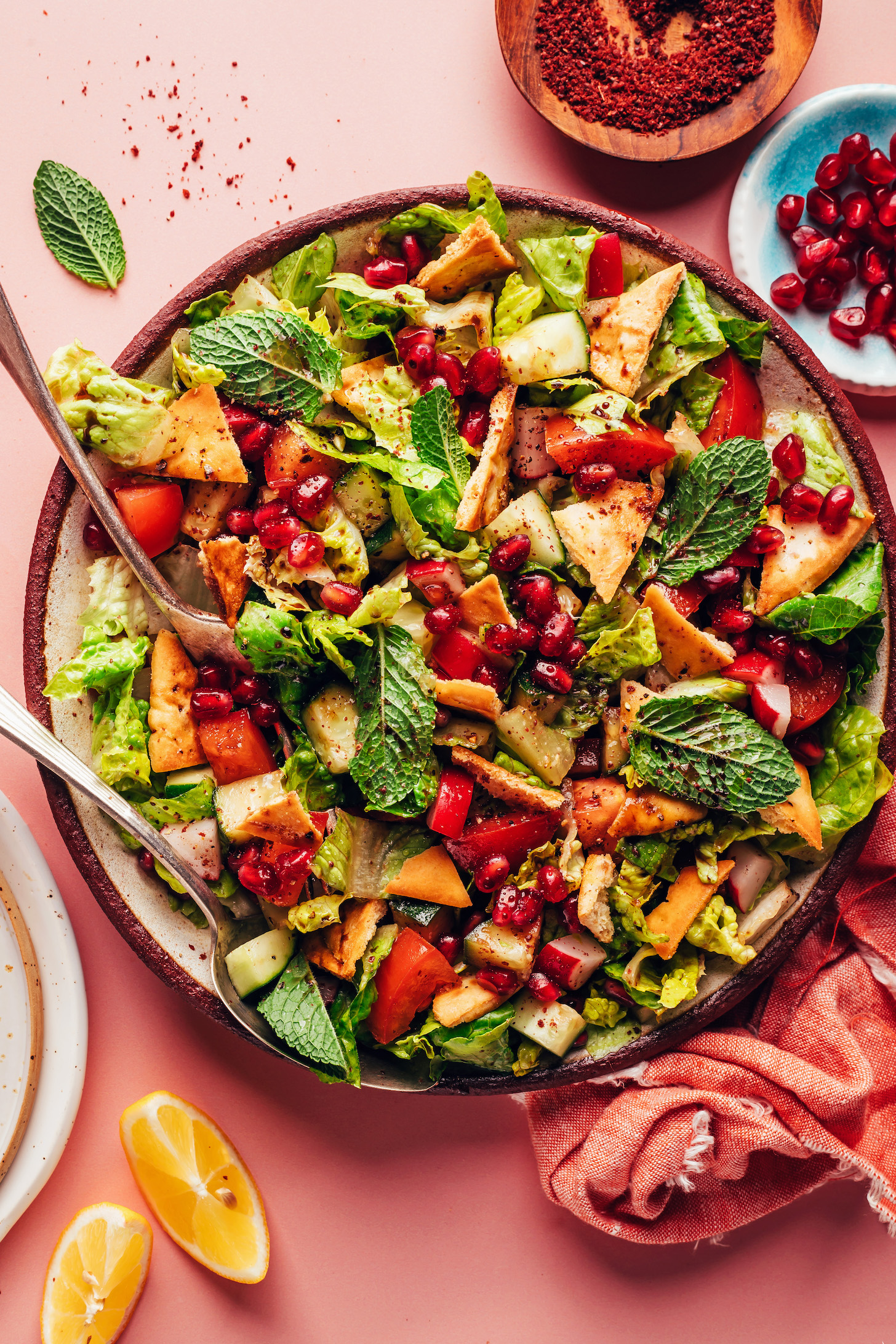
In the contemporary landscape of digital culinary media, the demand for "weeknight-friendly" recipes has reached an all-time high. Leading the charge in this movement is the latest release from the influential culinary platform Minimalist Baker, which has unveiled a streamlined, one-bowl iteration of the classic Levantine Fattoush salad. This recipe represents a strategic intersection between traditional Middle Eastern flavors and the modern need for gastronomic efficiency, promising a nutrient-dense meal in exactly 20 minutes.
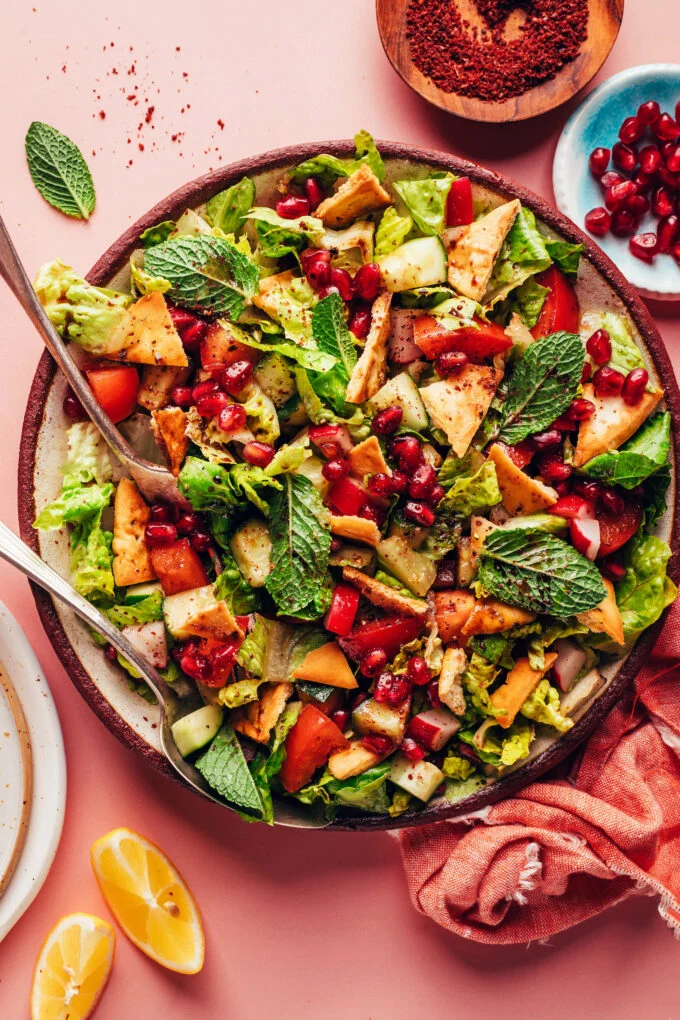
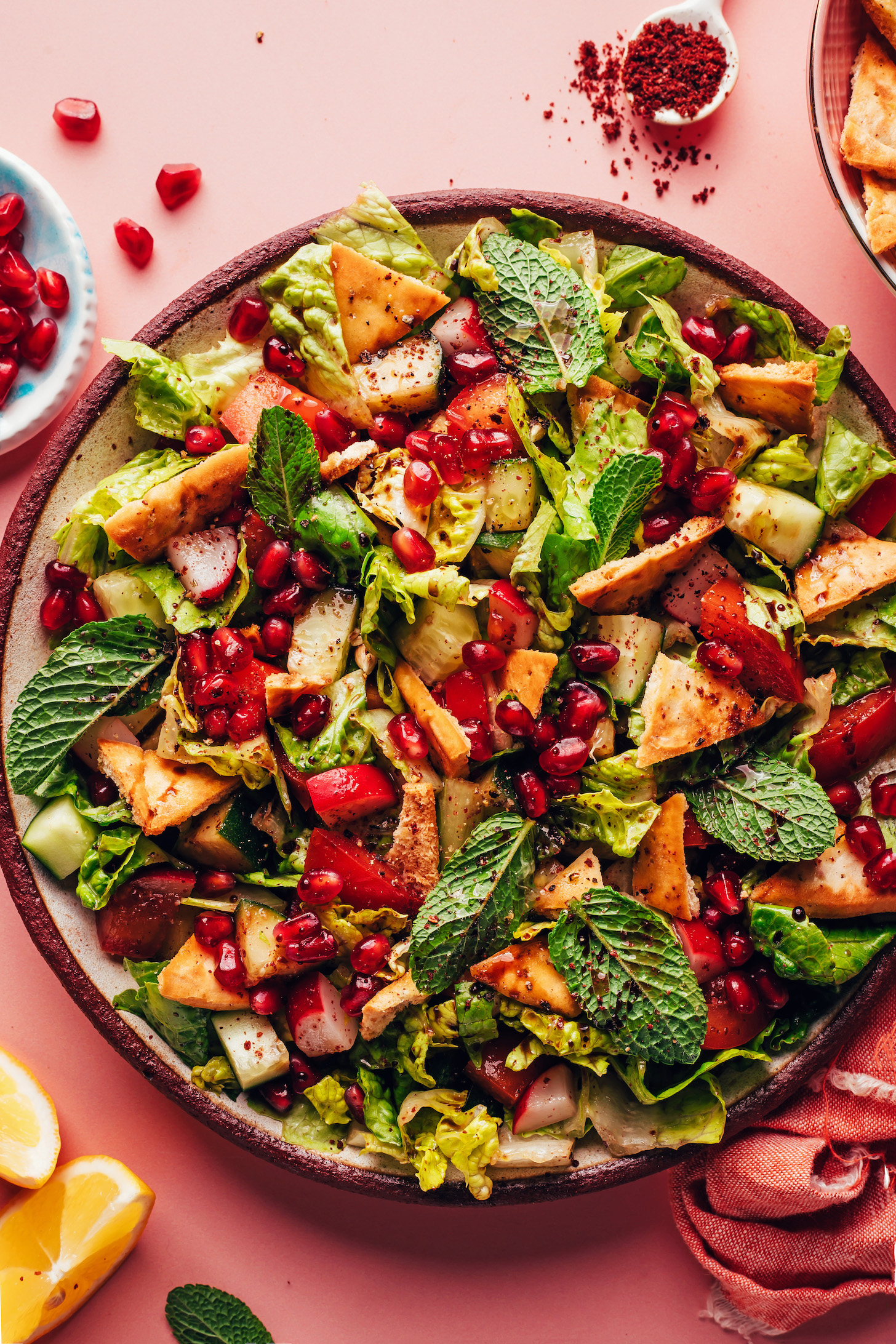
Fattoush, a cornerstone of Levantine cuisine—spanning modern-day Lebanon, Syria, Jordan, Palestine, and Israel—is traditionally a "bread salad" designed to utilize leftover flatbreads. The Minimalist Baker version preserves the integrity of these historical roots while optimizing the preparation process for the home cook. Key features of this release include a "no-mix" dressing technique, the inclusion of pomegranate molasses as a primary flavoring agent, and a versatile framework that accommodates vegan and gluten-free dietary requirements.
The significance of this release lies in its accessibility. By reducing the dish to a single bowl and a handful of steps, the recipe lowers the barrier to entry for international cuisines that are often perceived as labor-intensive. Furthermore, the inclusion of nutritional data and specific ingredient substitutions highlights a shift toward data-driven cooking that caters to health-conscious demographics.
Chronology: From Ancient Fields to the Modern One-Bowl Method
The Historical Context of the Levantine Bread Salad
The origins of Fattoush are rooted in the agrarian traditions of the Eastern Mediterranean. Historically, rural communities practiced a "no-waste" philosophy, where stale pita bread was toasted or fried and tossed with seasonal garden vegetables. The word "fattoush" itself is derived from the Arabic word fatteh, meaning "crumbs" or "broken pieces," referring to the shards of bread that give the salad its distinctive crunch.
Over centuries, the recipe evolved from a simple peasant dish into a sophisticated staple found in metropolitan centers like Beirut and Damascus. While variations exist across the Levant, the common denominator remains the use of sumac—a tart, crimson spice—and fresh herbs.
The Development of the 20-Minute Iteration
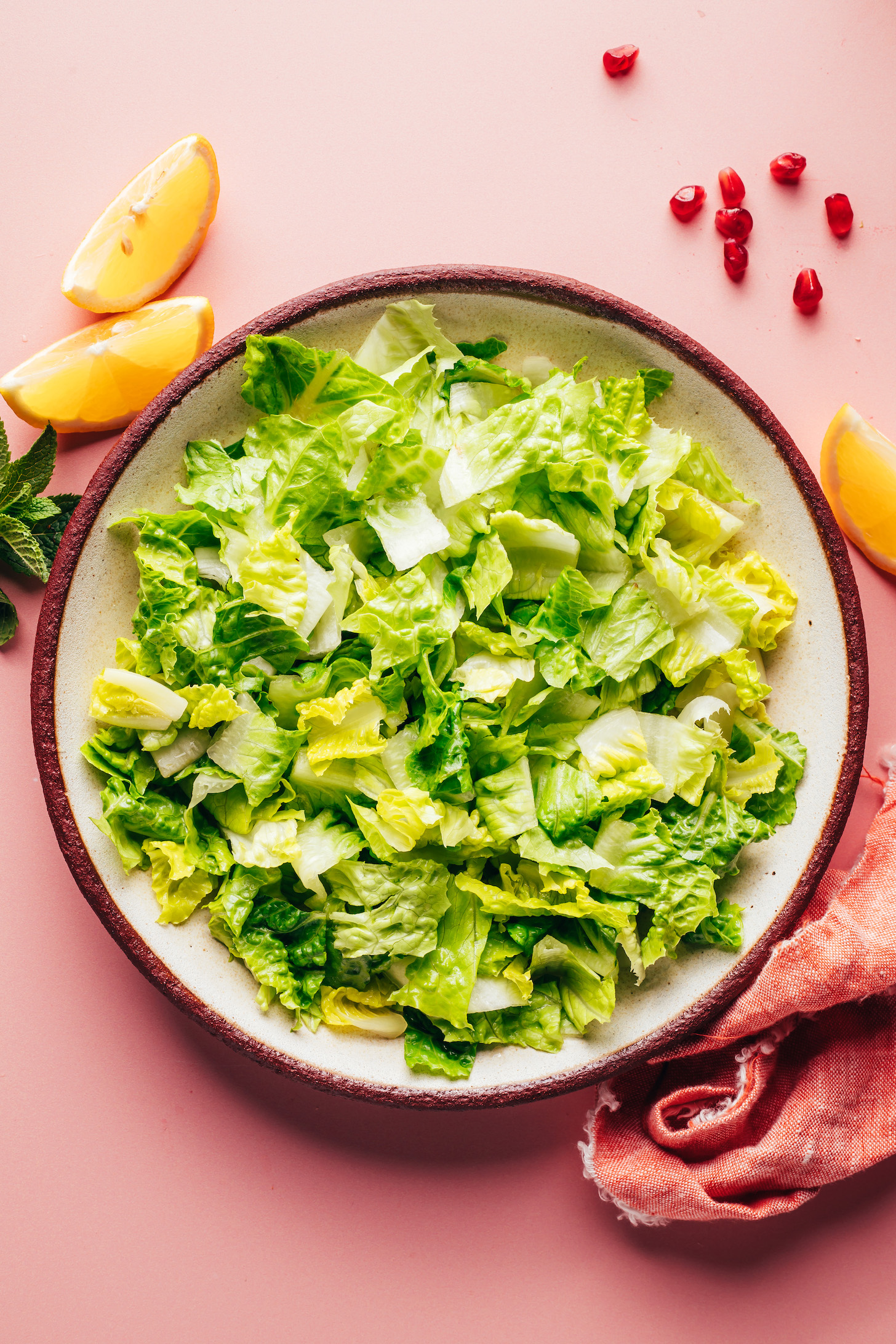
The chronology of the Minimalist Baker recipe begins with the selection of a robust green base. Unlike some traditional versions that may prioritize the bread, this modern take utilizes chopped romaine lettuce for its structural integrity and neutral flavor profile, which serves as a canvas for more aggressive seasonings.
The preparation timeline is meticulously structured:
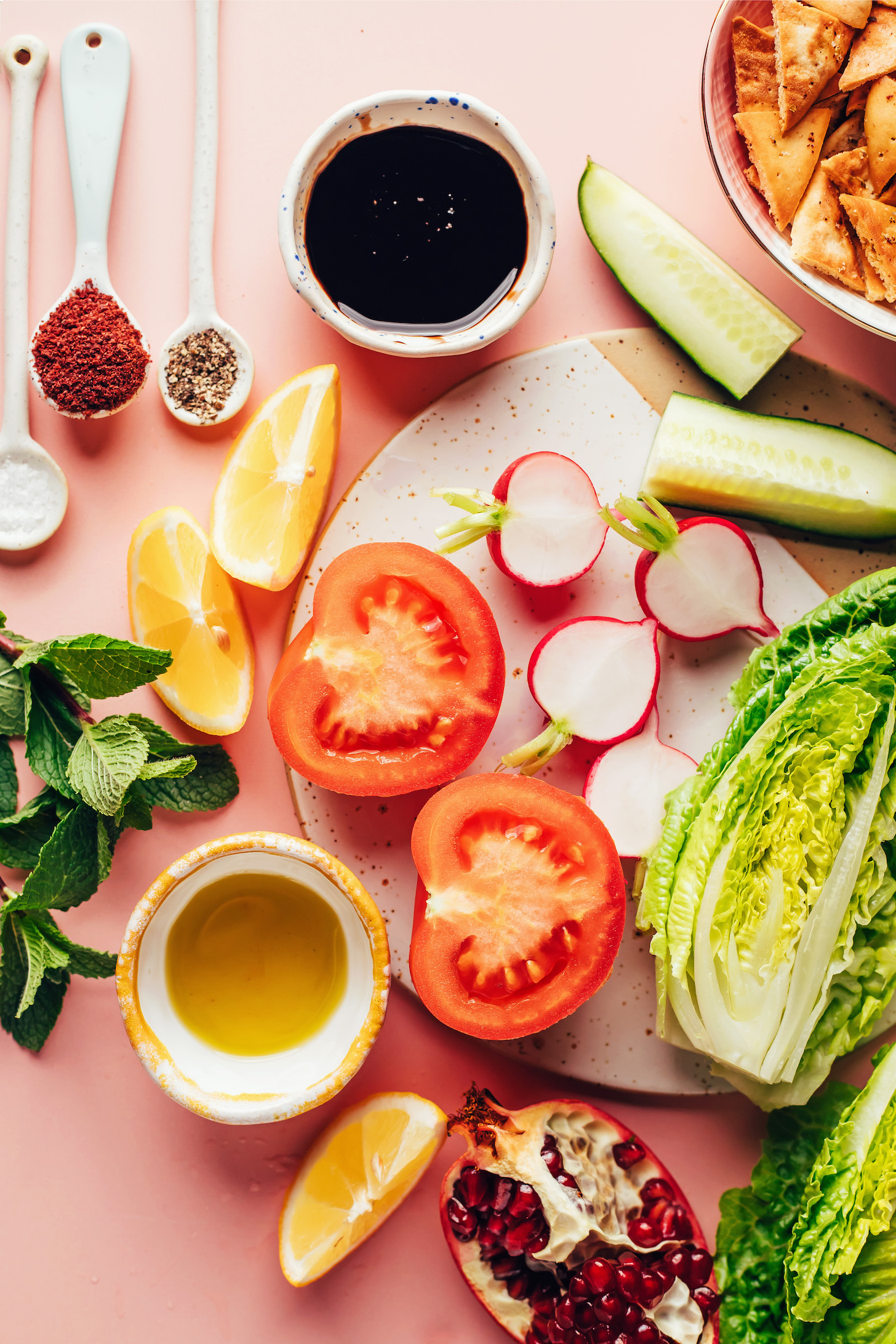
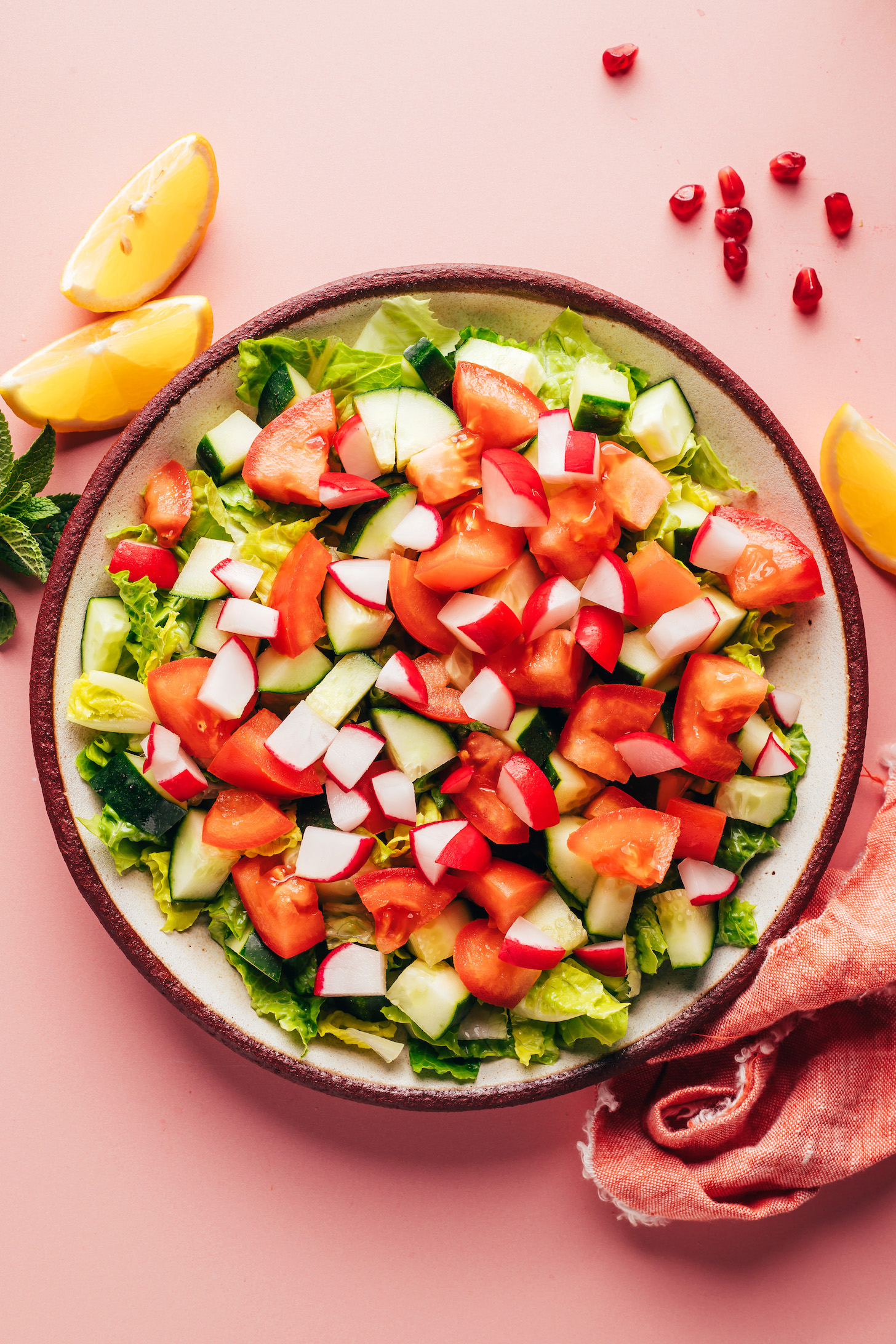
- Minute 0–10: The Harvest and Chop. The focus is on the mechanical preparation of cucumbers (preferably Persian or Lebanese for their thin skin), tomatoes, and radishes.
- Minute 10–15: The Direct-to-Bowl Dressing. In a departure from standard culinary practices that require whisking dressing in a separate vessel, this method applies lemon juice, pomegranate molasses, sumac, salt, and pepper directly onto the vegetables.
- Minute 15–20: The Finishing Touches. The final phase involves the integration of fresh mint leaves, pomegranate arils, and the crucial element—pita chips.
Optional Technical Processes: Homemade Pita Chips
For those not utilizing store-bought options, the recipe provides a secondary technical track for creating artisanal pita chips. This process involves preheating an oven to 350°F (180°C), slicing gluten-free or standard pita into triangles, and seasoning them with olive oil, oregano, sumac, and sea salt. This sub-process, while extending the prep time by approximately 12 minutes, aligns with the traditional ethos of using high-quality, toasted bread to provide the "crunch" that defines the dish.
Supporting Data: Nutritional Integrity and Ingredient Science
The efficacy of the Easy Fattoush Salad is supported by a detailed nutritional profile and an analysis of its chemical components.
Quantitative Nutritional Analysis
Based on a standard side-serving size (the recipe yields four), the nutritional breakdown is as follows:
- Energy: 127 calories
- Macronutrients: 21.6g Carbohydrates, 4.1g Fat, 2.8g Protein.
- Micronutrients: 14mg Vitamin C (23% DV), 562 IU Vitamin A, 63mg Calcium, and 1.8mg Iron.
- Sodium and Fiber: 138mg Sodium and 4g Fiber.
This data suggests that the salad is a low-calorie, high-micronutrient option, making it an ideal candidate for those following the Mediterranean Diet—a dietary pattern consistently ranked by health experts as one of the healthiest in the world.
The Role of Acid and Tannin
The flavor profile of this Fattoush relies on two specific ingredients: Sumac and Pomegranate Molasses.
- Sumac: Derived from the dried and ground berries of the Rhus coriaria shrub, sumac provides a bright, astringent quality without the liquid volume of vinegar. It contains high levels of antioxidants, specifically polyphenols.
- Pomegranate Molasses: This is a fruit juice reduction that provides a complex balance of sugar and acid. Its viscous nature allows it to coat the romaine leaves more effectively than a standard vinaigrette, ensuring that the flavors of the "one-bowl" method are evenly distributed.
Ingredient Selection and Sustainability
The recipe emphasizes the use of seasonal, homegrown vegetables to maximize flavor. It specifically recommends Persian or Lebanese cucumbers over English varieties due to their superior flavor-to-water ratio. This focus on ingredient quality serves as a qualitative metric for the success of the dish, as the simplicity of the preparation requires the raw components to be at their peak ripeness.
Official Responses: The "Minimalist Baker" Philosophy
While there is no "official" government response to a salad recipe, the editorial team at Minimalist Baker has provided insights into the design of this dish. The platform’s philosophy centers on recipes that require 10 ingredients or less, one bowl, or 30 minutes or less of preparation.
In their editorial commentary, the creators describe the salad as "refreshing, tart-sweet, and quick." They emphasize that the dish is an "inspired take" on the Levantine classic, acknowledging the cultural roots while giving themselves the creative license to adapt it for a global, fast-paced audience.
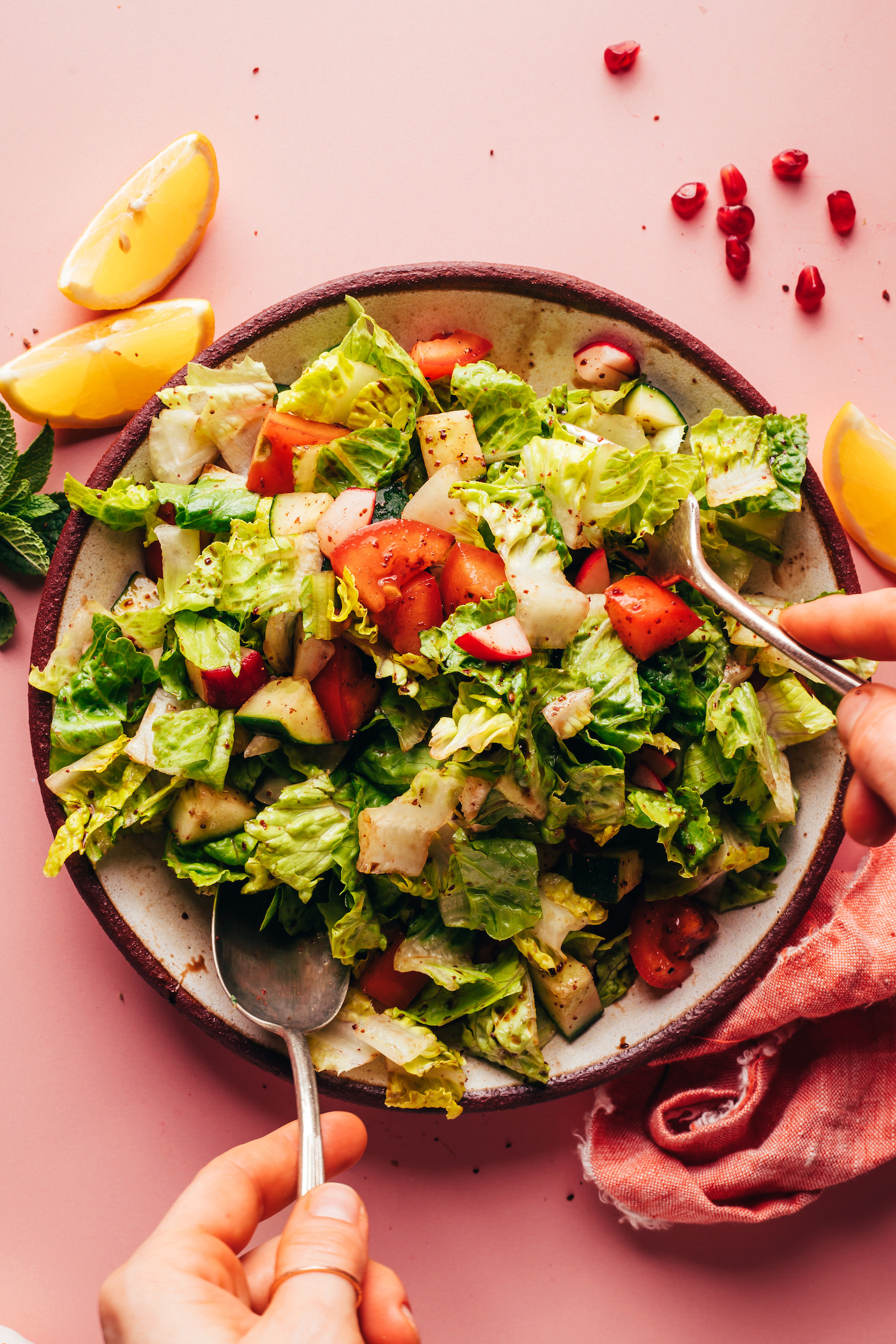
The response from the digital community has focused on the "one-bowl" aspect. By eliminating the need for separate dressing containers and multiple cutting boards, the recipe addresses a common pain point in home cooking: cleanup. The platform also addresses inclusivity by offering gluten-free pita alternatives and keeping the entire dish vegan, ensuring that the recipe is accessible to the widest possible demographic.
Implications: The Globalization of Regional Flavors
The release and popularity of this 20-minute Fattoush have several broader implications for the culinary industry and consumer behavior.
The "Fast-Casual" Home Cooking Trend
This recipe is part of a larger trend where home cooks are looking to replicate "fast-casual" restaurant quality in their own kitchens. As Mediterranean chains like CAVA and Mezeh see record growth, the demand for "bowl-style" meals that are healthy yet flavorful has surged. The 1-bowl Fattoush meets this demand, proving that complex, international flavors do not necessarily require complex techniques.
Cultural Preservation vs. Adaptation
The simplification of traditional dishes like Fattoush often sparks a debate between authenticity and accessibility. However, the implication of this modernized recipe is one of cultural bridge-building. By introducing sumac and pomegranate molasses to a wider audience through a "weeknight-friendly" lens, these ingredients become staples in the global pantry, thereby preserving the flavors of the Levant in a new context.
Health and Environmental Impact
As the global population shifts toward more plant-based eating to combat climate change and chronic health issues, recipes like this serve as a vital resource. The Easy Fattoush Salad is naturally vegan and can be turned into a complete protein source with the addition of chickpeas, as suggested by the authors. This aligns with the EAT-Lancet Commission’s recommendations for a "Planetary Health Diet," which emphasizes high vegetable intake and low environmental impact.
Future Outlook
The success of this streamlined Fattoush suggests a future where digital recipe development will continue to focus on "efficiency metrics." We can expect to see more traditional regional dishes—from Thai curries to West African stews—reimagined through the "one-bowl, 20-minute" framework. As long as the core flavor profiles (like the tartness of sumac in this instance) are maintained, these adaptations will continue to dominate the digital food landscape.
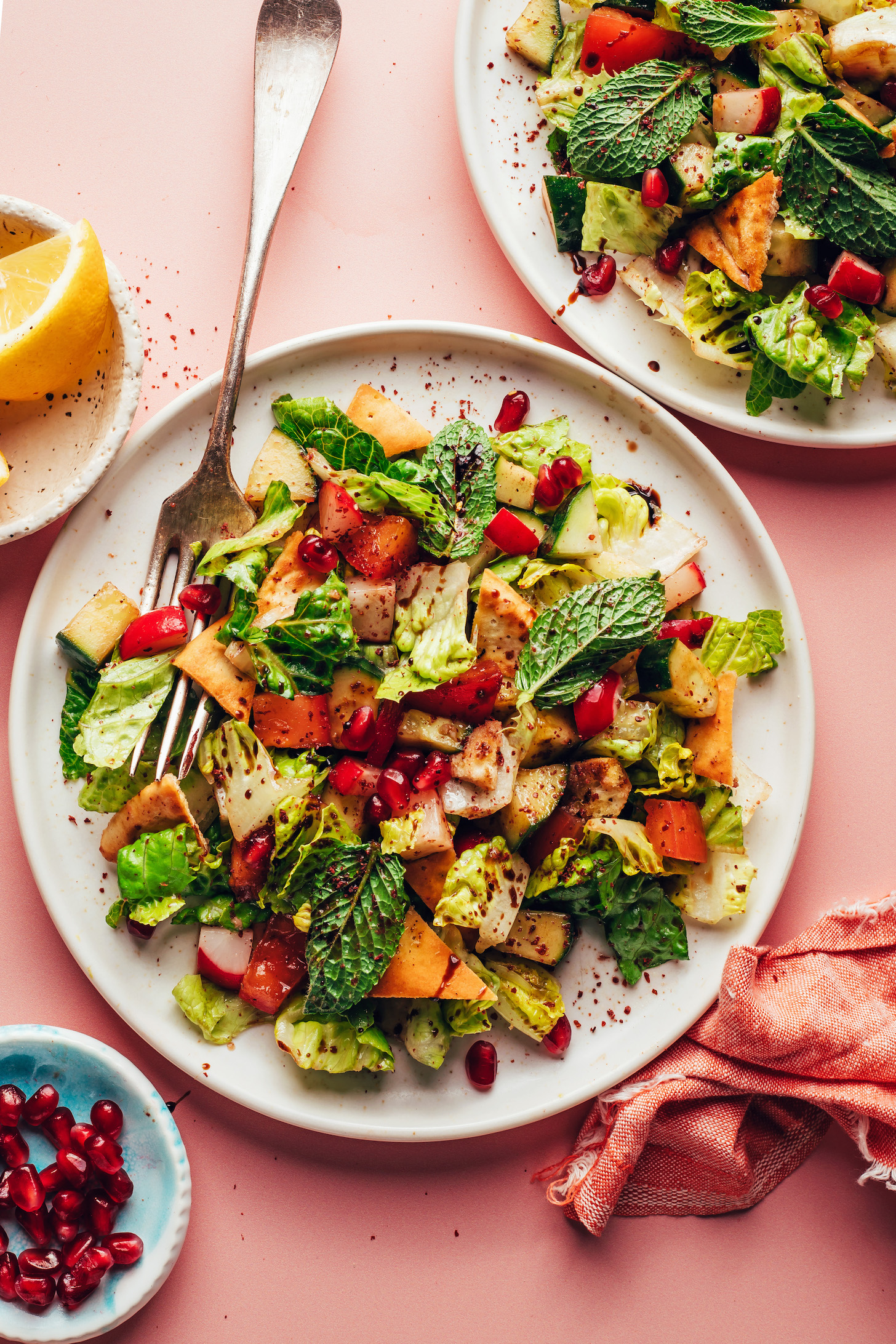
In conclusion, the Minimalist Baker Easy Fattoush Salad is more than just a recipe; it is a technical solution to the modern dilemma of time-poverty versus the desire for healthy, culturally rich food. By combining the ancient wisdom of the Levant with contemporary kitchen efficiency, it provides a blueprint for the future of the home-cooked meal.