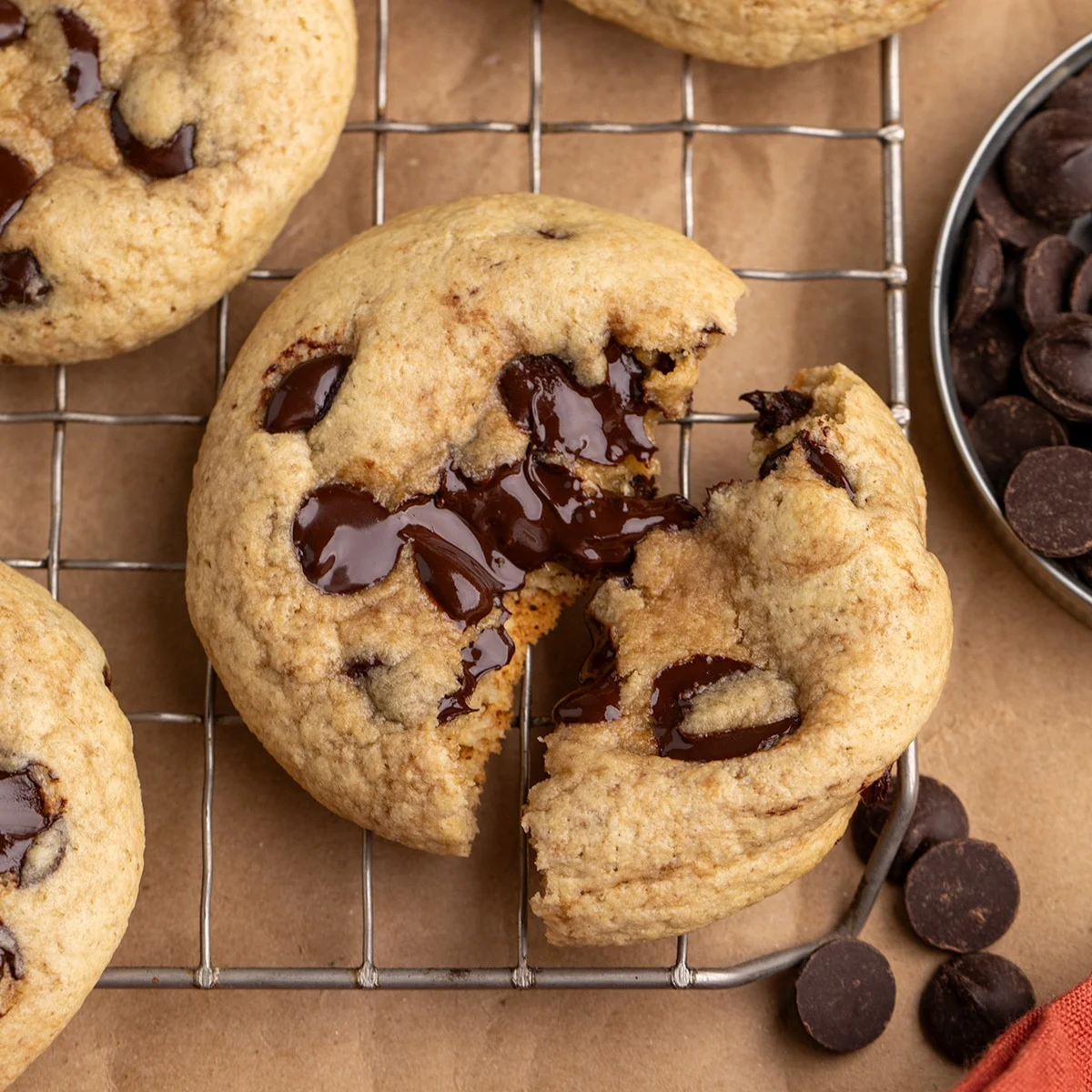
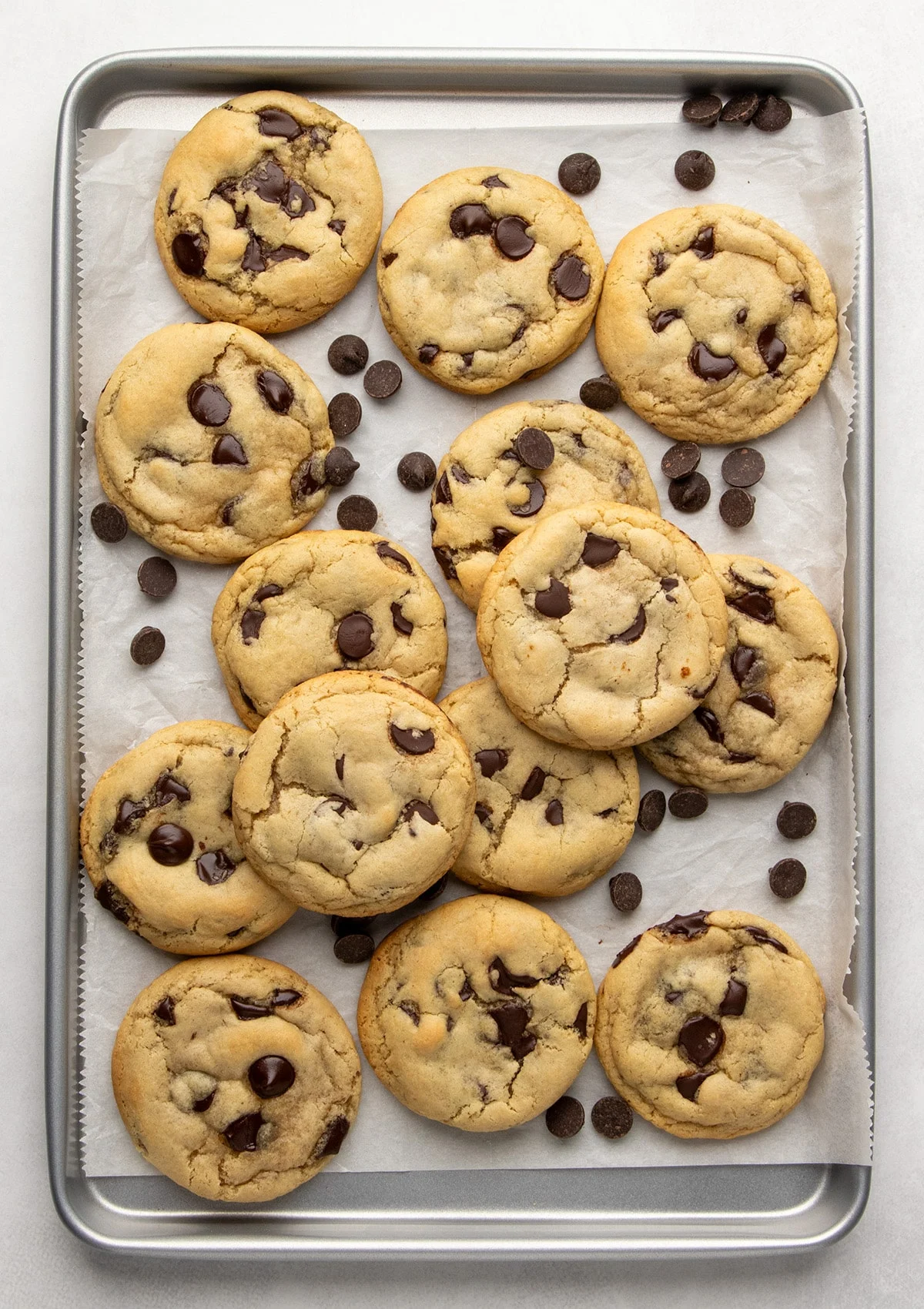
For many, the pursuit of the "perfect" chocolate chip cookie is a lifelong culinary quest. When that quest must navigate the restrictive landscapes of gluten-free and dairy-free baking, it often feels more like a chemistry experiment gone wrong. Traditional recipes that simply swap ingredients often result in greasy, flat, or crumbly disappointments. However, a new approach is shifting the paradigm, proving that with the right technique, those with dietary restrictions can achieve the quintessential cookie: thick, soft-centered, and boasting those elusive crisp edges.
Main Facts: The Science of the Perfect Cookie
The fundamental challenge in gluten-free and dairy-free (GFDF) baking lies in the lack of structure provided by gluten and the distinct chemical behavior of plant-based fats. Standard dairy butter contains water and milk solids that contribute to browning and structure; vegan butter, conversely, behaves differently under heat.
The breakthrough in this methodology is the rejection of the "cream-the-butter-and-sugar" technique. Instead, the recipe employs a "cut-in" method—similar to making pie crust—where cold, block-style vegan butter is incorporated into dry ingredients. This prevents the fat from reaching a liquid state too early, which is the primary culprit behind the dreaded "greasy puddle" cookie.

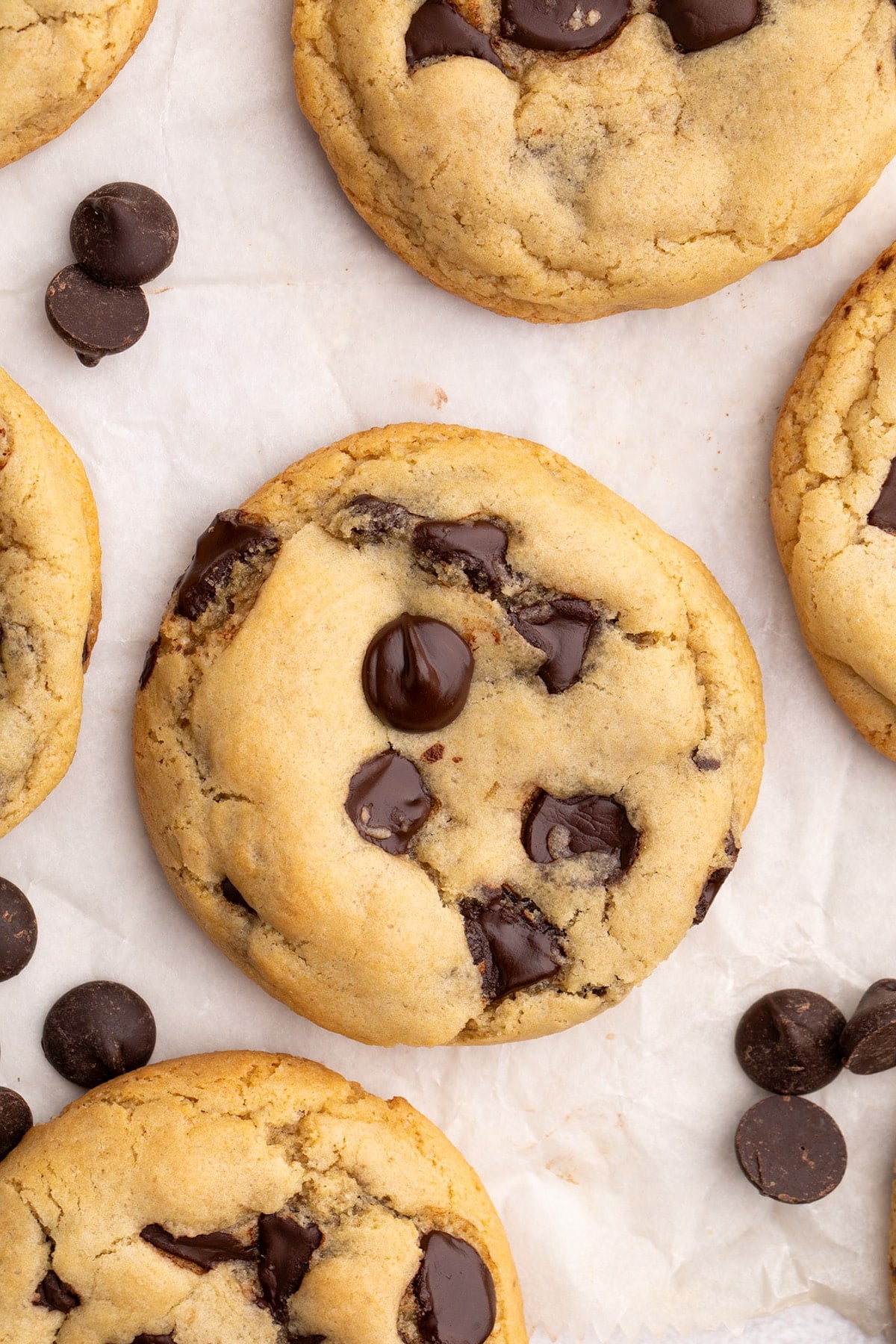
By integrating almond flour, bakers introduce essential moisture and a depth of flavor that mimics the richness of dairy. When executed with precision, the result is a cookie that holds its shape, browns beautifully, and maintains a tender crumb that defies its ingredient constraints.
Chronology: A Step-by-Step Culinary Blueprint
To achieve professional results, consistency and temperature control are non-negotiable. The process is broken down into specific, scientifically backed phases:
1. Preparation of Dry Ingredients
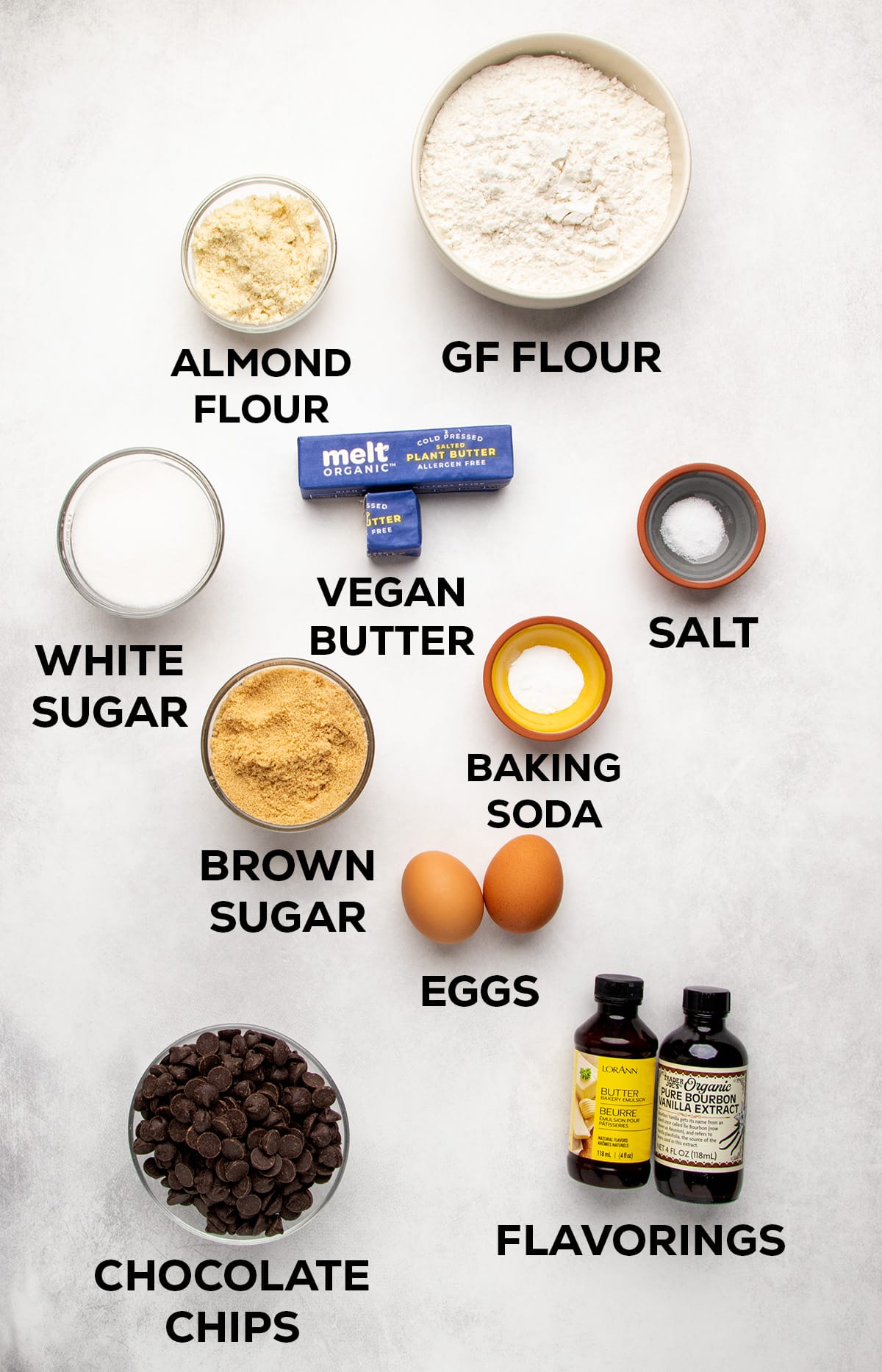
The foundation begins with a uniform mix. Whisking the gluten-free flour blend—ensuring it contains xanthan gum—with almond flour, salt, baking soda, and both granulated and light brown sugars creates a dry base that ensures the leavening agents are evenly distributed.
2. The Cold-Cut Method
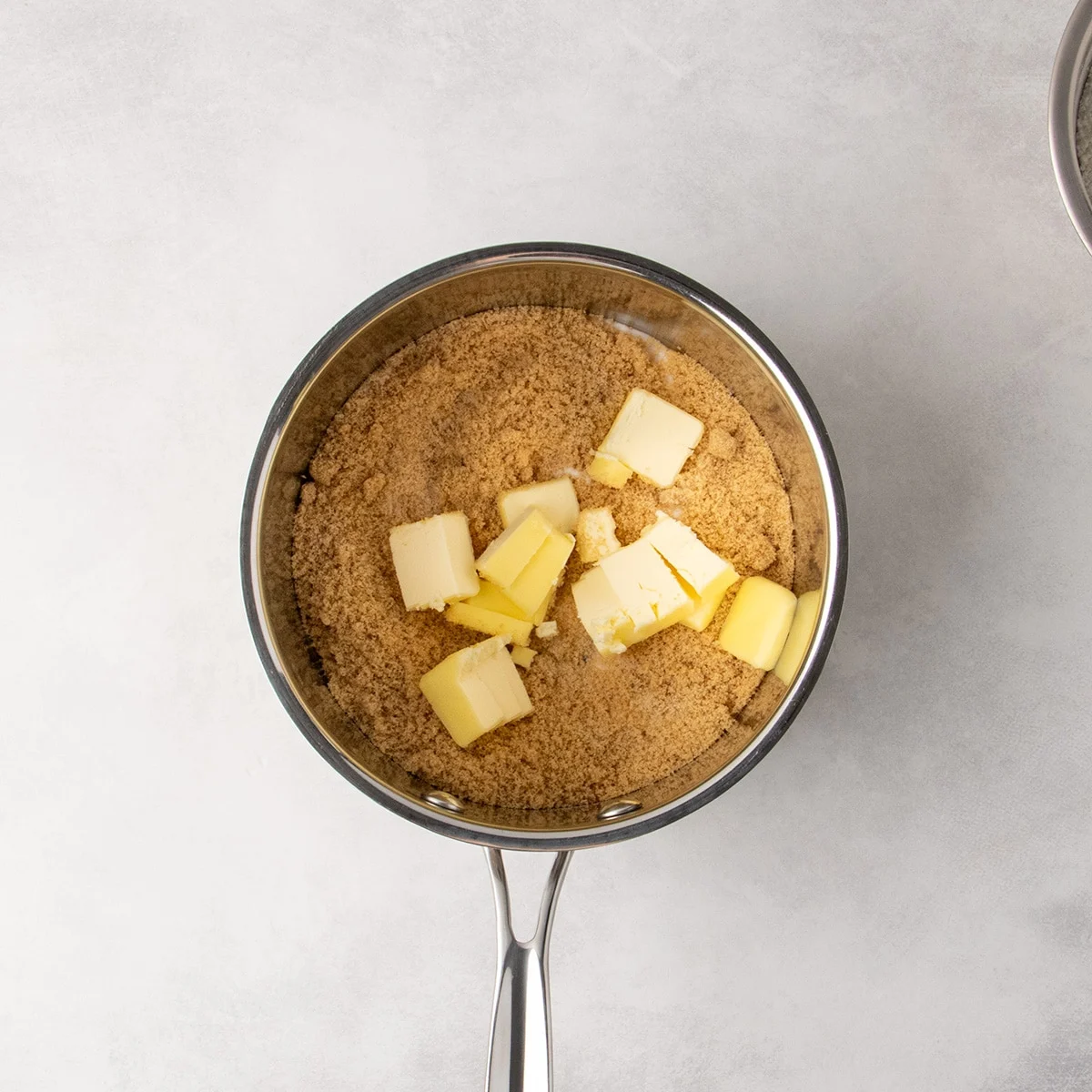
This is the most critical juncture. By using cold, block-style vegan butter and cutting it into the dry mixture using a fork or pastry cutter, the baker preserves the integrity of the fat. This ensures the fat remains in small, solid particles rather than dissolving into the sugar, which is what causes cookies to spread excessively in the oven.
3. Emulsification and Dough Formation
Once the butter is evenly distributed, the wet ingredients (eggs and flavorings) are added. The goal here is "cohesion without heat." Over-mixing at this stage can warm the dough, undoing the work of keeping the butter cold. Once the chocolate chips are folded in, the dough should be portioned immediately.
4. The Chill Factor
Portioning the dough into two-ounce balls before chilling them for approximately ten minutes is not a mere suggestion; it is a structural necessity. Chilling allows the fats to solidify further, ensuring that the cookies rise upward in the oven rather than outward.
5. Precision Baking
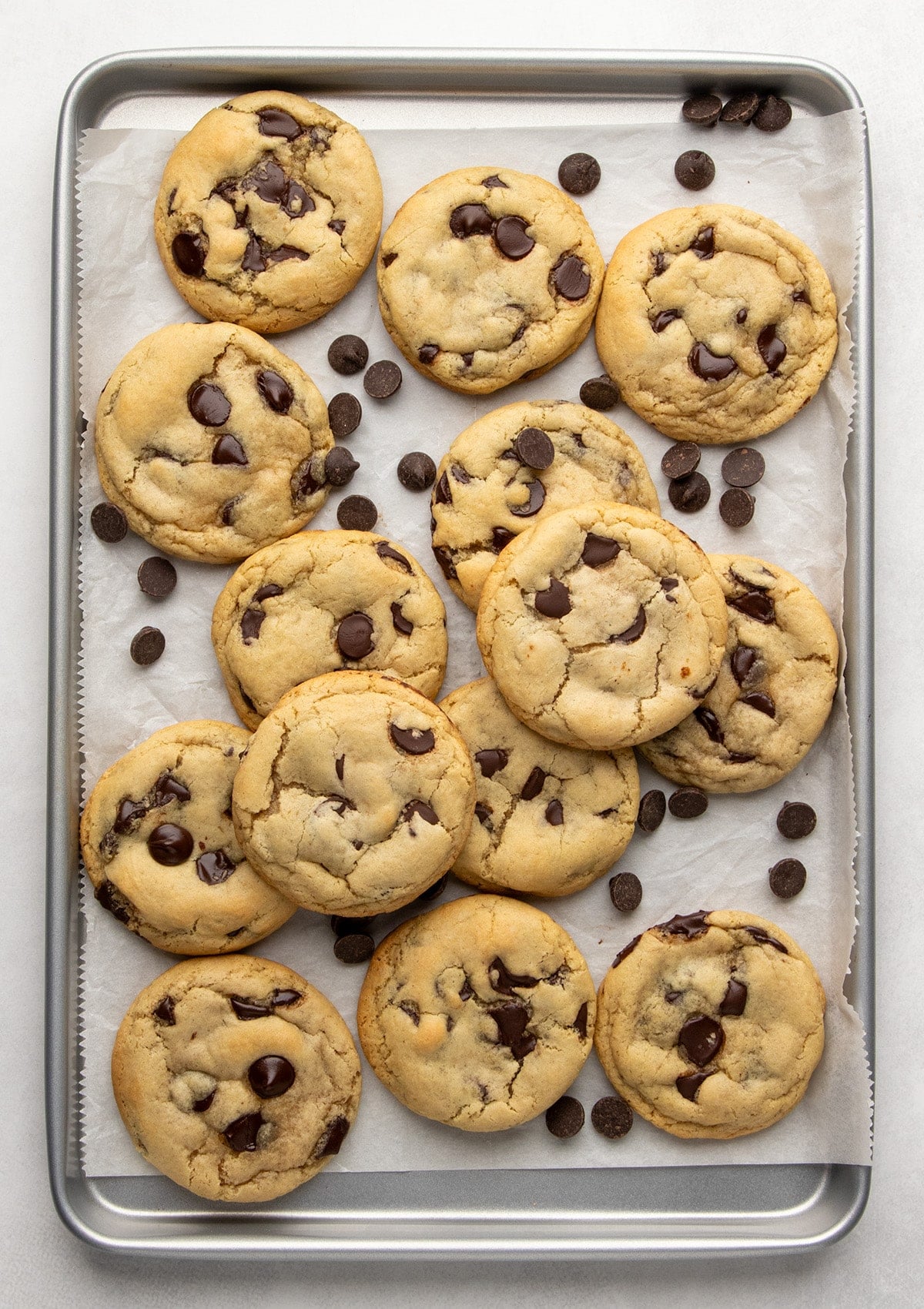
Baking at 350°F for approximately ten minutes is the final step. The cookies should be removed while the centers appear slightly underbaked. Carryover heat will finish the process, ensuring the center remains soft for days rather than turning into a rock-hard biscuit.
Supporting Data: Understanding Ingredient Performance
Success in this recipe is heavily dependent on the quality and type of ingredients used.
- Block-Style Vegan Butter: Unlike tub-based vegan spreads, which contain high water content and emulsifiers that break down easily, block-style butter provides the necessary fat-to-water ratio to support structure.
- The Role of Almond Flour: Gluten-free flour blends, while essential, can sometimes result in a "chalky" texture. Almond flour adds natural oils and proteins that improve the "chew" of the cookie.
- Nutritional Profile: While these cookies are designed for taste, they are nutrient-dense. A single serving contains approximately 264 kcal, with 13g of fat and 3g of protein. While they are a treat, the use of almond flour introduces healthy monounsaturated fats and a higher fiber content than traditional refined-flour cookies.
Official Guidance and Expert Tips
For home bakers looking to replicate these results, the following expert guidelines should be prioritized:
- Avoid Cold Baking Sheets: While chilling the dough is essential, the pan itself should be at room temperature when it enters the oven. Placing a cold pan into a hot oven creates a thermal shock that can lead to uneven baking and dry edges.
- Weight vs. Volume: When dealing with gluten-free flour, volume measurements are often inaccurate due to settling. Using a digital kitchen scale is the only way to ensure the ratio of flour to fat remains consistent, which is the difference between a bakery-quality cookie and a kitchen disaster.
- The "Bakery Emulsion" Advantage: While pure vanilla is the standard, using a butter bakery emulsion adds a nuanced, professional flavor profile that masks the potential "nuttiness" of some gluten-free blends.
Implications: The Future of Inclusive Baking
The success of this recipe carries significant implications for the future of dietary-inclusive cooking. Historically, individuals with Celiac disease or dairy allergies were forced to accept a compromise in quality. The "good, for gluten-free" mentality is increasingly becoming a relic of the past.
This recipe demonstrates that by applying traditional pastry techniques—like those used in making biscuits or scones—to modern dietary needs, the gap between "standard" and "restricted" baking can be bridged. It empowers home cooks to host events where every guest can enjoy the same high-quality dessert without feeling like an afterthought.
Furthermore, the versatility of the substitutions provided—such as the use of hazelnut flour for those with almond allergies or "chia eggs" for those with egg sensitivities—shows that this framework is robust enough to handle further personalization. As the market for high-quality, allergen-friendly ingredients continues to grow, the ability to bake professional-grade goods at home will become not just a luxury, but a standard expectation.
Managing Storage and Longevity
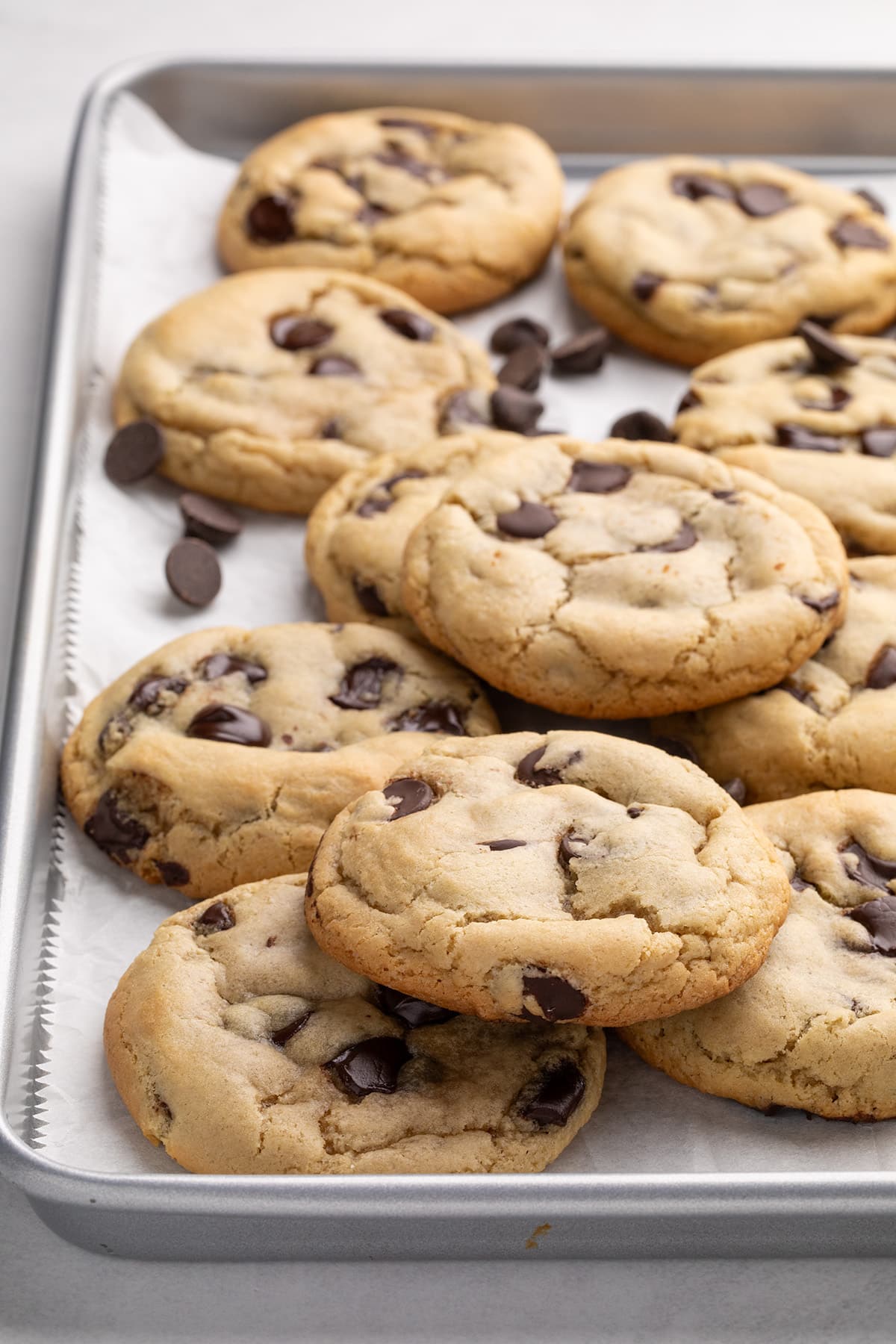
One of the most common complaints regarding homemade cookies is that they lose their freshness within 24 hours. This recipe combats that through its high-fat content and the inclusion of almond flour. If managed correctly, the dough can be stored in the refrigerator for up to one week, allowing for fresh-baked cookies on demand. For those looking to batch-bake, the finished product holds up exceptionally well for five days at room temperature in an airtight glass container, or up to three months in the freezer.
A Note on Flour Blends
It is worth noting that not all gluten-free flour blends are created equal. The efficacy of this recipe relies on a well-balanced blend—specifically one that mimics the protein-to-starch ratio of wheat flour. Using a blend like Better Batter or a custom mix is recommended. If using a blend that lacks xanthan gum, it is imperative to add it manually to ensure the cookies do not fall apart.
In conclusion, the path to a perfect gluten-free and dairy-free chocolate chip cookie is not found in complex ingredients, but in the intelligent application of heat and timing. By respecting the chemical limitations of vegan fats and utilizing the textural benefits of almond flour, the humble chocolate chip cookie is reclaimed as a joy for everyone, regardless of dietary needs.