In the landscape of modern home cooking, where the quest for efficiency often battles the desire for gourmet quality, the humble carrot has undergone a remarkable transformation. Once relegated to the status of a mundane soup ingredient or a mushy, over-boiled afterthought on holiday dinner plates, the glazed carrot is experiencing a well-deserved renaissance. By marrying the natural, earthy sweetness of the root with a sophisticated, savory-sweet glaze, this dish has become the gold standard for both high-stakes holiday hosting and the frantic pace of the average Tuesday night.
Main Facts: The Anatomy of a Perfect Side Dish
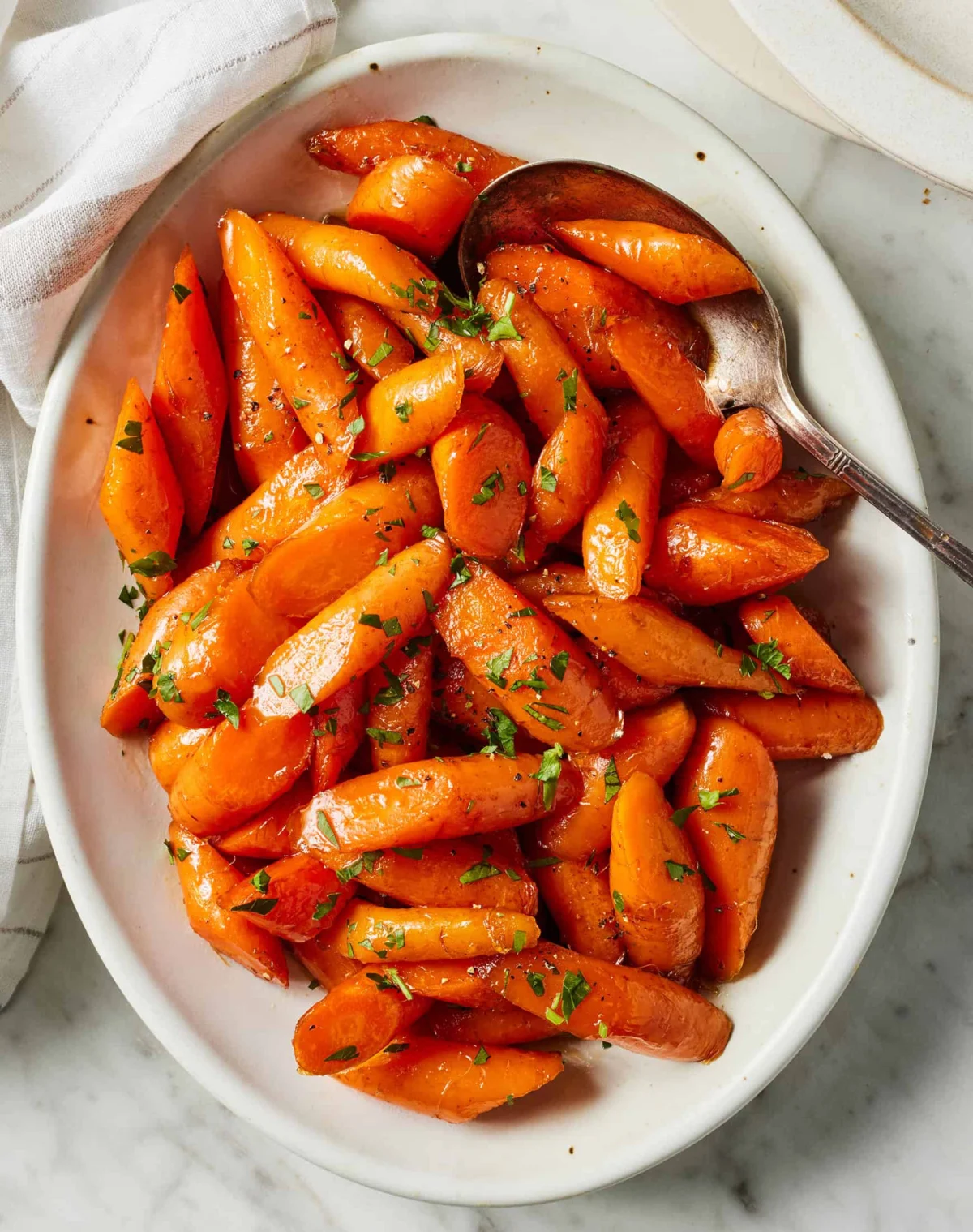
At its core, the appeal of a well-executed glazed carrot lies in the delicate balance of texture and flavor. The objective is to achieve a vegetable that is tender enough to be easily pierced by a fork, yet firm enough to retain an al dente bite. This is a departure from the traditional, often maligned, "mushy" preparation that characterized many mid-century holiday meals.
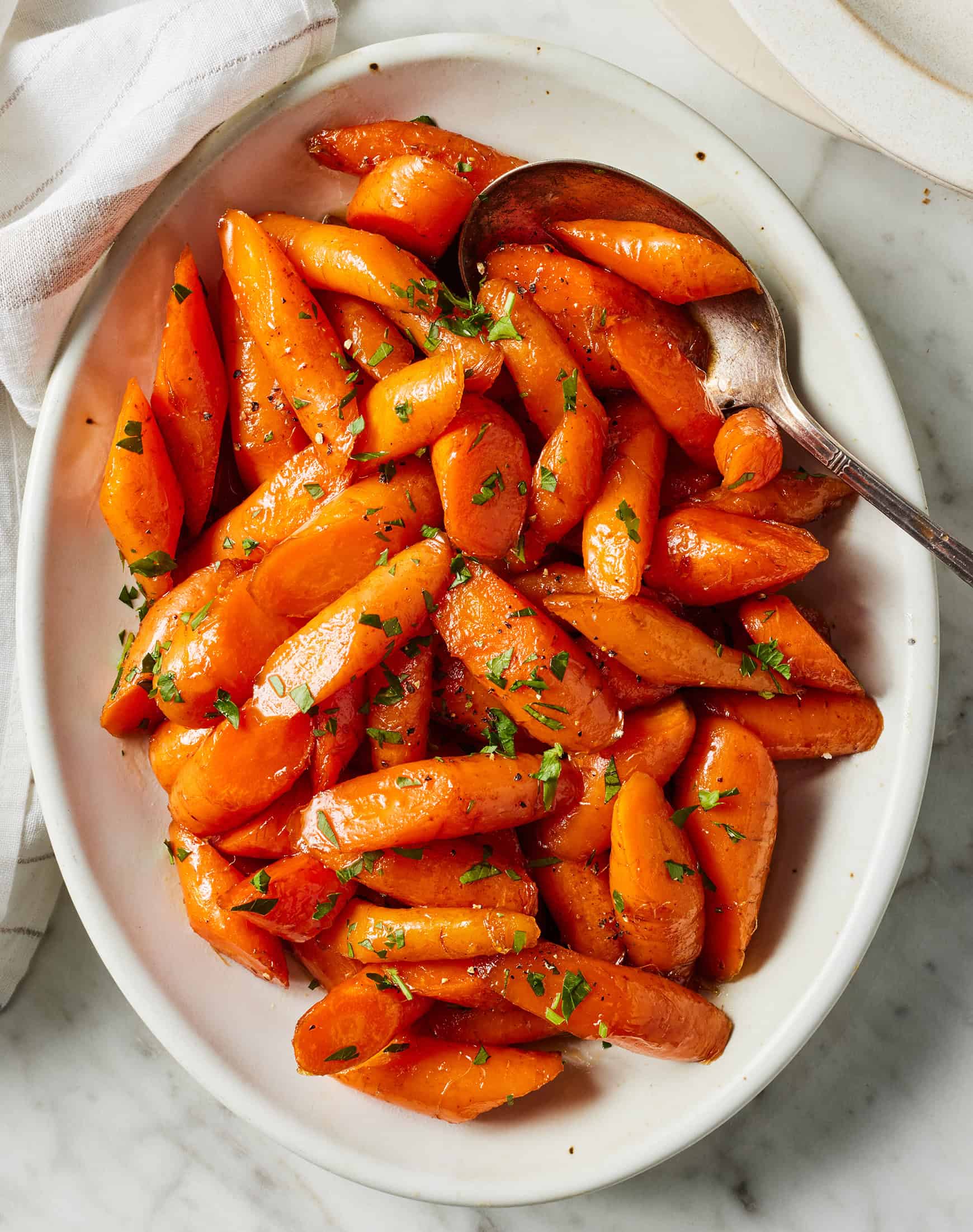
The primary mechanism for this elevation is the glaze—a concentrated reduction that clings to the carrot’s surface, amplifying its natural sugars. Whether utilizing deep, molasses-forward brown sugar or the floral, nuanced sweetness of honey, the goal remains the same: to create a glossy, appetizing finish. By incorporating savory counterpoints—specifically fresh garlic, citrus notes, and a rigorous application of salt and black pepper—the dish transcends the one-dimensional sweetness that often renders carrot recipes unpalatable.
This recipe is not merely a side dish; it is a strategic tool in the arsenal of the modern home chef. Because it is prepared entirely on the stovetop, it offers a crucial logistical advantage: it preserves valuable oven real estate during the preparation of complex roasts, gratins, or holiday turkeys.
Chronology: From Childhood Nostalgia to Culinary Refinement
The journey of the glazed carrot is deeply rooted in the history of domestic cooking. For generations, brown sugar-glazed carrots were a staple of celebratory tables, particularly during Easter and Thanksgiving. However, for many, these memories are tinged with the experience of overcooked, overly saccharine vegetables.
The Shift in Technique
In the past decade, there has been a notable shift in culinary philosophy regarding root vegetables. Professional chefs and home gourmands alike have moved away from the "boil-until-soft" mentality. The modern approach emphasizes precision:
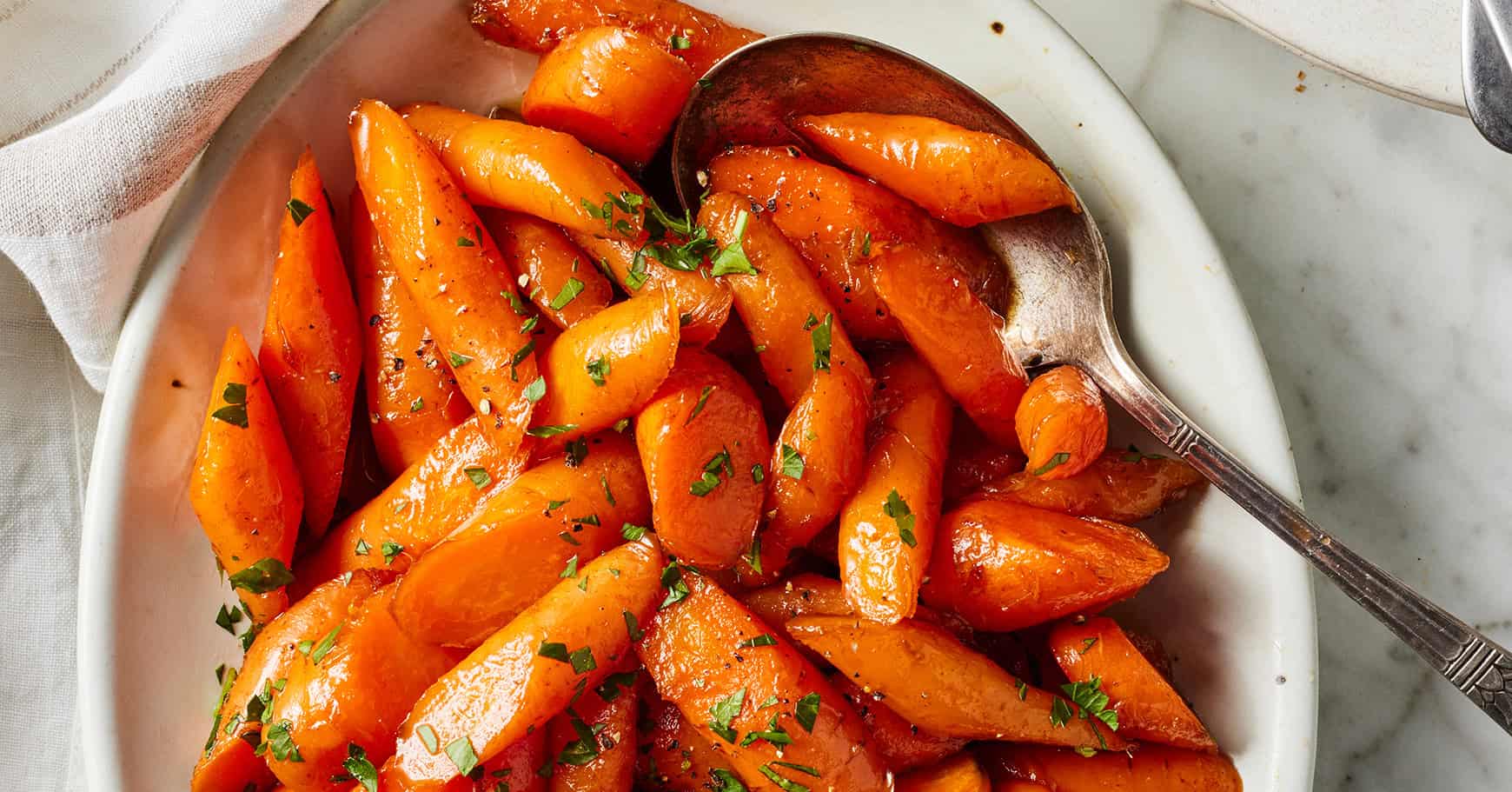
- Preparation: Carrots are sliced into uniform coins or batons to ensure even cooking, preventing the disparity between raw centers and disintegrated edges.
- The Sauté Phase: Rather than simply boiling the carrots in water, many contemporary recipes now utilize a combination of butter and a small amount of liquid, allowing the carrots to braise gently. This retains the vegetable’s structural integrity.
- The Glaze Reduction: The final stage of the process involves high-heat tossing, where the sugars caramelize slightly, creating a rich, lacquer-like coating that intensifies the color and flavor.
Supporting Data: The Nutritional Profile
While the primary allure of this dish is its flavor, the nutritional profile of the carrot remains a compelling argument for its inclusion in a balanced diet. Carrots are globally recognized as a powerhouse of nutrition, particularly regarding beta-carotene, which the body converts into Vitamin A.
According to nutritional data, a single serving of these glazed carrots provides over 500% of the recommended daily value of Vitamin A. Despite the addition of sweeteners like brown sugar or honey, the dish maintains a relatively lean profile when prepared correctly, with significant fiber content—approximately 4 grams per serving—which aids in digestion and satiety.
| Nutrient | Amount per Serving | % Daily Value* |
|---|---|---|
| Calories | 181 | – |
| Total Fat | 10g | 15% |
| Sodium | 398mg | 17% |
| Carbohydrates | 24g | 8% |
| Fiber | 4g | 17% |
| Vitamin A | 25,259 IU | 505% |
*Based on a 2,000-calorie diet.
The inclusion of healthy fats—derived from the butter or oil used to emulsify the glaze—facilitates the absorption of the fat-soluble vitamins found in the carrots. This synergy between fat and vegetable is a fundamental principle of culinary science that makes this dish both nourishing and indulgent.
Official Perspectives: The Philosophy of the "Easy" Side Dish
Culinary experts frequently cite the "glazed carrot" as the quintessential example of "accessible luxury." In an era where many consumers feel overwhelmed by the complexity of modern recipes, the glazed carrot stands out for its high reward-to-effort ratio.
The Stovetop Advantage
Professional catering directors and home economics experts alike emphasize the "stovetop factor." During holiday seasons, the oven is almost always at capacity. A recipe that can be managed in a single skillet on a burner allows for a seamless workflow.
"The secret is not in the ingredients, but in the patience," notes one culinary consultant. "By allowing the glaze to reduce down to a thick, syrup-like consistency before the final toss, you ensure the flavor is concentrated. If you rush this step, you end up with watery carrots. If you respect the time, you end up with a restaurant-quality side dish."
Implications: Why This Dish Matters for Modern Lifestyles
The enduring popularity of this recipe has significant implications for how we view home cooking in the 21st century.
1. The Democratization of Gourmet
Recipes like this prove that "gourmet" does not have to mean expensive or time-consuming. With a few staples—carrots, a sweetener, a fat source, and aromatics—a cook can produce a result that looks and tastes like a restaurant creation. This accessibility is vital for encouraging people to return to the kitchen.
2. Efficiency as a Culinary Value
The modern lifestyle is defined by time constraints. The ability to prepare this dish in advance, store it in an airtight container, and reheat it without sacrificing texture has made it a favorite for meal-prep enthusiasts. The fact that the dish remains viable for up to three days in the refrigerator speaks to the durability of the root vegetable when treated with care.
3. Culinary Flexibility
The shift toward more savory versions of this dish—incorporating garlic, lemon juice, and even fresh herbs like thyme or parsley—signals a broader trend in food culture: the move toward balanced flavor profiles. We are no longer satisfied with simple sweetness; we demand complexity. The integration of acid (lemon) against the sweetness (honey/sugar) creates a "bright" flavor profile that cuts through the richness of other holiday foods like gravy-laden meats or buttery mashed potatoes.
Conclusion: A Staple for the Future
The glazed carrot is more than just a recipe; it is a testament to the idea that simple ingredients, when treated with respect and technique, can become the centerpiece of a meal. As we continue to navigate the demands of modern life, the recipes that will survive and thrive are those that provide comfort, reliability, and undeniable flavor. Whether you are hosting a formal Thanksgiving dinner or trying to get a healthy, vibrant side dish onto the table on a busy Wednesday night, the glazed carrot remains an indispensable ally in the kitchen. By focusing on the al dente texture, the depth of the glaze, and the addition of savory aromatics, any home cook can master this timeless, and now elevated, classic.