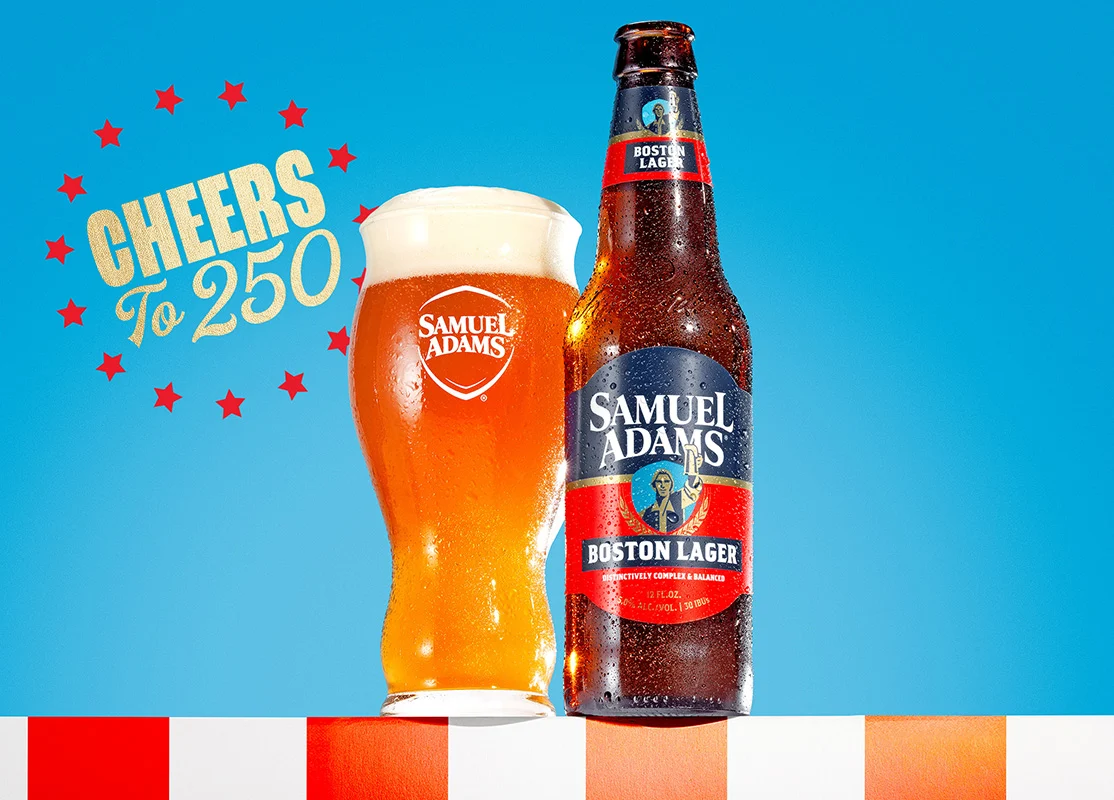
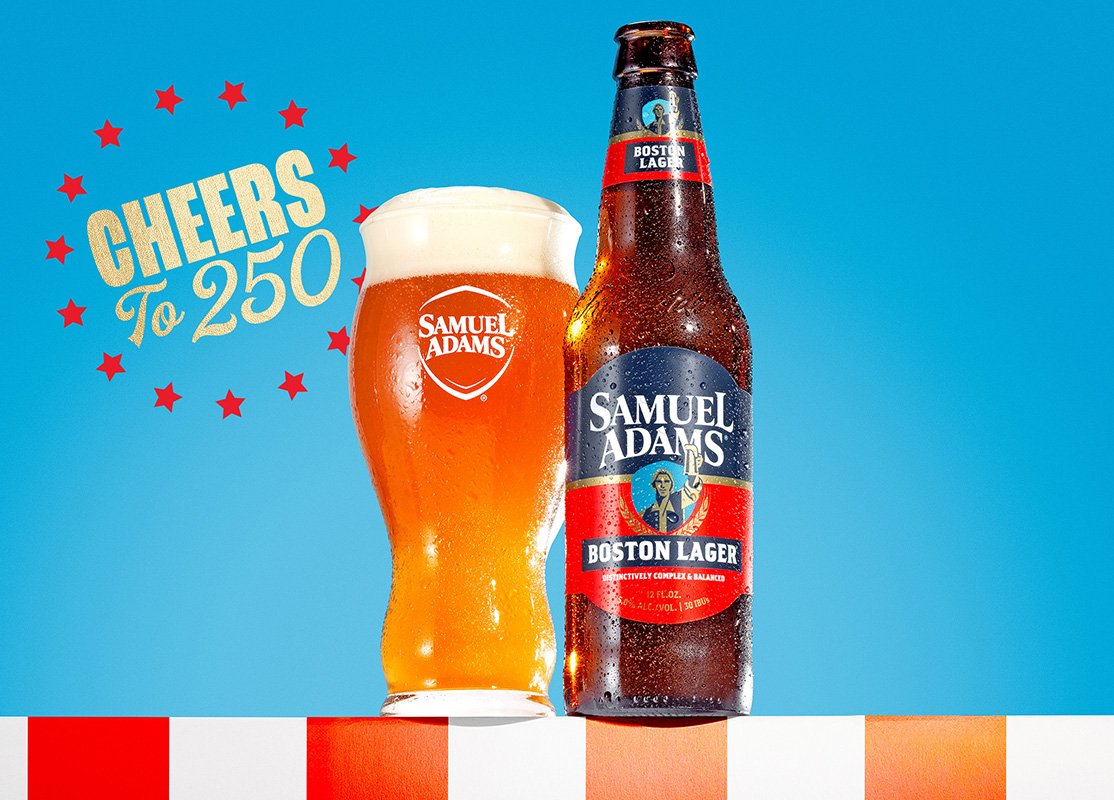
As the United States marks its 250th anniversary—a milestone of resilience, innovation, and historical evolution—few consumer products feel as quintessentially American as the amber-hued contents of a Samuel Adams Boston Lager bottle. More than just a refreshment, this beer has become a cultural touchstone, standing as a testament to the spirit of independence that defined the nation’s birth and, subsequently, the rebirth of the American craft beer industry.
Named after the firebrand revolutionary Samuel Adams, the beer was brewed from a 19th-century family recipe resurrected by founder Jim Koch. Over the past four decades, it has evolved from a grassroots experiment into a national icon. Its journey is a microcosm of the craft movement itself: humble beginnings, a commitment to uncompromising quality, and a profound impact on the global perception of American brewing.
The Genesis of a Movement: A Chronology of Craft
The narrative of Samuel Adams began not in a sterile laboratory, but on the historic, cobblestone streets of Boston in 1984. Jim Koch, a fifth-generation brewer, walked from bar to bar with a briefcase containing samples of his signature lager. At the time, the American beer landscape was dominated by light, industrial lagers that prioritized mass-market accessibility over depth of flavor. Koch’s mission was simple yet radical: to introduce Americans to a beer with character, complexity, and a connection to the traditional brewing arts.
1984: The Briefcase Campaign
Koch’s early strategy was the antithesis of corporate marketing. By engaging directly with bartenders and patrons, he fostered a ground-level appreciation for his product. This period of direct advocacy was essential in building the brand’s authenticity.
1985: The Patriots’ Day Launch and Immediate Acclaim
The official launch on Patriots’ Day in 1985 was a symbolic nod to the city’s revolutionary past. The success was nearly instantaneous. Just six weeks after hitting the market, Boston Lager took home the "Best Beer in America" title at the Great American Beer Festival. This was not a fluke; the brewery would go on to win the same honor for four consecutive years, firmly establishing Boston Lager as the gold standard for the emerging craft scene.
1988: Setting the Industry Standard
By 1988, the company began implementing "freshness dating" on its labels. While now a universal requirement for quality assurance, at the time, it was a revolutionary move that prioritized the consumer’s experience over the convenience of longer shelf life. This act of transparency solidified Samuel Adams as a leader in consumer advocacy.
The Modern Era
From its humble beginnings, the brand grew to include a massive brewery tour center and, eventually, a place in the White House refrigerator, signaling that craft beer had finally graduated from a niche hobby to a staple of American culture.
Quality and Craftsmanship: The Supporting Data
The success of Boston Lager is not merely anecdotal; it is rooted in a rigid adherence to quality that defied the industrial trends of the late 20th century. To understand why the beer became a benchmark, one must examine the variables that distinguish it from mass-market alternatives.
The Reinheitsgebot Benchmark
Early in its history, the Boston Beer Company sought to prove that American beer could compete on the world stage. By meeting the German Reinheitsgebot (Purity Law) standards—which dictate that beer must be brewed only with water, malt, hops, and yeast—the brewery achieved the unthinkable: entry into the West German market. This was a critical validation of the brand’s technical precision.
Ingredients and Process
Boston Lager utilizes a unique blend of Noble hops (Hallertau Mittelfrüh and Tettnang Tettnanger) and a distinct two-row pale malt blend. The fermentation process, which incorporates a longer lagering period than the industry standard, allows for the development of a complex flavor profile that balances a rich malt sweetness with a crisp, floral hop finish. This technical discipline ensures consistency, a factor that helped the company scale without sacrificing the "craft" essence that earned it its initial acclaim.
The Visionary Perspective: Official Reflections
In recent interviews reflecting on the 250th anniversary of the United States, leadership at the Boston Beer Company has emphasized the intersection of national identity and brewing culture.
"When we started this journey, we weren’t just trying to brew a better beer; we were trying to reclaim a piece of American history," notes a company spokesperson. "The entrepreneurial spirit that pushed our founders to walk those Boston streets in 1984 is the same spirit that fueled the pioneers of 1776. It’s about independence—not just from the crown, but from the status quo."
Industry analysts point to this narrative consistency as a key factor in the brand’s longevity. By aligning the product with the American ethos of hard work and self-reliance, the brand has remained relevant even as the market has become saturated with thousands of smaller, regional craft breweries.
Implications: A Future Built on Heritage
As we look toward the next 250 years, the implications of the Samuel Adams success story are profound. The brand has essentially acted as a "gateway" for millions of consumers, moving them from mass-produced domestic lagers to the vast, diverse world of craft beer.

The "Gateway" Effect
The existence of Boston Lager lowered the barrier to entry for the craft category. It provided a flavor profile that was familiar enough to be approachable but sophisticated enough to be transformative. This has directly contributed to the current explosion of the American craft beer industry, which now boasts over 9,000 breweries across all 50 states.
Challenges in a Saturated Market
Despite its legacy, the company faces the ongoing challenge of maintaining its "craft" identity in a landscape that now values hyper-local, experimental brews. The response from the Boston Beer Company has been to lean into its roots while diversifying. By investing in the Samuel Adams "LongShot" competition and maintaining high standards for its core flagship lager, the company continues to balance historical reverence with modern relevance.
A Symbol of Resilience
The enduring nature of Boston Lager suggests that in an era of rapid change and ephemeral trends, there is still a significant market for "The Original." It serves as a reminder that innovation is not always about inventing something entirely new; sometimes, it is about perfecting something that was nearly forgotten.
Conclusion: A Toast to the Future
As the nation celebrates its semiquincentennial, the role of Samuel Adams Boston Lager is more than just that of a refreshment; it is a participant in the American narrative. From the briefcase of a persistent brewer to the shelves of retailers worldwide, its rise reflects the very ideals of the country it shares a name with: the courage to innovate, the discipline to maintain quality, and the audacity to challenge the establishment.
Whether enjoyed during a neighborhood barbecue or a formal anniversary celebration, the beer remains a symbol of American ingenuity. It reminds us that whether it is the formation of a democracy or the brewing of a better beer, the most lasting achievements are those built with patience, craftsmanship, and a deep respect for the legacy that came before.
For those looking to celebrate, the company invites you to visit samueladams.com to find a pack near you and join the conversation on social media at @samueladamsbeer. In a world that is constantly moving, there is something profoundly satisfying about returning to a classic—a beer that, much like the nation itself, continues to age with grace and distinction.