In the landscape of modern nutrition, few ingredients have undergone as dramatic a brand transformation as cottage cheese. Once relegated to the back of the refrigerator as a dated diet staple or a bland side dish, cottage cheese is currently experiencing a culinary renaissance. Leading the charge is the emergence of the "Whipped Cottage Cheese Dip"—a high-protein, versatile, and deceptively simple solution to the age-old problem of finding a healthy, satisfying snack that doesn’t sacrifice texture or flavor.
This article explores the rise of this viral culinary trend, the science behind its newfound popularity, and the specific, expert-tested methods—championed by cookbook author Erin Clarke—that elevate this humble dairy product into a sophisticated, umami-rich appetizer.
Main Facts: The Anatomy of a Perfect Dip
At its core, a cottage cheese dip is an exercise in texture modification. While traditional cottage cheese is known for its signature "curd" texture, the whipped version utilizes high-speed blending to achieve the consistency of a luxurious, aerated cream cheese or sour cream.
The primary appeal of this dip is its nutritional profile. Unlike traditional onion or ranch dips, which are often heavy in saturated fats and devoid of significant protein, whipped cottage cheese offers a substantial macronutrient boost. With roughly 9 grams of protein per serving and only 79 calories, it is a nutritional powerhouse that fits seamlessly into fitness-conscious lifestyles without requiring the ingredient lists of processed store-bought alternatives.

However, the "whipped" movement has faced a hurdle: the inherent mildness of the cheese. As Erin Clarke, the creator behind Well Plated, notes, the secret to a successful dip lies in overcoming the one-dimensional flavor profile of the base. Through iterative testing, Clarke discovered that the missing link in most amateur versions is a lack of depth. By introducing an umami-rich catalyst—specifically Worcestershire sauce—the dip transcends the category of "pureed cheese" to become a legitimate, savory, and complex accompaniment.
The Chronology of the Whipped Trend
The trajectory of this recipe reflects a broader shift in digital food culture. Over the last several years, social media platforms have championed the "high-protein snacking" movement, encouraging home cooks to reimagine staples like Greek yogurt and cottage cheese.
- The Early Adoption Phase: Initial versions of the dip focused on simple sweetness or basic garlic powder additions. While effective, these early attempts were often critiqued for feeling like "diet food"—lacking the indulgence of a true party dip.
- The Texture Breakthrough: As high-speed blenders became standard kitchen equipment, the "whipped" technique surged in popularity. Home cooks discovered that a full two-minute blend could turn grainy curds into a silk-like mousse.
- The Umami Era: The most recent evolution—and the reason for this recipe’s current success—is the integration of savory, fermented, and acidic elements. The addition of dill, fresh herbs, and the strategic use of Worcestershire sauce marks the transition from "healthy hack" to "gourmet dip."
Supporting Data: The Nutritional Advantage
When analyzing the shift toward cottage cheese-based dips, the data supports the enthusiasm. The following nutritional breakdown highlights why this dip is displacing traditional alternatives in home kitchens:
- High-Protein Satiety: With 9g of protein per serving, the dip acts as a satiety tool. Unlike carbohydrate-heavy snacks that cause rapid glucose spikes, the protein-to-fat ratio in this dip promotes longer-lasting fullness.
- Micro-Nutrient Profile: Cottage cheese is naturally rich in calcium and B vitamins. By blending it, consumers are essentially turning a calcium-dense snack into a versatile vehicle for raw vegetables.
- Caloric Efficiency: At 79 kcal per serving, the dip allows for a high volume of consumption. When paired with celery, carrots, or cucumber slices, the caloric density remains remarkably low, making it an ideal "volume eating" food.
Expert Insight: The Clarke Method
Erin Clarke, a prominent figure in the healthy cooking space, has standardized the preparation process to ensure consistent, cafe-quality results. According to her research, the process can be broken down into four distinct, non-negotiable steps:

1. The Blend
It is not enough to simply stir the ingredients. A blender or high-powered food processor is essential to break down the curd completely. The goal is to eliminate all trace of graininess, creating a velvety mouthfeel that mimics high-fat dairy products.
2. The Umami Injection
The addition of Worcestershire sauce is the pivotal differentiator. It provides the depth of flavor typically found in aged cheeses or complex sauces. When balanced with a touch of cayenne and kosher salt, it creates a savory profile that masks the slight tang of the cheese, making the final product indistinguishable from a traditional ranch dip.
3. The Chilling Phase
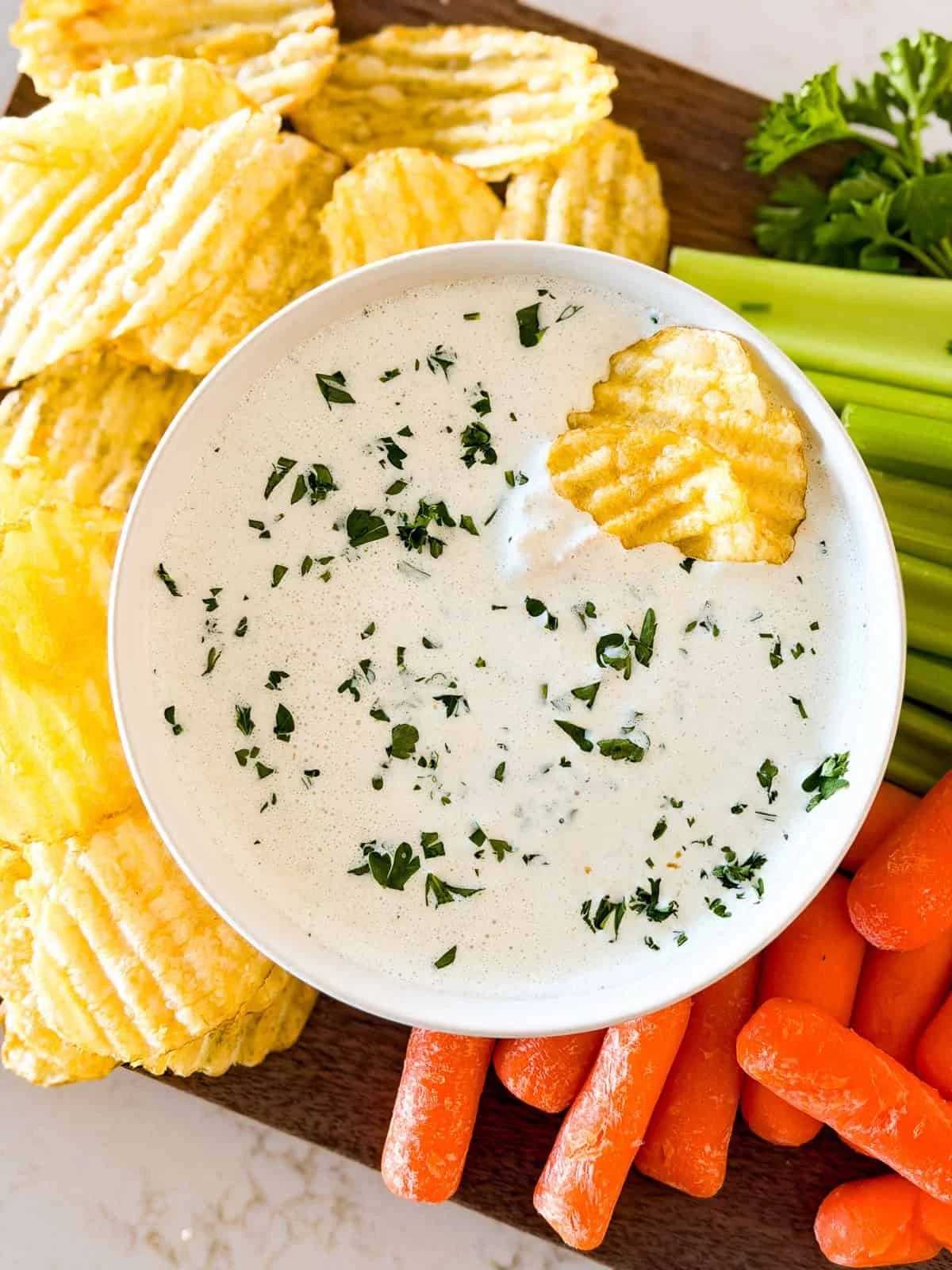
Patience is a technical requirement. After blending, the dip must be refrigerated for at least one hour. This allows the proteins to hydrate and the flavors to meld. Furthermore, the chilling process causes the dip to thicken, ensuring it holds its structure when served with heavier dippers like potato chips or sturdy vegetables.
4. Customization
The beauty of this base is its flexibility. While dill and garlic are the foundational aromatics, the recipe serves as a canvas. Whether incorporating roasted red peppers, sun-dried tomatoes, or fresh chives, the base remains stable enough to support a wide variety of flavor profiles.

Implications for Modern Snacking
The rise of the whipped cottage cheese dip has broader implications for how we view convenience foods. It signals a move away from hyper-processed, shelf-stable snacks toward "assembled" nutrition. By choosing to blend a staple ingredient at home, consumers are gaining control over their sodium intake, avoiding artificial preservatives, and significantly increasing their intake of high-quality dairy protein.
Furthermore, this trend highlights the power of "culinary reframing." By simply changing the texture and adding a few pantry staples, a product previously associated with bland hospital food or restrictive dieting has been reclaimed as a modern, sophisticated party food.
Serving Recommendations: Beyond the Chip
The versatility of the whipped cottage cheese dip extends far beyond the traditional crudité platter. Because of its stable, creamy nature, it serves as an excellent replacement for mayonnaise in sandwiches, a base for chilled pasta salads, or a high-protein spread for toasted sourdough.
For those looking to maximize the "experience" of the snack, pairing the dip with a variety of textures—crunchy potato chips, snap peas, radishes, and toasted pita triangles—creates a balanced sensory profile. As Erin Clarke emphasizes, the key to keeping the snack interesting is the contrast between the cold, smooth dip and the crisp, salty elements accompanying it.

Conclusion: The Sustainable Future of Snacking
As we look toward the future of home cooking, the whipped cottage cheese dip stands as a testament to the "well-plated" philosophy: food should be healthy, accessible, and above all, genuinely delicious. By focusing on quality ingredients and the science of flavor—specifically the power of umami—the humble cottage cheese has cemented its place in the modern pantry.
Whether you are a fitness enthusiast looking for a post-workout recovery snack or a home entertainer in search of a crowd-pleasing appetizer, this dip offers a high-protein, low-effort solution that satisfies the palate without compromising on health goals. The lesson from this trend is clear: sometimes, the most revolutionary culinary upgrades are the ones hiding in plain sight in the dairy aisle.