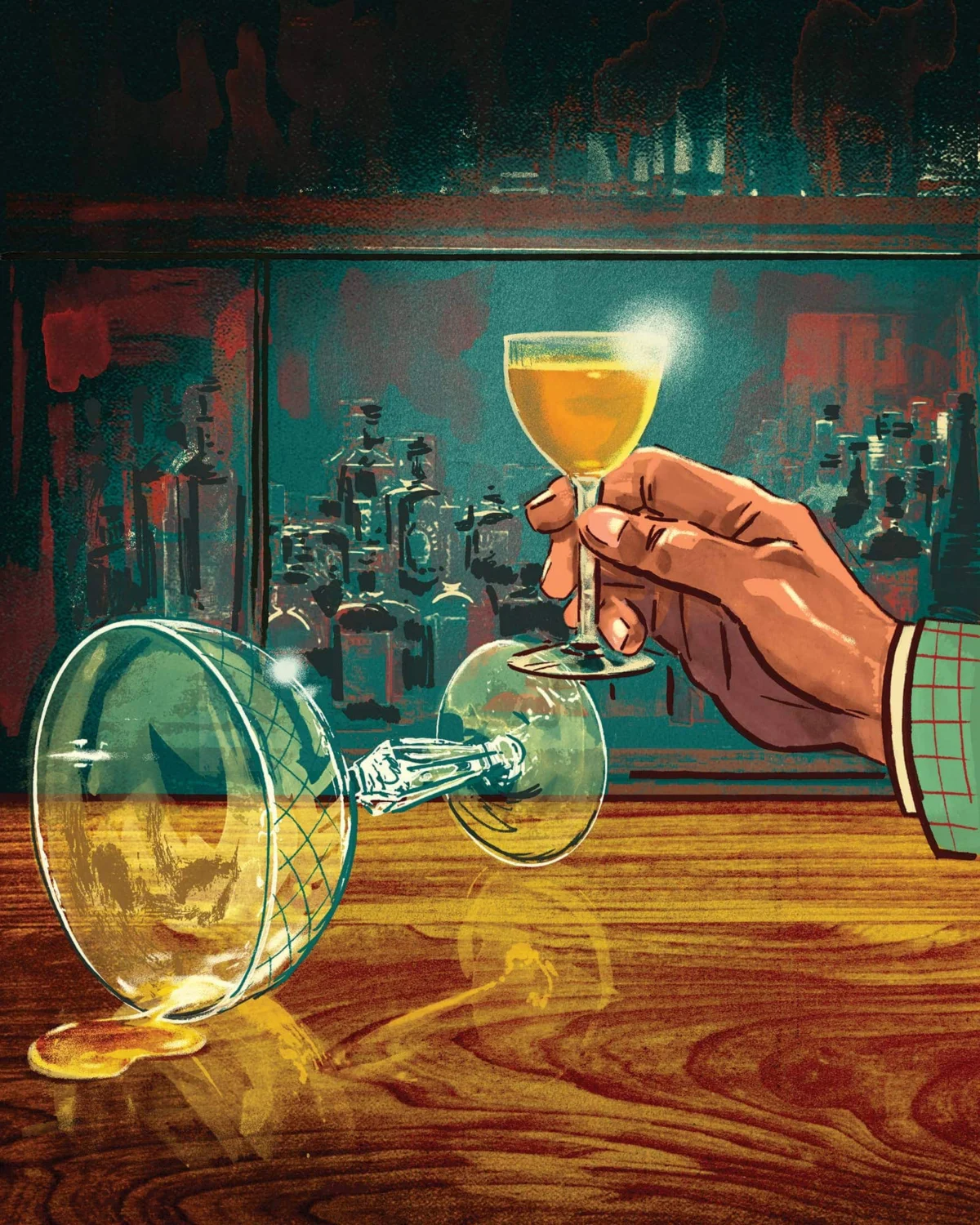
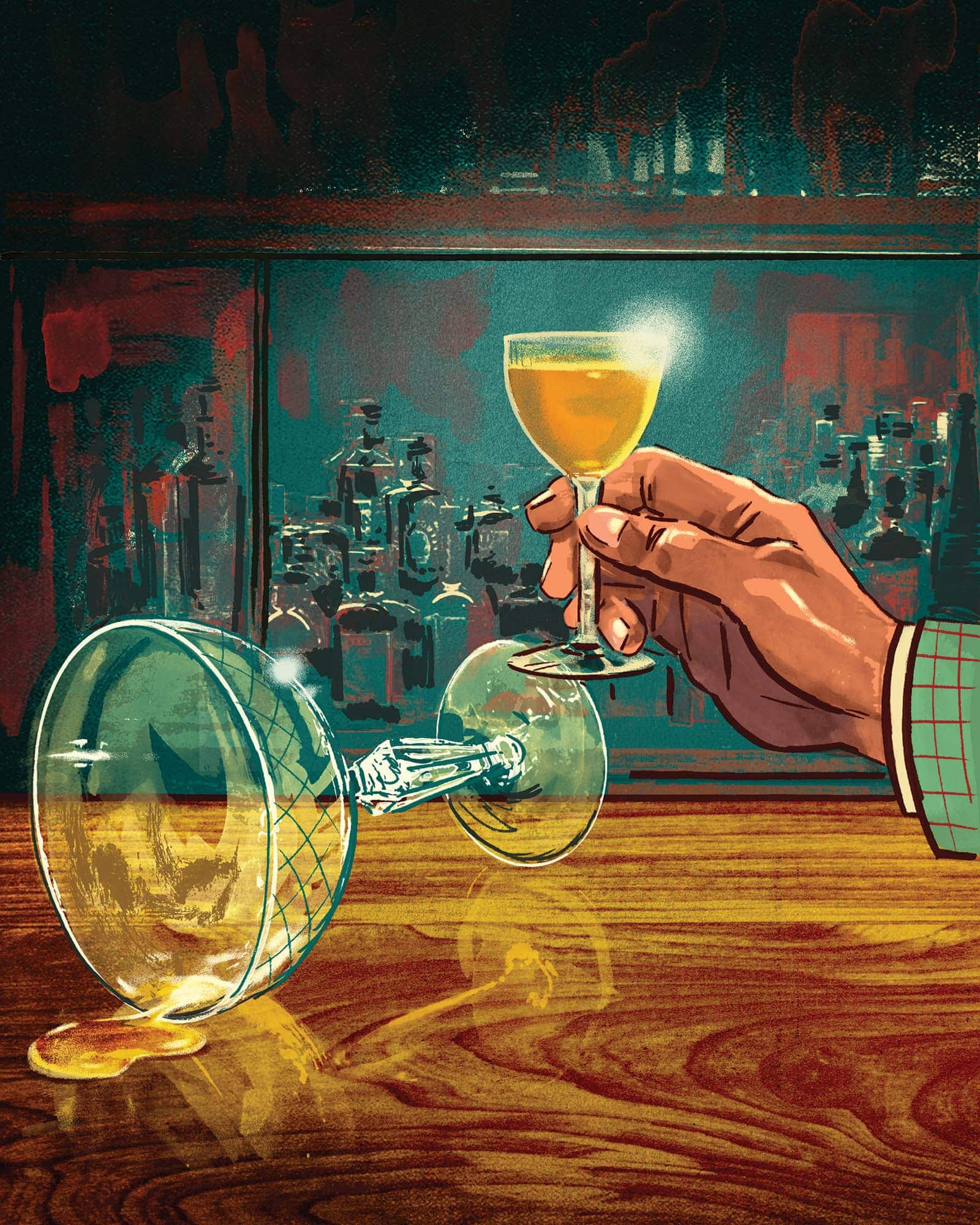
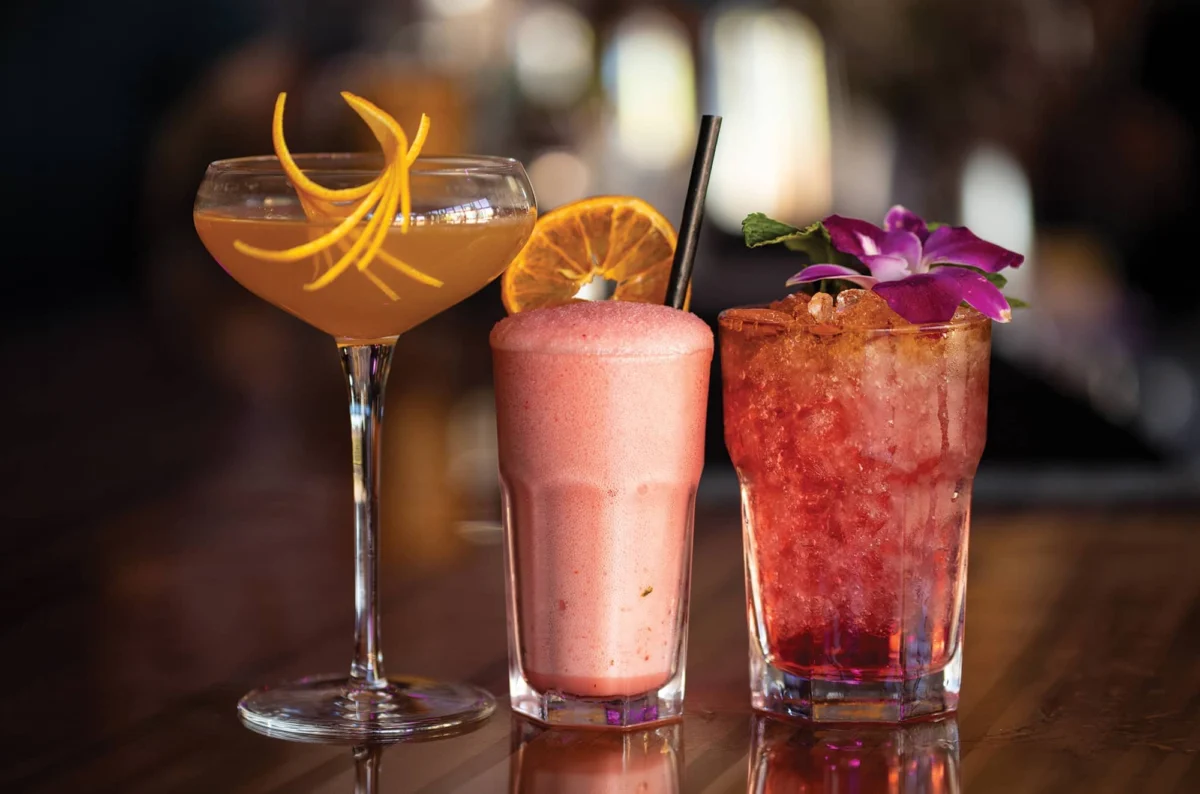
As the modern craft cocktail revival enters its second quarter-century, a quiet revolution is fundamentally altering how we consume spirits. For decades, America’s drinking culture was dominated by colossal, theatrical vessels—Martini glasses resembling backyard birdbaths, heavy rocks glasses doubling as beer steins, and Margarita glasses featuring shallow, wide pools perched atop saguaro-cactus-style stems.
Today, that landscape has shifted dramatically. A new wave of serious mixologists, driven by historical reverence, physiological insights, and shifting consumer habits, is spearheading a permanent return to smaller, more sensible, and historically grounded glassware.
Key developments in this glassware evolution include:
The Return to Lilliputian Volumes: Early 20th-century cocktail formats typically held no more than three ounces, keeping drinks ice-cold from the first drop to the last.
The Psychology of Pouring: Pioneering bartenders like Jamie Boudreau demonstrated that downsizing glassware while filling drinks to the brim actually increased consumer satisfaction and sales, proving that perception often trumps sheer volume.
Revival of Vintage Silhouettes: Classic styles like the coupe, the Nick & Nora, and the tiny two-ounce pony glass have been rescued from thrift stores to anchor the modern craft bar movement.
Modern Health Influences: Contemporary wellness trends, including GLP-1-diminished appetites and mindful drinking habits, are accelerating the trend toward smaller, more intentional pours.
Chronology: The Evolution of the Drinking Vessel
To understand how modern cocktail culture arrived at the era of the miniature ‘tini, one must trace the timeline of excess and reinvention that defined the past century of bar design.
The Era of Pre-War Modesty (Early 20th Century)
In the golden age of the classic cocktail, glassware was designed with functionality and thermal efficiency in mind. Historical cocktail guides from the 1900s through the 1930s reveal vessels that were remarkably modest in scale. Drinks like Martinis, Manhattans, and various sours were served in glasses holding roughly two to three ounces.
This scale served a crucial chemical purpose: keeping the drink intensely chilled before the ice could melt and dilute the cocktail. As legendary art deco–era bartender Harry Craddock famously noted, a properly proportioned drink should be consumed while it is "still laughing at you."
The Age of Megalithic Excess (Late 20th Century)
As the mid-century martini lunch culture faded and corporate dining took over, commercial glassware expanded. By the 1980s and 1990s, "more is better" became the prevailing ethos of the hospitality industry.
Martini glasses swelled to Olympic proportions, capable of holding half a pint of liquid. These massive vessels presented a practical physics problem: warmth compromised the drink long before the bottom of the glass was reached, inviting heavy dilution and a sluggish, lukewarm finish.
The Craft Revival and the Historical Dig (Early 2000s)
When the craft cocktail renaissance kicked off roughly 25 years ago, modern pioneers began poring over antique cocktail manuals like archaeologists decoding the Rosetta Stone. They realized that early mixologists achieved balance not just through ingredients, but through strict constraints on volume.
Bartenders began scouring thrift shops and antique malls, unearthing forgotten glassware catalogs featuring fluted tumblers, footed sherbet glasses, and delicate blown stemware. This period marked the renaissance of the coupe and the coining of the "Nick & Nora" glass by cocktail historian Dale DeGroff, bridging the gap between historical accuracy and contemporary elegance.
The Micro-Glassware Movement (Present Day)
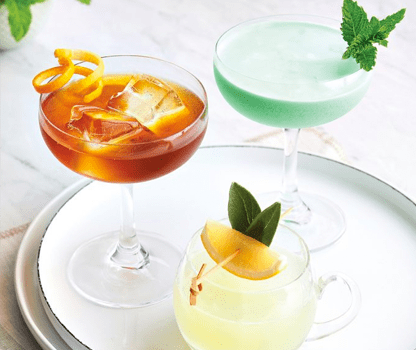
Entering the late 2020s, the trend has shrunk further still. Sparked by a convergence of ergonomic design, sensory science, and shifting dietary habits, bars across the globe are embracing micro-glassware. Pony glasses, once collecting dust in the back corners of antique stores, are now fiercely contested commodities among high-end cocktail bars serving miniature martinis and split-format aperitifs.
Supporting Data and Sensory Science
The shift toward smaller glassware is not merely an aesthetic choice or a nod to nostalgia; it is backed by principles of sensory science and consumer psychology.
In 2009, Seattle bartender Jamie Boudreau—then overseeing venues like Tini Bigs and Vessel—implemented a radical experiment by downsizing his glassware. Anticipating customer pushback against seemingly smaller portions, Boudreau lowered prices slightly and ensured every glass was filled precisely to the brim.
The psychological impact was immediate. Customer complaints regarding partially filled twelve-ounce champagne glasses vanished entirely. Patrons ordered more rounds because the visual presentation felt full and generous, despite the actual alcohol content remaining consistent. Crucially, the drinks remained ice-cold from start to finish. As Boudreau observed at the time: "You’re getting the same amount of alcohol, but you’re getting more of an experience."
This phenomenon aligns closely with research from experimental psychologists like Charles Spence, who coined the term "affective ventriloquism." Spence’s sensory studies demonstrate how one human sense profoundly influences another—for instance, diners consistently rate meals higher when given heavier flatware compared to flimsy alternatives. In the realm of mixology, tactile engagement with a well-balanced, weighted, appropriately sized glass enhances the perceived quality, aroma, and taste of the cocktail within.
Official Responses and Industry Perspectives
Veterans of the hospitality industry view the downsizing trend as a natural maturation of the craft cocktail movement. Rather than viewing smaller vessels as a compromise, top-tier bartenders embrace them as a canvas for higher precision.
"The glass is the frame of the painting," notes one prominent downtown mixologist. "When you force yourself to work within a three-ounce format, there is nowhere to hide poor execution, unbalanced acidity, or sloppy dilution. Every drop has to earn its place."
Distillers and bar owners have also reported a shift in patron preferences toward intentionality over volume. Modern consumers are increasingly exploring multi-course tasting menus, split-base cocktails, and low-ABV options. The ability to sample three distinct, perfectly chilled mini-cocktails in smaller glassware provides a dynamic tasting journey that a single, room-temperature megadrink simply cannot match.
Implications: The Shift Toward Intentional Consumption
The widespread adoption of scaled-down glassware carries profound implications for both the business of hospitality and public health trends.
1. Alignment with Modern Wellness and GLP-1 Realities
As broader societal health shifts take hold—including the widespread rise of GLP-1-diminished appetites and mindful drinking habits—consumers are increasingly seeking quality over quantity. The ability to enjoy the social ritual of a cocktail without committing to high-volume sugar and alcohol loads has made smaller formats exceptionally attractive.
2. Economic and Environmental Efficiency
For bar operators, smaller glassware yields practical operational benefits. Using less ice per drink, reducing spirit waste, and maximizing table turnover through tighter, faster-sipping formats contribute to leaner, more sustainable business models. Furthermore, smaller glasses are less prone to breakage during frantic weekend rushes compared to unwieldy, oversized stemware.
3. A Return to Mindful Pleasure
Ultimately, the arc of the cocktail renaissance has bent toward minimalism. The colossal glass "giants that once roamed the Earth" have ceded territory to a philosophy of hyper-focused curation. A two-ounce pour served in a vessel selected with the exact same discernment as the spirit inside proves a timeless truth: true drinking pleasure, when properly concentrated, requires no supersizing.