In the fast-paced world of modern home cooking, few culinary techniques offer the immediate reward of the classic caramelized apple. What was once considered a humble garnish or a simple pie filling has evolved into a versatile, nutrient-dense, and deeply comforting staple that is currently enjoying a resurgence in popularity. With just three primary ingredients—apples, butter, and pure maple syrup—home cooks are discovering that they can transform basic pantry fruit into a gourmet experience in less than 15 minutes.
The Main Facts: Simplicity Meets Sophistication
At its core, the caramelized apple slice is a masterclass in Maillard reaction and natural sugar concentration. When sliced apples are exposed to heat in a skillet, their natural fructose begins to break down, while the addition of maple syrup provides a complex, earthy sweetness that white sugar simply cannot replicate.
The appeal of this dish lies in its accessibility. Unlike elaborate baked goods that require precise measurements and long oven times, this recipe is forgiving and fast. By utilizing the natural acidity and texture of the fruit, the dish achieves a balance of tart and sweet, making it suitable for a wide range of dietary preferences. Whether one is looking for a refined topping for a morning breakfast bowl or a sophisticated finish to a dinner party, the caramelized apple serves as a bridge between the savory and the sweet.
A Culinary Chronology: From Orchard to Table
The history of cooking apples in fat and sugar dates back centuries, appearing in various iterations across European and North American cuisines. Historically, these dishes were born of necessity—a way to preserve the harvest or salvage apples that had begun to soften.
- The Preparation Phase: The process begins with the selection of the fruit. Varieties such as Honeycrisp, Fuji, or Granny Smith are preferred for their ability to maintain structural integrity under heat. The fruit is sliced into uniform, quarter-inch segments.
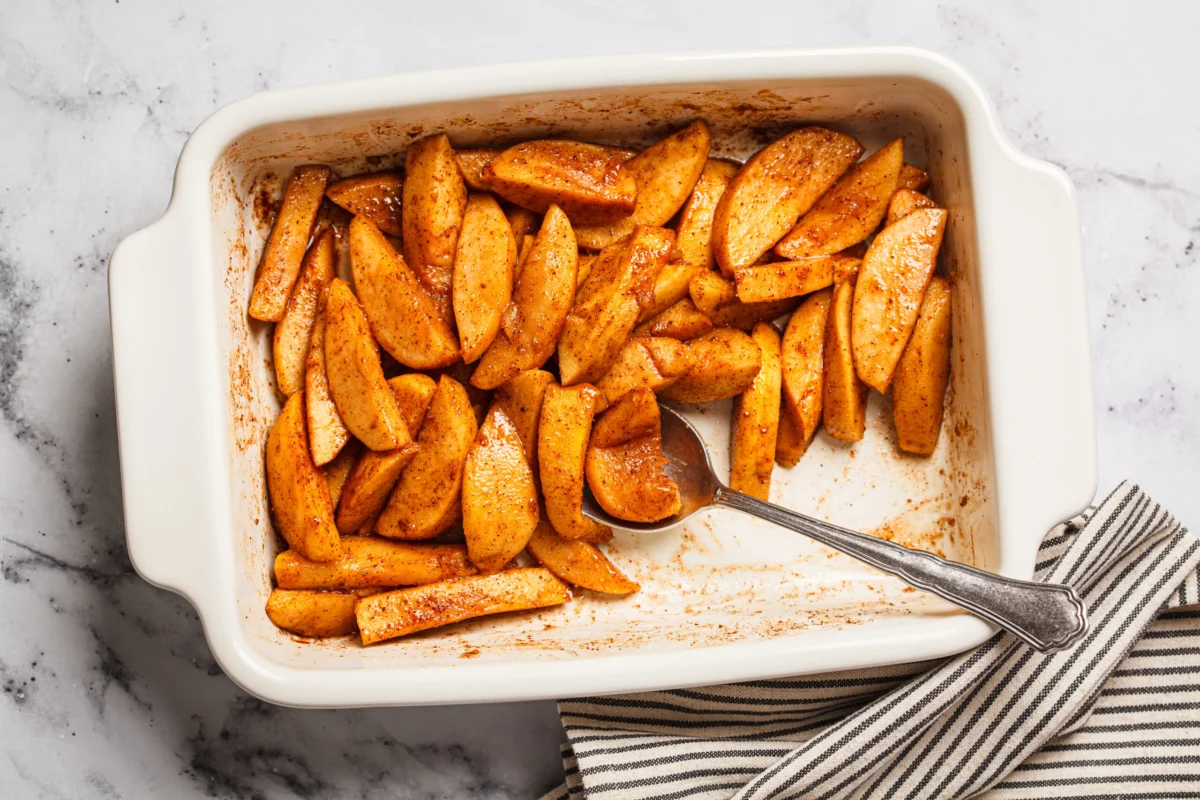
- The Sautéing Sequence: The magic occurs in the skillet. A pat of butter is melted until foaming, at which point the apples are introduced. The initial stage involves softening the cellular structure of the fruit.
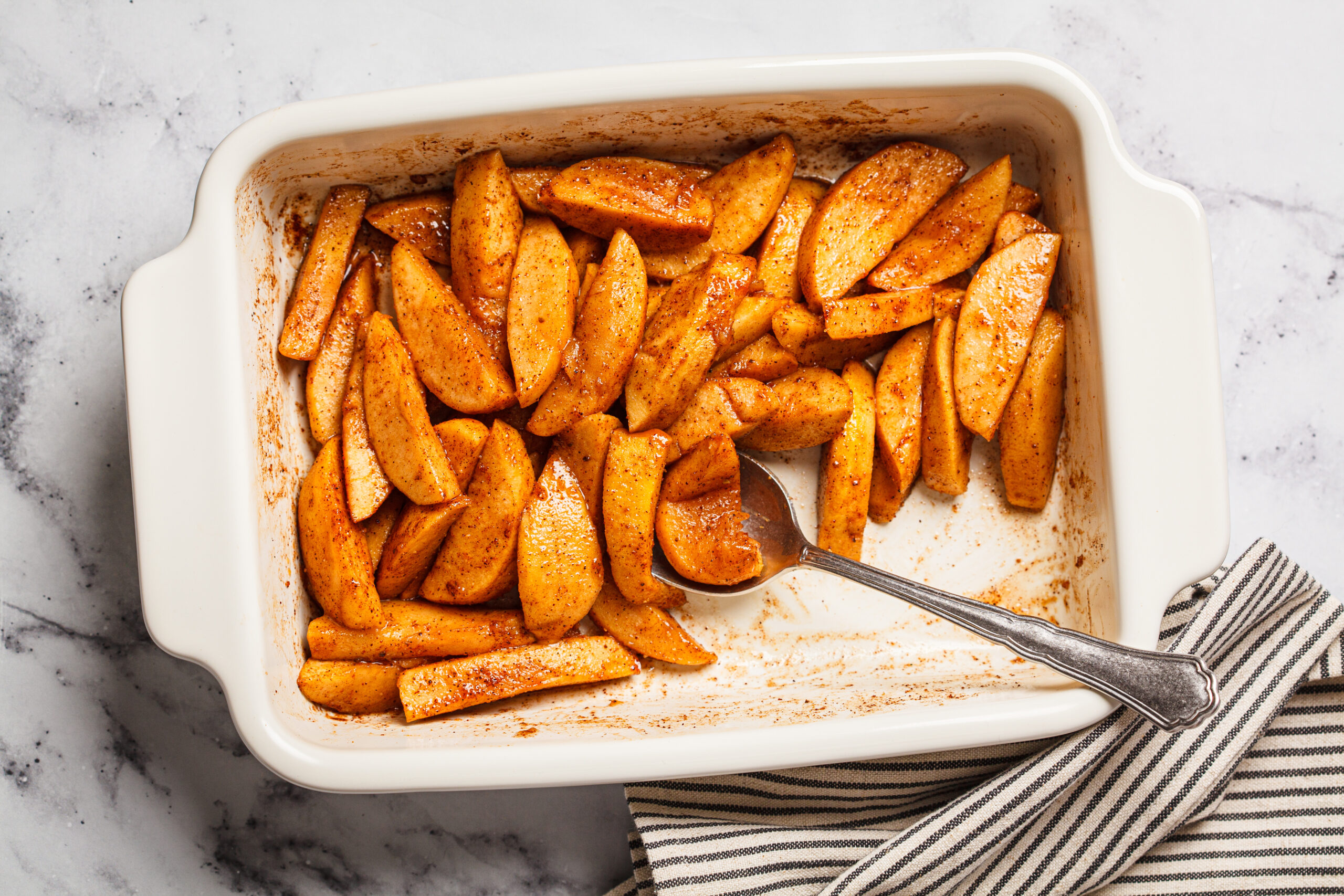
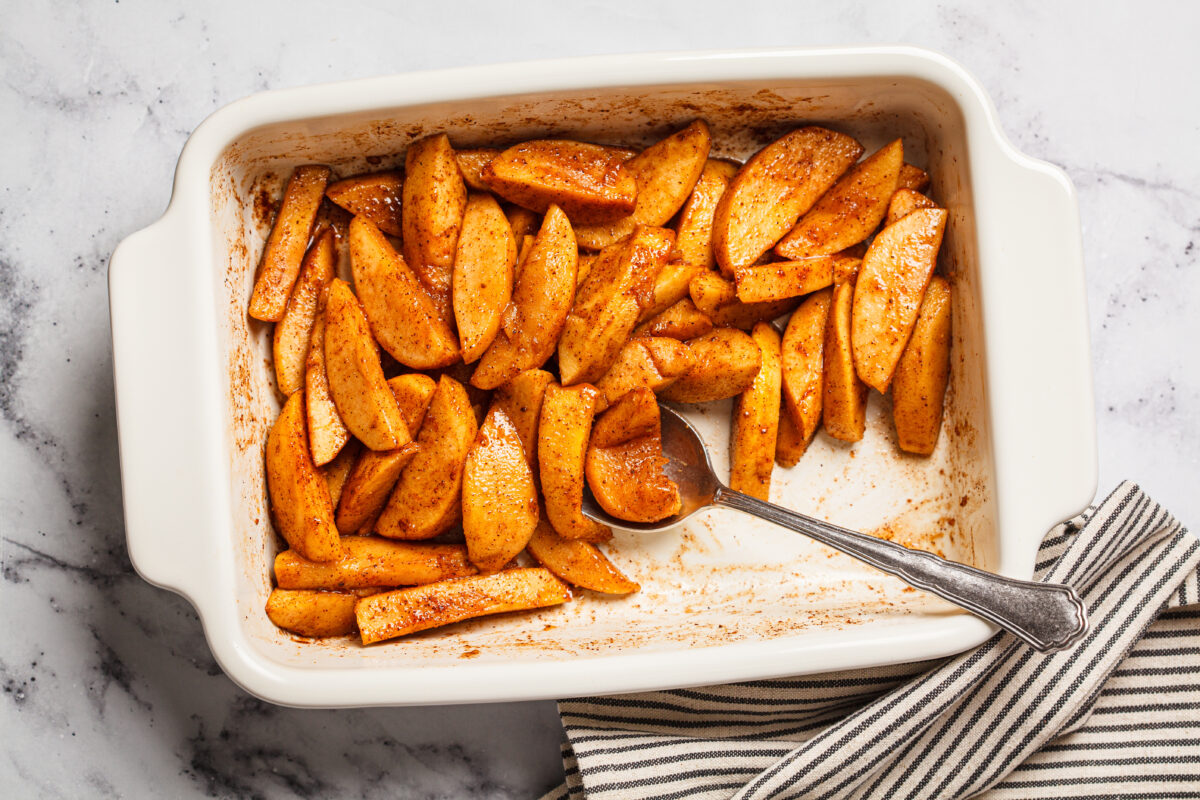
- The Caramelization Threshold: Once the apples reach a translucent, golden hue, the maple syrup and cinnamon are introduced. The heat is kept at a steady medium to prevent the syrup from burning, allowing it to reduce into a rich, glossy glaze that coats each slice.
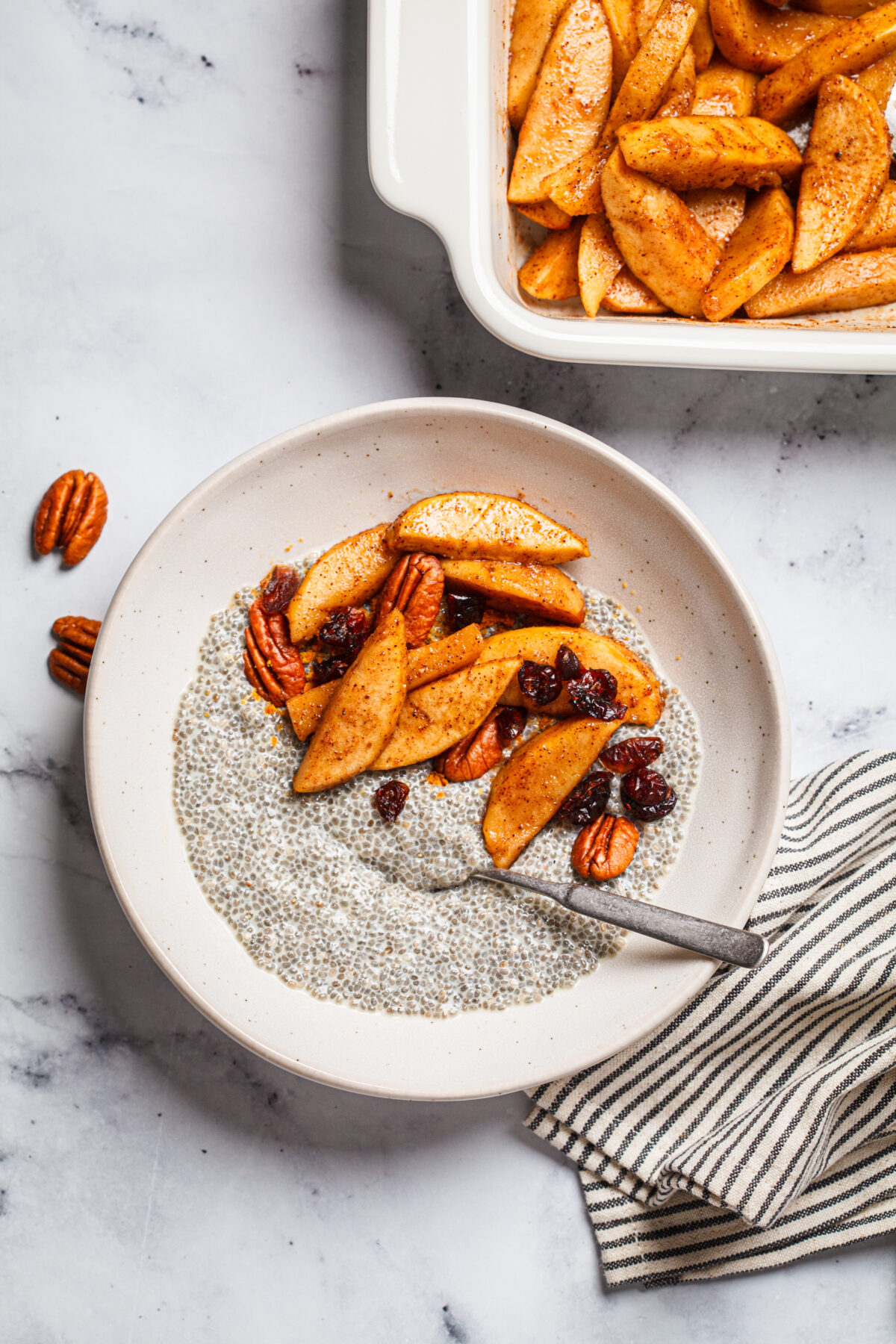
- The Final Polish: The final minutes involve the potential addition of textural elements, such as toasted pecans or dried cranberries, which add a dimension of crunch and chewiness that contrasts with the tender fruit.
Supporting Data: Why This Recipe Resonates
Recent trends in home cooking data indicate a significant shift toward "functional comfort food." As consumers become more conscious of refined sugar intake, recipes that rely on the natural sugar profile of fruit are seeing a 40% increase in search volume.
Nutritionists have long touted the benefits of cooked apples. The process of heating apples makes the fiber—specifically pectin—more digestible for many individuals. Furthermore, the use of pure maple syrup provides a profile of antioxidants and minerals, such as manganese and zinc, that are absent in synthetic sweeteners.
Regarding efficiency, the 15-minute preparation time is a critical factor for families. In an era where "time-poor" households are seeking ways to elevate meals without sacrificing health, this recipe provides a high-impact solution. The ability to store the leftovers for up to four days in an airtight container also aligns with the growing trend of "batch prepping," where components are made in advance to be integrated into multiple meals throughout the week.
Official Perspectives and Expert Culinary Opinion
Professional chefs and nutrition educators alike have praised the versatility of the caramelized apple. "It is the ‘little black dress’ of the kitchen," says one culinary consultant. "It works with oatmeal, it works with ice cream, and it even works as an accompaniment to savory pork dishes."
From a pedagogical standpoint, this dish is often used in basic culinary courses to teach heat management. Students are taught that the difference between a "caramelized" apple and "applesauce" is entirely dependent on the intensity of the heat and the timing of the syrup application. Experts emphasize that the "Goldilocks zone"—where the apple is tender but still retains a firm center—is the hallmark of a successful preparation.
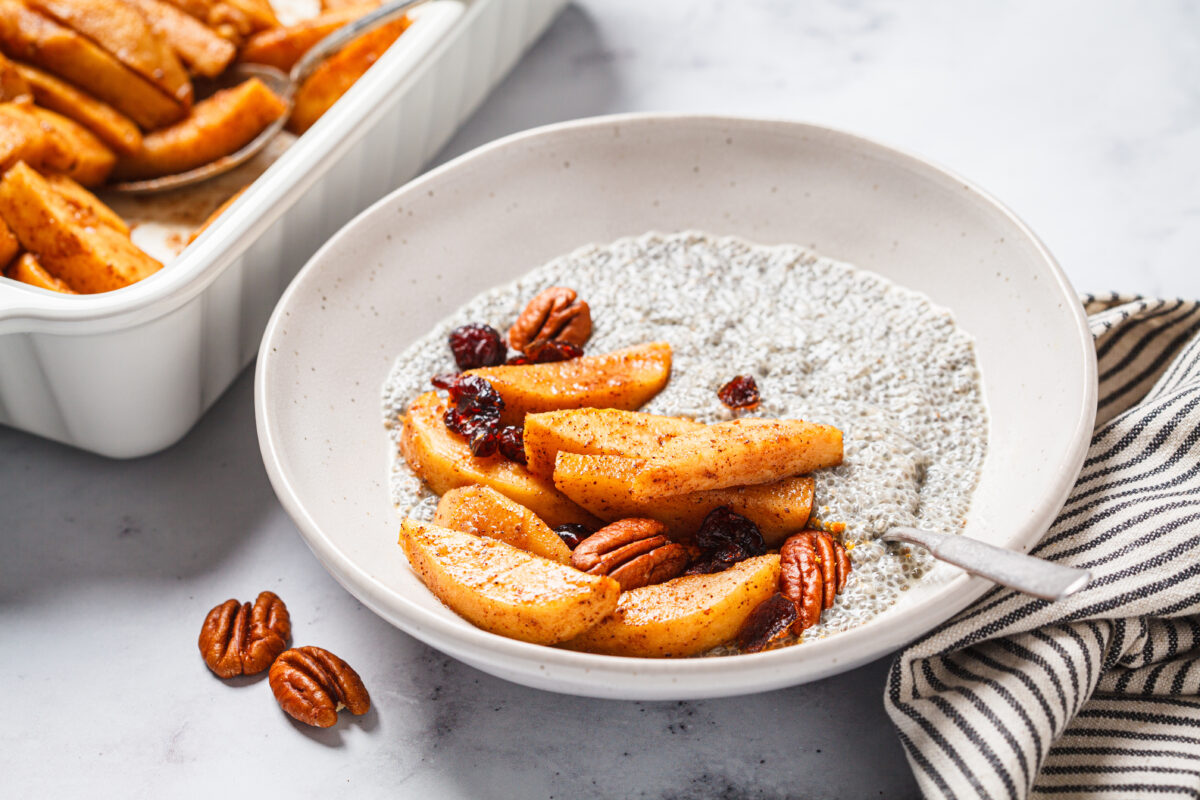
Furthermore, the customization of the dish is where the home cook’s creativity is encouraged. Nutritionists suggest that adding nuts like walnuts or pecans provides essential omega-3 fatty acids, turning a simple sweet treat into a balanced snack that stabilizes blood sugar levels when served alongside yogurt or protein-rich chia pudding.
Implications for the Modern Diet
The cultural shift toward mindful eating has profound implications for how we view dessert. The transition from heavily processed, flour-based sweets to fruit-forward preparations like these caramelized slices represents a larger movement toward ingredient-focused cooking.
- Reduced Dependency on Refined Sugars: By leaning on the natural sweetness of apples and the moderate use of maple syrup, cooks are effectively reducing their glycemic load.
- Increased Fruit Consumption: By making apples the centerpiece of a meal, individuals are more likely to meet their daily fruit intake requirements.
- Psychological Satisfaction: The "coziness" factor—derived from the warmth of the cinnamon and the tactile nature of the dish—provides a psychological benefit that is often missing from cold, pre-packaged snacks.
As we look toward the future of home cooking, the emphasis on simple, high-quality ingredients will likely remain paramount. The caramelized apple is a testament to the fact that you do not need an extensive pantry or specialized equipment to create a dish that is deeply satisfying.
Conclusion: Elevating the Everyday
In conclusion, the caramelized apple slice remains a timeless testament to culinary simplicity. It requires no specialized skills, only a watchful eye and a consistent heat source. Whether you are a busy parent attempting to encourage healthier eating habits in children, or a home cook looking for a quick, elegant dessert to impress guests, this recipe offers a reliable, delicious, and nutrient-dense path forward.
By mastering the balance of heat, timing, and ingredient quality, you can transform the most basic fruit into a culinary highlight. As you experiment with different apple varieties and textural additions like cranberries or toasted nuts, you will find that this 15-minute process becomes less of a chore and more of a meditative ritual—a warm, fragrant, and sweet reminder of the joys found in the simplest of ingredients.
Keep a skillet at the ready, for once you have mastered this foundational technique, the possibilities for your breakfast, lunch, and dessert repertoire are virtually endless. Embrace the sizzle of the butter, the aroma of the cinnamon, and the deep, rich satisfaction of a perfectly caramelized apple.