WASHINGTON — In the vast, storied canon of American comfort food, few dishes command the immediate nostalgia and universal affection of the deviled egg. Whether gracing the long buffet tables of a sun-drenched summer neighborhood potluck, sitting elegantly on vintage crystal platters during Thanksgiving dinner, or serving as the quintessential Easter Sunday starter, the deviled egg is an enduring culinary masterpiece.
Yet, for all its cultural ubiquity, achieving the quintessential deviled egg—one that balances a velvety, rich texture with a sharp, zesty tang—remains a pursuit that stirs passionate debate among home cooks and professional chefs alike. Rooted in a time-tested family recipe passed down through generations, a definitive guide to crafting the ultimate deviled eggs sheds light not only on the mechanics of the dish, but also on its surprising historical origins, step-by-step preparation, and how to elevate a humble pantry staple into an unforgettable gastronomic experience.
Main Facts: The Anatomy of a Masterpiece
At its core, the classic deviled egg relies on uncompromising simplicity. The foundational elements require nothing more than hard-boiled eggs, high-quality mayonnaise, prepared mustard, a splash of vinegar, and a thoughtful dusting of smoked or sweet paprika.

The brilliance of the dish lies in its paradox: it is exceptionally easy to execute, yet intensely satisfying to consume. Each serving (typically calculated as two halves per person) delivers a nutrient-dense profile, offering approximately 111 calories, 6 grams of high-quality protein, and healthy fats derived primarily from the egg yolks and emulsified oils in the mayonnaise.
Despite its decadent, custard-like filling, the carbohydrate count is practically negligible (under half a gram per serving), making it a naturally keto-friendly, gluten-free option that accommodates a wide variety of contemporary dietary restrictions without sacrificing an ounce of flavor.
Chronology: The Fascinating History of the "Deviled" Egg
While modern diners associate deviled eggs with holiday hospitality and casual gatherings, the genealogy of the dish spans centuries and continents.

Ancient Roots
Food historians trace the earliest known ancestors of deviled eggs back to ancient Rome. Wealthy Romans frequently served boiled eggs seasoned with spicy, pungent sauces, herbs, and pepper at the start of meals—a course so common it gave rise to the Latin phrase ab ovo usque ad mala, meaning "from eggs to apples," or from the beginning to the end of a meal.
Medieval Innovations
As culinary techniques evolved through medieval Europe, recipes emerged detailing boiled eggs stuffed with cheese, raisins, and herbs, then fried and slathered in cinnamon, ginger, and verjuice (an acidic juice made from unripened grapes).
The Birth of "Deviling"
The specific moniker "deviled" did not enter the culinary lexicon until the 18th century. In British and American cooking traditions, the term "devil" or "deviled" came to denote any dish prepared with hot, spicy, or zesty seasonings—such as mustard, cayenne pepper, or Worcestershire sauce. Thus, when finely mashed egg yolks were mixed with sharp mustard and pepper, the iconic name was cemented into culinary history.

Over the decades, the recipe streamlined into the mayonnaise-and-mustard standard recognized today, evolving from an aristocratic supper dish into the definitive American crowd-pleaser.
Supporting Data: Nutritional Breakdown and Culinary Metrics
To understand the enduring appeal of the deviled egg, one must examine its composition. Culinary experts emphasize that the success of the recipe depends heavily on ratios.
Nutritional Profile (Per Serving / 2 Halves)
- Calories: 111 kcal
- Total Fat: 9g (14% Daily Value)
- Saturated Fat: 2g (13% Daily Value)
- Cholesterol: 167mg (56% Daily Value)
- Sodium: 116mg (5% Daily Value)
- Total Carbohydrates: 0.4g (0% Daily Value)
- Protein: 6g (12% Daily Value)
Recipe Specifications
- Prep Time: 10 minutes
- Cook Time: 25 minutes
- Total Time: 35 minutes
- Yield: 6 servings (12 individual egg halves)
Step-by-Step Chronology: How to Make the Ultimate Deviled Eggs
Achieving restaurant-quality deviled eggs at home is less about complex culinary maneuvers and more about mastering basic techniques, particularly when it comes to boiling and peeling the eggs.
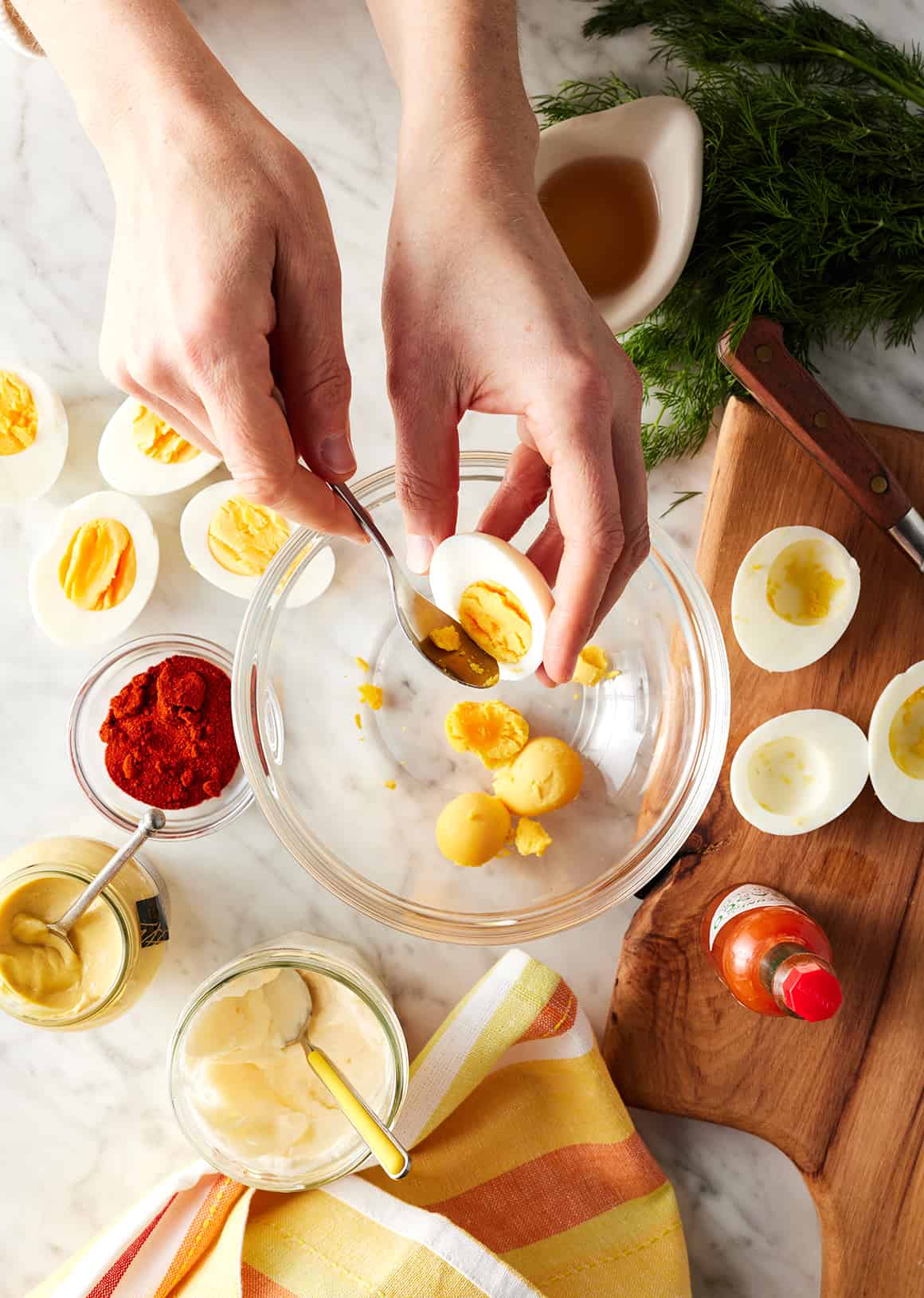
Phase 1: Mastering the Hard-Boiled Egg
The most common pitfall in deviled egg preparation is the dreaded grey-green ring around the yolk—the result of overcooking—or egg whites that tear and pit during the peeling process.
- The Gentle Boil: Place large eggs in a single layer in a saucepan and cover them with cold water by at least an inch. Bring the water to a rolling boil over high heat.
- The Shock: Once boiling, remove the pan from the heat source immediately, cover with a tight-fitting lid, and let the eggs sit undisturbed for 10 to 12 minutes.
- The Ice Bath: Transfer the hot eggs directly into a prepared bowl filled with ice water. Allow them to chill for 15 minutes. This thermal shock causes the egg to shrink slightly inside the shell, making peeling effortless.
Phase 2: Crafting the Filling
- The Slice: Peel the cooled eggs gently under cool running water. Pat them dry with a paper towel, then use a sharp, thin-bladed knife to slice each egg cleanly in half lengthwise.
- The Extraction: Using a small spoon, carefully pop the yolks out of the egg white halves and transfer them into a medium mixing bowl. Arrange the empty white halves on a clean serving platter.
- The Emulsion: Add mayonnaise, prepared yellow or Dijon mustard, a splash of vinegar (apple cider or white wine vinegar works exceptionally well), and a dash of hot sauce to the yolks.
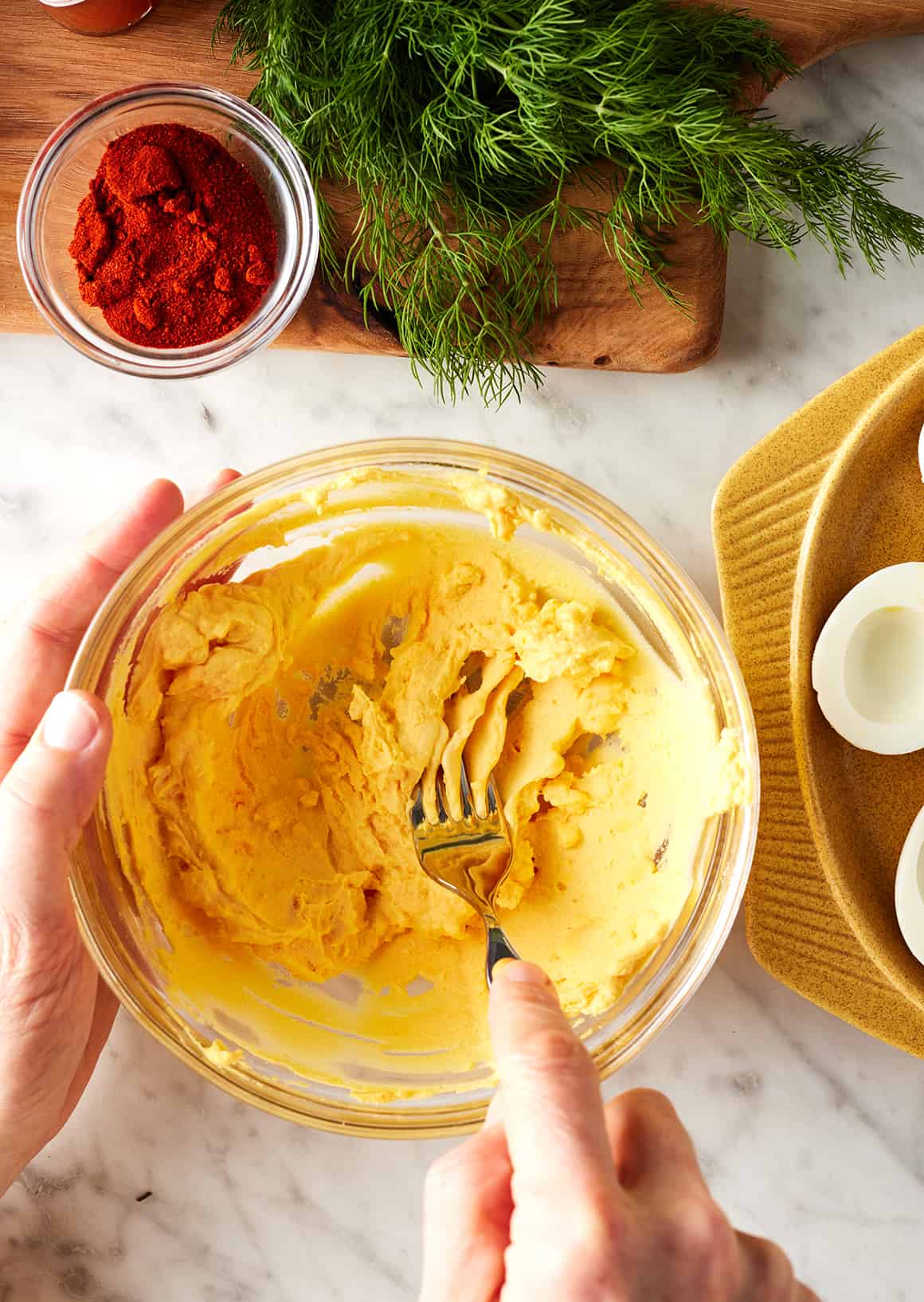
- The Mash: Using a fork or a handheld immersion blender, mash and whisk the mixture vigorously until it is entirely smooth, creamy, and free of lumps. Season with salt and black pepper to taste.
Phase 3: Assembly and Garnish
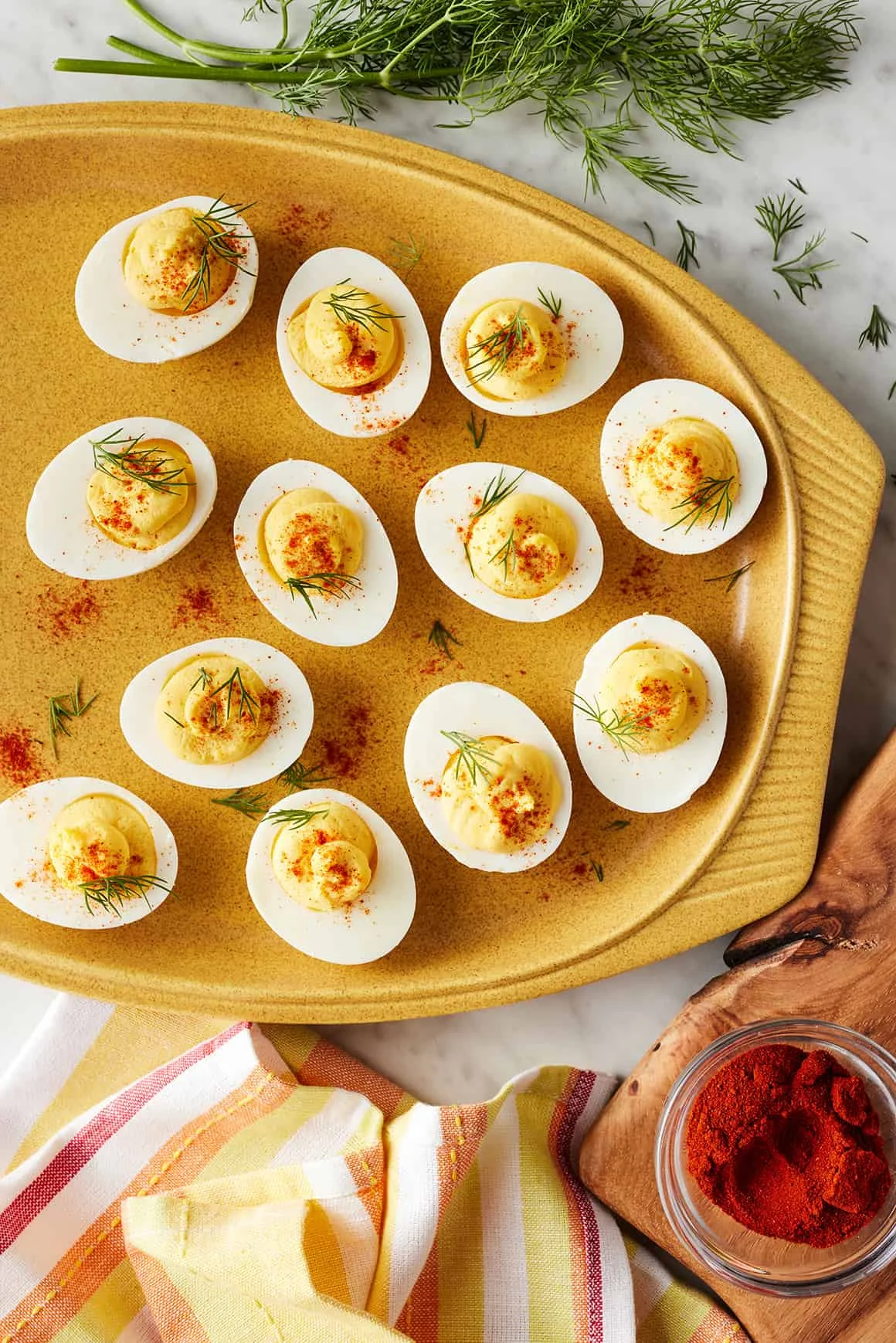
- The Fill: Spoon the rich yolk mixture evenly back into the cavities of the egg whites. For a polished, bakery-style presentation, pipe the filling using a pastry bag fitted with a star tip.
- The Finish: Dust the top of each egg generously with smoked paprika or sweet Hungarian paprika. For an extra burst of freshness and color, garnish with finely minced fresh chives or delicate fronds of fresh dill.
Culinary Variations and Creative Twists
While purists swear by the classic mayonnaise-and-mustard combination, the deviled egg is remarkably receptive to flavor experimentation. Home cooks looking to modernize the dish can easily adapt the basic formula:
- The Southern Style: Fold finely minced sweet pickle relish or dill pickle juice into the yolk mixture for a delightful textural crunch and bright acidity.
- The Bacon & Cheddar Upgrade: Mix finely crumbled, crispy bacon and sharp cheddar cheese directly into the filling, topping each egg with an extra crisp shard of bacon.
- The Spicy Kick: Swap standard mustard for whole-grain or fiery Creole mustard, increase the hot sauce dosage, and top with a sliced pickled jalapeño or a dash of cayenne.
- The Herb Garden: Incorporate fresh tarragon, parsley, and lemon zest into the yolk puree for a vibrant, spring-inspired flavor profile.
Make-Ahead Strategies and Storage Implications
Because hosting large gatherings often requires meticulous time management, understanding how deviled eggs behave over time is critical for food safety and presentation quality.
Preparation Timelines
- Component Separation (24 Hours Ahead): The safest method for advance preparation is to hard-boil and peel the eggs up to a day in advance. Store the peeled whites and the prepared yolk mixture in separate airtight containers in the refrigerator. Assemble the dish just before guests arrive.
- Fully Assembled (Up to 24 Hours): Fully assembled deviled eggs can be stored in the refrigerator if tightly sealed in a specialized deviled egg carrier. However, for optimal visual appeal and to prevent the filling from drying out or absorbing refrigerator odors, it is best consumed within 12 hours of assembly.
- Food Safety Limit: Leftover deviled eggs should never be left at room temperature for more than two hours. Store any remnants in an airtight container in the refrigerator and consume within 48 hours.
Broader Implications: The Cultural Resilience of Comfort Food
In an era dominated by hyper-processed convenience foods and fleeting gastronomic trends driven by social media algorithms, the enduring popularity of the deviled egg offers a reassuring reminder of the power of simplicity.
Culinary sociologists note that dishes requiring physical touch—such as peeling eggs, whisking yolks by hand, and piping fillings—forge a deeper emotional connection between the cook and the consumer. The deviled egg requires patience, care, and attention to detail qualities that cannot be rushed by modern technology.
Furthermore, its presence across socio-economic divides underscores its democratic appeal. Whether served on fine bone china at a formal wedding reception or paper plates at a backyard barbecue, the deviled egg remains an egalitarian delicacy. By honoring traditional techniques while embracing modern flavor innovations, this humble holiday appetizer secures its place on the American table for generations to come.