Between the demands of academic calendars, after-school practices, weekend tournaments, and the general high-energy nature of childhood, young athletes are essentially high-performance machines in miniature. Yet, while parents are often hyper-aware of the latest training techniques or specialized equipment, nutrition—the foundational fuel for every sprint, swim, and jump—is frequently relegated to the backseat.
For the growing athlete, the goal is not merely to "fill the tank." It is about providing a strategic blend of macronutrients that facilitate recovery, support hormonal development, and sustain energy levels during intense physical output. Contrary to the marketing pushed by expensive supplement brands, peak performance for children does not require synthetic powders or processed bars. It requires whole, nutrient-dense foods.
The Science of the Balanced Snack: Beyond Just Protein
When parents think of "sports nutrition," the word "protein" often dominates the conversation. While protein is undeniably the cornerstone of muscle repair, a balanced approach to youth athletic fueling must be more holistic.
The Macronutrient Trifecta
To support a young athlete’s physiology, snacks should be constructed around a specific formula:
- Protein: Essential for repairing micro-tears in muscle fibers caused by exercise. Quality sources include Greek yogurt, cottage cheese, eggs, legumes, and lean meats.
- Carbohydrates: The body’s preferred fuel source. Complex carbohydrates (oats, whole grains) provide sustained energy, while simple carbohydrates (fruit) offer quick replenishment after a workout.
- Healthy Fats: Crucial for hormone production and satiety. Avocados, nuts, seeds, and nut butters keep the athlete energized longer and aid in the absorption of fat-soluble vitamins.
- Hydration: No amount of caloric intake can compensate for dehydration. Water is the non-negotiable partner to every snack.
The size and timing of these snacks should remain fluid. A toddler playing recreational soccer has vastly different caloric requirements than a high-school varsity athlete engaged in two-a-day training sessions. Parents should monitor hunger cues and energy dips as primary indicators of whether a snack is sufficient.
Chronology of Nutrition: Before, During, and After Competition
Understanding the timing of digestion is key to avoiding "heavy stomach" syndrome during activity.
Pre-Activity: The Priming Phase
If a child has a significant gap before practice (1–2 hours), a balanced, fiber-rich snack is ideal. Think of a bowl of cottage cheese with berries or a homemade energy bite. However, if the activity is imminent (30 minutes or less), the focus should shift to easily digestible carbohydrates—such as a small piece of fruit—to prevent cramping or gastrointestinal distress.
Post-Activity: The Recovery Window
The 30 to 60 minutes following intense physical exertion is the "golden hour" for recovery. This is when the body is most primed to absorb nutrients. A combination of carbohydrates and protein is mandatory here to replenish depleted glycogen stores and kickstart muscle protein synthesis.
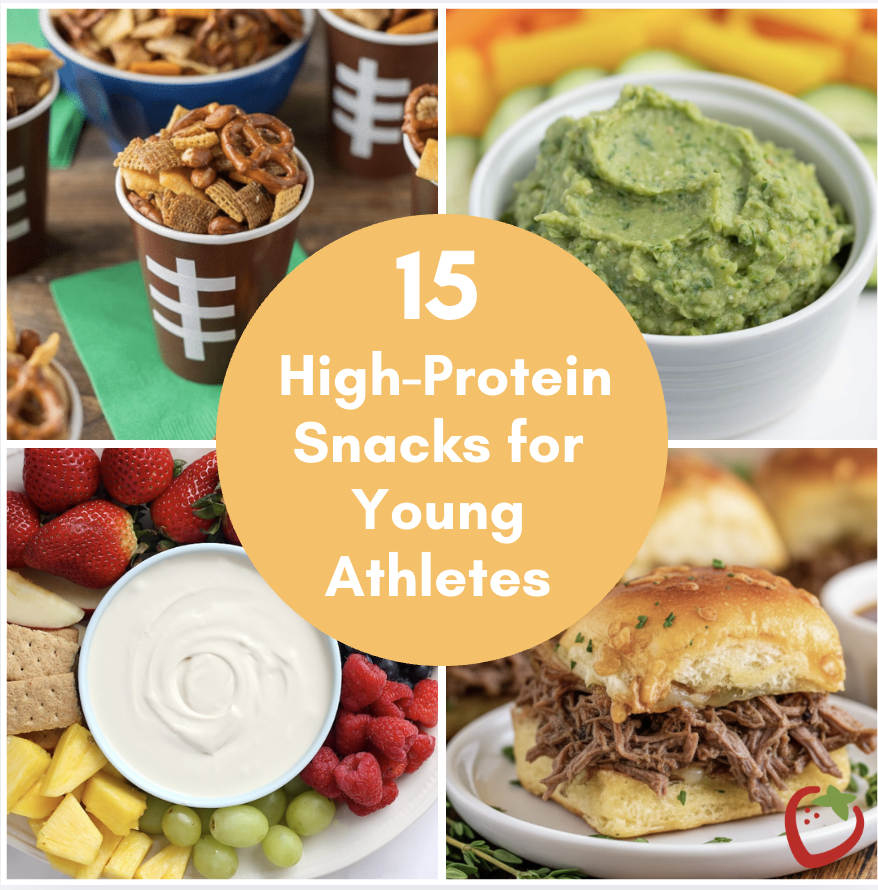
15 High-Protein Snack Solutions for Busy Families
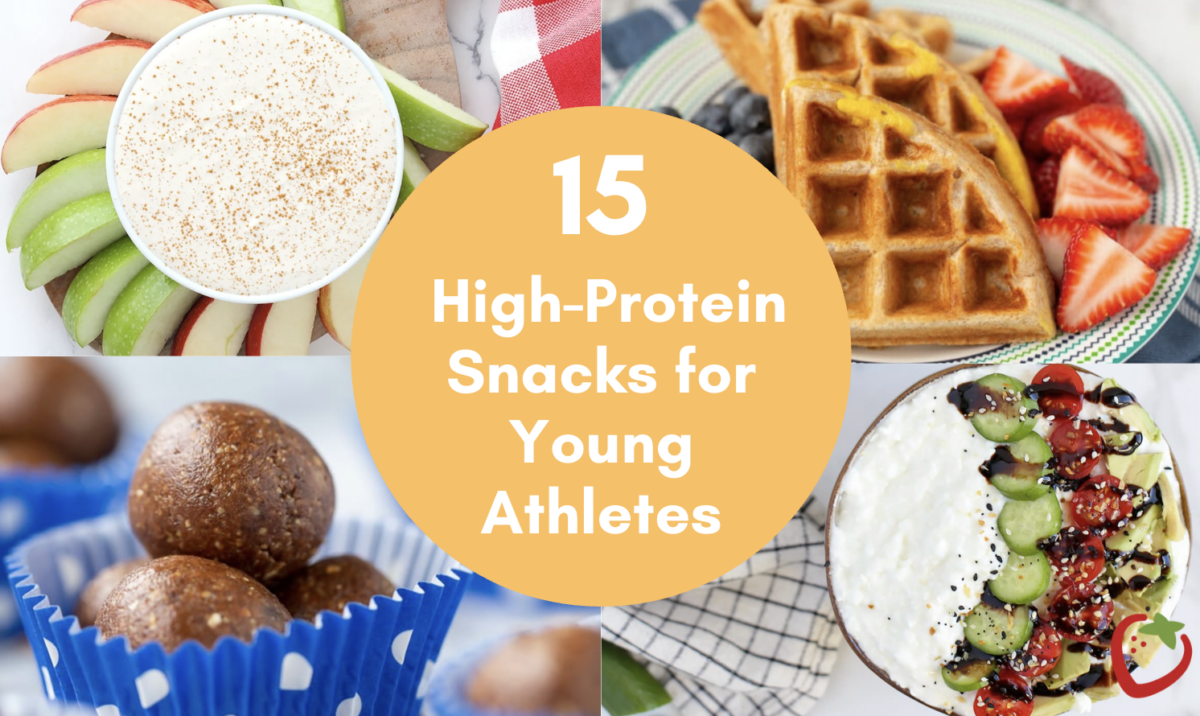
To help parents navigate the chaos of extracurricular schedules, here are 15 evidence-backed, kid-friendly snack options that prioritize whole foods.
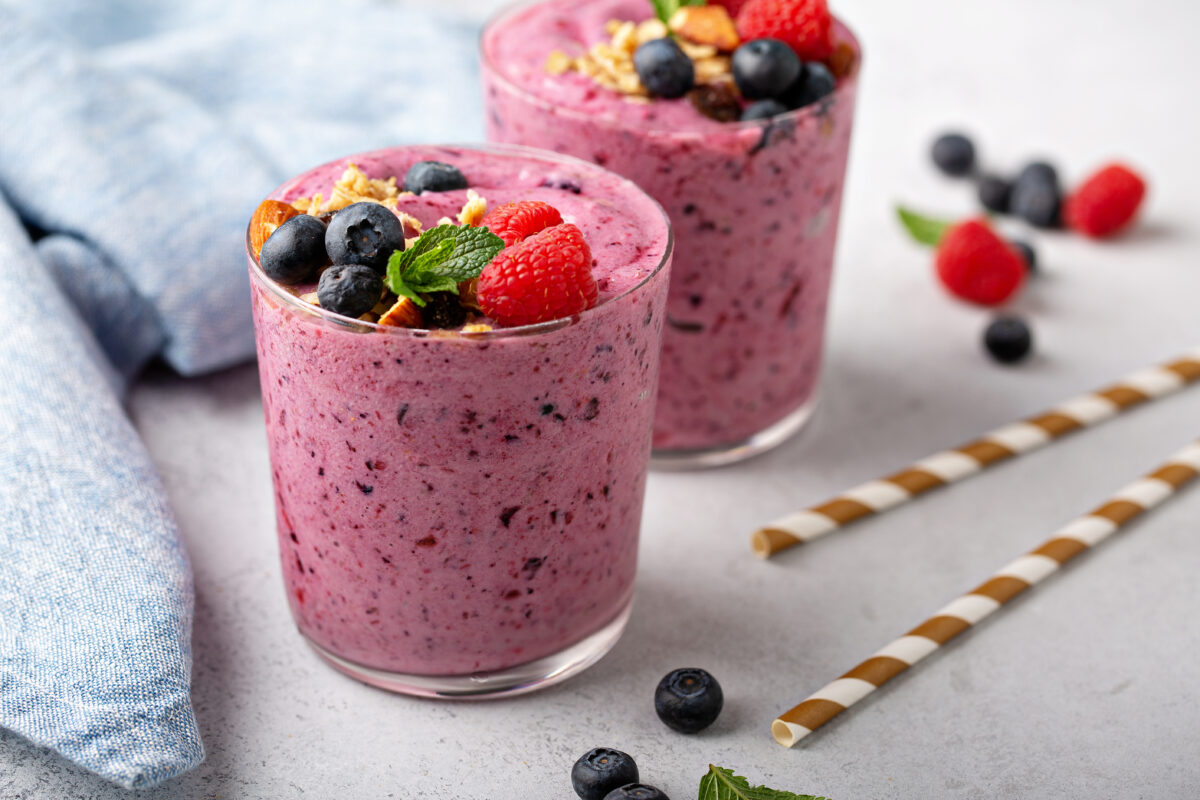
1. Mixed Berry Protein Smoothies
The ultimate "all-in-one" solution. By blending Greek yogurt (protein), frozen berries (antioxidants and carbs), and a splash of milk, you create a refreshing recovery drink. Adding chia seeds or hemp hearts introduces essential omega-3 fatty acids.
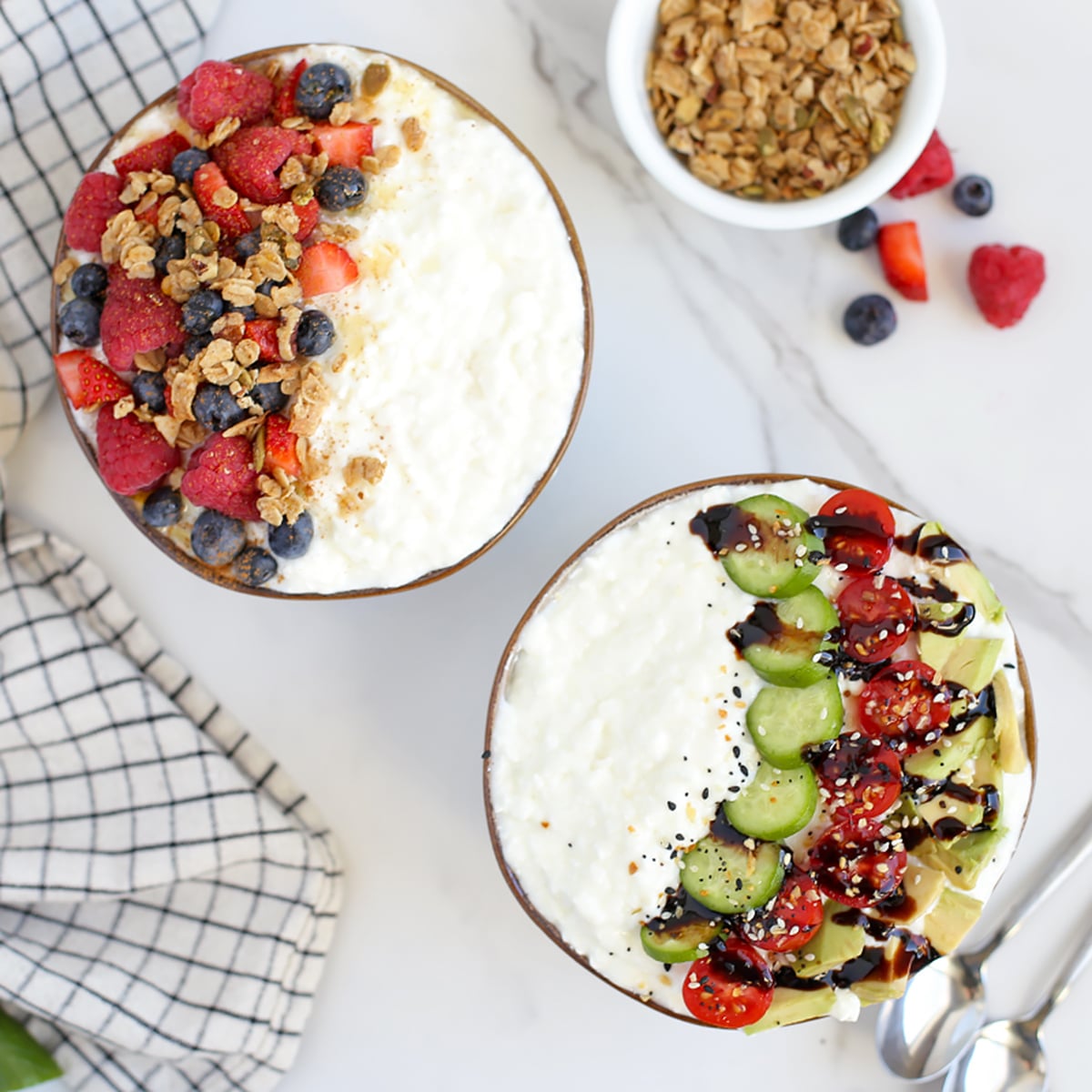
2. High-Protein Cottage Cheese Bowls
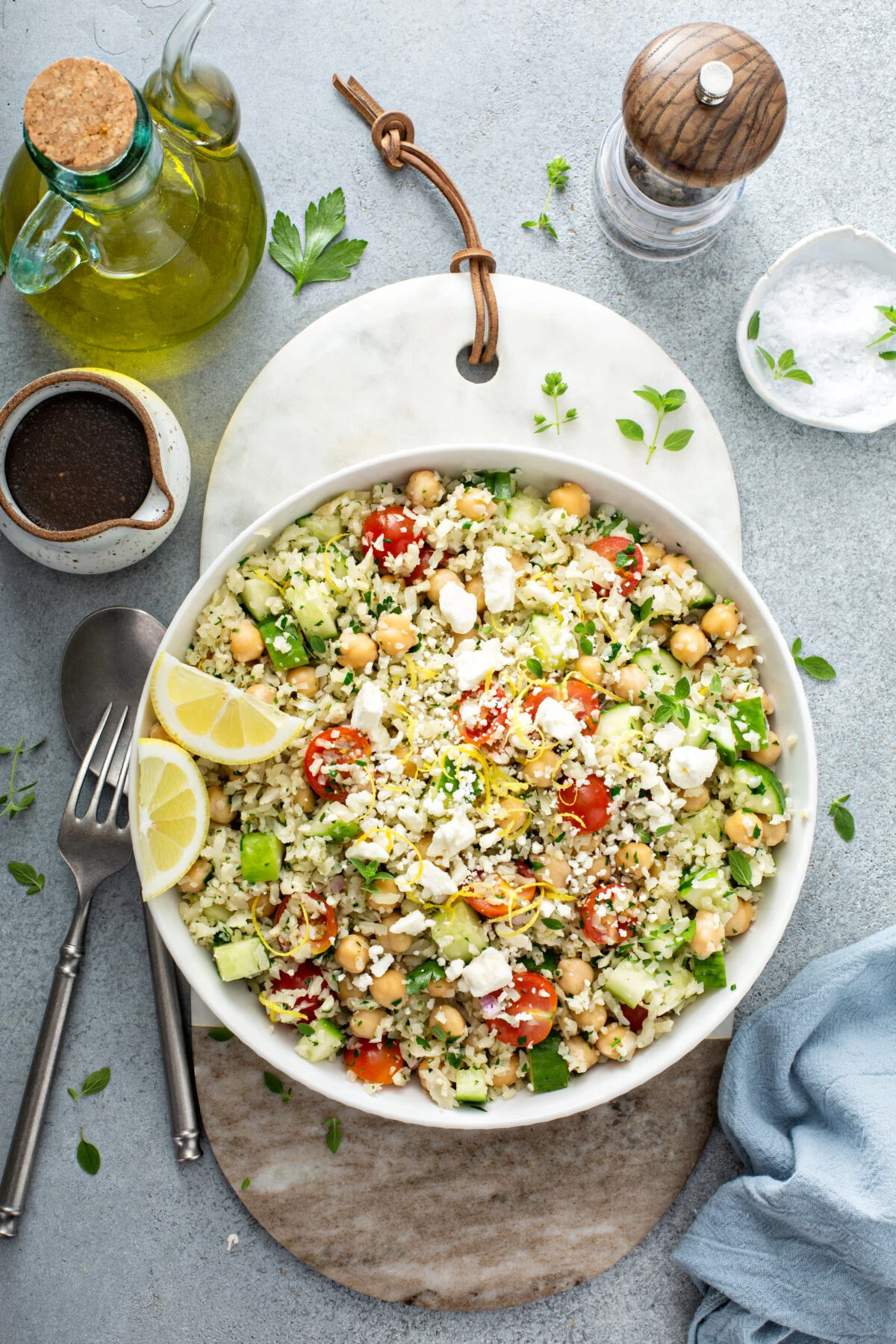
Cottage cheese is a nutritional powerhouse, offering up to 17 grams of protein per serving. Its versatility allows for a "sweet" profile with granola and honey or a "savory" profile with diced cucumbers and balsamic glaze.
3. Blueberry Protein Popsicles
Ideal for summer sports. By freezing a blend of Greek yogurt, berries, and a hint of maple syrup, you create a treat that feels like a dessert but functions as a recovery tool.
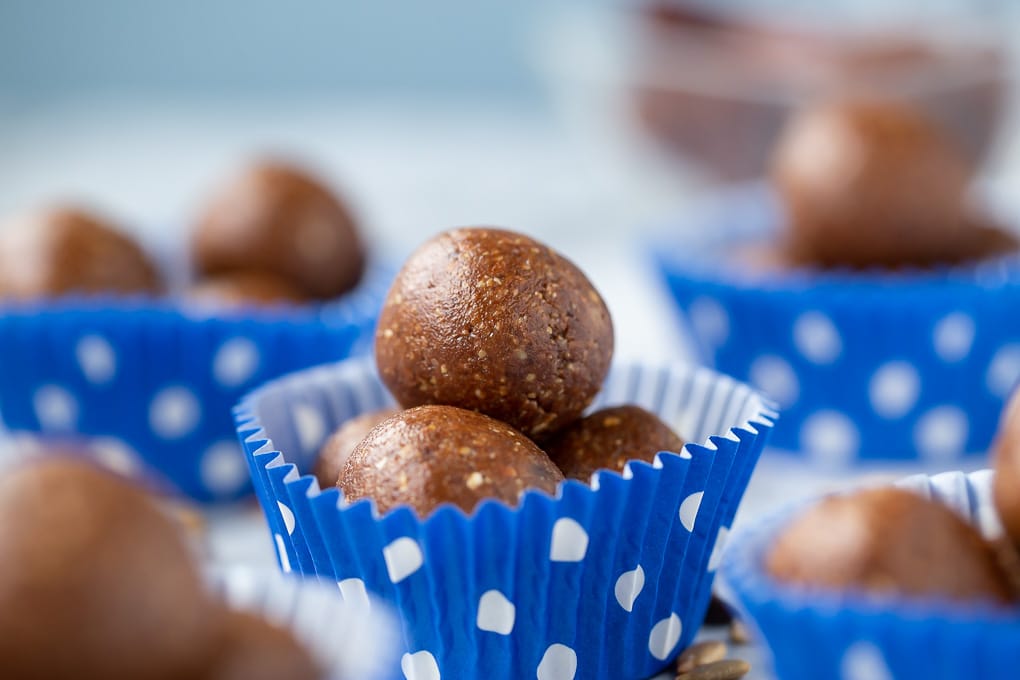
4. Peanut Butter Fudge Energy Balls
These are the gold standard for on-the-go fueling. Using dates for natural sweetness and oats for complex carbohydrates, two of these balls provide 8 grams of protein. They are easily made in bulk and stored in the freezer.
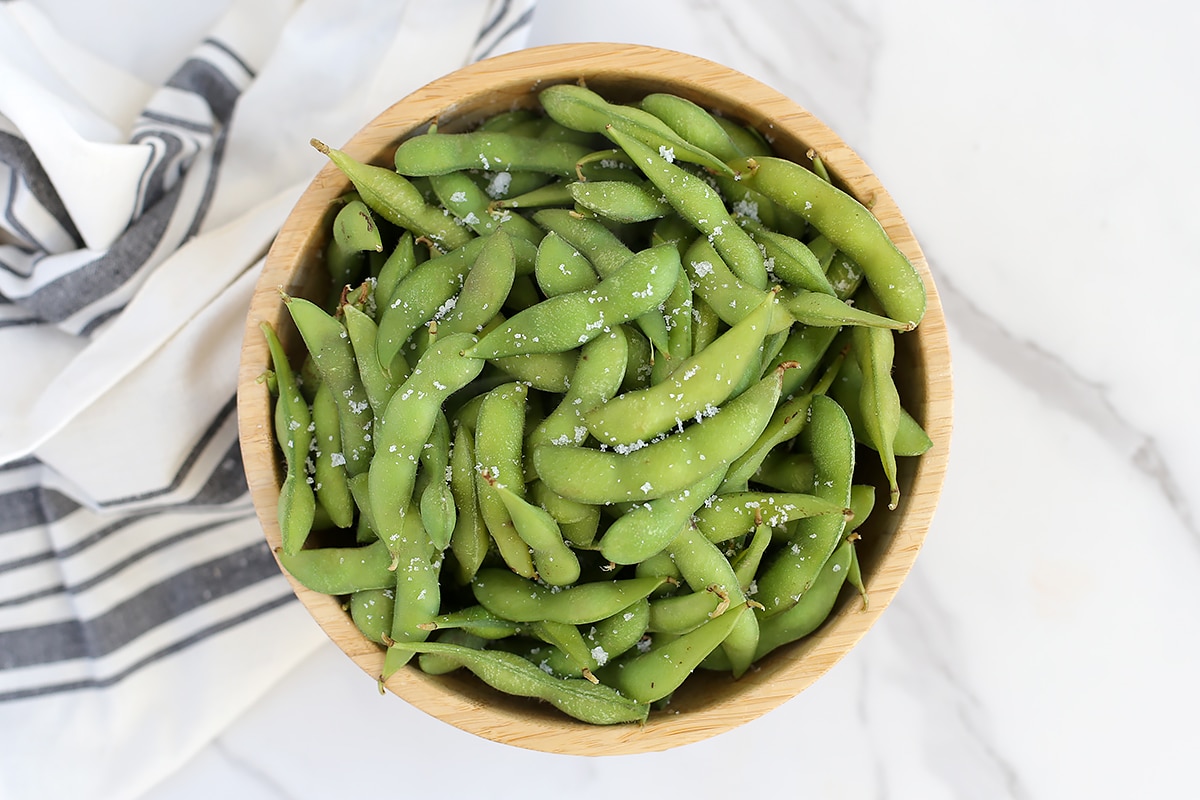
5. Easy High-Protein Edamame
For a savory, crunchy, and plant-based option, steamed edamame is unparalleled. It is rich in fiber and iron, both of which are critical for young athletes.
6. Homemade Chocolate RX-Style Bars
For older athletes who crave the convenience of a store-bought bar, homemade versions using nuts, dates, and egg-white powder offer a cleaner, more cost-effective alternative with approximately 10 grams of protein per bar.
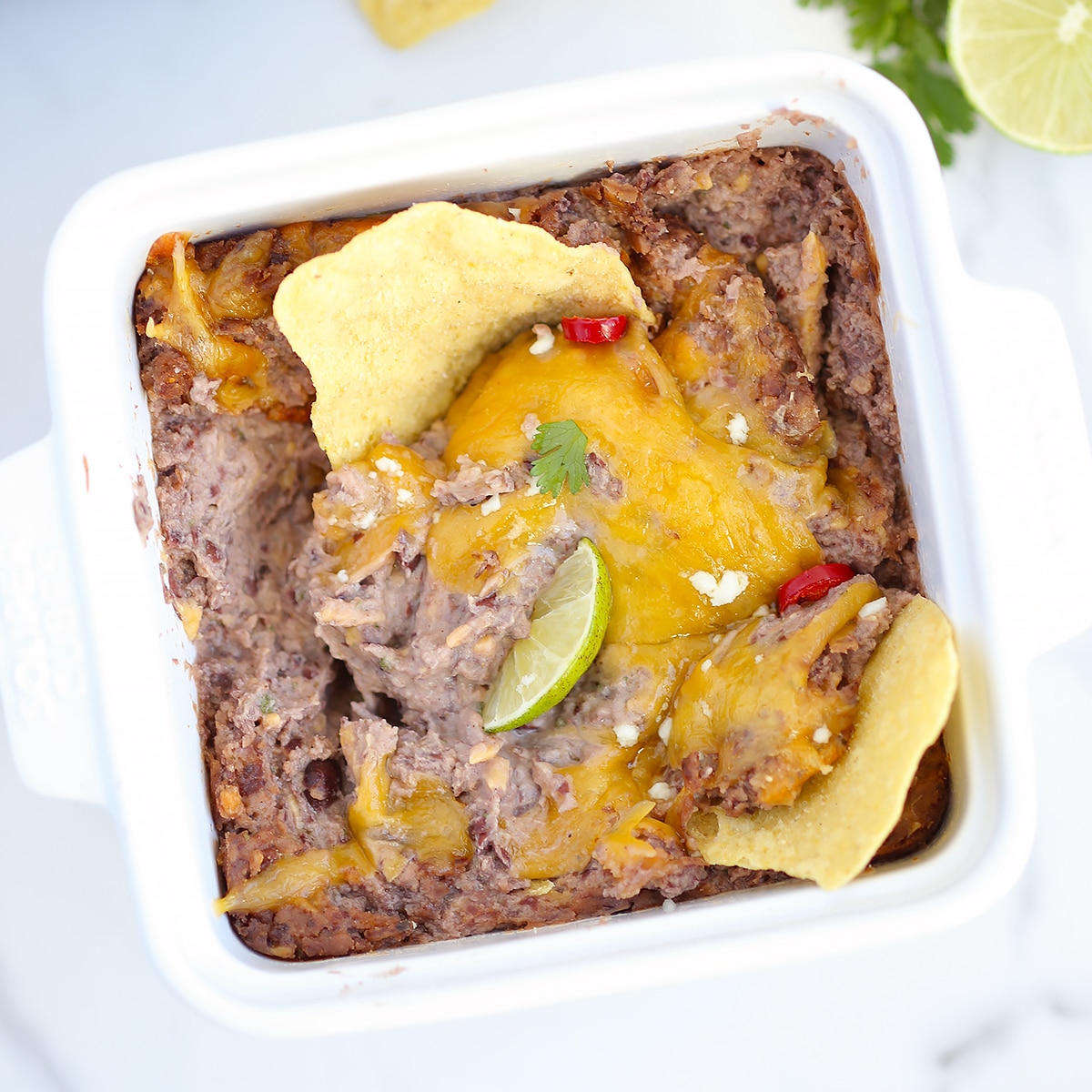
7. High-Protein Black Bean Dip
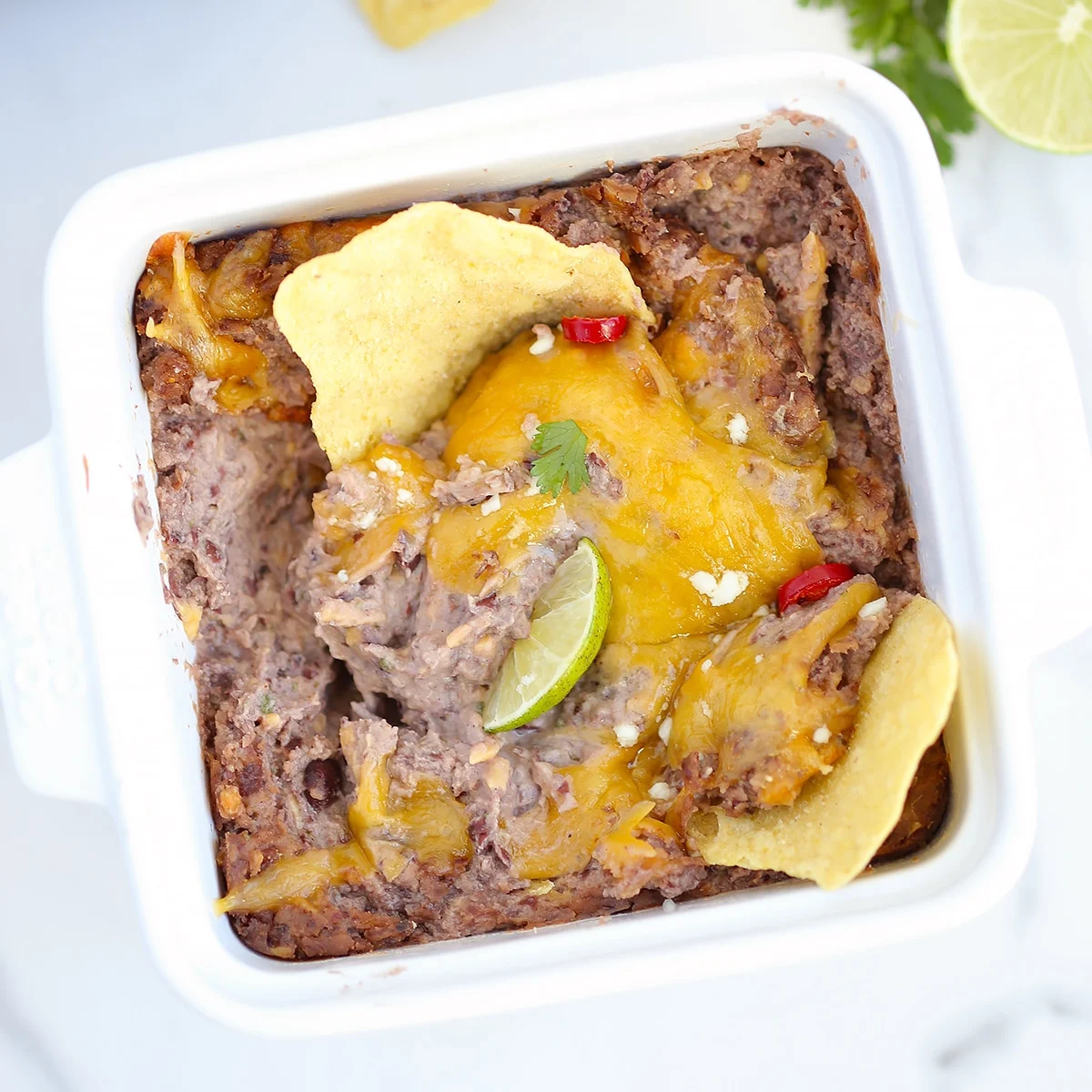
Beans are often overlooked in sports nutrition. This dip, fortified with Greek yogurt and cheese, provides 14 grams of protein. Serve with carrot sticks or whole-grain crackers.
8. Protein-Fortified Waffles
Freeze a batch of waffles made with Greek yogurt and eggs. A quick toast in the morning or after school provides a substantial, warm, and highly effective protein-carbohydrate ratio.
9. Roasted Chickpeas
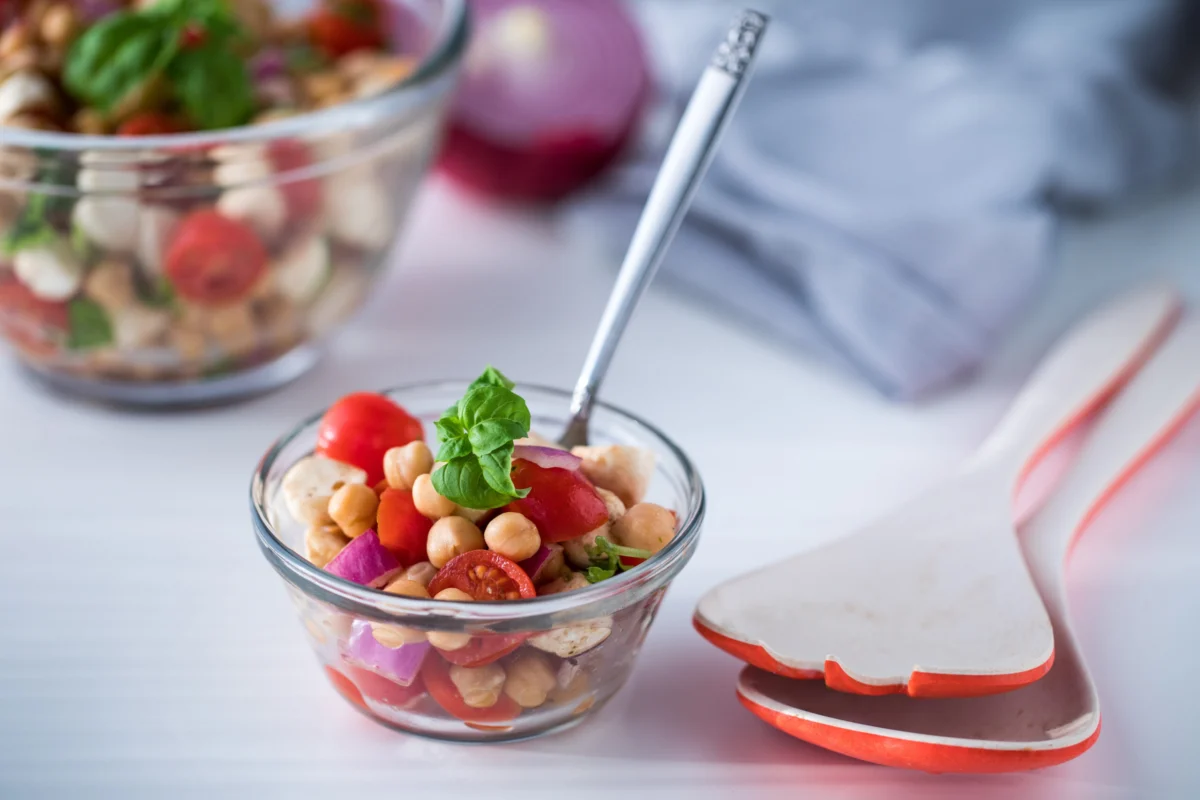
When the craving for chips strikes, roasted chickpeas provide the necessary crunch with a massive protein and fiber boost. They are highly portable for road trips and long tournament days.
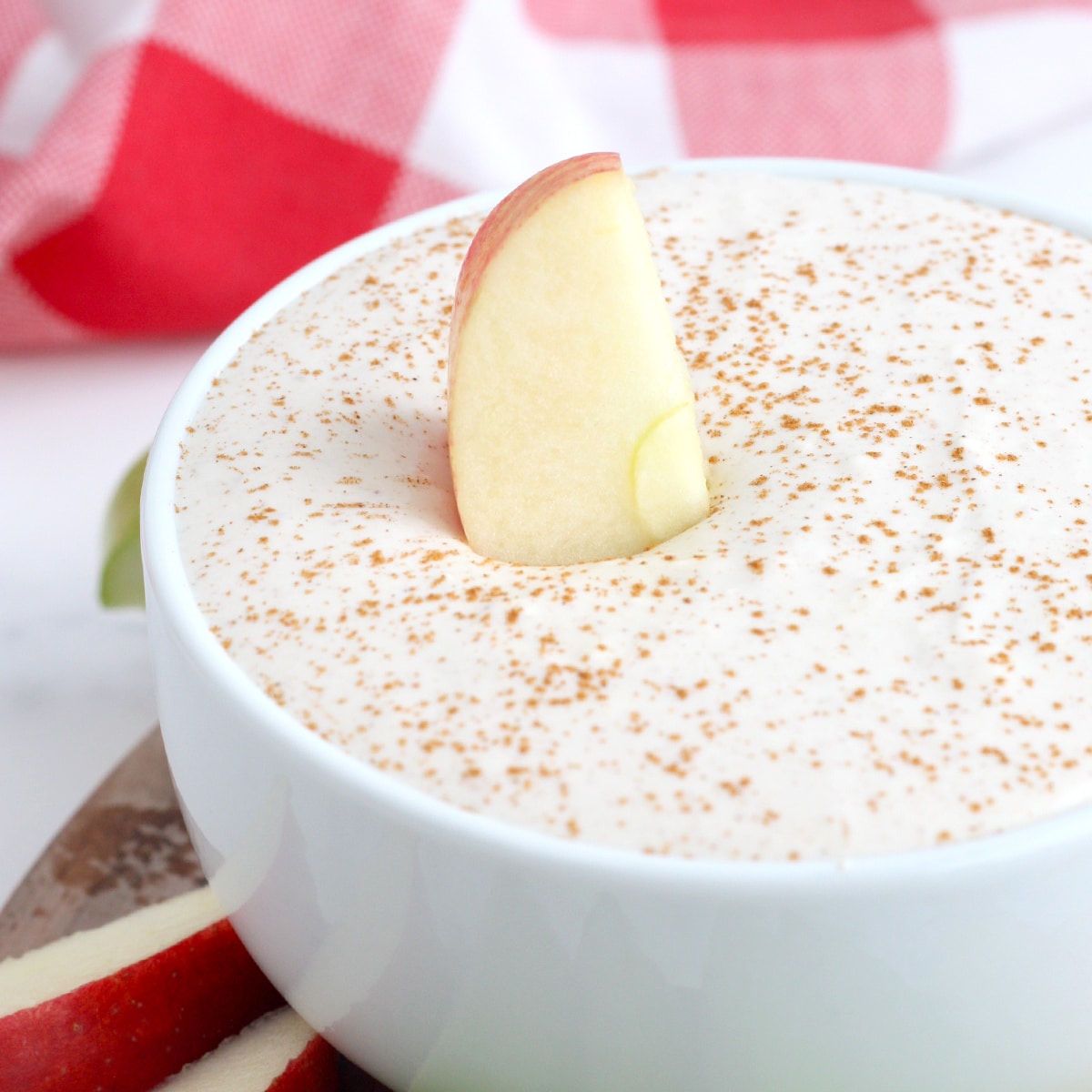
10. Healthy Yogurt Fruit Dip
By mixing Greek yogurt with cinnamon and vanilla, you turn a standard fruit platter into a protein-rich snack that is highly appealing to younger children.
11. Crunchy Roasted Peas
A variation on the chickpea trend, roasted peas are inexpensive and offer roughly 5 grams of protein per serving, making them a superior alternative to standard processed snack bags.
12. Savory Greek Yogurt Dip
Using fresh herbs like dill and parsley, this dip makes raw vegetables palatable for even the pickiest eaters while providing 7 grams of protein.
13. Kids-Can-Make-’Em Energy Bites
Involving children in the meal prep process increases the likelihood they will enjoy the food. These no-bake bites are a perfect entry-level culinary project for young athletes.
14. Chia Seed Energy Bites
Chia seeds provide a dense dose of hydration and nutrients. Combined with peanut butter and oats, these are a "slow-burn" fuel source that keeps athletes satisfied throughout long training sessions.
15. Raspberry Quinoa Smoothie
For the high-performance athlete, quinoa adds a level of complexity to a smoothie. With 22 grams of protein per serving, it is a meal replacement-level snack for the post-game hunger crash.

Supporting Data: Why Quality Matters
Research from organizations like the American Academy of Pediatrics consistently emphasizes that nutrient-dense, whole-food diets support not only athletic performance but also cognitive function and immune health in children.
A critical distinction must be made regarding protein supplements. While the market is flooded with protein powders and mass-gainers, these are largely unnecessary for the vast majority of young athletes. The body has a limit on how much protein it can synthesize at one time. Excess protein is either oxidized for energy or stored as fat, rather than being used to build muscle. Furthermore, many commercial supplements are not strictly regulated for purity or heavy metals. Pediatricians and sports dietitians almost universally recommend "food first."
Professional Perspectives on Pediatric Nutrition
When asked about the rise in supplement usage among youth, clinical dietitians often point to the "halo effect"—the mistaken belief that if a professional athlete uses a supplement, it must be beneficial for a ten-year-old.
"The reality is that a young athlete’s nutritional needs are remarkably similar to the general population, just with higher volume requirements," says a leading pediatric sports consultant. "The most effective ‘supplement’ for a child is a consistent meal schedule that includes a wide variety of colors, textures, and food groups. When we lean too heavily on processed powders, we miss out on the phytonutrients, fiber, and vitamins that only whole foods provide."
The Implications for Parents and Coaches
The logistical challenge of providing these snacks is the biggest hurdle for most parents. However, the implication of failure—or of relying on vending machines—is a cycle of "sugar spikes and crashes" that can lead to fatigue, poor concentration, and increased injury risk.
Practical Implementation Strategies:
- The "Grab-and-Go" Station: Dedicate one shelf in the fridge and one bin in the pantry to "athlete-approved" snacks. When kids can choose their own snacks, they are more likely to eat them.
- Weekend Prep: Spend one hour on Sunday prepping energy balls, smoothies, or roasting chickpeas. This mitigates the temptation to buy fast food during the week.
- Hydration Accountability: A reusable water bottle should be treated as essential gear, just like a helmet or cleats.
Conclusion
Fueling a young athlete is an investment in their long-term health, not just their current sports season. By focusing on whole, protein-rich, and carbohydrate-balanced snacks, parents can provide the building blocks necessary for muscle growth, sustained energy, and rapid recovery.

We must move away from the myth that "more is better" when it comes to protein supplements and return to the basics: a well-rounded diet that honors the hard work these young athletes put into their crafts. Whether they are dancing, swimming, or playing contact sports, the foundation of their success begins in the kitchen. With a little bit of planning and a focus on simple, nutrient-dense ingredients, we can ensure our children are fueled for whatever the game—and life—throws at them.