CULINARY ARTS — For generations, the landscape of holiday dining has been anchored by centerpieces like roasted turkey, glazed ham, and prime rib. Yet, culinary historians and home cooks alike know that the true soul of any celebratory feast lies in its side dishes. Among these, few evoke as much nostalgia, warmth, and culinary debate as the humble yet luxurious pan of scalloped potatoes.
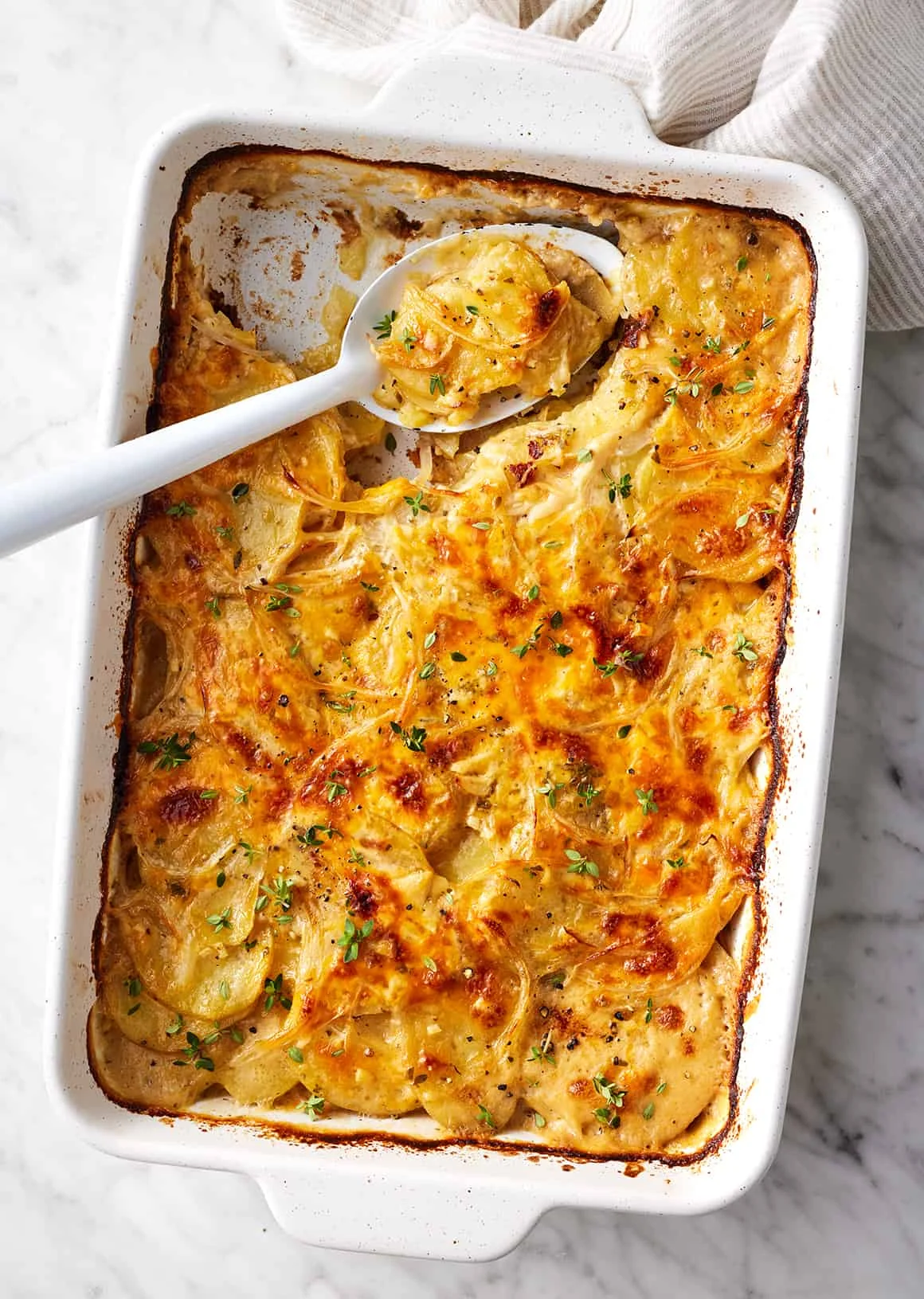
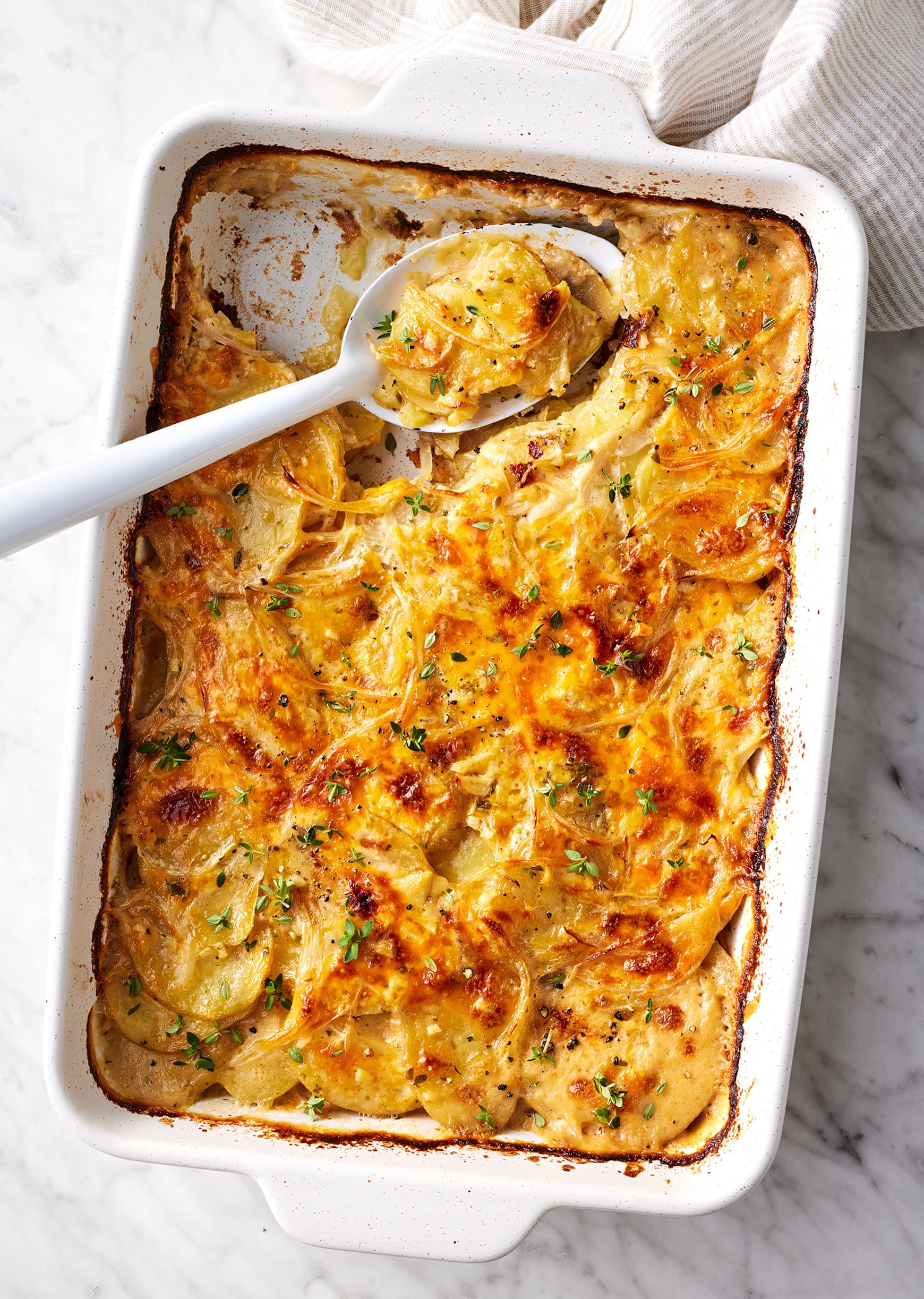
Boasting tender, paper-thin layers of potatoes submerged in a velvety, herb-infused cream sauce and blanketed with sharp, melted cheddar cheese, this dish has evolved from a traditional European peasant meal into a show-stopping staple of modern holiday spreads. Backed by an overwhelming wave of digital acclaim—including more than 150 five-star reviews from home cooks across the country—this definitive scalloped potato recipe continues to redefine comfort food for the modern palate.
Main Facts: Anatomy of a Holiday Masterpiece
At its core, this celebrated scalloped potato recipe relies on a harmonious balance of simple, whole ingredients elevated by precise culinary technique.
Unlike boxed convenience foods or overly heavy casserole variations, this dish strikes a delicate equilibrium. The sauce is rich and luscious without feeling cloying, achieved through a traditional butter-and-flour roux whisked with milk and savory broth. Infused with aromatic garlic and fresh thyme, the cream sauce binds together uniform slices of potatoes and sweet onions, while sharp cheddar cheese introduces a deeply savory, golden crust on top.
The journey toward perfecting this crowd-pleasing casserole spans decades of kitchen trials, family memories, and technical refinements.
Childhood Roots
The recipe’s creator recalls growing up with homemade scalloped potatoes as the undeniable highlight of every Easter dinner. Cheesy, comforting, and deeply savory, those childhood meals set an exacting standard for what a holiday side dish should be.
The Development Phase
Years later, a rigorous kitchen testing phase began. The primary challenge was addressing common pitfalls in potato casseroles: sauces that split or turned watery, unevenly cooked potato slices, and flavors that tasted either overwhelmingly heavy or entirely bland.
The Slicing Method: After experimenting with mandolines, the creator ultimately favored a traditional chef’s knife, emphasizing precision to ensure 1/8-inch-thick slices that cook uniformly.
The Sauce Refinement: By carefully balancing milk, broth, butter, and flour into a stable roux, the recipe achieves a velvety texture without requiring a heavy-cream overload. Fresh garlic and thyme were introduced to cut through the richness with earthy, aromatic notes.
Supporting Data & Culinary Science: Scalloped vs. Au Gratin
In the culinary world, nomenclature matters, and few dishes spark as much friendly pedantry as the distinction between scalloped potatoes and potatoes au gratin.
The Traditional Definitions
Scalloped Potatoes: Historically rooted in traditional English and American cooking, true scalloped potatoes feature thin slices of potatoes baked in a simple milk or cream sauce, often accented with onions, but traditionally without cheese. The term "scallop" refers to the shallow baking dishes historically used to prepare them.
Potatoes au Gratin: Originating in France, the term gratin refers to any dish topped with a crust of breadcrumbs or cheese, browned in the oven or under a broiler. Therefore, traditional au gratin potatoes inherently include cheese.
Bridging the Divide
Despite technical culinary definitions, cultural evolution often redefines terminology. The recipe that many families grew up enjoying—frequently called "scalloped potatoes" at the holiday table—invariably included generous layers of cheese.
Culinary pragmatists embrace this delicious overlap. Whether one calls them au gratin potatoes, potatoes au gratin, or cheesy scalloped potatoes, the fundamental appeal remains identical: tender starches married with unctuous dairy and caramelized aromatics.
Step-by-Step Methodology: How to Execute the Dish
Achieving restaurant-quality results at home requires attention to detail at every stage of the cooking process.
Step 1: The Slicing
Begin by slicing your potatoes—ideally Yukon Golds for their natural buttery flavor and moisture retention—into uniform 1/8-inch-thick rounds. Whether employing a mandoline slicer or a sharp chef’s knife, consistency is paramount. Uneven slices will result in a frustrating mix of crunchy, undercooked centers and mushy, overcooked edges.
Step 2: Crafting the Roux and Sauce
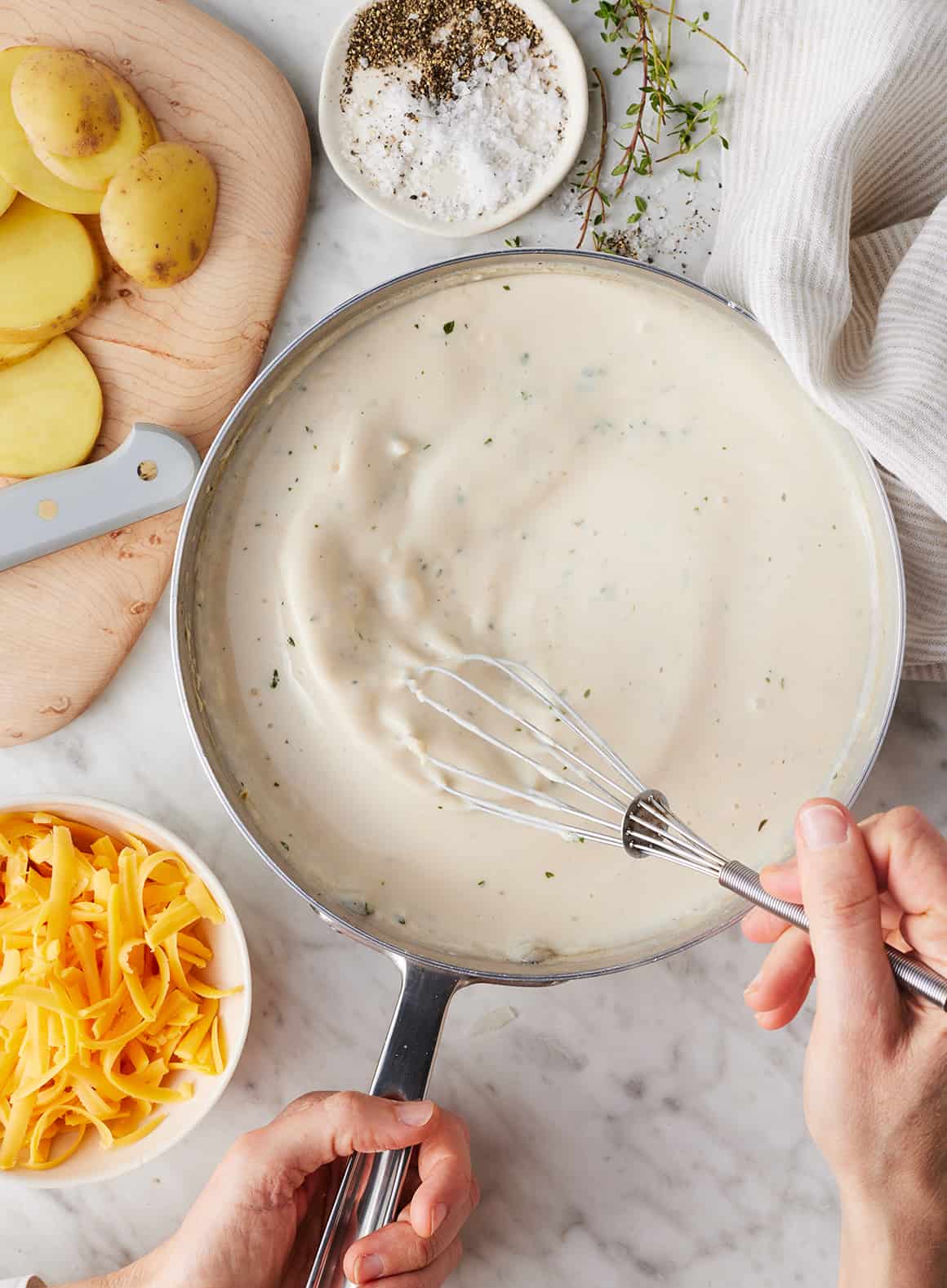
In a medium skillet, melt butter over medium heat, then sprinkle in all-purpose flour, whisking constantly to form a smooth roux. Cook the roux for a minute to eliminate the raw flour taste, then slowly stream in milk followed by savory broth while continuing to whisk vigorously to prevent lumps.
Introduce minced garlic, fresh thyme leaves, salt, and black pepper. Simmer the mixture gently until it lightly coats the back of a spoon (about 2 to 3 minutes).
Chef’s Tip: Monitor the heat closely. Never allow the sauce to come to a rolling boil once the dairy has been fully incorporated, as excessive heat can cause the emulsion to break and split.
Step 3: Layering the Casserole
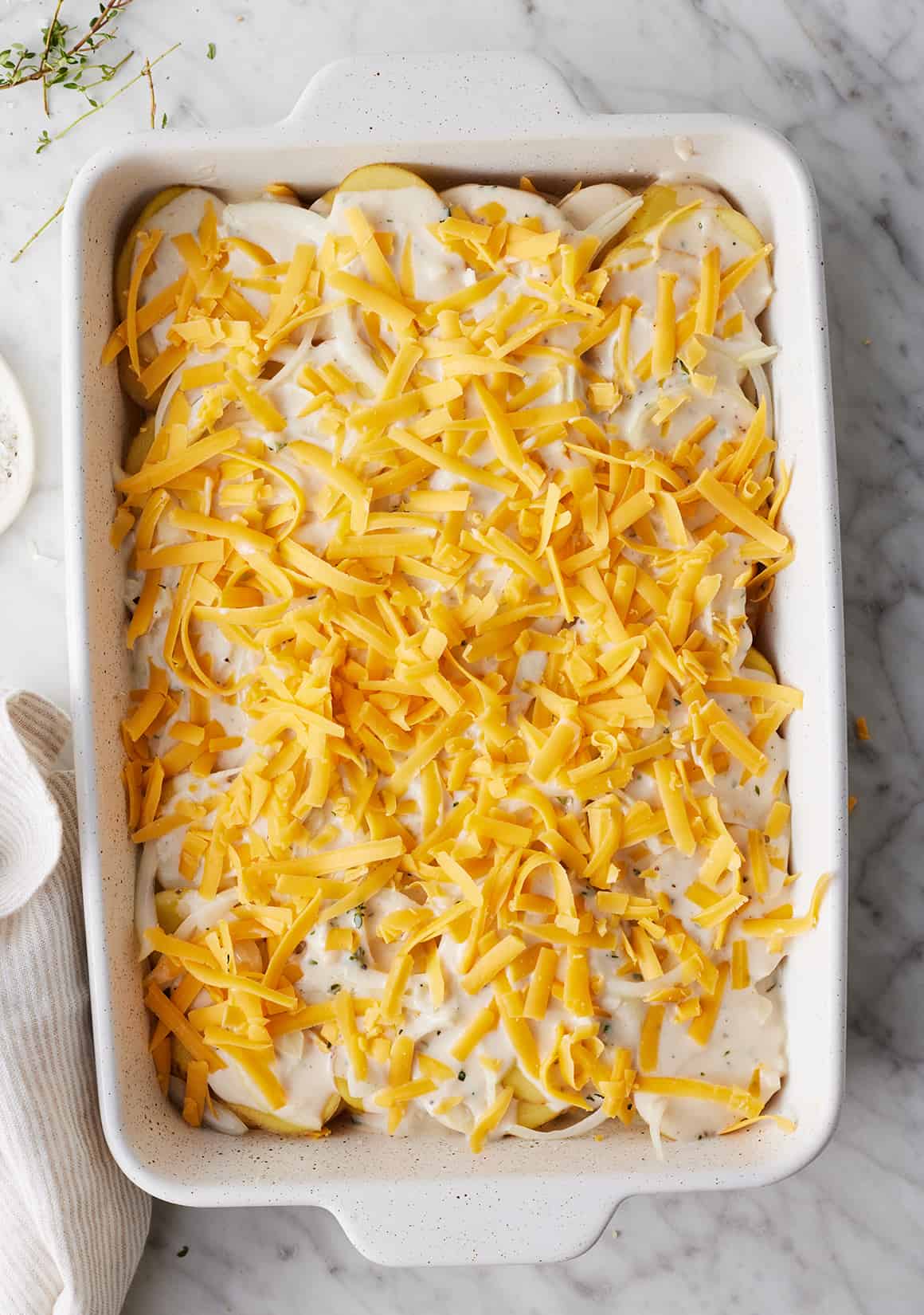
In an oiled 9×13-inch baking dish, construct the casserole in deliberate stages:
Lay down half of the thinly sliced potatoes and onions.
Pour over half of the warm cream sauce.
Sprinkle evenly with 1 cup of freshly grated cheddar cheese.
Repeat the process with the remaining potatoes, onions, sauce, and a final crown of cheese.
Step 4: Baking to Perfection
Cover the baking dish tightly with aluminum foil to trap steam, allowing the potatoes to soften thoroughly during the first 30 minutes of baking at 400°F.
Remove the foil and continue baking uncovered for an additional 35 to 40 minutes. This crucial uncovered window allows the starches to thicken the sauce further, the potatoes to become fork-tender, and the top layer of cheddar cheese to bubble and turn a deep, golden-brown.
Step 5: The Resting Period
Patience is perhaps the most critical ingredient. Allow the casserole to stand undisturbed at room temperature for 20 minutes before attempting to slice and serve. This resting period allows the internal starches and sauce to set, ensuring clean, structurally sound portions rather than a soupy mess on the plate.
Official Responses and Home Cook Testimonials
The true measure of any recipe is found outside the test kitchen, within the homes of everyday cooks. Over the past several seasons, this specific recipe has garnered immense praise across culinary platforms.
With more than 150 verified five-star reviews, community feedback highlights several standout attributes:
Accessibility: Reviewers frequently note that despite producing a dish worthy of a fine dining establishment, the ingredient list remains straightforward and accessible at any local supermarket.
Reliability: Unlike delicate soufflés or finery that demands last-minute kitchen acrobatics, home cooks praise this recipe for its dependable structural integrity and consistent baking times.
Versatility: While initially designed as a holiday showstopper for Easter, Thanksgiving, and Christmas, thousands of reviews report utilizing the recipe for Sunday suppers, casual dinner parties, and weeknight comfort food indulgence.
Implications: The Make-Ahead Advantage and Modern Entertaining
Modern holiday hosts face unprecedented demands on their time, oven space, and logistical planning. The ability to execute complex, multi-course meals hinges on dishes that can be prepared in advance without sacrificing quality.
Mastering the Make-Ahead Method
One of the most celebrated aspects of this scalloped potato recipe is its adaptability to advance preparation. Culinary experts and home cooks alike endorse two primary approaches:
Assembled and Chilled: Assemble the entire casserole up to the point of baking, cover tightly, and store in the refrigerator for up to 24 hours. When ready to bake, add an extra 15 to 20 minutes to the covered baking time to account for the chilled interior.
The Leftover Advantage: Surprisingly, many culinary enthusiasts argue that scalloped potatoes taste even better on day two. As the casserole cools and sits in the refrigerator for up to four days, the flavors meld deeper, and the starches settle further.
Reheating Guidelines
To revive leftovers or a make-ahead batch without drying out the creamy interior, cover the dish with foil and reheat gently in a 350°F oven until warmed through, or portion out individual servings for quick microwave heating.
Conclusion: A Timeless Legacy
As food trends come and go, embracing everything from minimalist plant-based dining to hyper-complex molecular gastronomy, the enduring appeal of a pan of cheesy, bubbling scalloped potatoes remains unshakable. It represents the intersection of technique, comfort, and hospitality.
Whether gracing the table of a formal holiday feast or serving as a comforting weeknight side, this meticulously crafted recipe bridges generations of culinary tradition. By honoring the basics—precise knife work, a stable, flavorful roux, aromatic herbs, and the unapologetic luxury of melted cheese—home cooks are equipped to deliver a side dish that invariably steals the show.