Main Facts
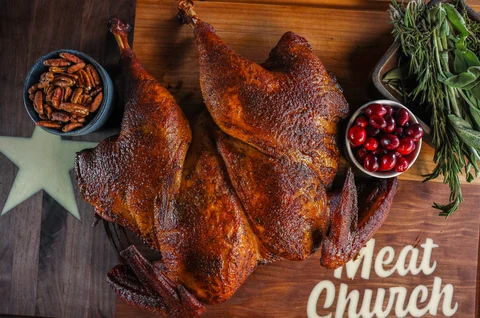
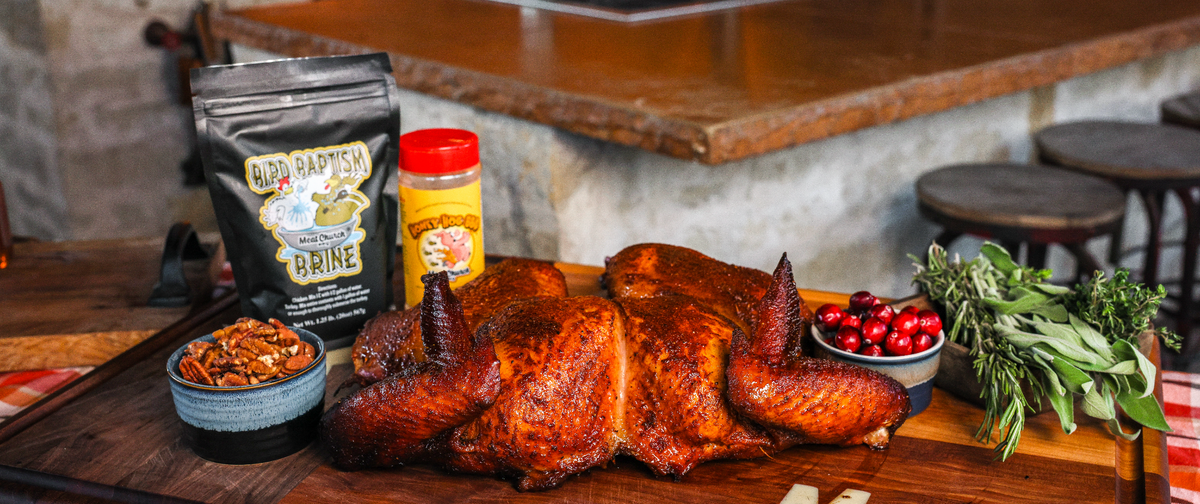
When it comes to holiday feasts and backyard barbecues alike, the turkey often shoulders an unfair reputation for being dry, flavorless, and entirely underwhelming. However, modern backyard pitmasters and culinary professionals are shifting the narrative through advanced techniques that guarantee a succulent, deeply flavorful bird every single time. At the forefront of this culinary evolution is a masterclass recipe combining three game-changing techniques: a custom sweet-and-savory brine, the structural advantages of spatchcocking, and a precision-driven wood-pellet smoke finished with a rich honey glaze.
Executed at a steady 275°F using a harmonious blend of pecan and fruit woods, this method transforms a traditional holiday bird into an artisanal masterpiece. By flattening the turkey—removing the backbone and keel bone—pitmasters ensure even cooking temperatures across the breast and thighs, mitigating the common dilemma of overcooked white meat and undercooked dark meat. Combined with a moisture-locking overnight brine and a final touch of caramelized honey, this recipe establishes a new benchmark for outdoor poultry preparation.
Chronology: Step-by-Step Execution
Mastering this smoked honey-glazed turkey requires a methodical approach, moving from long-term preparation to the final resting phase.
Phase 1: The Brine (The Foundation of Moisture)
The process begins well in advance of cooking. In a medium stockpot, combine the contents of a specialized poultry brine package, brown sugar, and honey with approximately four cups of water. Bring the mixture nearly to a boil, stirring continuously until the salt and sugars are completely dissolved into a fragrant, concentrated solution.

Once dissolved, remove the pot from the heat source and incorporate 8 to 12 cups of ice water to rapidly chill the liquid. Place the turkey inside a food-safe brine bag, carefully pouring the cooled brine mixture over the bird to ensure total submersion (supplementing with additional cold water if necessary). Seal the bag and transfer it to the refrigerator, allowing it to brine overnight—or, at the bare minimum, for one hour per pound of meat.
Phase 2: Structural Preparation (Spatchcocking)
Spatchcocking, or butterflying the turkey, can be executed either before or after the brining process. Using a robust pair of heavy-duty poultry shears, cut cleanly along each side of the backbone to remove it entirely. Next, remove the rigid keel (breast) bone to allow the bird to lay completely flat. This reduces overall cooking time and maximizes the surface area exposed to smoke and seasoning.

Phase 3: Seasoning and Butter Infusion
With the bird flattened, gently separate the skin from the meat across the breasts and thighs using your fingers, taking care not to tear the delicate outer layer. Insert generous pats of butter directly beneath the skin to baste the meat from the inside out as it renders. Secure the loosened skin back into place using clean toothpicks.
Next, apply an even layer of a sweet savory rub—such as a dedicated "Honey Hog" barbecue seasoning—across all surfaces of the turkey, ensuring coverage beneath the wings and legs. Allow the dry rub to rest on the meat for at least 15 minutes to adhere properly.

Phase 4: The Smoke
Preheat your smoker or pellet grill to 275°F. For this specific profile, medium-strength smoking woods or pellets—such as pecan, hickory, or fruit woods like cherry—provide a balanced smoke flavor that will not overpower the poultry. (A popular setup utilizes a pellet grill loaded with a 50/50 blend of pecan and cherry pellets).
Place the prepared spatchcocked turkey directly onto the smoker grates. Allow the bird to cook undisturbed until an instant-read digital thermometer inserted into the thickest part of the breast registers 155°F. Midway through the cooking process, baste the exterior with melted butter to enhance moisture and promote browning.

Phase 5: The Glaze and the Rest
As the turkey approaches its target internal temperature, prepare for the final flourish. Retrieve the honey set aside earlier and glaze the entire bird. For optimal coverage, squirt the honey directly from the bottle onto the skin, then use a clean silicone basting brush to distribute it evenly into crevices and hard-to-reach areas.
Return the glazed turkey to the smoker for an additional five minutes, just long enough for the honey to "tack up" and form a glossy, caramelized lacquer. Carefully remove the bird from the cooker and transfer it to a cutting board or resting pan. Allow the turkey to rest undisturbed for at least 30 minutes—adjusting the time upward based on the overall size of the bird—to allow the internal juices to redistribute evenly throughout the muscle fibers. Carve and serve alongside a complementary seasonal beverage, such as a Fall Spiced Whiskey Sour.

Supporting Data and Technical Parameters
Achieving competition-level results requires careful attention to time, temperature, and wood chemistry.
- Cooking Temperature: 275°F represents the "sweet spot" for modern pellet smokers and offset cookers when preparing poultry. It is low enough to impart a deep, clean smoke flavor while running hot enough to render subcutaneous fat and crisp the skin—a common pitfall of low-and-slow poultry cooked at 225°F.
- Target Internal Temperature: Pulling the turkey from the smoker when the breast reaches 155°F accounts for residual carryover cooking. During the mandatory 30-minute resting period, thermal dynamics will push the internal temperature safely past the USDA-recommended 165°F threshold without drying out the delicate white meat.
- Wood Selection Chemistry: Pecan offers a mild, sweet, nutty smoke profile, while cherry wood contributes a subtle fruitiness and imparts a rich, mahogany color to the poultry skin. Combining these two woods creates a visually striking and aromatic bark that complements the sweetness of the brown sugar and honey brine.
Official Recommendations and Best Practices
Culinary experts and competition pitmasters emphasize several critical safety and quality controls when executing this recipe:

- Food Safety During Brining: Always chill the brine completely with ice water before introducing a raw turkey. Putting a warm brine into contact with poultry creates a hazardous temperature zone that fosters rapid bacterial growth. The brining process must always take place inside a refrigerated environment (below 40°F).
- Thorough Rinsing and Drying: After removing the turkey from the brine, rinse the exterior thoroughly under cold running water to wash away excess surface salt. Pat the skin completely dry with paper towels; removing excess surface moisture is the single most important step in achieving crisp, bite-through skin on a smoker.
- Thermometer Placement: Always utilize a reliable, calibrated digital instant-read thermometer. Insert the probe into the deepest part of the breast and the thickest part of the thigh, ensuring the metal tip does not rest against bone, which can yield false temperature readings.
Implications: Elevating Backyard Barbecue Traditions
The widespread adoption of advanced smoking techniques—such as spatchcocking and precision honey-glazing—signals a broader shift in backyard cooking culture. No longer reserved for specialized barbecue competitions, high-end culinary methodologies are rapidly becoming accessible to home cooks through digital tutorials, specialized pellet grills, and premium flavor profiles.
By moving away from traditional, whole-roast methods that frequently result in uneven cooking, home chefs can consistently deliver restaurant-quality proteins. Furthermore, the integration of sweet-and-savory flavor profiles bridges the gap between traditional holiday comfort food and contemporary craft barbecue. As techniques like this continue to gain mainstream popularity, the humble holiday turkey is shedding its dry reputation once and for all, establishing itself as a versatile canvas for smoke, spice, and culinary craftsmanship.