Main Facts: The Shift Toward Complex, Bitter Winter Cocktails
For generations, the cultural script of the winter holidays has demanded indulgence of the sweetest variety. From cloying eggnogs heavy with grated nutmeg to heavily sugared hot toddies, peppermint-infused schnapps, and dessert-heavy cocktails, December drinking traditions have long leaned into a high-sugar profile. But as contemporary palates evolve toward depth, balance, and gastronomic synergy, the mixology world is making a sharp course correction.
In its November/December Holiday Issue, Imbibe Magazine places the spotlight squarely on a counter-intuitive hero of the back bar: bitter liqueurs. Far from being relegated to dusty back-shelf digestifs or summer spritzes, amari, vermouths, sherries, and botanical-heavy liqueurs are proving to be the ultimate secret weapons for complex, festive winter libations.
Rather than overwhelming the palate with holiday excess, these bitter-forward formulations serve a dual purpose. They act as a sophisticated palate cleanser, cutting through the rich, heavy fats of elaborate holiday feasts, while functioning as flawless post-dinner digestifs. From low-proof highballs to spirit-forward twists on classic templates, the bitter cocktail revolution has officially arrived, transforming how we toast the season.
Chronology: The Evolution of Holiday Drinking Traditions
From Colonial Concoctions to Modern Mixology
The tradition of winter holiday drinking stretches back centuries, deeply rooted in the agricultural rhythms of the Northern Hemisphere. Historically, winter was a time of preservation. In medieval Europe and early colonial America, seasonal celebrations relied on shelf-stable ingredients—heavy ales, fortified wines like sherry and port, heavy creams, and preserved fruits—to sustain festive gatherings. Because sugar and spices were prized status symbols, layering them heavily into holiday punch bowls became a display of hospitality and wealth.
The Mid-Century Sweet Tooth and the Dark Ages of the Bar
By the mid-20th century, commercialization steered holiday drinking further into the realm of the ultra-sweet. Artificial liqueurs, premade mixes, and candy-flavored vodkas dominated home bars during November and December. Cocktails became synonymous with dessert, masking the harsh burn of cheap base spirits with heavy doses of corn syrup, artificial vanilla, and chemical flavorings.
The Craft Cocktail Renaissance and the Bitter Awakening
The modern craft cocktail movement—sparked in the early 2000s—began resurrecting pre-Prohibition standards, slowly reintroducing bitters, vermouths, and historical amari to the mainstream. However, for years, these bitter components were largely confined to summer spritzes and pre-dinner aperitifs.

It is only in recent years, culminating in the winter drink trends of the mid-2020s, that bartenders and home mixologists have recognized the true versatility of bitter liqueurs during cold-weather months. Recognizing that winter meals are naturally heavy, the beverage industry has pivoted toward recipes that offer architectural balance rather than one-note sweetness, establishing bitter liqueurs as the definitive flavor profile of the modern holiday season.
Supporting Data: Decoding the Trend and Featured Recipes
To understand the scope of this bitter revolution, one need only look at the breadth of flavor combinations being championed by leading bartenders across the country. The current crop of winter drinks relies on sophisticated chemistry, pairing herbal, nutty, and root-driven ingredients with unexpected base spirits.
1. The Low-Proof and Aperitif Approach
- Adonis Spritz: By wedding the nutty, oxidative complexities of classic sherry with the effervescent, refreshing structure of an Italian spritz, this drink bridges the gap between pre-dinner aperitif and wintry sparkler.
- Bitter Pop: Designed as a straightforward holiday highball, this formulation pairs a rich, complex amaro with the comforting warmth of vanilla and the sharp, spicy kick of ginger ale, proving that high-end flavor doesn’t require a laundry list of ingredients.
2. Deep, Botanical, and Bittersweet Creations
- Black Rock Chiller: Originating from the famed New York amaro institution Amor y Amargo, this batched marvel relies on equal parts tequila, Branca Menta, and Suze. The result is a bracing, bittersweet delight that balances herbaceous agave with the medicinal, minty wallop of Fernet’s sibling and the earthy yellow gentian of Suze.
- Brass Elephant: This seasonal standout anchors its profile in Nocino, a traditional green-walnut liqueur. Nocino brings an inherent dark, spicy, bittersweetness that rounds out the cocktail, offering notes of baking spice without the cloying nature of commercial syrups.
- Como Spritz: Crafted by acclaimed bartender Sam Ross of Good Guy’s, this Cynar (artichoke amaro) and passion fruit spritz was born from memories of a summer on Lake Como, proving that tropical notes can seamlessly adapt to cooler weather when anchored by a dark, bitter backbone.
3. Reinventing the Classics: Martinis, Manhattans, and Daiquiris
- Daily Rituals: A brilliant mash-up of the ubiquitous Espresso Martini and the Mexican Carajillo, this recipe integrates amaro to grant the cocktail extra depth, pulling it out of the realm of simple coffee-flavored desserts.
- Dark & Moody: Taking a cue from the classic rum Daiquiri, this wintry riff injects heavy doses of Fernet-Branca and green Chartreuse. The combination introduces a monumental, assertive flavor profile that completely transforms the drink into a warming, alpine-style experience.
- Night Train: Described conceptually as where the Manhattan meets the Boulevardier, this drink leans heavily into fortified wines and bitter modifiers, making it an ideal fireside companion.
4. Nightcaps and Complex Punches
- Magic Walnut Ride: Built specifically as a low-ABV nightcap to cap off an evening of heavy holiday feasting, this recipe relies on a harmonious blend of amaro, sherry, vermouth, and nocino, delivering low alcohol by volume without sacrificing a single drop of flavor.
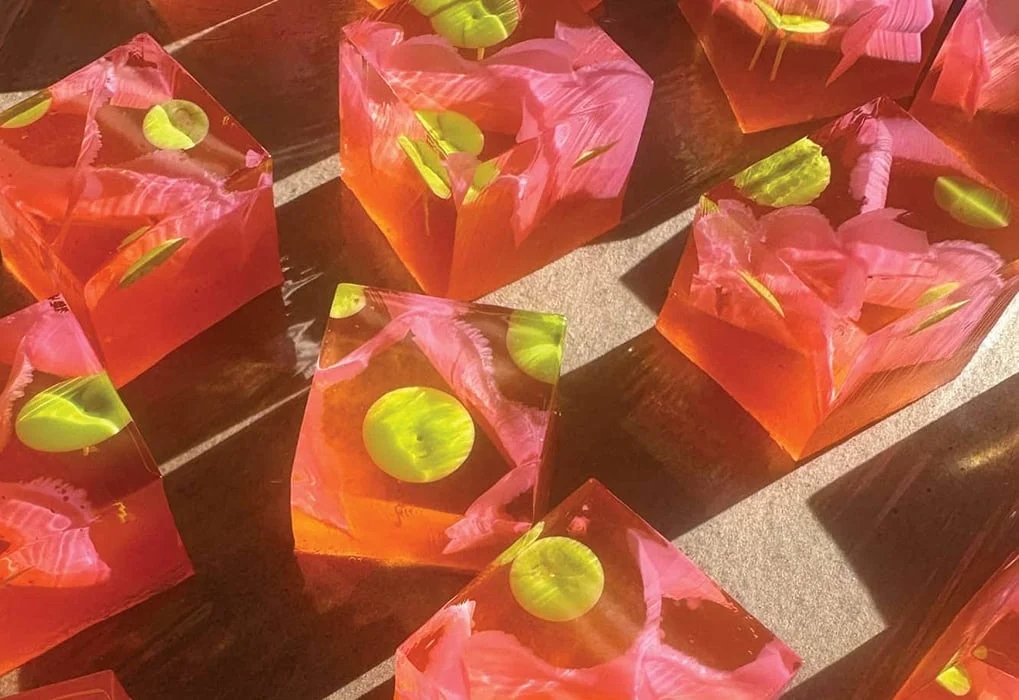
- South for the Winter: Demonstrating that punch season doesn’t have to mean heavy dairy or stewed fruit, this easy-to-make clarified punch recipe uses modern clarification techniques to balance bitter Italian liqueurs with bright, tropical flavors, offering a crystalline visual presentation alongside a deeply complex taste profile.
Official Responses and Expert Perspectives
The culinary and mixology communities have been vocal about why this shift toward bitter profiles is resonating so strongly with consumers today.
"When people gather for the holidays, the food is naturally decadent, rich, and often heavy on proteins, fats, and sugars," notes a leading beverage director specializing in Italian amari programs. "If you pair a heavy meal with a heavy, sweet cocktail, palate fatigue sets in almost immediately. Bitter liqueurs act as a reset button. They stimulate appetite before the meal and aid digestion after it, while keeping the palate engaged."
Industry analysts point out that the boom in bitter liqueurs aligns with broader consumer trends favoring wellness, lower alcohol consumption, and complex, adult flavor profiles over simple sugars.
"Consumers are becoming much more discerning," explains a beverage market researcher. "We are seeing a massive surge in the popularity of zero-proof and low-ABV options, but even among full-strength drinkers, the demand is for drinks that tell a story. Bitters, amari, and botanical liqueurs—with their roots in ancient medicinal herbs, barks, roots, and flowers—offer a narrative of craftsmanship and heritage that mass-market syrups simply cannot match."
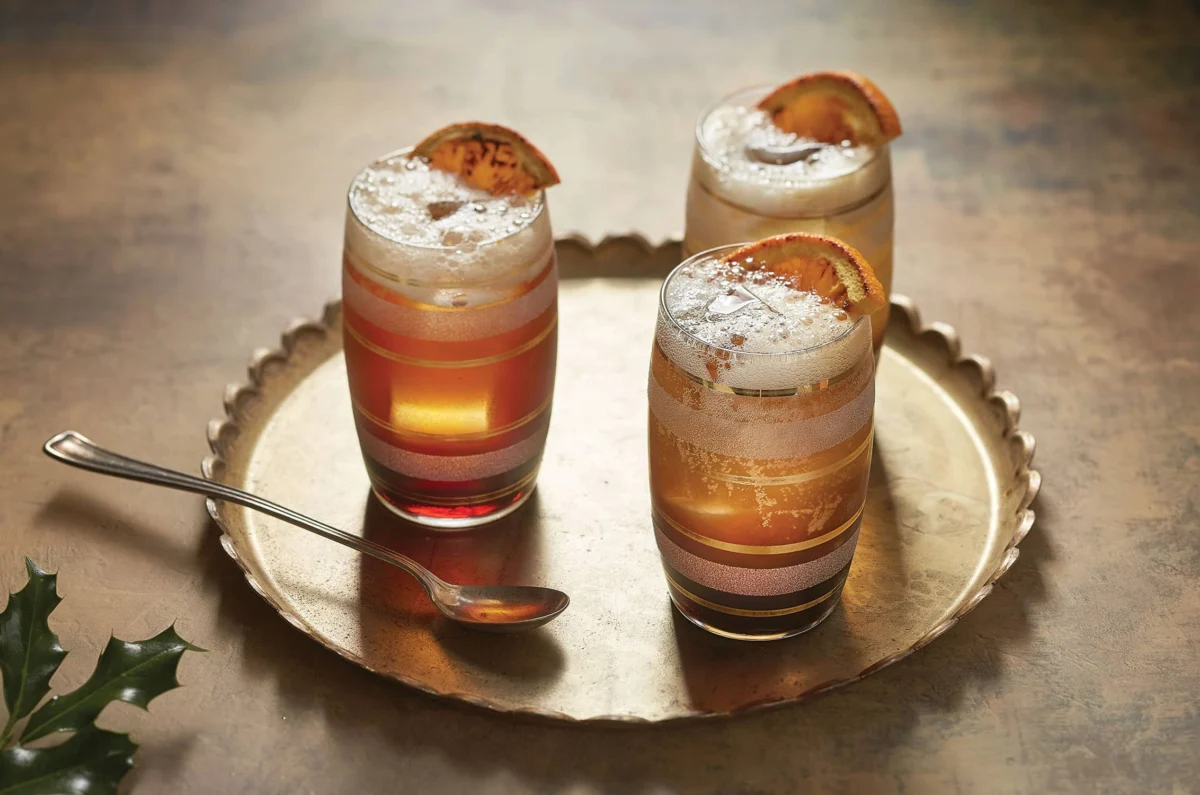
Furthermore, bartenders emphasize the practical advantages of batched and bitter cocktails during the hectic holiday hosting season. Drinks like the Black Rock Chiller or South for the Winter can be prepared in advance, freeing up hosts to spend time with their guests rather than playing amateur bartender all night.
Implications: What This Means for Holiday Hosting and the Beverage Industry
The mainstreaming of bitter winter cocktails carries significant implications for both home entertainers and the commercial beverage sector.
1. Transforming the Home Bar Cart
For the home host, the rise of the bitter winter cocktail signals a necessary evolution of the bar cart. Gone are the days when stocking a holiday party meant merely purchasing a handle of vodka and a bottle of premade eggnog. Today’s well-prepared host is stocking up on regional amari, quality sweet and dry vermouths, fortified sherries, and walnut liqueurs like Nocino. This shift encourages experimentation, allowing guests to customize their drinks from low-proof spritzes early in the evening to bracing, spirit-forward nightcaps as the night winds down.
2. A Boon for Craft Distillers and Importers
On a commercial level, this trend is a massive win for craft distilleries and specialty importers. While mass-produced spirits continue to dominate volume sales, the artisanal amaro and bitter liqueur market has experienced remarkable double-digit growth over the past five years. Independent producers—both in traditional European strongholds like Italy and France, and increasingly across domestic craft distilleries in the United States—are finding a eager audience looking to explore regional botanicals and proprietary bitter blends.
3. A Healthier, More Sustainable Approach to Celebration
Finally, the embrace of bitter liqueurs reflects a broader cultural desire for mindful consumption. By utilizing lower-proof modifiers, sessionable amari, and ingredients that aid digestion, drinkers are finding ways to celebrate elaborately without paying the physical toll usually associated with heavy holiday indulgence. As we look toward the future of celebratory drinking, one thing is abundantly clear: the future of holiday cheer is deliciously, wonderfully bitter.