Main Facts
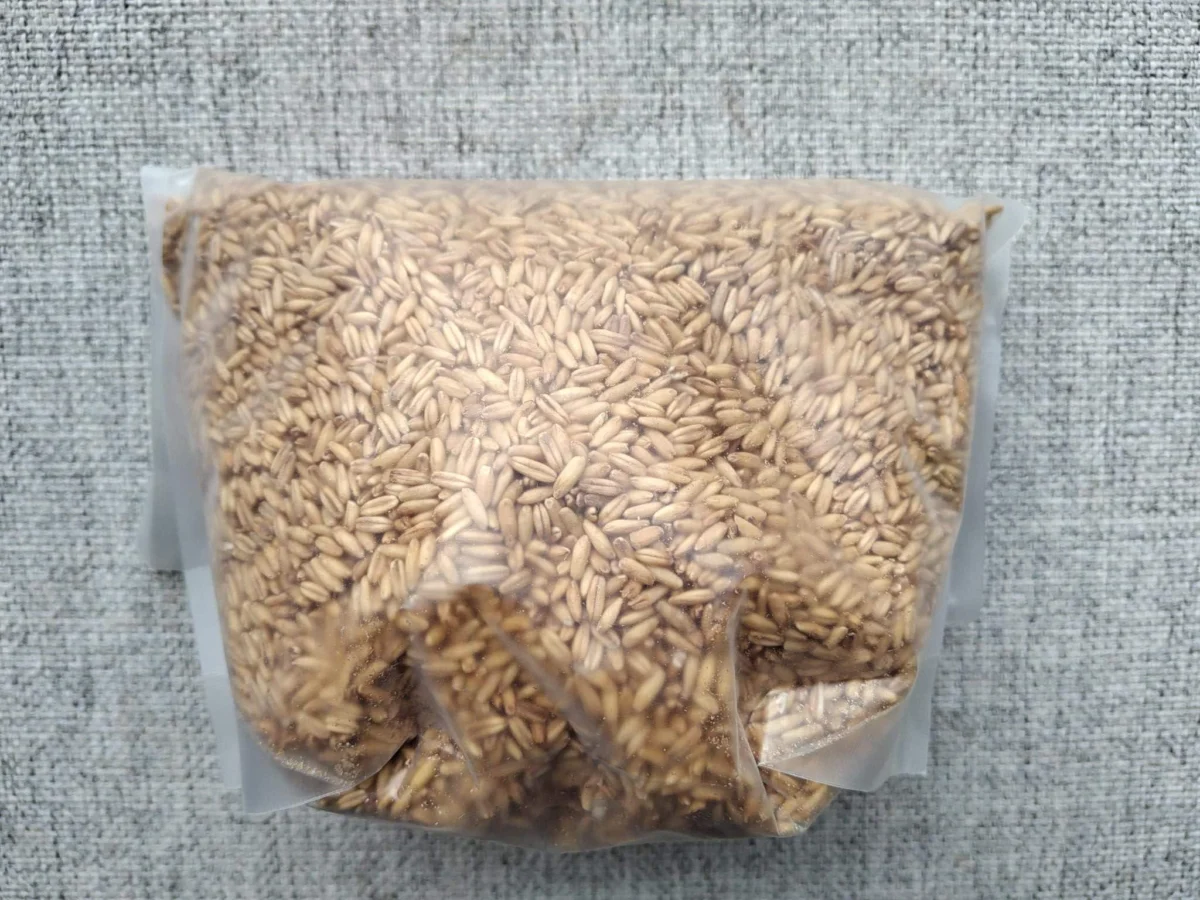
In the quiet corners of experimental agronomy and sustainable agriculture, a humble yet revolutionary grain is quietly making its case for mainstream adoption. Known scientifically as Avena Nuda—and more commonly referred to as naked oats—this ancient crop is challenging the dominance of traditional grains like wheat, rice, and standard hulled oats.
Unlike conventional oats, which require an energy-intensive mechanical milling process to remove a tight, inedible outer husk, Avena Nuda sheds its protective layer naturally during the threshing process. This biological quirk eliminates an entire tier of industrial processing, making the grain an attractive prospect for low-waste supply chains.
Beyond its processing advantages, the naked oat is a powerhouse of nutrition and an exceptional agronomic tool. It boasts a rich, nutty flavor profile, high levels of soluble fiber (beta-glucan), healthy fats, and a dense concentration of essential amino acids. For farmers, the crop serves as an effective cover and rotation tool, establishing deep, robust root systems early in the growing season that stabilize topsoil, prevent erosion, and enhance soil microbiome health.
However, the grain faces a significant hurdle on its path to culinary ubiquity: cooking time. While it shines as a nutrient-dense substitute for rice in dishes like risotto, its dense endosperm requires upwards of 45 minutes of simmering to achieve tenderness—more than double the cooking time of traditional arborio rice. Food scientists and agricultural advocates argue that minor processing innovations, such as pre-steaming or parboiling, could bridge this gap, paving the way for Avena Nuda to transition from a niche homestead experiment to a pantry staple.
Chronology of an Ancient Grain
The journey of Avena Nuda is a tale that spans millennia, moving from early agrarian societies to modern, eco-conscious kitchens.
Antiquity to the Industrial Era
Naked oats are not a modern laboratory creation. Historical records indicate that variations of hulless oats were cultivated in parts of Europe and Asia centuries ago. In regions with cool, wet climates where standard wheat struggled, Avena Nuda provided a reliable food source. Because the grain falls free of its husk naturally, it was particularly favored by early agriculturalists who lacked advanced mechanical milling technology. Hand-threshing yielded usable grain immediately, saving valuable labor hours.
The Rise of the Hulled Monopolies
As agriculture industrialized in the 19th and 20th centuries, farming systems favored uniformity, high caloric yields per acre, and grains that could withstand aggressive, heavy-duty harvesting machinery. Standard hulled oats—which possess a tough, fibrous husk that protects the grain from pests and weather during growth—became the global standard. The milling industry invested heavily in dehulling infrastructure, pushing naked oats to the margins of agricultural research and commercial farming.
The Modern Revival and the Risotto Experiment
In recent years, the intersection of regenerative agriculture, climate change adaptation, and consumer demand for whole foods has breathed new life into Avena Nuda. Farmers seeking to diversify crop rotations have rediscovered the grain’s soil-building properties.
Concurrently, adventurous home cooks and food bloggers have begun testing the grain in unconventional culinary applications. In a recent test documented by food science enthusiasts, a home cook replaced traditional risotto rice with naked oats. While the final dish yielded a rich, deeply flavorful, and creamy texture reminiscent of a classic Italian risotto, it required more than 45 minutes of patient stirring and liquid absorption. This culinary milestone highlighted both the immense potential and the practical friction points of cooking with an unrefined, dense whole grain in a fast-paced modern world.
Supporting Data and Nutritional Profile
To understand why agronomists and nutritionists are championing Avena Nuda, one must look closely at its biochemical composition and environmental metrics.
Nutritional Superiority
Standard commercial oats undergo significant processing that often strips away outer layers, though rolled and steel-cut oats retain decent fiber levels. Naked oats, consumed in their whole form, retain the entirety of their nutritional matrix.
- Protein Content: Avena Nuda typically contains higher crude protein levels than standard covered oats, often ranging from 15% to 18% by weight, with a superior balance of essential amino acids like lysine.
- Lipids and Energy: Because the inner kernel is exposed to the elements during growth, the plant naturally concentrates oils within the grain. Naked oats feature higher oil content (lipids) than hulled oats, translating to a richer, nuttier flavor and a higher caloric density, which historically made them prized feed for livestock and poultry, and today makes them a satiating option for human diets.
- Beta-Glucan: Like all oats, Avena Nuda is rich in soluble dietary fiber known as beta-glucan, which has been clinically proven to help regulate blood sugar levels, lower LDL cholesterol, and support gut microbiome diversity.
Agricultural and Environmental Metrics
From a sustainability perspective, naked oats offer measurable advantages:
- Energy Savings in Processing: Eliminating the mechanical dehulling step reduces the carbon footprint associated with grain processing plants. Dehulling requires friction machines, pneumatic separators, and significant electricity. Naked oats bypass this entirely.
- Root Structure and Soil Health: Field trials indicate that Avena Nuda puts down aggressive, deep root systems earlier in its growth cycle than many competing cereal grains. This rapid root establishment binds soil particles together, dramatically reducing nitrate leaching and soil erosion during heavy spring rains.
- Input Efficiency: The crop demonstrates strong resilience against various fungal pathogens and can thrive in temperate, marginal soils with lower synthetic nitrogen inputs compared to high-intensity wheat varieties.
Official Responses and Industry Perspectives
As interest in alternative grains grows, stakeholders across the agricultural and culinary sectors are weighing in on the challenges and opportunities presented by Avena Nuda.

Agronomists and Crop Scientists
Dr. Elena Vance, a senior researcher in sustainable crop systems, emphasizes the ecological value of integrating naked oats into modern crop rotations.
"We are facing a crisis of soil degradation in many intensive farming regions," says Dr. Vance. "Crops like Avena Nuda offer a dual benefit. They act as a break crop that disrupts pest cycles for monocultures, while simultaneously fortifying the soil structure. If we can encourage farmers to adopt more diverse grain portfolios, naked oats should be at the top of the list."
Milling and Processing Industry Representatives
Industrial millers, however, point out logistical hurdles. Marcus Thorne, operations director for a regional grain cooperative, notes that while the absence of a hull is attractive, handling naked oats requires specialized care.
"Because the kernel isn’t protected by a tough woody husk, naked oats are more susceptible to physical bruising during high-speed combining and transport," Thorne explains. "Furthermore, because they contain higher oil content, rancidity can become an issue if the grains are stored improperly or milled too far in advance. The supply chain has to adapt to handle a more delicate, living product."
Culinary Experts and Food Innovators
In the kitchen, chefs and recipe developers are split between the grain’s superior flavor and its demanding cooking time. Professional chef and food science writer Julian Rossi tested naked oats in various applications following the viral risotto experiment.
"The flavor profile is astonishing—it has an earthy, toasted-nut depth that makes standard rice taste flat by comparison," Rossi notes. "However, expecting a modern consumer to stand over a stove for 50 minutes stirring broth into a whole grain is a tough sell. The future of Avena Nuda in home cooking depends entirely on light industrial pre-treatment—such as parboiling, flaking, or rapid-steam processing—to reduce cooking times down to a manageable 15 to 20 minutes."
Implications for the Future of Food and Farming
The resurgence of Avena Nuda points toward broader shifts in how societies conceptualize agriculture, food security, and culinary diversity.
Decentralizing the Global Grain Supply
For decades, global diets have relied heavily on a narrow sliver of plant biodiversity. Wheat, rice, and corn constitute the vast majority of human caloric intake, making global food systems vulnerable to climate shocks, geopolitical disruptions, and plant diseases. By championing ancient, resilient alternatives like naked oats, agricultural communities can build localized food sovereignty. Avena Nuda can be successfully cultivated in temperate zones unsuited for rice paddies or intensive corn production, offering regional food security solutions.
Bridging the Convenience Gap
The primary bottleneck for Avena Nuda—its prolonged cooking time—serves as a case study in the tension between nutritional wholeness and consumer convenience. Modern food systems are optimized for speed. Ultra-processed foods thrive because they require zero preparation time.
For whole grains to compete in the contemporary marketplace, food innovators must invest in intermediate processing technologies. As the article’s proponent suggests, if manufacturers adopt parboiling and vacuum-sealing or quick-cooking cuts for naked oats, they could unlock mass-market appeal. Consumers would gain access to a locally grown, environmentally restorative, and nutrient-dense grain that fits seamlessly into a busy Tuesday-night dinner routine.
A Call to Action for Sustainable Tables
Ultimately, the story of Avena Nuda is an invitation to rethink our relationship with our food. It challenges us to look beyond the pristine, highly processed white grains that line supermarket shelves and embrace ingredients that demand a bit more patience from the cook in exchange for ecological healing and profound nutritional rewards.
Whether it is transformed into a creamy, slow-simmered risotto, ground into a flavorful flour, or eventually streamlined into a quick-cooking packaged staple, the naked oat has firmly established its potential. As farmers plant more acreage and food scientists refine its preparation, Avena Nuda is stepping out of the shadows of agricultural history and into the spotlight of the sustainable kitchen.