As the peak of summer brings an abundance of fleeting, sun-ripened stone fruit to farmers’ markets and grocery aisles, home cooks and culinary enthusiasts alike are constantly seeking innovative ways to capture the season’s bounty. While traditional desserts like cobblers and crisps remain perennial favorites, a fresh culinary trend is sweeping kitchens nationwide, shifting the spotlight from traditional red tomatoes to the lush, velvety sweetness of fresh peaches.
Renowned cookbook author and culinary creator Erin Clarke, the driving force behind the popular food platform Well Plated, has officially introduced her definitive recipe for Fresh Peach Salsa. Designed to bridge the gap between sweet and savory, this vibrant condiment offers a masterclass in flavor balancing, providing a versatile, low-calorie, and nutrient-dense topping engineered to elevate everything from casual backyard barbecues to elevated weeknight dinners.
Main Facts: Deconstructing the Ultimate Summer Condiment
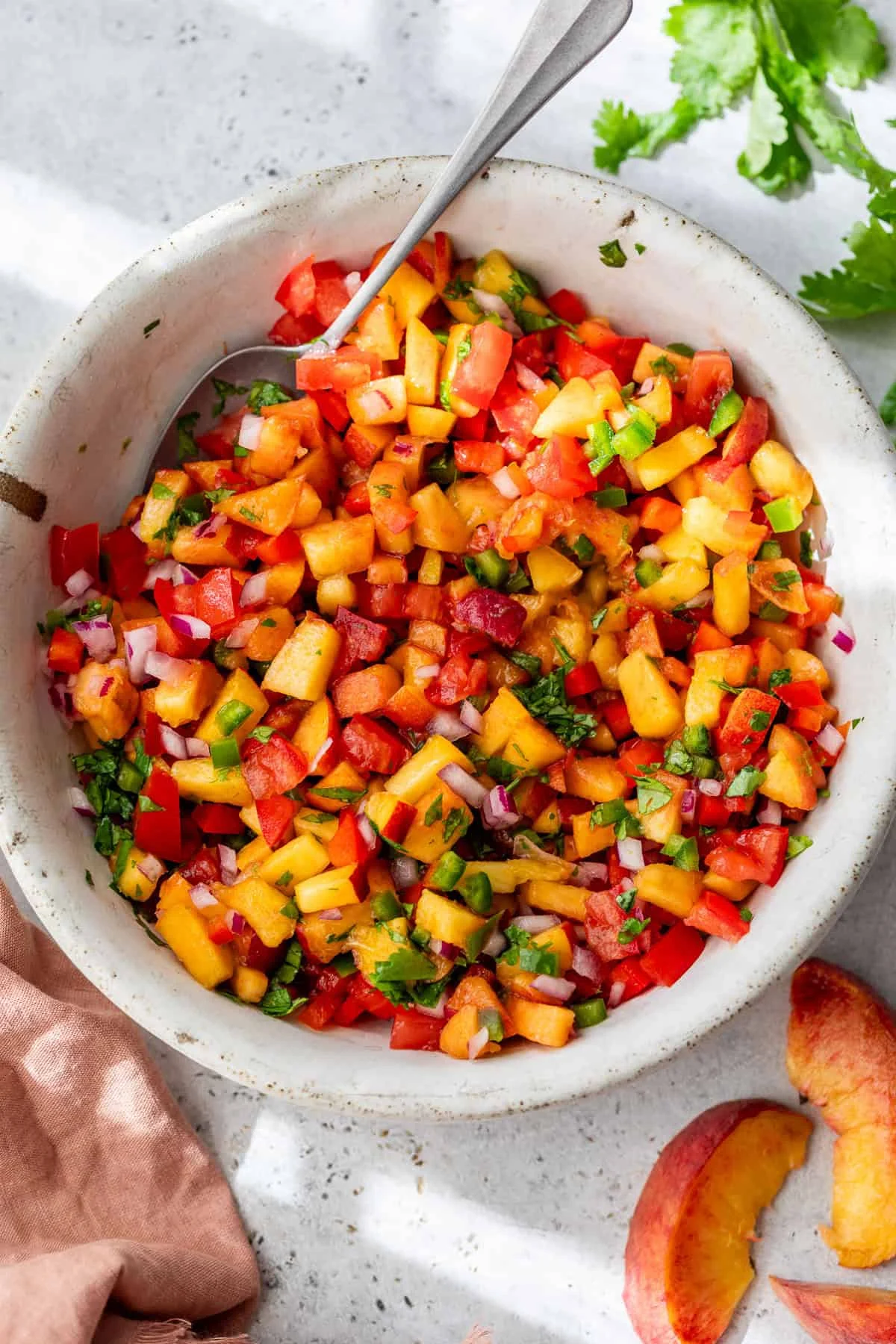
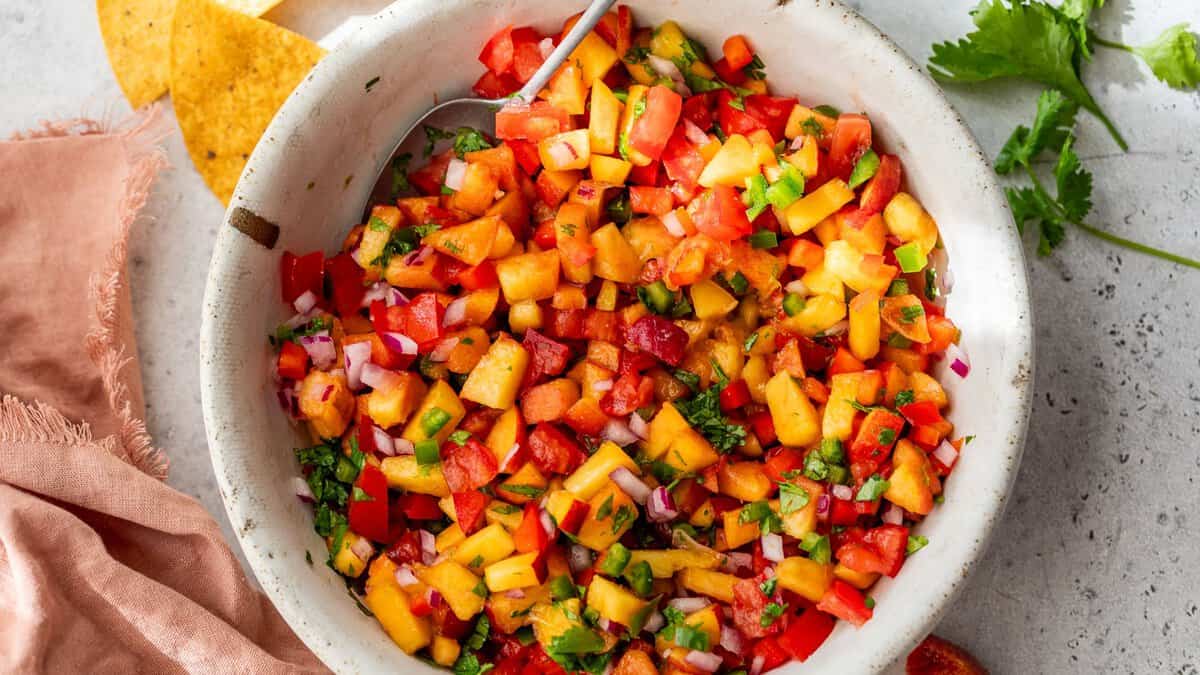
At its core, Clarke’s Peach Salsa is a celebration of contrasting textures and harmonious flavor profiles. Unlike commercial, jarred alternatives that frequently lean heavily into cloying sweetness or artificial preservatives, this homemade iteration relies entirely on the interplay of fresh, seasonal produce.
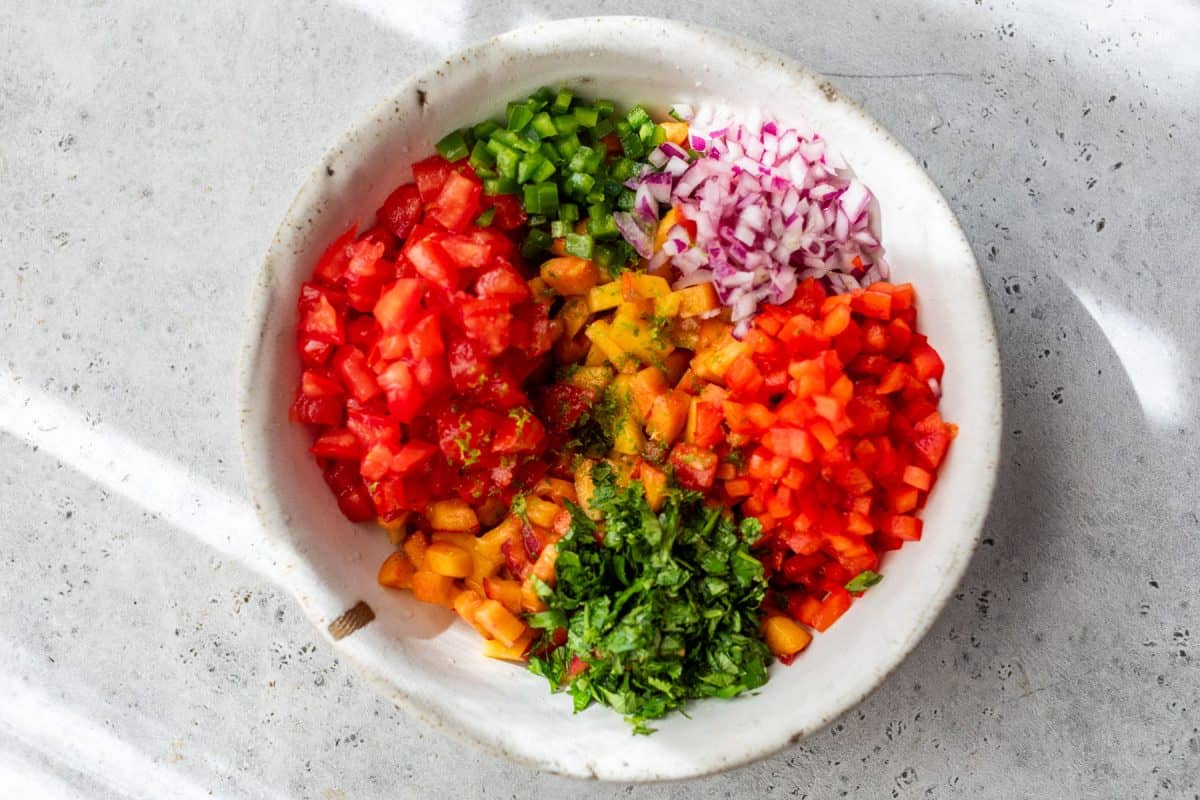
- The Flavor Triangle: The recipe relies on a carefully calculated ratio of ingredients where succulent, diced peaches provide a natural, honeyed sweetness, balanced sharply by the bright acidity of ripe tomatoes (optional, depending on seasonality) and fresh lime juice.
- Texture and Crunch: To avoid the mushy texture common in poorly executed fruit salsas, finely diced red onion and crisp bell peppers are incorporated, ensuring every chip-full delivers a satisfying crunch.
- Controlled Heat: A subtle kick of minced jalapeño provides a warming undertone without overwhelming the delicate fruit flavors, making the dish universally approachable for various palates.
- Nutritional Profile: Clocking in at a remarkably modest 54 calories per serving, the salsa is naturally low in fat (0.4g) while offering a healthy boost of dietary fiber (2g), Vitamin C (27mg), and Vitamin A (826 IU).
Chronology: The Iterative Path to Culinary Balance
The journey from concept to final recipe was far from accidental. According to Clarke, the creation of the ultimate peach salsa required an extensive, multi-stage testing process to overcome common culinary pitfalls associated with fruit-based condiments.
Phase One: Identifying the Flaws in Existing Options
During the initial market and recipe research phase, Clarke evaluated numerous commercial jarred peach salsas, noting a recurring issue: an excessive reliance on added sugars that completely masked the natural flavor of the fruit. Conversely, preliminary homemade trials revealed that without rigorous proportioning, fruit-forward salsas could quickly turn unpleasantly sharp due to an overload of raw onions, or conversely, taste entirely bland if the peaches had not reached optimal ripeness.
Phase Two: Rigorous Kitchen Testing and Component Calibration
To combat these variables, Clarke conducted multiple rounds of kitchen testing, focusing heavily on the physical dimensions of the ingredients.

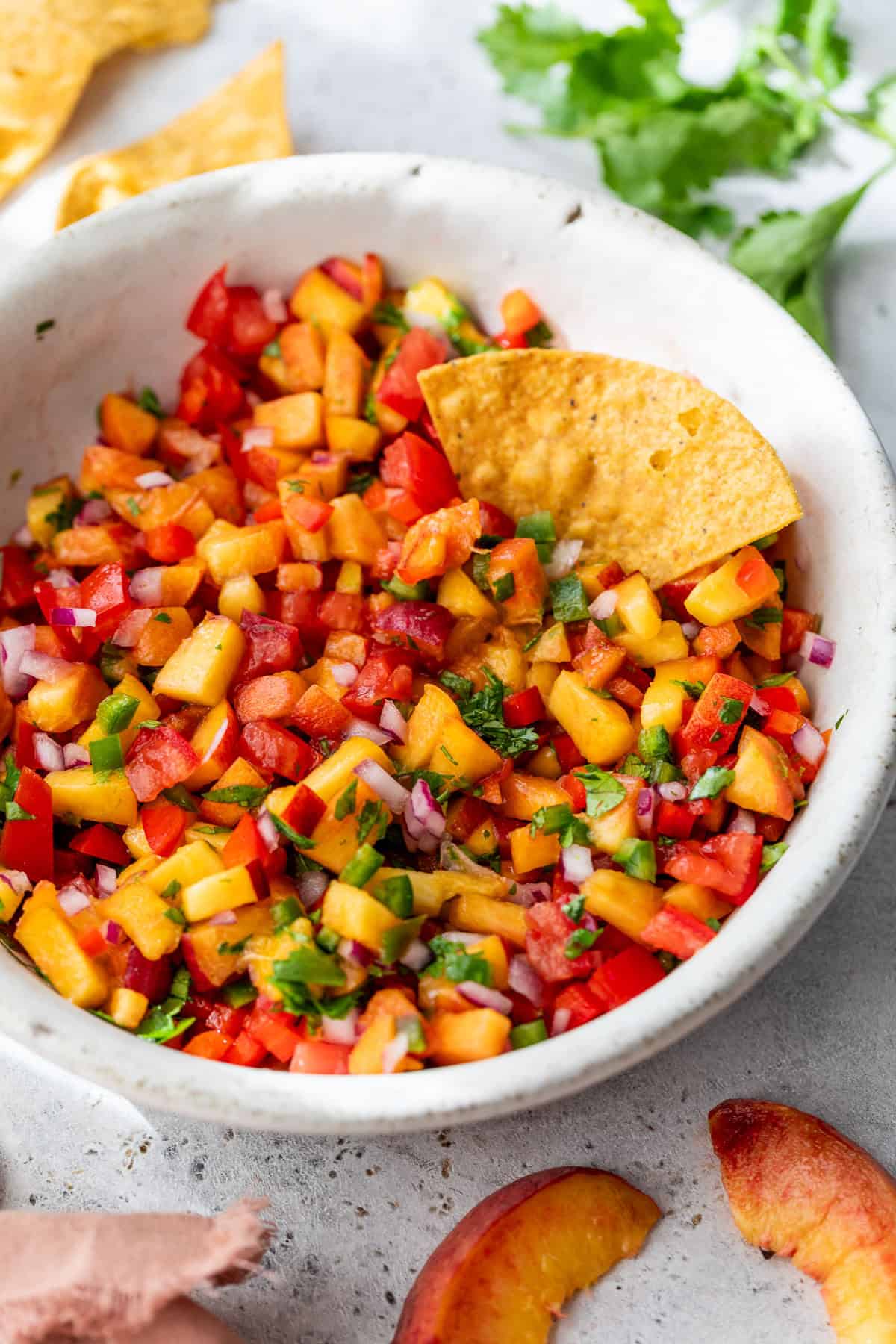
- Uniform Dicing: It was determined that cutting the peaches, bell peppers, tomatoes, and red onions into identical, uniform dice was crucial. This structural symmetry ensures that no single ingredient dominates a single bite, creating a cohesive mouthfeel.
- Acid Integration: Freshly squeezed lime juice was introduced not merely as a flavor enhancer, but as a chemical stabilizer to brighten the overall profile and prevent the peaches from oxidizing too quickly.
- Resting Period: The final procedural discovery involved a mandatory resting phase. Clarke established that refrigerating the salsa for approximately 30 minutes prior to serving allows the cellular walls of the produce to relax, enabling the juices, heat from the jalapeño, and citrus acids to meld into a unified dressing.
Supporting Data and Nutritional Breakdown
For health-conscious consumers looking to incorporate more whole foods into their warm-weather diets, Clarke’s peach salsa represents an ideal balance of indulgence and nutritional wellness. Based on a standard batch yielding six servings, the nutritional metrics underline its viability as a guilt-free dietary addition:
- Serving Size: 1/6 of total recipe
- Calories: 54 kcal
- Total Carbohydrates: 13g
- Dietary Fiber: 2g
- Sugars: 9g (naturally occurring fructose)
- Protein: 1g
- Total Fat: 0.4g
- Sodium: 110mg
- Potassium: 210mg
Key Micronutrients:
- Vitamin C: Provides roughly 30 to 45 percent of the recommended daily intake, essential for immune support and collagen synthesis.
- Vitamin A: Supports ocular health and cellular growth, sourced primarily from the carotenoids present in the ripe peaches and bell peppers.
Official Recommendations and Expert Insights
In her official commentary accompanying the release, Clarke emphasized the importance of ingredient quality, noting that the success of the dish hinges entirely on the ripeness of the core fruit.
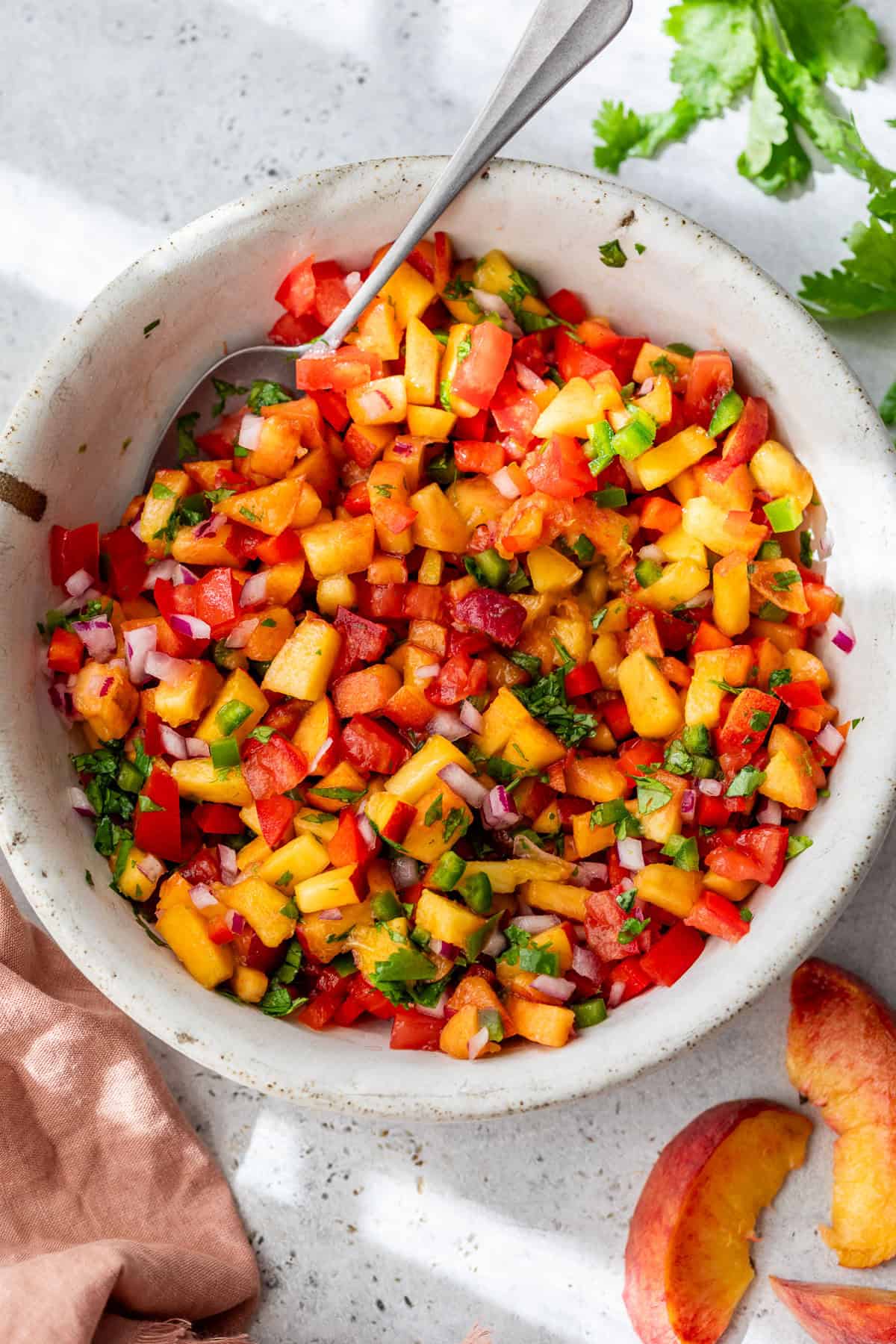
"Peaches are here for a good time, not a long time," Clarke remarked, emphasizing the fleeting nature of peak stone fruit season. "When I was testing this recipe, my primary aim was balance. Some jarred iterations I’ve sampled are overwhelmingly sweet, while amateur homemade attempts can suffer from sharp onion notes or underripe fruit. By carefully balancing the sweetness of the peach with the crisp snap of bell peppers and the bright punch of lime, we’ve created a salsa that checks every single box."
Furthermore, Clarke offered specific professional guidance regarding ingredient flexibility:
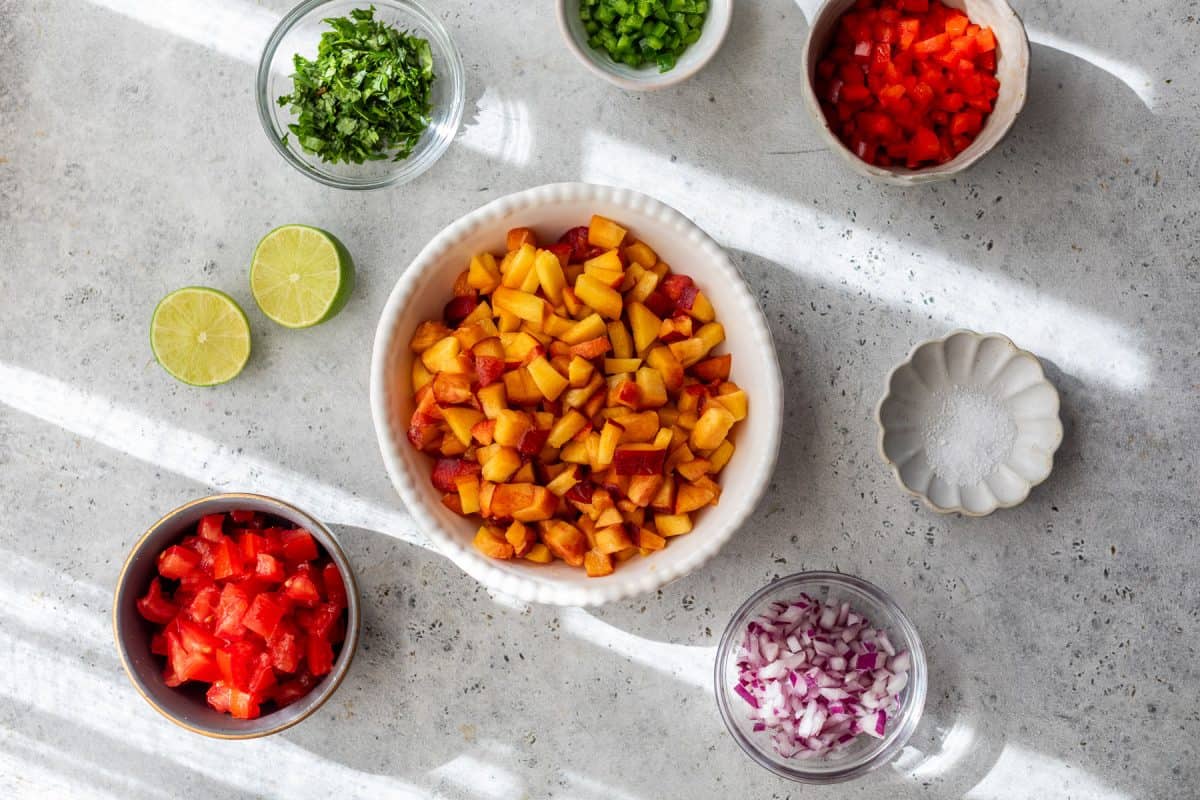
- The Tomato Rule: The inclusion of diced tomato is treated as a flexible variable. Clarke advises utilizing tomatoes only if they are genuinely ripe and in-season; otherwise, they can be safely omitted without compromising the structural integrity of the dish.
- Preservation Constraints: Due to the high water content of fresh stone fruit and tomatoes, the salsa is best consumed immediately or stored in an airtight container within the refrigerator for a maximum of two days to maintain optimal texture.
Culinary Implications and Serving Applications
The introduction of this refined peach salsa speaks to a broader culinary movement: the elevation of everyday condiments into versatile, multi-purpose components that can transition effortlessly across meal categories.
While the default application remains a classic pairing with salted tortilla chips, the flavor profile of Clarke’s recipe unlocks several dynamic pairing opportunities for home cooks:
- Seafood Pairings: The bright acidity and natural sweetness of peach salsa make it an exceptional counterpoint to rich, oily fish such as grilled salmon, blackened mahi-mahi, or crispy Baja fish tacos. The fruit notes cut through the natural fats of the protein, creating a balanced bite.
- Poultry and Pork: Grilled chicken breasts, pork chops, and tenderloin frequently benefit from fruit-based salsas, which act as a dynamic, no-cook glaze or chutney alternative during the hot summer months when heavy, reduction-based sauces are less desirable.
- Vegetarian and Grain Bowls: The salsa serves as an immediate flavor booster when folded into quinoa bowls, black bean salads, or layered into vegetarian burrito bowls, adding moisture, color, and complex flavor layers without the need for heavy dairy or oil-based dressings.
As home cooks continue to navigate the demands of quick, health-conscious, and flavorful meal preparation, Erin Clarke’s Peach Salsa offers a timely blueprint for maximizing seasonal produce. By prioritizing structural balance, precise knife work, and fresh citrus integration, this recipe transforms a simple summer fruit into a sophisticated, multi-functional culinary staple.