For decades, the gluten-free community has struggled with the "pie crust problem." The hallmark of a great pastry—that delicate, flaky, buttery architecture that shatters upon the first bite—has historically been difficult to achieve without the structural integrity provided by wheat-based gluten. However, a new culinary standard is emerging, proving that dietary restrictions no longer necessitate a compromise on texture or flavor. As home bakers increasingly prioritize accessible, high-quality ingredients, the demand for a reliable, gluten-free shortcrust pastry has reached a fever pitch.
This comprehensive guide examines the methodology behind a refined, seven-ingredient gluten-free pie crust that is currently setting the benchmark for home-cooked desserts. By simplifying the chemistry of gluten-free baking, this approach bridges the gap between professional pâtisserie and the everyday home kitchen.
Main Facts: The Anatomy of a Successful Crust
The primary challenge in gluten-free pastry is the absence of elasticity. Wheat flour forms a protein network when hydrated, which allows dough to be rolled, folded, and shaped without fracturing. Gluten-free alternatives—typically a blend of rice flours, starches, and gums—lack this network.
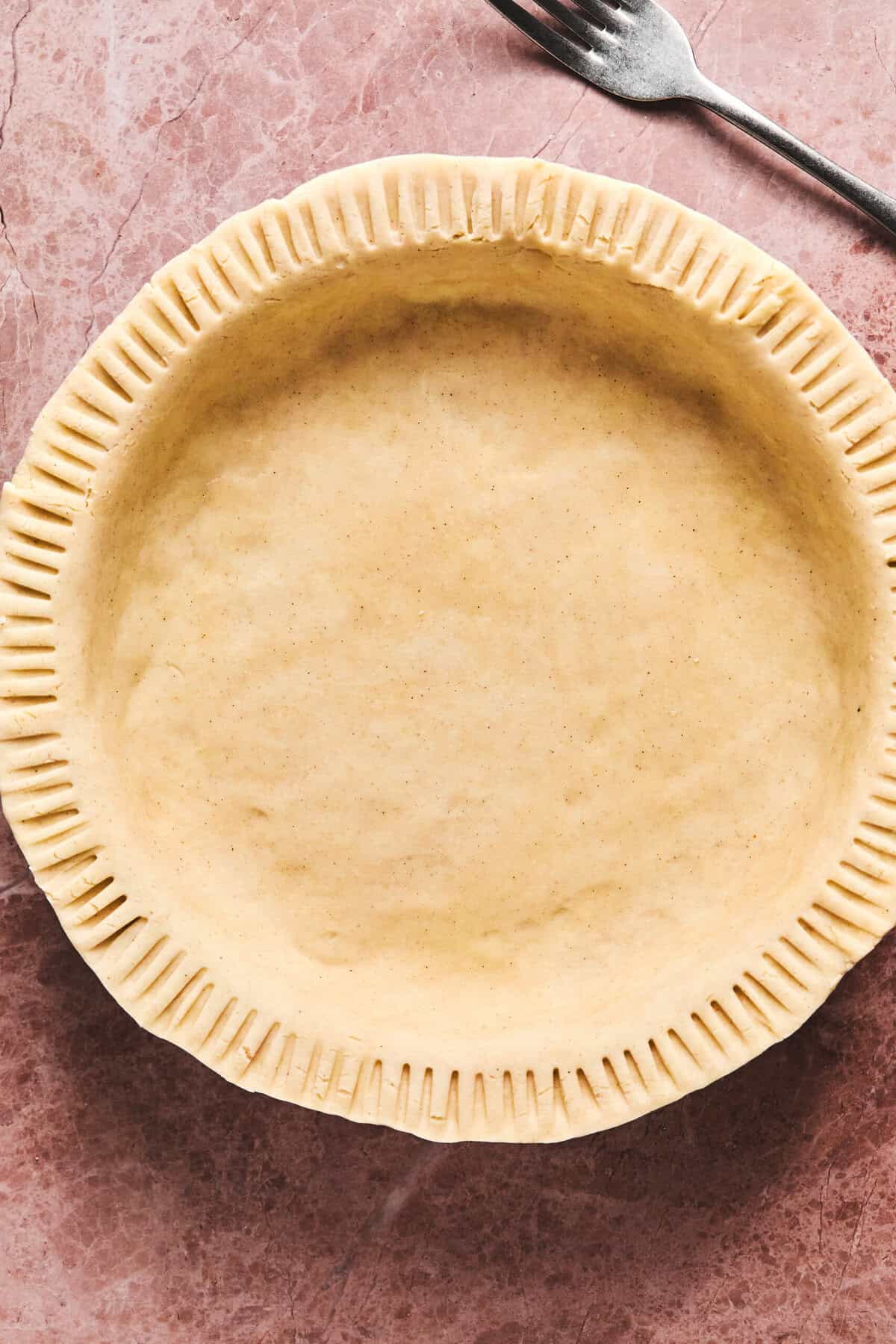
The secret to this particular, highly-regarded recipe lies in two specific pillars: the use of a high-quality gluten-free all-purpose flour blend and the strategic inclusion of xanthan gum. Xanthan gum acts as a binder, mimicking the structural properties of gluten to ensure the dough holds together during the rolling process.
Key facts regarding this culinary development include:
- Accessibility: The ingredients are no longer niche products found only in health food stores. Modern "measure-for-measure" or "all-purpose" gluten-free blends are now standard in most national grocery chains.
- Minimalism: The recipe relies on only seven foundational ingredients, reducing the complexity and potential for error that often plagues "specialty" baking.
- Versatility: This crust is designed as a universal template, equally capable of supporting dense savory fillings or delicate fruit-based desserts.
Chronology: The Evolution of the Gluten-Free Pastry
The progression of gluten-free baking has moved through several distinct eras. In the early 2000s, gluten-free crusts were notorious for being either sandy and crumbly or gummy and dense. The "Chronology of the Crust" can be summarized as follows:

- The Experimental Phase (Pre-2010): Bakers relied heavily on almond flour and coconut flour, which provided good flavor but lacked the structural strength for a traditional pie, often resulting in a "tart" rather than a true crust.
- The Xanthan Gum Revolution (2010–2018): The discovery that adding xanthan or guar gum could create a "stretchable" dough changed the industry. It allowed bakers to replicate the traditional rolling-pin method for the first time.
- The Flour Blend Era (2018–Present): The rise of pre-mixed, calibrated gluten-free flour blends—which often include a mix of potato starch, tapioca flour, and brown rice flour—has standardized the results, making "foolproof" crusts a reality for amateur bakers.
Supporting Data: Understanding the Chemistry
To understand why this recipe works, one must look at the data behind the interaction of fats and flours. In traditional baking, the "flakiness" comes from cold fat (butter) creating layers that steam and expand in the oven.
When working with gluten-free flour, the lack of protein structure means that the fat-to-flour ratio is even more critical. Nutrition analysis of this specific crust reveals a fiber-dense profile, with approximately 27 grams of fiber per batch. This is a significant byproduct of the whole-grain flours often found in quality gluten-free blends.
| Nutrient | Amount per Serving |
|---|---|
| Calories | 835 kcal |
| Carbohydrates | 182g |
| Protein | 25g |
| Fiber | 27g |
| Fat | 8g |
Note: Nutritional data is calculated based on standard batch sizes and may vary based on the specific brand of flour blend used.

Expert Tips for the Home Baker
To achieve the "shatter-factor" of a professional-grade crust, culinary experts emphasize the following techniques:
1. Temperature Control is Non-Negotiable
The butter must remain cold—ideally at the point of near-solidification—throughout the entire mixing process. If the butter melts before the crust reaches the oven, the result will be a dense, oily dough rather than a light, flaky one.
2. The "Shrinkage" Defense
One common frustration is a crust that pulls away from the sides of the pie dish. This is often caused by two factors: overworking the dough (which develops excess heat) and insufficient chilling. After the dough is rolled and placed into the dish, it should be chilled again for at least 30 minutes before baking. This relaxes the starches and prevents the "snap-back" effect.

3. Avoid Over-Stretching
When transferring the rolled dough to the pie dish, avoid the temptation to stretch it to fit. Stretching the dough weakens the structural integrity and guarantees it will shrink during the bake. Instead, gently lift and drop the dough into the pan, allowing it to settle naturally.
Official Responses and Culinary Best Practices
While many home bakers fear the "freezer test," experts suggest caution. Because gluten-free flour blends vary wildly in their hydration levels and starch composition, freezing a raw dough can sometimes alter the moisture content, leading to a brittle crust once thawed. The consensus among test kitchens is that refrigeration is the safest route for make-ahead prep.
Furthermore, the industry at large has responded to the gluten-free movement by increasing the availability of high-quality, pre-blended flours. Culinary professionals now note that the "gluten-free" label is no longer a warning for sub-par results, but rather a testament to the advancements in food science.

Implications for Future Dessert Baking
The success of this seven-ingredient approach has broad implications for the culinary world. As more people adopt gluten-free lifestyles—whether for medical reasons such as Celiac disease or personal preference—the pressure is on professional pastry chefs to maintain high standards.
The move toward simpler, more accessible ingredients suggests a democratization of gourmet baking. By removing the need for obscure, expensive stabilizers or rare flours, this recipe empowers the home cook to participate in the tradition of pie-making without feeling sidelined by their dietary requirements.
Ultimately, the goal of any pie crust is to serve as the perfect vessel for a filling. When the crust is balanced, the focus returns to the fruit, the custard, or the savory ingredients within. This gluten-free development does exactly that: it disappears into the background, providing a neutral, delicious, and structurally sound foundation for the art of the pie.

Final Thoughts on Kitchen Connection
Whether you are a seasoned baker or a novice taking your first step into gluten-free territory, the process of making a pie from scratch is a rewarding experience. It is a ritual of patience and precision. As you master this crust, remember that the most important ingredient is always the willingness to try, learn, and share the final result. In the kitchen, as in life, the best experiences are the ones that are shared.