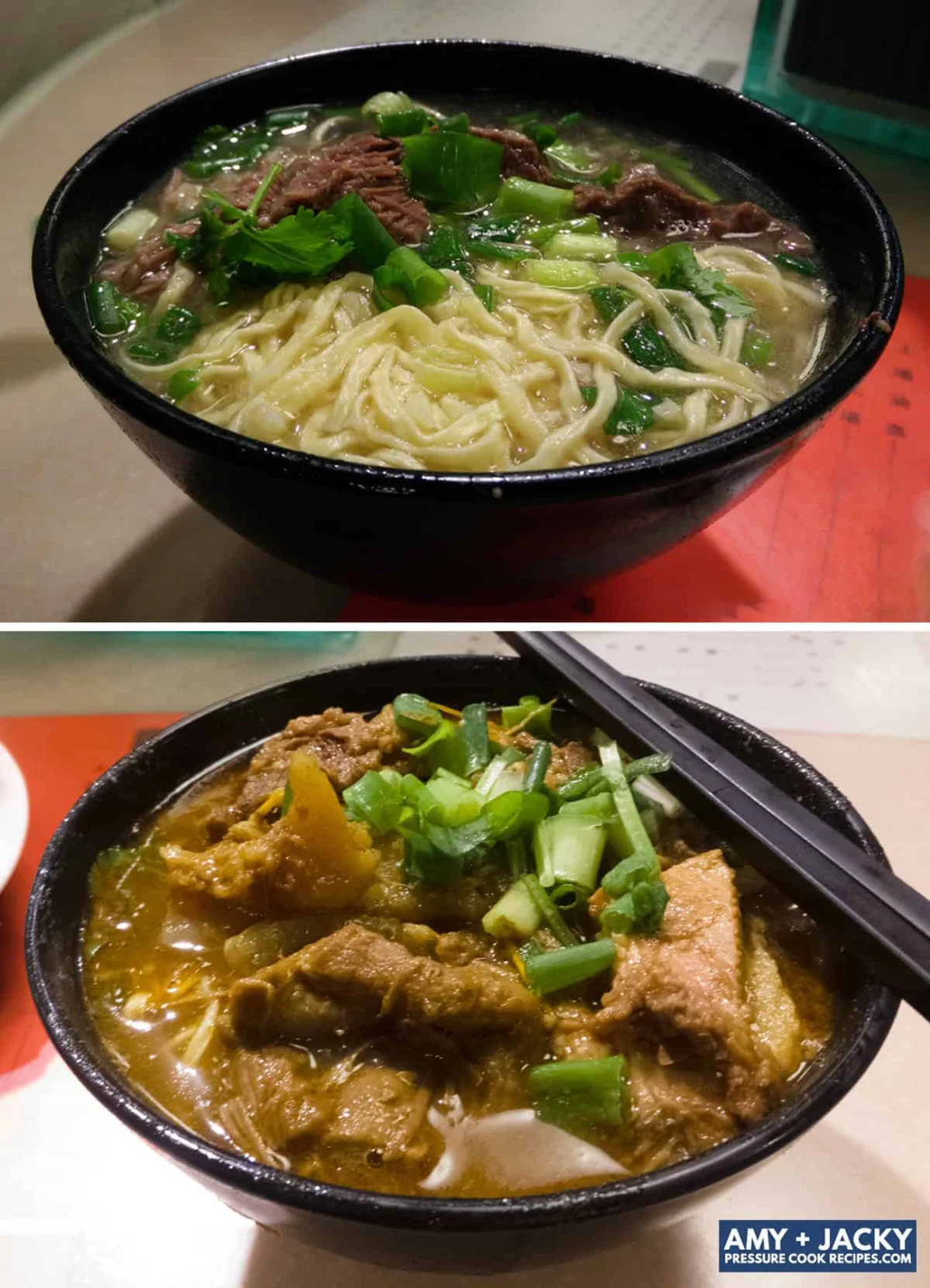
In the bustling, neon-lit corridors of Hong Kong’s culinary landscape, few dishes command as much reverence as Beef Brisket Noodle Soup. From the legendary, long-standing mom-and-pop shops that have anchored neighborhoods for decades to the modern, fast-casual chains attracting food tourists from across the globe, this dish is a cornerstone of Cantonese comfort food. Traditionally a slow-cooked labor of love, this savory, umami-rich classic is now undergoing a domestic revolution, thanks to the precision and efficiency of modern pressure cooking.
The Essence of a Hong Kong Classic
To understand the cultural significance of Beef Brisket Noodle Soup—or ngau lam min—one must understand the Hong Kong noodle shop culture. These establishments are not merely restaurants; they are social hubs. Whether it is a quick breakfast for a salaryman or a late-night refuge for night-shift workers, the noodle shop serves as an equalizer in a city defined by its frantic pace.
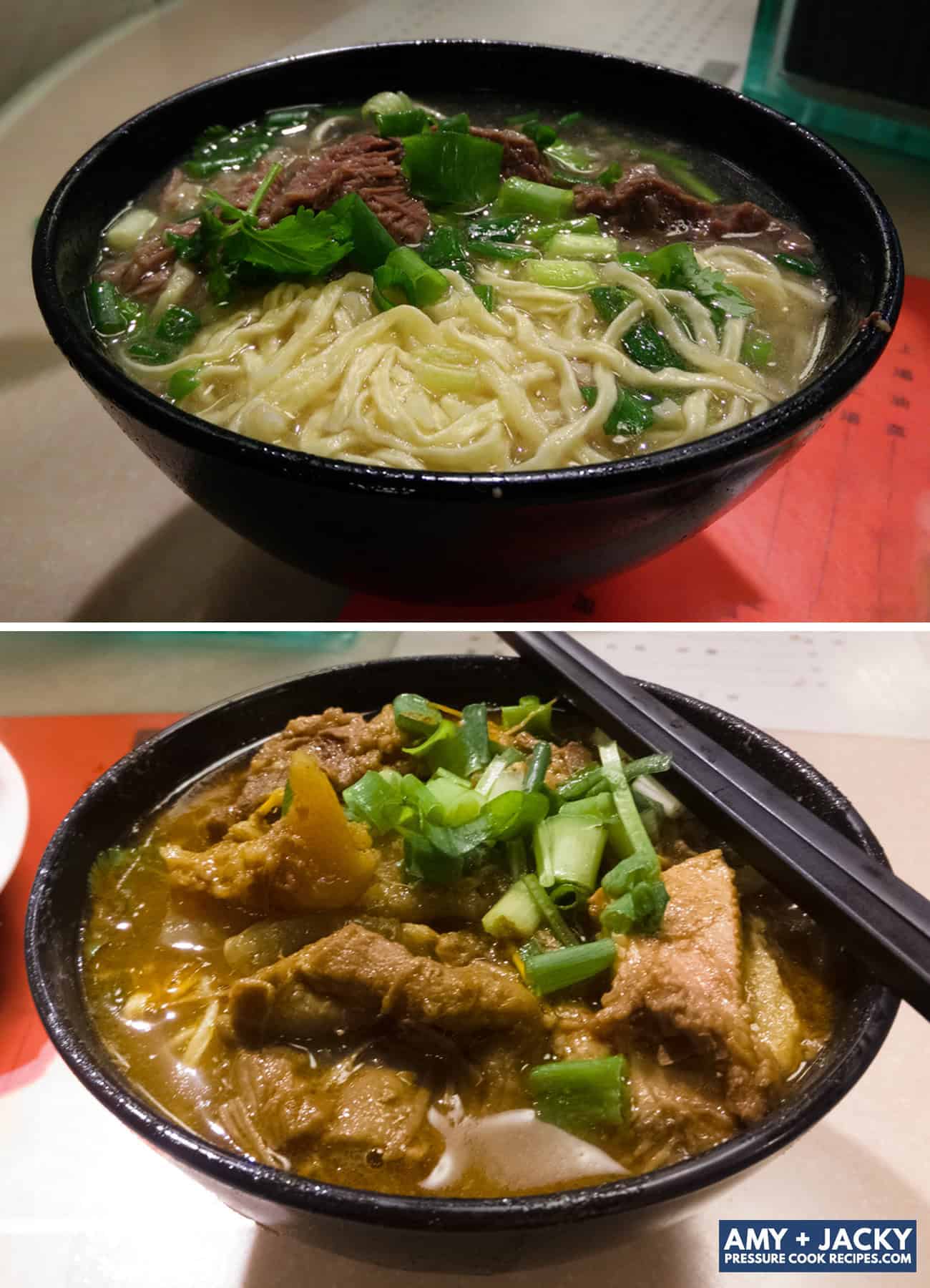
The dish itself is a study in texture and depth. A superior bowl is defined by two primary elements: the broth and the beef. The broth must be crystal clear yet profoundly aromatic, infused with a complex bouquet of spices, herbs, and aromatics. The beef, typically sourced from the rib fingers or brisket, must be braised until it reaches a state of succulent tenderness, effortlessly pulling apart while retaining its structural integrity. When paired with the subtle sweetness of daikon radish—which acts as a sponge for the beefy essence—and served over springy egg noodles, it creates a symphony of flavors that is both heartwarming and deeply satisfying.
A Technological Shift in Traditional Cooking
For generations, achieving the perfect brisket texture required hours of simmering over a flame. However, the rise of the Instant Pot has fundamentally altered the home cooking landscape. By utilizing high-pressure environments to break down tough connective tissues in record time, home chefs can now replicate the results that previously required an entire day of monitoring.
The Anatomy of the Dish: Key Ingredients
The success of this recipe lies in the quality and selection of its components:
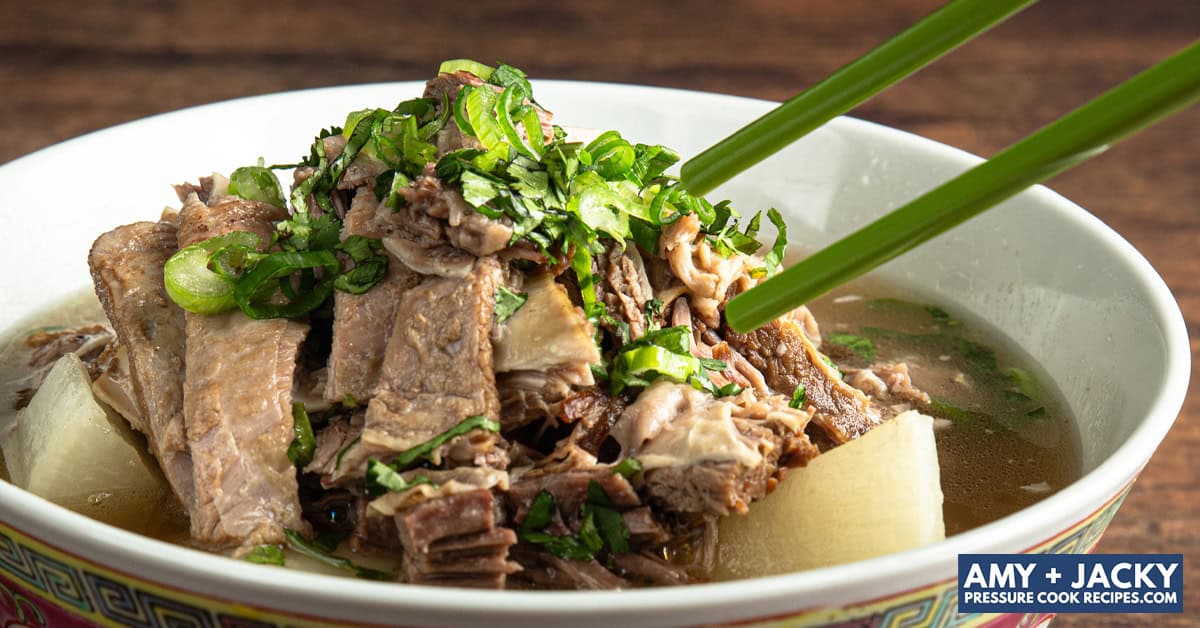
- The Beef: While traditional recipes often call for classic brisket, many modern connoisseurs now prefer "Beef Finger Meat" (boneless rib fingers). These strips, taken from between the ribs, offer superior marbling and a more intense beef flavor compared to standard brisket.
- The Aromatic Base: A combination of ginger, garlic, and the white parts of green onions provides the foundational pungency.
- The Spice Profile: Essential spices include star anise, Sichuan peppercorns, bay leaves, and Chinese cassia bark. It is critical to distinguish Chinese cassia from common Ceylon cinnamon; the former is a hard, woody bark that contributes a deep, earthy sweetness rather than a floral spice.
- Umami Boosters: While not strictly traditional in every household, the addition of Dashi powder and a splash of fish sauce creates a "secret" depth of flavor that mimics the multi-day stocks used in professional noodle shops.
- Balancing Agents: Rock sugar is the preferred sweetener, as it provides a cleaner, more nuanced sweetness than refined white sugar, essential for balancing the saltiness of the soy sauce and the intensity of the spices.
Chronology: A Step-by-Step Execution
Preparing this dish in a pressure cooker requires a methodical approach to ensure that flavor is maximized at every stage of the process.
Phase 1: Preparation and Browning
The process begins by utilizing the "Sauté" function of the pressure cooker. After ensuring the pot is sufficiently hot, the beef is seared. This step is non-negotiable; the Maillard reaction—the browning of the meat—is responsible for the savory, caramelized notes that will define the base of the final broth. The beef is removed, and the aromatic base (garlic, ginger, and scallions) is sautéed briefly until fragrant.
Phase 2: Deglazing and Flavor Integration
Deglazing is the most critical technical step. By adding Shaoxing rice wine and water to the pot, the cook can scrape up the "fond" (the browned bits stuck to the bottom). This fond is essentially concentrated flavor that will dissolve into the soup, forming the soul of the broth.
Phase 3: The Pressure Cycle
The pressure cooking is conducted in two distinct stages. First, the spices and beef are cooked under high pressure for approximately 15 minutes to tenderize the meat. Following this, the lid is opened to incorporate the daikon. The daikon requires less time than the beef and, if added too early, would disintegrate into the broth. A final five-minute high-pressure cycle ensures the radish is perfectly cooked, absorbing the juices of the beef without losing its shape.
Phase 4: Final Refinement
Once the pressure is released, the final step involves separating the solids from the liquid. A fine-mesh strainer is used to remove the spent spices and aromatics, leaving a clean, golden, and potent broth. The fat is skimmed from the surface to ensure a "clear broth" finish, a hallmark of high-end Hong Kong noodle shops.
Supporting Data: Nutritional Profile
While often viewed as an indulgent comfort food, Beef Brisket Noodle Soup is a surprisingly protein-dense meal. A standard serving (approximately 456 calories) provides 50 grams of protein, making it an excellent source of sustenance. However, home cooks should be mindful of sodium levels; the traditional use of soy sauce, fish sauce, and Dashi powder contributes to a high sodium count (approximately 1,375mg per serving). Those with dietary restrictions regarding salt should adjust the seasonings incrementally, tasting the broth frequently during the final assembly phase.
Implications for Modern Gastronomy
The ability to produce a restaurant-quality bowl of ngau lam min at home in under two hours has significant implications for culinary preservation. As younger generations in Hong Kong and abroad increasingly turn to pre-packaged or instant meals, the democratization of traditional cooking via kitchen technology ensures that these complex, time-honored recipes remain relevant.
Furthermore, the adaptability of this recipe—allowing for the substitution of various noodle types such as Ho fun (wide rice noodles), Lamian (pulled wheat noodles), or classic thin egg noodles—encourages culinary experimentation. The dish is not a rigid relic of the past but a flexible template that invites personalization, whether through the addition of fresh cilantro, chili oil, or a side of blanched Chinese broccoli.
Expert Tips for Success
To achieve the best possible results, professionals offer a few critical recommendations:
- Don’t Over-Season the Browning: Resist the urge to add salt while searing the meat. Adding salt too early can draw out moisture prematurely, preventing a proper sear.
- Respect the Natural Release: The "Natural Release" stage of pressure cooking is not merely waiting; it is a continuation of the cooking process. Rushing this with a "Quick Release" will cause the meat fibers to tighten, resulting in a tougher texture.
- Temperature Control: When cutting the brisket after cooking, allow it to rest for several minutes. Cutting into piping hot meat will cause it to lose its internal juices, resulting in a drier bite.
- Noodle Preparation: Always boil noodles separately from the soup. Boiling noodles directly in the broth will cloud the liquid with starch, destroying the visual clarity that distinguishes a "clear broth" brisket soup.
By combining the rigor of traditional Cantonese spice profiles with the efficiency of modern pressure cooking, the home chef can successfully bring the flavors of a Hong Kong noodle house into their own kitchen. Whether served as a hearty lunch or an elaborate dinner, this Beef Brisket Noodle Soup stands as a testament to the enduring appeal of one of the world’s greatest comfort foods.