In the modern culinary landscape, the Instant Pot has transitioned from a niche kitchen gadget to a fundamental household staple. Among the pantheon of quick-fix recipes, the Garlic Butter Chicken stands out as a testament to how pressure cooking can transform humble, pantry-friendly ingredients into a gourmet, restaurant-quality meal. Designed for the time-strapped home cook, this dish offers a masterclass in balancing flavor, texture, and efficiency, proving that "quick and easy" does not have to come at the expense of culinary depth.
The Evolution of Weeknight Dining
The contemporary kitchen is often a site of compromise, where the desire for wholesome, flavorful food clashes with the reality of a busy work-life schedule. Traditional roasting or braising methods for chicken often require hours of monitoring, leading many to rely on processed or takeout alternatives.
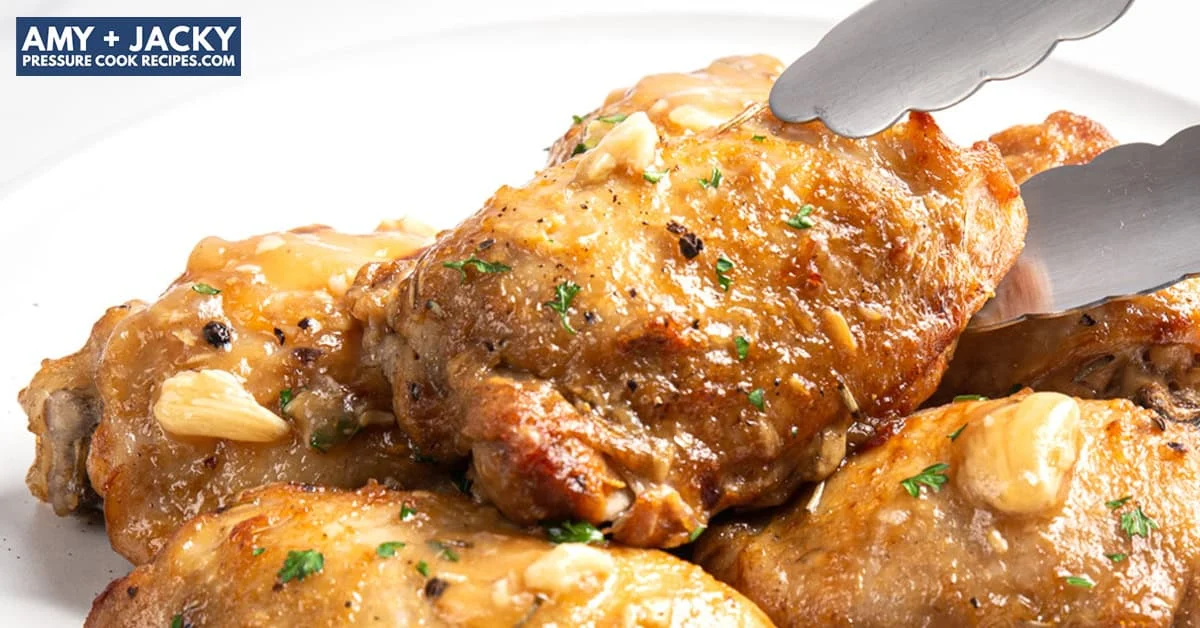
The Garlic Butter Chicken recipe serves as a corrective to this trend. By leveraging the science of high-pressure steam, the Instant Pot locks in moisture, ensuring the chicken remains tender and juicy—a feat often difficult to achieve in conventional ovens where dry heat can quickly compromise poultry. The result is a dish defined by a rich, caramelized, and savory profile that appeals to both seasoned home cooks and families seeking reliable, crowd-pleasing dinners.
Anatomy of the Dish: Ingredients and Philosophy
The success of this recipe lies in its minimalist ingredient list. Rather than relying on complex spice blends or hard-to-source components, this dish focuses on the synergy between four core elements:
- Chicken Thighs and Legs: While breast meat is a common staple, the recipe emphasizes the use of thighs and legs. The higher fat content in dark meat acts as a buffer against the high-pressure environment, resulting in a succulent texture that white meat often loses under sustained pressure.
- Unsalted Foundations: The choice of unsalted chicken stock and unsalted butter is a deliberate culinary strategy. By controlling the salt levels from the start, the cook retains the autonomy to calibrate the dish’s final profile, avoiding the over-salting that often occurs with pre-seasoned broths.
- Aromatic Garlic: The cornerstone of the dish, the garlic is sautéed to release its essential oils, creating a pungent, savory base that permeates the chicken during the pressure-cooking phase.
- Soy Sauce: Acting as an umami booster, regular soy sauce provides depth and color to the final glaze, creating a glossy, savory coating that elevates the dish beyond simple boiled chicken.
Chronology of Preparation: A Step-by-Step Guide
Cooking, much like any technical discipline, requires adherence to process. The following steps outline the efficient workflow required to achieve the perfect result.
Phase 1: The Sauté Foundation
The process begins with the "Sauté" function. It is imperative to wait until the Instant Pot registers "HOT"—a signal that the stainless-steel inner pot has reached the optimal temperature for browning. Sautéing the garlic in butter for approximately 45 to 60 seconds is the critical flavor-building step. This brief interval releases the aromatics, creating the foundation for the sauce.
Phase 2: Deglazing and Pressure
Once the garlic is fragrant, the addition of chicken stock allows for deglazing. Using a wooden spoon to scrape the "fond" (the browned bits) from the bottom of the pot is not merely for cleaning; it is essential for incorporating the concentrated flavor of the garlic and butter into the liquid. After adding the seasonings and the chicken, the pot is set to high pressure for five minutes, followed by a ten-minute natural release. This specific timing is calibrated to ensure the chicken reaches a safe internal temperature while maintaining its structural integrity.
Phase 3: The Glaze and Reduction
After the pressure is released, the transformation of the cooking liquid into a rich gravy occurs. By returning the pot to the "Sauté" function and whisking in a cornstarch slurry, the liquid thickens into a glossy, velvety coating. This is the moment where the sauce gains the body necessary to cling to the chicken.

Optional Culinary Elevation: Crisping the Skin
While the pressure-cooked chicken is perfectly tender, the texture of the skin can be enhanced through post-cooking techniques. Two methods are recommended for those seeking a "roast" finish:
- Oven Broiling: For those without specialized attachments, moving the chicken to an oven tray and using the broiler function for a few minutes allows the sugars in the sauce to caramelize and the skin to crisp.
- Air Fryer Integration: For owners of an Air Fryer lid, the process is even more seamless. Placing the chicken on an air-fryer rack and running it at 400°F for approximately 15 minutes creates a crispy, golden-brown finish that mimics traditional oven-roasting.
Supporting Data and Nutritional Profile
A single serving of this dish provides approximately 341 kcal, with 23g of protein and 25g of fat. It is a macro-efficient meal, particularly suitable for those following low-carbohydrate or ketogenic diets, as the carbohydrate count remains remarkably low at 6g.
The sodium content, when prepared with unsalted stock and measured soy sauce, sits at approximately 173mg, which is significantly lower than most pre-packaged or restaurant-bought chicken dishes. This transparency in nutritional value is one of the primary benefits of home-cooked meals, allowing individuals to monitor their dietary intake without sacrificing satisfaction.
Implications for the Modern Kitchen
The popularity of recipes like the Instant Pot Garlic Butter Chicken reflects a broader shift in consumer behavior. As food costs rise and families look for ways to maximize their grocery budgets, the ability to turn affordable cuts of meat—like chicken thighs—into high-end dining experiences is invaluable.
Furthermore, the "one-pot" nature of this meal reduces cleanup time, effectively lowering the barrier to entry for cooking at home. When the barrier to entry is low, the likelihood of adopting a healthier, home-centric lifestyle increases. This recipe is not just about a single dinner; it is about the scalability of a system that promotes cooking as a manageable, daily habit rather than a daunting chore.
Expert Recommendations for Success
To ensure consistent results, home cooks should consider the following professional tips:
- Uniformity: Ensure the chicken pieces are roughly the same size to promote even cooking under pressure.
- The Slurry Technique: When adding the cornstarch mixture, incorporate it in thirds. This prevents the sauce from becoming too thick or lumpy, allowing the cook to observe the texture in real-time.
- The "Resting" Period: Just as with oven-roasted poultry, letting the chicken rest for a few minutes after the pressure-cooking process allows the juices to redistribute, ensuring every bite is moist.
Conclusion: A Staple for the Future
The Garlic Butter Chicken recipe is more than a set of instructions; it is a blueprint for efficiency. By utilizing the unique capabilities of the Instant Pot, it respects the constraints of the modern schedule while delivering on the promise of a flavorful, comforting, and nutrient-dense meal. As we continue to navigate the demands of contemporary life, dishes that prioritize both speed and quality will remain the most essential tools in any home chef’s repertoire.
Whether you are a novice looking to master your first appliance or a seasoned cook searching for a reliable weeknight staple, this recipe offers a path to culinary success that is as simple as it is satisfying. Through the combination of aromatic garlic, savory soy, and perfectly rendered chicken, the Instant Pot Garlic Butter Chicken proves that even the busiest nights can end with a celebration of flavor.