In the culinary world, few dishes evoke the spirit of summer quite like a traditional Caprese salad. The iconic Italian trio of ripe red tomatoes, milky white mozzarella, and fragrant green basil—drizzled with the liquid gold of extra-virgin olive oil—is a masterclass in minimalism. However, as modern dietary preferences shift toward more protein-dense, fiber-rich, and satiating plant-based meals, chefs and home cooks alike are seeking ways to transform this classic appetizer into a substantial, standalone meal. Enter the Chickpea Caprese Salad: a vibrant, nutrient-packed evolution that retains the soul of the Mediterranean while delivering the substance required for a modern lifestyle.
Main Facts: The Anatomy of a Nutritional Powerhouse
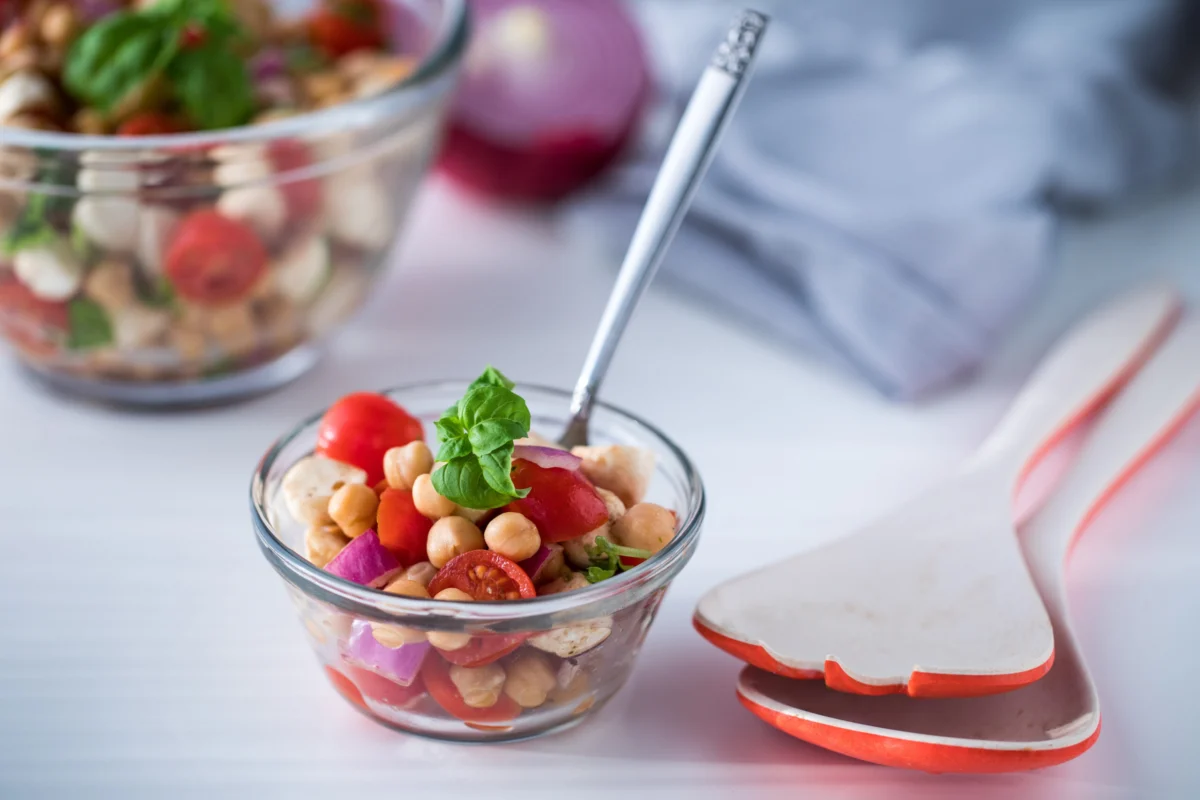
The Chickpea Caprese Salad is more than just an aesthetic upgrade to a buffet table; it is a nutritionally dense meal that bridges the gap between light snacking and functional nutrition. At its core, the recipe remains faithful to its roots, relying on the quality of its components. However, by incorporating canned chickpeas (garbanzo beans), the salad undergoes a textural metamorphosis.
The inclusion of chickpeas introduces a distinct, nutty earthiness that complements the acidity of the tomatoes and the creaminess of the mozzarella. From a nutritional standpoint, this addition is significant. Chickpeas are a powerhouse of plant-based protein, complex carbohydrates, and essential fiber. While a standard Caprese salad is often perceived as a fleeting appetizer, the "Chickpea Version" provides the satiety necessary to function as a light lunch or a post-workout recovery meal.
Chronology: From Italian Origin to Modern Innovation
To understand the evolution of this dish, one must look at the timeline of the Caprese salad itself. Originating on the island of Capri, the dish was designed to showcase the colors of the Italian flag: red, white, and green. For decades, it remained largely unchanged, served primarily as an antipasto during the height of the tomato season.
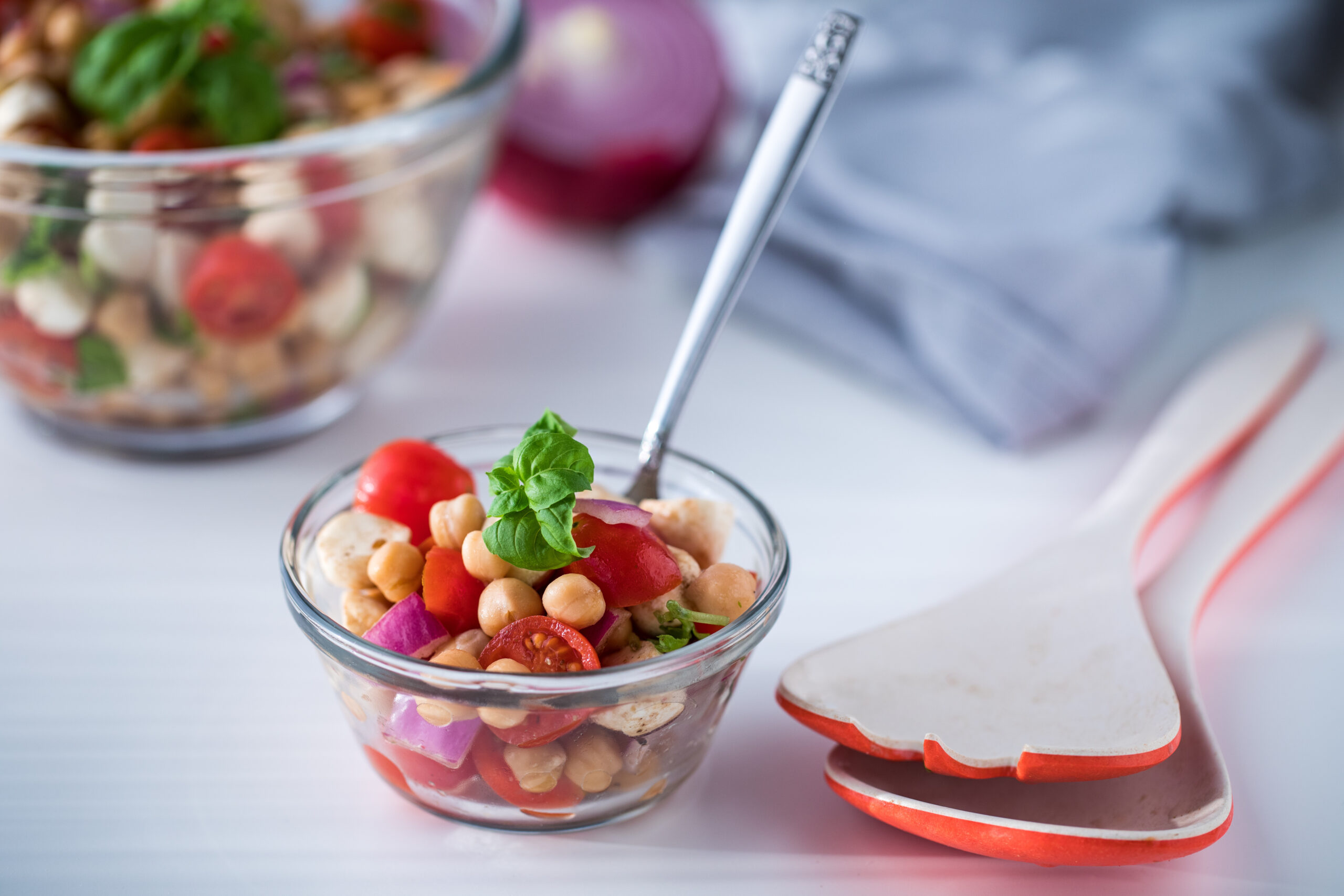
As global food trends moved toward "power bowls" and Mediterranean-inspired diets in the early 21st century, the need for a more filling salad became apparent. Culinary developers began experimenting with legumes to add texture and heft to classic recipes. The Chickpea Caprese emerged as a bridge between the traditional Italian salad and the modern, vegetable-forward diet. By the mid-2020s, this variation became a staple in the repertoire of health-conscious households, prized for its "no-cook" requirement—a vital attribute for climate-conscious kitchens looking to minimize oven usage during sweltering summer months.
Supporting Data: Why This Combination Works
The success of the Chickpea Caprese lies in the chemical and textural synergy of its ingredients.
The Protein-Fiber Matrix
According to nutritional research, the combination of legumes and fresh produce creates a glycemic-friendly meal. The fiber in chickpeas slows the digestion of the carbohydrates found in the tomatoes, providing a sustained release of energy rather than the rapid spike often associated with lighter meals.
The Flavor Profile
The "Caprese" flavor profile is built on balance:
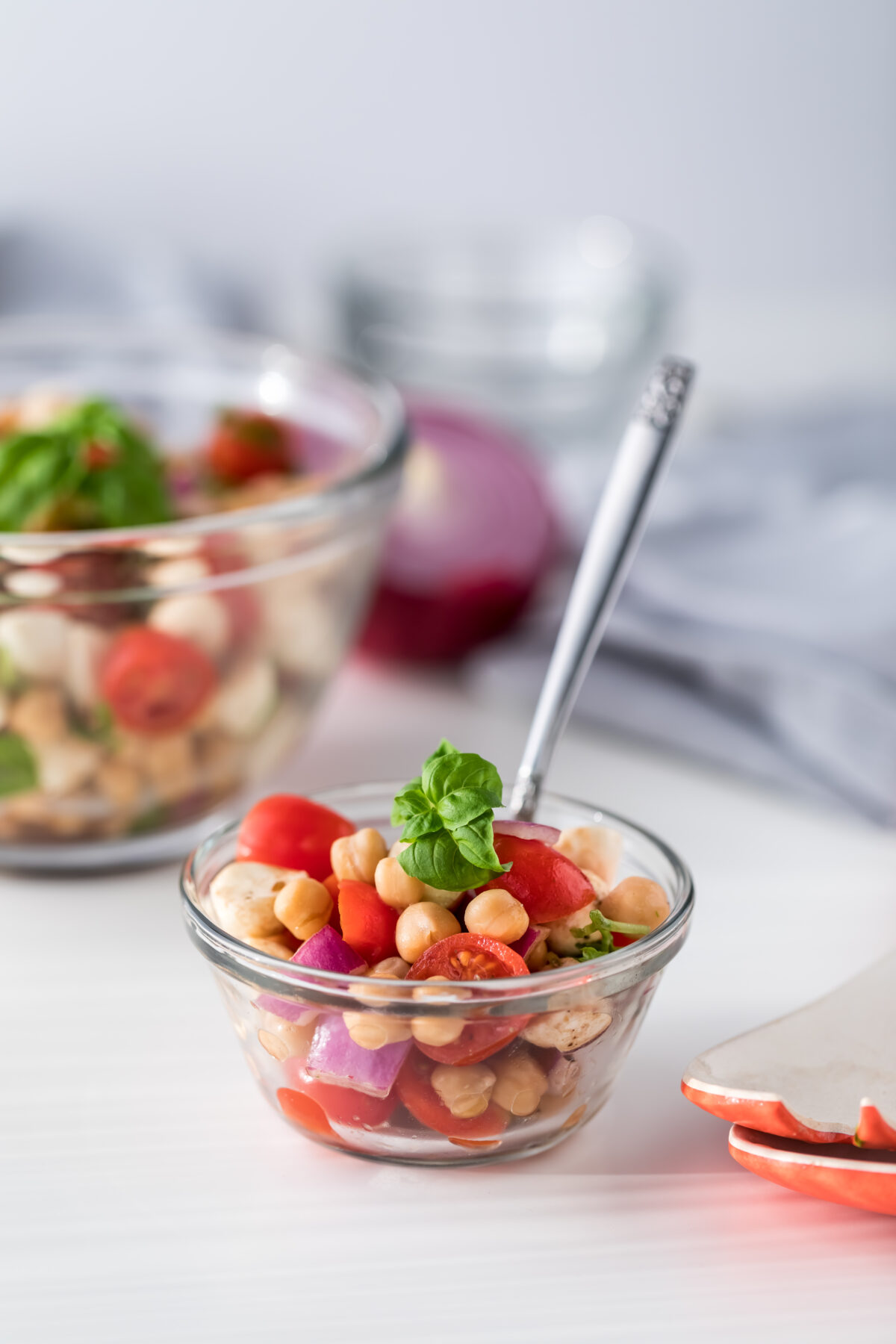
- Acidity: Tomatoes provide the acidic base.
- Fat: Mozzarella and olive oil provide a luxurious mouthfeel.
- Herbaceousness: Fresh basil provides the aromatic finish.
- The Chickpea Variable: The chickpea acts as a neutral canvas, soaking up the balsamic vinegar and olive oil dressing while adding a "meaty" bite that prevents the salad from feeling one-dimensional.
Official Perspectives: Culinary Best Practices
Expert home cooks and culinary nutritionists emphasize that because this dish contains so few ingredients, the quality of each element is paramount. The following guidelines have become the industry standard for preparing this dish at home.
The Importance of Rinsing
Drain and rinse canned chickpeas thoroughly under cool, running water. This practice is essential for two reasons: it removes the excess sodium used in the canning process and eliminates the viscous, starchy liquid (aquafaba) that can muddy the clarity of the dressing and alter the texture of the salad.
The Tomato Selection
The choice of tomato dictates the success of the dish. Cherry or grape tomatoes are widely considered the gold standard. Their high skin-to-flesh ratio ensures they hold their shape under the weight of the chickpeas and mozzarella, preventing the salad from turning into a watery soup.
Mozzarella Integrity
While large balls of mozzarella can be cubed, professionals recommend "mozzarella pearls" or ciliegine. These bite-sized morsels provide consistent texture in every spoonful. If a larger block is used, it should be chilled before cutting to maintain clean, sharp edges.
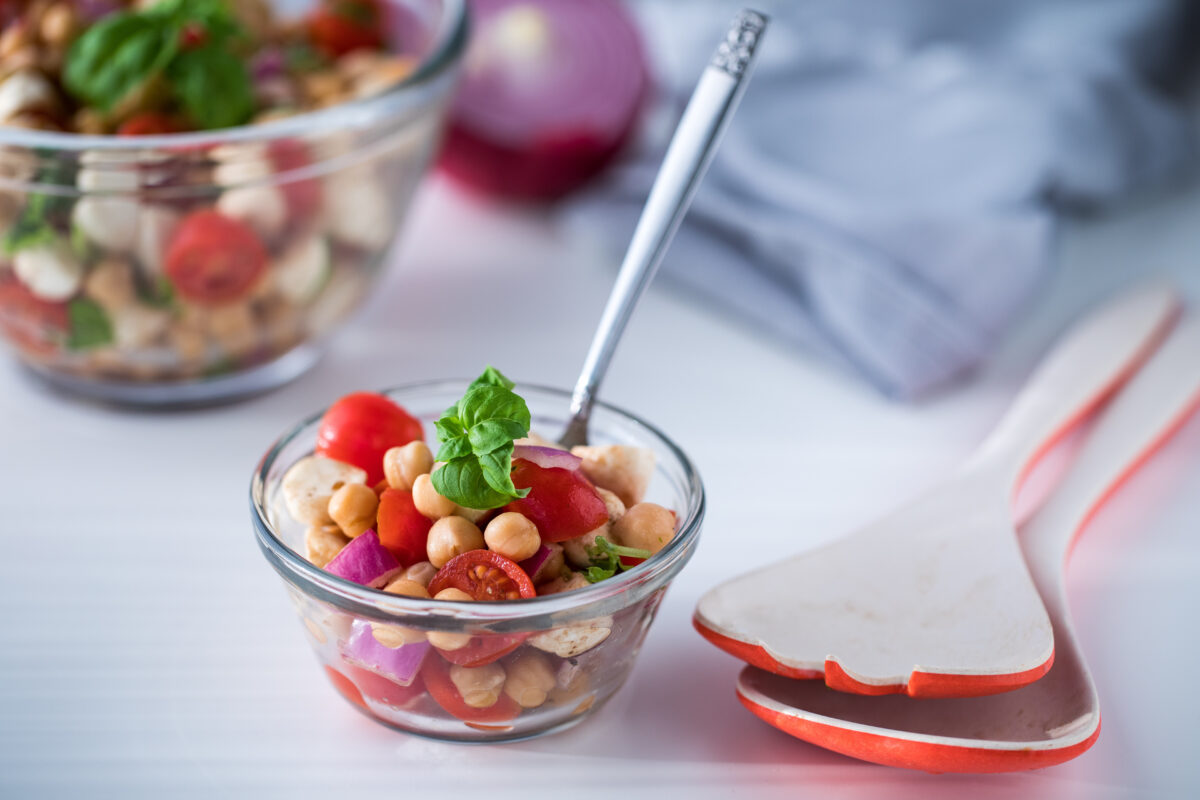
The Timing of the Basil
Basil is a delicate herb that oxidizes quickly upon contact with metal blades or acidic dressings. The "golden rule" of this recipe is to tear or chiffonade the basil by hand and fold it into the salad only moments before serving to ensure the brightest color and most potent aromatic experience.
Implications: The Future of Easy, Nutritious Dining
The rise of the Chickpea Caprese Salad signifies a larger trend in domestic cooking: the demand for "assembly-only" meals that do not sacrifice quality for convenience. As the pace of life accelerates, the appeal of a dish that can be prepared in under ten minutes—without the need for heat—is undeniable.
Versatility in the Modern Kitchen
The recipe’s modular nature allows for infinite customization, making it a "living" recipe. For those seeking even more substance, the addition of avocado introduces heart-healthy monounsaturated fats. For those craving a more Mediterranean flare, the inclusion of kalamata olives adds a salty, briny depth. Even the addition of grains like quinoa or cooked pasta can shift the dish from a side salad to a substantial, one-bowl meal.
Economic and Dietary Accessibility
From an economic perspective, chickpeas remain one of the most affordable pantry staples available. In an era of rising food costs, the ability to stretch a high-end ingredient like fresh mozzarella with a shelf-stable staple like chickpeas allows families to eat well without exceeding their budget. Furthermore, because the dish is naturally vegetarian and easily converted to vegan (by omitting the cheese or substituting with plant-based alternatives), it is an ideal candidate for inclusive social gatherings and potlucks.
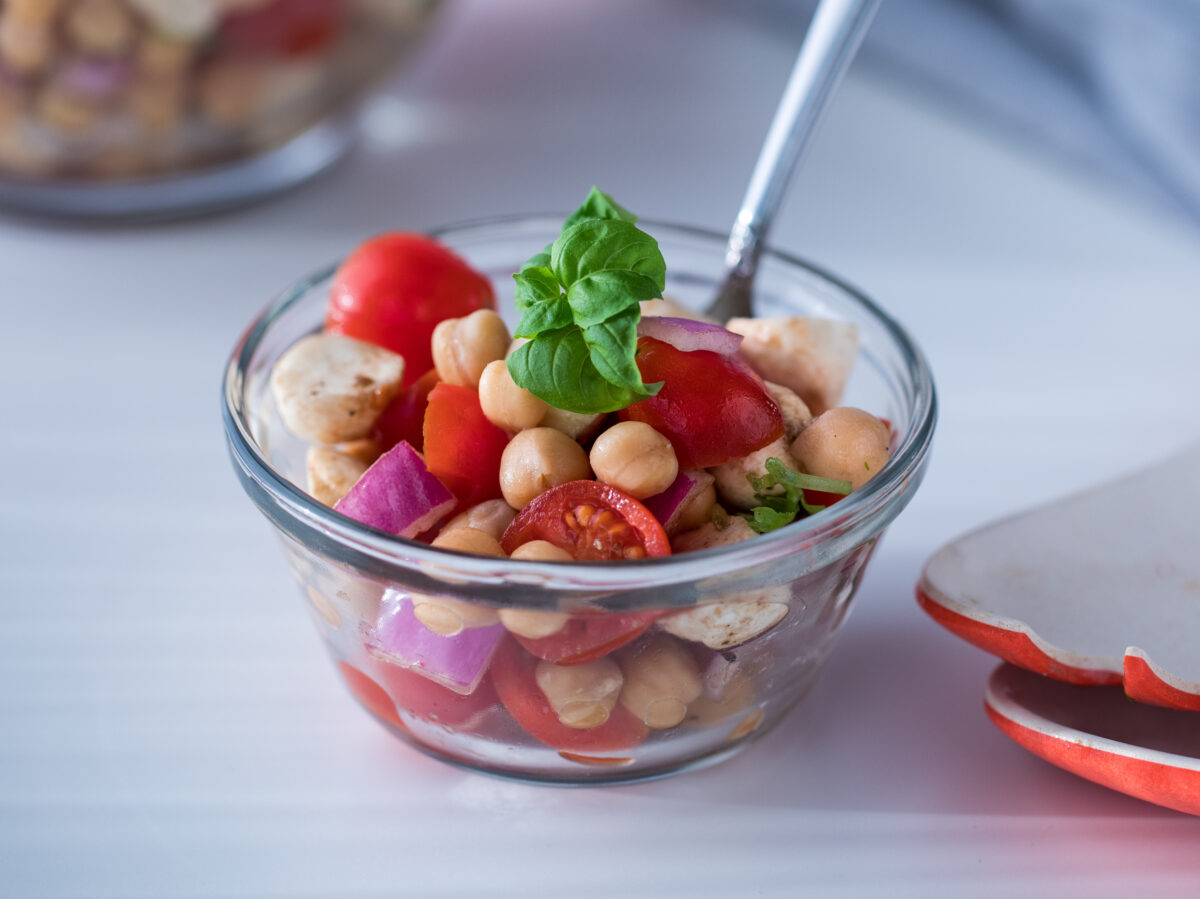
Culinary Variations and Pro-Tips
For those looking to move beyond the basic recipe, culinary enthusiasts suggest several advanced techniques:
- The Balsamic Infusion: Instead of just tossing with vinegar, try creating a reduction (balsamic glaze). Its syrupy consistency clings to the chickpeas better than standard vinegar, providing a sweeter, more concentrated flavor that balances the raw bite of red onion or the peppery notes of arugula.
- Temperature Management: To elevate the flavor, store the tomatoes at room temperature before serving, even if the chickpeas and mozzarella are kept chilled. Cold tomatoes lose their sweetness; keeping them at room temperature allows their natural sugars to shine.
- Protein Scaling: For athletes or those requiring higher protein intake, the salad can be augmented with pre-cooked, chilled chicken breast or canned tuna. These proteins integrate seamlessly with the balsamic-olive oil dressing, turning the salad into a complete nutritional package.
Conclusion: A Testament to Simple Perfection
The Chickpea Caprese Salad is a perfect example of how minor innovations can breathe new life into time-honored traditions. By respecting the classic Italian foundation while embracing the functional benefits of modern ingredient pairings, the dish offers a solution for those who demand both speed and quality. Whether served as a quick lunch on a busy Tuesday or as a vibrant centerpiece at a weekend barbecue, it serves as a reminder that the best food is often the simplest—provided it is treated with care and attention to detail.
As we look toward the future of home cooking, recipes like this set the standard: accessible, healthy, and deeply satisfying. It is, quite simply, the modern iteration of a Mediterranean masterpiece.
Quick Reference: The Basic Build
- The Base: 1 can (15 oz) chickpeas, rinsed and dried.
- The Produce: 2 cups cherry tomatoes, halved.
- The Cheese: 8 oz fresh mozzarella pearls.
- The Aromatics: 1/2 cup fresh basil leaves, torn.
- The Dressing: 2 tbsp extra-virgin olive oil, 1 tbsp high-quality balsamic vinegar, sea salt, and cracked black pepper to taste.
- Preparation: Combine all ingredients in a glass bowl. Toss gently. Let sit for five minutes to allow the dressing to coat the legumes. Add basil, toss once more, and serve immediately.