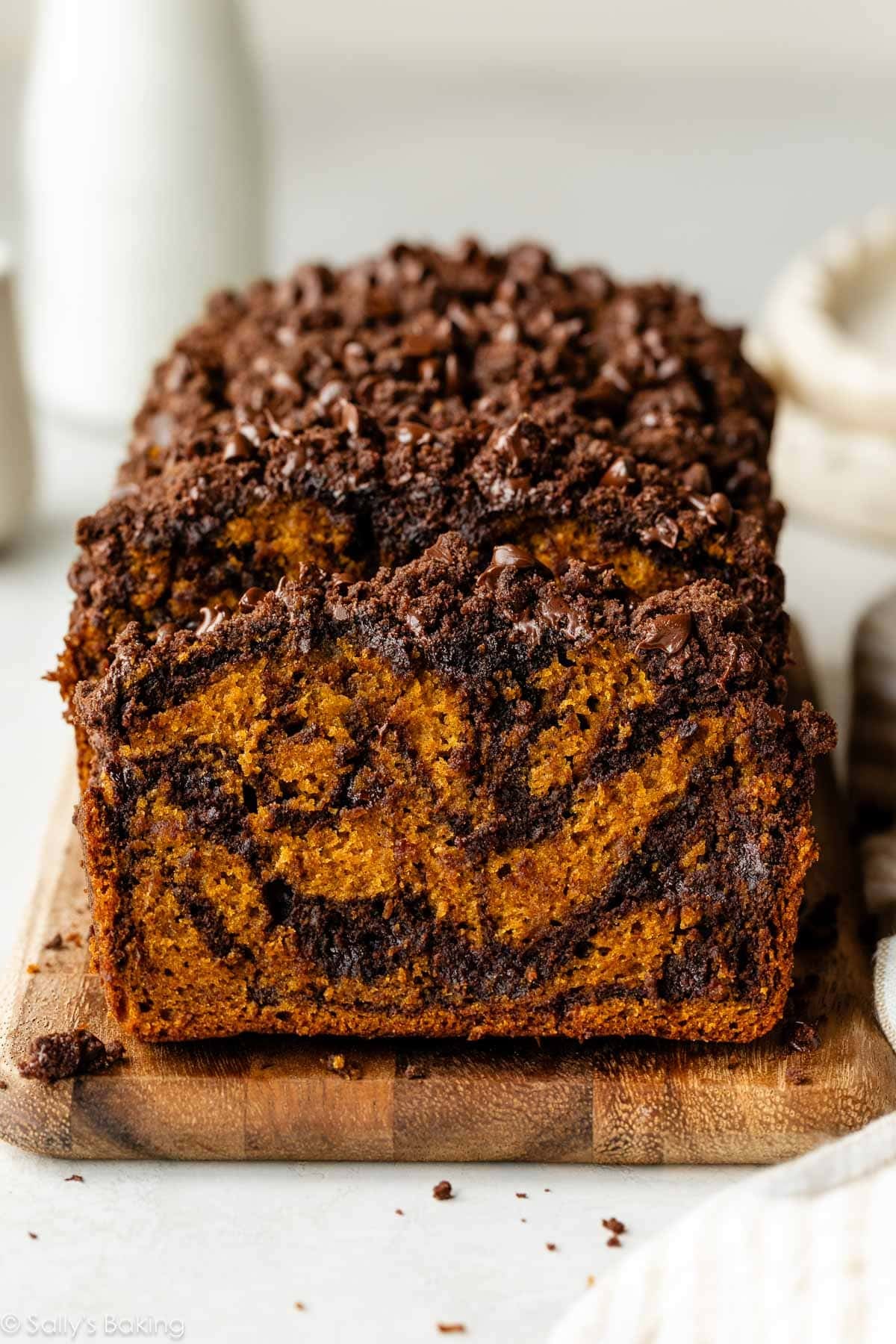
As the crisp air of autumn begins to settle and the seasonal transition shifts our culinary focus toward warming spices and hearty textures, a new standard for fall comfort food has emerged. The "Chocolate Marble Pumpkin Bread" is not merely a recipe; it is a masterclass in balance, marrying the earthy, spiced comfort of classic pumpkin loaf with the decadent intensity of rich, dark chocolate. This article explores the mechanics, the culinary science, and the growing popularity of this sophisticated quick bread.
Main Facts: The Evolution of a Seasonal Staple
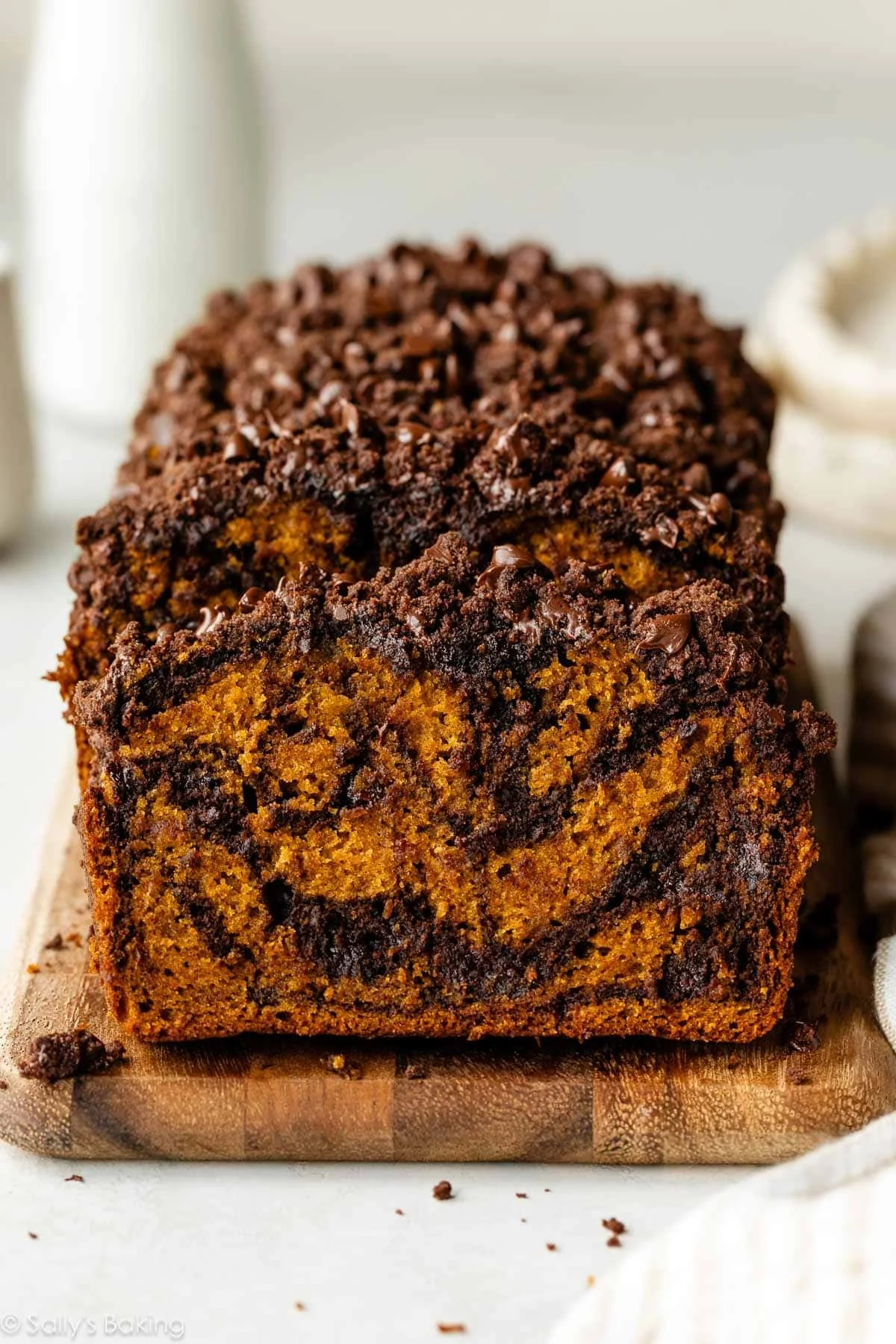
At its core, this recipe represents an evolution of the traditional pumpkin loaf. By integrating a chocolate streusel topping and a marbled interior, the dish moves firmly into the realm of "loaf cake"—a category that promises the accessibility of a quick bread with the indulgence of a gourmet dessert.

The brilliance of this particular iteration lies in its efficiency. Rather than demanding that a baker juggle multiple, complex base recipes, this technique utilizes a single primary pumpkin batter. By bifurcating the mixture and folding in cocoa powder, espresso powder, and mini chocolate chips, the baker achieves a dual-flavor profile without the clutter of a double-batch workflow.
The inclusion of espresso powder is a critical, professional-grade detail. Often used in pastry arts to "bloom" the flavor of cocoa, the espresso creates a depth that prevents the chocolate from becoming one-dimensional, ensuring it holds its own against the robust profile of pumpkin puree and aromatic spices.
Chronology: The Architectural Process
Creating the perfect marble effect requires a specific, methodical approach to ensure that the flavors remain distinct rather than muddying into a singular, indistinct brown mass.
Phase 1: The Foundation of Texture
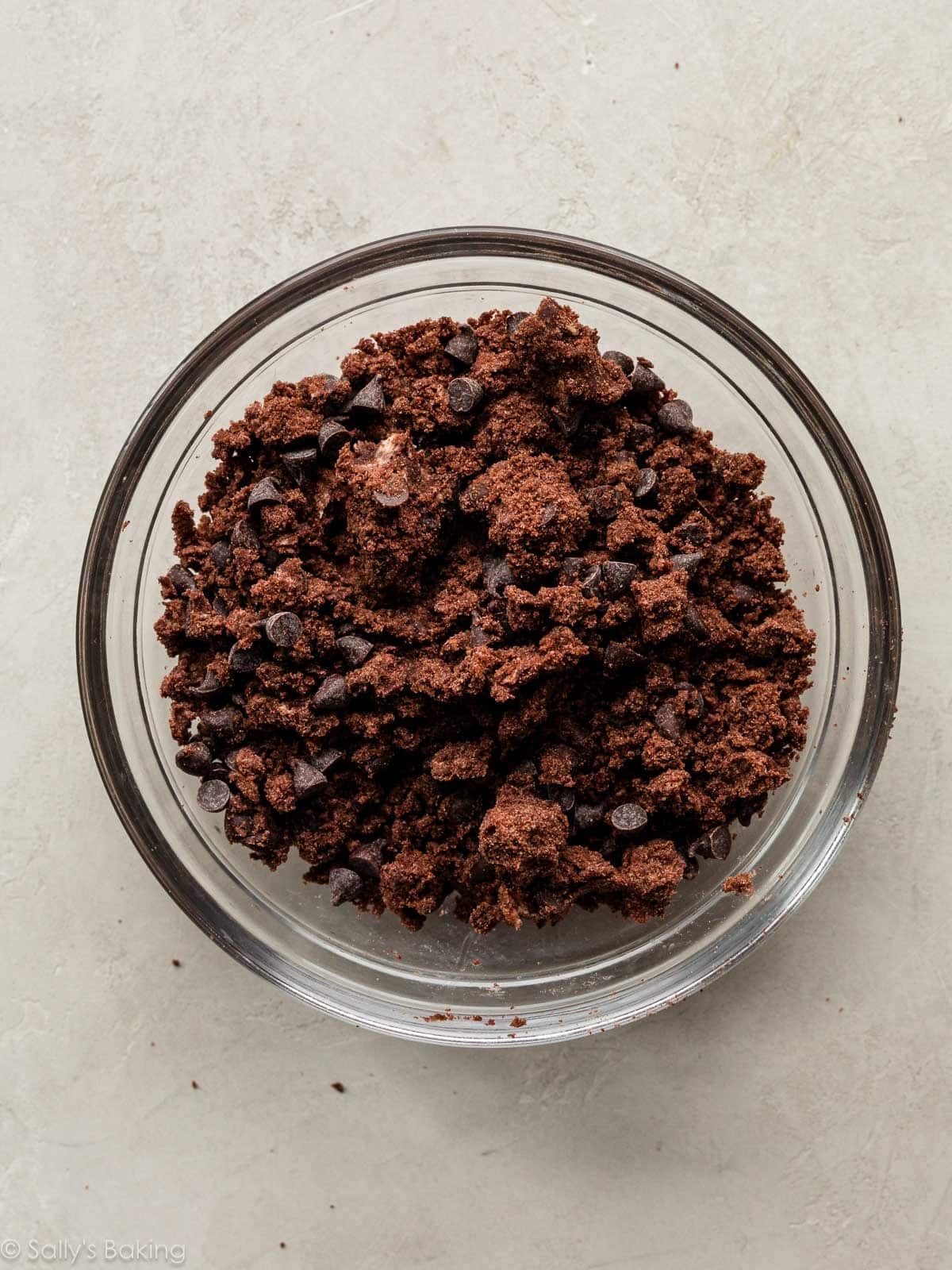
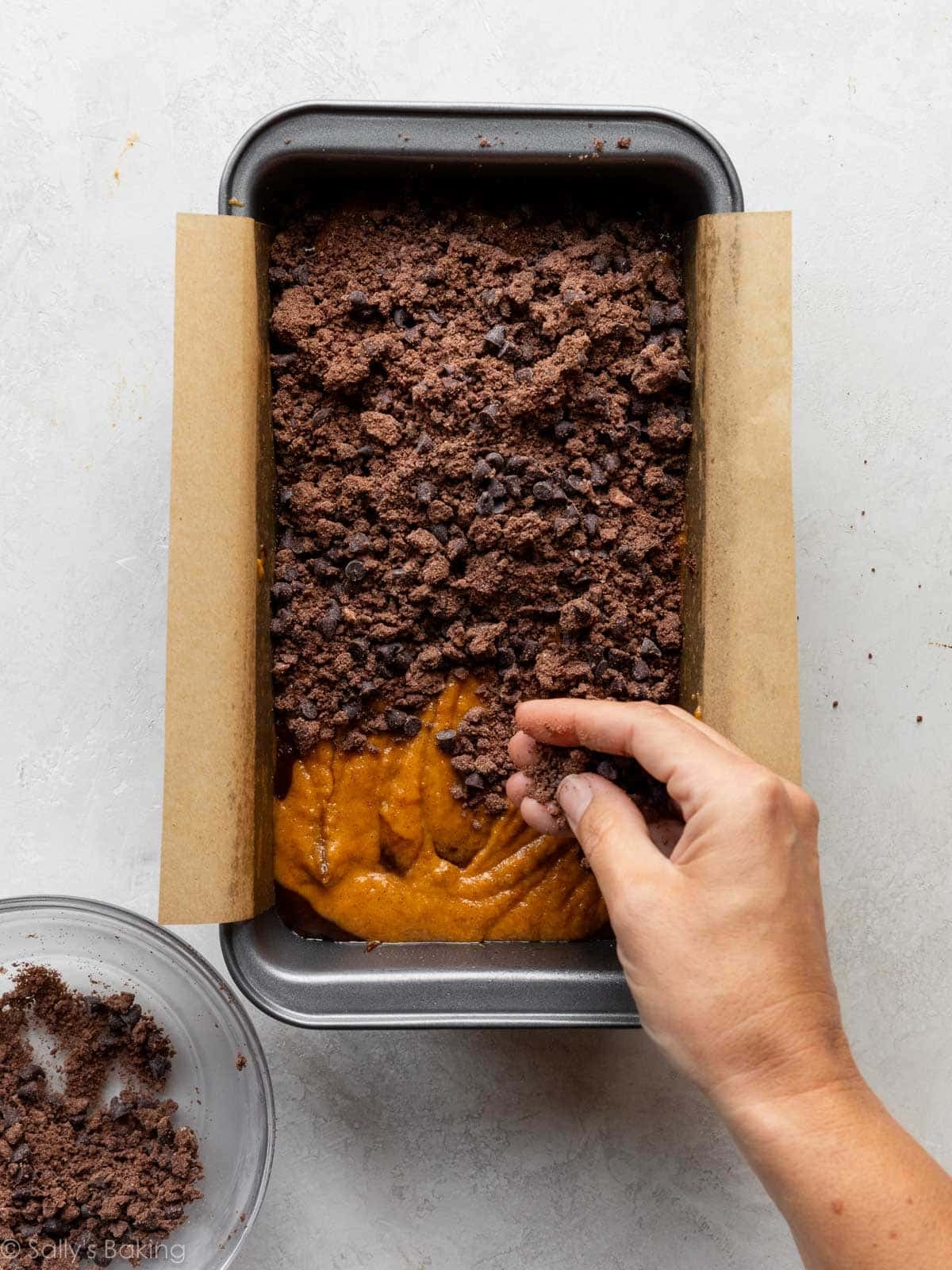
The process begins with the preparation of the chocolate crumb topping. Unlike typical streusel, this element is designed to be refrigerated or frozen prior to application. This is a vital step; by keeping the crumbles cold, the baker ensures they maintain their integrity when exposed to the high heat of the oven. This creates a textural contrast—a crunchy, buttery shell that yields to a moist, tender crumb.

Phase 2: The Batter Divide
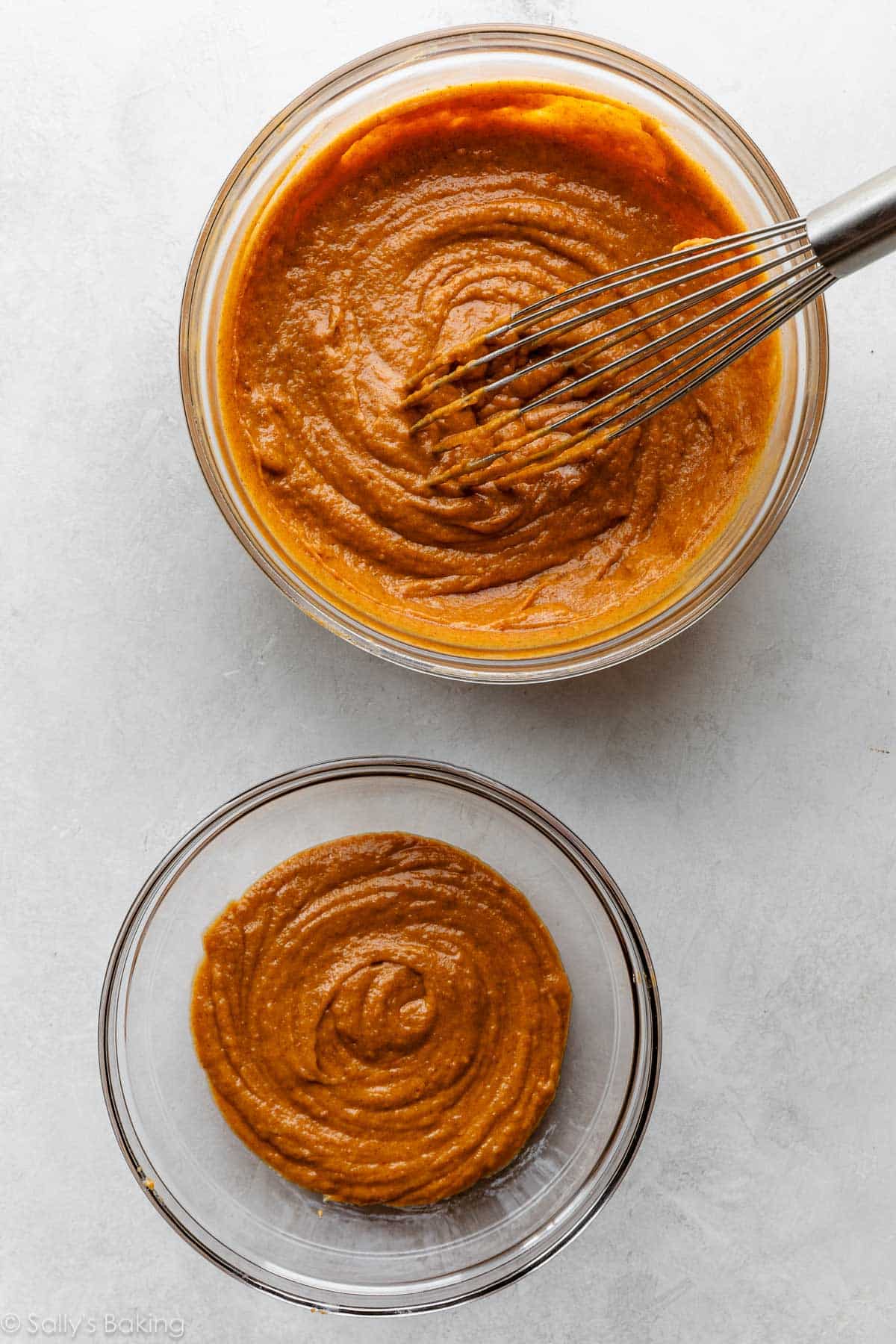
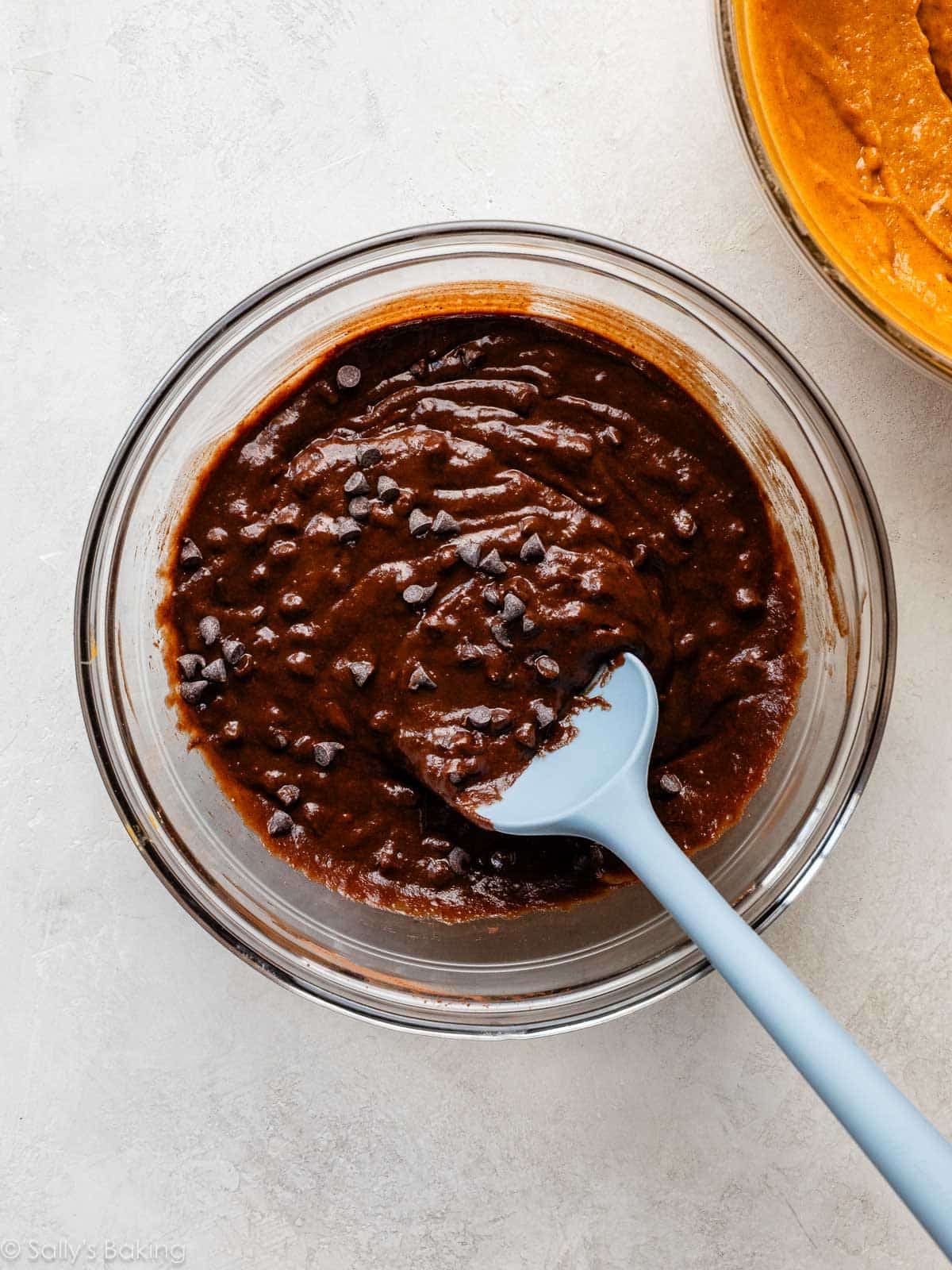
Once the dry and wet ingredients of the pumpkin base are whisked to perfection, the baker divides the mixture. The "chocolate" portion requires a careful hand. Because cocoa powder is highly absorbent, adding it to the batter necessitates the introduction of warm milk. This not only restores the necessary moisture balance but also aids in the dissolution of the espresso and cocoa powders, resulting in a smooth, luxurious consistency.
Phase 3: The Assembly and Marbling
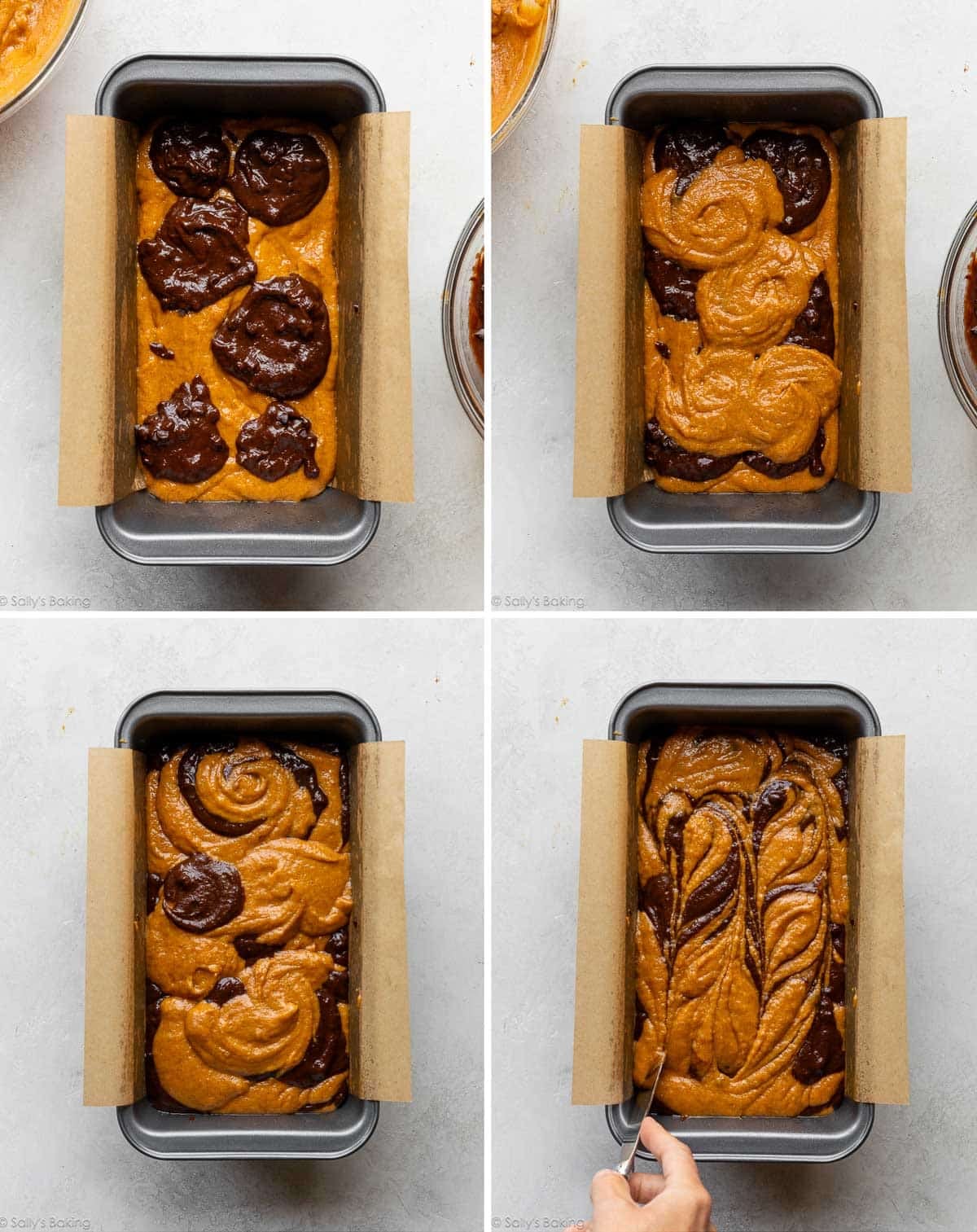
The "parchment sling" method is the industry standard for removing delicate loaves. By creating handles of parchment paper, the baker can lift the entire loaf out of the pan once cooled, preventing the fragile chocolate crust from breaking against the side of the pan during the removal process.
When it comes to the marble effect, the goal is "gentle manipulation." A simple butter knife or offset spatula is the only tool required to trace figure-eight patterns through the alternating layers of pumpkin and chocolate batter. Over-mixing is the enemy here; the beauty of the loaf is found in the distinct ribbons of color.
Supporting Data: Why the Science Works
Professional bakers often point to the "moisture-to-fat" ratio when discussing the success of quick breads. Pumpkin puree is an exceptional ingredient because it acts as both a flavor agent and a moisture-retaining starch. When paired with the high cocoa butter content found in quality mini chocolate chips, the bread remains fresh for days, resisting the drying effects that often plague lesser loaves.
The decision to use mini chocolate chips rather than standard chips is rooted in distribution theory. Smaller chips are less prone to sinking to the bottom of the pan during the leavening process. They remain suspended throughout the crumb, ensuring that every bite contains an equal distribution of chocolate, which is essential for a balanced eating experience.
Furthermore, the use of a "tenting" technique during the final phase of the bake—placing a loose piece of aluminum foil over the loaf—is a professional safeguard. It allows the center of the dense, heavy batter to cook through completely without the delicate streusel topping reaching the point of combustion or over-caramelization.
Official Perspectives: The Appeal to the Modern Baker
While home cooks have long experimented with marble loaves, the resurgence of this specific recipe has been fueled by a desire for "elevated comfort." Culinary experts suggest that in times of economic or social uncertainty, the act of baking—specifically the creation of scratch-made, labor-of-love items—provides a sense of agency and groundedness.
"The test kitchens found that this recipe consistently ranks high because it creates a ‘bakery-quality’ visual," says a spokesperson familiar with the development of the recipe. "It’s not just about the taste; it’s about the aesthetics. The contrast of the orange pumpkin and the dark chocolate creates a visually striking slice that feels like an event, rather than just a snack."
The recipe has been praised for its "border-crossing" nature. By adding the streusel, it moves away from the breakfast-exclusive category of standard pumpkin bread and into the versatile territory of a tea-time cake or a post-dinner indulgence.
Implications: The Future of Fall Baking
The success of the Chocolate Marble Pumpkin Bread suggests a shift in how we perceive seasonal baking. We are moving away from the era of "pumpkin spice" saturation and toward a more nuanced, flavor-forward approach. The integration of high-quality cocoa and espresso shows that consumers are becoming more adventurous with their flavor profiles, seeking sophisticated complexity even in traditional recipes.
Moreover, the emphasis on the parchment sling and the careful management of batter temperature highlights a growing trend toward "pro-sumer" baking. Home cooks are no longer content with "good enough"; they are actively seeking out professional techniques to ensure their results mirror the quality of a high-end patisserie.
As we look toward the future of holiday and seasonal baking, the Chocolate Marble Pumpkin Bread stands as a testament to the fact that simple, humble ingredients—pumpkin, flour, sugar, and cocoa—can be transformed into something truly extraordinary through the application of thoughtful technique and a commitment to detail. Whether enjoyed with a morning coffee or served as the centerpiece of a fall gathering, this loaf represents the best of what home baking can achieve: a perfect blend of nostalgia, innovation, and pure, decadent satisfaction.