In the fast-paced landscape of modern parenting, the quest for a meal that balances nutritional integrity, culinary excitement, and sheer speed is often fraught with compromise. Enter the Chicken and Cashew Curry—a dish that has quietly ascended to "staple" status in households across the country. By marrying the velvety richness of coconut milk with the vibrant, earthy notes of traditional curry spices and the satisfying, toasted crunch of cashews, this one-pan wonder is proving that "gourmet" doesn’t have to mean "complicated."
As families look to diversify their palates without the risk of overwhelming younger, more sensitive taste buds, this recipe offers a bridge between the familiar and the exotic. It is a masterclass in approachable culinary design, transforming basic pantry staples into a sophisticated, soul-warming dinner that bridges the gap between a frantic weeknight and a meaningful family meal.
Main Facts: The Anatomy of a Perfect Curry
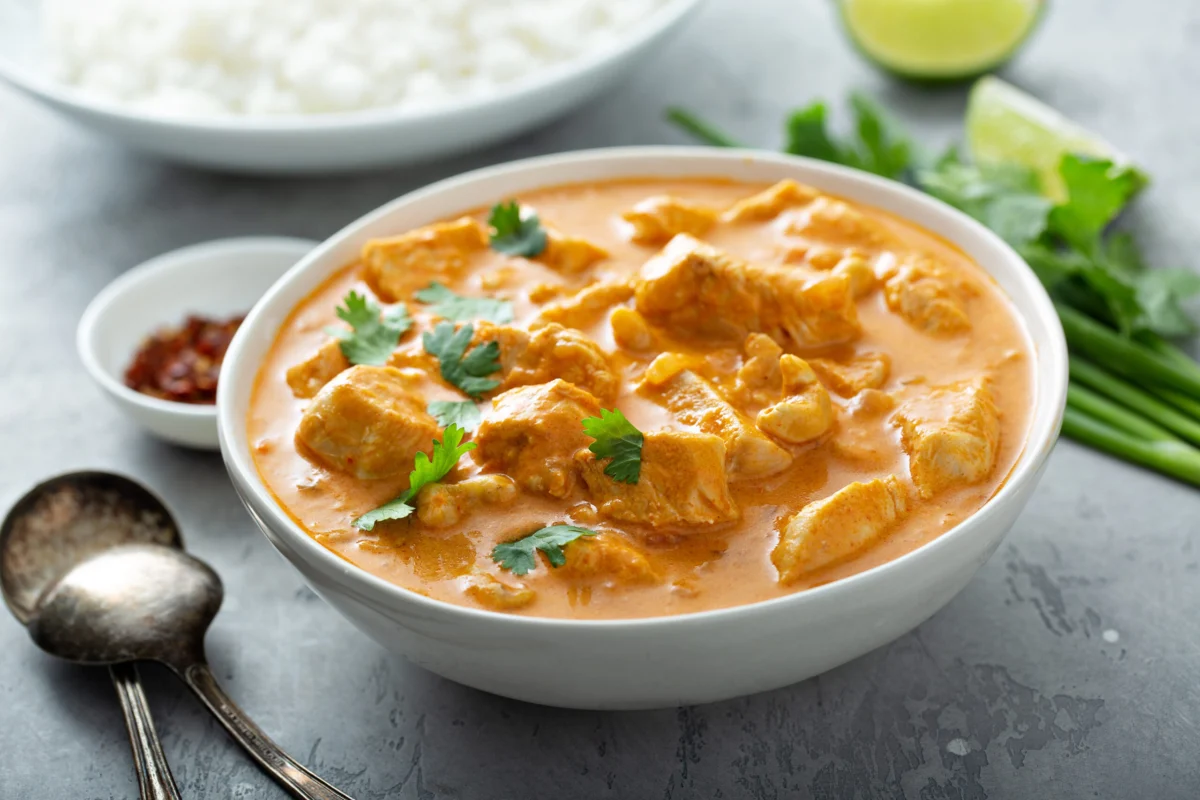
At its core, the Chicken and Cashew Curry is a study in texture and balance. The primary components—tenderized chicken breast or thigh, full-fat coconut milk, and a carefully curated spice blend—form the base of a sauce that is both luxurious and comforting.
The inclusion of cashews is not merely a garnish; it is a structural necessity. When toasted, these nuts provide a buttery crunch that cuts through the creaminess of the coconut base, preventing the dish from feeling one-dimensional. The curry, while traditionally associated with intense heat, is tempered here through the judicious use of mild aromatics, allowing for a flavor profile that is warm, golden, and deeply inviting rather than incendiary.
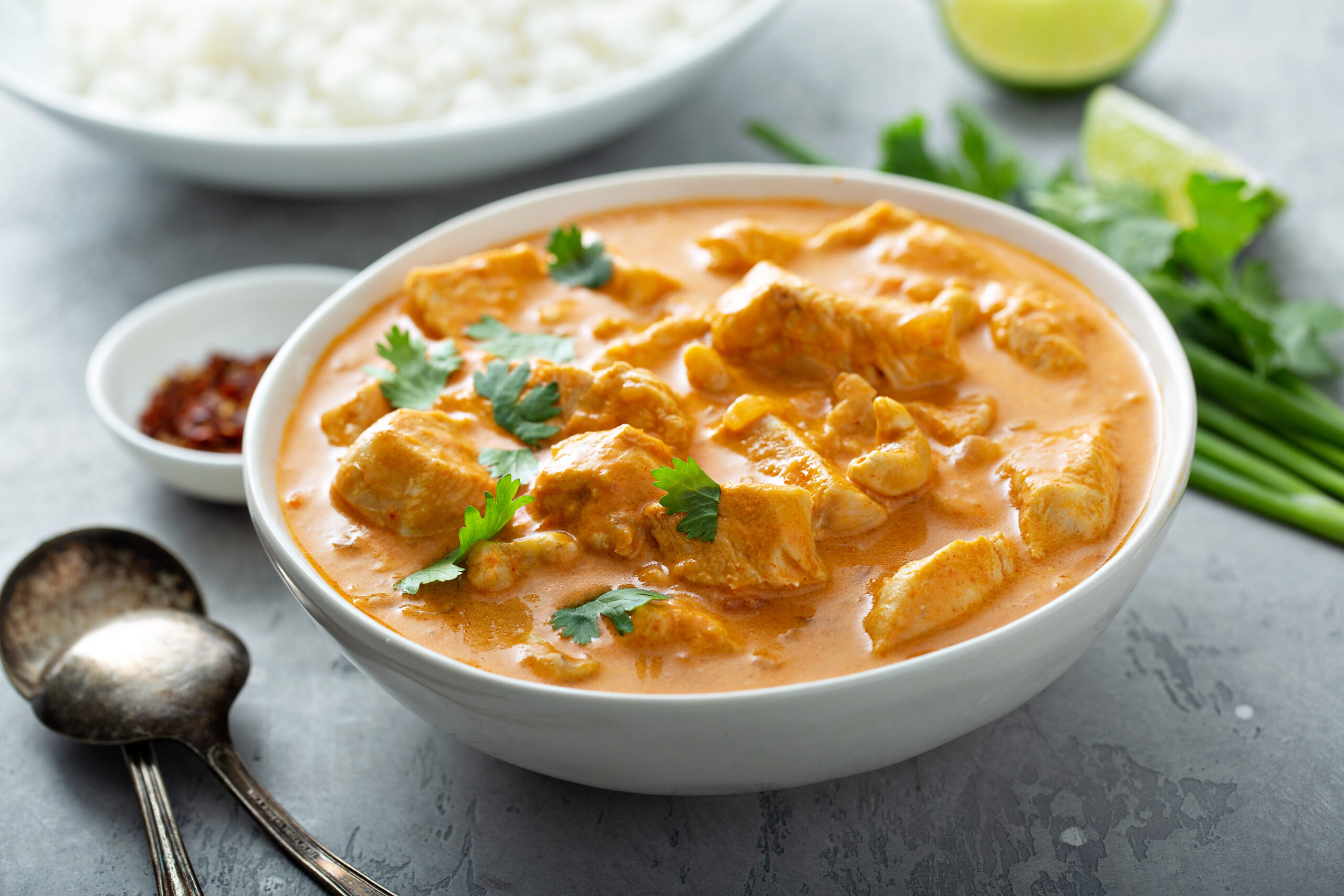
This dish typically requires a prep time of roughly 15 minutes and a cook time of 25 minutes, totaling 40 minutes from board to table. By leveraging one-pan preparation, it minimizes cleanup, further cementing its status as an ideal solution for the modern, time-pressed family.
A Chronological Guide to the Perfect Execution
Achieving the perfect consistency and flavor depth in a curry is a linear process that rewards patience and technique.
The Foundation (0–10 Minutes)
The process begins with the "bloom." By heating spices—specifically curry powder, cumin, and a touch of turmeric—in a small amount of oil before introducing any liquid, the fat-soluble compounds in the spices are released. This simple act of toasting is the secret to a professional-grade depth of flavor.
The Sear (10–15 Minutes)
Chicken should be cubed into uniform pieces to ensure even cooking. It is essential to sear the meat until lightly browned but not fully cooked through. This "lock-in" method preserves the juices, ensuring the protein remains succulent even after it is submerged in the sauce.
The Simmer (15–30 Minutes)
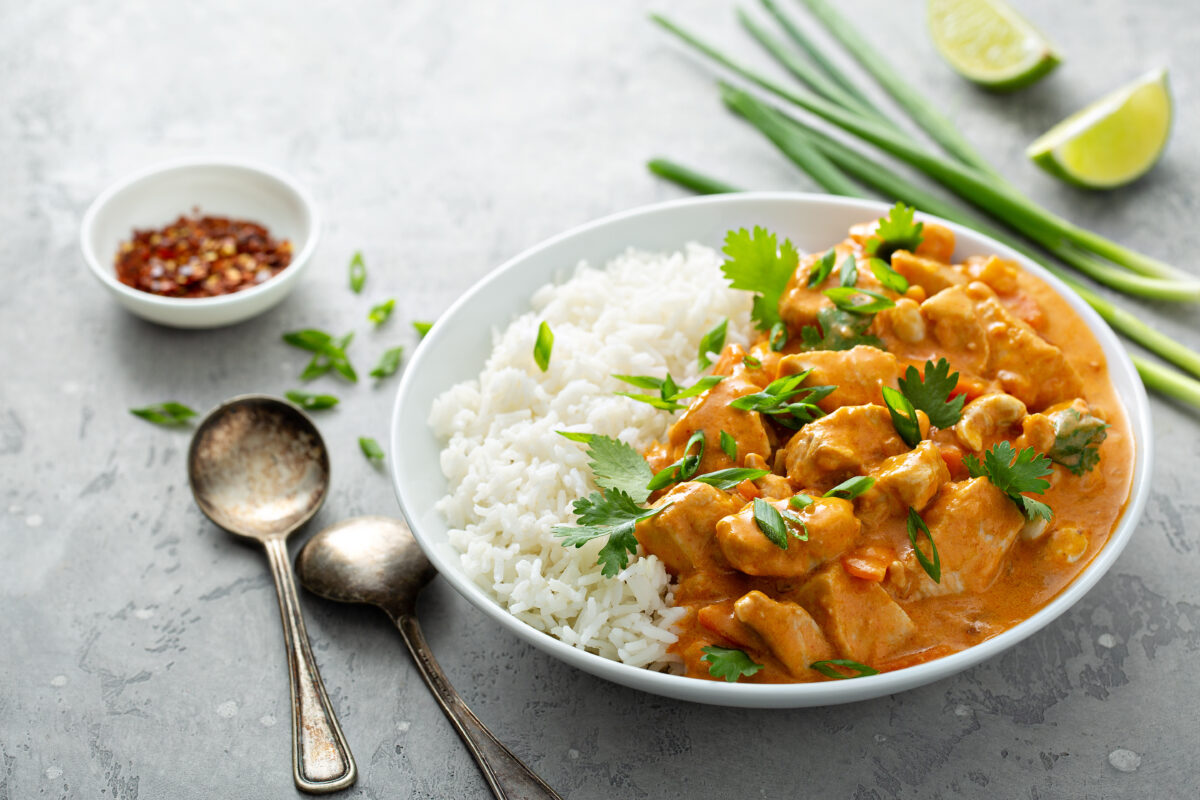
The addition of coconut milk marks the transition into the "creamy phase." It is here that the sauce begins to reduce and thicken. For the best results, full-fat coconut milk is recommended; the higher fat content provides a mouthfeel that lower-fat alternatives simply cannot replicate.
The Finishing Touches (30–40 Minutes)
The final stage is where the dish truly comes alive. The addition of fresh lime juice is not optional—the acidity cuts through the heavy, fatty richness of the coconut, providing a necessary brightness. Finally, the cashews are folded in at the very last second to ensure they retain their structural integrity and characteristic snap.
Supporting Data: The Nutritional and Psychological Impact
Why has this specific combination of ingredients gained such traction in nutritional circles? The answer lies in the synergistic nature of the dish.
- Protein and Healthy Fats: Chicken provides the high-quality protein necessary for muscle repair and satiety, while the cashews offer healthy monounsaturated fats.
- The Anti-Inflammatory Trio: Turmeric, often a primary ingredient in curry powder, contains curcumin, a powerful anti-inflammatory compound. When paired with the healthy fats in coconut milk, the bioavailability of these spices is significantly increased.
- The "Bridge" Effect: Psychologically, the use of familiar, mild flavors acts as a "bridge" for children. Research in childhood nutrition suggests that repeated exposure to new flavors within a "safe" context (like a creamy, familiar sauce) increases the likelihood of children accepting more adventurous foods later in life.
Expert Perspectives: Why Chefs and Parents Agree
The shift toward "cozy" cooking has been noted by culinary experts and family nutritionists alike. According to proponents of this dish, the secret is in the customization.
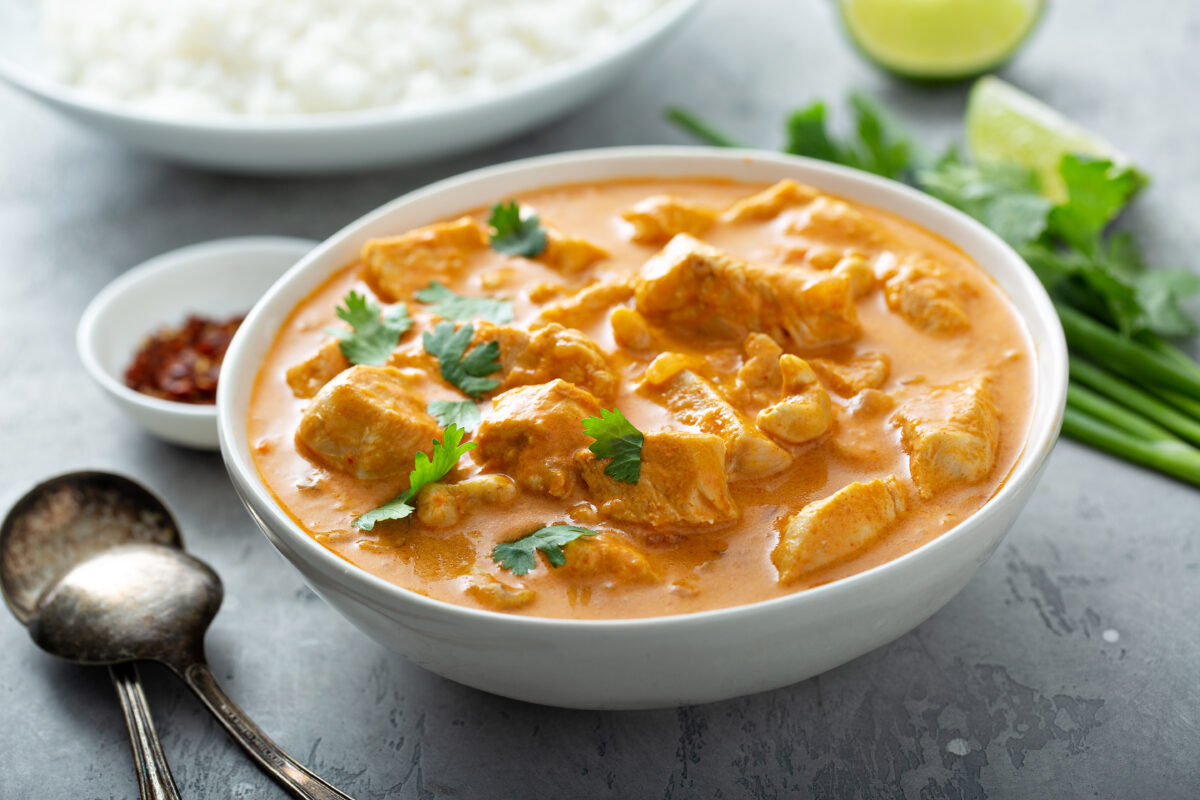
"The beauty of this curry is its modularity," says one culinary analyst. "You are not just serving a recipe; you are serving a template. By offering the cashews, fresh cilantro, and lime as optional toppings, you are giving children a sense of agency at the dinner table. This autonomy often reduces the resistance to trying new ingredients."
Furthermore, culinary experts emphasize that the "one-pan" philosophy is more than just a convenience trend—it is a method for flavor development. By cooking everything in the same vessel, the juices from the chicken, the toasted spices, and the coconut fat emulsify into a complex, cohesive sauce that cannot be replicated if ingredients are cooked separately.
Implications for the Future of Home Cooking
The success of the Chicken and Cashew Curry signals a larger shift in how families approach meal planning. We are moving away from the era of "kids’ meals" vs. "adult meals." Instead, there is a rising demand for "family-style" meals that are inherently inclusive.
Versatility as a Strategy
The recipe’s ability to adapt is its strongest asset. For families looking to increase their fiber intake, the addition of broccoli, cauliflower, or chickpeas integrates seamlessly into the sauce profile. For those leaning into plant-forward eating, substituting the chicken with extra chickpeas or even firm tofu does not compromise the integrity of the sauce.
The Economic Benefit
From an economic standpoint, the dish is highly efficient. By utilizing chicken breast or thigh and supplementing with shelf-stable pantry items like coconut milk and spices, families can prepare a high-quality, restaurant-style meal at a fraction of the cost of takeout.
The Sustainability Factor
Because the dish is so freezer-friendly, it actively combats food waste. Leftovers can be stored for up to four days or frozen for three months. Unlike many cream-based sauces that separate upon reheating, the fat content of the coconut milk makes this dish uniquely resilient to the freeze-thaw cycle, provided the cashews are added fresh after reheating.
Conclusion: A New Standard for Weeknight Success
The Chicken and Cashew Curry is more than a fleeting food trend; it is a reliable, nutritionally sound, and culturally inclusive solution to the eternal question: "What’s for dinner?" By mastering the simple techniques of toasting spices, searing protein, and balancing acidity, home cooks can transform a standard weeknight into an occasion.
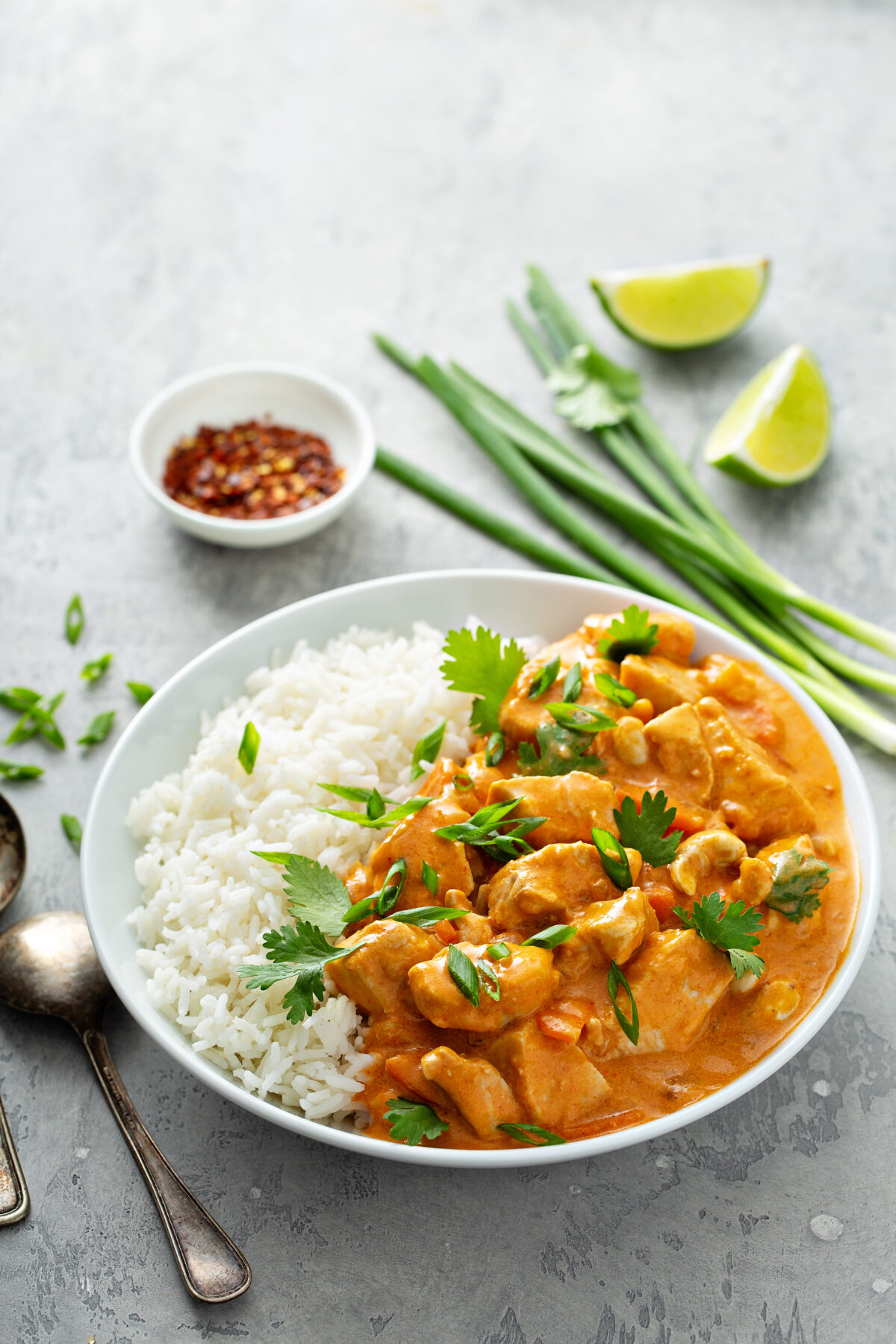
As we look toward the future of home dining, the emphasis remains on dishes that offer maximum reward for minimum stress. With its creamy texture, familiar flavors, and inherent flexibility, the Chicken and Cashew Curry is poised to remain a staple of the modern kitchen for years to come. Whether you serve it with a side of steamed basmati rice or a warm piece of naan, this dish serves as a reminder that the best meals are often those that invite everyone to the table, regardless of their culinary background.