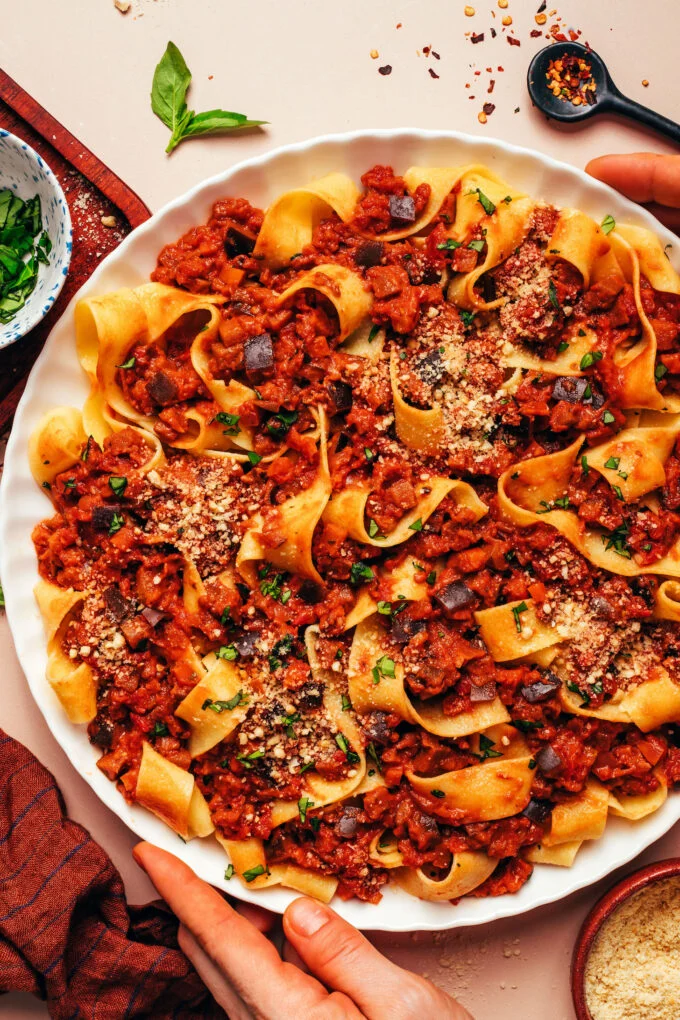
In the ever-evolving landscape of modern gastronomy, few dishes hold as much cultural weight as the traditional Italian Bolognese. Historically anchored in the culinary traditions of Bologna—a city synonymous with rich, slow-cooked meat sauces—the dish has long been considered the gold standard of comfort food. However, as global dietary trends shift toward sustainability and plant-forward eating, a new contender has emerged, challenging the dominance of traditional meat-based ragù: the Eggplant Bolognese.
This refined, one-pot iteration is not merely a substitute; it is a thoughtful reimagining of a classic. By leveraging the naturally meaty texture of roasted eggplant and the brightness of fresh, late-summer produce, culinary innovators are proving that the soul of a dish lies not in the protein, but in the harmony of flavor.
The Anatomy of a Modern Bolognese
To understand the significance of this shift, one must first appreciate the traditional Bolognese—or ragù alla bolognese. Historically, the sauce relies on a delicate trifecta of aromatics known as soffritto (a finely diced mix of onion, celery, and carrots), followed by the slow browning of ground meat, the deglazing of wine, and a long, patient simmer with milk and tomatoes.
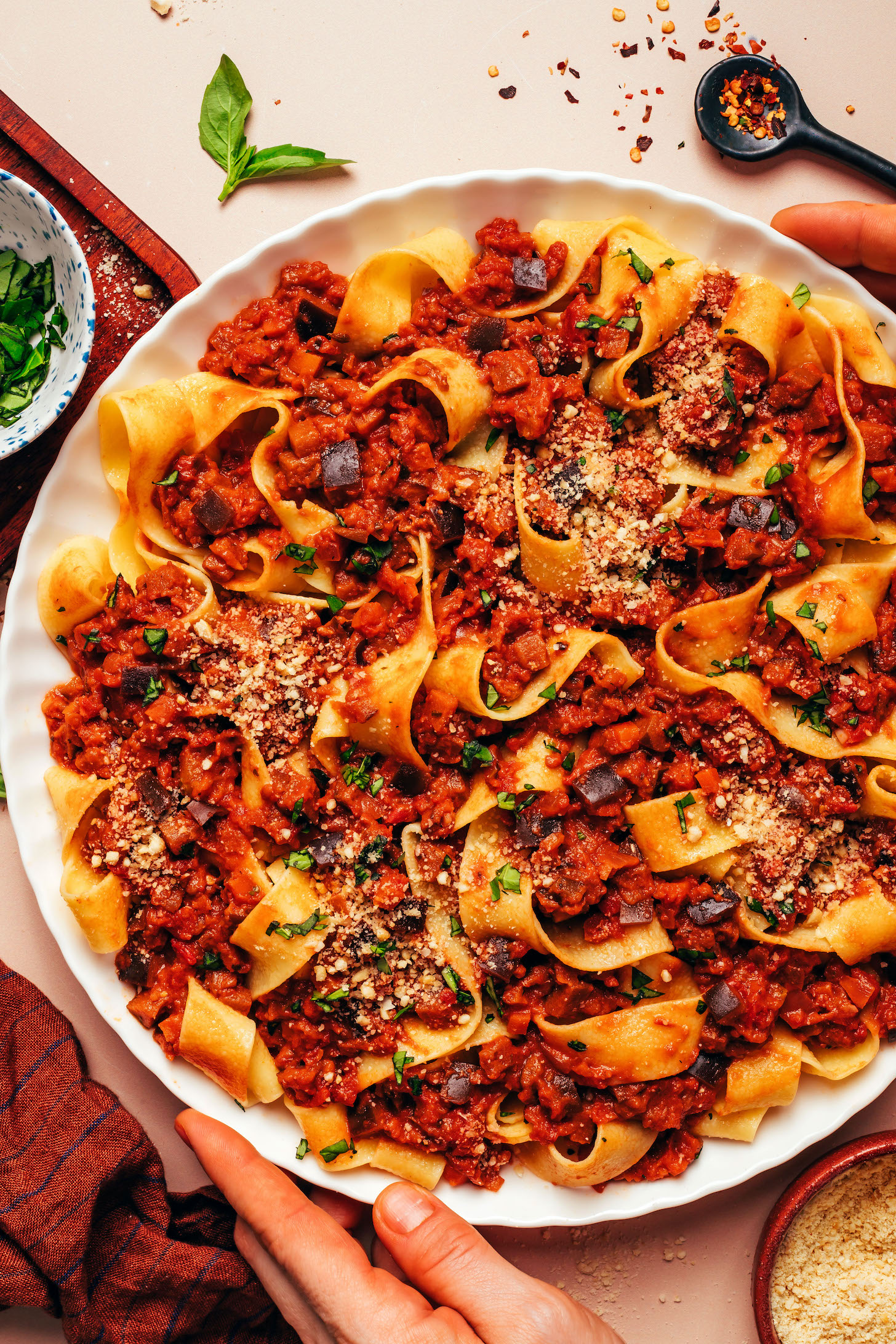
The current transition to an eggplant-based version, as popularized by Minimalist Baker, maintains this architectural integrity while stripping away the animal products. By substituting ground meat with finely cubed, sautéed eggplant, the dish achieves a similar "heft." When cooked down, the eggplant loses its spongy structure and absorbs the acidity of the tomatoes and the richness of the base, creating a mouthfeel that is remarkably similar to a slow-cooked meat ragù.
Chronology of the Recipe’s Development
The journey of the Eggplant Bolognese from an experimental kitchen concept to a viral, plant-based staple follows a clear trajectory of culinary simplification.
The Foundation (The Prep Phase)
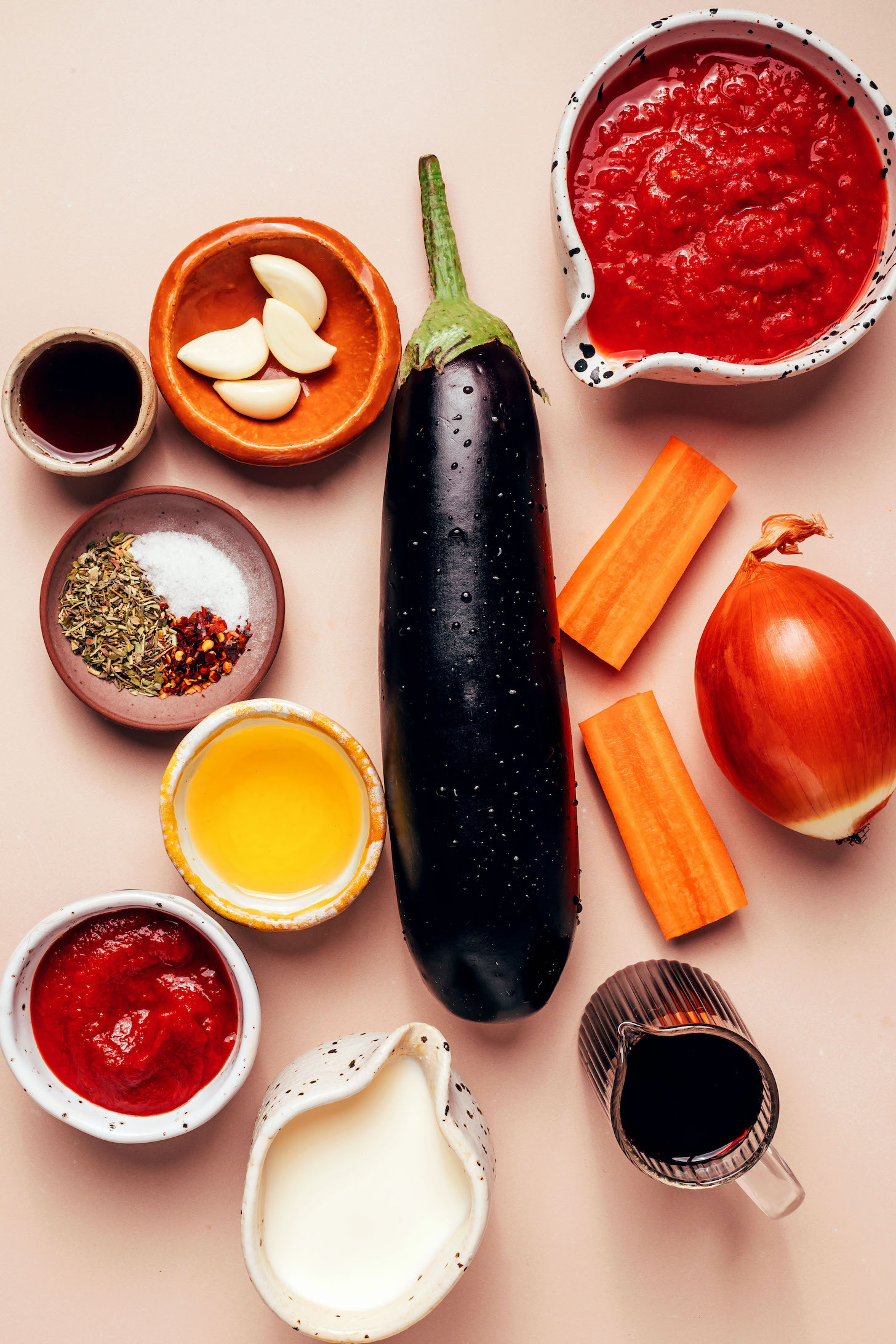
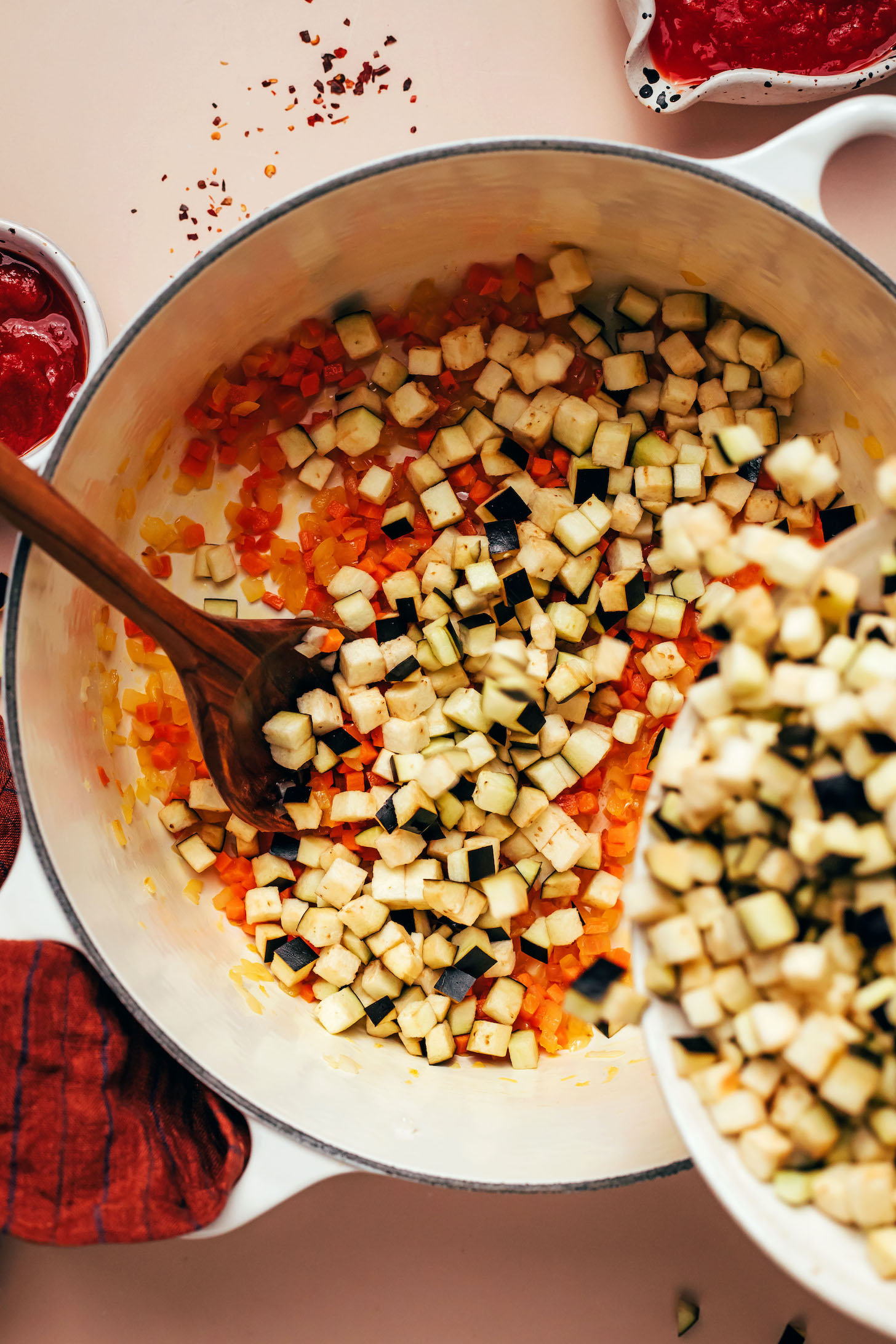
The process begins with the soffritto. In this 45-minute preparation cycle, the foundation is laid by sautéing diced onions and carrots in high-quality olive oil. This stage is critical; the caramelization of these vegetables provides the inherent sweetness required to balance the later acidity of the tomato base.
The Transformation (The Sauté)
Once the aromatics are softened, the eggplant—the star of the show—is introduced. The technique here is precise: cutting the eggplant into very small, uniform cubes allows for rapid browning and even cooking. This step is where the "meatiness" is engineered. As the eggplant browns, it releases its moisture and begins to soften, preparing it to act as a sponge for the subsequent layers of flavor.
The Infusion (Building Depth)
Following the browning of the eggplant, the "flavor build" begins. Garlic and red pepper flakes are added to provide a sharp, aromatic contrast to the earthy eggplant. The pan is then deglazed with wine—a nod to the traditional Italian method—which lifts the browned bits (the fond) from the bottom of the pot, incorporating that concentrated umami directly into the sauce.
The Simmer (The Culmination)
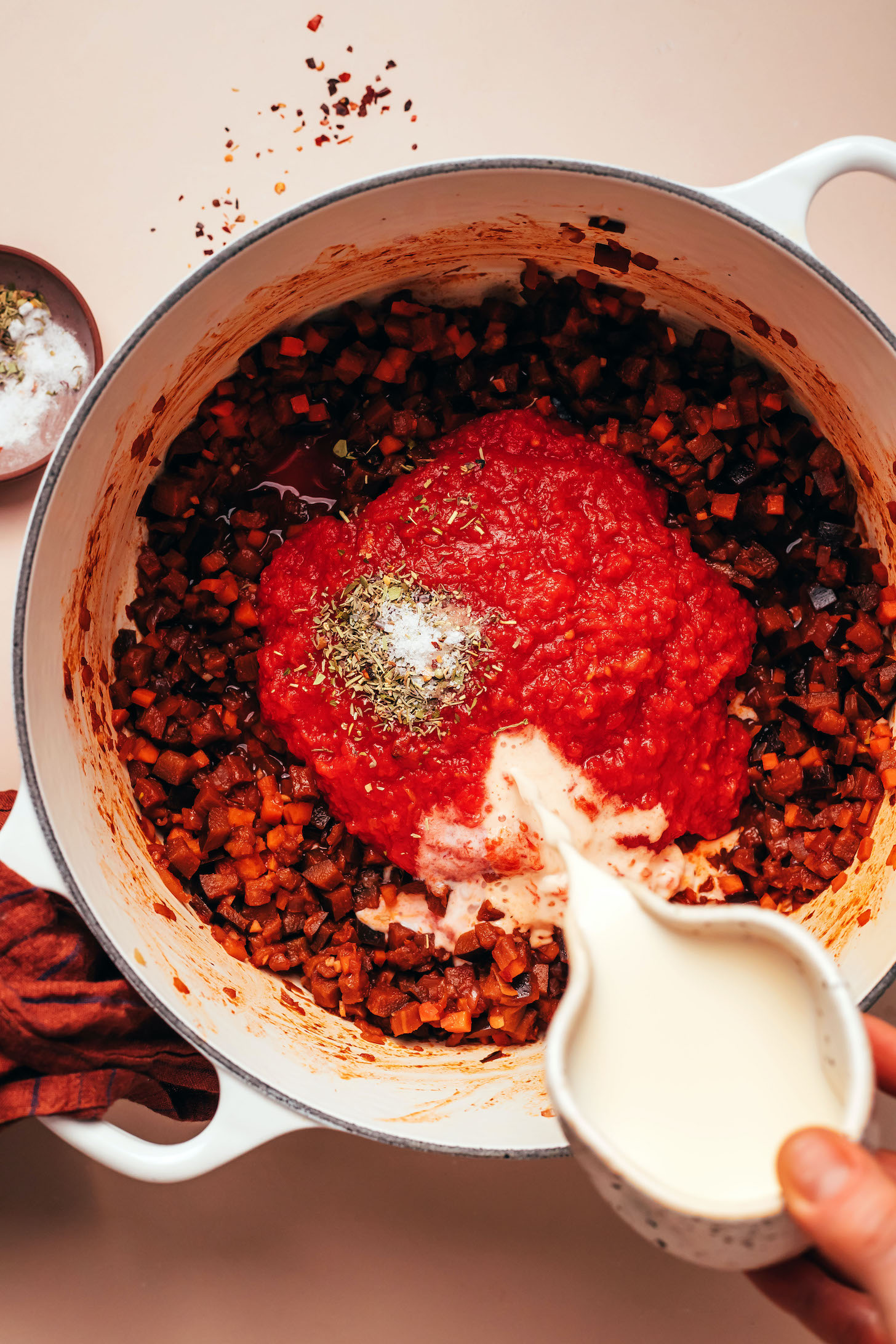
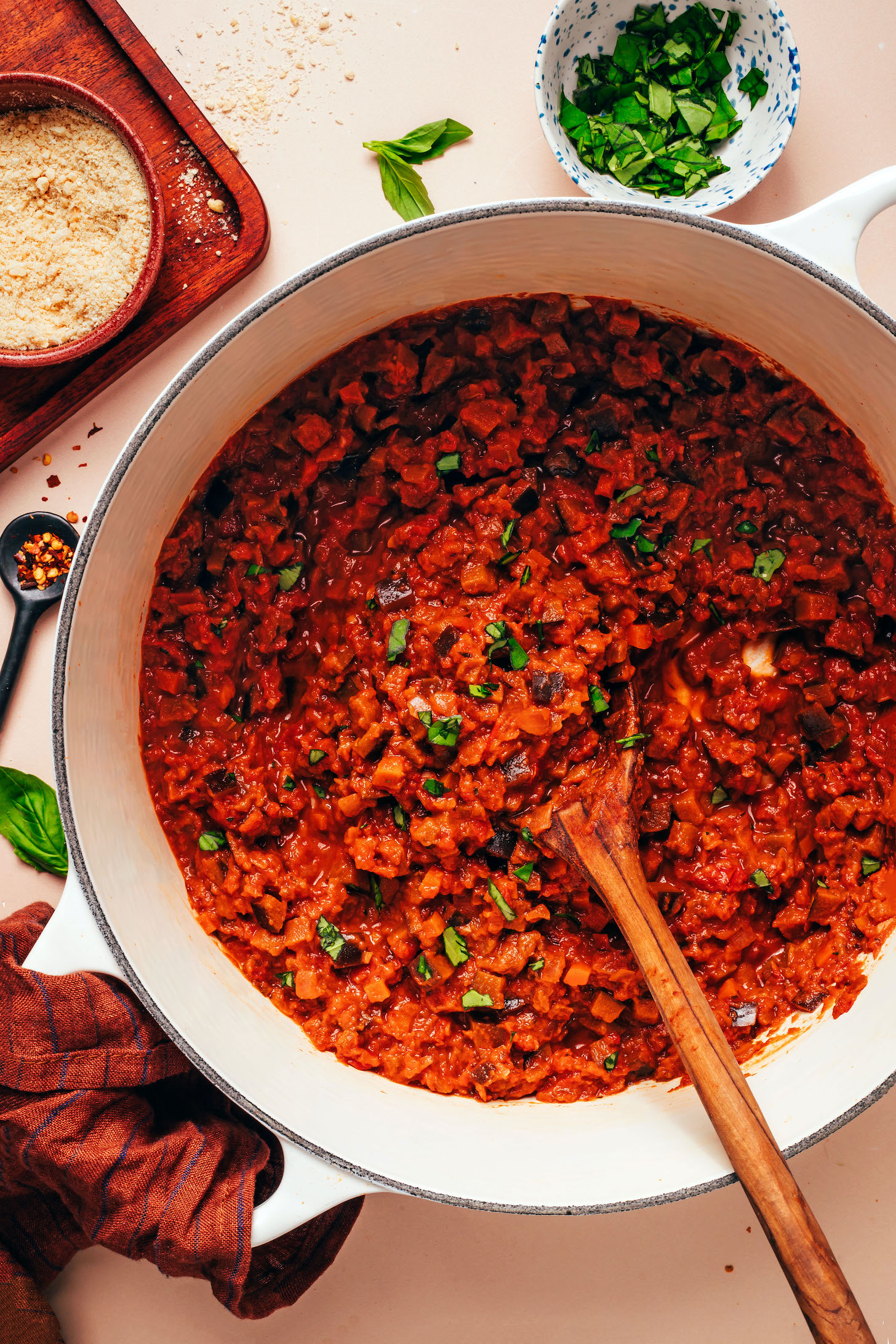
The addition of crushed tomatoes and tomato paste defines the sauce’s body, while a splash of dairy-free milk (specifically cashew-based) introduces a subtle, creamy richness. The final seasoning involves dried Italian herbs like basil and oregano, with a touch of maple syrup to temper the high acidity of the tomato base. A minimum 20-to-30-minute simmer allows the water content to evaporate, resulting in a thick, velvety ragù that clings perfectly to pasta.
Supporting Data: Nutrition and Scalability
While traditional meat-based Bolognese is high in protein, it often comes with significant amounts of saturated fat and cholesterol. The eggplant version provides a compelling alternative for the health-conscious consumer.
According to recent nutritional analysis, a single serving of this plant-powered Bolognese contains approximately:
- Calories: 284 kcal
- Protein: 6.6g
- Fiber: 8.3g
- Total Fat: 17.1g (predominantly unsaturated)
- Cholesterol: 0 mg
The high fiber content—derived largely from the eggplant and vegetables—makes this dish significantly more digestive-friendly than its meat-heavy counterparts. Furthermore, the absence of animal products eliminates cholesterol entirely, making it an ideal meal for those managing cardiovascular health without sacrificing the "cozy" factor of a traditional pasta night.
The recipe is also highly scalable and freezer-friendly. Because the base is composed of stable, slow-cooked vegetables, the sauce can be stored for up to three to four days in the refrigerator or frozen for up to a month, maintaining its structural integrity upon reheating.
Expert Perspective: Why It Works
Culinary experts and nutritionists alike point to the "umami-synergy" of this dish as the primary reason for its success. Umami—the fifth taste—is typically associated with meat, but it is also found in high concentrations in tomatoes and eggplant. By combining these ingredients in a single pot, the chef creates a flavor profile that registers as "savory" to the palate without the need for animal protein.
Furthermore, the addition of cashew milk serves as a clever culinary hack. In traditional recipes, milk is used to tenderize the meat and add a rounded, creamy mouthfeel. The nut-based milk achieves this same effect, emulsifying with the tomato oils to create a glossy, luxurious texture that would otherwise be difficult to achieve in a vegan format.
The Broader Implications for Home Cooking
The rise of the Eggplant Bolognese is a microcosm of a larger trend in home cooking: the "One-Pot" movement. In a fast-paced society, the traditional multi-step, multi-pot cooking process is increasingly viewed as a barrier to healthy eating. By consolidating the entire preparation into a single Dutch oven or deep skillet, the barrier to entry is lowered.
Environmental Impact
The environmental implications of shifting even one or two meals a week from meat-based to vegetable-based are substantial. The water footprint of producing eggplant is a fraction of that required for raising livestock. As consumers become more environmentally literate, the popularity of recipes that reduce their carbon footprint—without feeling like a "sacrifice"—will continue to grow.
Inclusivity and Versatility
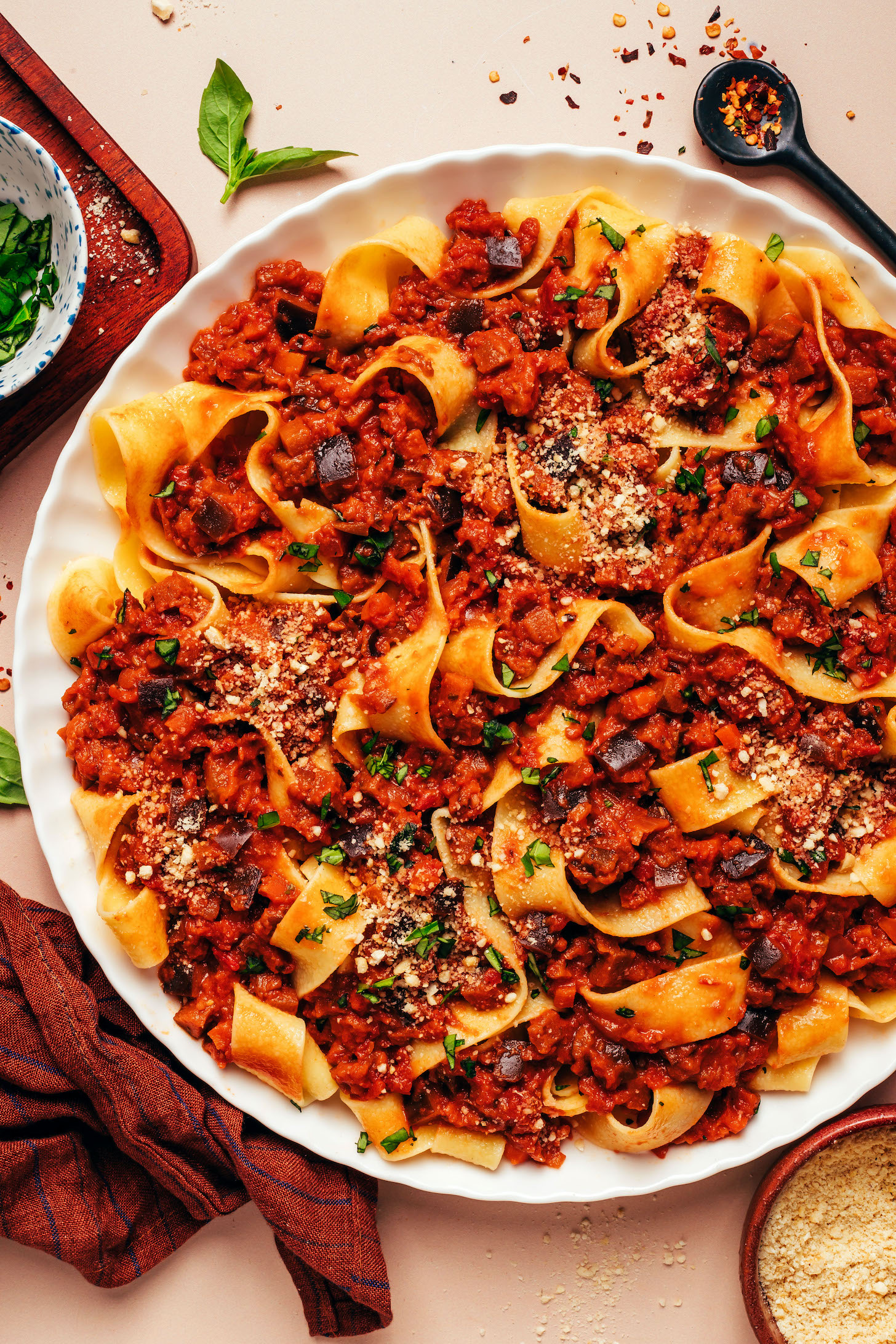
One of the most impressive aspects of this recipe is its flexibility. The recipe notes highlight that for those not strictly adhering to a plant-based diet, the dish can easily accommodate modifications. Whether one chooses to add ground beef for a traditional hybrid, or sticks to the plant-based version topped with vegan parmesan, the core structure of the dish remains consistent. This versatility encourages experimentation, allowing the cook to tailor the meal to the preferences of their guests, whether they are omnivores, vegetarians, or vegans.
Conclusion: A New Classic?
The Eggplant Bolognese is more than just a passing trend; it is a refinement of a culinary staple. It respects the history of the Bolognese while embracing the possibilities of modern ingredient science. Whether you are looking for a quick, 45-minute weeknight dinner or a sophisticated, plant-based meal to impress guests, this recipe offers a path to a satisfying, rich, and deeply flavorful dining experience.
As we look toward the future of the kitchen, it is recipes like this that will lead the way—proving that we don’t need to choose between tradition and innovation. By simply boiling the water and opening a jar of tomatoes, the home cook can participate in this evolution, one bowl at a time. The next time you find yourself craving the comfort of an Italian pasta night, consider reaching for the eggplant—it just might surprise you.