In the modern culinary landscape, the intersection of efficiency and flavor has become the ultimate goal for the home cook. As families juggle increasingly demanding schedules, the appeal of "takeout-style" meals prepared in one’s own kitchen has never been stronger. Leading this charge is a timeless, nutrient-dense classic: Shrimp and Broccoli.
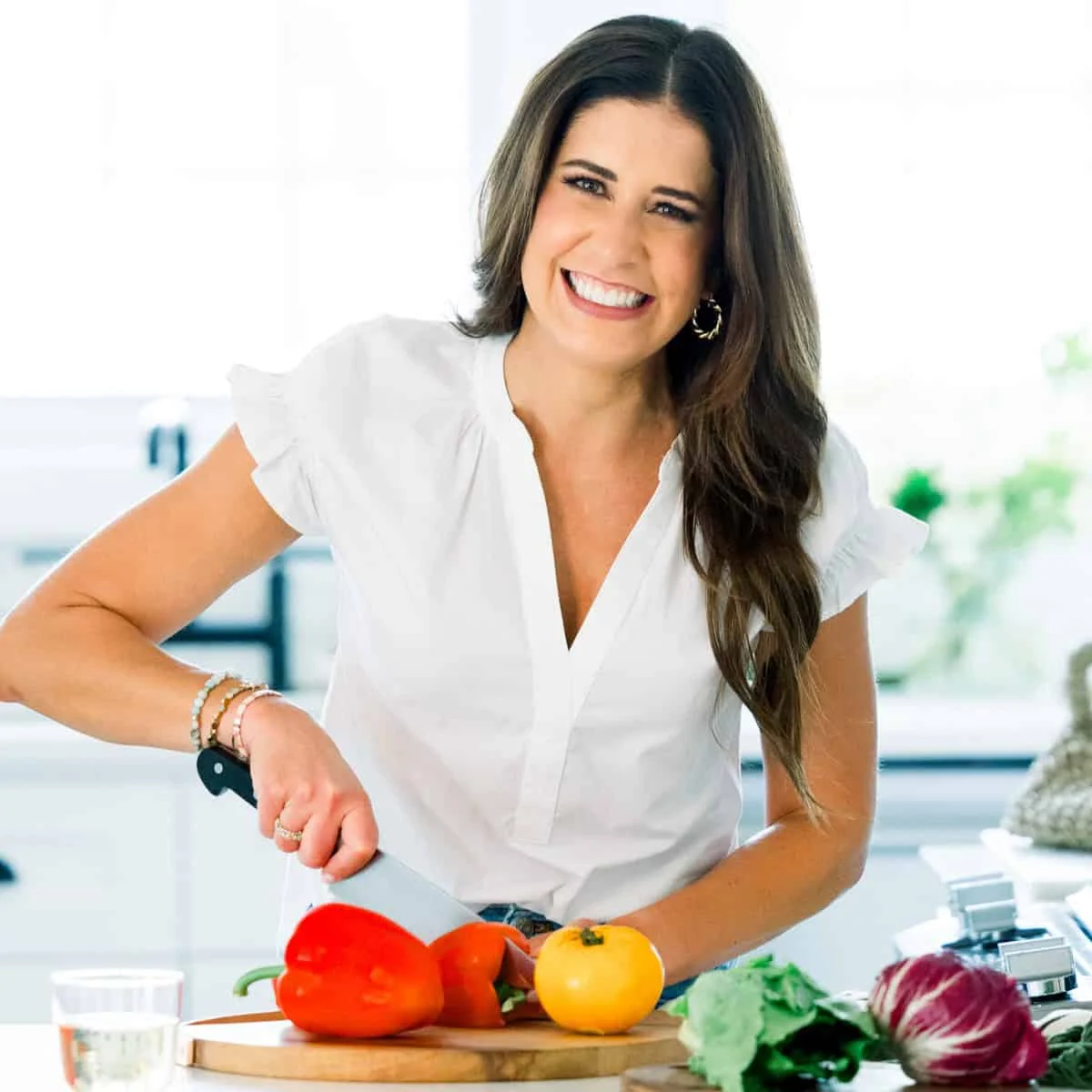
This dish, recently refined by cookbook author and culinary influencer Erin Clarke of Well Plated, represents a masterclass in home-cooking strategy. By balancing the delicate, rapid-cooking nature of shellfish with the structural requirements of cruciferous vegetables, this recipe offers a blueprint for a restaurant-quality dinner that arrives on the table in under 30 minutes.

The Core Concept: Efficiency Meets Excellence
At the heart of any successful stir-fry lies the principle of high-heat, high-speed cooking. The method relies on the "tender-crisp" philosophy—a technique that preserves the vibrant color and nutritional integrity of vegetables while ensuring proteins remain succulent rather than rubbery.
The primary challenge in creating a shrimp and broccoli dish is the disparity in cooking times. Shrimp, a lean protein, can transition from perfectly translucent to overcooked and tough in a matter of seconds. Broccoli, conversely, requires a combination of searing and steaming to achieve the desired texture. To solve this, the methodology hinges on a "staggered cooking" technique: the shrimp are flash-seared, removed from the heat, and reintroduced only at the final stage of the process to ensure both components are at their culinary peak simultaneously.

A Chronological Guide to the Perfect Stir-Fry
To achieve the results often reserved for high-end takeout establishments, precision in the execution of steps is paramount.
Phase 1: The Mise-en-Place
Before the heat is applied, organization is essential. All components of the sauce—a delicate balance of savory, aromatic, and umami-forward ingredients—should be whisked together in a single vessel and placed within arm’s reach. This prevents the "panic cook" that often leads to burnt garlic or over-reduced sauces.

Phase 2: The Flash-Sear
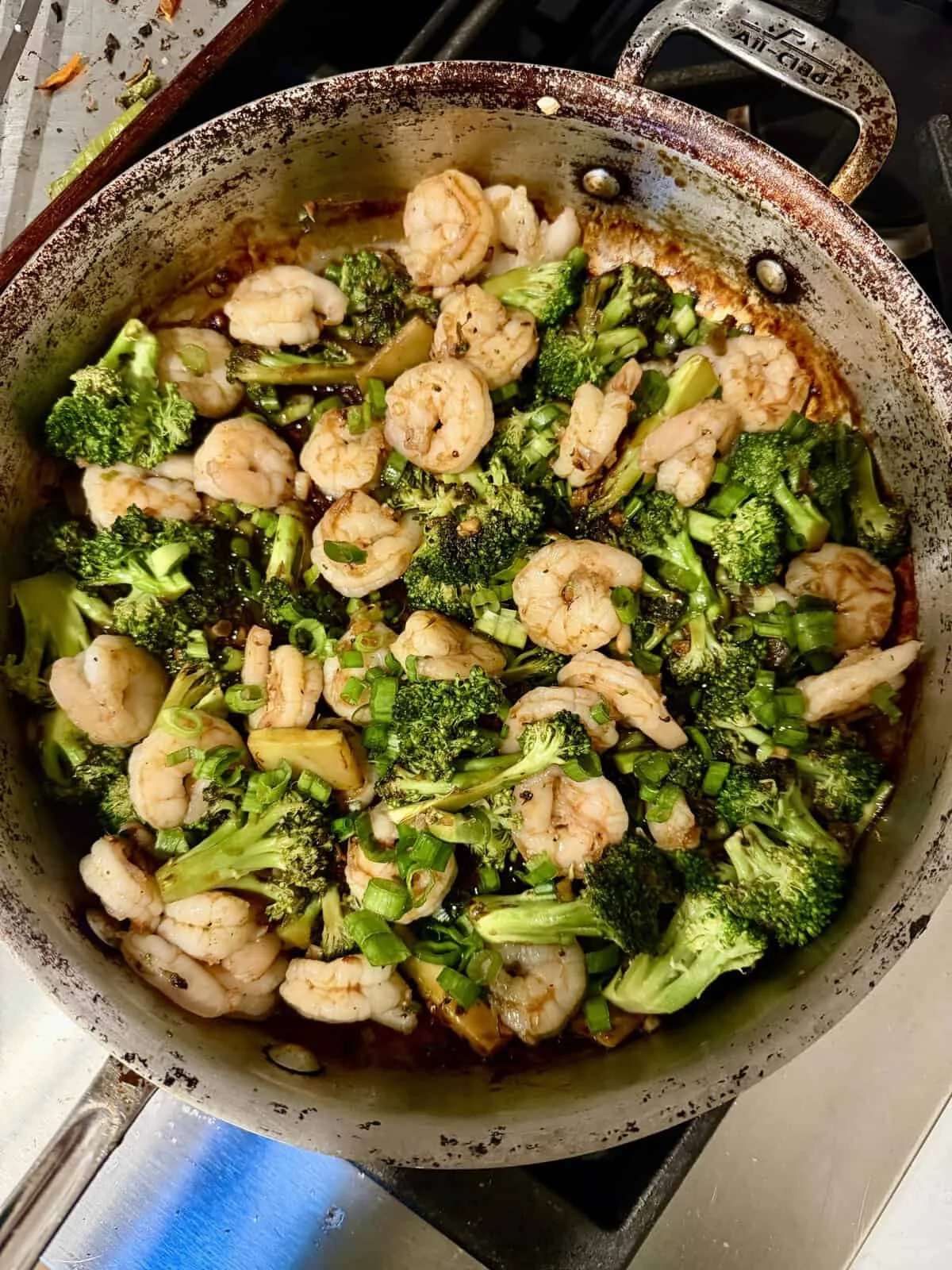
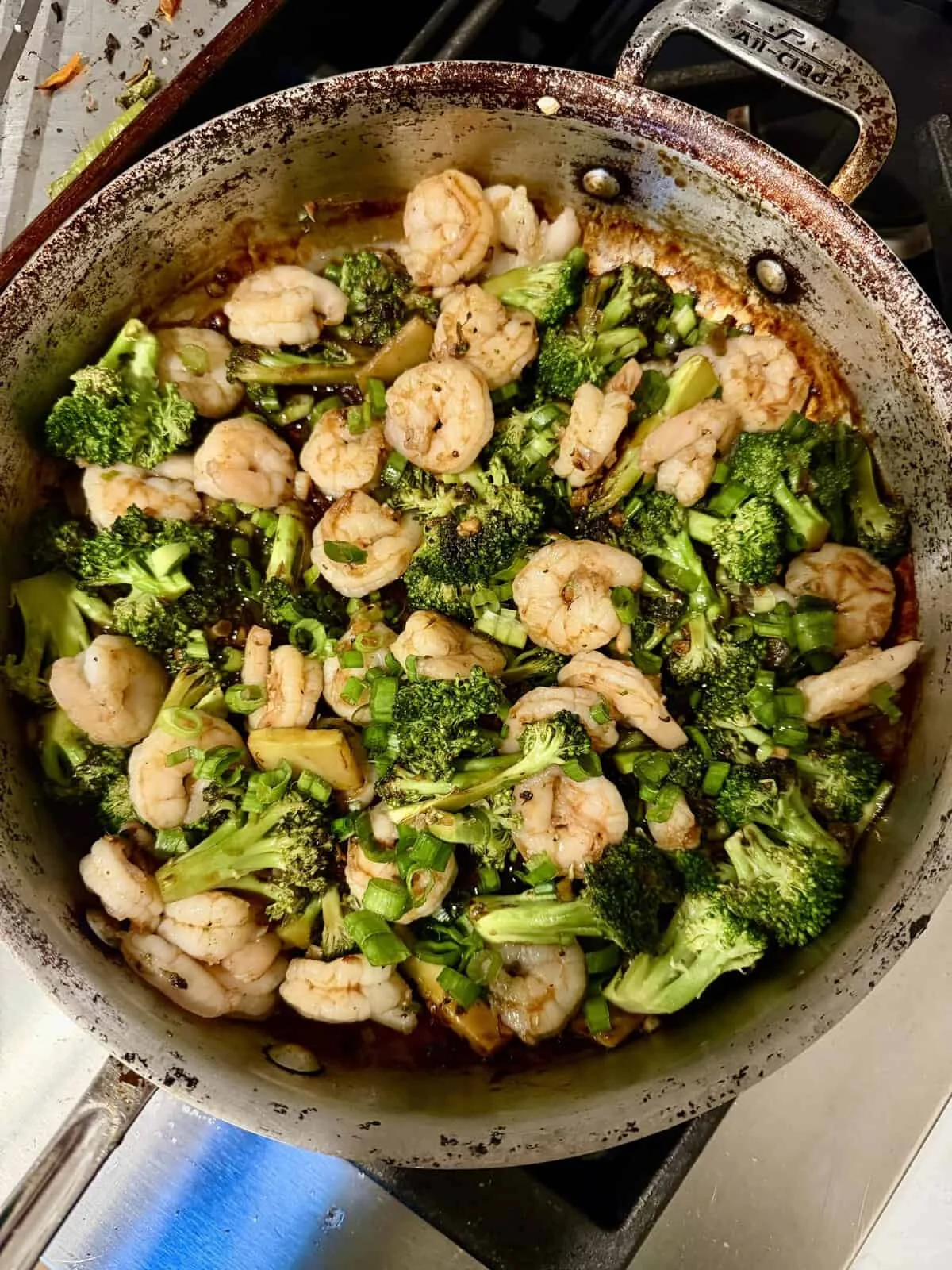
The process begins with a heavy skillet or wok, heated to medium-high with a high-smoke-point oil. The shrimp, seasoned lightly with salt and pepper, are arranged in a single layer. The objective here is a quick, caramelized exterior. Once the shrimp curl into a loose "C" shape—the universal indicator of doneness—they are removed from the pan, effectively halting the cooking process.
Phase 3: The Broccoli Transformation
With the shrimp reserved, the broccoli is introduced to the pan. A brief, undisturbed sear allows the florets to develop a golden-brown char, adding a layer of depth to the final dish. Following this, a splash of water is introduced, and the pan is covered. This brief steam ensures the broccoli is cooked through to a tender-crisp consistency, retaining its bright green hue.

Phase 4: The Aromatic Infusion
Once the broccoli is prepared, the aromatics—freshly minced garlic, ginger, and the white parts of scallions—are stirred into the pan. This must be done with vigilance; aromatics are delicate, and allowing them to darken into a brown state can introduce an unwanted bitterness. A brief, constant stir is sufficient to bloom their oils.
Phase 5: The Final Synthesis
The pre-mixed sauce is poured into the pan, thickening rapidly upon contact with the heat. The reserved shrimp are returned to the mixture, tossed gently to coat. The final touch—the dark green tops of the scallions—provides a fresh, sharp contrast to the rich, savory sauce, completing the dish.

Supporting Data and Nutritional Profile
For the health-conscious home cook, the nutritional density of this meal is significant. A single serving of this dish provides approximately 469 calories, with a robust 35 grams of protein and 11 grams of dietary fiber.
Key Nutritional Breakdown (per serving):

- Protein: 35g
- Fiber: 11g
- Sugar: 19g (derived primarily from the natural balance of the sauce)
- Sodium: 2112mg (variable based on soy sauce choice)
- Vitamin C: 366mg (largely provided by the high broccoli content)
This nutritional profile supports the growing consumer trend toward high-protein, vegetable-forward meals that do not sacrifice the sensory satisfaction of traditional "comfort" foods.
Expert Insights: The "Well Plated" Philosophy
Erin Clarke, the creative force behind this iteration of the recipe, emphasizes the importance of adaptability. In her testing notes, Clarke acknowledges that household appetites vary. For families with "big eaters," she suggests an increase in the protein ratio, recommending up to 1.5 pounds of shrimp to ensure satiety.

Furthermore, Clarke addresses the subjective nature of flavor profiles. While the standard recipe is crafted with a balanced, savory-ginger focus, she encourages home cooks to experiment with the sweetness of the sauce by adjusting the honey content. This flexibility is a hallmark of modern home cooking, where recipes serve as frameworks rather than rigid laws.
Implications for the Home Kitchen
The rise of the "30-minute meal" is more than a trend; it is a fundamental shift in how society views home nutrition. As urban lifestyles become increasingly time-poor, the ability to produce a meal that rivals the quality of a commercial restaurant—at a fraction of the cost and with better control over ingredient quality—is empowering for consumers.

The Economic and Health Impact
- Cost Efficiency: By utilizing staple ingredients like broccoli, garlic, and ginger, and choosing shrimp (which is widely available in frozen formats), the per-serving cost is significantly lower than that of delivered takeout.
- Quality Control: Cooking at home allows for the reduction of sodium and the omission of MSG or low-quality vegetable oils often found in mass-produced takeout dishes.
- Skill Acquisition: The mastery of basic stir-fry techniques—sautéing, steaming, and emulsifying sauces—provides home cooks with the confidence to experiment with other flavor profiles and vegetables in the future.
Strategic Planning for Busy Weeknights
The methodology presented here suggests that the key to success is not just the recipe itself, but the preparation environment. By keeping a well-stocked pantry of aromatics and sauces, the "barrier to entry" for home cooking is lowered. The use of frozen, pre-peeled shrimp is an additional strategic shortcut that eliminates the time-consuming labor of preparation, further streamlining the workflow.
Conclusion
The "Shrimp and Broccoli" stir-fry stands as a paragon of modern domestic efficiency. It respects the limited time available to the contemporary worker while delivering on the promise of a hot, balanced, and flavorful meal. As we continue to see a surge in the popularity of "quick-cook" Asian-inspired dishes, the techniques refined by experts like Clarke serve as an essential resource for those looking to maintain high dietary standards amidst the pressures of daily life.

By shifting the perspective from "chores" to "culinary strategy," the home cook can transform a standard weeknight dinner into a consistent, reliable, and deeply satisfying experience. Whether served over a bed of jasmine rice, quinoa, or cauliflower rice, this dish remains a testament to the fact that minimal time in the kitchen does not have to mean a compromise in quality.