There are few culinary experiences as evocative of autumn comfort as the apple fritter. A masterpiece of texture and flavor, the perfect fritter balances a crackling, caramelized exterior with a cloud-like, pillowy interior, all while cradling generous pockets of cinnamon-dusted, tender fruit. While modern convenience often drives us toward pre-packaged pastries, the act of crafting apple fritters from scratch remains a "labor of love"—a sensory, tactile, and deeply rewarding endeavor that elevates home baking to a professional standard.
Main Facts: The Anatomy of a Perfect Fritter
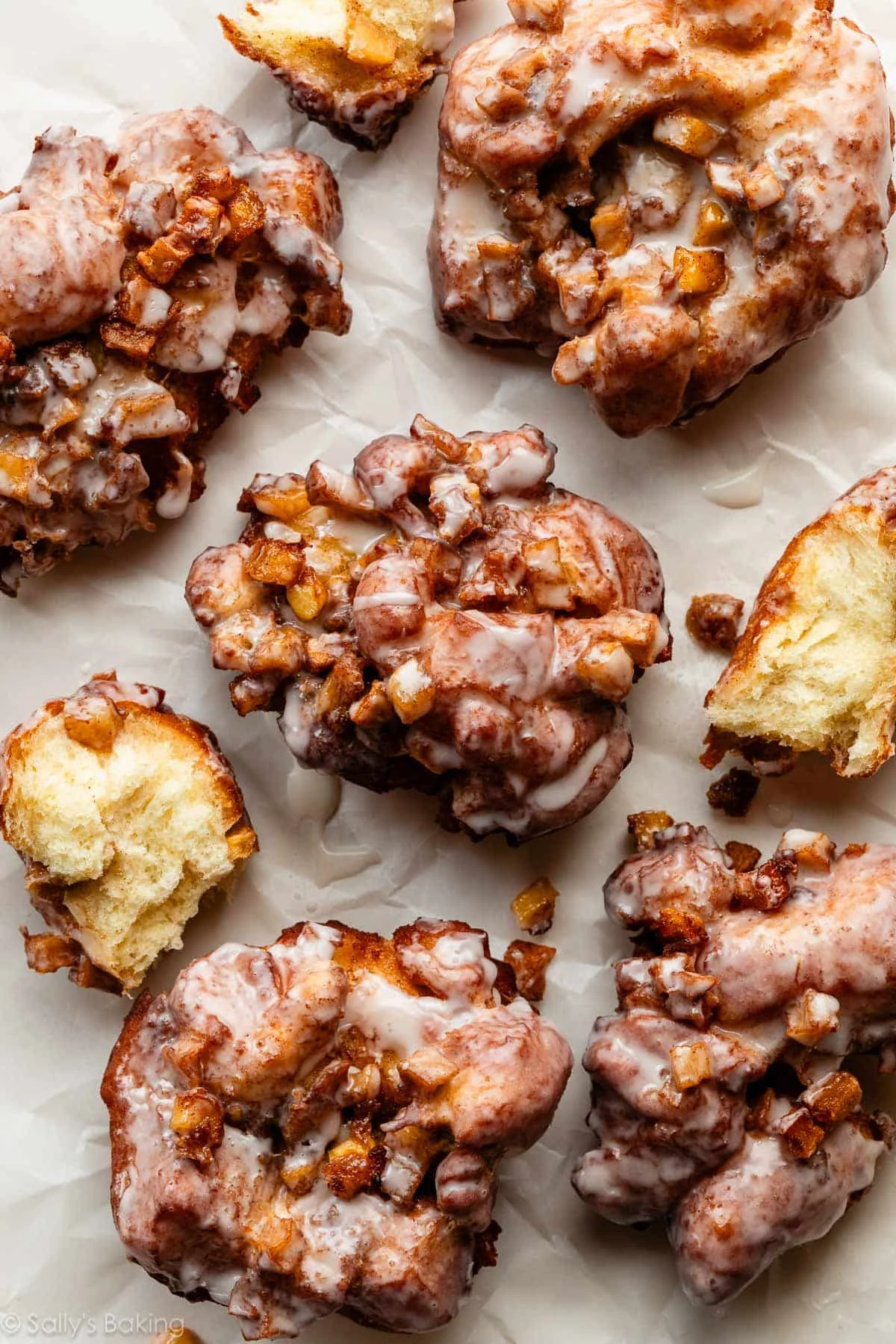
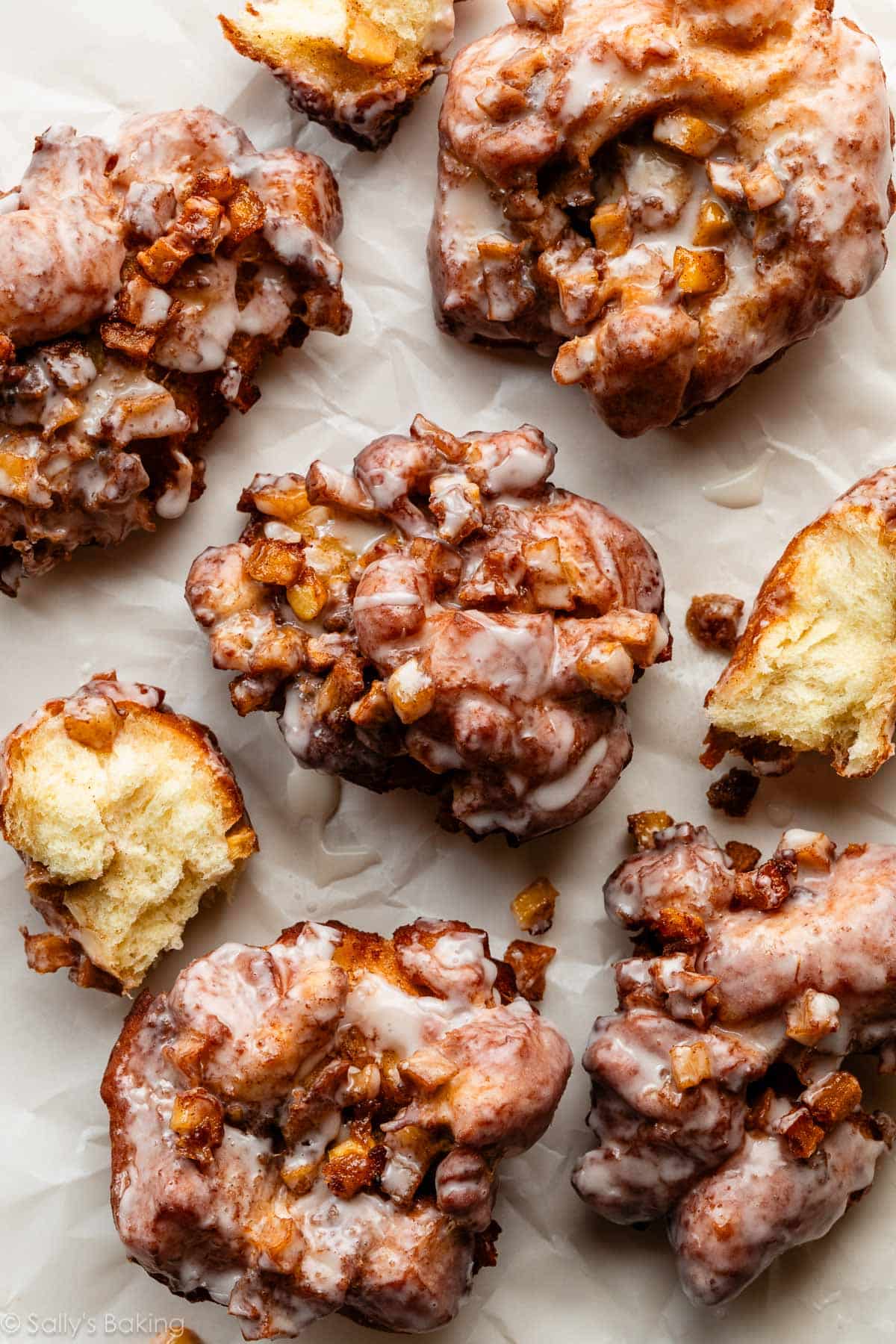
At its core, an apple fritter is a hybrid creation, sitting at the intersection of a yeast-raised doughnut and a rustic apple cake. Unlike a standard doughnut, which relies on a uniform, smooth dough, the fritter is a chaotic, beautiful mess. It requires a yeast-based dough that provides the structure and "fluffiness," combined with a cooked apple filling that ensures every bite is saturated with fruit rather than just dough.
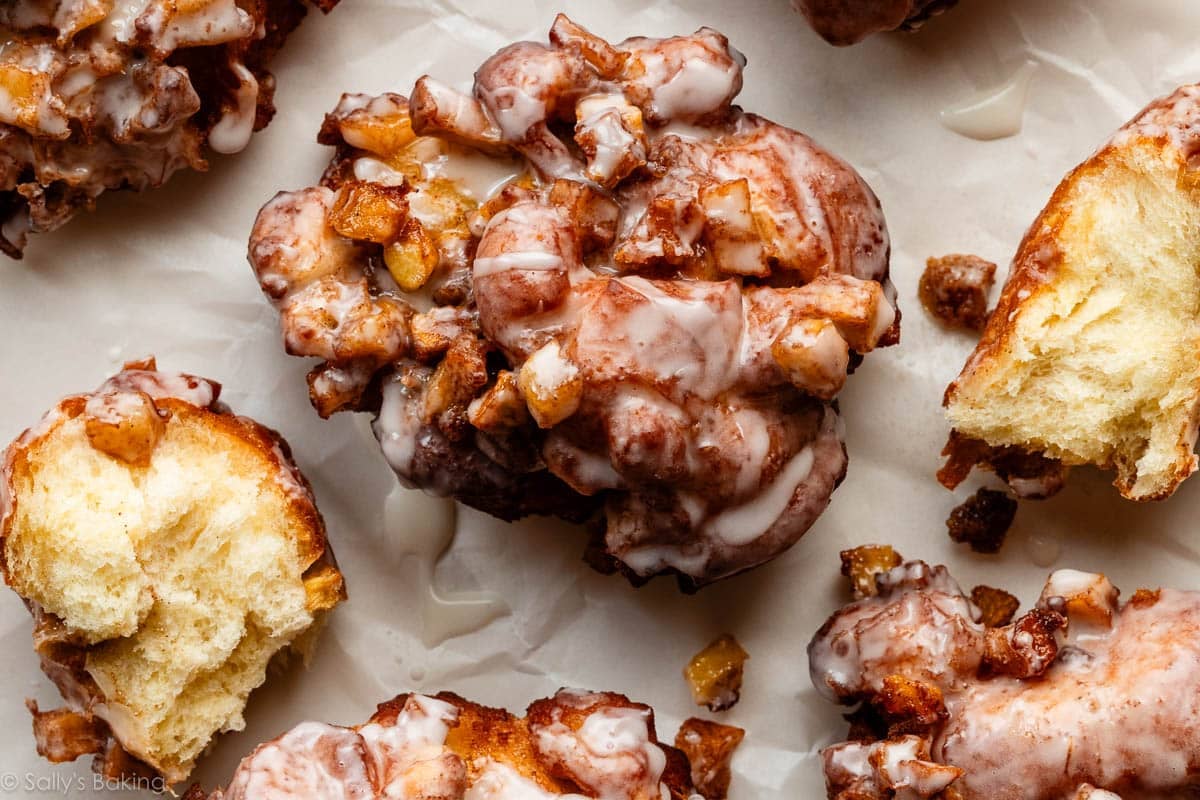
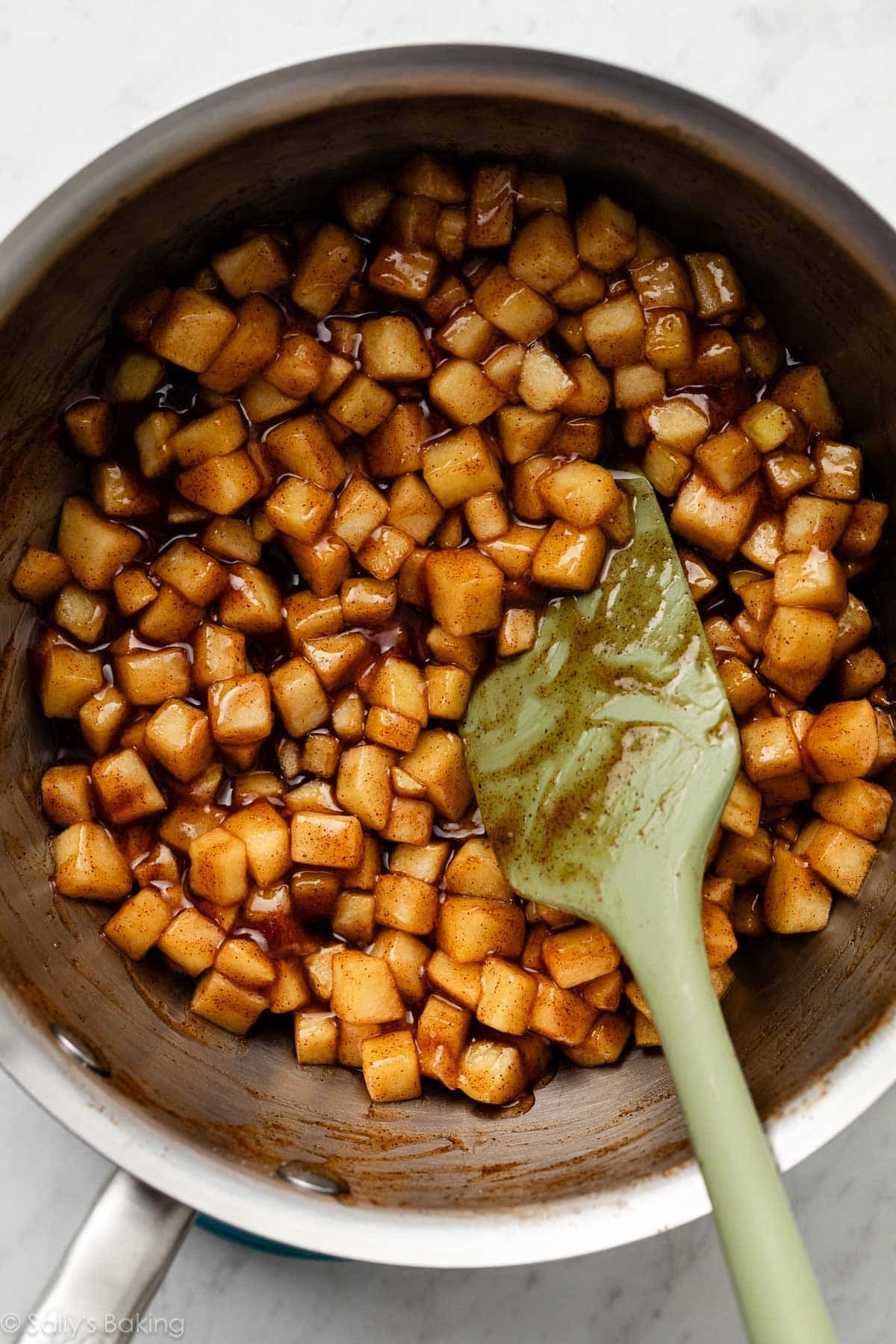
The secret to success lies in the marriage of these two elements. The dough must be kneaded to a supple consistency, while the apples—typically a tart variety like Granny Smith—must be cooked down with brown sugar, cinnamon, and nutmeg before being folded into the mixture. The final stage, the frying, is where the chemistry happens: the hot oil (ideally maintained between 350°F and 375°F) initiates the Maillard reaction, creating that signature golden, crunchy crust that guards the tender interior.
Chronology: A Step-by-Step Culinary Journey
Creating these confections is not a process to be rushed. It follows a deliberate, rhythmic sequence:
1. The Foundation: The Dough
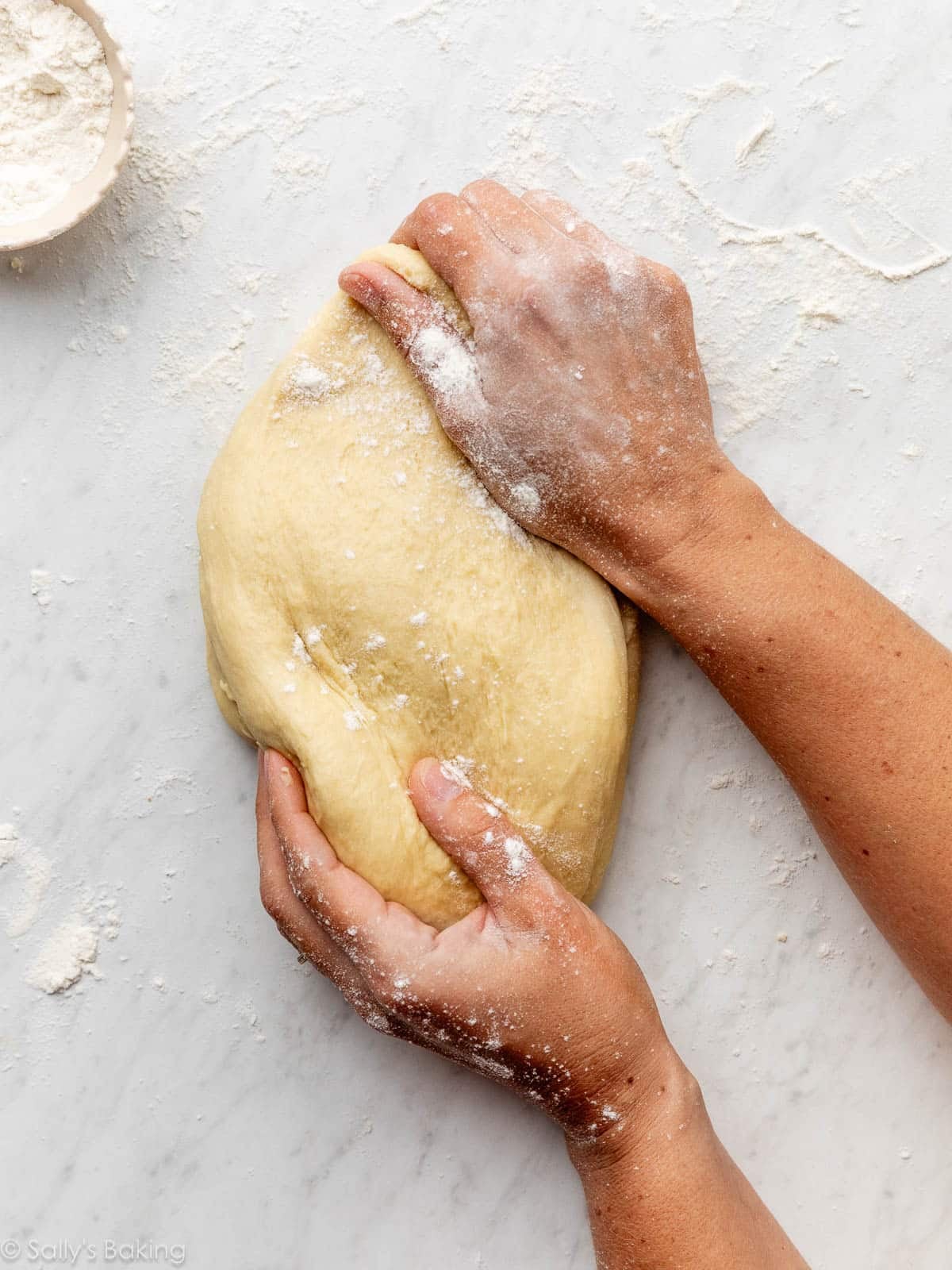
The process begins with the yeast dough. Using a stand mixer is recommended for those looking to achieve the perfect elastic consistency, though manual kneading is a viable, albeit labor-intensive, alternative. Once mixed, the dough requires a primary rise of one to two hours. This is not merely a waiting game; it is the stage where the yeast develops the depth of flavor necessary to stand up to the richness of the frying process.
2. The Filling: Preparing the Apples
While the dough is proofing, the filling is prepared. Apples are chopped into uniform pieces and sautéed with brown sugar and spices. A cornstarch slurry—a mixture of cornstarch, water, and vanilla—is added to thicken the juices. It is imperative that this mixture cools completely before it meets the dough; adding hot filling to raw dough will compromise the integrity of the yeast and result in a dense, gummy fritter.
3. The "Messy" Shaping Process
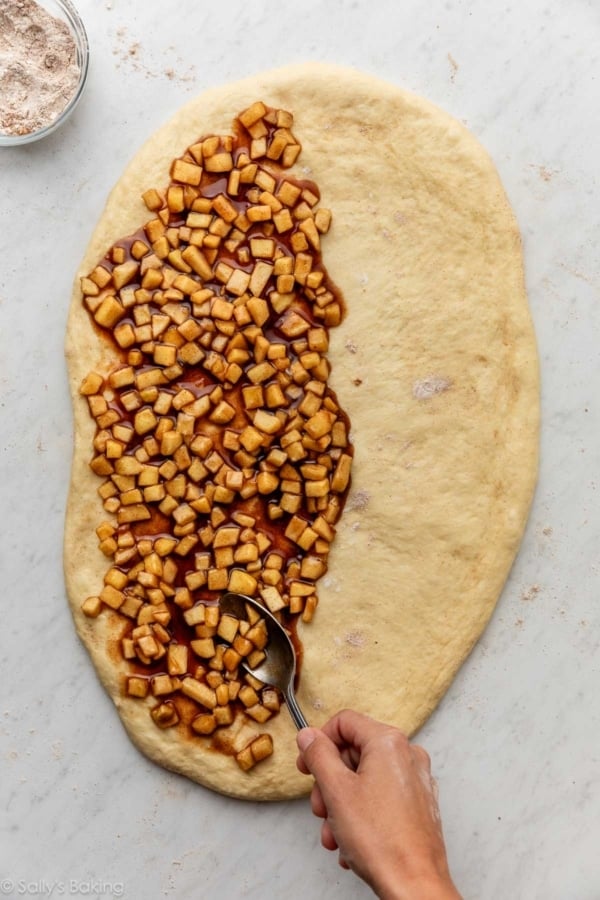
Shaping is the most technically challenging and "human" part of the process. It involves rolling the dough, spreading the cooled apple mixture across half, and folding it over like a large, stuffed calzone. Using a bench scraper, the baker creates a crosshatch pattern of deep cuts into the log. This technique increases the surface area, allowing more of the dough to crisp up in the oil. Once divided into individual portions, the fritters are placed onto squares of parchment paper, which act as a transport mechanism into the hot oil.
4. Frying and Glazing
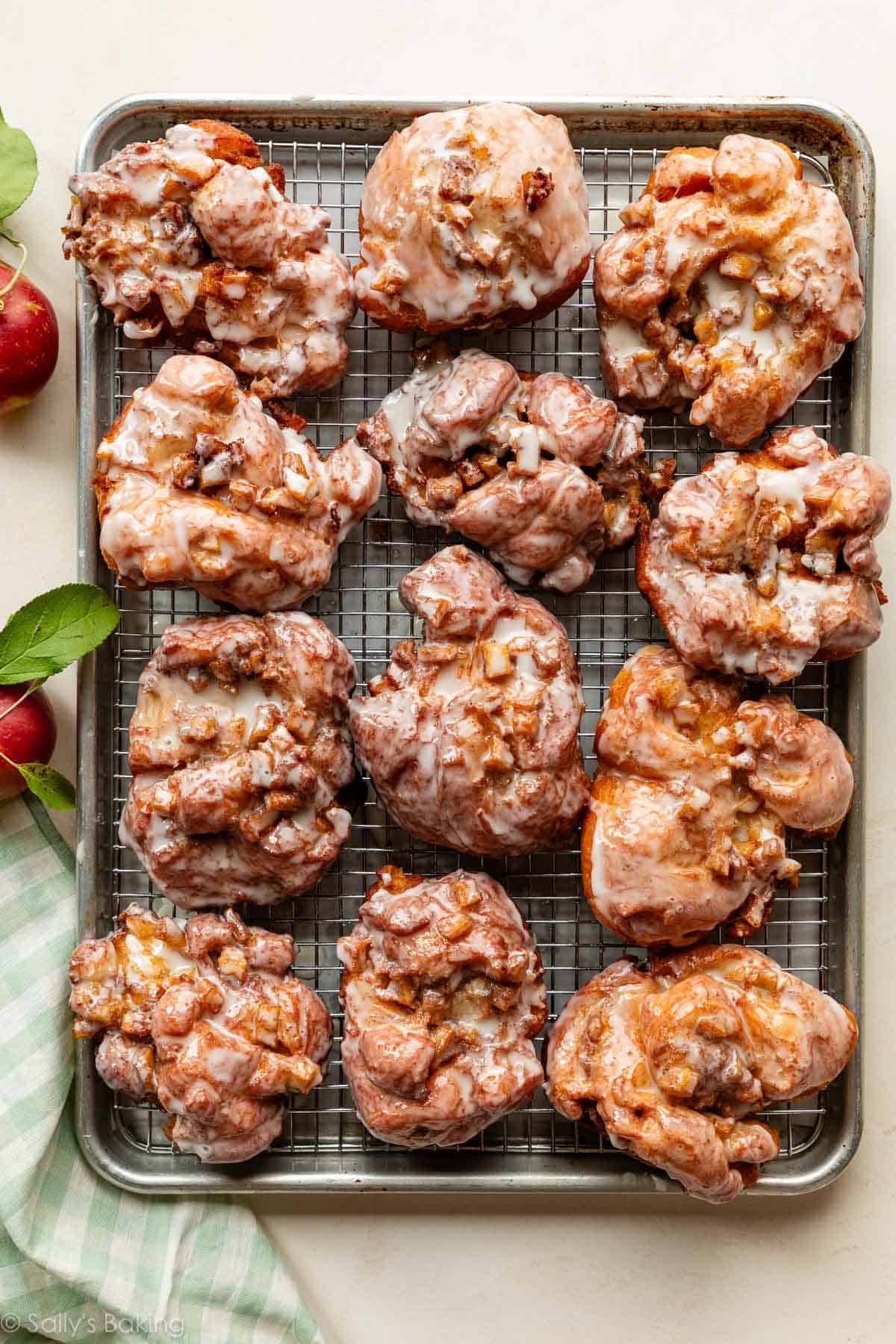
Frying is a precision task. By dropping the fritter into the oil on its parchment paper, the shape is preserved. After a short period, the paper is removed, and the fritter is flipped to ensure an even, deep-golden hue. Finally, the warm pastries are dipped in a simple, high-gloss vanilla glaze, which sets to form a sweet, thin shell.
Supporting Data: The Science of Ingredients
The selection of ingredients is not arbitrary; it is rooted in culinary science.
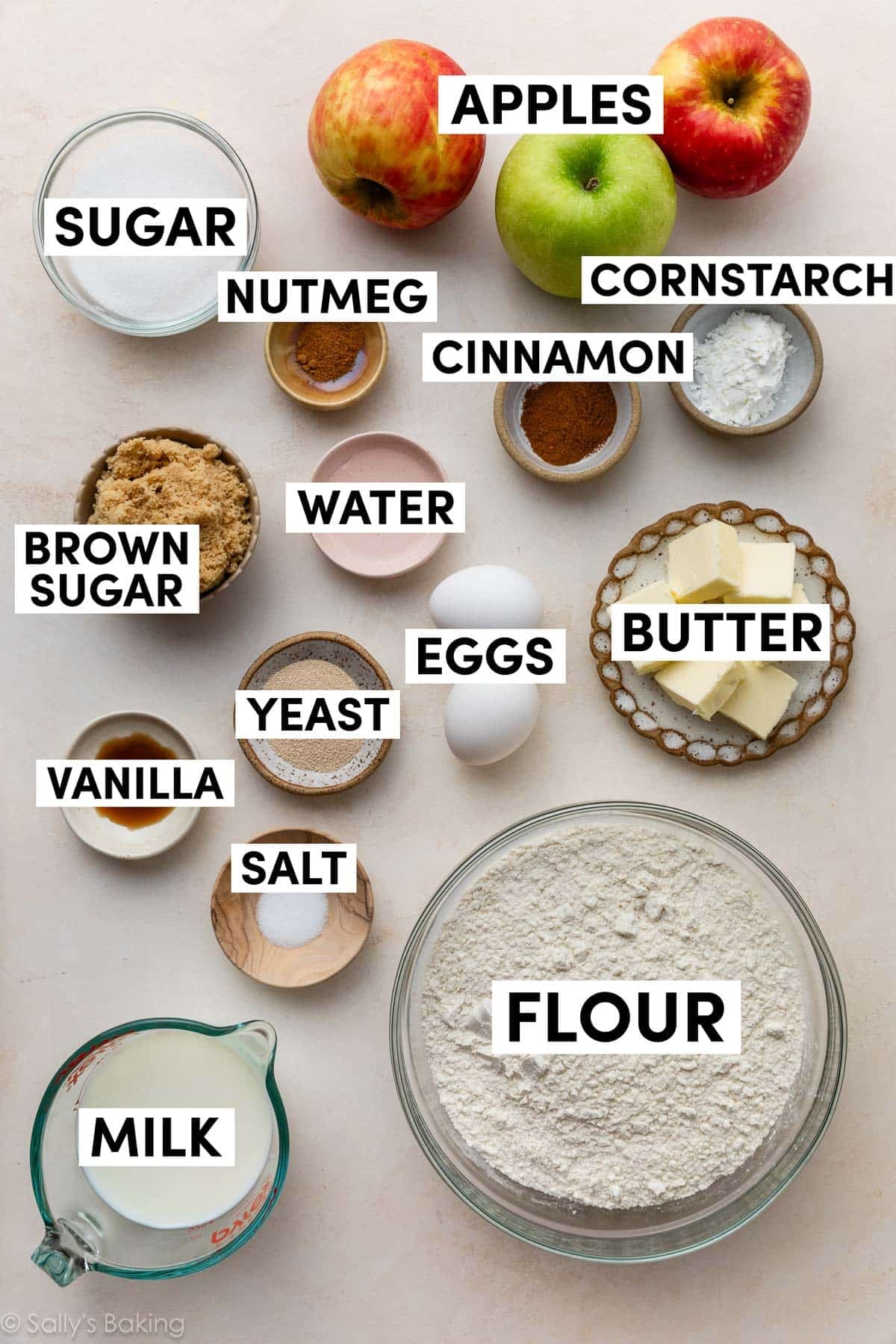
- The Apple Choice: Experts emphasize the use of firm, high-acid apples. Granny Smith remains the industry standard because it does not disintegrate under high heat, providing a structural contrast to the soft dough.
- The Oil Medium: Professional-grade frying requires a neutral oil with a high smoke point, such as canola or peanut oil. These oils ensure that the flavor of the fritter is dominated by the cinnamon and vanilla rather than the taste of the fat itself.
- The Role of the Glaze: The glaze is more than just a garnish; it acts as a protective barrier that seals in moisture, ensuring the fritter remains fresh for several hours after frying.
Official Guidance: Avoiding Common Pitfalls
For those venturing into home-frying, adherence to specific "Do’s and Don’ts" is critical:
- Do monitor the temperature: A thermometer is non-negotiable. If the oil is too cold, the dough will act like a sponge, soaking up excess grease. If it is too hot, the exterior will burn before the center reaches the correct internal temperature.
- Do not use an air fryer: While the air fryer is a revolutionary kitchen tool, it cannot replicate the deep-fry process for this specific recipe. The rapid convection of an air fryer tends to dry out the delicate yeast dough before the interior centers can cook through properly.
- Do manage your workspace: Frying is inherently messy. Having a bench scraper, extra flour for dusting, and a dedicated cooling rack over a lined baking sheet will keep the chaos organized and the cleanup manageable.
Implications: The Social and Culinary Value
The resurgence of from-scratch baking, particularly with "labor of love" recipes like apple fritters, suggests a cultural shift back toward slow-food traditions. In an era of instant gratification, the time invested in kneading, waiting for the rise, and managing the temperature of the oil represents a form of culinary mindfulness.
Furthermore, these fritters have implications for the home baker’s repertoire. Mastering the art of the fritter provides a fundamental understanding of yeast, hydration, and frying—skills that are transferable to everything from beignets to savory tempura.
Frequently Asked Questions (Expert Insights)
Can the oil be reused?
Yes, provided it is handled correctly. If the oil is clean (i.e., not darkened or smelling "fishy"), it can be strained and stored in a cool, dark place. However, it should never be disposed of in a sink, as it poses a significant risk to home plumbing and municipal sewage systems.
Why is the dough so sticky?
A high-hydration dough is essential for a "fluffy" fritter. While it may feel unmanageable, resist the urge to add too much extra flour during the initial mix, as this will lead to a heavy, bread-like fritter rather than a delicate, airy one. Use your bench scraper to handle the dough with confidence.
What if my fritters look lumpy?
Do not be discouraged. Unlike a standard doughnut, the charm of the apple fritter is its inherent asymmetry. The lumps and bumps are the result of the apple chunks pushing against the dough, creating irregular edges that become beautifully crisp when fried. The "mess" is precisely what makes them delicious.
Conclusion
The homemade apple fritter is a testament to the fact that the best things in life often require a little bit of mess and a significant amount of patience. By respecting the process—from the initial proofing of the yeast to the final, shimmering dip in the vanilla glaze—the home baker can produce a product that rivals the best artisanal bakeries. It is a sensory experience that combines the sharp, crisp bite of a fresh apple with the deep, warm comfort of a perfectly fried pastry, proving that some traditions are well worth the effort.