Football season is officially in full swing, and for millions of Americans, the weekend ritual of gathering friends and family to cheer on their favorite team is a cultural cornerstone. However, in an era of rising food costs, hosting a watch party can feel less like a celebration and more like a financial penalty. The challenge: How do you feed a hungry crowd of eight without fumbling your weekly grocery budget?
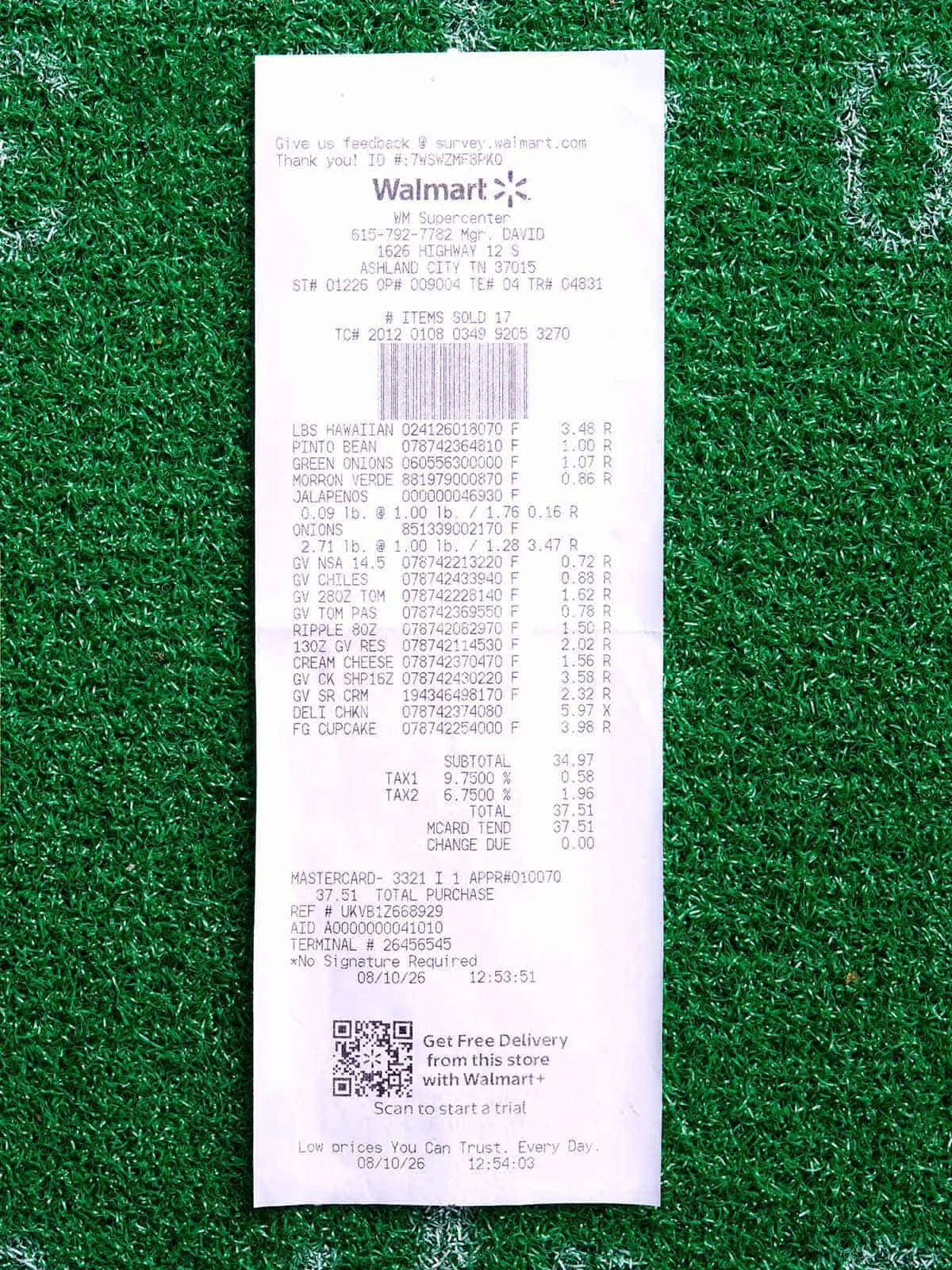
The team at the Nashville Test Kitchen recently set out to prove that high-quality, crowd-pleasing entertaining doesn’t require a premium price tag. By utilizing strategic grocery planning, repurposing pantry staples, and shopping at high-efficiency retailers like Walmart, we successfully executed a comprehensive Game Day spread—including chili, nachos, chicken sliders, dip, and dessert—for a total expenditure of just $37.51.
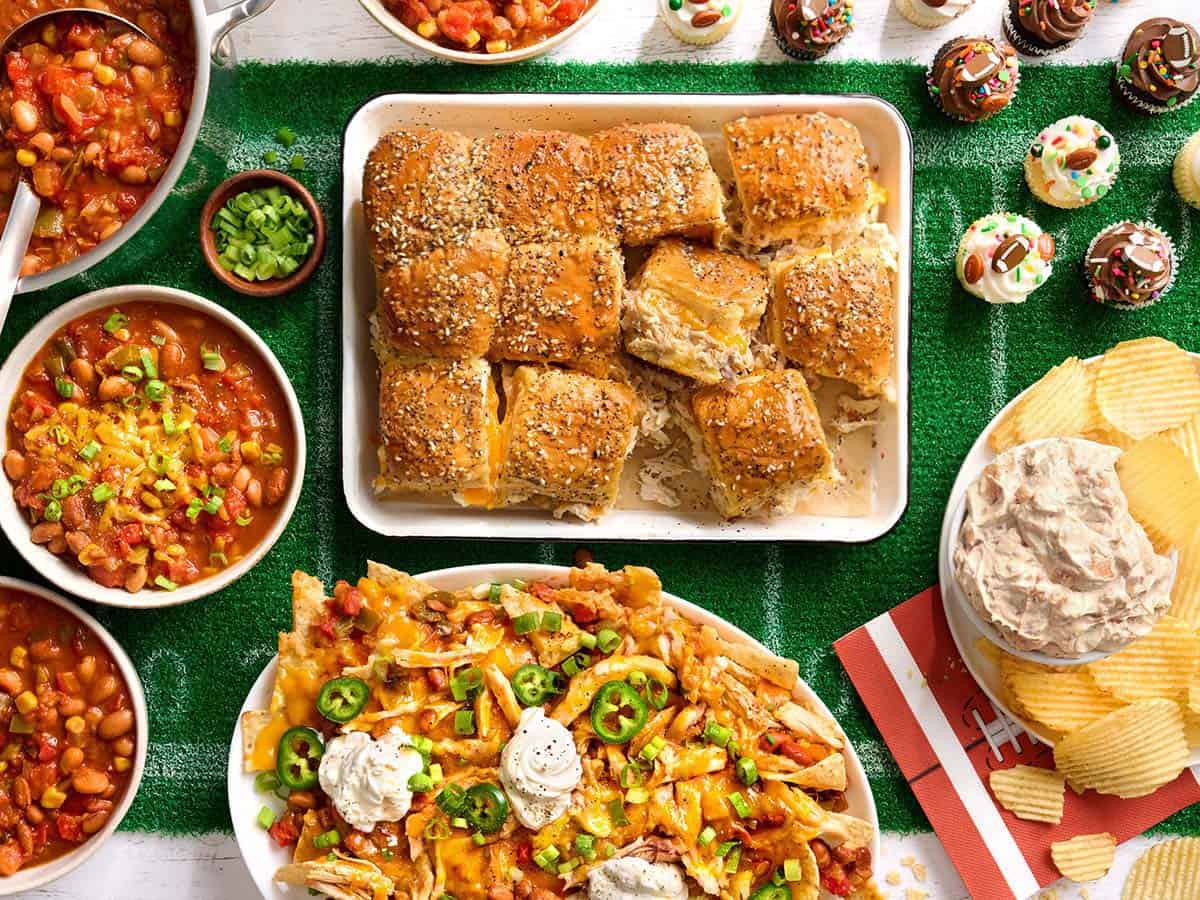
The Strategy: Maximizing Value Through Culinary Efficiency
The core philosophy behind this $40 challenge is simple: cross-utilization of ingredients. When planning a menu for a large group on a tight budget, the most common pitfall is purchasing niche ingredients that only serve one recipe. Our approach focused on "multi-purpose" items that could anchor several dishes, effectively lowering the cost-per-serving of every plate on the table.
For example, sour cream served as the base for our French onion dip, a creamy binder for our chicken sliders, and a cooling topping for our vegetarian chili and nachos. By concentrating our spending on high-flavor, versatile ingredients—such as jalapeños, sharp cheddar, and yellow onions—we created a menu that felt indulgent without the inflated grocery bill.
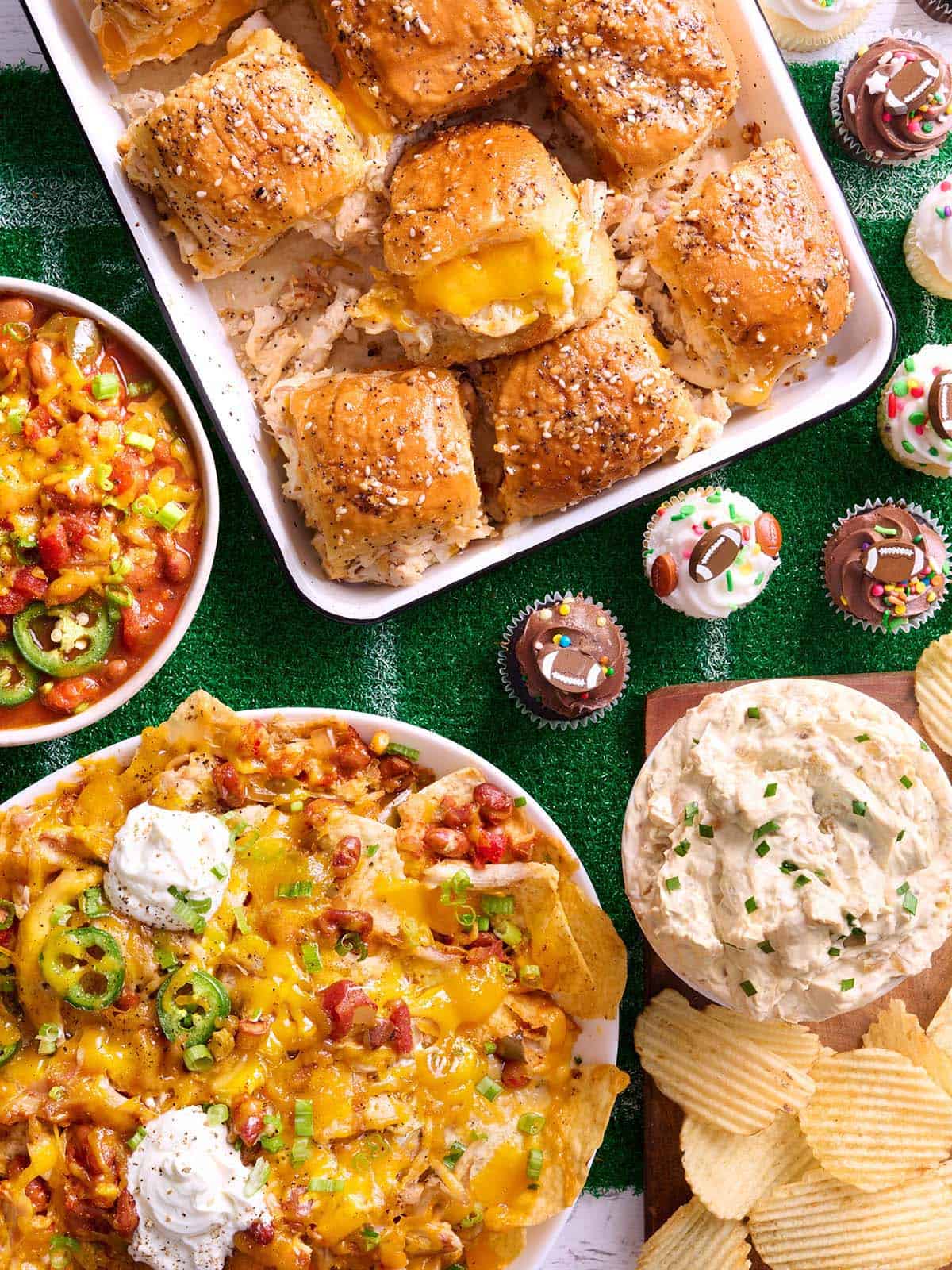
A Chronology of the $40 Challenge
The process began with a rigorous audit of the pantry, followed by a singular, targeted shopping trip. Our methodology was as follows:
- Menu Curation: We selected dishes that are inherently scalable, freezer-friendly, and capable of being prepped in advance.
- Ingredient Consolidation: We identified three "workhorse" ingredients: sour cream, onions, and cheese. These formed the backbone of our savory recipes.
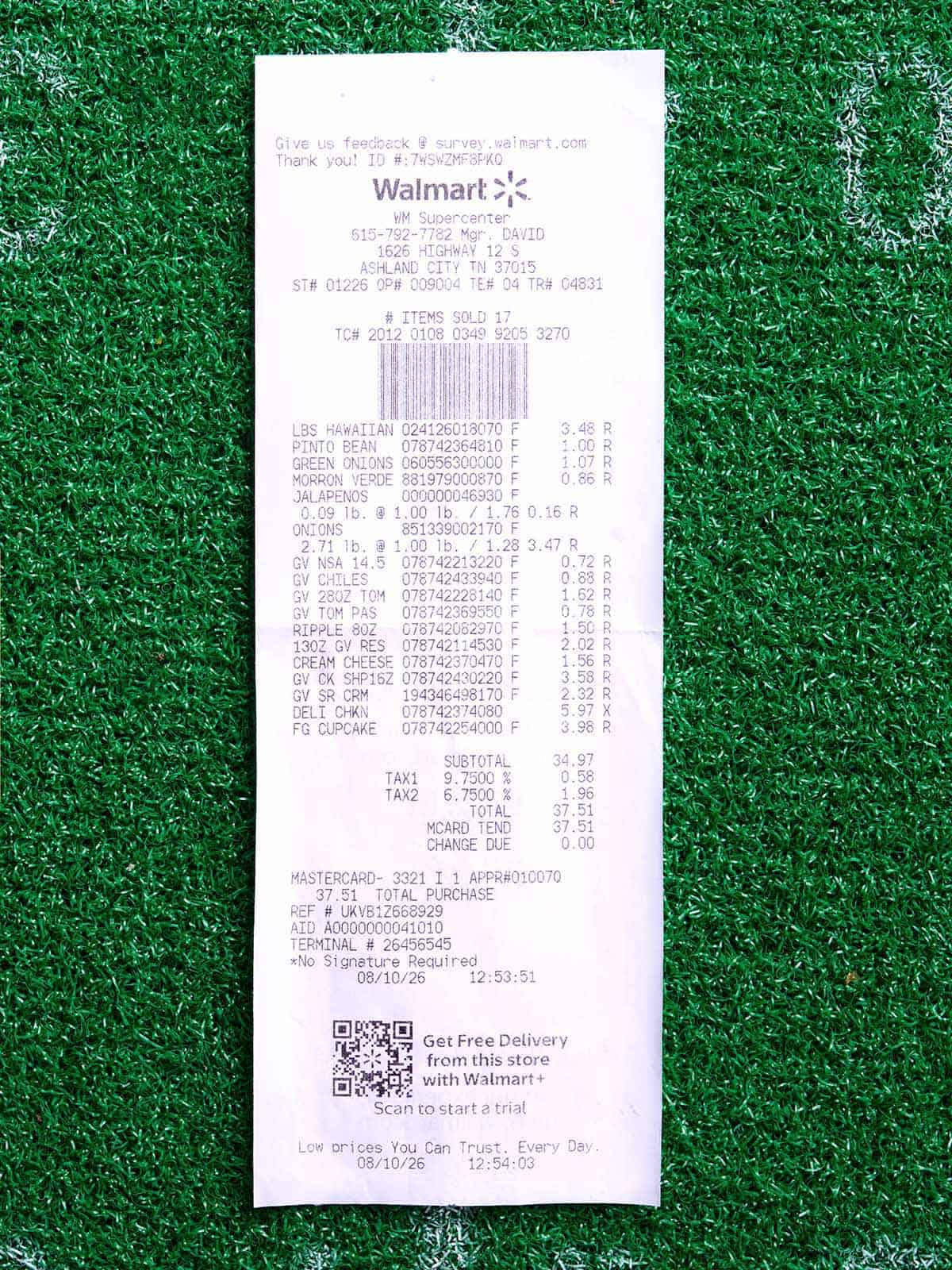
- The "Shortcut" Decision: Rather than spending hours on scratch-baked desserts that would require flour, sugar, butter, and leavening agents, we opted for a $3.98 bakery tray of mini cupcakes. This saved time, reduced dishwashing, and ensured a professional, festive look for a fraction of the cost of homemade.
- Execution: Using the Nashville Test Kitchen’s standard procedures, we prepped the chili and dip the day prior. On Game Day, we simply assembled the sliders and loaded the nachos, allowing the host to actually enjoy the game rather than being tethered to the stove.
Supporting Data: The Breakdown of Costs
Transparency is the hallmark of the Budget Bytes approach. We believe that if you can account for every penny, you can control your financial outcomes. The $37.51 total was achieved by leveraging the massive footprint of retailers like Walmart, which currently serves over 90% of the U.S. population within a 10-mile radius.
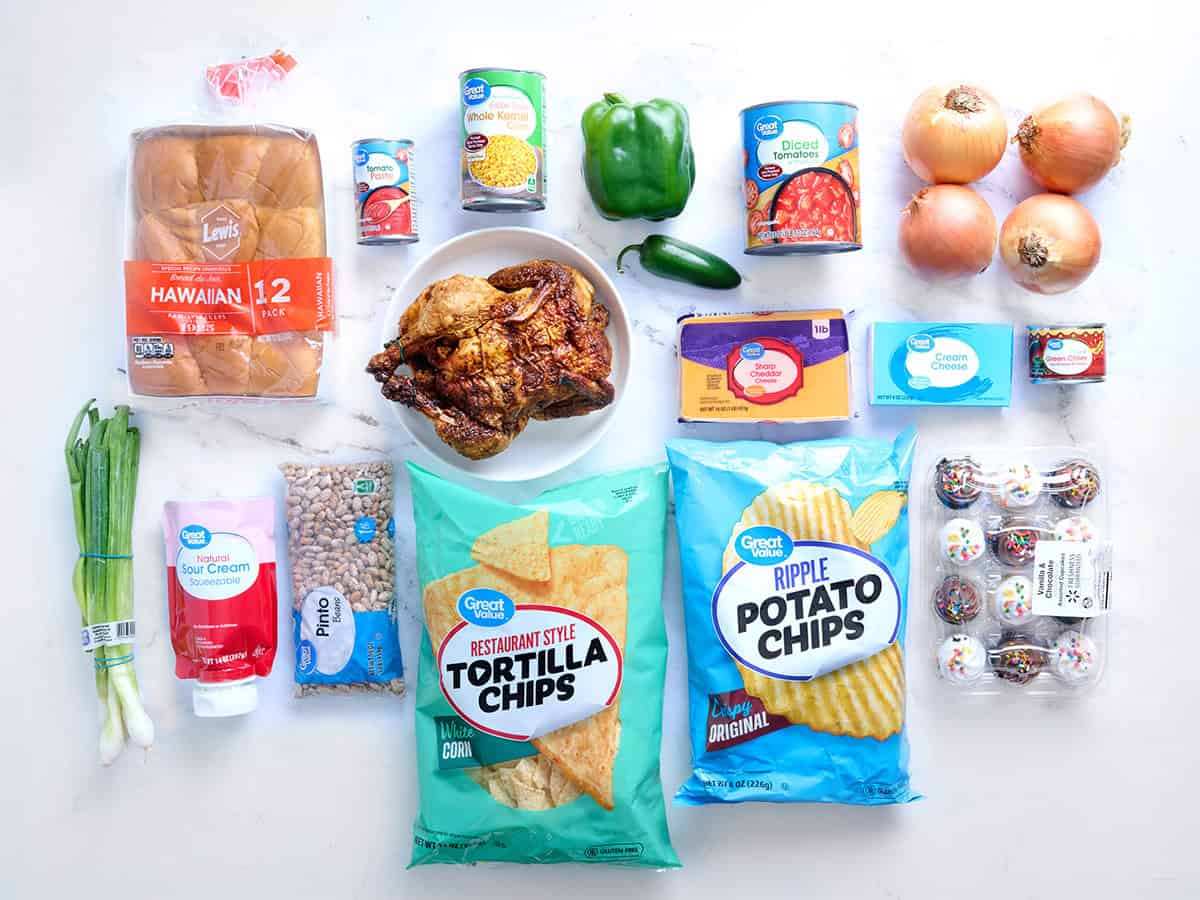
The Menu Highlights:
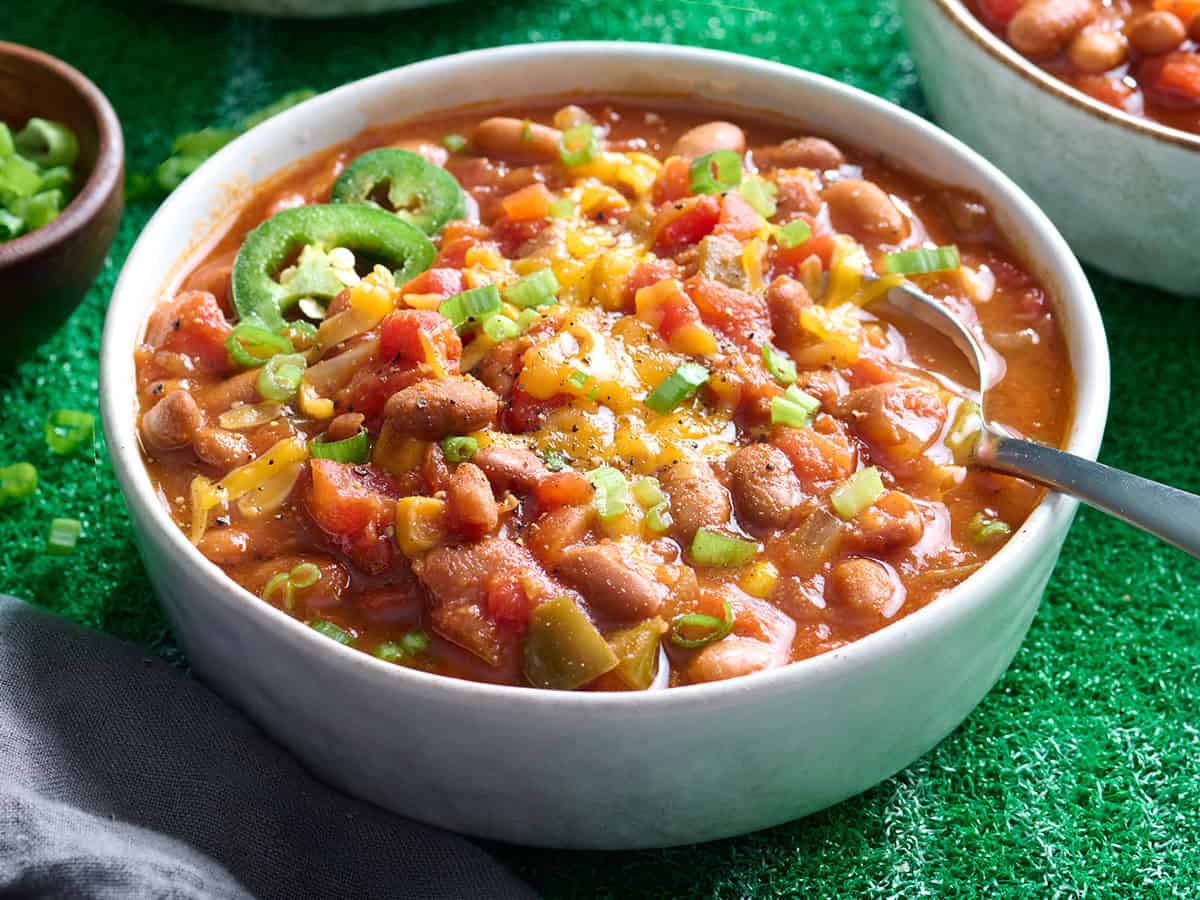
- Vegetarian Chili: A hearty, fiber-rich base that functions as both a main course and a nacho topping.
- Chili Cheese Nachos: The ultimate utility player. By topping the chili with sharp cheddar and jalapeños, we transformed a basic staple into a decadent game-day classic.
- Creamy Chicken Sliders: Utilizing rotisserie chicken, these sliders offer a high-protein option that feels substantial. The swap of mayonnaise for sour cream in the filling saved money without compromising the texture.
- Homemade French Onion Dip: Slow-caramelizing onions provides a depth of flavor that store-bought versions cannot match, yet it costs pennies to produce.
- Bakery Cupcakes: A strategic "win" that provides a sweet finish without the overhead of baking.
Expert Insight: Tips from the Test Kitchen
Chef Jess Rice, who brings years of experience as a culinary educator and restaurateur, emphasizes that "hospitality is about the atmosphere, not the extravagance."
"When we look at hosting, people often over-buy," Chef Jess notes. "They worry that if the table isn’t overflowing, they aren’t being good hosts. But the reality is that guests remember the camaraderie, not the sheer volume of food. By using molasses in the vegetarian chili, for instance, we bring out an umami-rich, meaty quality that satisfies even the most dedicated carnivores, proving you don’t always need expensive cuts of meat to provide a satisfying experience."
Core Budgeting Tips for the Host:
- Shop the Periphery: Stick to the produce and dairy sections where whole foods are cheaper than processed snacks.
- Repurpose Leftovers: If you have leftover chili, make a breakfast hash or a soup the next day.
- Embrace the "One-Trip" Rule: By shopping at a single location, you avoid the temptation of impulse buys at multiple stores and save on fuel.
- Prep in Advance: Not only does this reduce stress, but it also allows flavors to meld, often making the food taste better the day after it is prepared.
Implications for the Modern Consumer
The success of this $40 Game Day challenge highlights a broader trend in the American kitchen: the move toward "smart cooking." As inflation fluctuates and grocery prices remain a point of contention for many households, the ability to pivot to plant-forward proteins and seasonal vegetables is a vital skill.
This isn’t merely about cutting corners; it is about reclaiming the joy of entertaining. When you remove the financial anxiety from hosting, the event becomes more authentic. The "Game Day for $40" model serves as a blueprint for sustainability in the kitchen. It demonstrates that by applying professional culinary theory—like utilizing acid to brighten a dish or slow-cooking onions for depth—any home cook can produce a spread that rivals a high-end sports bar at a fraction of the cost.
Final Thoughts: The Joy of the Game
Ultimately, the goal of this project was to provide a roadmap for those who want to host friends without the lingering stress of an over-leveraged bank account. By focusing on the fundamentals—good ingredients, clever preparation, and a commitment to keeping things simple—we can turn the local grocery store into our own personal stadium commissary.
For those looking to replicate this success, the first step is preparation. Download our organized grocery list, check your pantry for the spices you already own, and head to the store with a plan. Whether your team wins or loses on the field, with a strategy like this, your hosting duties will always result in a victory.

For more in-depth recipes and cost-breakdowns for every meal, visit the Budget Bytes archive. Our Nashville Test Kitchen remains dedicated to the belief that delicious food is a right, not a luxury, and that with a little bit of knowledge, anyone can eat well on a budget.