For any modern drinking establishment to survive twenty years is an extraordinary achievement. To do so while continuously riding the bleeding edge of mixology, weathering a crippling global economic recession, surviving an unprecedented global pandemic, and navigating the relentless inflation of operating costs is nothing short of miraculous.
As the September/October 2026 issue of Imbibe Magazine celebrates its milestone 20th anniversary, it shines a spotlight on the resilient watering holes that have defined the modern American cocktail renaissance. Among the royalty of staying power is Portland, Oregon’s iconic Teardrop Lounge. Opened in July 2007 in the city’s industrial-chic Pearl District by co-founders Daniel Shoemaker and Ted Charak, Teardrop is widely credited as a foundational pillar that helped cement Portland as a premier global cocktail destination.
Yet, as editor-in-chief Paul Clarke notes in the anniversary feature, the lounge’s secret weapon isn’t just its boundary-pushing drinks. What began as a temple of liquid creativity eventually pivoted to prioritize the deep, human warmth of hospitality—a volatile combination that has allowed the bar to endure for nearly two decades. To understand how Teardrop Lounge survived the crucible of the modern hospitality industry, one must trace its journey from a pre-recession gamble to an enduring Portland institution.
Chronology of a Cocktail Pioneer
2004–2007: From San Francisco Dreams to Portland Realities
The genesis of Teardrop Lounge began far south of the Pacific Northwest. Daniel Shoemaker spent years embedded in the bar scene of San Francisco, where he and Ted Charak first hatched a plan to open a hospitality venue in 2004. Unable to make the numbers work in the hyper-competitive Bay Area market, Charak relocated north to Portland to scout territory.
By 2006, the duo locked onto a raw space in the Pearl District—a neighborhood characterized by its history of converted industrial garages. Embracing the gritty, industrial aesthetic, the partners left the raw brick and concrete exposed, polishing and staining the floors to establish a sleek, urban canvas.
Initially, the cocktail menu leaned heavily into a trend imported from San Francisco: sake. Shoemaker, guided by a local sake guru, built a robust program featuring custom teardrop-shaped tokkuri vessels, Japanese lithographs, and a wildly popular sake sangria that survived for the bar’s first full year.
2007–2010: The Pretentious Frontier and the Recession
Teardrop officially opened its doors in the summer of 2007, directly on the precipice of the Great Recession. Co-founder Ted Charak envisioned a classic neighborhood tavern dynamic—evocative of Sam Malone from Cheers—where a bartender could lean against the rail and casually chat with patrons. Instead, Shoemaker’s obsessive drive transformed it into an avant-garde cocktail laboratory.
This ideological split led to an amicable departure for Charak in July 2009, leaving Shoemaker to navigate mounting financial pressures alone.
"We should have closed a year in," Shoemaker recalls. "Trying to make every single payroll was insanely stressful. I had to take out a loan from my parents."
Compounding the financial stress was a cultural mismatch. In 2007, the standard customer palate requested "anything sweet." Teardrop’s obsessive bartenders—steeped in the newly emerging gospel of craft cocktail history being resurrected by online chroniclers like Paul Clarke, Robert Hess, and Ted Haigh—pushed back. If a patron asked for a sweet vodka drink, a Teardrop bartender might steer them toward a complex gin, raspberry gum, and egg white concoction. The result was a reputation for mixological elitism. Patrons were occasionally outraged; some even threw punches over the introduction of egg whites into a traditional whiskey sour. Portland, it seemed, was a few years ahead of its time.
2010–2019: The Sea Change and the Golden Era
The turning point arrived in March 2010. Almost overnight, the cultural zeitgeist flipped. When Shoemaker approached tables and asked what guests wanted to drink, the uniform answer shifted: "Nothing sweet."
A glowing 2009 feature in Portland Monthly accurately captured the bar’s ethos, acting as a cultural switch that reframed how the city viewed the lounge. By 2010 and 2011, business exploded. The clientele evolved into one of the most educated drinking demographics in the country, routinely praised by guest bartenders from across the nation.
During this era, Teardrop became an incubator for world-class talent. Staff members like Sean Hoard (now co-owner of Portland’s The Commissary) pioneered meticulous drink specifications. Hoard famously coined the term "Teardropping a cocktail" after a simple rhubarb Daiquiri workshop evolved through eight or nine ingredients, each rigorously justified by structural balance.
2020–Present: Pandemic Pivot and Expansion
When COVID-19 struck, Teardrop leaned on scientific rigor. A family patron who directed clinics at Oregon Health & Science University helped the bar pilot early reopening safety protocols. The venue installed towering eight-foot Plexiglass barriers equipped with sliding pass-through ports every four feet, alongside robust outdoor seating. Eschewing the trend of to-go cocktail kits, Shoemaker insisted that the soul of the business—face-to-face guest engagement—could not be bottled for takeout.
Remarkably, when restrictions lifted, Shoemaker not only reopened but expanded, absorbing the adjacent retail space. Though nearly the entire pandemic-era staff eventually moved on, leaving only two returning bartenders, Shoemaker aggressively restaffed, setting the stage for the bar’s upcoming 20th anniversary.
Supporting Data & Operational Metrics
Teardrop Lounge’s longevity is underpinned by a radical evolution in operational philosophy, particularly in how it sources and trains its workforce.
- The No-Experience Rule: Realizing that technique can be taught while natural disposition cannot, Shoemaker instituted a strict hiring rule: no prior bar experience allowed. This led to notable eras of hiring former baristas and deeply engaged patrons who had spent hours studying technique from the other side of the counter.
- The Empathy Metric: In modern interviews, Shoemaker filters candidates strictly for empathy and a passion for guest interaction, viewing technical mixology as secondary to emotional intelligence.
- Acoustic Architecture: Eschewing automated streaming algorithms, Shoemaker curates a singular, downloaded playlist designed as a theatrical sonic background. This eclectic blend of smooth grooves frames the nightly rhythm, guiding the energy of the room and establishing a shared psychological space for patrons and staff alike.
Official Perspectives and Reflections
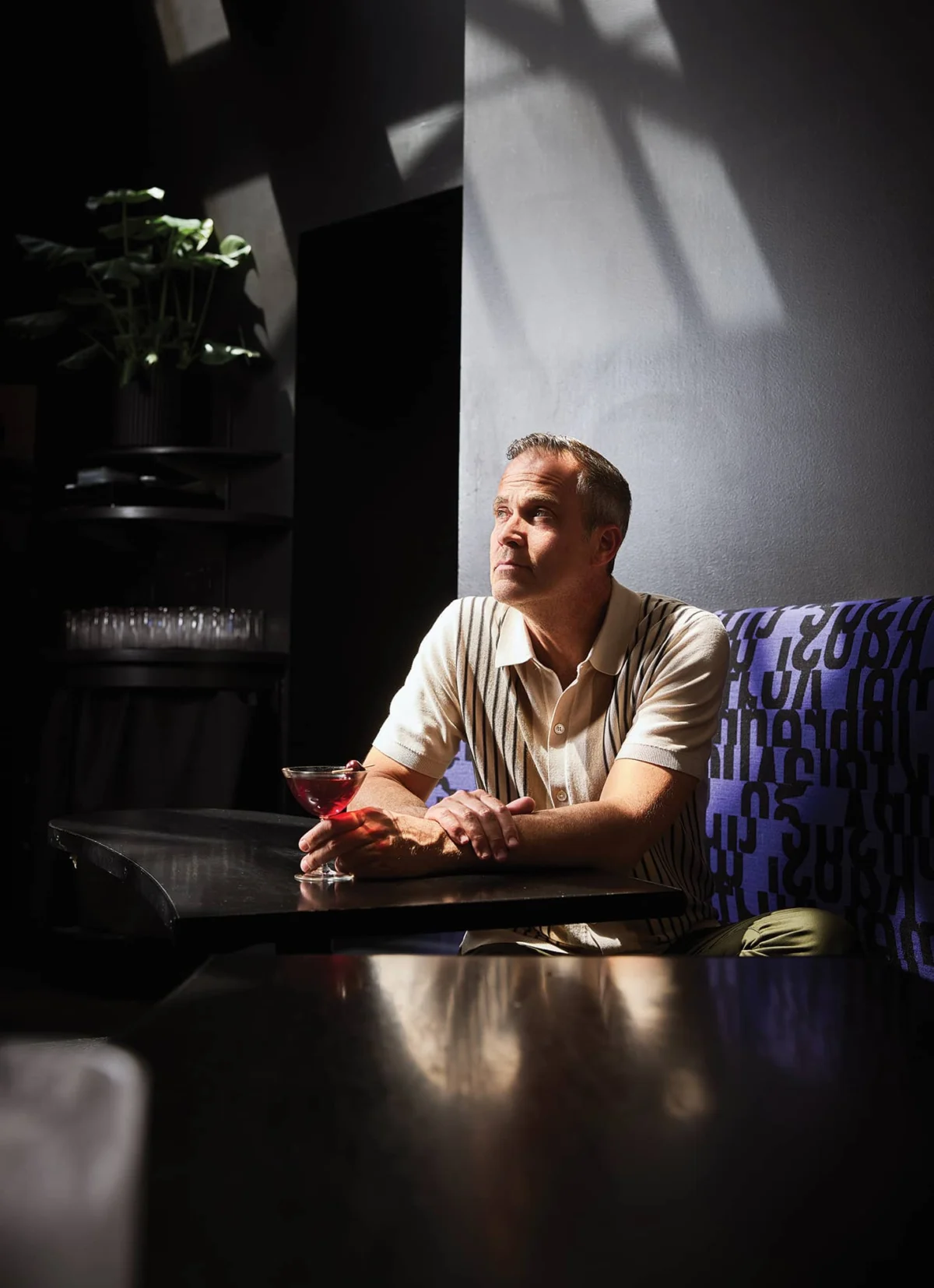
Reflecting on two decades behind the stick, Daniel Shoemaker remains remarkably grounded about the realities of running a hospitality institution.
"So many people do this because they think that it’ll be fun and easy," Shoemaker reflects. "And it takes a tremendous amount of work and vigilance to keep it going."
Despite the hardships—ranging from the early financial brink of the 2008 recession to the harrowing logistics of the 2020 pandemic—Shoemaker expresses a deep sense of security regarding the bar’s current standing.
"I feel like we’re protected at this stage of the game from anything significant… We built a community. We’ve got the greatest regulars on the planet, I believe in my heart. People don’t think of us as a neighborhood bar, but we definitely are."
Looking forward to the 20th-anniversary milestone and beyond, Shoemaker’s primary ambition is structural preservation: "My dream would be to bring on staff members, someone who’s been here, even a former employee who I can transition into ownership, someone that I know that can actually keep it, but that wants to keep it Teardrop."
Implications for the Future of Craft Hospitality
The survival and evolution of Teardrop Lounge offer a vital blueprint for the contemporary hospitality landscape. As independent bars face soaring supply costs, shifting consumer habits, and the psychological hangover of the pandemic era, Teardrop’s trajectory highlights several critical industry implications:
- Hospitality Over Dogma: The shift from the hyper-pretentious, exclusionary craft cocktail culture of the late 2000s to a warmer, empathy-driven model proves that long-term survival relies on making guests feel welcomed rather than schooled.
- Intentional Staffing Models: By deprioritizing traditional resume metrics in favor of emotional intelligence and customer-centric curiosity, venues can cultivate resilient, highly adaptable teams capable of weathering existential labor shortages.
- The Neighborhood Anchor: True longevity requires transcending the transient status of a "trend destination." By embedding themselves deeply into the daily social fabric of their local communities, visionary bars can insulate themselves against macroeconomic shocks like tech recessions or global health crises.
As Teardrop Lounge prepares to enter its third decade, it stands not merely as a relic of Portland’s mixological awakening, but as a living, breathing masterclass in how to adapt, endure, and—above all—care for the people who walk through the door.