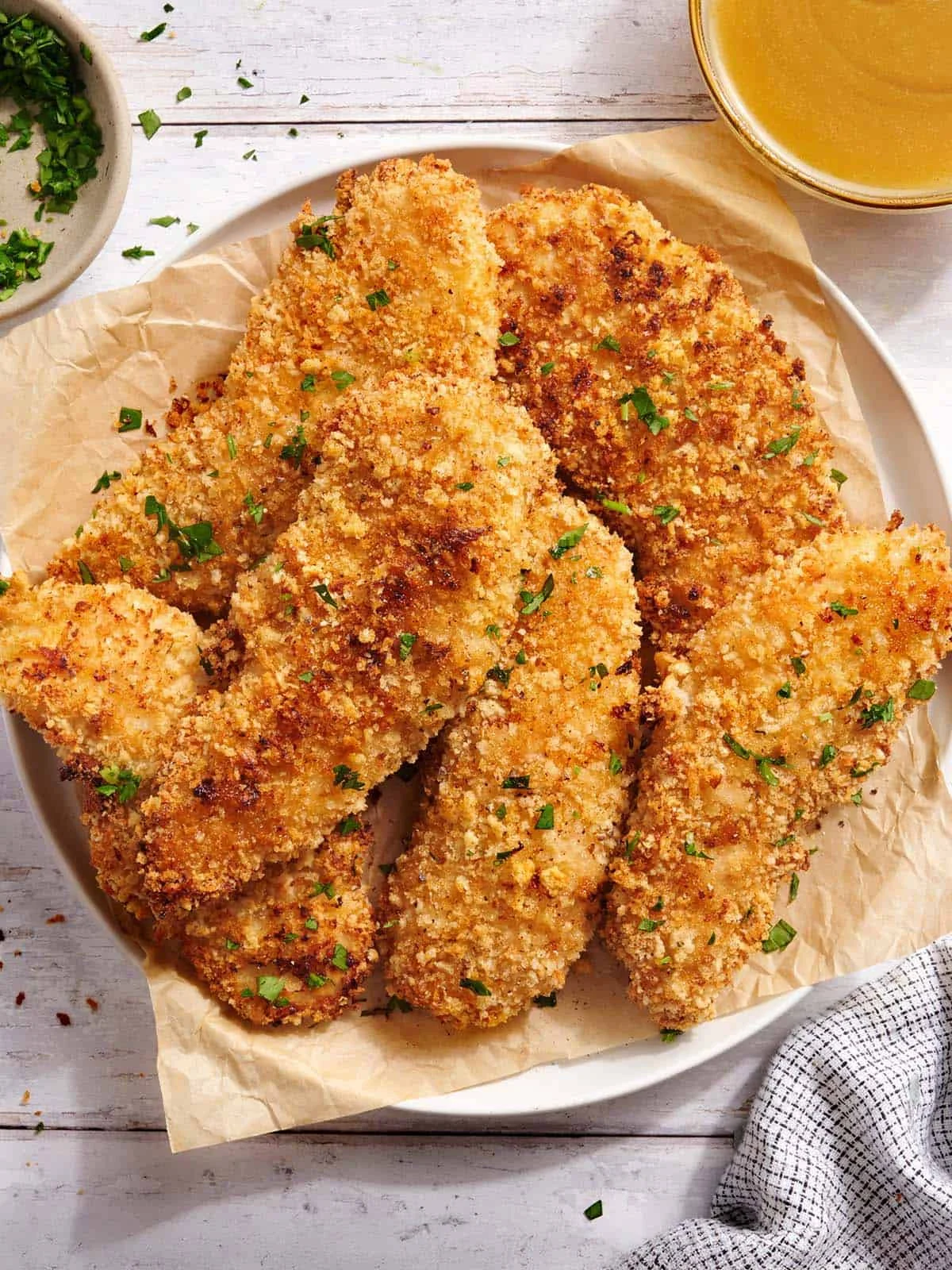
In an era where convenience often comes at the cost of both health and wallet, the humble chicken tender has become a symbol of the modern dining dilemma. Whether grabbed from a drive-thru window or purchased from the freezer aisle, these bite-sized staples are frequently laden with preservatives, mystery fillers, and excessive sodium. However, a shift is occurring in the home kitchen—one that prioritizes culinary technique over compromise.
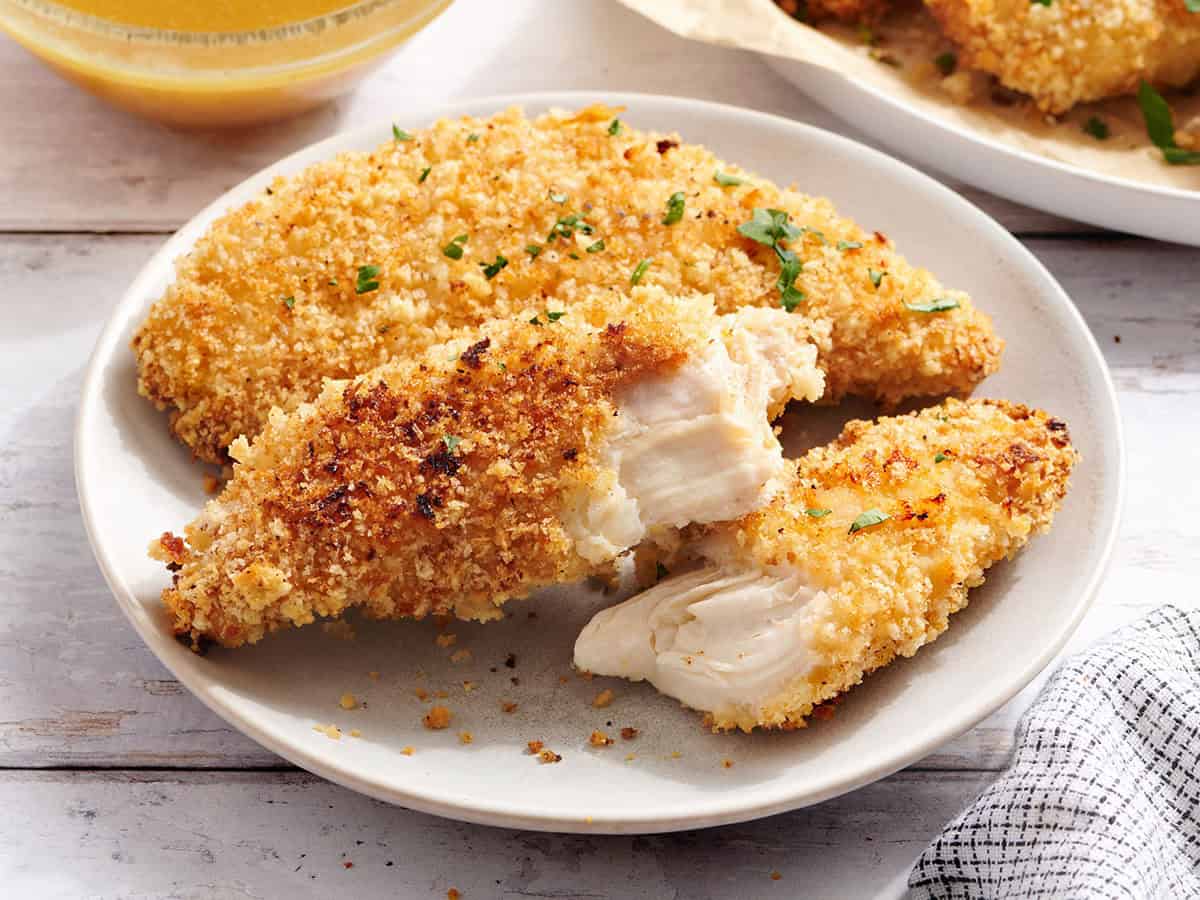
The latest development in accessible, high-quality home cooking comes from the Nashville Test Kitchen, where a new method for “Classic Oven-Baked Chicken Tenders” is proving that you don’t need a deep fryer to achieve the perfect crunch. By utilizing a clever yogurt-based binding technique and pre-toasted panko, home cooks are now producing restaurant-quality results for a fraction of the cost.
The Core Concept: Engineering the Perfect Crunch
The primary challenge in oven-baked poultry is achieving a texture that mimics frying without the associated health drawbacks or the lingering smell of grease in the kitchen. Culinary experts have long sought a "middle ground" that provides the golden, shattered-glass exterior of a fried tender with the succulent, juicy interior of a roasted breast.
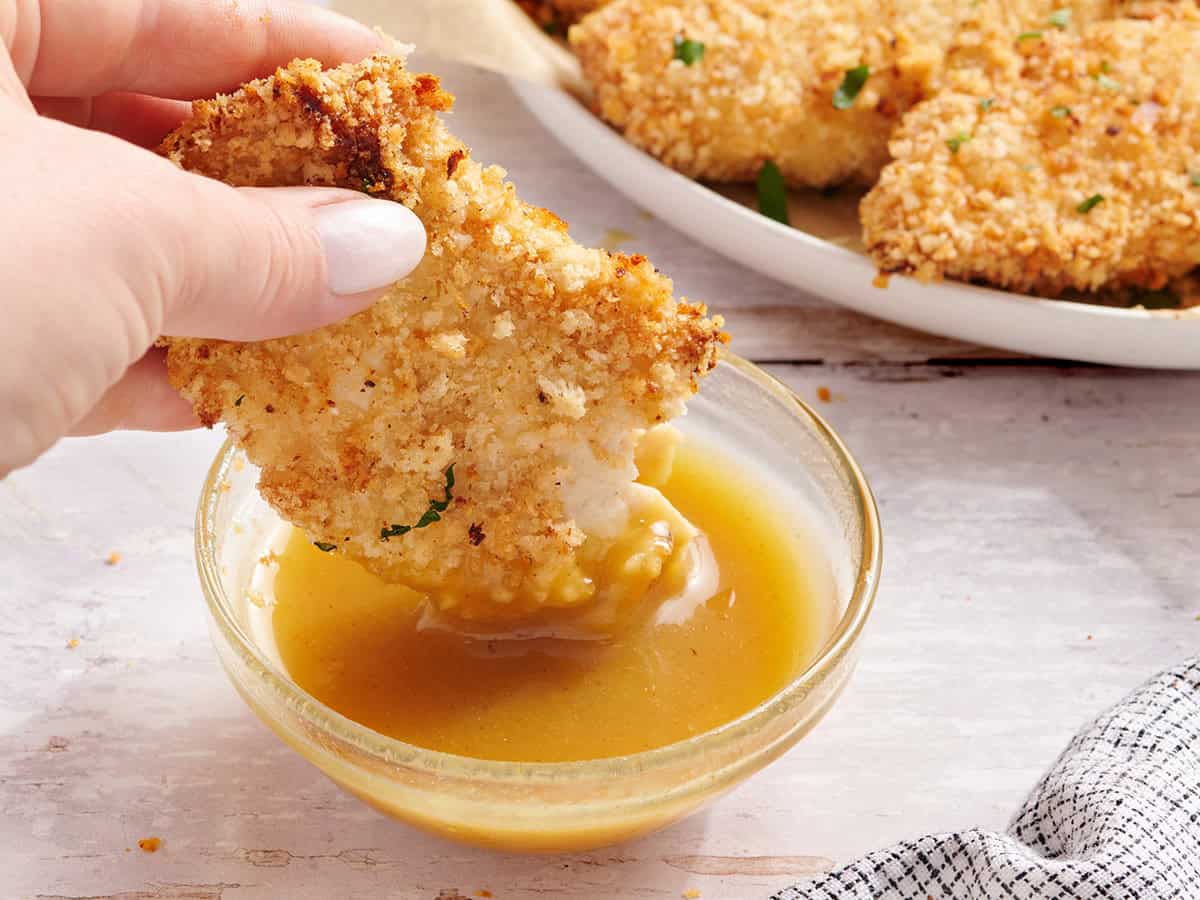
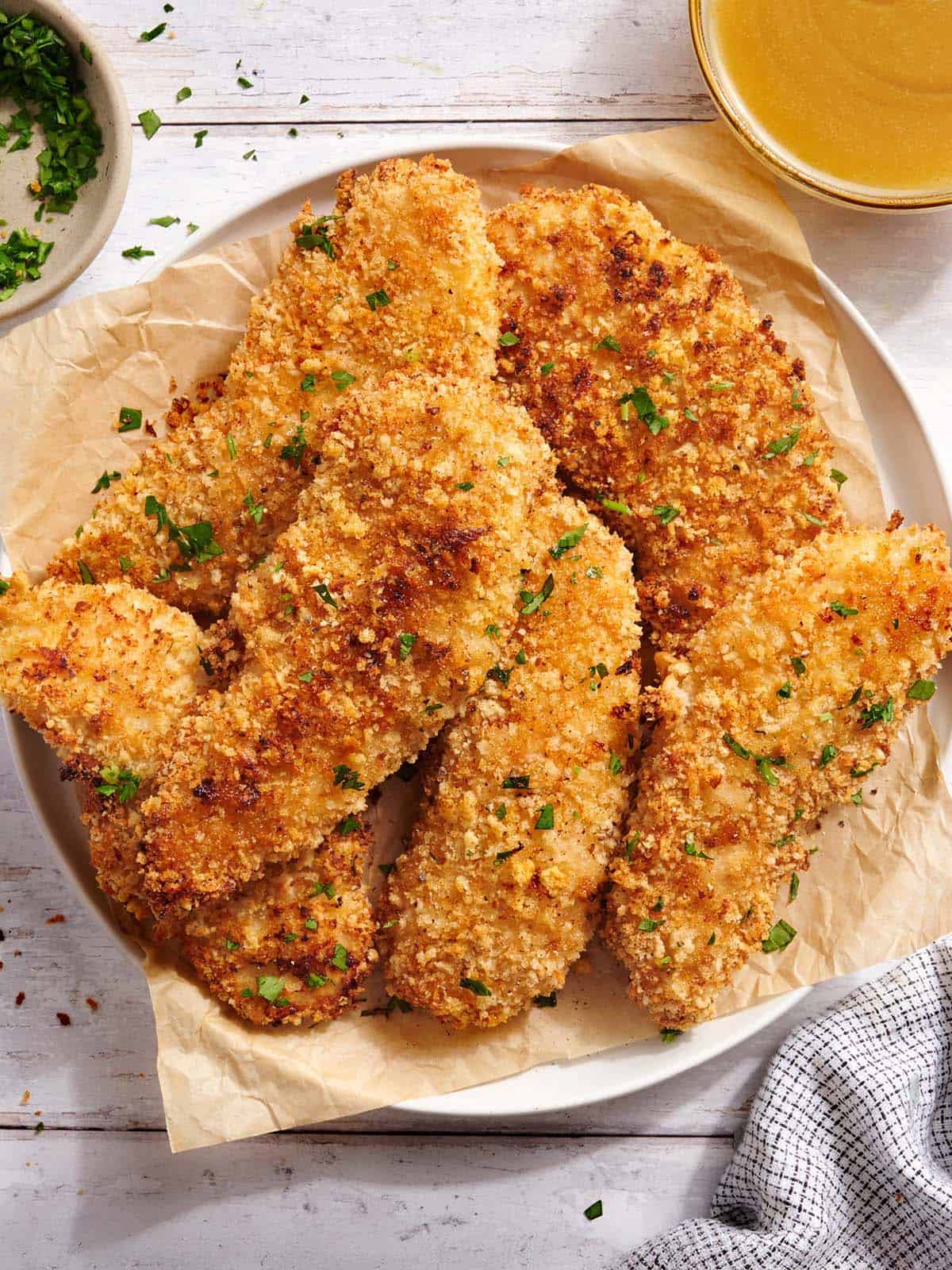
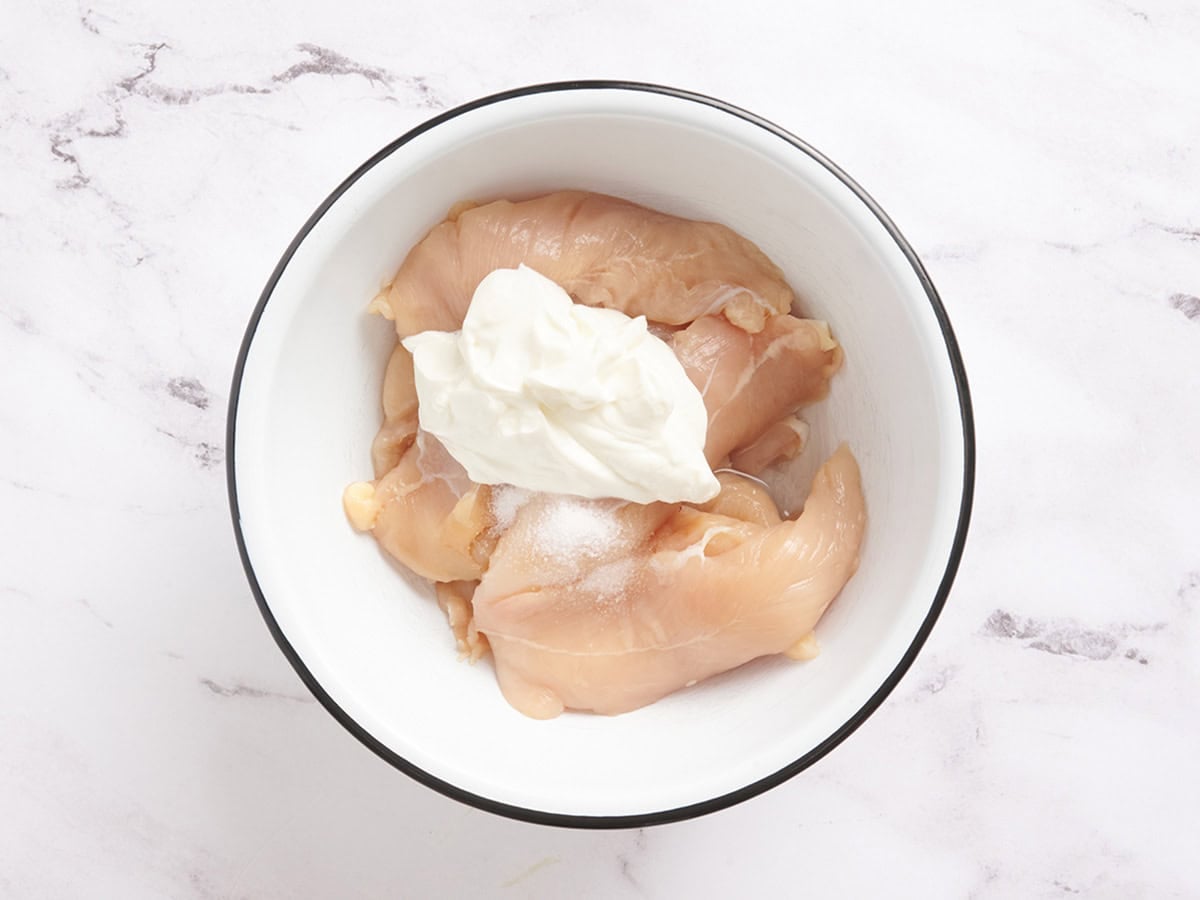
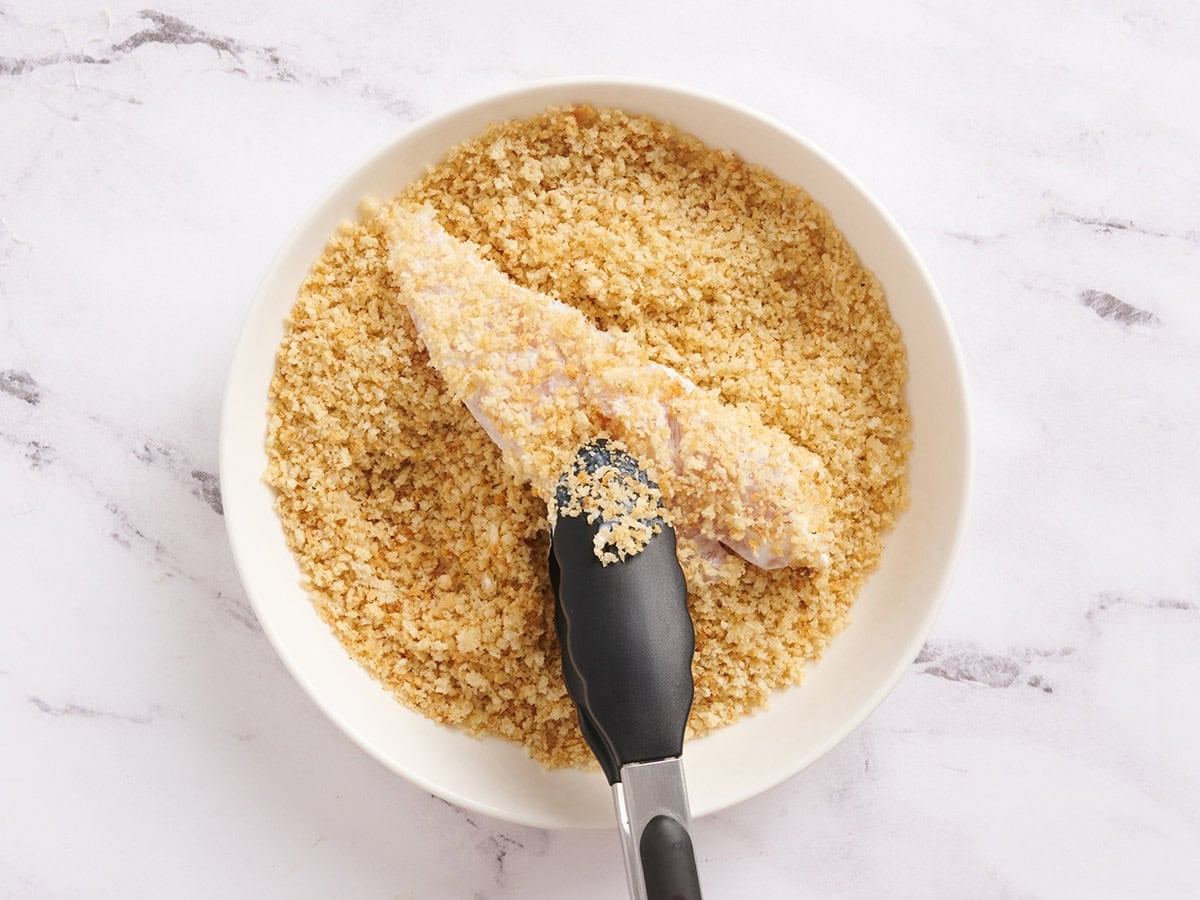
The breakthrough in this particular recipe lies in the chemistry of the breading process. Traditional recipes often rely on a three-step flour-egg-breadcrumb dredge, which can be messy and time-consuming. Instead, this refined technique utilizes a thinned Greek yogurt mixture. The acidity in the yogurt helps tenderize the chicken while acting as a superior adhesive for the panko. Because panko breadcrumbs are larger and airier than standard breadcrumbs, they retain their structural integrity in the oven, leading to a superior crunch.
Chronology: The Evolution of the Recipe
The development of this dish was not an overnight success but a result of iterative testing. The process began by analyzing why home-baked tenders often turned out soggy. The team identified three critical failure points: moisture content in the breading, uneven browning, and lack of structural support.
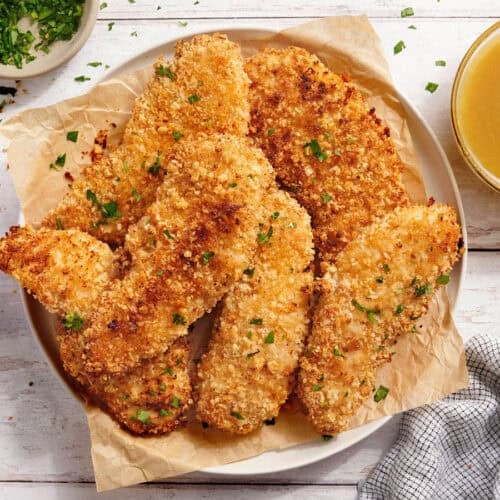
- Phase I: The Binding Agent. By swapping the traditional egg wash for a Greek yogurt marinade, the team discovered that the chicken remained significantly juicier throughout the cooking process. The yogurt acts as a protective barrier against the high heat of the oven.
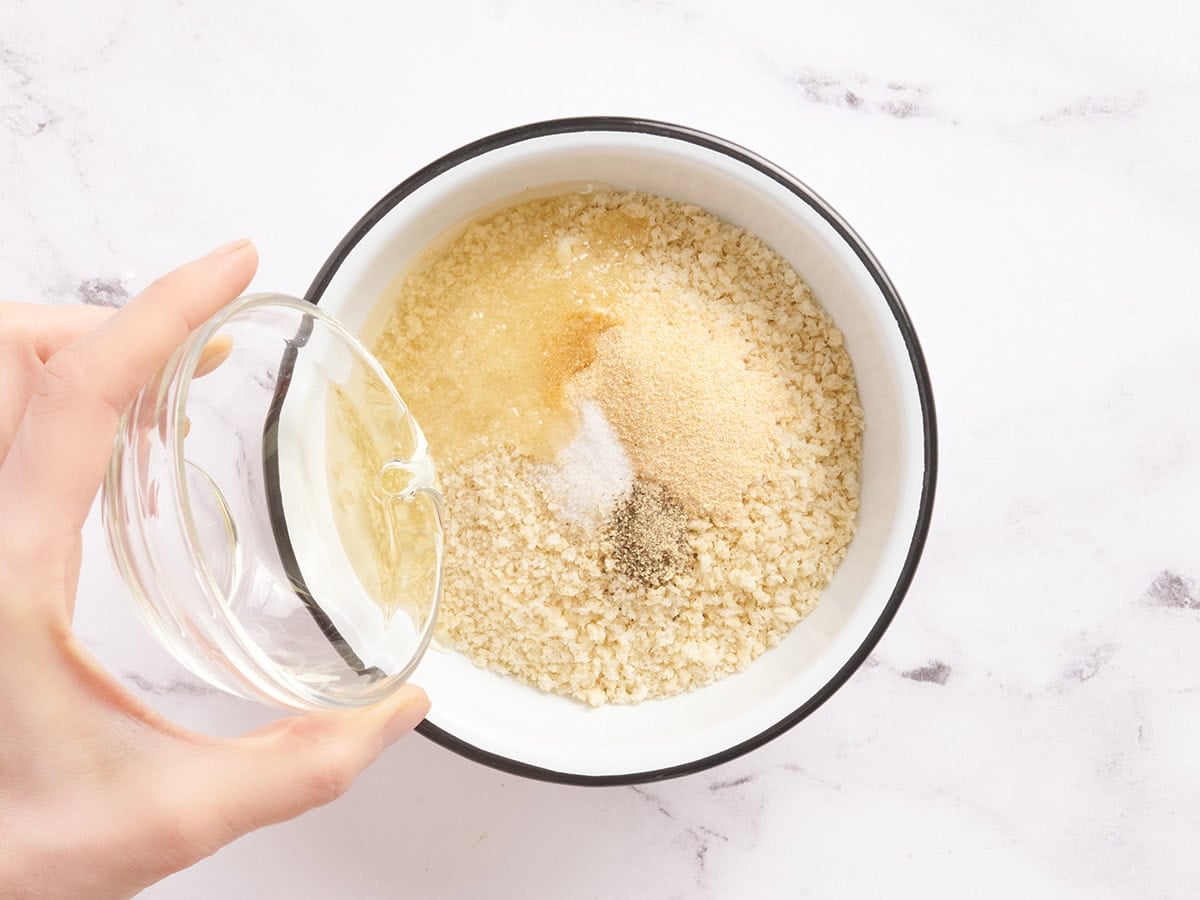
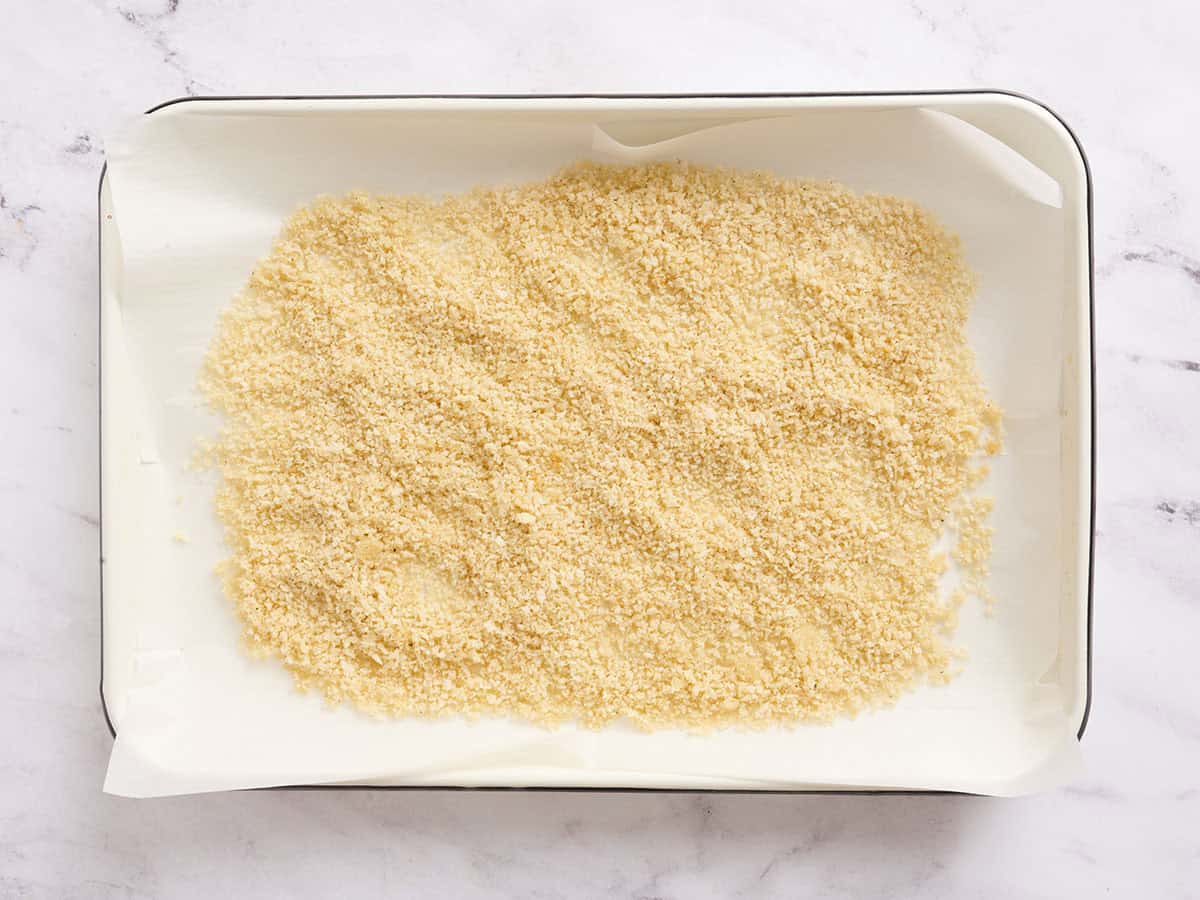
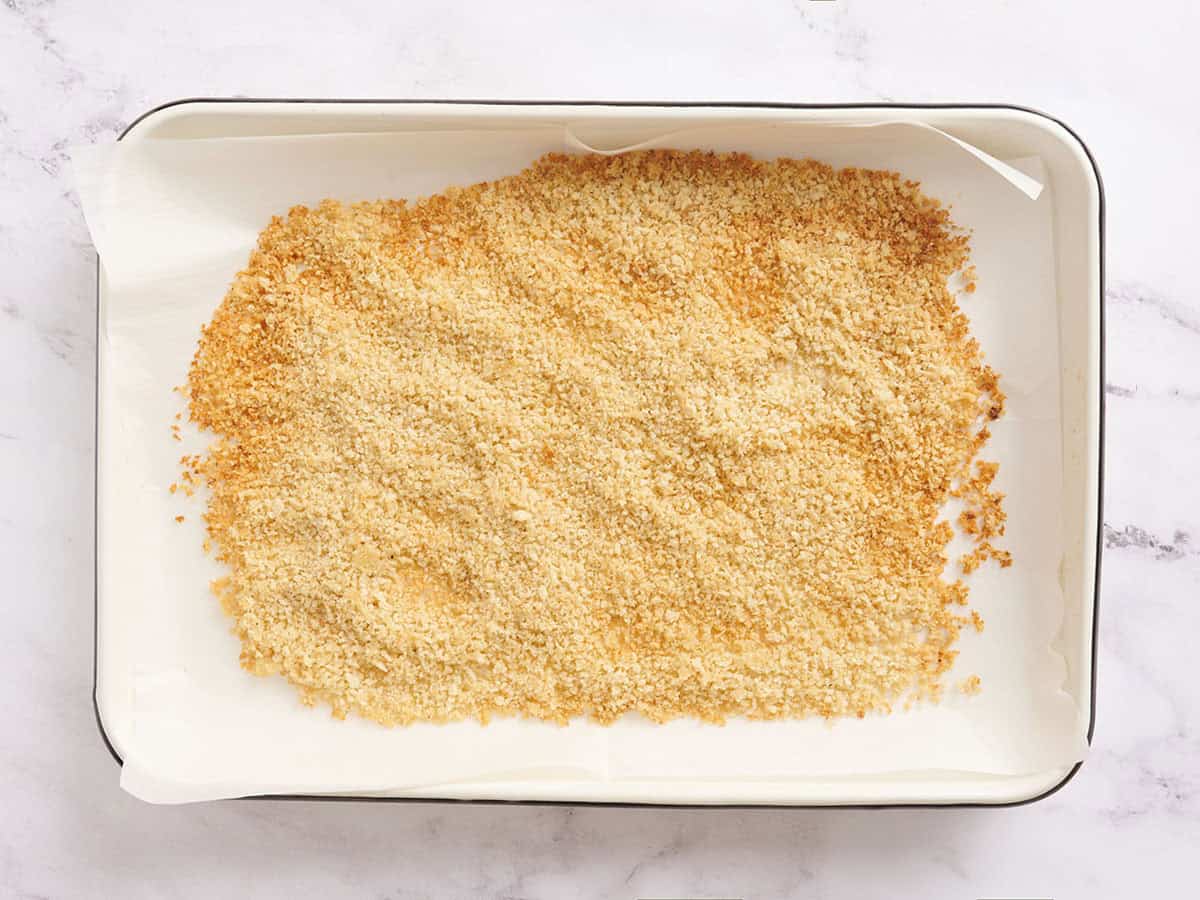
- Phase II: The Pre-Toast Method. One of the most significant innovations is the decision to toast the panko before it ever touches the chicken. By spreading the seasoned crumbs on a sheet pan and baking them for a few minutes first, the crumbs develop a deep, nutty golden color. This ensures that even in the short time required to cook the chicken through, the exterior achieves a deep, appetizing hue.
- Phase III: Temperature Control. Establishing a consistent 400°F environment proved to be the "Goldilocks" zone—hot enough to crisp the exterior rapidly, but gentle enough to keep the chicken from drying out.
Supporting Data: Economic and Nutritional Breakdown
For many families, the transition from store-bought to homemade is driven by the stark economic reality of current food prices. Recent market analysis shows that a typical order of three chicken tenders at a major fast-food chain can range from $5 to $6.
In contrast, the "Classic Oven-Baked Chicken Tenders" recipe provides a vastly different economic profile:
- Total Recipe Cost: Approximately $7.03 for a full batch.
- Per-Serving Cost: $1.76 (based on a four-serving yield).
- Nutritional Density: At 307 calories per serving, the dish offers 29g of protein with only 11g of fat, significantly lower than the fried counterparts found in commercial settings.
These figures illustrate the scalability of the recipe. By purchasing chicken in bulk—a common strategy for budget-conscious meal preppers—the cost-per-serving can drop even lower, making it a viable cornerstone for weekly meal prep cycles.

Professional Insights and Culinary Best Practices
Chef Jess Rice, who leads the development of these recipes, emphasizes that the success of the dish relies heavily on preparation. "The goal is to move away from the ‘mystery’ of processed foods and toward the clarity of simple, identifiable ingredients," says Rice.
According to the test kitchen’s guidelines, the following best practices are essential for success:
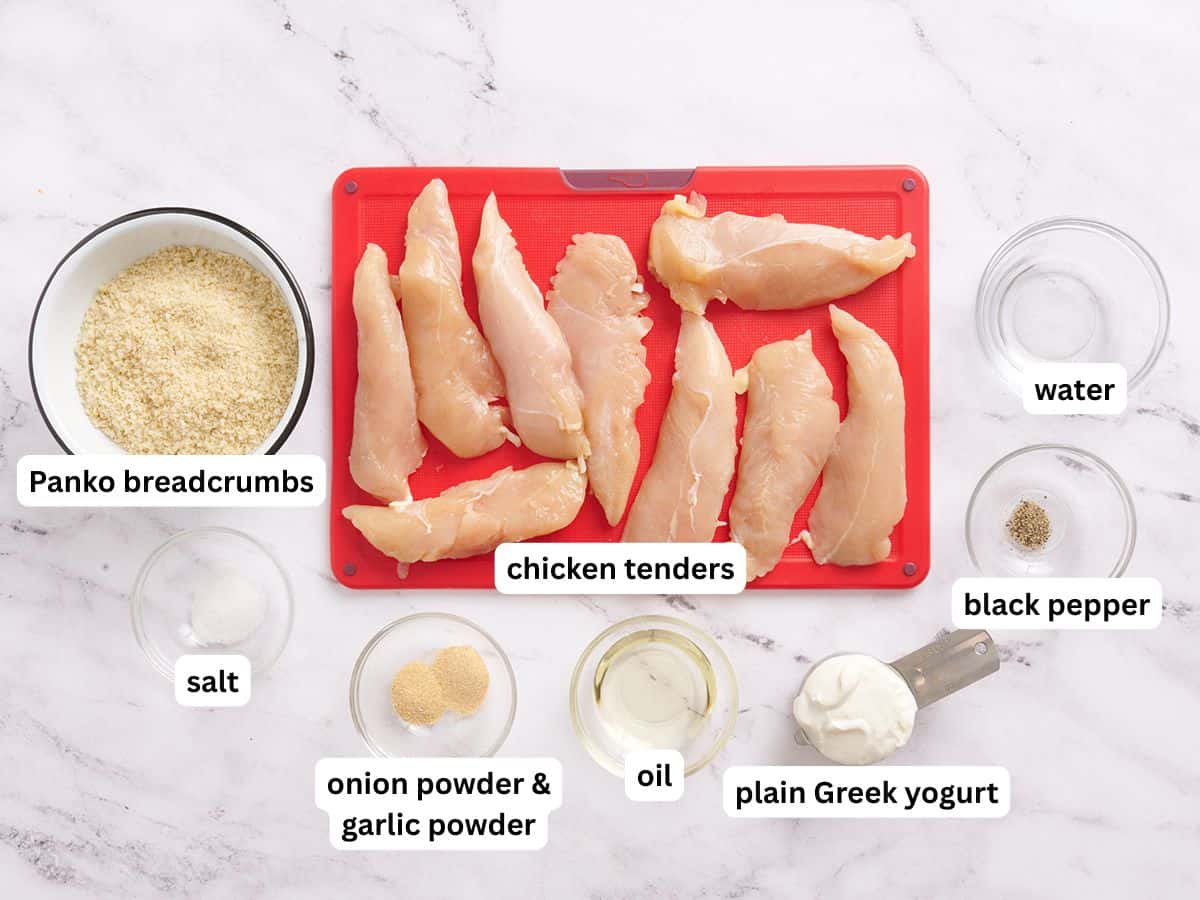
- Ingredient Integrity: Use neutral oils like canola, grapeseed, or refined avocado oil. These oils have high smoke points and won’t interfere with the flavor profile of the garlic and onion powders used in the seasoning blend.
- The Power of the Thermometer: Never guess the doneness of poultry. The internal temperature must reach 165°F. Relying on visual cues alone can lead to overcooked, rubbery meat.
- Strategic Batching: When scaling the recipe for large families, avoid overcrowding the baking sheet. Air circulation is the secret ingredient to crispiness; if the tenders are too close together, they will steam rather than bake.
Implications: The Future of Meal Prep
The rise of the "home-prep" movement has profound implications for how we view dinner. By creating batches of these tenders on a Sunday, households are essentially creating their own "convenience food" that is healthier and cheaper than anything available at a grocery store or drive-thru.
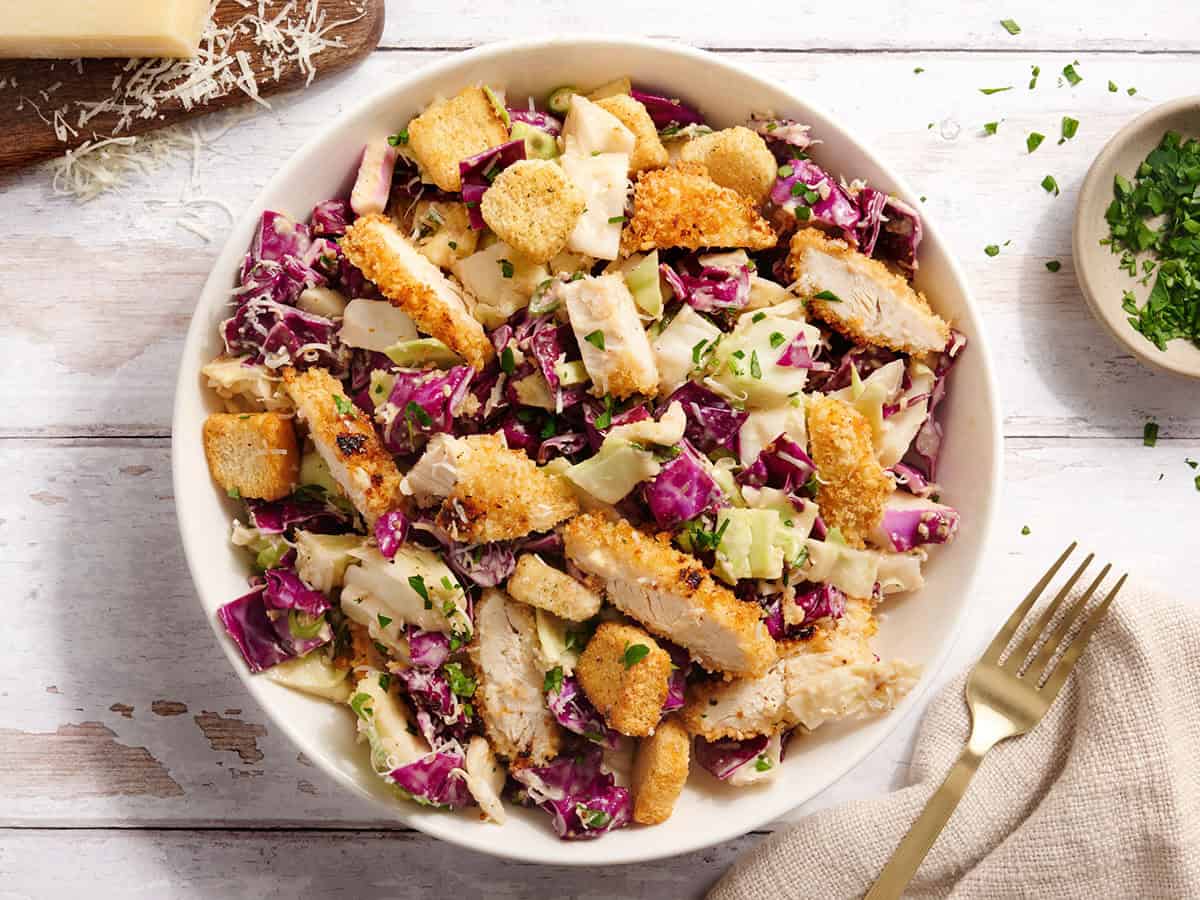
The versatility of the tenders also allows for a wider variety of meals throughout the week. They function as a standalone main course, a protein topper for Caesar salads, or a hearty addition to a wrap. The ability to freeze the tenders—and reheat them in an air fryer to achieve that "freshly fried" texture—effectively removes the excuse for relying on processed, frozen alternatives.
Conclusion: A Return to Basics
The "Classic Oven-Baked Chicken Tender" is more than just a recipe; it is a masterclass in modern culinary efficiency. By stripping away the need for deep-frying and high-sodium additives, it provides a template for how home cooking can be both ambitious and accessible. As families continue to navigate rising food costs and busy schedules, the integration of such foundational, budget-friendly, and high-quality meals will likely remain a pillar of the sustainable kitchen. Whether you are a student, a busy parent, or a home cook looking to hone your technique, mastering this method offers a reliable, delicious, and economically sound way to feed the table.