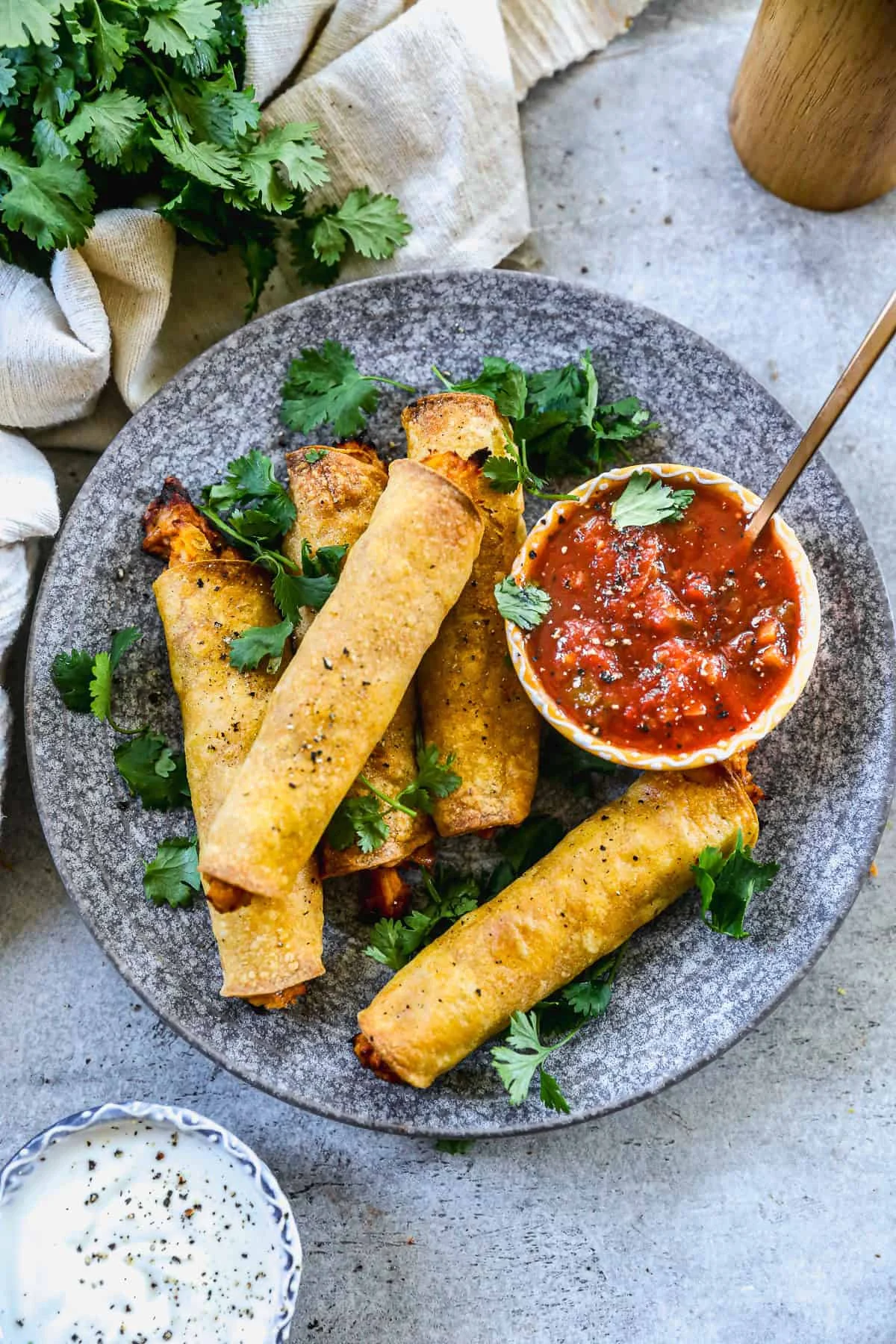
In the landscape of modern comfort food, few dishes strike the balance between accessibility and indulgence quite like the chicken taquito. Crispy on the outside, succulent and cheesy on the inside, and infused with the vibrant, bold profiles of Tex-Mex cuisine, these rolled delights have become a staple for both weeknight dinners and high-energy social gatherings.
Whether you are a seasoned home chef looking to master the art of the perfect roll or a novice seeking a reliable, crowd-pleasing appetizer, the versatility of this dish—offering preparation methods for the oven, the air fryer, and the traditional stovetop—makes it a masterclass in functional, delicious cooking.
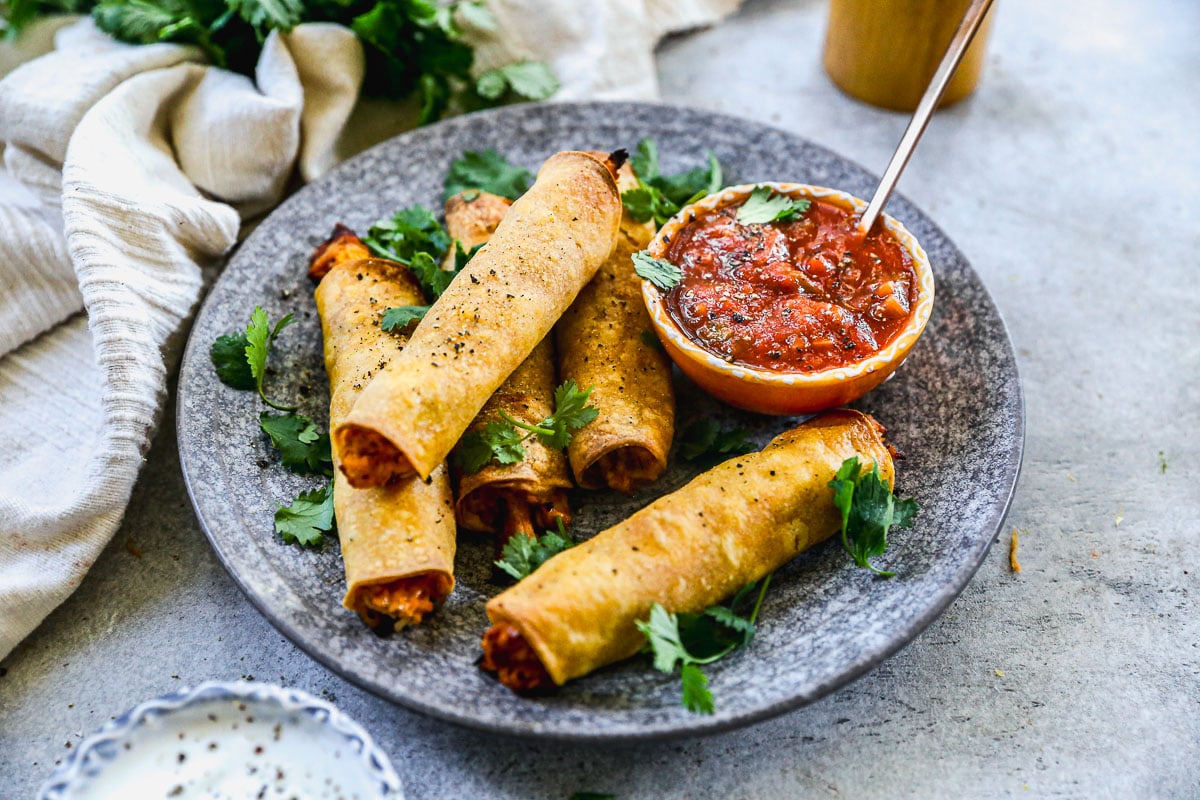
The Anatomy of the Perfect Taquito: Core Components
At its heart, the chicken taquito is a study in texture. The dish requires a high-quality corn tortilla, a protein-rich filling, and a binding agent that ensures the interior remains creamy rather than dry.
According to culinary experts and cookbook authors like Erin Clarke of Well Plated, the secret lies in the quality of the filling. Shredded chicken serves as the foundational protein, but the nuance of the dish comes from the integration of salsa and yogurt or sour cream, which provides a necessary acidic tang and moisture. When combined with a robust cheese blend, these ingredients create a flavor profile that is both savory and satisfying.
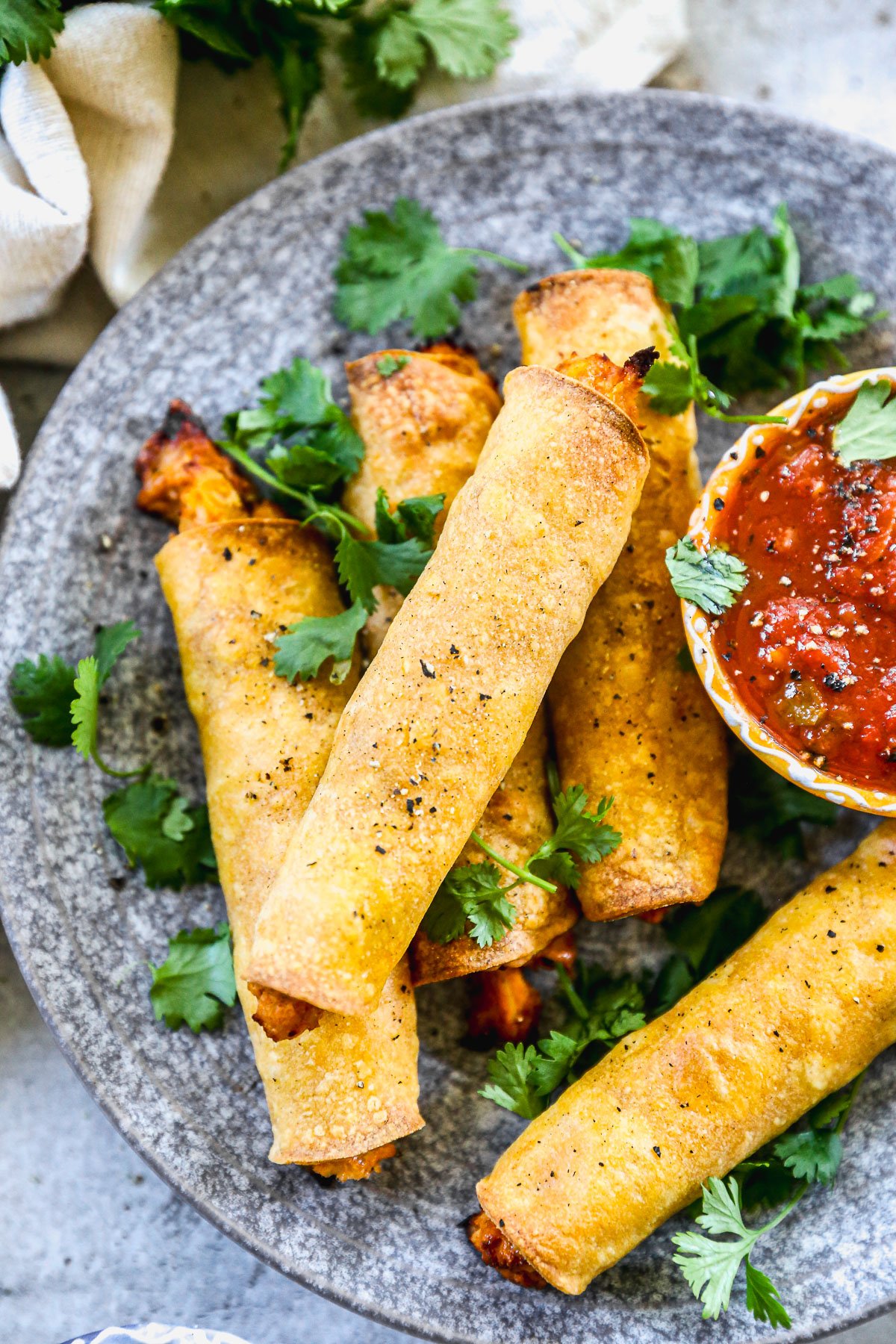
Key Nutritional Considerations
While taquitos are often associated with indulgent snacking, they can be a balanced addition to a weekly meal plan. A standard serving of one, prepared with wholesome ingredients, contains approximately 253 kilocalories. With 20 grams of protein and moderate fat content, they provide a substantial energy boost. The inclusion of corn tortillas also offers a gluten-conscious base, provided that the ingredients are sourced responsibly.
A Chronological Approach to Preparation
Achieving the "crunch" that defines a superior taquito is not merely a matter of heat; it is a process of careful preparation. The following steps outline the professional approach to constructing these rolls.

Phase 1: The Filling Formulation
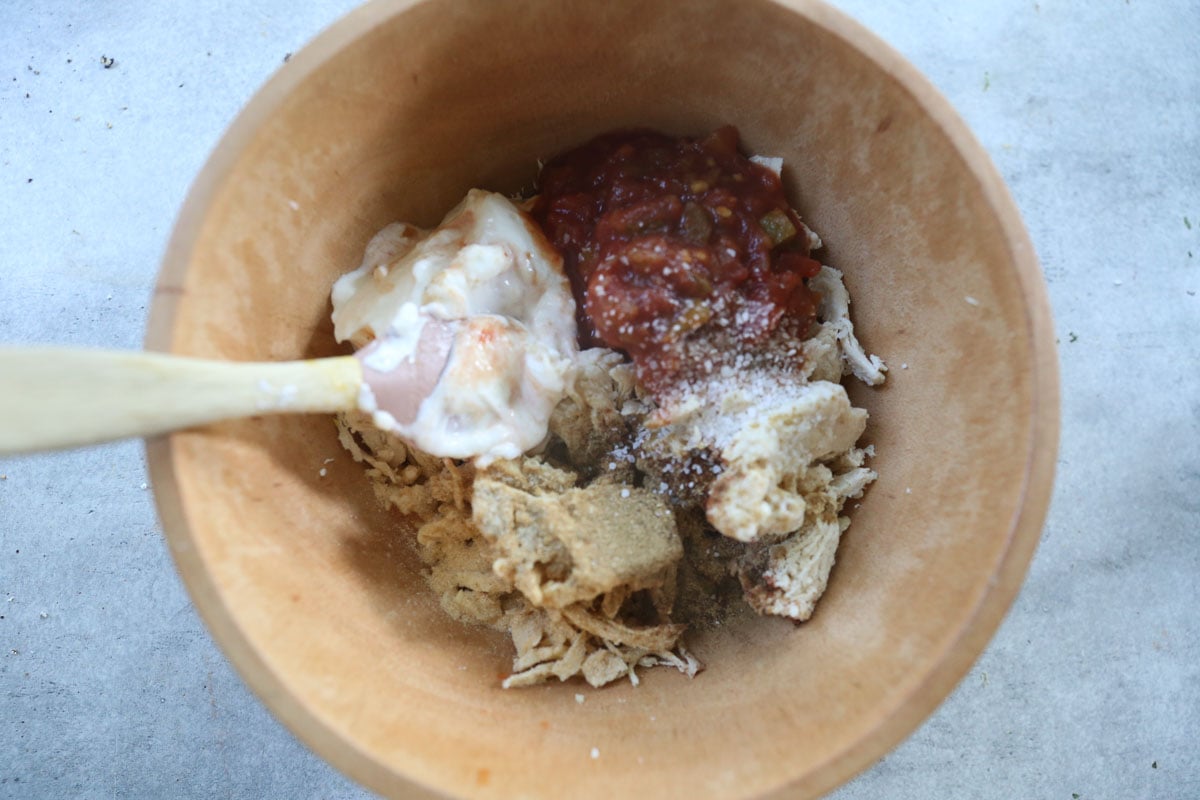
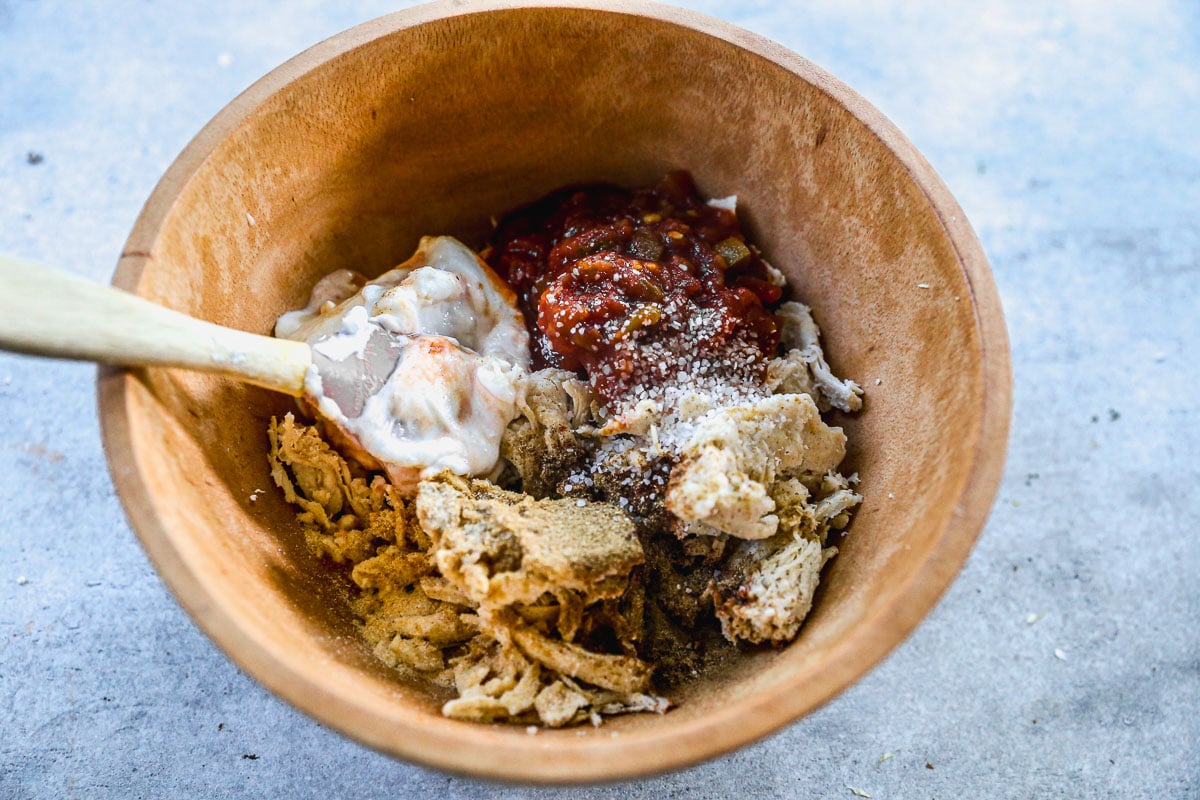
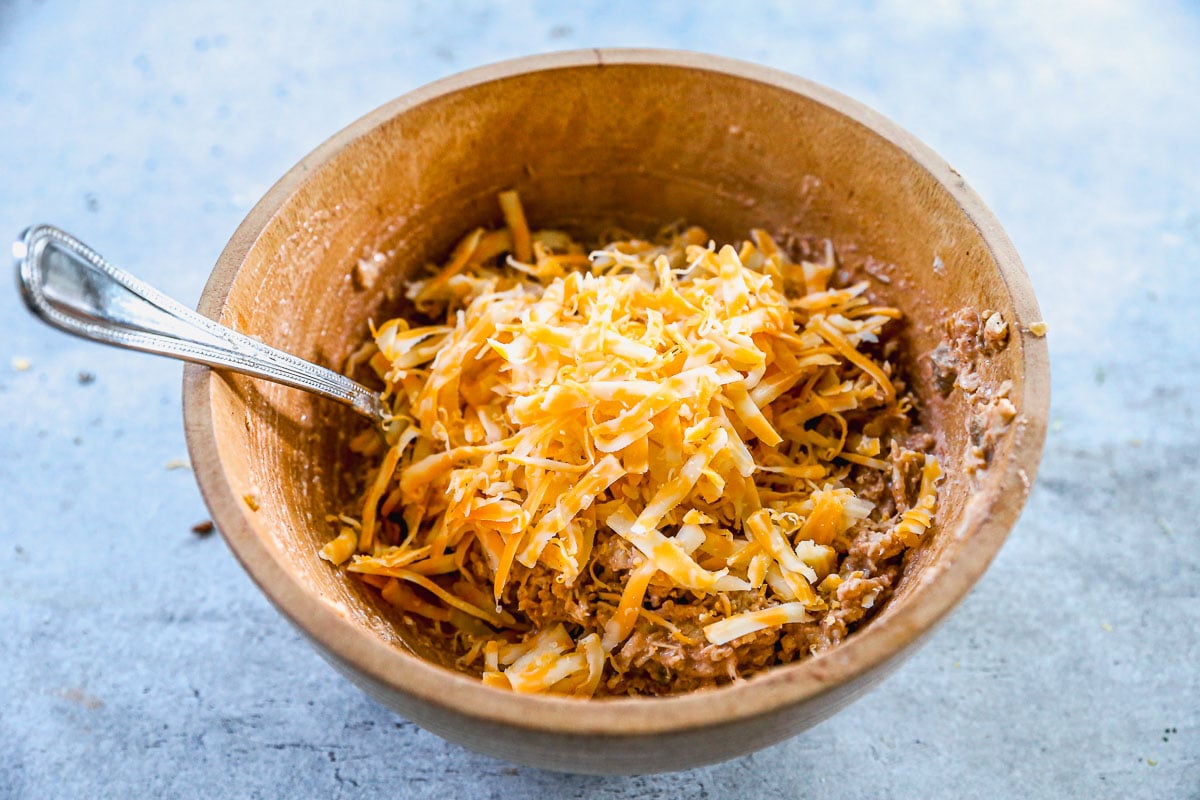
The process begins in a mixing bowl. Shredded chicken should be combined with your preferred salsa and a creamy base—typically Greek yogurt or sour cream. This mixture is then enhanced with specific seasonings. Folding in the cheese at the final stage is critical; it ensures that the cheese remains distinct enough to provide a "pull" when the taquito is bitten into, rather than disappearing entirely into the sauce.
Phase 2: The Pliability Requirement
The most common failure point for home cooks is the breaking of the corn tortilla during the rolling phase. To mitigate this, the tortillas must be warmed. Using a nonstick skillet over medium heat, the tortillas should be softened until they are pliable. Skipping this step is the primary cause of structural failure in taquitos.
Phase 3: The Rolling Technique
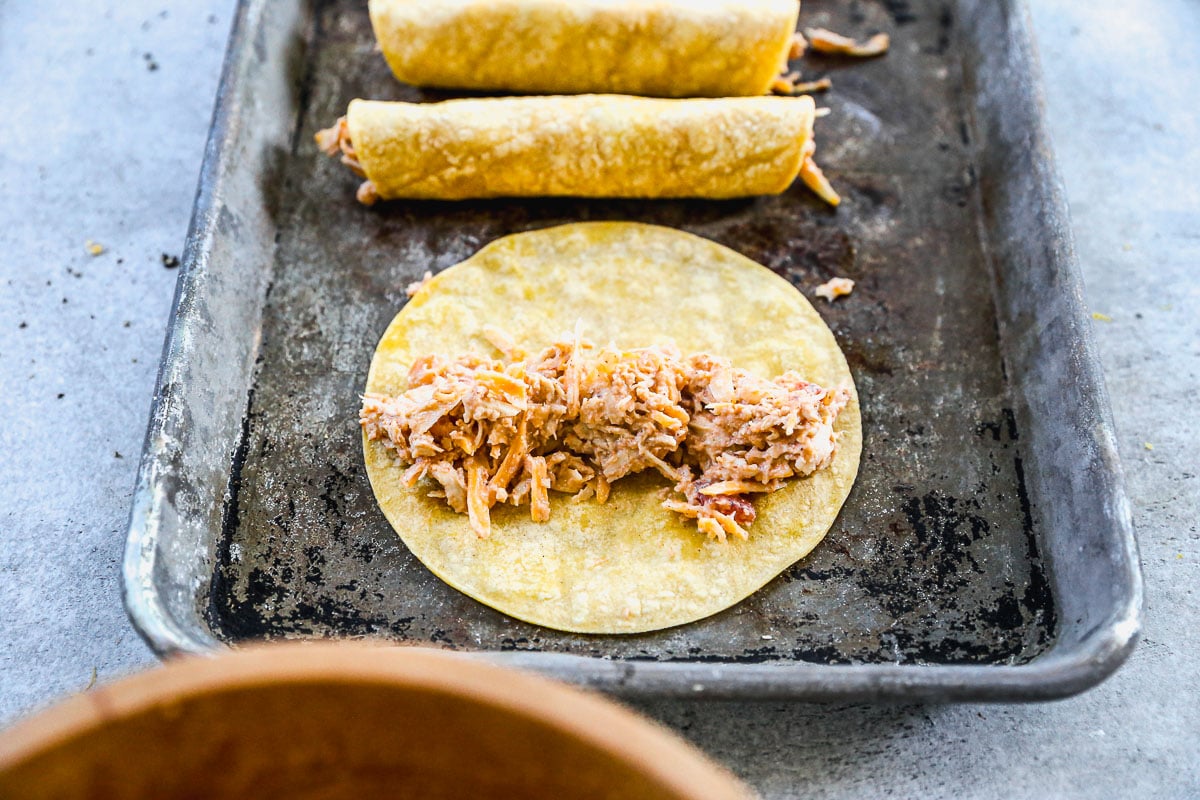
Once warmed, the filling is portioned onto each tortilla. Rolling them tightly is essential to prevent the filling from leaking during the cooking process. If structural integrity is a concern, a toothpick can be inserted at the seam to hold the shape. These should be placed seam-side down on a parchment-lined baking sheet to "set" before heat is applied.
Phase 4: The Thermal Application
The cooking method dictates the final mouthfeel of the dish:
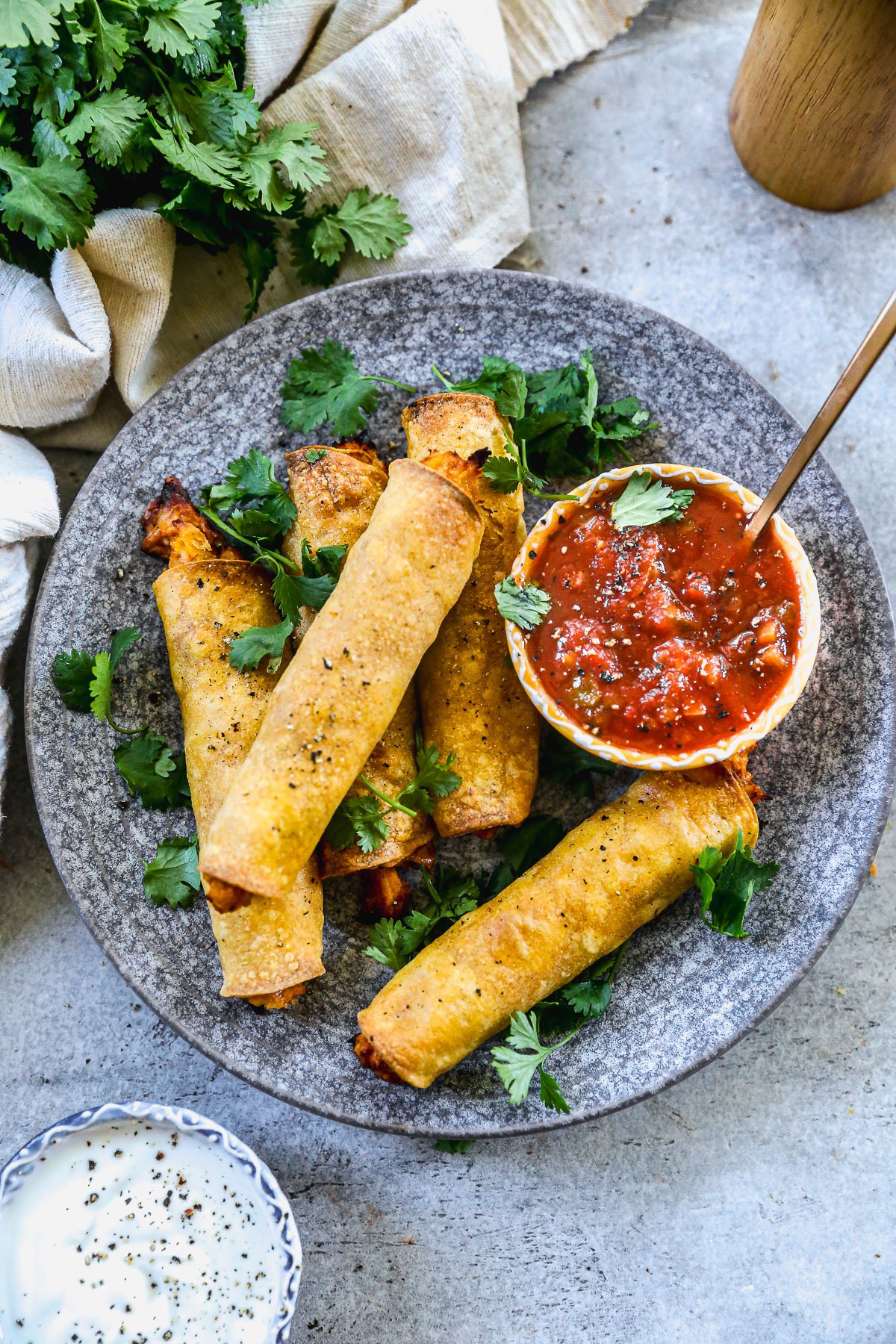
- Oven Baking: Provides a consistent, even crunch and is ideal for large batches.
- Pan-Frying: The traditional method that produces the most decadent, golden-brown exterior.
- Air Frying: The modern standard for achieving a crispy texture with significantly less oil, aligning with current consumer trends toward "healthier" frying methods.
Supporting Data and Culinary Trends
The rise of the "homemade appetizer" reflects a broader trend in home dining. Following the global shifts in 2020, consumers have shown an increased appetite for recreating restaurant-quality snacks at home. Data suggests that recipes featuring multi-method cooking instructions (oven vs. air fryer) receive higher engagement rates, as they cater to a wider variety of household appliance setups.
The "make-ahead" capability of taquitos has also contributed to their enduring popularity. By assembling the rolls and freezing them prior to the final cooking step, hosts can prepare for large gatherings days or even weeks in advance. This efficiency is a cornerstone of modern meal planning, allowing for the "Fast and Easy" lifestyle that contemporary, time-strapped families demand.
Expert Insight: The Philosophy of "Well Plated"
Erin Clarke, a prominent voice in the home-cooking community, emphasizes that the goal of a recipe should be to reduce the mental load on the cook. "I’ve helped millions of people cook healthier meals that actually taste amazing," Clarke notes. Her approach to the chicken taquito highlights a fundamental shift in home cooking: the move away from complicated, labor-intensive techniques toward recipes that favor efficiency, fewer dishes, and high-impact flavor profiles.
By simplifying the seasoning process and providing clear, actionable steps for three different cooking methods, the recipe becomes an instrument of empowerment for the home cook, rather than a rigid set of rules.
Implications for Modern Dining
The enduring appeal of the chicken taquito lies in its social nature. It is inherently a "shareable" food, which occupies a unique space in the culinary hierarchy—it is formal enough to serve as an appetizer at a dinner party, yet casual enough to serve as a high-protein lunch for children.
The Future of Tex-Mex at Home
As consumer awareness regarding food quality increases, the "at-home" version of this classic dish continues to evolve. We are seeing a move toward higher-quality, cleaner-label salsas, artisanal cheeses, and organic chicken, all of which elevate the taquito from a simple snack to a legitimate culinary entry.
Furthermore, the integration of technology—specifically the ubiquity of the air fryer—has effectively democratized the "fried" food experience. No longer is a deep-fryer necessary to achieve the desired crunch, which lowers the barrier to entry for health-conscious individuals who still desire the comfort of a crispy texture.
Final Recommendations for the Home Chef
If you are preparing to tackle this recipe, consider these final professional tips:
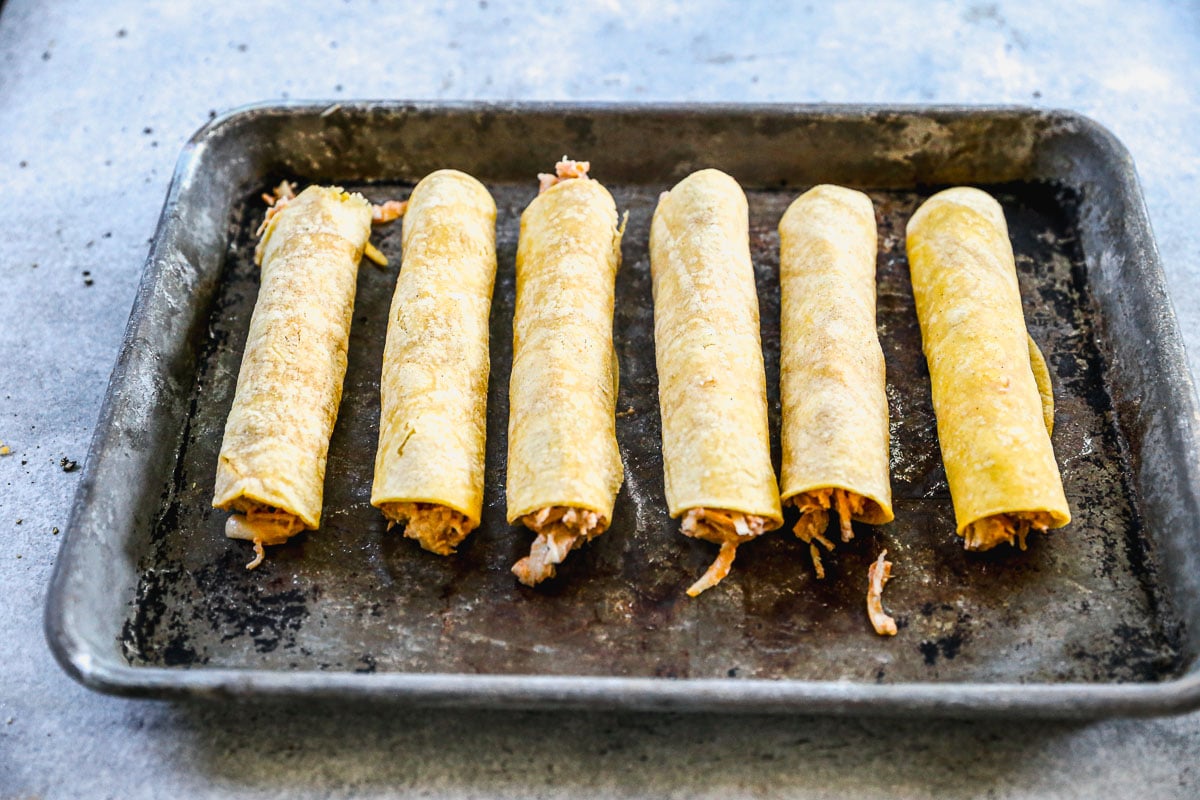
- Don’t Overstuff: While it is tempting to maximize the amount of filling, overstuffing leads to uneven cooking and potential bursting.
- Topping Strategy: The beauty of the taquito is in the contrast. Use fresh, cooling toppings like cilantro, lime juice, or a dollop of cold crema to cut through the heat and saltiness of the crispy shell.
- Temperature Control: When using an air fryer, ensure the taquitos are not crowded. Air circulation is the key to that golden-brown finish.
In conclusion, the chicken taquito is a triumph of simple, efficient design. By focusing on the quality of the filling and mastering the mechanical process of the roll, any home cook can replicate this staple of Tex-Mex culture. Whether you serve them as a main course with a side of rice and beans or as a tray of appetizers for a game day, these taquitos serve as a reminder that the best meals are often those that bring people together through the universal language of flavor and texture.