In the landscape of classic American desserts, few items evoke the same visceral sense of childhood nostalgia as the ice cream sandwich. While mass-produced versions have dominated freezer aisles for decades, a growing movement of home cooks and culinary enthusiasts is reclaiming this frozen staple. By elevating the humble combination of cookies and cream with high-quality ingredients, customized flavor profiles, and artisanal presentation, the homemade ice cream sandwich has transformed from a simple convenience food into a centerpiece for summer celebrations.
Main Facts: The Anatomy of a Superior Sandwich
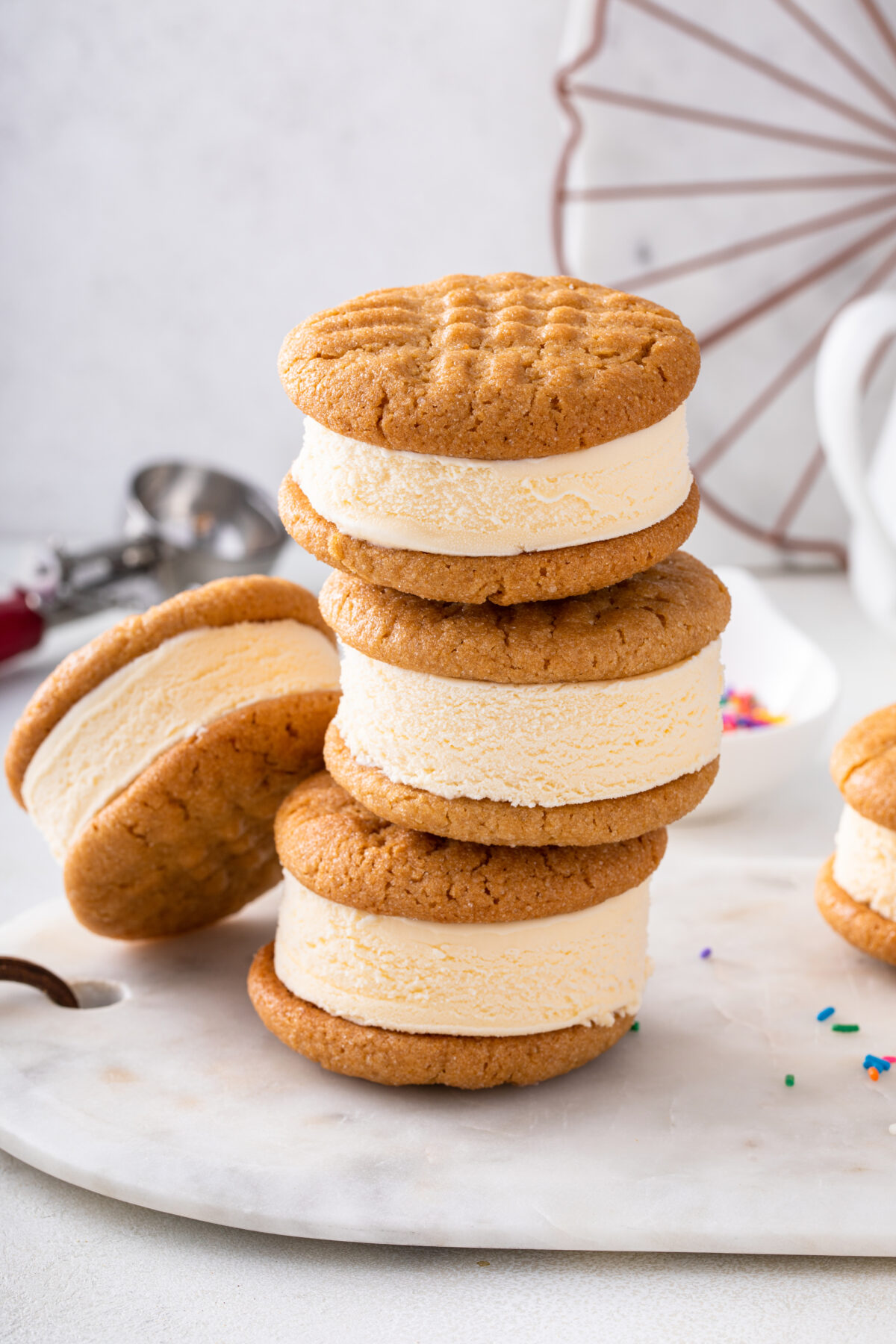
The appeal of the homemade ice cream sandwich lies in its structural simplicity and its vast capacity for creative expression. At its core, the sandwich is a study in texture and temperature: the "bite" of the cookie must remain soft enough to yield under pressure, while the ice cream must be firm enough to provide a clean, structural core.
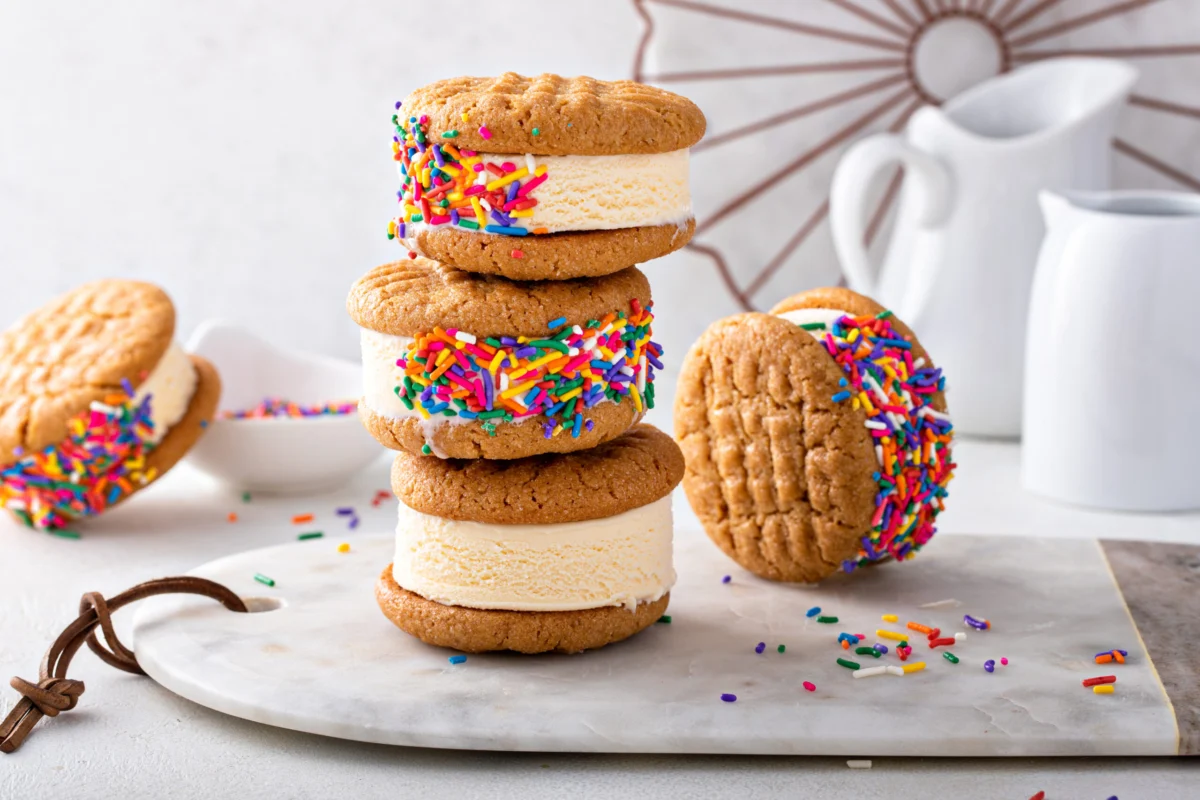
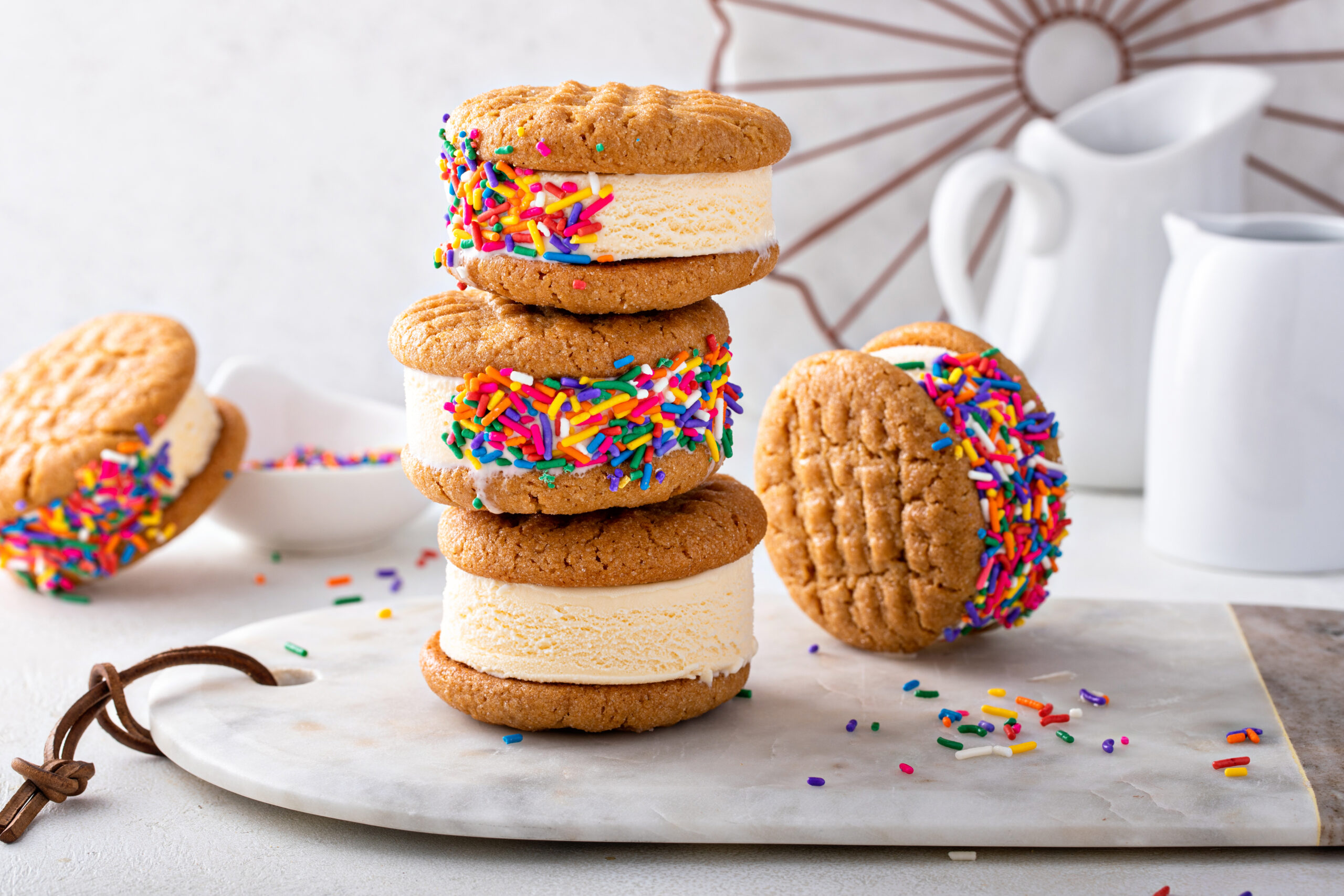
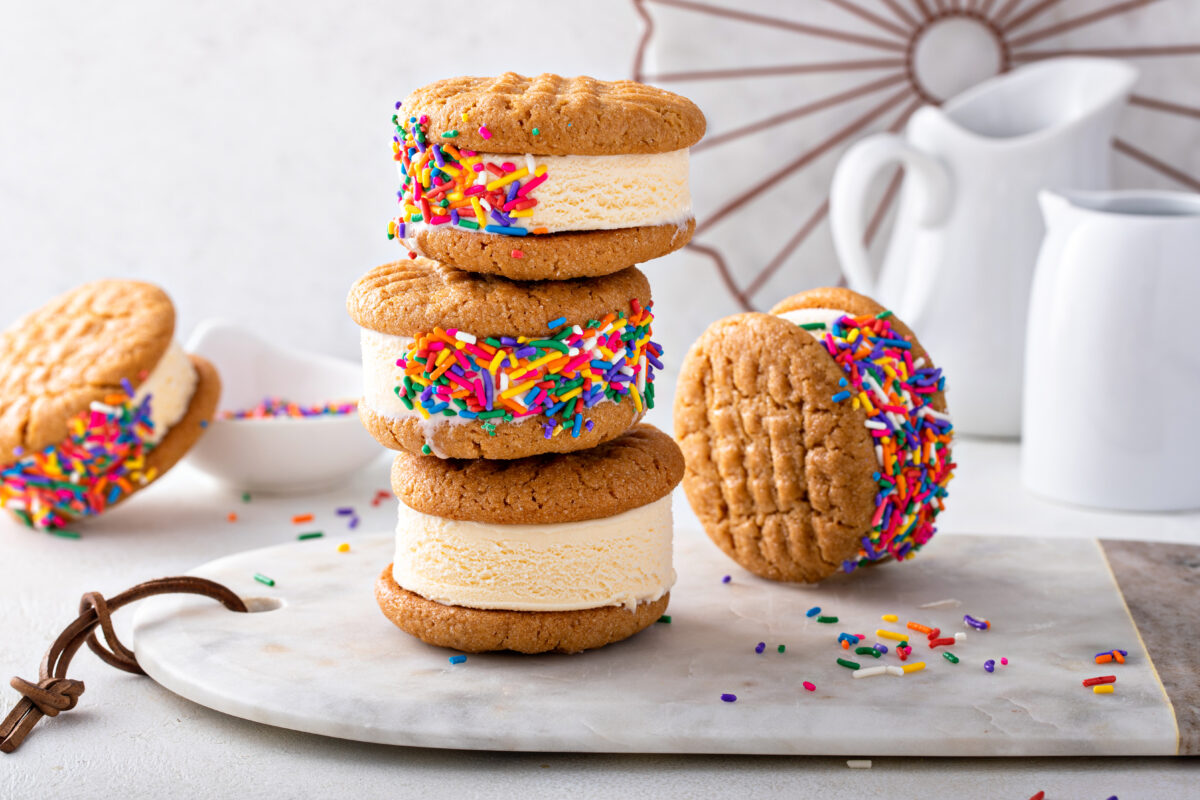
The current trend favors soft-baked peanut butter cookies, which provide a savory, nutty foundation that perfectly complements the sweetness of premium vanilla bean ice cream. Beyond the basic construction, the inclusion of "crust" elements—such as colorful sprinkles, crushed nuts, or mini chocolate chips—adds a necessary textural contrast. These additions provide the "crunch" that balances the velvet-smooth mouthfeel of the frozen center.
From a nutritional and culinary standpoint, the advantage of the homemade approach is the total control over ingredient quality. Unlike industrial counterparts, which often rely on emulsifiers, stabilizers, and artificial colorings to maintain shelf stability, homemade versions utilize real dairy, natural fats, and high-quality peanut butter, resulting in a cleaner flavor profile and a more satisfying indulgence.
Chronology: From Concept to Freezer
The process of constructing the perfect ice cream sandwich is a deliberate exercise in temperature management. Successful execution requires a methodical approach to ensure that the structural integrity of the sandwich is maintained throughout the freezing process.
Phase 1: The Foundation (Preparation)
The process begins with the production of the cookies. Experts recommend utilizing a standardized cookie scoop to ensure uniformity; when the cookies are identical in size and shape, the resulting sandwich is not only aesthetically pleasing but also easier to store and serve. Crucially, the cookies must be slightly underbaked. Because they will spend extended time in a sub-zero environment, a soft, chewy texture is essential to prevent the cookie from becoming rock-hard or brittle once frozen.
Phase 2: The Cooling Period
A common failure point in the assembly process is the premature application of ice cream. If the cookies retain any residual heat from the oven, they will inevitably cause the ice cream to melt, leading to a "leaky" sandwich that loses its structural integrity. Cooling the cookies to room temperature—or even chilling them briefly in the refrigerator—is a mandatory step.
Phase 3: The Assembly
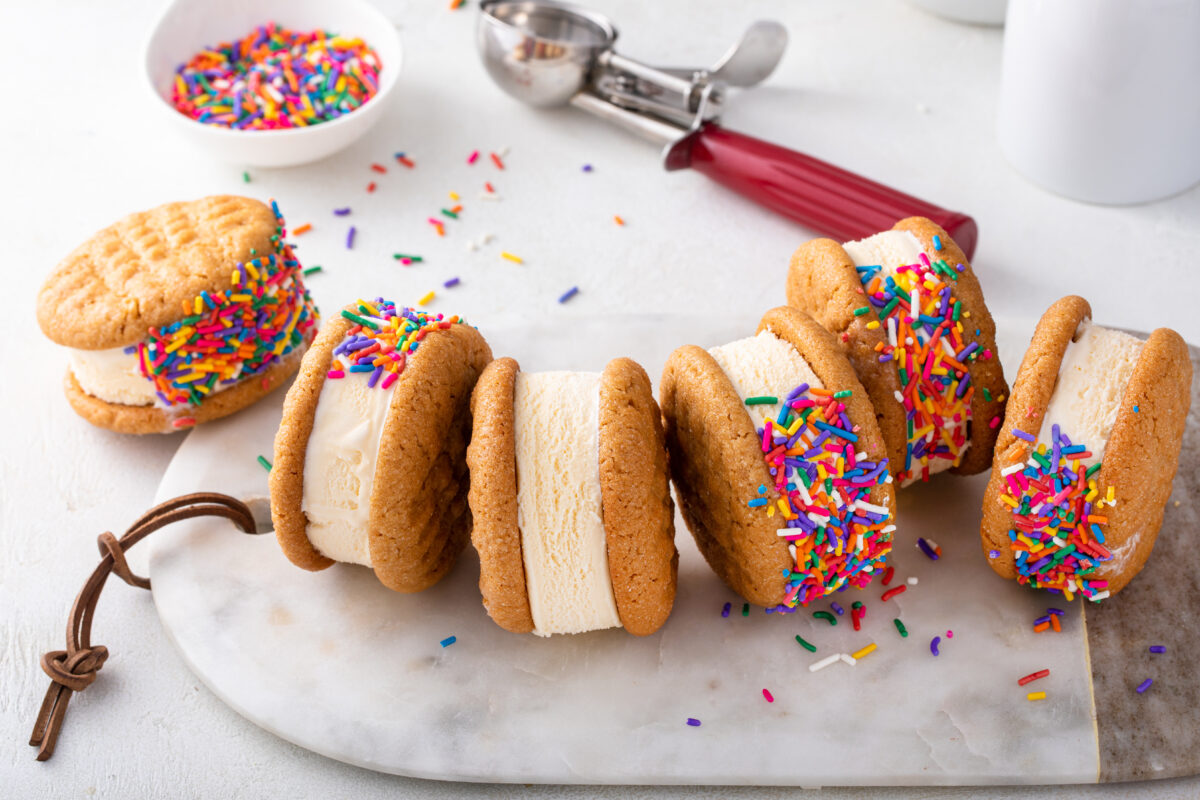
Working in small, controlled batches is the hallmark of the professional home cook. By keeping the bulk of the ice cream in the freezer and only pulling out the amount required for immediate assembly, the cook prevents the ice cream from reaching an overly soft consistency. Once the ice cream is sandwiched between two cookies, the edges are rolled in toppings—a process that serves both to garnish the sandwich and to seal the edges.
Phase 4: The Tempering
The final stage is the "firming" phase. The sandwiches must be placed on a baking sheet and returned to the freezer for at least two hours before being individually wrapped. This ensures that the entire unit reaches a consistent, stable temperature, allowing for clean handling and an optimal eating experience.
Supporting Data: Why Customization Matters
The versatility of the ice cream sandwich recipe is supported by its modular nature. Culinary data suggests that customization is a primary driver for home cooking engagement. By swapping the protein-rich peanut butter base for chocolate chip, oatmeal, or even sugar cookies, the consumer effectively creates a new dessert experience without altering the fundamental assembly technique.
Dietary inclusivity is also a major factor in the current popularity of this dessert. The rise of dairy-free, vegan, and gluten-free alternatives has made the ice cream sandwich accessible to a wider demographic. Substituting standard butter for plant-based fats and using coconut or almond-milk-based ice creams allows for a high-quality finished product that remains true to the original concept.
Furthermore, the "holiday-ready" nature of the dish—achieved by simply changing the color of the sprinkles or the theme of the toppings—makes it a perennial favorite for seasonal events, from Fourth of July barbecues to festive winter gatherings.
Official Perspectives: The Culinary Implication
Culinary experts and home economists note that the resurgence of such "rebooted" classics reflects a broader cultural shift toward intentional consumption. When a host prepares a dessert from scratch, it serves as a form of hospitality that mass-produced items cannot replicate.
"The homemade ice cream sandwich is the quintessential summer project," says Sarah Jenkins, a food consultant specializing in family-friendly desserts. "It is technically accessible enough for novice cooks, yet sophisticated enough to be customized for an adult palate. The shift from store-bought to homemade represents a move toward valuing the process of creation as much as the consumption itself."
The implications of this shift extend to waste reduction and ingredient transparency. By purchasing ice cream in larger, high-quality containers and baking fresh cookies, households can significantly reduce the plastic waste associated with individually packaged frozen treats. Additionally, the ability to control portion sizes—by adjusting the size of the cookie scoop—addresses the ongoing demand for mindful indulgence.
Implications: The Future of Frozen Treats
The movement toward artisanal, homemade frozen desserts is not merely a temporary trend; it is a permanent adjustment in how families approach dessert. As kitchen technology improves—such as the accessibility of high-powered mixers and precision freezers—the barrier to entry for complex culinary projects continues to lower.
The "Make-Ahead" potential of the ice cream sandwich is perhaps its most significant implication for modern, time-poor households. Because the sandwiches can be stored for up to a month, they function as a "prepared convenience" food. This ability to have a gourmet dessert ready in the freezer at a moment’s notice changes the dynamic of home entertaining, removing the stress of last-minute preparation.
Ultimately, the homemade ice cream sandwich represents a convergence of nostalgia and modernity. It honors the classic flavor pairings of our collective past—peanut butter and vanilla—while embracing the high standards of the contemporary culinary landscape. Whether served at a backyard celebration or enjoyed as a quiet, late-night treat, these sandwiches serve as a reminder that the most delicious innovations are often those that take a familiar, beloved concept and refine it to perfection.
As we look toward future summers, the evolution of this treat will likely continue to embrace new flavor profiles, including exotic fruit swirls, botanical-infused cookies, and sophisticated textural inclusions. Yet, the core tenets—soft cookies, creamy centers, and a touch of joy—will remain the gold standard for the quintessential frozen dessert.