In the evolving landscape of home baking, the intersection of health-conscious nutrition and classic comfort food has often been a point of contention. For years, the "protein cookie" was synonymous with dense, chalky, or overly nutty snacks that prioritized macronutrients over the sensory joy of a traditional bakery-style treat. However, a new approach to recipe development is challenging this status quo. By pivoting away from heavy nut-butter bases, bakers are now crafting chocolate chip cookies that offer a significant nutritional boost—10 grams of protein per serving—without sacrificing the buttery, chewy texture that defines the quintessential American cookie.
Main Facts: The New Standard for Protein Baking
The fundamental challenge in baking with protein powder is its tendency to absorb moisture aggressively, which frequently results in a dry, crumbling end product. Traditional protein cookie recipes have historically relied on dense nut butters (like almond or peanut butter) to mask this texture, which fundamentally alters the flavor profile.
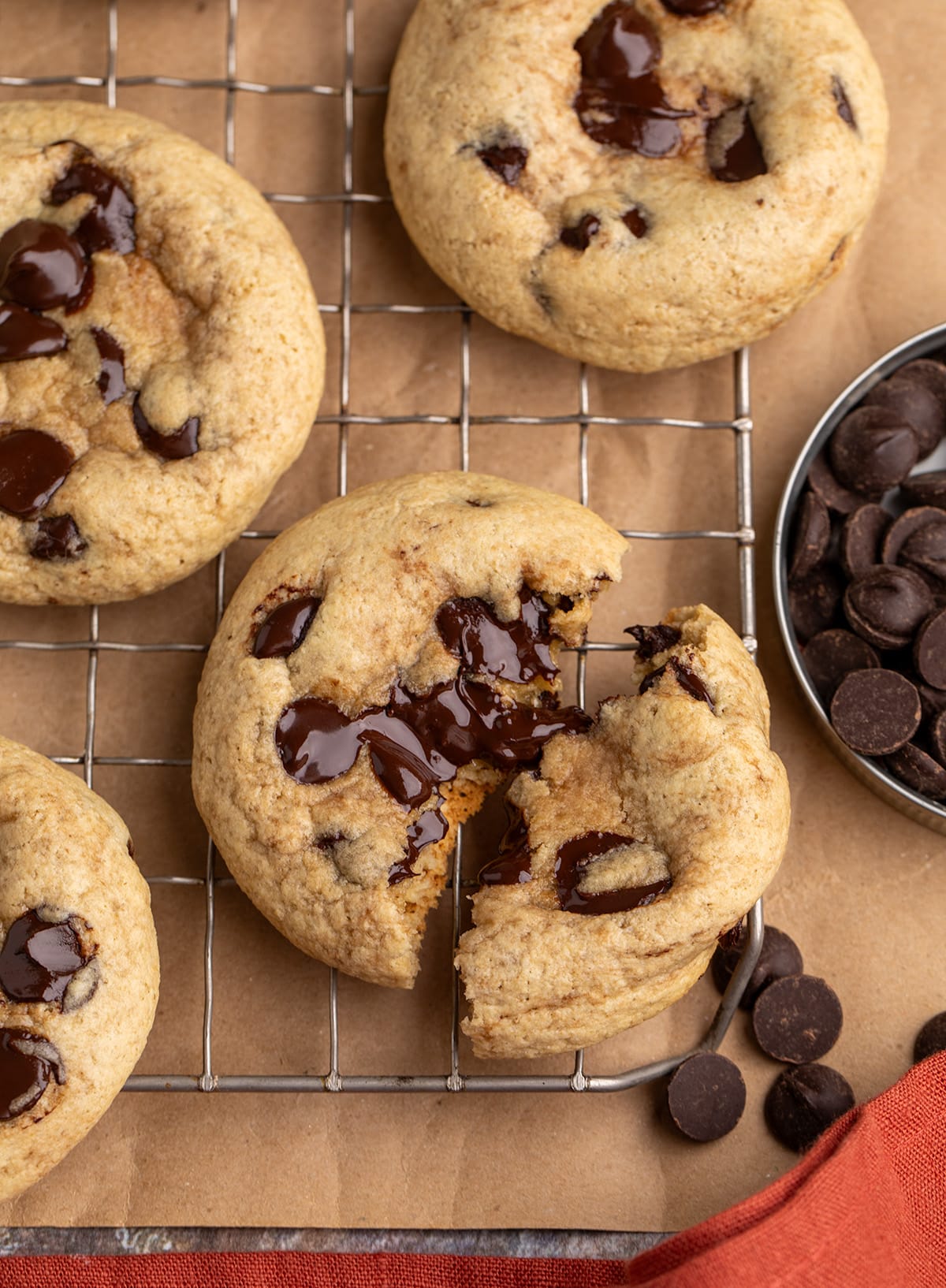
The latest culinary methodology, championed by experts like Nicole Hunn of Gluten Free on a Shoestring, utilizes a structural shift. Instead of relying on nut butters, this innovative approach incorporates finely ground oat flour and a precise ratio of melted butter and eggs. This combination creates a stable, tender crumb that acts as a canvas for the protein supplement. The result is a cookie that tastes, feels, and satisfies like a classic chocolate chip cookie, effectively disguising its functional nutritional profile.

Chronology: The Evolution of the Protein Cookie
The trajectory of the protein cookie has moved from the supplement-heavy "gym snack" of the early 2010s to the mainstream pantry staple of today.
- The Early Era (2010–2015): Protein cookies were largely commercially manufactured, characterized by high-fiber, low-sugar formulas that often featured a distinct "chemical" aftertaste. Home recipes were rudimentary, often just protein powder mixed with banana or egg whites, yielding a rubbery texture.
- The Rise of Alternative Flours (2016–2020): As gluten-free baking became more sophisticated, home bakers began experimenting with almond and coconut flours. While these yielded better textures, they were often calorie-dense and lacked the specific protein-to-carbohydrate balance sought by athletes.
- The Modern Refinement (2021–Present): We have entered an era of "culinary precision." Current recipes focus on the specific chemistry of baking. By understanding the leavening properties of baking soda and the hydration requirements of oat flour, developers have successfully created recipes that mimic the "bakery-bought" experience while maintaining a high protein content. The focus has shifted from merely adding protein to engineering a structure that supports it.
Supporting Data: Macronutrients and Nutritional Impact
For those tracking their nutritional intake, the appeal of these cookies lies in the balance between indulgence and utility. Based on standard calculations, a single cookie provides approximately 284 kcal. While this is comparable to a traditional bakery cookie, the composition is markedly different.
Nutritional Profile per Serving:
- Protein: 10g (Derived from high-quality whey or collagen isolates)
- Carbohydrates: 28g
- Total Fat: 15g
- Fiber: 2g
- Sugar: 16g
The inclusion of 10 grams of protein per cookie positions these as a viable post-workout snack or a mid-afternoon energy bridge. Unlike mass-market bars that may contain hidden fillers or sugar alcohols, this home-baked version relies on recognizable pantry staples. The use of finely ground oat flour provides a slower-digesting carbohydrate compared to refined white flour, offering a more sustained energy release.
Culinary Methodology: The Science of the "Soft Bake"
Achieving the perfect texture is less about the ingredients and more about the thermal management of the dough. The most critical instruction in this specific baking methodology is the "early extraction" technique.
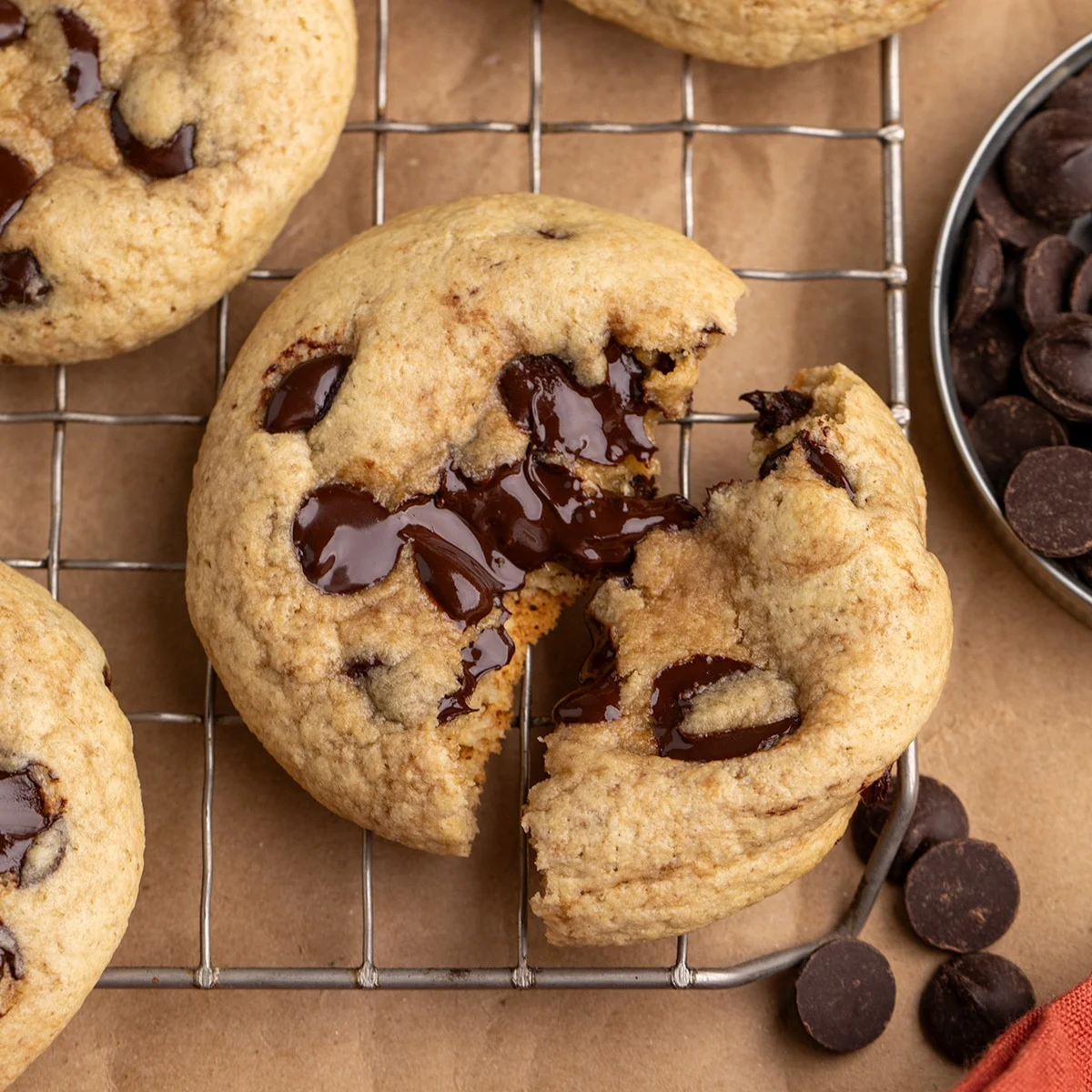
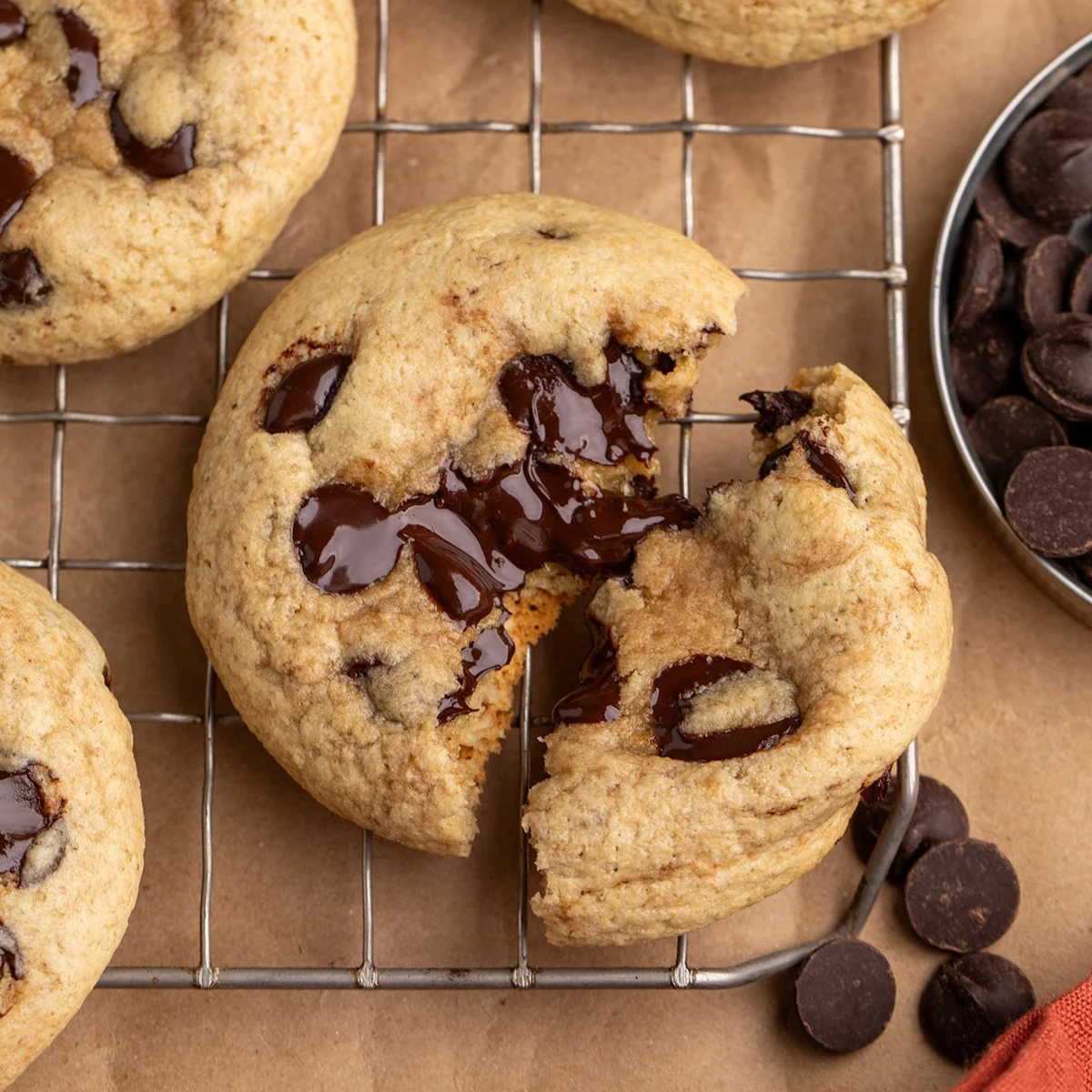
To prevent the protein powder from drying out the structure, the cookies must be removed from the oven when they appear visibly under-baked. When the edges are just beginning to show a golden-brown hue but the center remains pale and slightly soft, the carry-over heat will finish the setting process during the cooling phase. This is the "Goldilocks zone" of baking: it preserves the internal moisture and ensures the cookie retains its soft, chewy mouthfeel for up to five days when stored correctly.
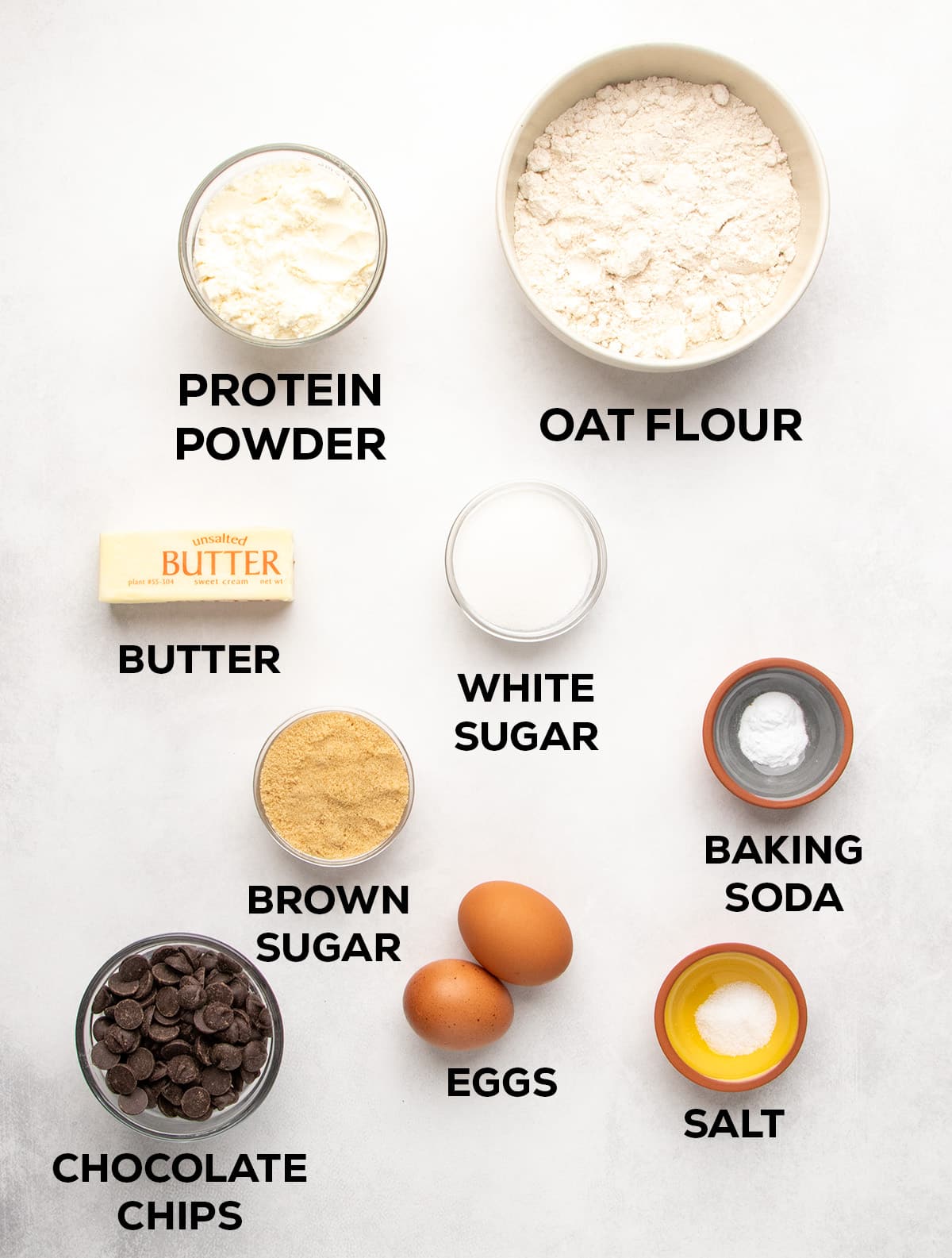
Furthermore, the technique of creating a "well" in the dry ingredients before adding wet components is not merely a matter of convenience; it is a chemical strategy. By incorporating melted butter and eggs into a contained center, the baker prevents over-mixing. Over-mixing leads to the development of a stringy, tough batter, which is catastrophic when working with high-protein flours.
Implications for Dietary Restrictions
The versatility of this recipe framework offers significant implications for those with specific dietary needs, such as gluten intolerance, dairy sensitivities, or egg allergies.
Addressing Allergen Constraints
- Dairy-Free: Replacing dairy butter with high-quality block-style vegan butter (such as Miyoko’s or Melt) allows for a seamless transition. For those who cannot tolerate whey, collagen peptides provide a similar structural integrity, though the texture may vary slightly.
- Oat-Free: For individuals with celiac disease or specific oat sensitivities, the substitution of super-finely ground almond flour or quinoa flakes provides an effective structural alternative.
- Egg-Free: The use of "chia eggs" (a mixture of ground white chia seeds and water) or commercial plant-based egg replacers has proven effective in maintaining the binding necessary for these cookies.
Sugar Alternatives and Their Limitations
A common question in the health-conscious community is whether sugar can be entirely removed in favor of zero-calorie sweeteners. While sugar substitutes like monk fruit or stevia blends (e.g., Lakanto) are technically compatible, they come with a culinary cost. Sugar serves a dual purpose: it provides sweetness and acts as a humectant, locking moisture into the baked good. Removing sugar causes the cookies to dry out significantly faster. For those aiming to reduce sugar, a gradual reduction or a partial substitution is recommended over a complete overhaul of the recipe.
Storage and Sustainability
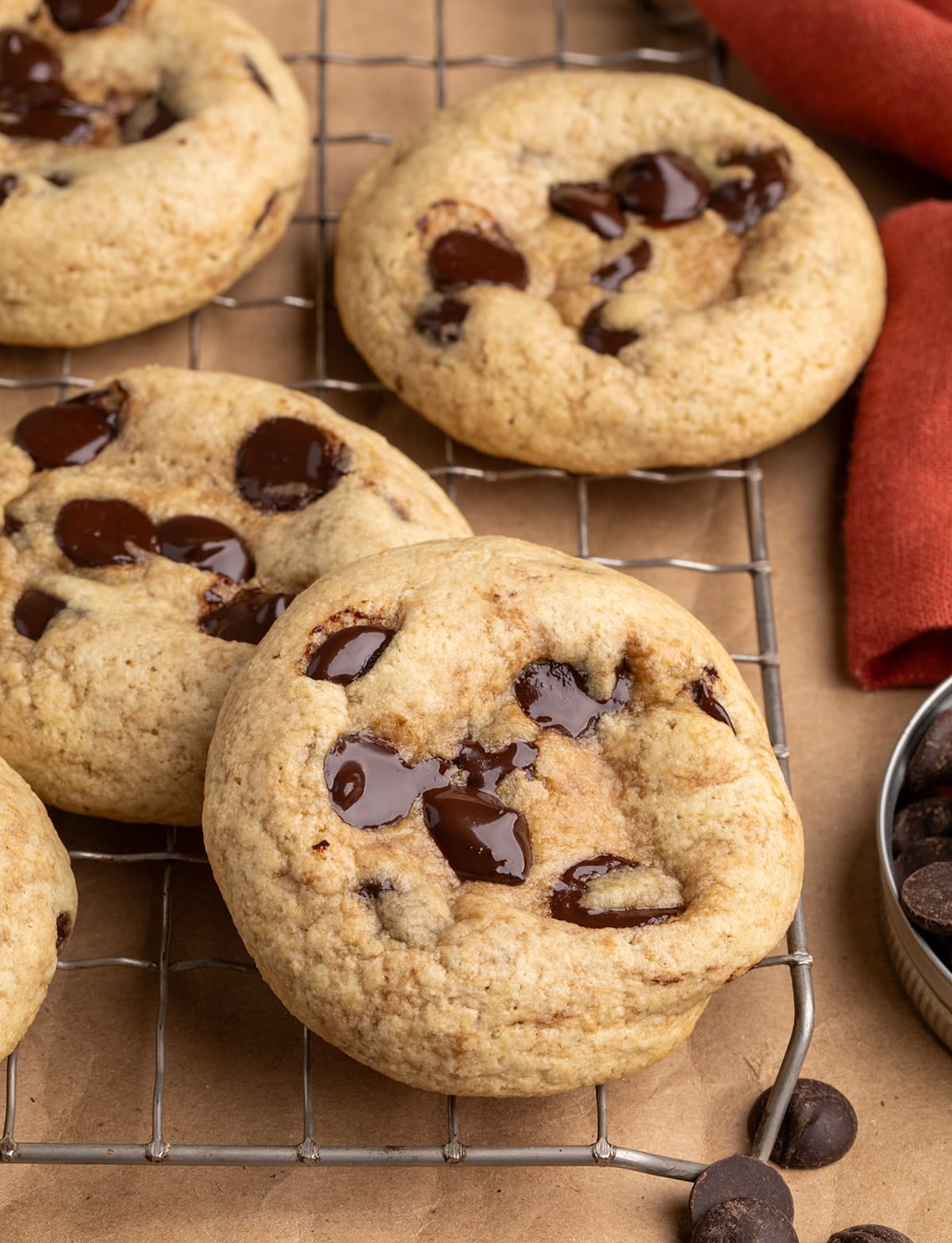
A hallmark of a successful home recipe is its longevity. These cookies are designed to be stored at room temperature for five days in an airtight container. However, for those who bake in batches, the freezer is an ideal environment. By freezing the dough or the finished cookies in a zip-top freezer bag, the shelf life extends to approximately three months.
To ensure the best experience, it is advised to allow frozen cookies to thaw at room temperature for a short period before consumption. This ensures the chocolate chips reach a palatable texture, avoiding the "hard-snap" effect that occurs when chocolate is consumed directly from sub-zero temperatures.
Conclusion: The Future of Functional Baking
The success of the modern protein chocolate chip cookie signals a broader trend in food technology and home cooking: the "democratization of nutrition." We are moving away from the era where "healthy" meant a compromise on flavor or texture.

By leveraging the chemistry of ingredients like oat flour and the precision of temperature-controlled baking, home bakers are now capable of producing high-protein snacks that rival professional products. Whether for the athlete needing a convenient protein source or the casual baker looking to add a nutritional edge to their favorite dessert, the formula is clear: focus on the structural integrity of the base, respect the limitations of the protein supplement, and never underestimate the value of a perfectly timed oven timer. As we continue to refine these recipes, the line between "nutrition" and "treat" will continue to blur, making a healthier lifestyle feel less like a restriction and more like an indulgence.