For many home cooks, the leap from perfecting a pan-seared chicken breast to tackling a plate of scallops feels like crossing an ocean. There is a persistent, lingering trepidation surrounding seafood preparation—a fear of overcooking, under-seasoning, or falling victim to the dreaded “fishy” aroma. Yet, professional chefs and culinary experts, including renowned cookbook author Erin Clarke, are debunking the myth that seafood is an exclusive domain for high-end restaurants.
The truth is both surprising and liberating: seafood is, in many ways, more accessible, faster to cook, and more forgiving than the terrestrial proteins we rely on daily. By mastering a few fundamental principles—sourcing, storage, and thermal management—the home cook can transform their weekly meal rotation from routine to restaurant-quality.

The Core Facts: Why Seafood Belongs in Your Kitchen
The primary barrier to entry for most home cooks is a lack of technical confidence. We are taught to rely on visual cues for steak or chicken, but fish and shellfish operate on a different biological timeline.
Efficiency and Speed
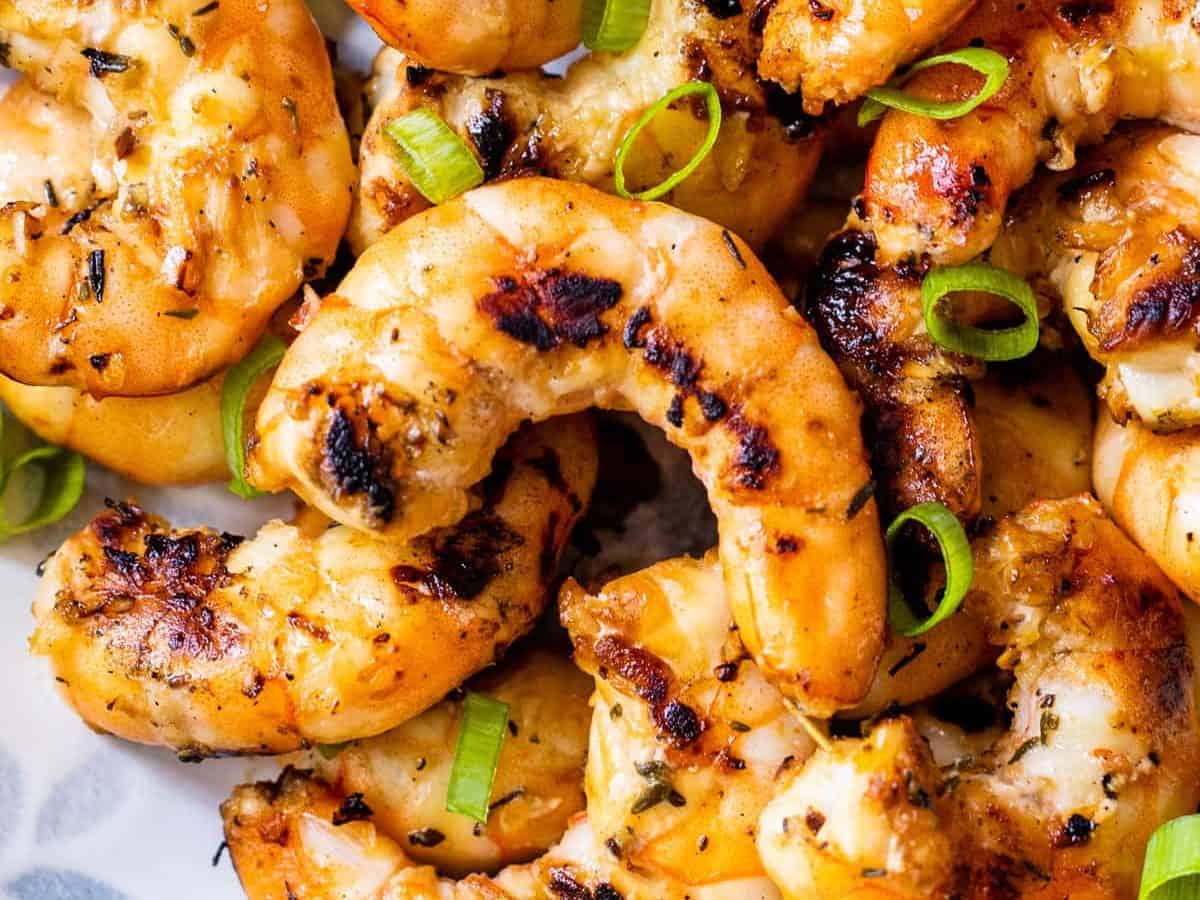
The most compelling argument for increasing seafood consumption is its efficiency. While a whole chicken may require an hour in the oven and a thick steak demands precise timing, most fish fillets reach culinary perfection in under 15 minutes. Shrimp, the gateway protein for many seafood beginners, can be sautéed or grilled in as little as five minutes. Scallops, often viewed as the "final boss" of home cooking, require even less time. This rapid cook time makes seafood an ideal candidate for busy weeknights, offering a sophisticated dinner experience without the necessity of long-form preparation.

Nutritional and Culinary Implications
Beyond the time-saving benefits, seafood offers a dense profile of lean protein and essential omega-3 fatty acids. By bringing these meals into the home, cooks gain full control over the quality of fats and the sodium content of their dishes—factors often overlooked in restaurant preparations.
The Chronology of Excellence: From Market to Plate
To understand how to cook seafood, one must first understand how to source and handle it. The path to a perfect meal begins long before the pan is heated.
The "Fresh vs. Frozen" Myth
Perhaps the most pervasive misconception in the seafood industry is the absolute superiority of “fresh” fish. In coastal regions, buying directly from a local catch is indeed ideal. However, for the majority of the population residing inland, the term "fresh" at a supermarket counter can be misleading. Much of the seafood displayed on ice at grocery stores has been previously frozen and thawed for presentation.
Conversely, modern flash-freezing technology has revolutionized the industry. Seafood that is processed and frozen at the moment of harvest often retains higher quality, texture, and flavor than "fresh" fish that has spent days in transit. When shopping, consumers should prioritize reputable retailers that offer "frozen at sea" products. This ensures that the degradation process—which begins the moment a fish leaves the water—is halted, providing the home cook with a premium product.
The Storage Protocol
Seafood is highly perishable, necessitating a strict protocol once it arrives at your home:
- Immediate Refrigeration: If not cooking immediately, move your fish to the coldest part of the refrigerator.
- Moisture Control: Fish should be kept dry but not sealed in airtight plastic, which can accelerate spoilage. Using a bed of crushed ice in a colander set over a bowl is a professional technique to maintain temperature while allowing for proper drainage.
- The 24-Hour Rule: Fresh (thawed) seafood should ideally be consumed within 24 hours of purchase to ensure peak flavor and safety.
Supporting Data: Techniques for Success
Expertise in the kitchen is rarely about luck; it is about applying consistent scientific techniques. Whether you are baking, searing, or grilling, the following principles are non-negotiable.
1. The Importance of Surface Moisture
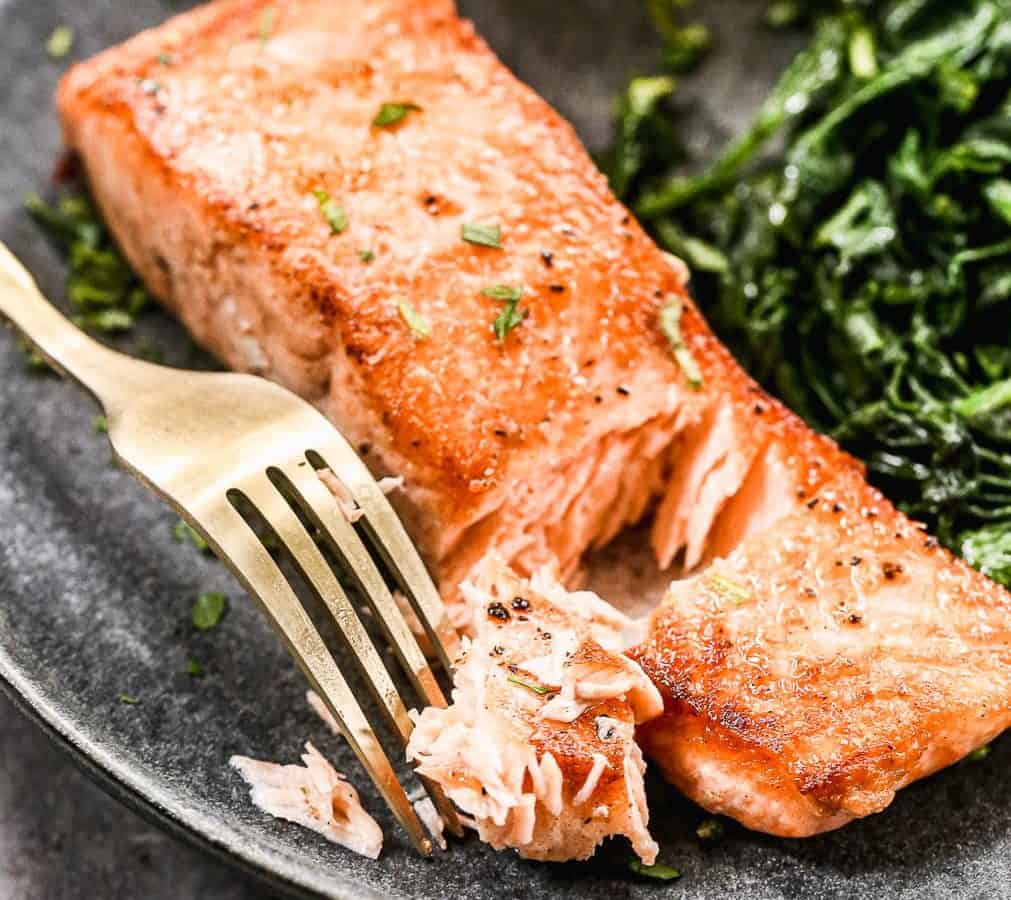
The most common mistake when pan-searing scallops or fish is introducing wet proteins to a hot pan. Water creates steam, and steam prevents the Maillard reaction—the browning process that produces rich, complex flavors. Always pat your seafood dry with a high-quality paper towel before seasoning.
2. Understanding Residual Heat
Seafood proteins are delicate. Unlike beef, which continues to cook significantly after being pulled from the heat, fish is highly sensitive to carry-over cooking. A good rule of thumb is to remove the fish from the heat source when it is just slightly translucent in the center. The residual heat will finish the process, ensuring the texture remains buttery and tender rather than chalky and dry.
3. Temperature as a Guide
For those who suffer from "cooking anxiety," an instant-read digital thermometer is the most reliable tool. The USDA recommends an internal temperature of 145°F (63°C) for finfish. However, many chefs prefer pulling delicate white fish at 135°F to allow for the rise in temperature during resting.
Official Guidelines and Best Practices
When integrating these ingredients into your routine, follow these curated approaches to ensure consistent success:
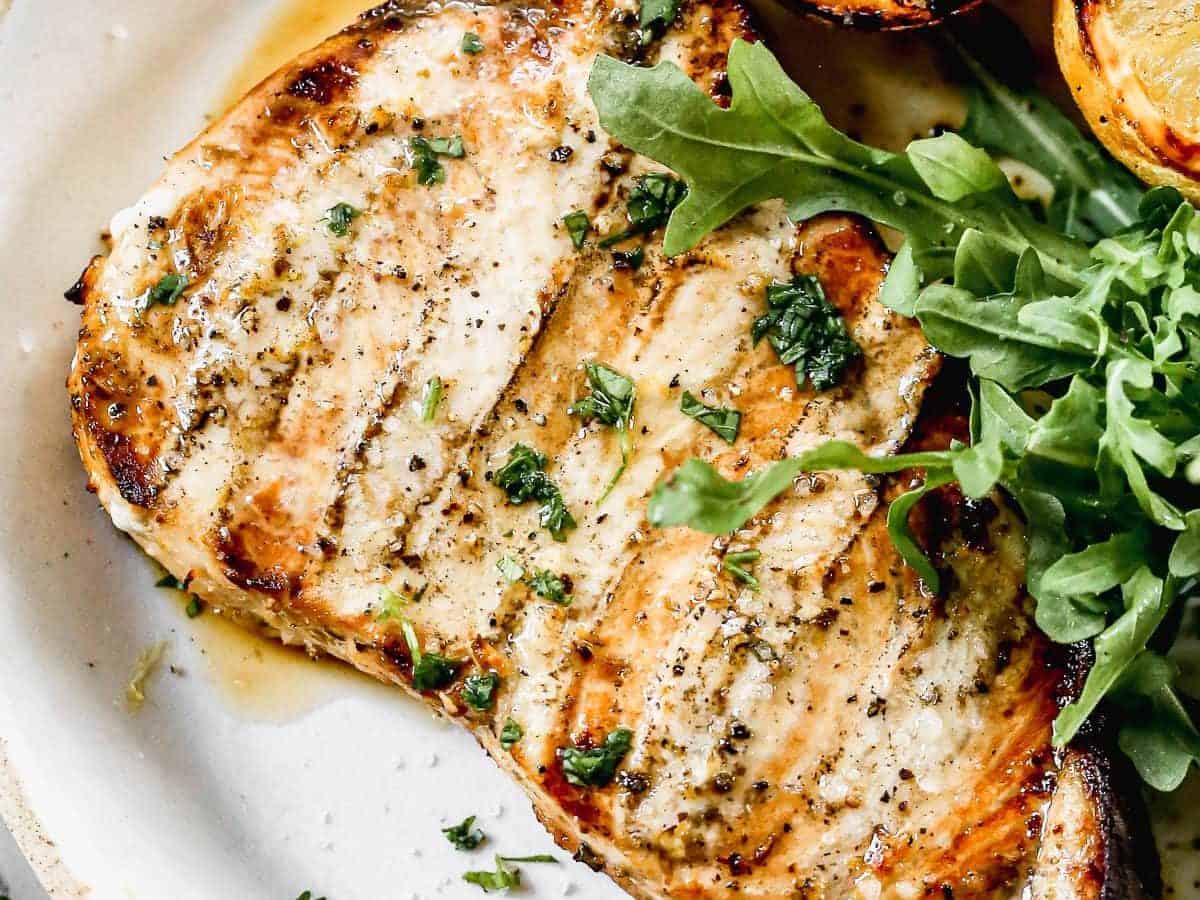
- The Approachable Start: Begin with sturdy, mild-flavored fish like Cod or Halibut. These species have a lower risk of falling apart during flipping and are excellent vessels for simple aromatics like lemon, garlic, and fresh herbs.
- The "Seasoning" Philosophy: Avoid the urge to over-complicate. A high-quality sea salt, cracked black pepper, and a touch of fat (such as olive oil or butter) are often sufficient to highlight the natural sweetness of the sea.
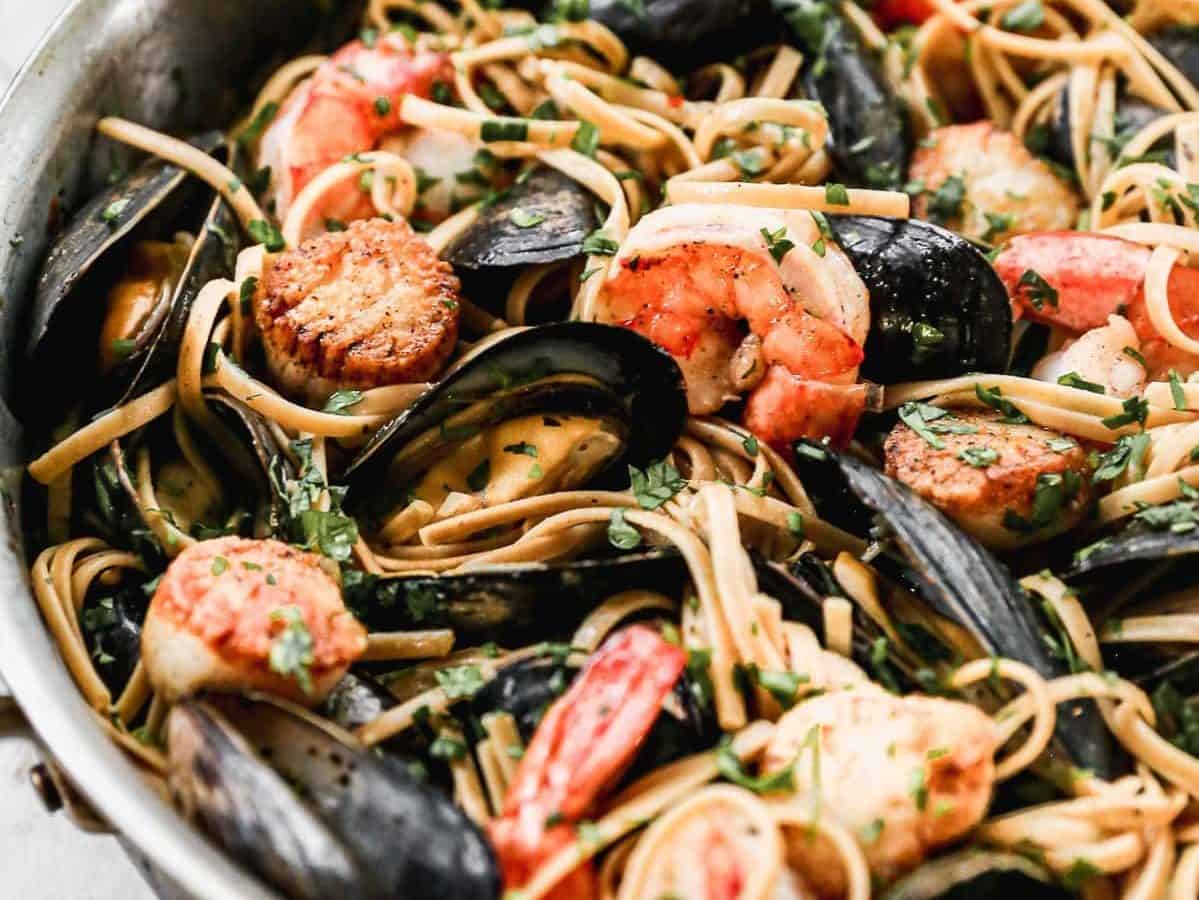
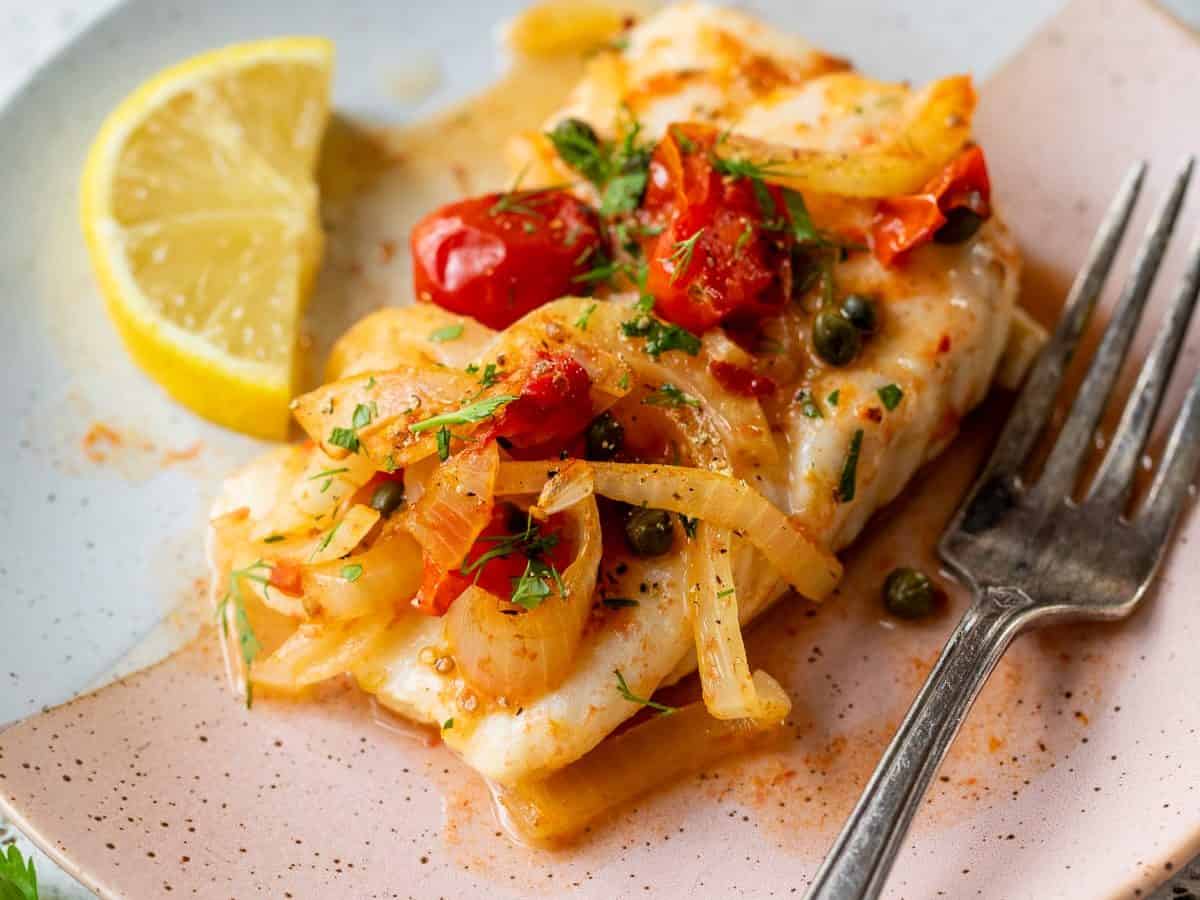
- The "One-Pan" Strategy: As demonstrated by the popularity of skillet-based seafood pastas, cooking fish directly in a flavorful liquid (a technique known as poaching or braising) eliminates the stress of timing separate components. It allows the flavors to meld, creating a cohesive, restaurant-worthy dish with minimal cleanup.
Implications: A Shift in Home Cooking Culture
The movement toward preparing more seafood at home is reflective of a broader shift in domestic culinary culture. As home cooks become more educated, they are moving away from the intimidation factor that once kept them tethered to simple chicken or ground beef recipes.
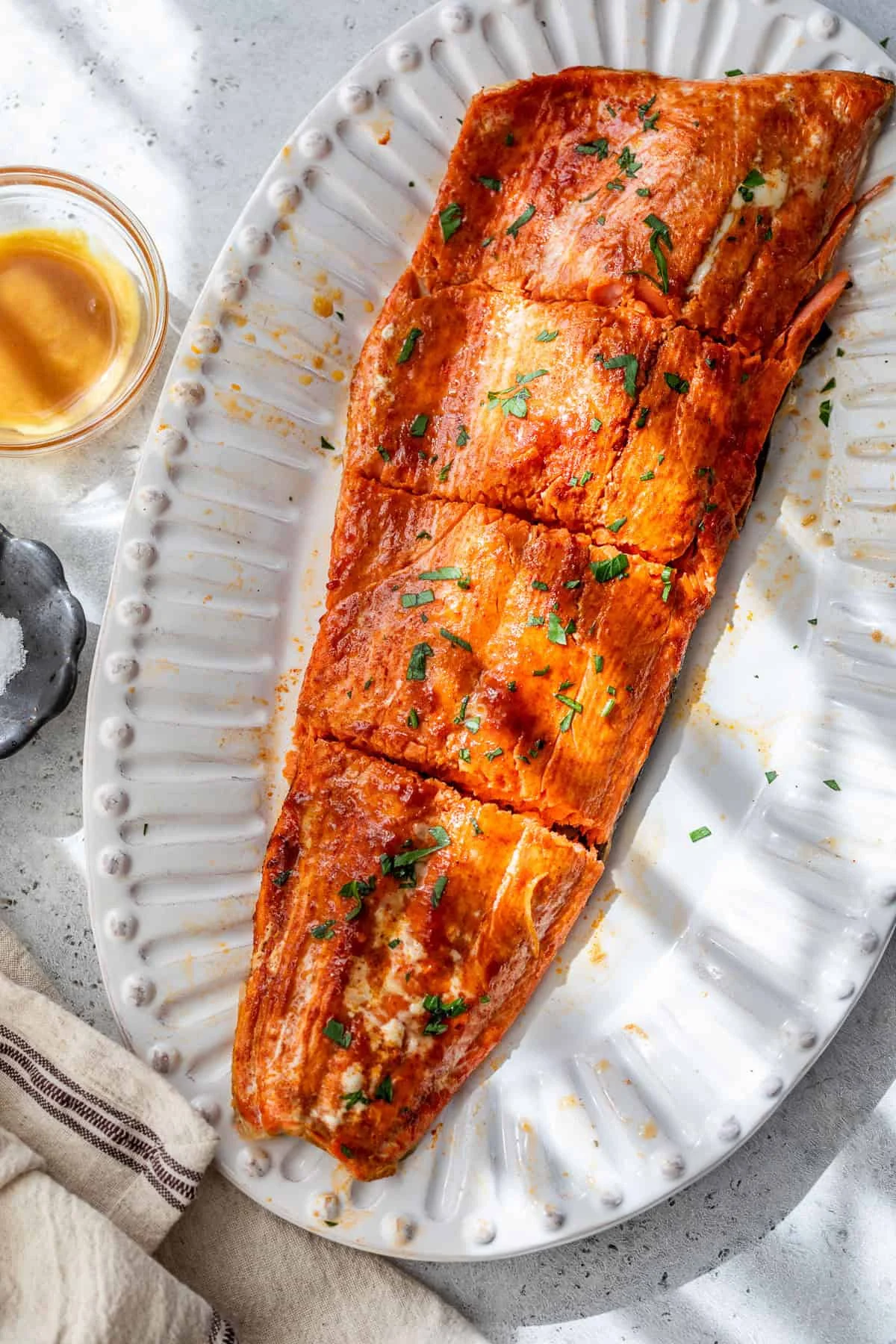
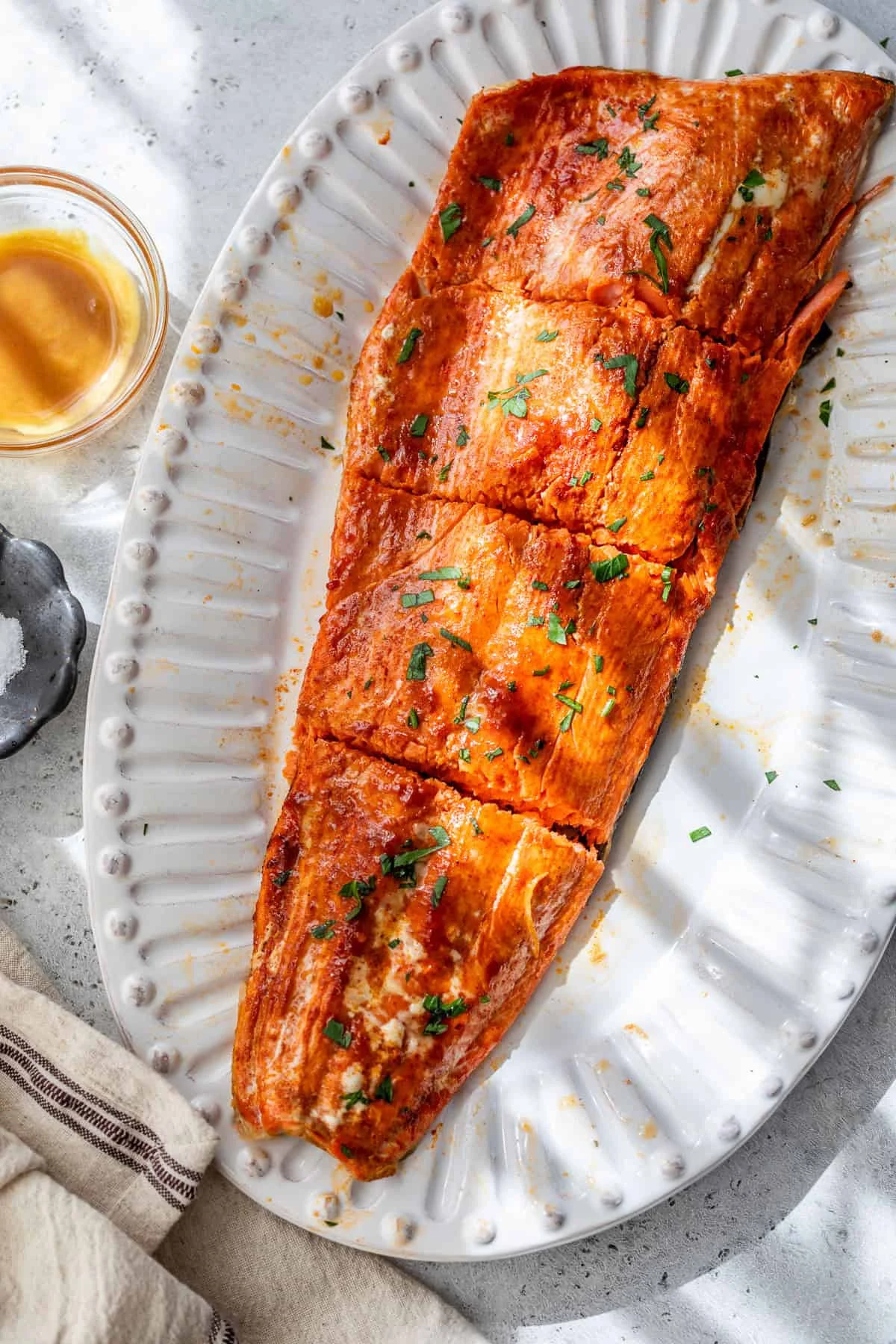
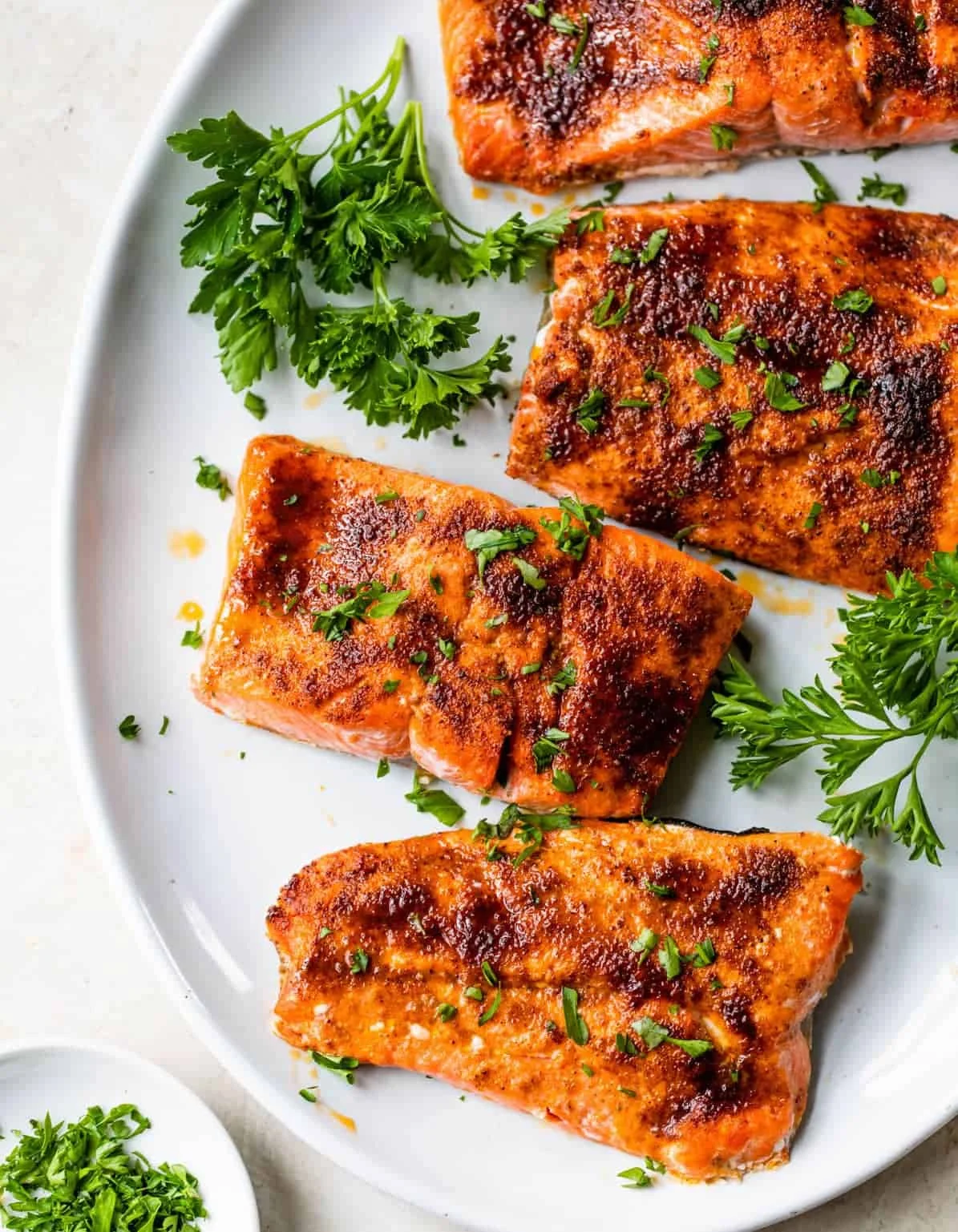
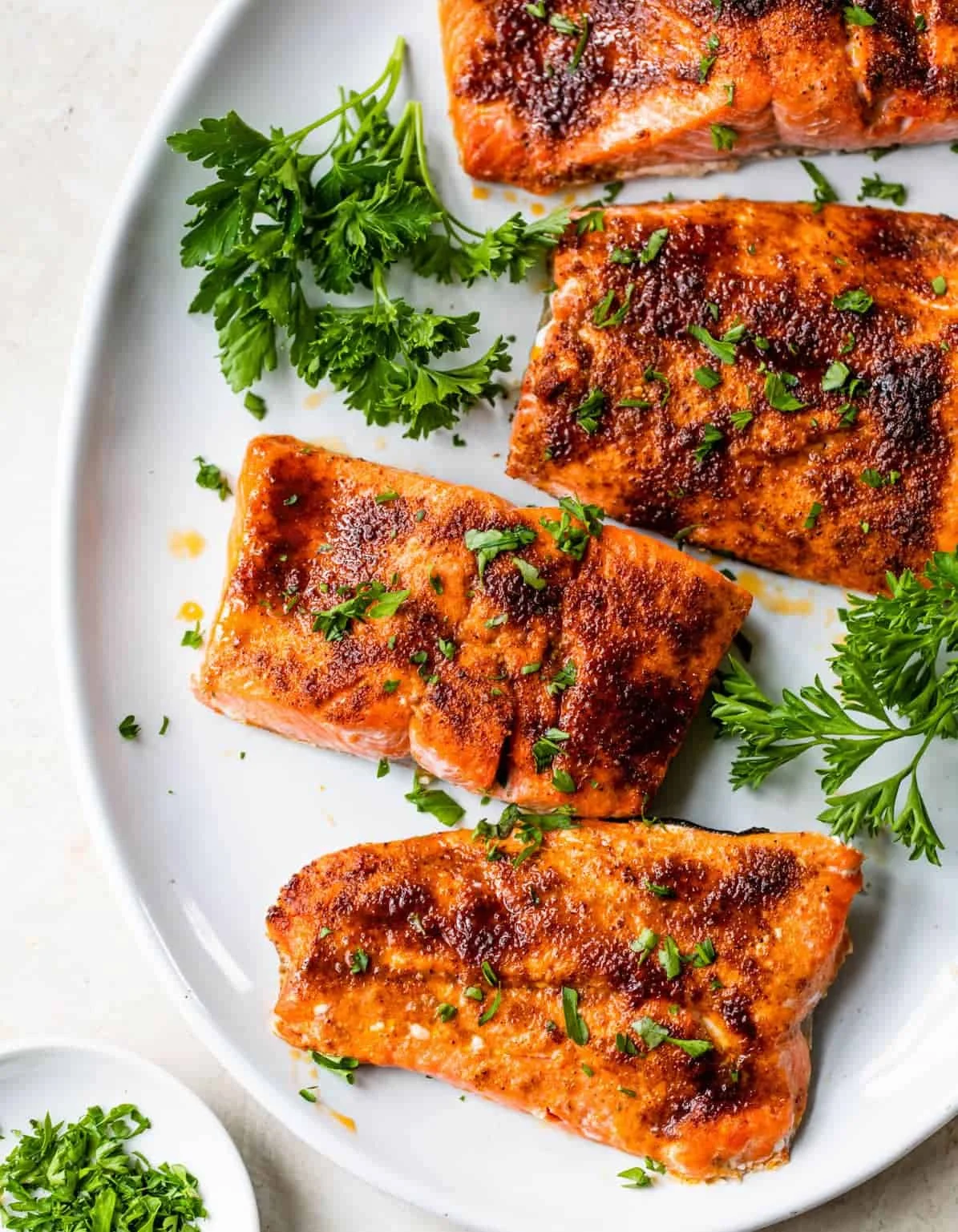
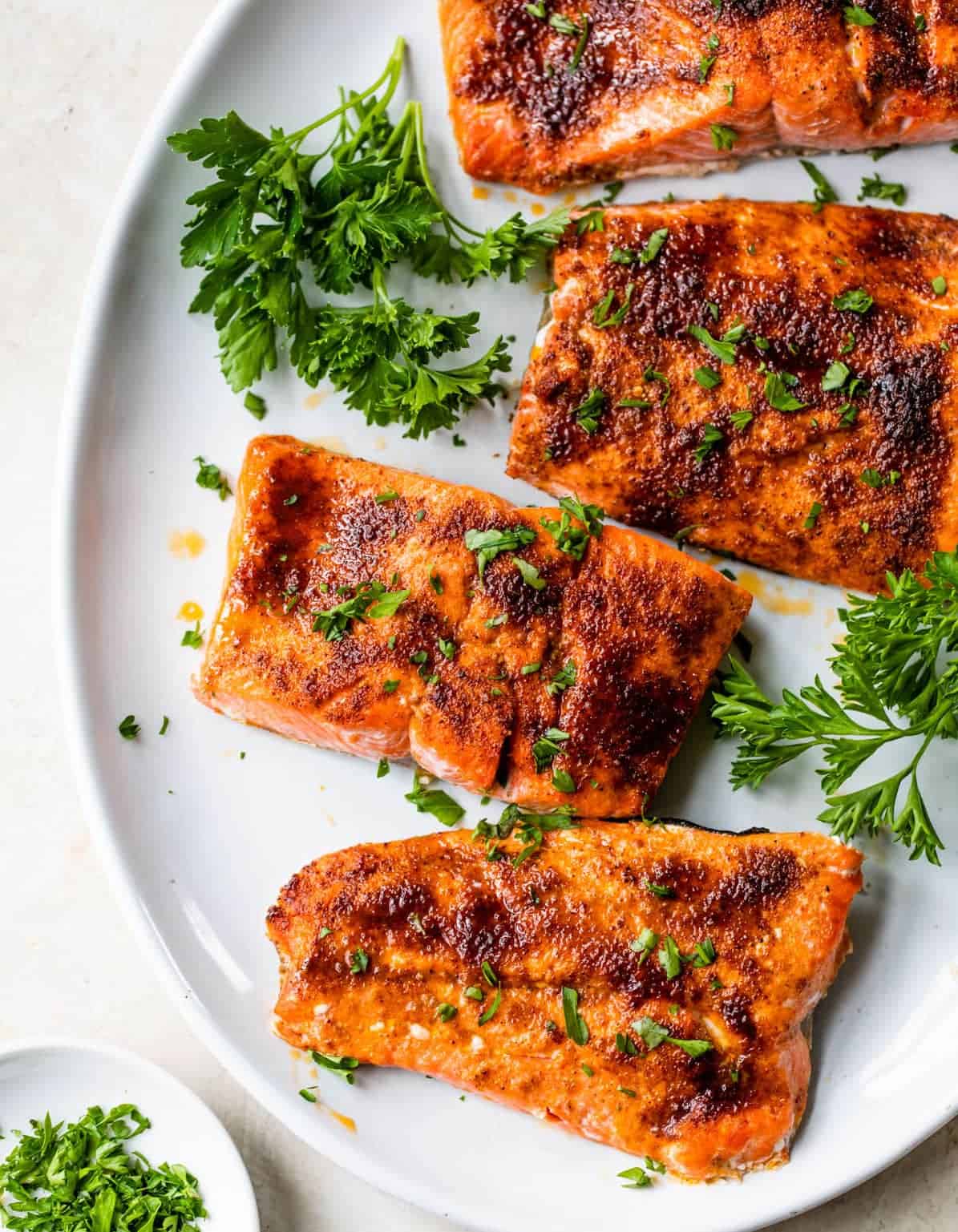
When you conquer the art of searing a scallop or baking a perfect salmon fillet, the psychological barrier of "professional-only" cooking evaporates. This confidence encourages experimentation with different spices, techniques, and species, leading to a more diverse and healthier diet.
Furthermore, by moving seafood into the home kitchen, we become more conscious consumers. We begin to pay attention to where our food comes from, how it is caught, and the seasonality of different species. This informed approach not only improves the dinner table experience but also supports more sustainable fishing practices.
Conclusion: Your Path to Mastery
There is no "secret" to professional seafood—only the application of patience, respect for the ingredient, and a willingness to learn from the first few attempts. Whether you are a novice looking to impress at a dinner party or a busy parent seeking a 15-minute meal that feels like a treat, the ocean provides the perfect solution.
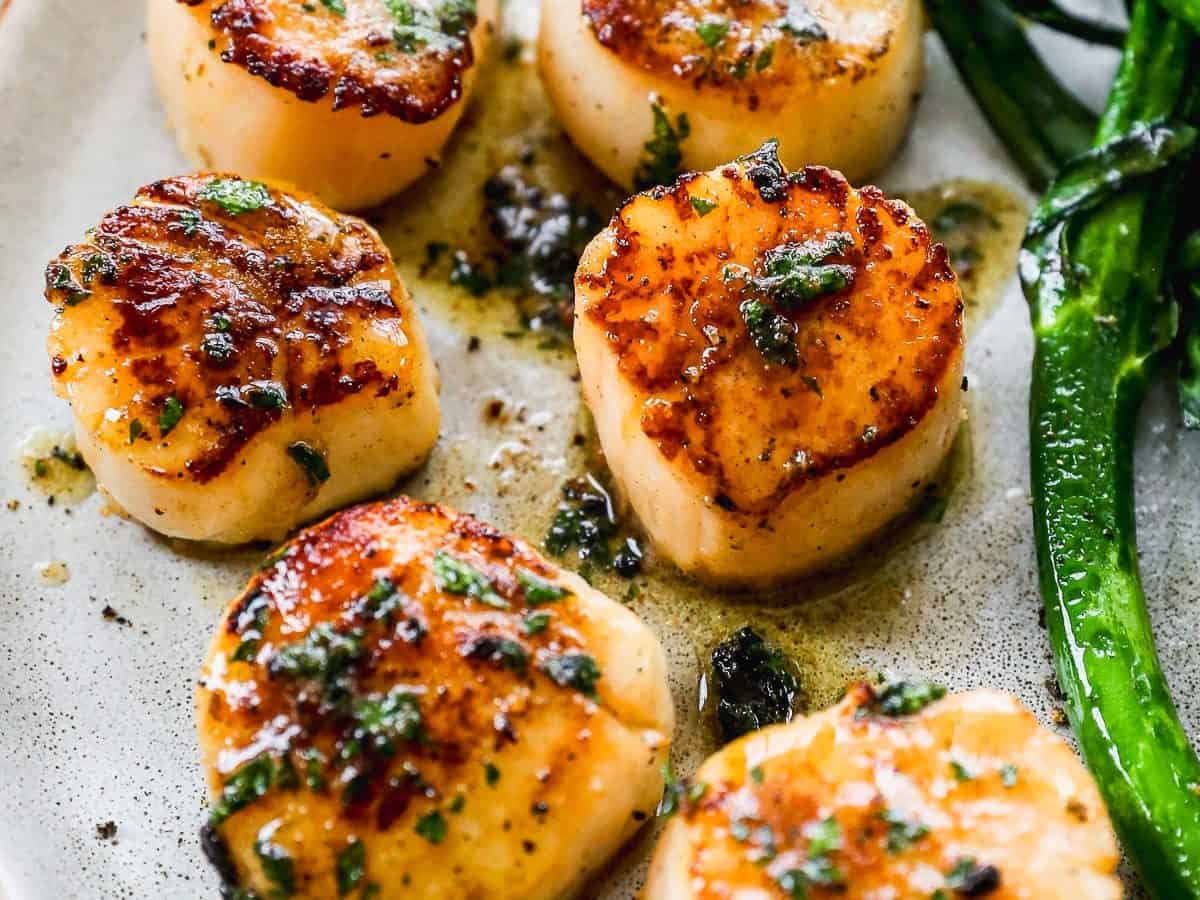
By starting with reliable recipes—like a simple pan-seared scallop or a well-seasoned baked cod—you can build a repertoire that turns any day of the week into an occasion. As you continue your culinary journey, remember: the best seafood dinner is not found at a restaurant, but in your own kitchen, perfectly cooked to your own standards.
For those ready to take the next step, consider investing in a high-quality instant-read thermometer and experimenting with fresh, flash-frozen fillets from your local market. Happy cooking!