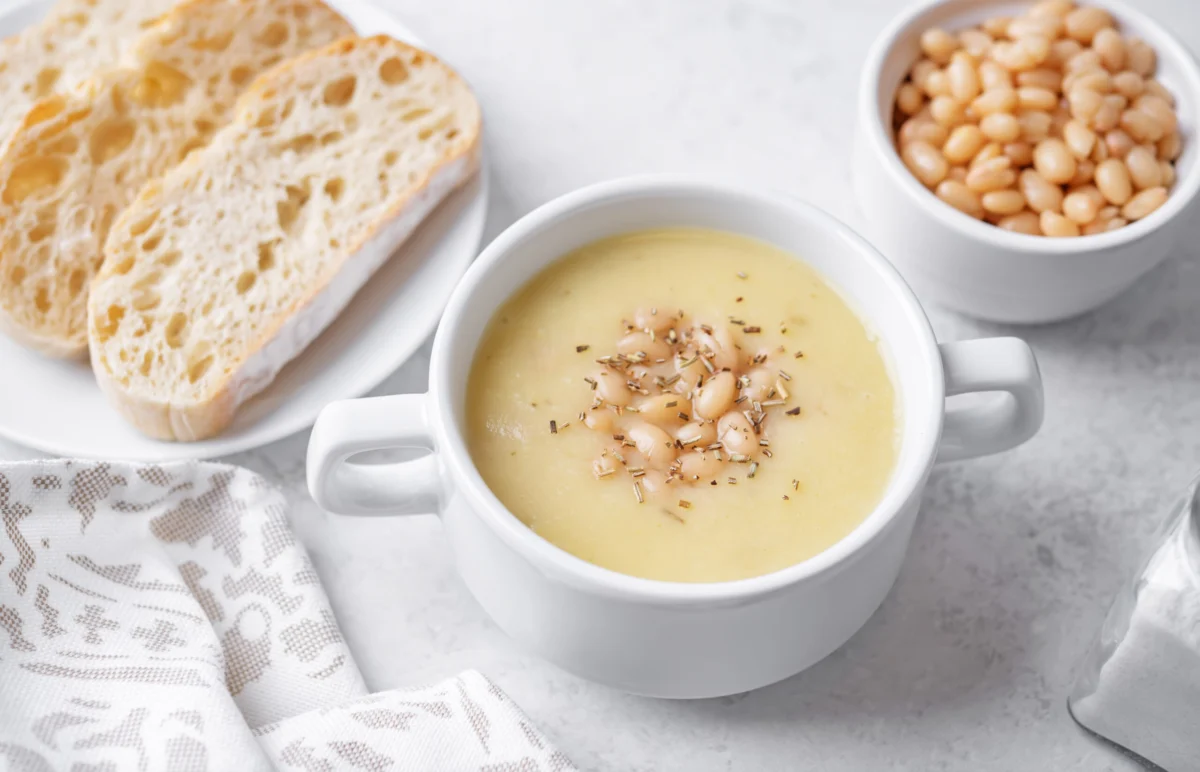
In the landscape of modern home cooking, few dishes capture the intersection of comfort, nutrition, and efficiency quite like a well-executed creamy white bean soup. As temperatures drop and the cadence of daily life accelerates, the demand for "one-pot" meals that do not rely on processed convenience foods has surged. This creamy white bean soup has emerged as a culinary gold standard, offering a velvety, indulgent mouthfeel without the need for excessive heavy cream or complex preparation techniques.
By leveraging the natural starch content of legumes, home cooks are discovering that they can achieve restaurant-quality texture with nothing more than a blender and a few pantry staples. This article explores the mechanics of this dish, the best ingredients to employ, and why it has become a cornerstone of contemporary family dining.
Main Facts: The Anatomy of a Perfect Soup
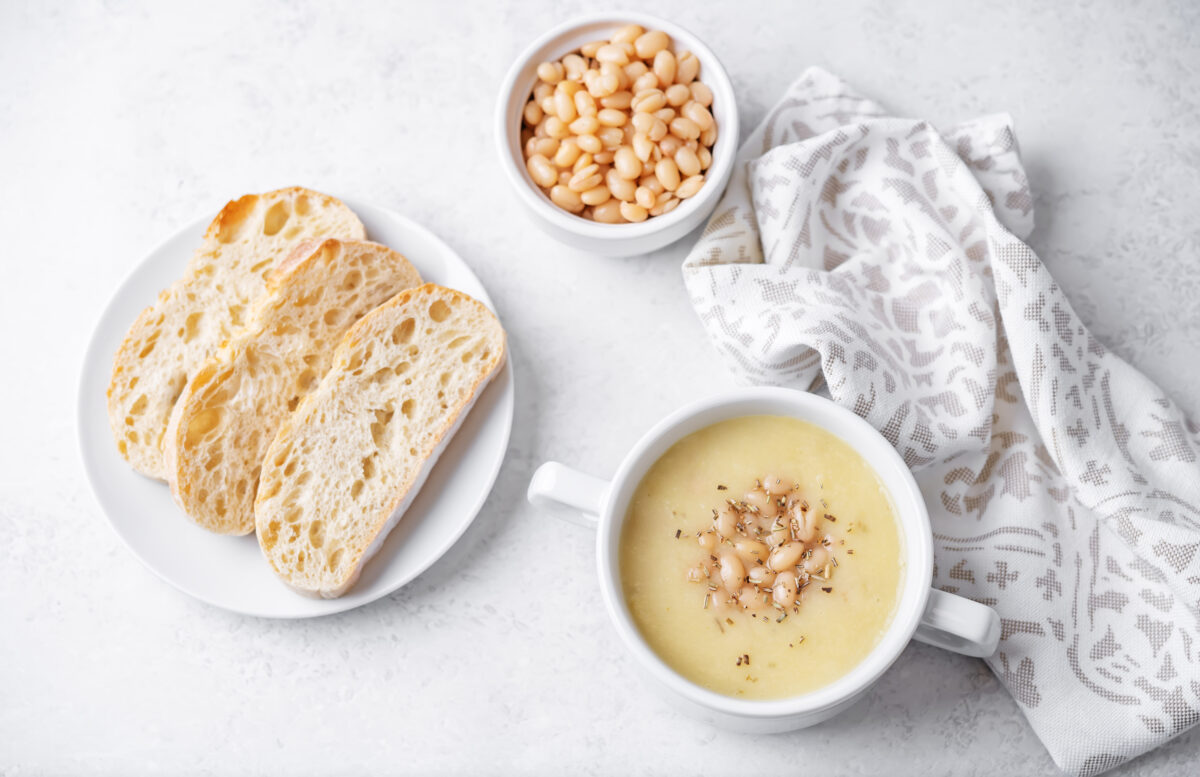
At its core, this soup is a masterclass in simplicity. The recipe relies on the synergy between tender white beans, aromatic vegetables (onions, carrots, and celery), fresh garlic, and a nuanced blend of herbs. Unlike traditional cream-based soups that rely on heavy fats to achieve body, this version utilizes the bean’s own composition to provide structure.
The "secret" lies in the blending process. By taking a portion of the simmered beans and their cooking liquid and pureeing them, the cook creates a natural thickening agent. When this puree is reintroduced to the main pot, it transforms the broth from a thin, translucent liquid into a thick, opaque, and incredibly satisfying base. This method not only enhances the texture but also ensures the soup remains nourishing, packed with fiber and plant-based protein.
Chronology: From Pantry to Table in 45 Minutes
The appeal of this dish is anchored in its streamlined preparation, which typically follows a strict 45-minute timeline:
- Preparation (0–15 minutes): The process begins with the mise-en-place. Dicing aromatic vegetables and rinsing canned beans are the primary tasks. Rinsing is a critical, often overlooked step, as it removes excess sodium and the starchy, metallic-tasting canning liquid.
- The Base (15–25 minutes): In a large pot or Dutch oven, the mirepoix (onions, carrots, and celery) is sautéed in olive oil. This is the foundation of the flavor profile. The goal is to sweat the vegetables until they are translucent and soft. The garlic is added only in the final minute of sautéing to prevent burning, which can introduce an unwanted bitter note.
- The Simmer (25–40 minutes): Broth and herbs are added, allowing the flavors to meld. This is the period where the ingredients achieve tenderness.
- The Transformation (40–45 minutes): A portion of the mixture is removed and blended. Once returned to the pot, the soup is finished with a splash of half-and-half and a dusting of Parmesan, along with a final, vital addition: a squeeze of fresh lemon juice. The acid cuts through the richness, elevating the flavor profile significantly.
Supporting Data: Selecting the Right Legume
While many home cooks view "white beans" as a monolithic category, the specific variety selected significantly impacts the final result.
- Cannellini Beans: Widely considered the gold standard for this soup, these Italian white beans possess a kidney-like shape and a skin that is thin enough to break down easily while the interior remains creamy.
- Navy Beans: Smaller and more compact, these break down faster than other varieties, making them ideal for those who prefer a smoother, thicker texture throughout the entire pot.
- Great Northern Beans: These offer a middle ground, providing a slightly firmer texture that holds up well for those who prefer their soup to have more "bite."
From a nutritional standpoint, the choice of bean is largely irrelevant, as all three varieties offer high concentrations of fiber, potassium, and magnesium. The primary consideration is the texture one hopes to achieve.
Professional Culinary Techniques for Success
Expert chefs emphasize that the difference between a mediocre soup and a memorable one often comes down to technique.
The Nuance of Blending
A common mistake is blending the entire pot. Doing so creates a soup that lacks the textural contrast of whole vegetables and beans. The most effective approach is to remove roughly one-third of the mixture, blend it, and stir it back in. This creates a "creamy-yet-chunky" balance that is far more satisfying to the palate.
Temperature Management
When introducing dairy—such as half-and-half—the soup should be kept at a low simmer. High heat can cause dairy to curdle, creating a grainy texture. Additionally, adding dairy at the very end of the cooking process preserves its fresh, milky flavor profile.
The Role of Acidity
Professional kitchens rarely serve a rich soup without an acidic component. Whether it is a splash of lemon juice or a dash of sherry vinegar, the acid acts as a "flavor brightener." It prevents the palate from becoming fatigued by the heavy, starchy components of the beans.
Implications: A Flexible Framework for Modern Diets
The beauty of this recipe lies in its adaptability. In an era of varied dietary requirements, this soup serves as a flexible framework rather than a rigid set of rules.
Catering to Dietary Restrictions
The recipe is easily converted to a dairy-free or vegan format. By omitting the Parmesan and replacing the half-and-half with a plant-based alternative—such as full-fat coconut milk, oat milk, or even a pureed cashew cream—the dish retains its velvety profile. For those seeking a deeper savory note without cheese, nutritional yeast provides an excellent umami substitute.
Increasing Protein Content
For households looking to transition away from meat-centric meals without sacrificing satiety, this soup provides a high-protein base. However, for those who require more, the inclusion of shredded rotisserie chicken or browned turkey sausage is highly recommended. These proteins can be added in the final minutes of cooking, allowing them to absorb the flavors of the broth without overcooking.
Seasonal and Pantry Variations
The soup is also a vessel for seasonal produce. In the spring, one might stir in baby spinach. In the colder months, heartier greens like kale are preferred, as they hold their structure during the reheating process. Furthermore, the inclusion of diced potatoes or cauliflower can stretch the meal further, making it an economical choice for larger families.
Storage and Sustainability: The "Better-the-Next-Day" Phenomenon
One of the most significant advantages of this soup is its longevity. Because the beans continue to absorb the broth and aromatics as they sit, the flavor profile of the soup often deepens after 24 hours in the refrigerator.
For meal preppers, this is an ideal candidate for batch cooking. It can be stored in an airtight container for up to four days. If the soup thickens too much during storage—a common occurrence due to the starch content—a simple splash of broth or water during the reheating process will restore it to its original consistency.
Freezing, while possible, requires a strategic approach. To avoid the separation that can occur when dairy-based soups are frozen, it is recommended that the cook freezes the base before adding the half-and-half and cheese. Once thawed and reheated, the dairy and acid can be whisked in at the last minute, ensuring the texture remains smooth and luxurious.
Conclusion
The resurgence of the creamy white bean soup is a testament to the modern cook’s desire for food that is simultaneously effortless and sophisticated. By stripping away the need for heavy, store-bought thickeners and relying on the inherent chemistry of the bean, this dish proves that the most comforting meals are often the simplest. Whether served on a quiet Tuesday evening with a side of crusty sourdough or prepared in advance for a busy week, it stands as a reminder that the heart of the home is, and always will be, the kitchen pot.