In the modern landscape of home cooking, the challenge is rarely about finding a recipe—it is about finding the right recipe. For busy households, the intersection of nutritional value, time efficiency, and broad palate appeal is a elusive target. Enter the Honey Mustard Salmon, a dish that has ascended to the status of a culinary staple for time-constrained families. Championed by cookbook author and culinary expert Erin Clarke of Well Plated, this dish has become a case study in how simple, high-quality ingredients can elevate a weeknight dinner from a chore to a celebrated event.
Main Facts: The Anatomy of a Perfect Weeknight Meal
At its core, the appeal of Honey Mustard Salmon lies in its architectural simplicity. It is a dish that relies on the classic, foolproof chemistry of sweet and savory pairing. When the natural richness of high-quality salmon meets the sharp, acidic tang of Dijon mustard and the mellow, floral sweetness of honey, a glaze is formed that does more than coat the fish—it transforms it.
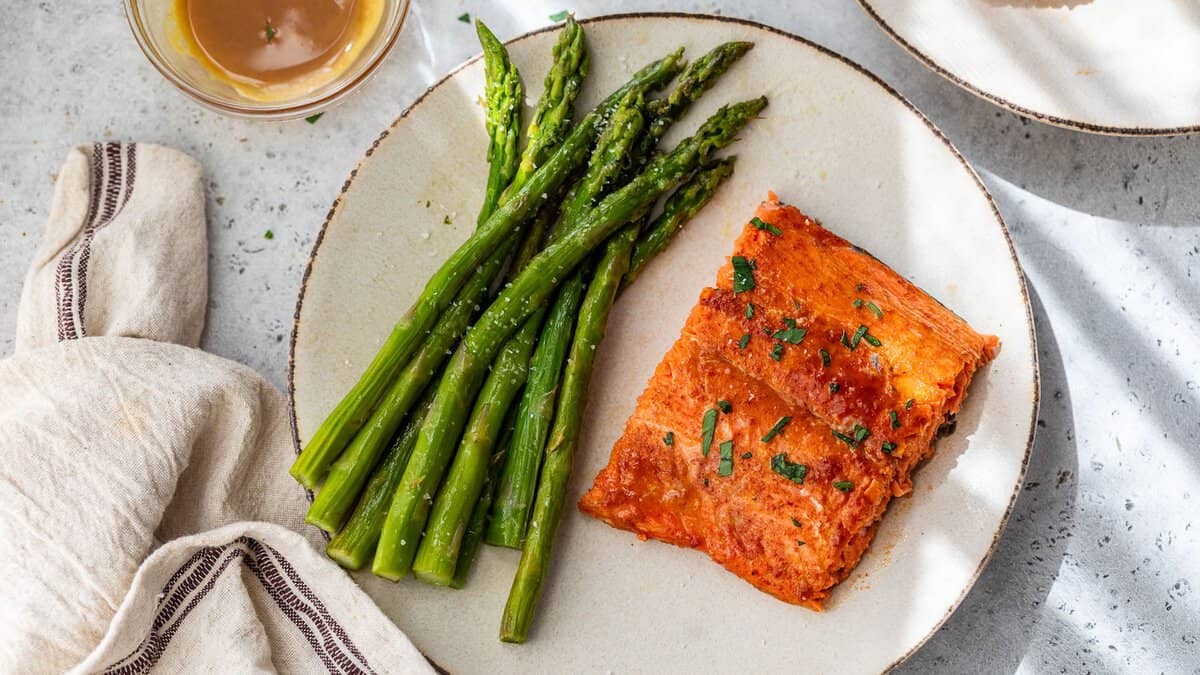
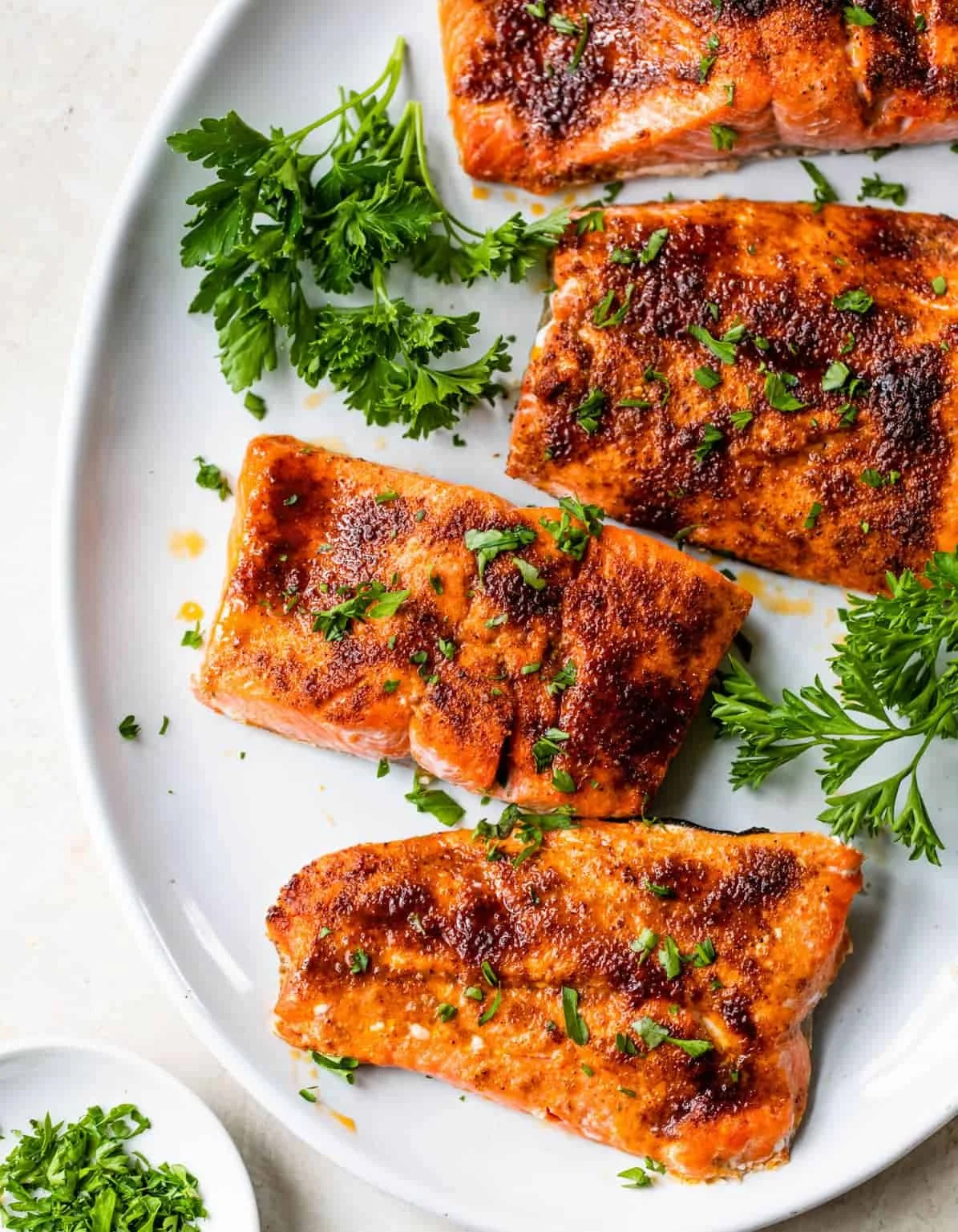
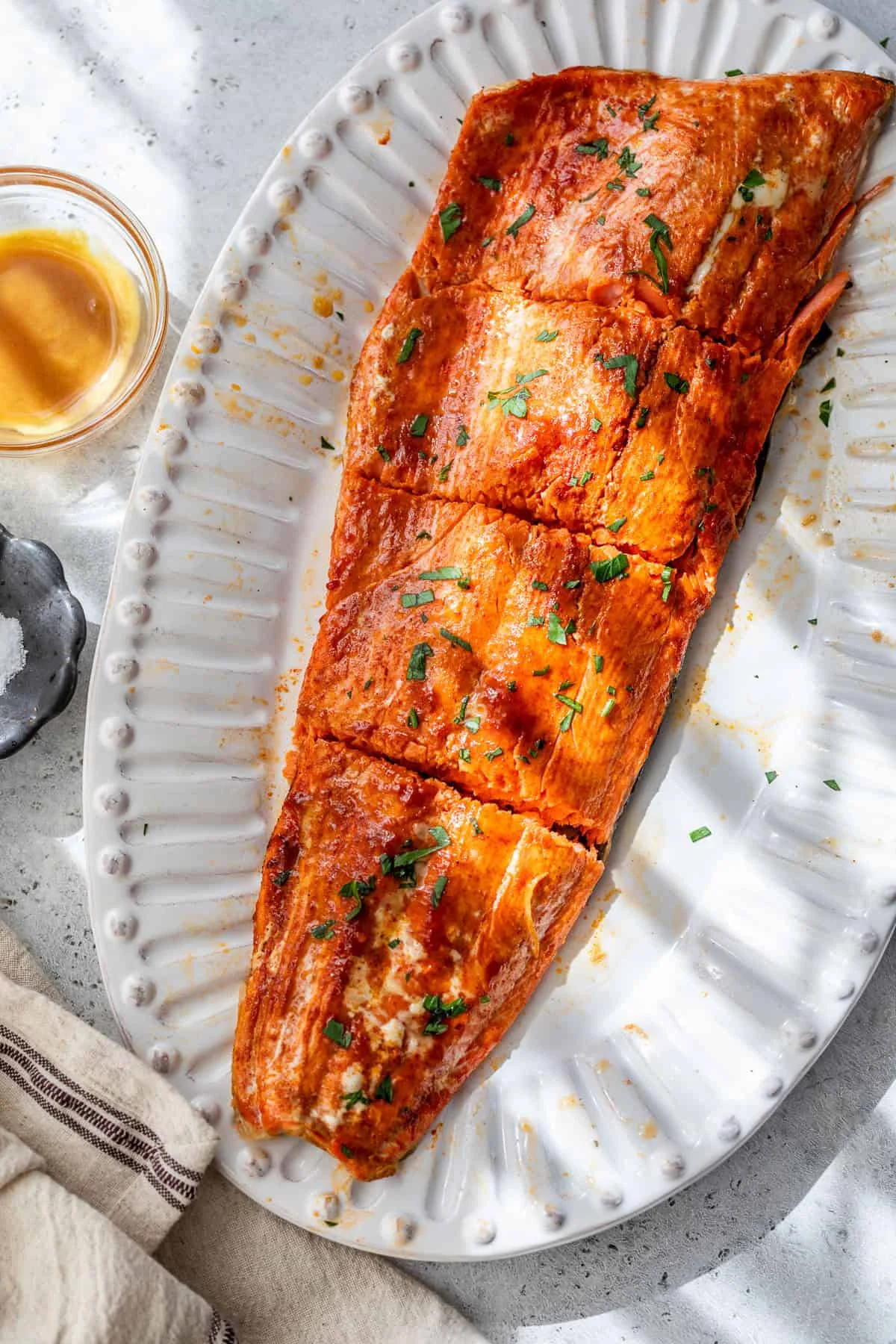
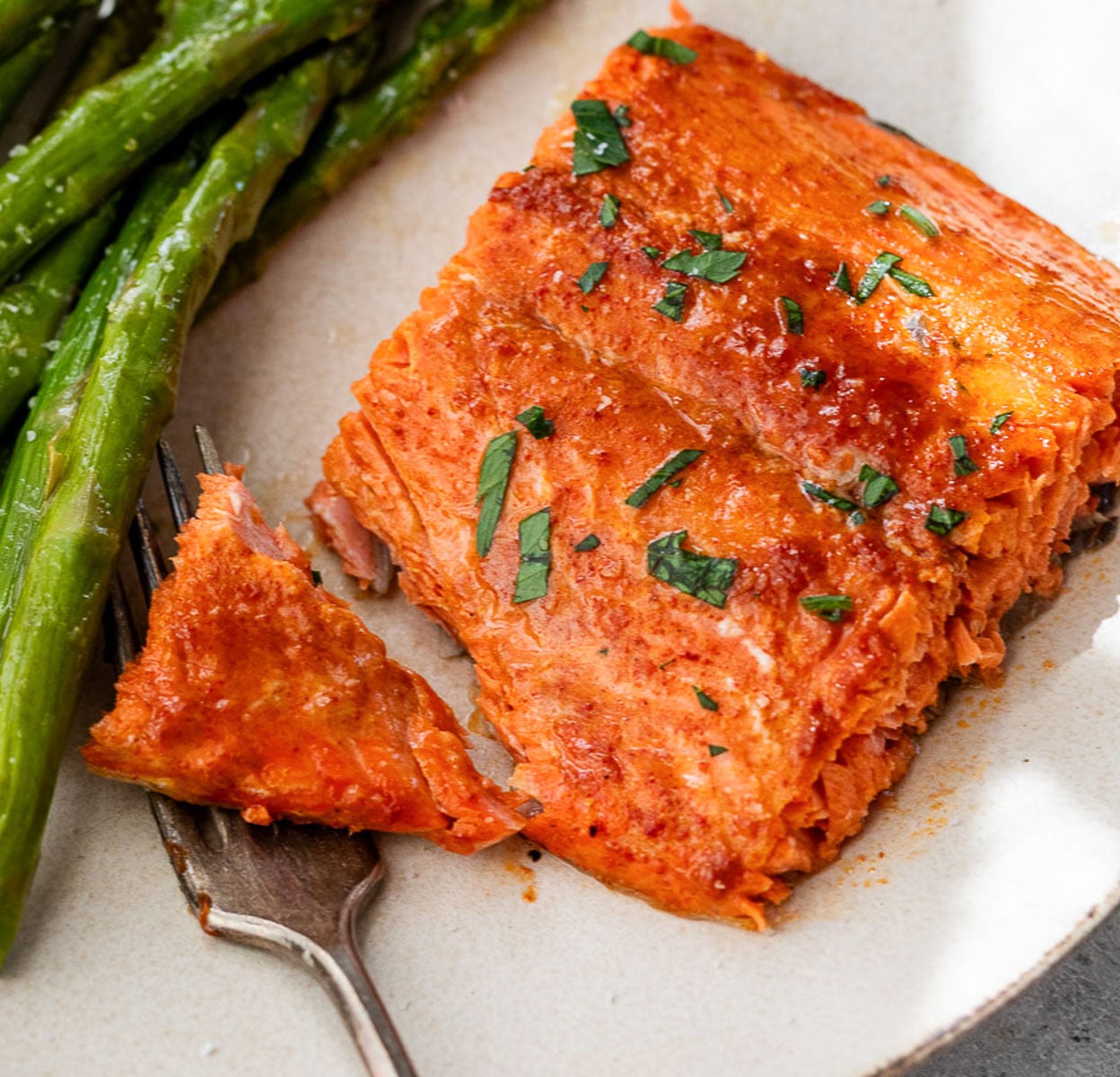
The dish requires only six essential ingredients, making it an accessible point of entry for novice cooks and a reliable standby for seasoned chefs. Beyond its flavor profile, the recipe boasts a 30-minute turnaround time, a critical factor in today’s fast-paced domestic environment. By utilizing a high-heat roasting method—specifically 425 degrees Fahrenheit—the glaze caramelizes rapidly, creating a golden, slightly tacky exterior while ensuring the interior remains moist, opaque, and tender.
The nutritional implications are equally compelling. With approximately 45 grams of protein per serving and a robust profile of healthy fats, this dish offers a dense nutritional payoff without the caloric overhead often associated with complex, sauce-heavy restaurant meals.
Chronology: The Evolution of the Dish
The rise of the Honey Mustard Salmon in the digital age follows the broader trend of "democratized gastronomy." Historically, salmon was often reserved for high-end dining or complex preparations like Salmon en Croute. However, as consumers shifted toward healthier, protein-forward diets, the focus moved toward accessible preparation methods.
The Prep Phase
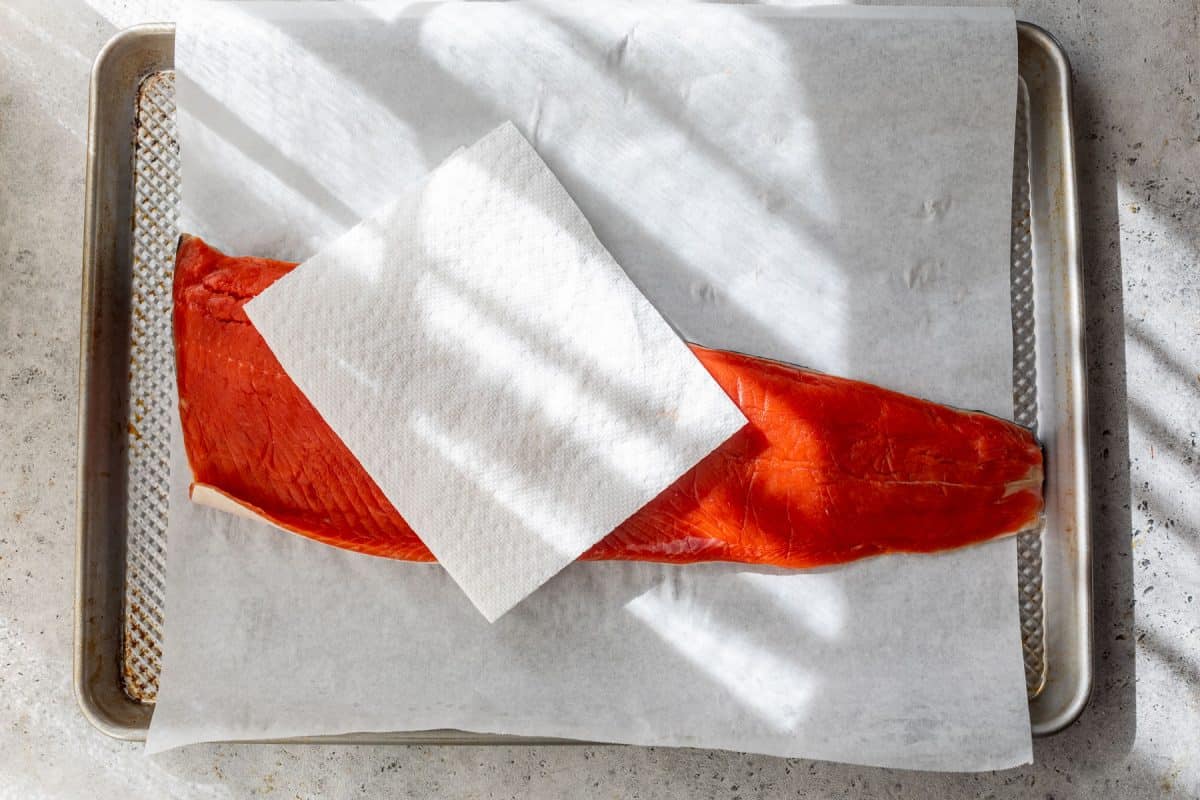
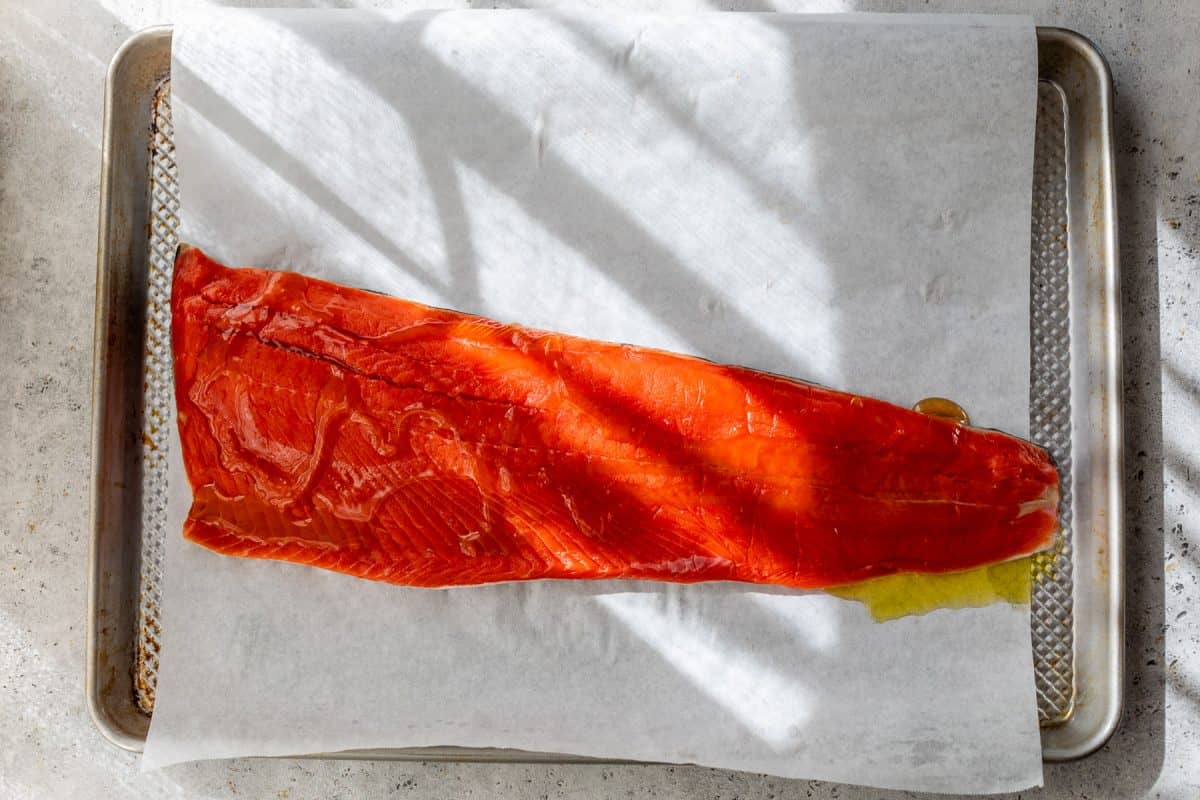
The process begins with the preparation of the protein. Culinary standards dictate that the salmon must be patted dry to ensure the glaze adheres properly. Once the baking sheet is lined with parchment paper—a crucial step for easy cleanup—the salmon is allowed to reach room temperature. This brief pause is essential for uniform cooking, preventing the exterior from overcooking while the center remains raw.

The Glazing Technique
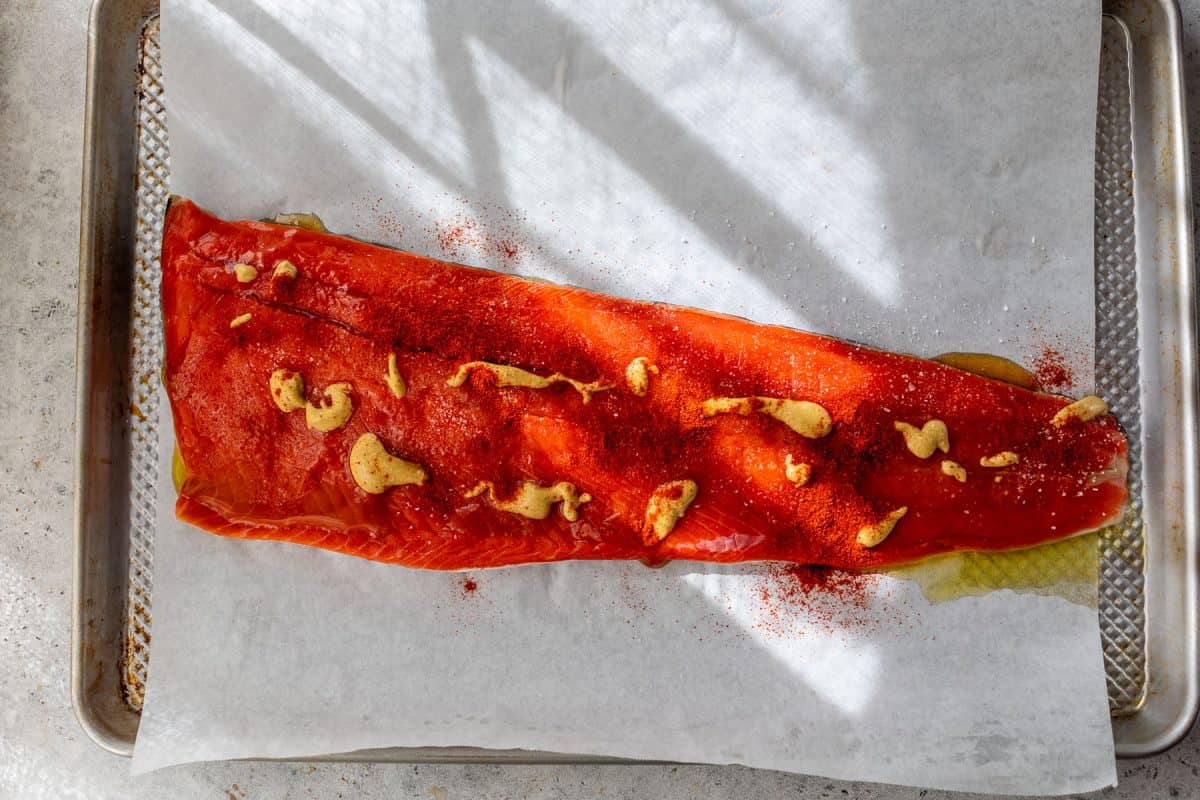
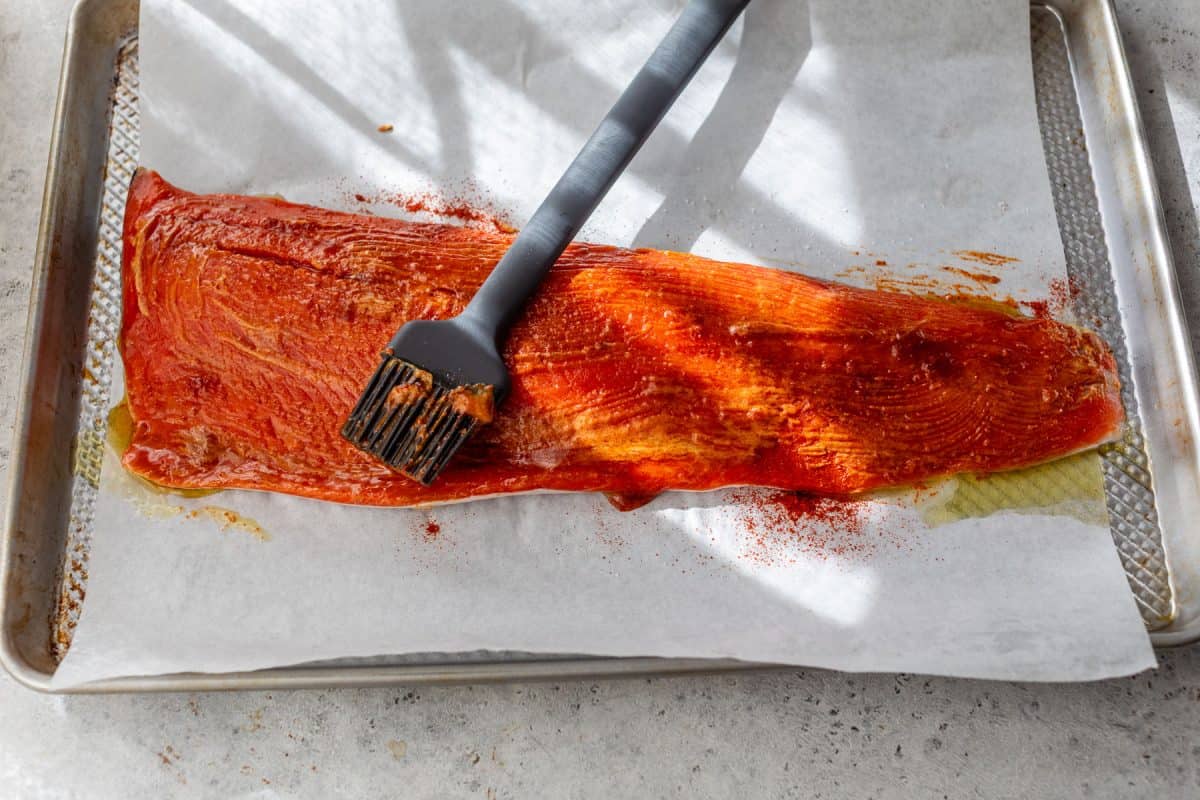
The application of the glaze is the defining moment of the dish. By whisking together the honey, mustard, and seasonings, the cook creates a suspension that acts as a flavor barrier. As the salmon enters the 425-degree oven, the honey undergoes the Maillard reaction and caramelization, deepening the color and intensifying the flavor.
The Baking and Resting Cycle
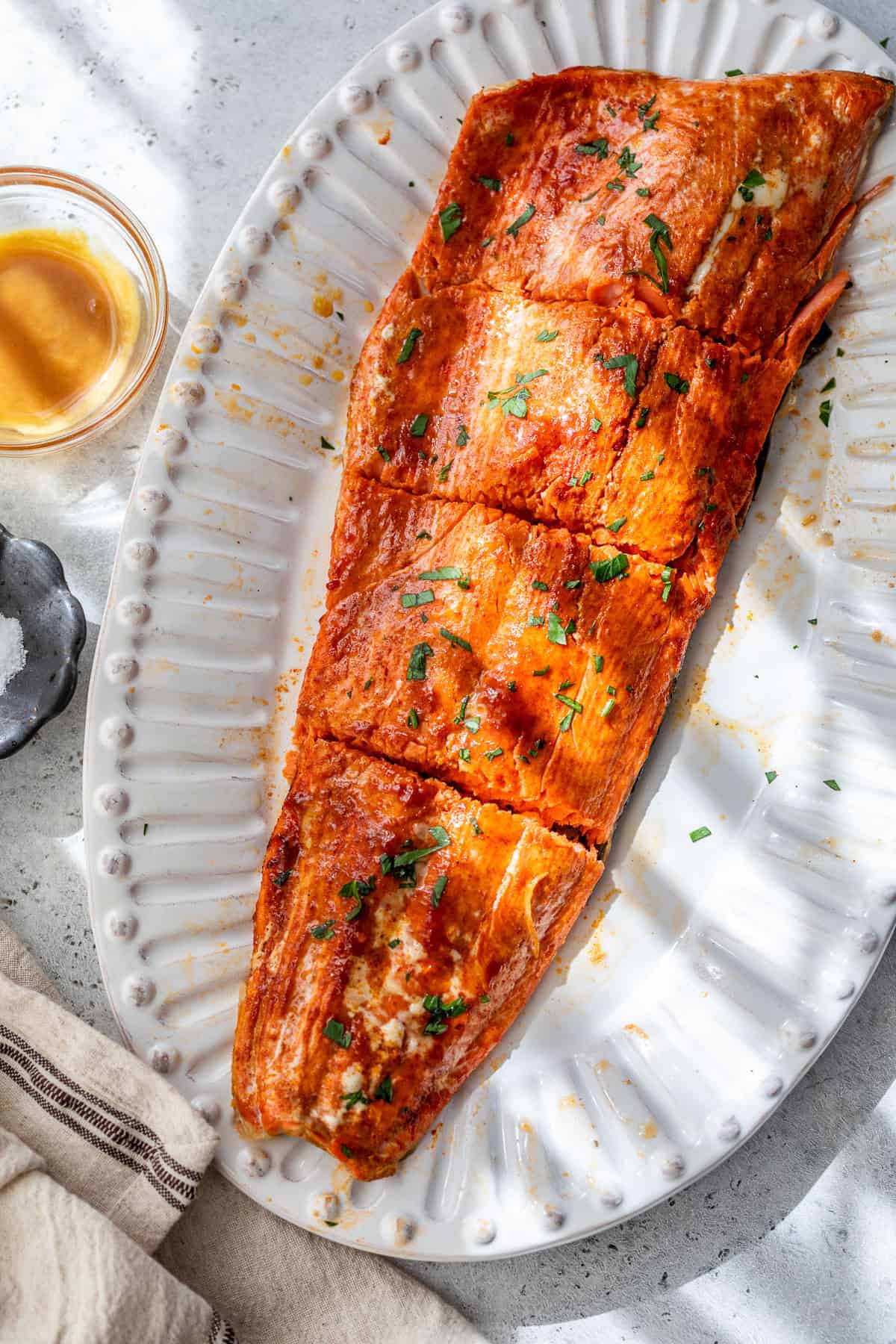
Baking times are calibrated based on the thickness of the fillet, generally ranging from 10 to 15 minutes. The crucial final step, often overlooked by home cooks, is the rest period. Allowing the salmon to sit for several minutes post-oven ensures that the juices redistribute, maintaining the integrity of the texture that defines a restaurant-quality fillet.
Supporting Data: Why This Recipe Succeeds
The data surrounding this dish speaks to a larger cultural shift toward intentional, simplified eating. With a caloric count of 422 kcal per serving and a minimal carbohydrate footprint (9g), the dish satisfies modern dietary guidelines.
Furthermore, the versatility of the side dishes allows for a personalized nutritional balance. Whether paired with fibrous, cruciferous vegetables like asparagus or roasted broccoli, or complex carbohydrates like quinoa or brown rice, the salmon acts as the anchor for a balanced meal. The potassium content (1147 mg) and the presence of essential vitamins indicate that this is not merely a "quick fix" but a genuinely restorative meal choice.
The "picky eater" factor is perhaps the most significant data point for families. Research into child nutrition often highlights that the "sweet-savory" flavor profile is the most palatable for younger demographics, making this recipe an effective vehicle for introducing oily fish—rich in Omega-3 fatty acids—into a family diet that might otherwise be resistant to seafood.
Official Perspectives: The Philosophy of Erin Clarke
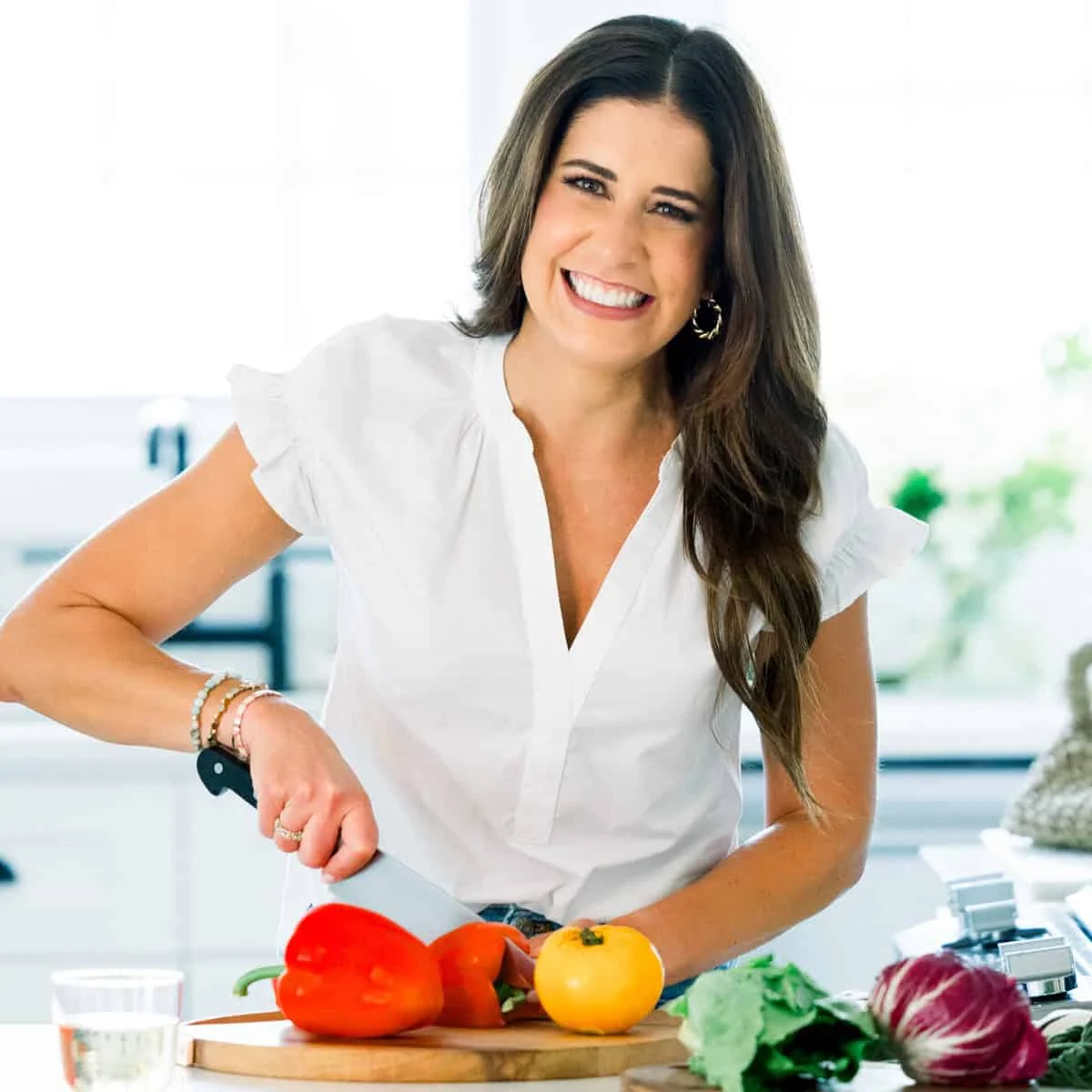
Erin Clarke, the architect behind this particular iteration of the dish, views home cooking as a mechanism for both health and mental well-being. Her philosophy centers on "low-friction cooking"—the idea that by reducing the number of dishes used and the complexity of techniques required, the home cook is more likely to sustain healthy habits.
"I’ve helped millions of people cook healthier meals that actually taste amazing," Clarke states. Her approach emphasizes that efficiency does not necessitate a sacrifice in flavor. By focusing on the interplay of ingredients—such as the balance between the heat of the mustard and the sweetness of the honey—she provides a template that home cooks can execute repeatedly without the need for constant, laborious recipe consultation. Her work is a testament to the belief that even the busiest of schedules can accommodate a meal that feels intentional and indulgent.
Implications: The Future of Weeknight Dining
The popularity of the Honey Mustard Salmon carries broader implications for the future of the home kitchen. As we move further into an era where time is the ultimate luxury, the "30-minute meal" is no longer a marketing gimmick; it is a necessity.
The Sustainability of Home Cooking
The reliance on simple, fresh ingredients encourages a move away from ultra-processed convenience foods. When a meal as nutrient-dense as salmon can be prepared in the same amount of time it takes to order and wait for delivery, the economic and health incentives for cooking at home increase significantly.
Culinary Confidence
Recipes like this serve a secondary purpose: they build the user’s culinary confidence. By achieving consistent, "flaky, golden perfection," the home cook feels empowered to experiment with other proteins and glazes. The Honey Mustard Salmon is, in effect, a gateway to a more robust and varied home-cooking repertoire.
Community and Connection
Beyond the physical act of eating, there is the psychological component of the dinner table. The sight of a beautifully glazed, oven-fresh piece of salmon, served alongside fresh vegetables, acts as a centerpiece that draws family members together. It signals that even on a Tuesday, when time is short and energy is low, there is still room for a meal that celebrates the quality of life.
Conclusion
The Honey Mustard Salmon is more than a simple recipe; it is a strategy for modern living. By synthesizing the technical requirements of cooking with the practical needs of the busy professional or parent, it provides a solution that is as elegant as it is effective. Whether one is a seasoned cook looking for a reliable midweek staple or a beginner looking to master their first, truly impressive seafood dish, the methodology presented here offers a clear, successful path forward.

As we continue to navigate the complexities of modern food culture, it is the simple, honest, and efficient recipes that will remain, cementing their place in our kitchens for years to come. By focusing on the harmony of ingredients and the precision of basic techniques, anyone can transform a simple fillet into a memorable dining experience.