In the fast-paced landscape of modern culinary habits, the "weeknight dinner" has become a battleground between convenience and nutrition. For many home cooks, the siren call of takeout is difficult to resist when faced with the exhaustion of a workday. However, cookbook author and culinary expert Erin Clarke suggests that the secret to a high-quality, health-conscious meal lies in the efficiency of the stir-fry. Her signature Shrimp and Broccoli recipe has recently gained traction as a definitive solution for those seeking restaurant-quality flavor without the associated delivery wait times or heavy, processed ingredients.
Main Facts: The Anatomy of a Perfect Stir-Fry
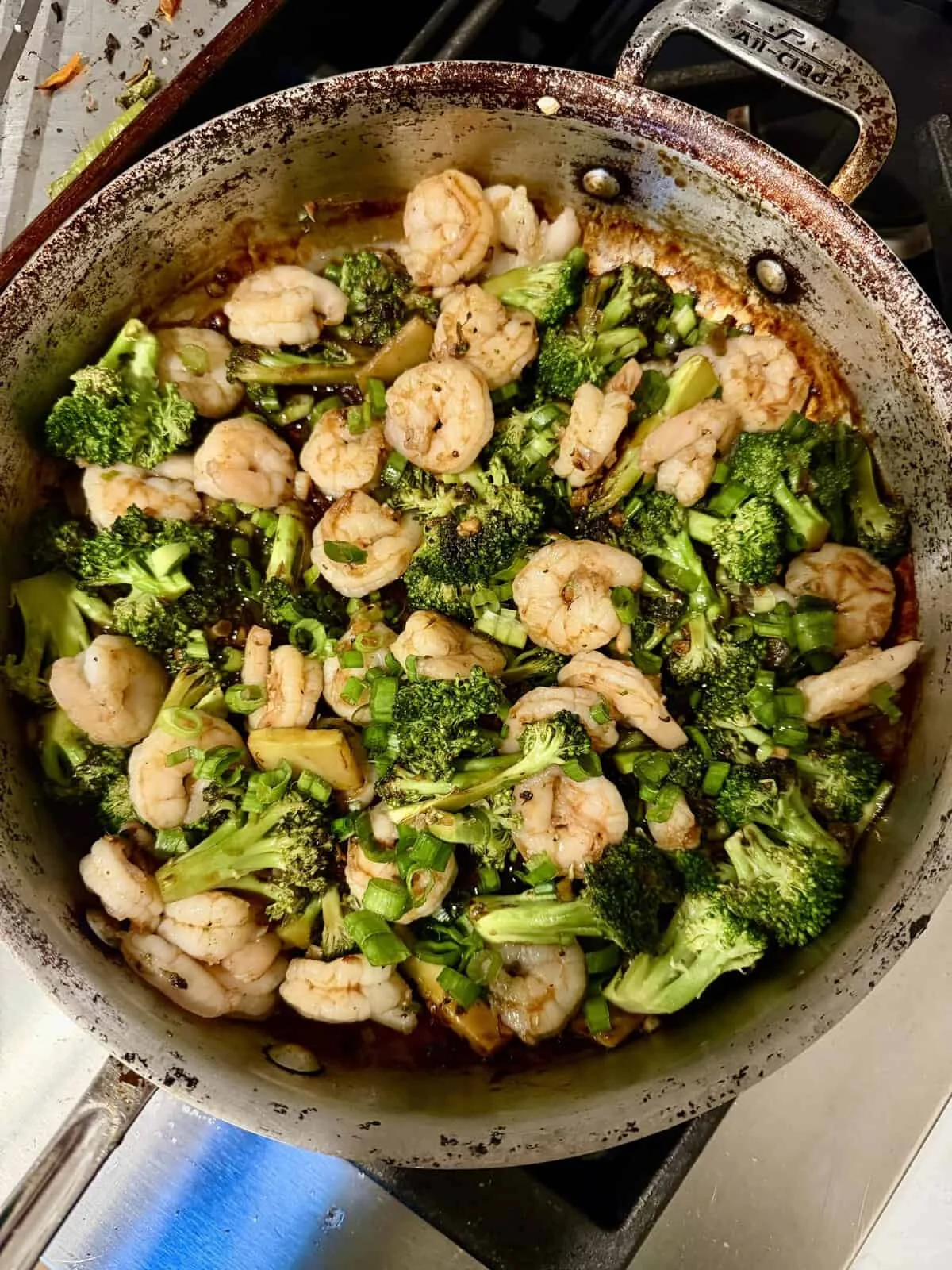
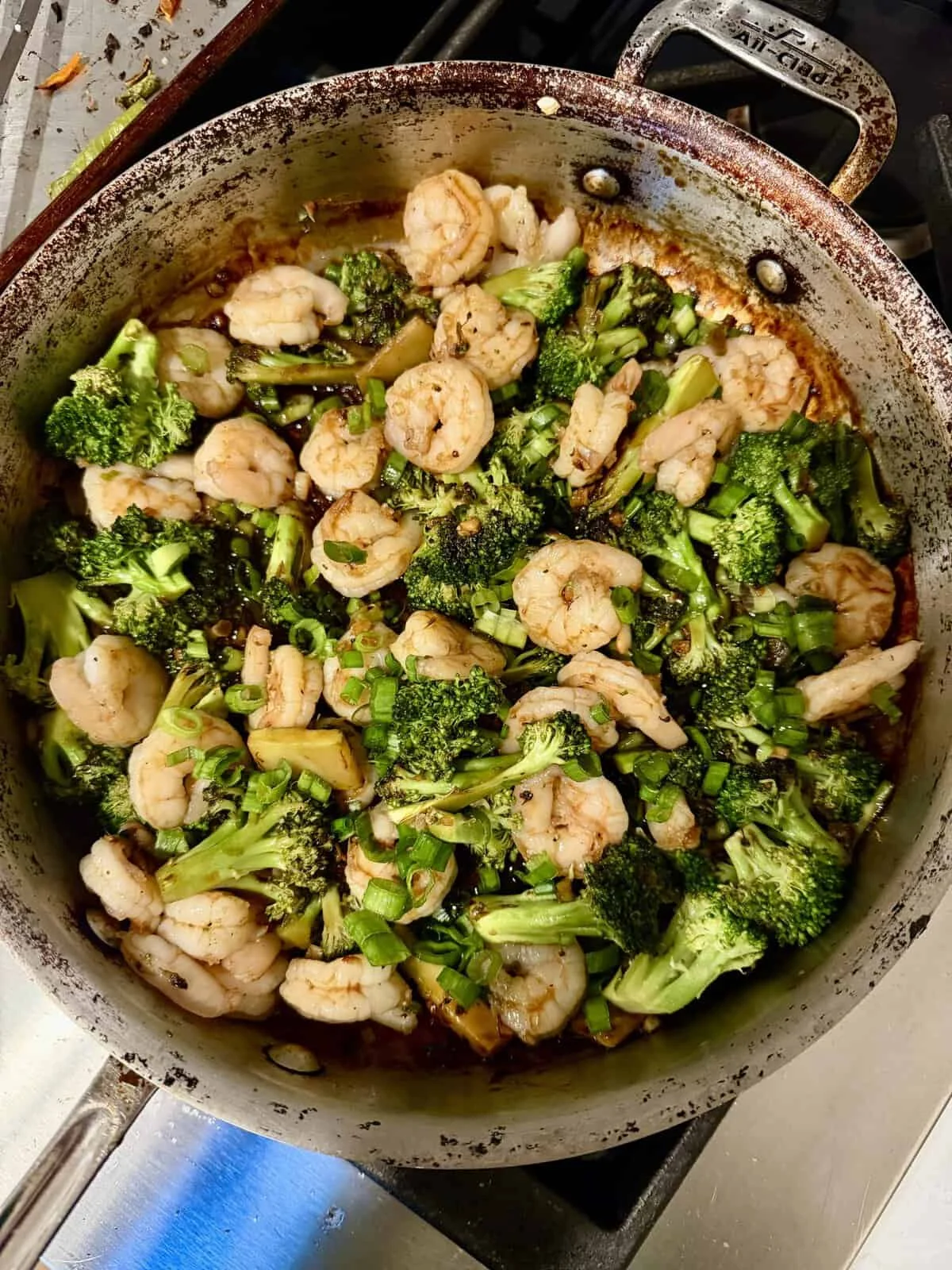
The appeal of the Shrimp and Broccoli stir-fry is grounded in its simplicity and reliance on high-heat cooking techniques. By definition, a stir-fry is designed to be a rapid process. The objective is to achieve a "tender-crisp" texture in vegetables while ensuring that proteins—specifically delicate seafood like shrimp—remain succulent rather than rubbery.

The dish centers on a balance of textures and an aromatic foundation. The "takeout vibe" is achieved through a bespoke garlic-ginger sauce, which is designed to cling to the broccoli florets and shrimp, providing a cohesive flavor profile that is both savory and bright. Unlike many commercial versions that rely on excessive sodium or artificial thickeners, this home-cooked iteration focuses on fresh aromatics and precise timing to elevate the dish into a balanced, nutrient-dense meal that can be prepared in roughly 30 minutes.
Chronology: Mastering the Cooking Process
Achieving the perfect stir-fry is a lesson in thermodynamics and timing. One of the most common pitfalls home cooks encounter is the disparity in cooking times between protein and produce. If shrimp and broccoli are tossed into a pan simultaneously, the result is inevitably a dish where one element is overcooked while the other remains underdone.

The professional approach, as recommended by Clarke, involves a specific sequence of operations:
- The Mise en Place: Before the flame is lit, all ingredients must be prepared. The sauce—a blend of savory, acidic, and aromatic components—is whisked in a separate vessel and placed within arm’s reach of the cooking station.
- The Sear: The process begins by heating high-smoke-point oil in a large skillet or wok over medium-high heat. The shrimp are cooked in a single layer until they turn opaque and form a signature "C" shape. Crucially, the shrimp are then removed from the pan, preventing them from toughening while the vegetables cook.
- The Steam-Fry Hybrid: With the shrimp set aside, the broccoli is added to the pan. By leaving the broccoli undisturbed for a short interval, the cook achieves a light char, which adds depth of flavor. A small amount of water is then introduced to create steam, ensuring the broccoli reaches a tender-crisp texture.
- The Aromatics: Once the broccoli is primed, garlic, ginger, and the white/light green parts of green onions are introduced. This step must be monitored closely, as burnt garlic turns bitter and can ruin the sauce.
- The Emulsion: The final phase involves reuniting the shrimp with the pan, adding the prepared sauce, and tossing everything together. The heat causes the sauce to glaze the ingredients, creating a glossy, cohesive finish.
Supporting Data: Nutrition and Scalability
From a nutritional perspective, this recipe offers a lean, high-protein alternative to heavier stir-fry options like beef or pork. According to provided nutritional breakdowns, a single serving contains approximately 469 kilocalories, with a substantial 35 grams of protein and 11 grams of dietary fiber.

However, the dish’s scalability is a frequent topic among home cooks. As noted by Erin Clarke in her testing observations, the current recipe is calibrated for a standard serving size, but households with higher caloric requirements or larger appetites may find the need to adjust the proportions. Increasing the protein content to 1.5 pounds of shrimp is a common modification that does not disrupt the integrity of the sauce or the cooking technique. Furthermore, the base recipe is intentionally balanced to be savory rather than cloying; those with a preference for sweeter, "General Tso-style" flavors can easily adjust the honey content to suit their palate.
Official Perspectives and Expert Insight
Erin Clarke, the force behind Well Plated, has built a reputation on the concept that healthy eating should not be synonymous with labor-intensive cooking. Her philosophy centers on the idea of "cooking smarter, not harder." By documenting her own trials—such as the transition from beef-based stir-frys to lighter seafood alternatives—she provides a roadmap for others to follow.

Her testing notes highlight a recurring theme in home cooking: the "hidden" effort. While the 30-minute window is a major selling point, the success of the dish is contingent on the preparation phase. "I love stir-frys for busy weeknights," Clarke notes. "By definition, they’re quick… but the key is the prep." Her advice to keep the sauce ready and to manage the order of operations serves as a masterclass in kitchen efficiency. She also provides alternatives for those who prefer oven-based cooking, such as her "Sheet Pan" variation, demonstrating that the methodology of the dish is as flexible as its ingredients.
Implications: The Future of Weeknight Dining
The popularity of the Shrimp and Broccoli stir-fry signifies a broader shift in consumer behavior. As people continue to seek healthier alternatives to restaurant delivery, the demand for "recipe-as-a-service" content—where authors provide not just a list of ingredients, but the technical expertise to ensure success—is growing.

The implications for the home cook are significant. By mastering the fundamentals of a stir-fry, one acquires a "template" skill. Once a cook understands the importance of removing the protein to avoid overcooking and the technique of steaming vegetables within the pan, they can apply these methods to almost any combination of meat and produce.
Furthermore, the emphasis on fresh ingredients and the avoidance of pre-packaged, ultra-processed sauces aligns with the current wellness-oriented dietary trends. By controlling the quality of the oil, the salt content, and the sweetness of the sauce, the individual regains control over their nutritional intake.

In conclusion, the rise of home-cooked stir-frys like this Shrimp and Broccoli recipe is more than just a passing trend; it is a sustainable response to the pressures of modern life. It proves that with the right technique, professional-grade meals can be achieved in the time it would otherwise take to wait for a delivery driver. For the busy professional or the home cook with limited time, this recipe serves as a vital tool in maintaining a healthy lifestyle without sacrificing the pleasure of a flavorful, hot meal. As the culinary landscape continues to evolve, the focus on accessible, efficient, and nutritious recipes will undoubtedly remain a cornerstone of the home kitchen.